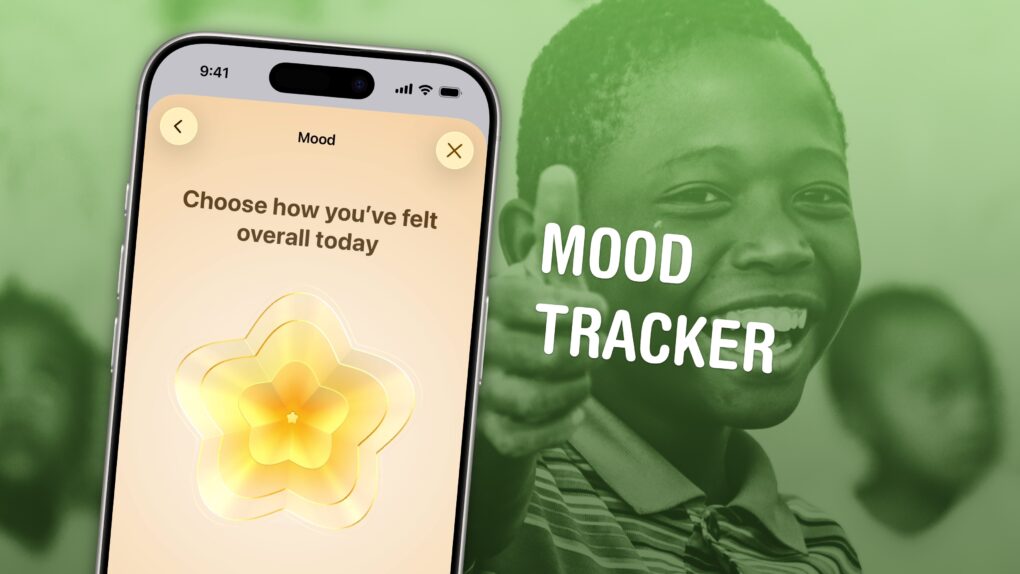
Logging how you feel throughout the day with your iPhone can help you identify what’s causing you trouble or what works for you, whether it’s work, family, exercise, sleep or other things. You don’t need to hand your data over to a third-party app; the built-in and totally free Apple Health app comes with a built-in mood tracker that helps you keep tabs on your mental well-being.
In order to make any kind of meaningful change, you need to understand fully what helps, what doesn’t, and what you can do. And that means effectively tracking your mental health. Luckily, starting your log is easy. Set it up once, and your phone will ask you every day so you don’t forget.
Let me show you how to set up a mood tracker on your iPhone.


 January 6, 1998: Just months after taking over a company on the verge of bankruptcy, Steve Jobs shocks attendees at San Francisco’s Macworld Expo by revealing that Apple is profitable again. An Apple comeback is on the way!



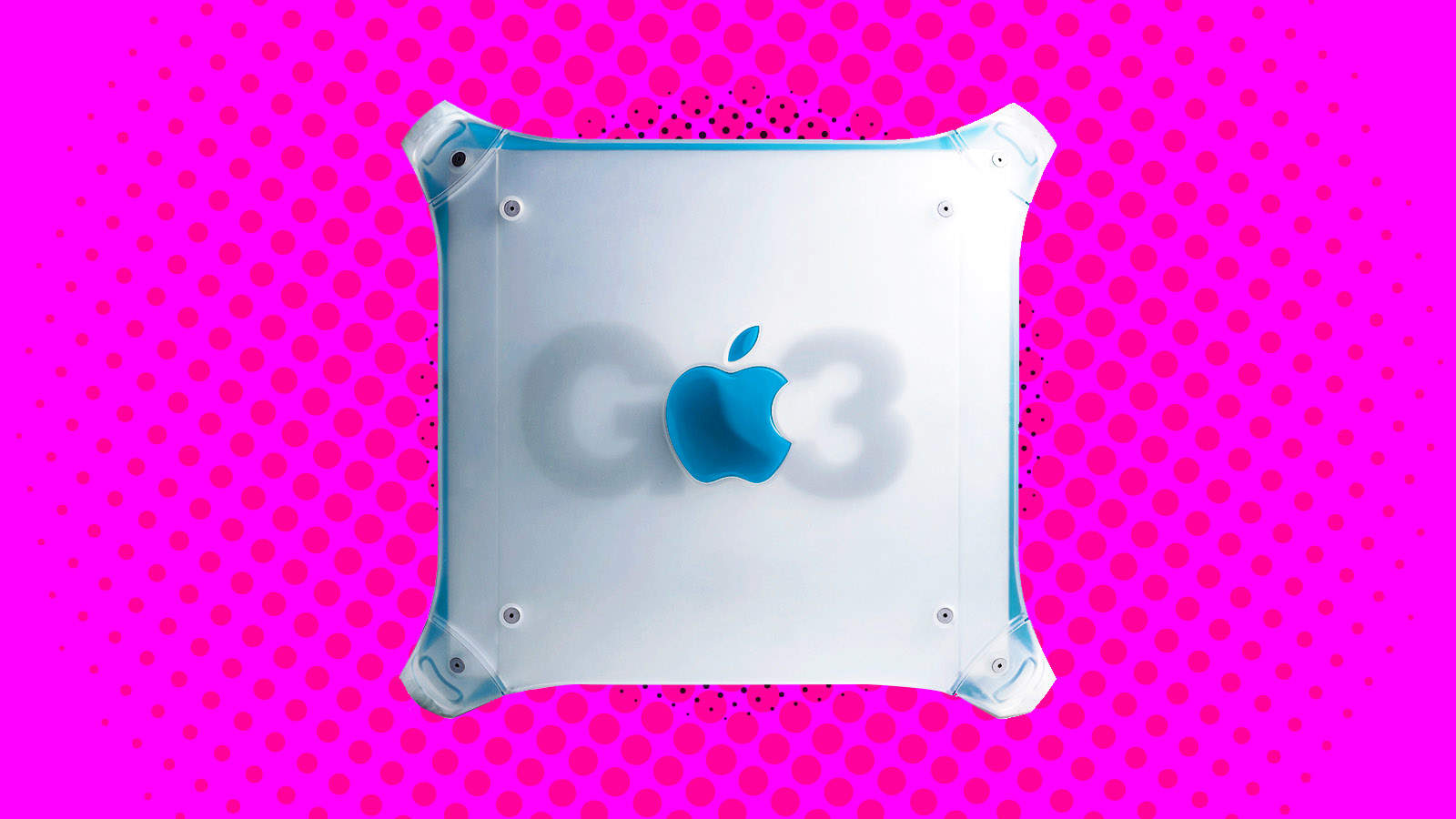
 January 5, 1999: Apple introduces a revised Power Mac G3 minitower, nicknamed the “Blue and White G3” or “Smurf Tower” to distinguish it from the earlier beige model.


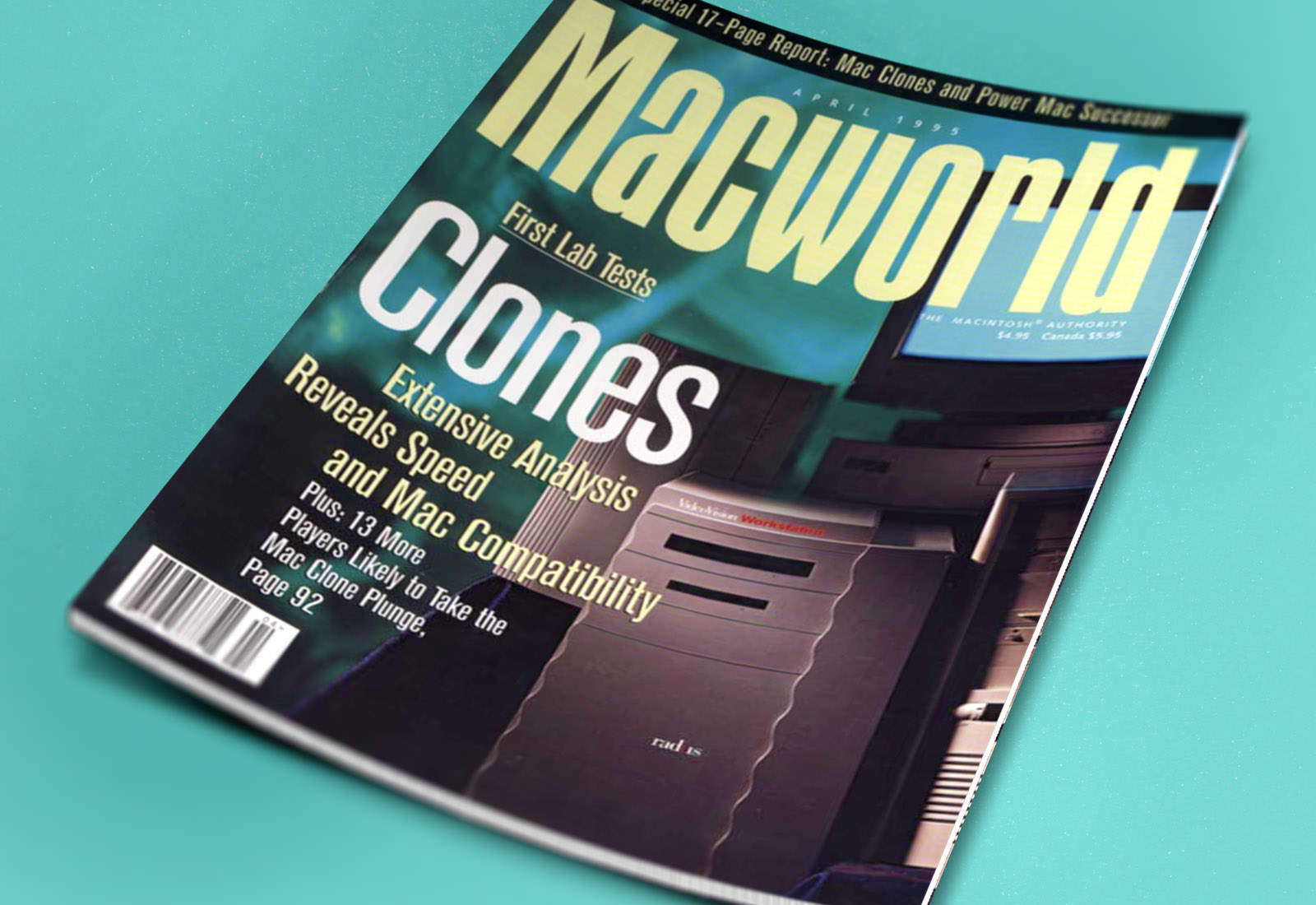
 January 4, 1995: Apple signs a deal with third-party Mac accessory-maker Radius, allowing the company to build Macintosh clones that run on Mac OS.
 January 3, 1977: Apple Computer Co. is officially incorporated, with