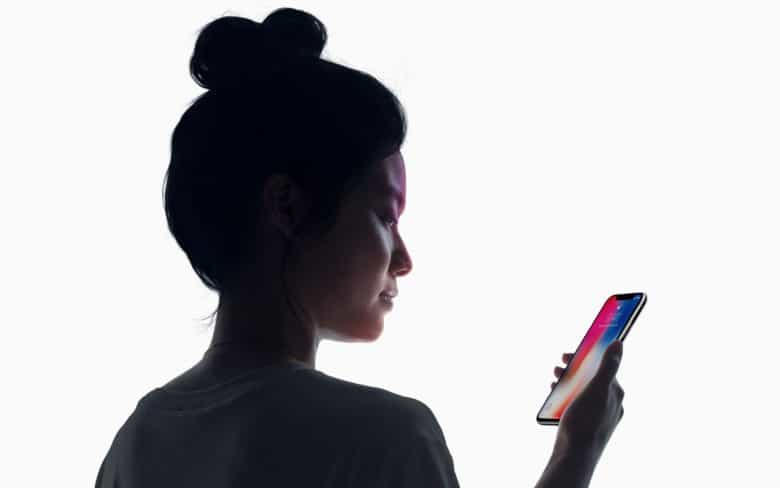
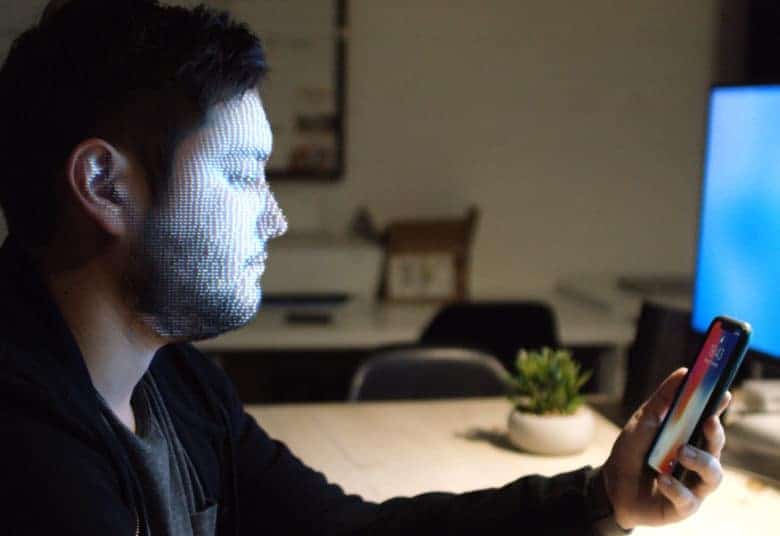
Face ID debuted on the iPhone X in 2017, and since then it’s become standard in all high-end iOS handsets. Powered by 3D depth mapping sensor, the unlocking feature is more secure than Touch ID and allows you to unlock your iPhone without even touching it.
Unconfirmed reports indicate Apple eventually intends to add the biometric system to Mac, too.
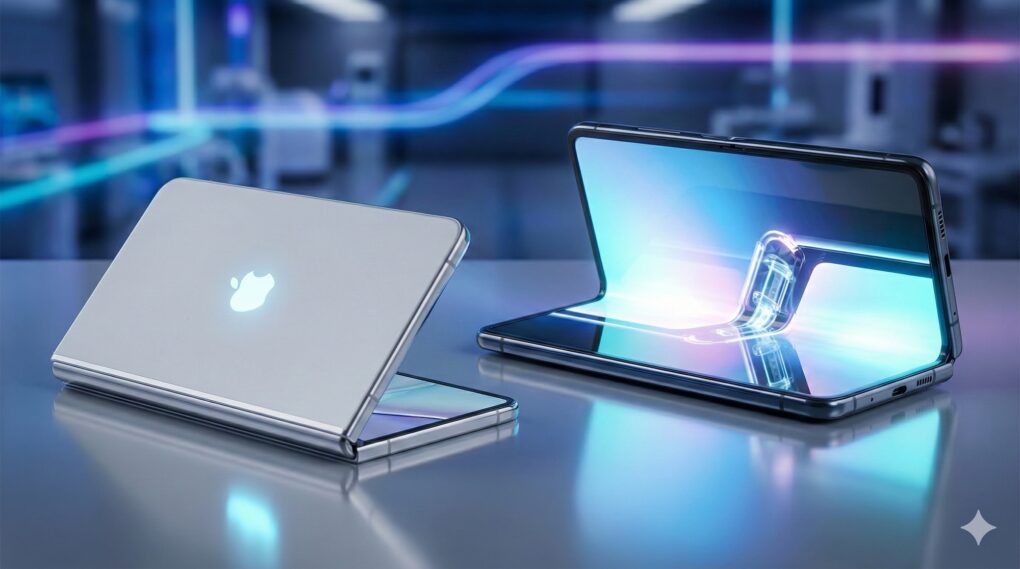
The first foldable iPhone may take design cues from the iPad. AI Image: Google Gemini
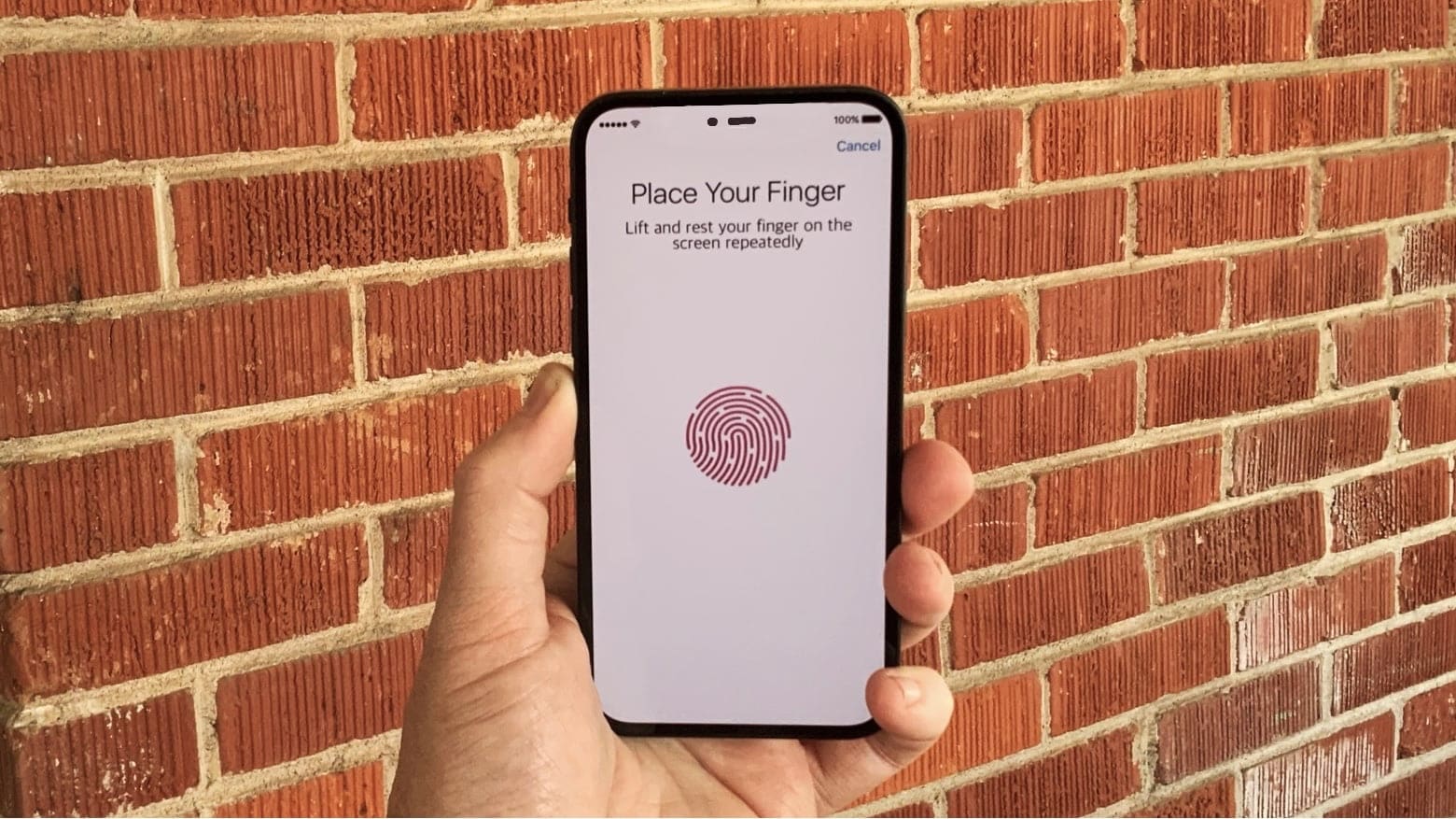
A new leak out of China purports to detail the iPhone Fold’s design. The leaker known as Instant Digital says the foldable iPhone will feature a Touch ID power button, as seen on the iPad Air and iPad mini.
The device will supposedly feature a black rear camera plateau, housing two cameras, a microphone and the flash.
iPhone 17 Pro is good, but the iPhone 18 Pro will be better. AI Image: ChatGPT
Apple delivered some genuinely meaningful upgrades with the iPhone 17 Pro, fulfilling all the fundamentals: better performance, display, battery life and overall polish. Under normal circumstances, this would make an easy upgrade.
Yet, I’m choosing to skip it. If the iPhone 17 Pro nailed the basics, the iPhone 18 Pro looks set to finally push Apple’s Pro lineup forward in a meaningful way.
Face ID might go under-display on iPhone 18 Pro. AI Image: ChatGPT
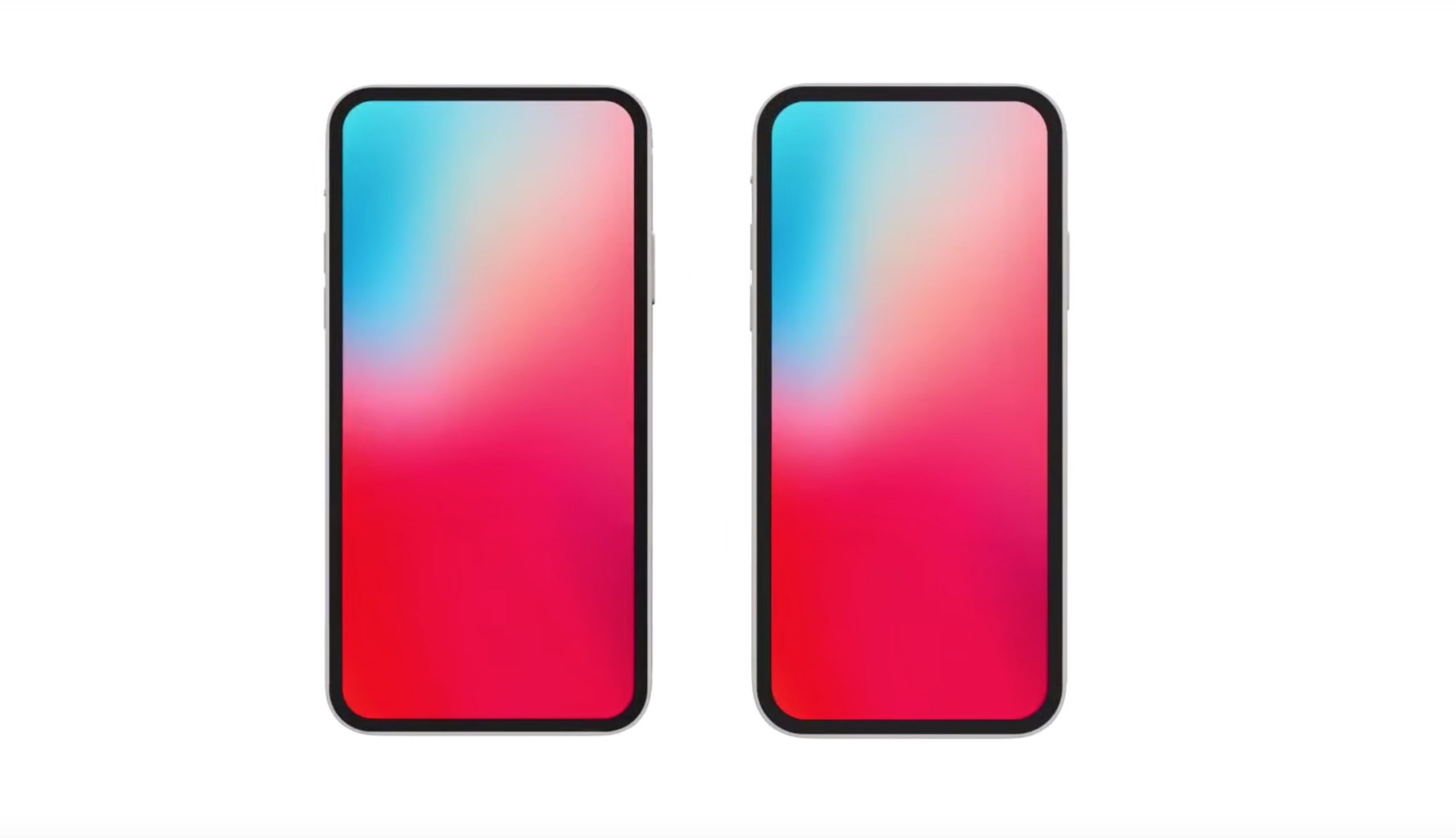
A new leak reiterates Apple’s plan to switch to under-display Face ID on the iPhone 18 Pro models this year. The regular iPhone 18 and iPhone Air 2 will reportedly stick with displays featuring the Dynamic Island at the top.
The leak also suggests that Apple plans to retain the same display sizes across its 2026 iPhone lineup, mirroring the current-generation models.
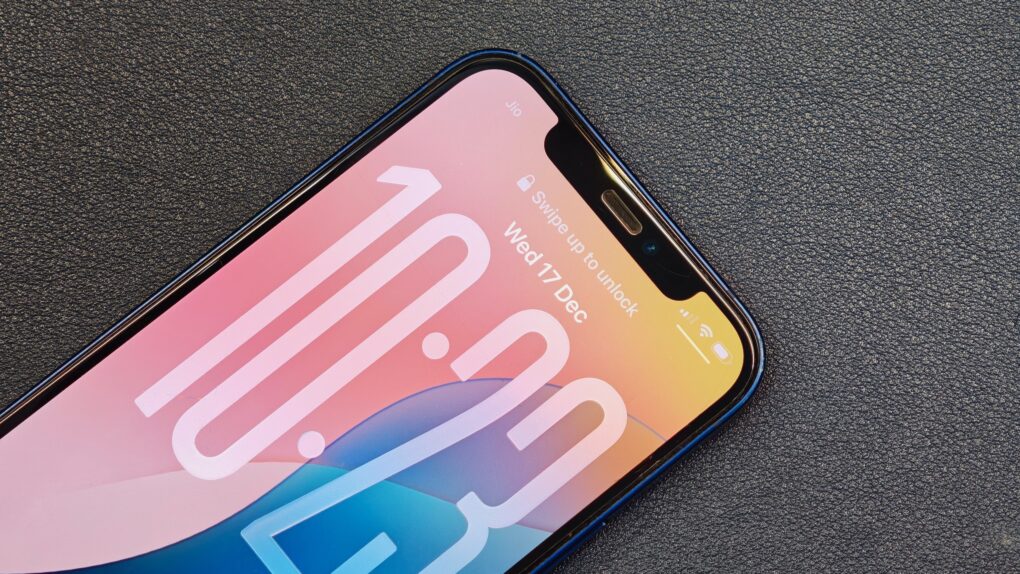
Will Face ID finally go under-display in 2026? Photo: Rajesh Pandey/Cult of Mac
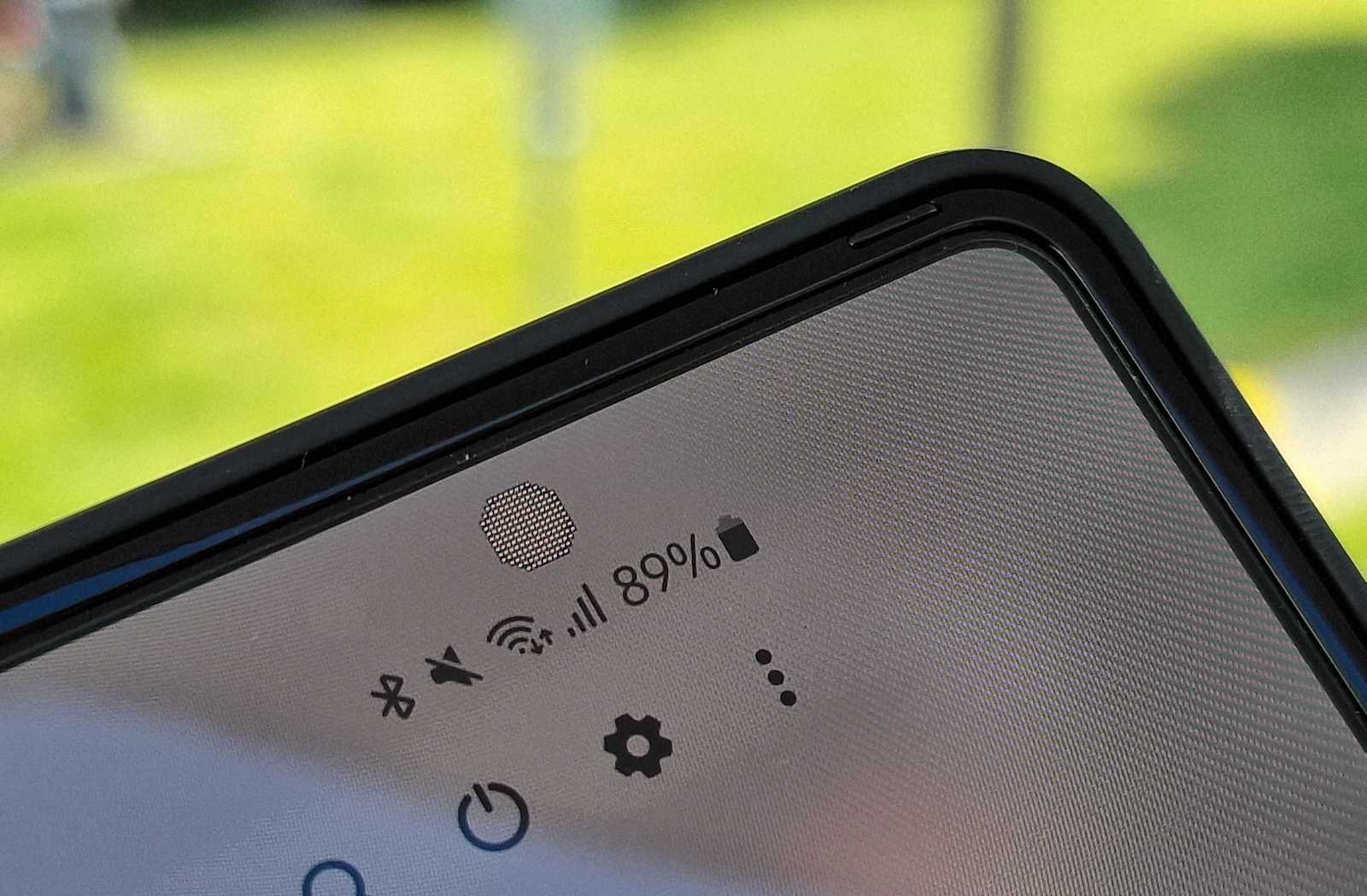
Apple’s 2026 flagship iPhones — the iPhone 18 Pro and Pro Max — might feature under-display Face ID sensors, according to a new port. As part of the change, the company will reportedly relocate the devices’ front cameras to their top-left corner.
The report also sheds light on other changes coming to next year’s iPhones, including a new rear camera sensor.
Passkeys are here, and I’m here to tell you they’re awesome. Image: Santeri Viinamäki/Wikimedia Commons, D. Griffin Jones/Cult of Mac
Managing passwords is and always has been a giant pain. It isn’t the best system, but it’s the system we’ve got. Well, not if Apple can do anything about it. Passkeys are a new system that automatically signs you in to online services using your phone’s Face ID (or Touch ID) or your computer’s password. It’s one less thing to remember; it works without fiddling around with a password manager.
Passkeys aren’t an Apple-exclusive feature. You can bet the technology will be supported no matter what devices you have because all of these companies are part of the FIDO Alliance that created the system … eventually.
Why does the MacBook Pro have a screen notch but no Face ID? Graphic: Ed Hardy/Cult of Mac
Another generation of MacBook Pros recently launched without Face ID, meaning Apple once again missed an opportunity to make its premier laptops easier to use. Adding the facial-recognition authentication system seems like a no-brainer, since it would enable Mac users to unlock their computers simply by looking at them.
Instead, MacBooks continue to depend on Touch ID, even though multiple reasons make Face ID a far superior security option. And Apple’s excuse for sticking with its fingerprint sensor is lame.
If you think there's something wrong with Face ID on your iPad, it could be it's set to be too picky. Graphic: Ed Hardy/Cult of Mac
I’ve read complaints online that Face ID on iPads is defective. I think what’s happening instead is that the biometric security system in Apple’s tablets has been set to be overly exacting. If it seems like Face ID is not working on your iPad, changing a single security setting can help.
I turned off the Require Attention setting on my iPad Pro and it made Face ID noticeably better. Presto, unlocking anything on my iPad became quick and easy. Previously, it felt like the computer was working to avoid giving me access.
Admittedly, changing this setting made my tablet a little bit less secure. But that’s a very small risk for a significant gain in usability. I recommend it to anyone who uses an iPad and thinks Face ID is not working properly.
There’d be far fewer complaints about the MacBook Pro notch if it included Face ID. Graphic: Ed Hardy/Cult of Mac
Apple just received a patent that covers building Face ID into a MacBook. The facial-recognition system is not a feature of any Mac … yet. But the new patent serves as evidence that Apple is still at least considering the idea of replacing Touch ID with Face ID in its notebook line.
iPhone 16 Pro might show only a holepunch camera. Graphic: Ed Hardy/Cult of Mac
The Face ID sensors reportedly will be hidden from users in next year’s iPhone 16 Pro. That would free up space for more screen area.
If true, under-display Face ID might mean that the days of the Dynamic Island are numbered, even though the feature only recently debuted in the iPhone 14 Pro.
You could soon be using Face ID to sign into more websites and applications. Photo: Apple
Apple, Google and Microsoft committed themselves to expand support for a passwordless sign-in standard. The goal is to make it easier for websites and applications to offer consistent, secure and easy passwordless sign-ins.
It’s a move toward greater support for biometric security systems like the ones already included in iPhone, Mac and iPad.
An iPhone without any sort of notch or pill could be coming in 2024. Photo: ConceptsiPhone
As rumors fly about the upcoming iPhone 14 series, a top analyst is doubling down on his recent assertion that high-end iPhones in 2024 — likely iPhone 16 Pro models — will feature an under-display camera along with under-display Face ID.
If Apple analyst Min-Chi Kuo’s tweet Wednesday turns out to be accurate, the new under-display tech would most likely finally nullify any need for a notch and possibly the pinhole-and-pill design expected in iPhone 14.
Easier and more affordable for everyone. Photo: Ste Smith/Cult of Mac
Apple Store technicians and Authorized Service Providers can now repair Face ID issues on iPhone X without replacing the entire handset.
Apple last month began performing Face ID repairs on newer iPhone models, but iPhone X was excluded from the list of supported devices. A leaked internal memo reveals that the 2017 flagship has now been included.
Tipsters agree, an iPhone without a notch is on Apple’s drawing board. But not as soon as we might like. Photo: ConceptsiPhone
The good news is that Apple will bring in-display Face ID to the iPhone, finally eliminating the distinctive “notch” at the top of the touchscreen. The bad news is that it’s reportedly not happening as soon as possible.
This means we’re still years away from an iPhone with a truly edge-to-edge display.
Bad news: Looks like an iPhone with an in-display Touch ID scanner will remain only a dream. Concept: Ed Hardy/Cult of Mac
An in-screen fingerprint scanner won’t be part of any iPhone for at least three years, according to a trusted analyst. That raises the strong possibility that Touch ID will never again be part of Apple’s flagship smartphones — despite occasional rumors to the contrary.
Apple may have abandoned the idea after a recent improvement to Face ID.
Samsung is already hiding cameras on its Z Fold3. Photo: Killian Bell/Cult of Mac
iPhone 15 Pro, which is expected to make its debut in 2023, could be Apple’s first handset with Face ID sensors hidden beneath its screen. This would reduce the amount of display space the front-facing sensors require.
A new report claims Apple will use technology currently being developed by Samsung to make the upgrade possible. In the meantime, Cupertino is gearing up to replace iPhone’s notch with a number of smaller, more subtle cutouts.
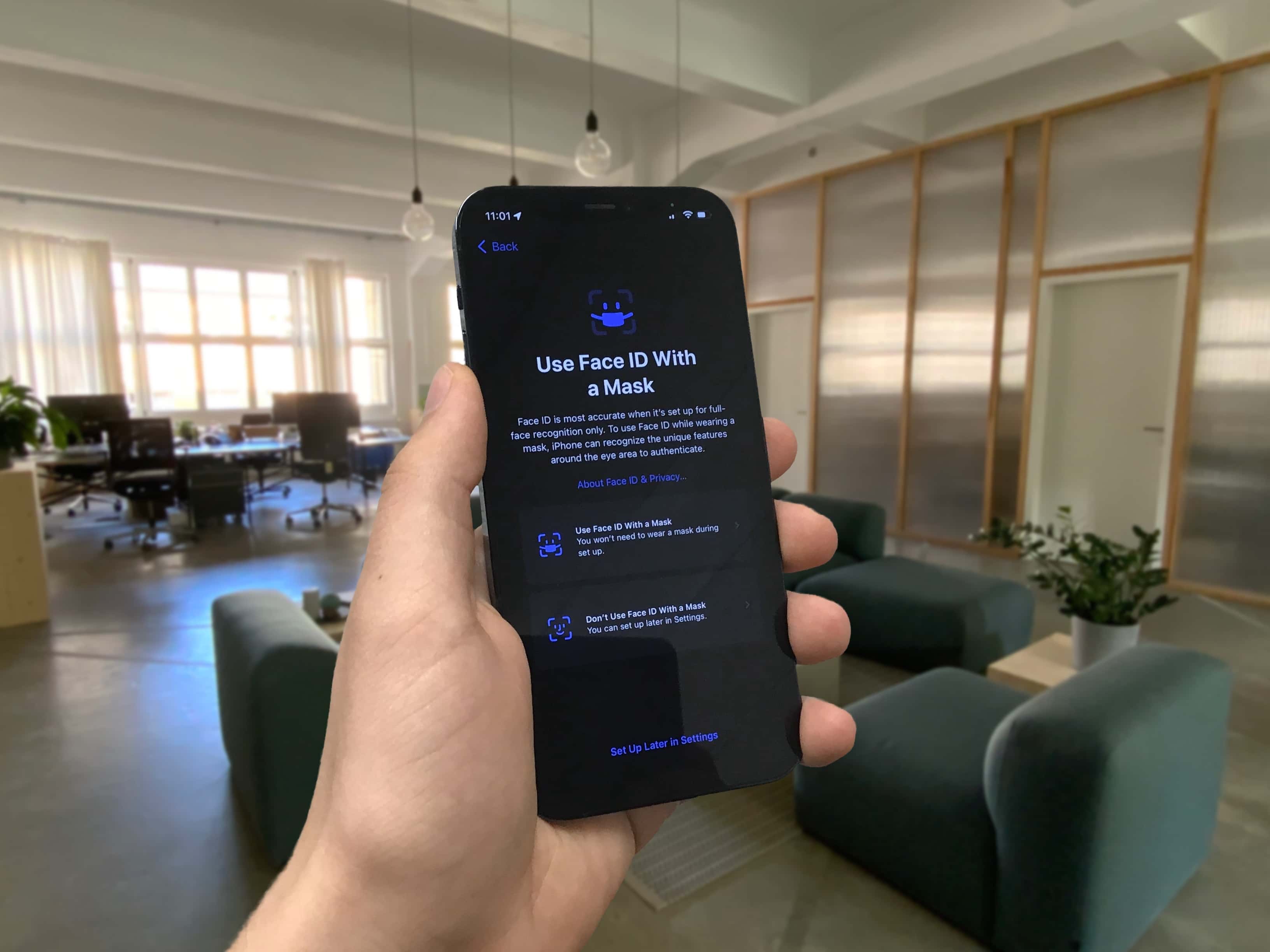
You will be prompted to set up Face ID with a mask after installing iOS 15.4. Photo: D. Griffin Jones/Cult of Mac
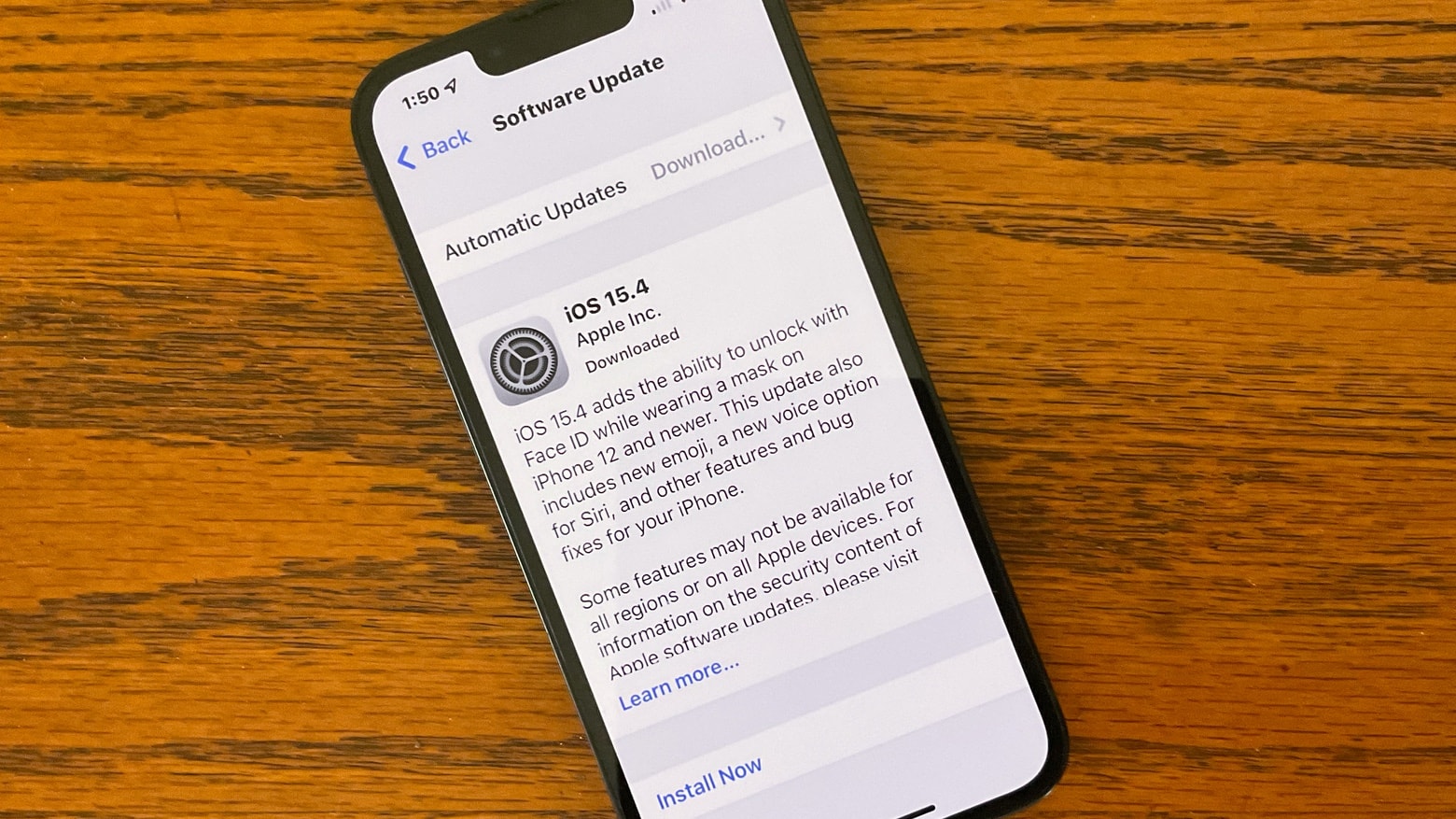
New in iOS 15.4, released today, Apple is extending Face ID to authenticate your face while wearing a mask. In my testing, it has increased the reliability and the number of situations in which Face ID works.
This feature is arriving late into the pandemic — it would have been great to have this for the past couple of years — but as new COVID variants surge, we may still need it for the foreseeable future. Plus, in some countries, wearing a mask when you’re sick has been standard for many years.
Here’s how to set up Face ID with a mask on your iPhone.
A more affordable, environmentally friendly option. Photo: Apple
A Face ID fail isn’t going to get you a new iPhone anymore. Apple has begun distributing the components that its own in-store technicians and authorized service providers need to fix Face ID faults without replacing an entire device.
The cost of the repair depends on the service provider, location, and iPhone model, according to one report. And it is only available for iPhone XS or later, with iPhone X — the first to ship with Face ID — left out in the cold.
Another realityOS leak takes us one step closer to strapping Apple gear onto our ugly mugs. Image: Killian Bell/Cult of Mac
This week on Cult of Mac’s podcast: Apple code once again refers to a mysterious “realityOS” for a virtual/augmented-reality headset. Vague rumors about the new device, which we’ve been hearing for years now, look set to become very real, very soon.
Also on The CultCast:
Why no Face ID on Macs?
Apple’s workaround for accepting third-party payments is a joke, but developers definitely aren’t laughing.
iPhones are about to become cash registers!
Listen to this week’s episode of The CultCast in the Podcasts app or your favorite podcast app. (Be sure to subscribe and leave us a review if you like it!) Or watch the video livestream, embedded below.
It will be some time before Face ID graces a MacBook. Image: Ed Hardy/Cult of Mac
Apple considered bringing Face ID to the M1 iMac, which would have been an ideal candidate for the facial recognition technology, according to a new report.
It’s not clear why the company didn’t follow through with the move. It is believed Face ID could appear in a future Apple desktop. But one source, who has been reliable in the past, says the technology isn’t yet ready for a MacBook.
Face ID might play nice with masks in the near future. Better late than never! Photo: Julio Lopez/Unsplash license; Image: Killian Bell, Cult of Mac
This week on Cult of Mac’s podcast: iOS 15.4 packs a punch with some fun and useful new features. It’s still just a beta, but it will give us lots of new emoji for our critical, high-level communications when it goes live. Plus, the beta includes a convenient new way to unlock your iPhone while wearing a face mask — just in time for the end of the pandemic! 🤞
Also on The CultCast:
An Apple event in March looks quite likely.
Mini-LED iMac Pro might be delayed.
An Apple car patent sheds light on an advanced sunroof.
How to download Wordle, just in case The New York Times screws up the popular game.
Donkey talk!
Listen to this week’s episode of The CultCast in the Podcasts app or your favorite podcast app. (Be sure to subscribe and leave us a review if you like it!) Or watch the video livestream, embedded below (down by the headlines and donkey links).
Apple on Thursday rolled out its first iOS 15.4 beta adding the ability to use Face ID with a mask for the first time. Since then, tests carried out by developers have uncovered some additional (and important) tidbits.
Being able to easily unlock your iPhone while wearing a face mask is coming in iOS 15.4. Photo: Ivan Samkov/Pexels CC
Face ID in iOS 15.4 will let users unlock their iPhones while wearing a mask. No Apple Watch necessary. The system will scan just the area around eyes. It comes with a warning that the change makes Face ID less secure, though.
Apple seeded the first iOS 15.4 beta to developers Thursday.
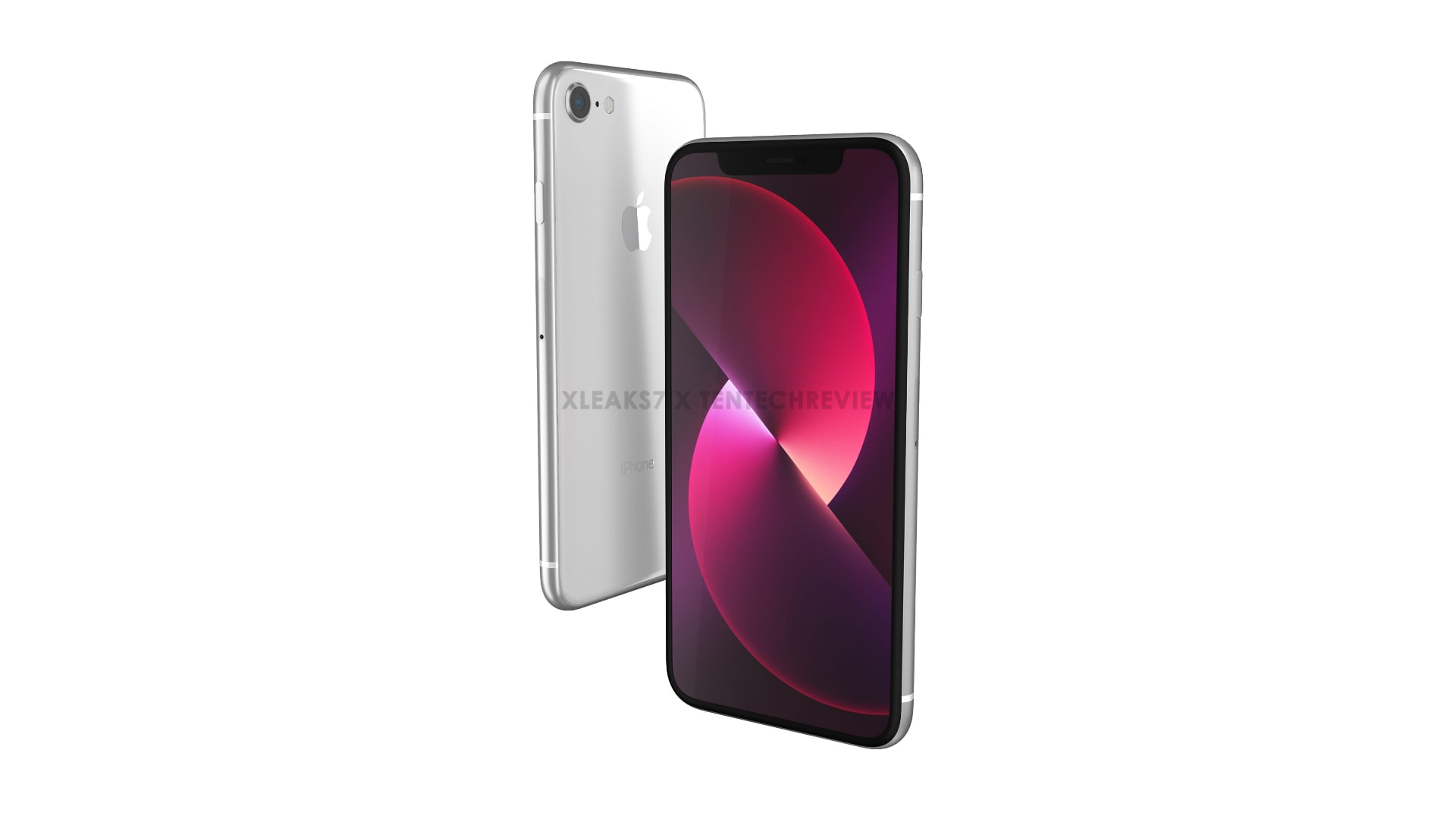
New renders of an “iPhone SE 3” show off a gorgeous design upgrade with an edge-to-edge display and no Home button. The device looks a lot like iPhone XR, but with the same dimensions as the current iPhone SE.
These images are said to be based on leaked CAD drawings, but before you get too excited, they’re probably not accurate. At least not for iPhone SE 3.
Bad news: looks like iPhone 14 won’t be Apple’s first with an in-display Touch ID scanner. Concept: Ed Hardy/Cult of Mac
Apple won’t build the Touch ID fingerprint recognition system into the 2022 iPhone, according to a very reliable tipster. That’s bad news for those who aren’t fans of Face ID, or who just want a second option.
There haven’t been any specific reports that the iPhone 14 will include Touch ID, but Apple is supposedly working on an in-screen version.