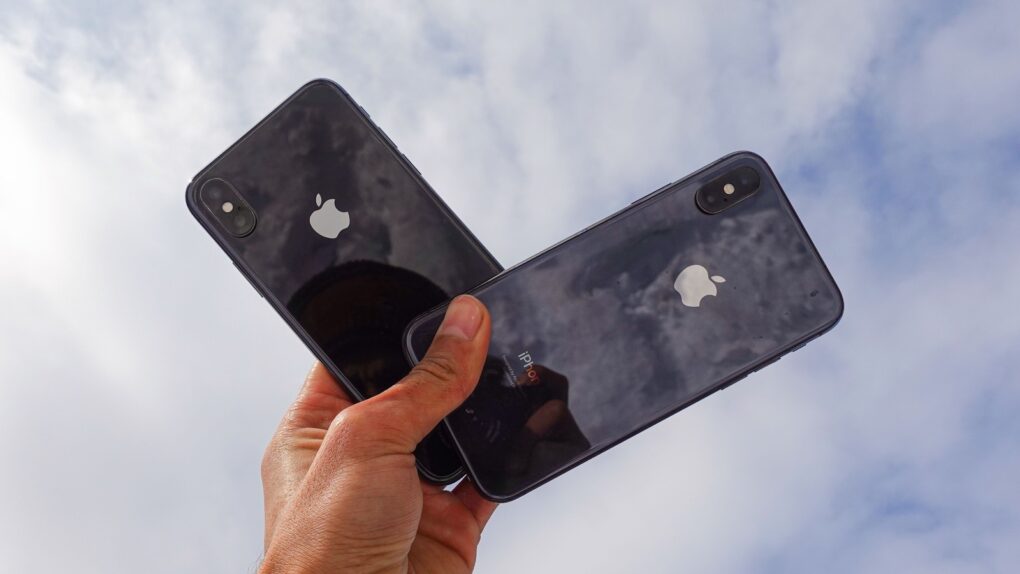
Apple continued to gain ground in the global smartphone market during the second quarter of 2026, according to new data from a market-analysis firm. The iPhone posted another quarter of year-over-year growth, increasing total shipments by 3% while boosting Apple’s global market share to a quarterly record.
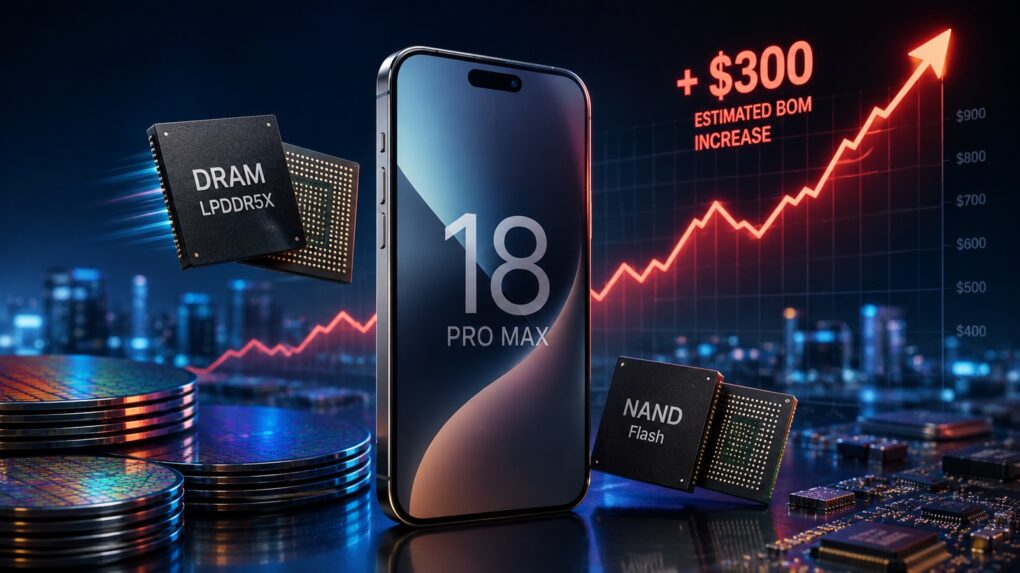
The iPhone 17 series continues to experience strong sales, according to the analysts. One main reason for the success might seem surprising, coming from Cupertino: small price tags! Apple maintained iPhone prices while rivals increased theirs due to sharply rising memory costs.


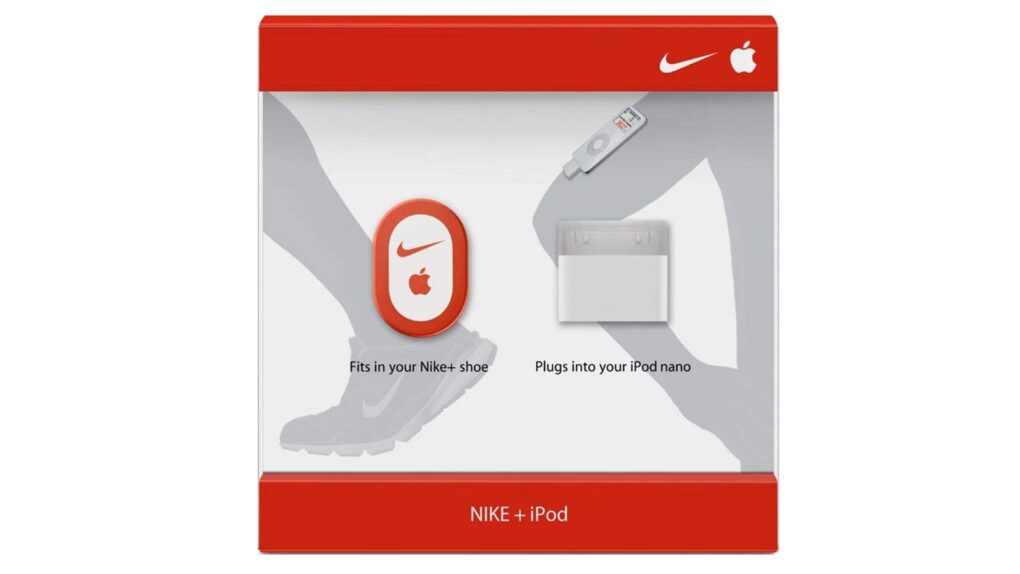
 July 13, 2006: Apple releases its first activity tracker, the Nike+iPod Sport Kit, which combines Cupertino’s popular music player with a smart pedometer that fits in a shoe.

 July 12, 2010: The iPhone 4 suffers a major blow when respected trade publication Consumer Reports says it can’t, in good faith, recommend the new Apple smartphone.
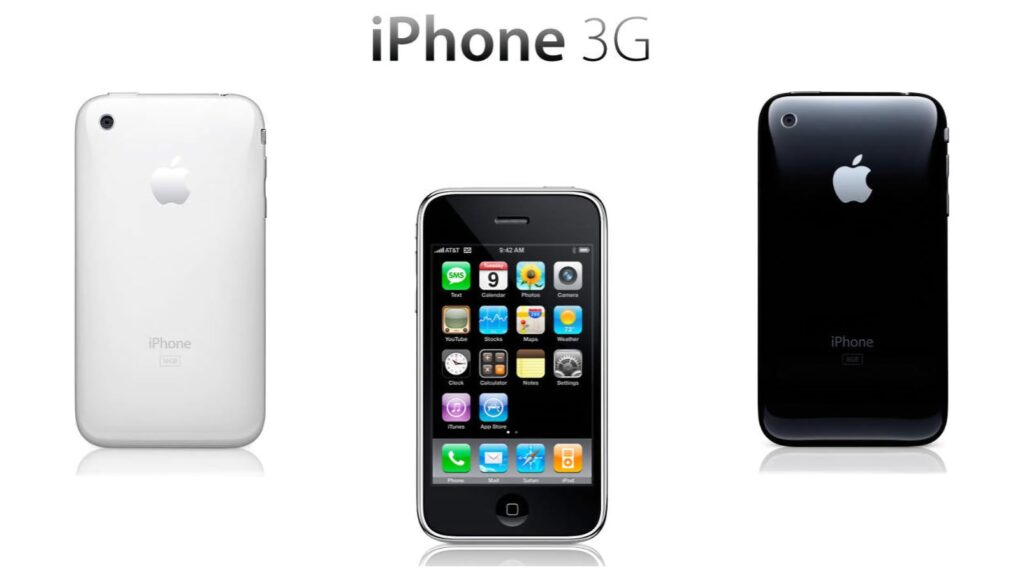
 July 11, 2008: The iPhone 3G goes on sale. Expectations for the smartphone sequel run high, and Apple delivers with the addition of GPS, faster 3G data and a higher-quality build. The iPhone 3G launch also brings a new mobile operating system packed with features.
 July 10, 2008: Apple launches the App Store, an online hub that lets iPhone owners browse and download apps made by third-party developers. Transforming the iPhone from a locked-down platform to a generative one, the App Store means that every iPhone user can have his or her own “killer app” depending on the software they want — from social networking to composing music to playing games.
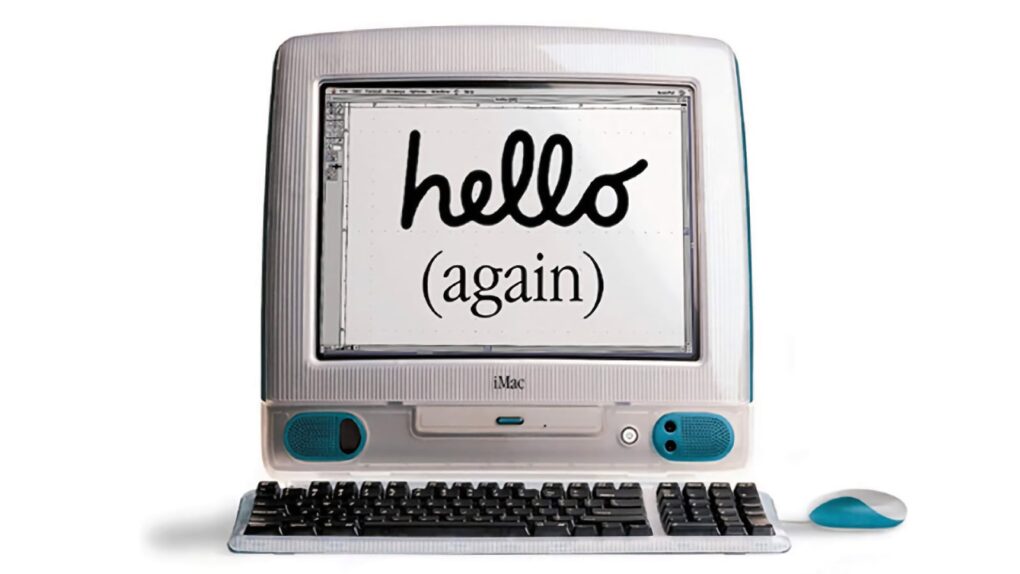
 July 9, 2001: Apple earns the title of No. 1 computer manufacturer in the education market, with twice as many machines in schools as runner-up Dell Computer.


 July 8, 1997: