 October 11, 1995: Steve Jobs files the paperwork to float Pixar Animation Studios on the stock market.
A turning point in Jobs’ life, the Pixar initial public offering turns him into a billionaire. But things very nearly don’t turn out so well.


October 11, 1995: Steve Jobs files the paperwork to float Pixar Animation Studios on the stock market.
A turning point in Jobs’ life, the Pixar initial public offering turns him into a billionaire. But things very nearly don’t turn out so well.

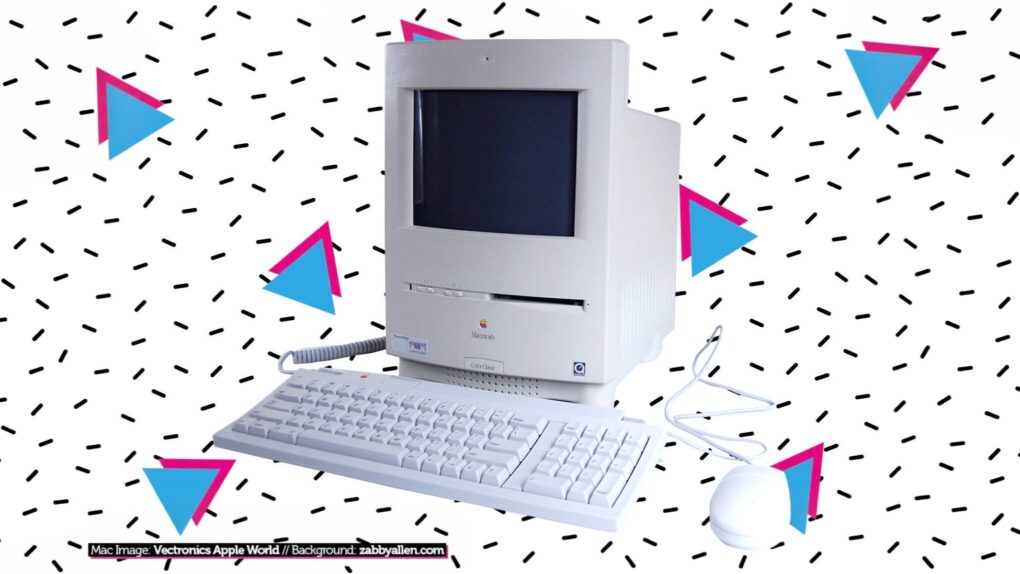
 October 10, 1993: Apple ships its Macintosh Color Classic II, the last of the 9-inch compact Macs.
Also known as the Performa 275, the Color Classic II will eventually become something of a collector’s item, since Apple released it only in Canada, Asia and Europe.
 October 9, 1991: A court orders Apple to pay $26.5 million to Apple Corps, The Beatles’ record label and holding company, for trademark infringement. The end of this Beatles versus Apple lawsuit marks the second time Cupertino is forced to pay the English rock band.
The ruling comes a decade after Apple swore it would never get into the music business.

 October 8, 2014: Apple says it is “surprised” after GT Advanced Technologies, the supplier previously rumored to make ultra-strong sapphire glass displays for the iPhone 6, files for bankruptcy.
The announcement appears to mark the end of the road for sapphire glass iPhone screens, a highly anticipated upgrade that promised to make devices more durable but never arrived.
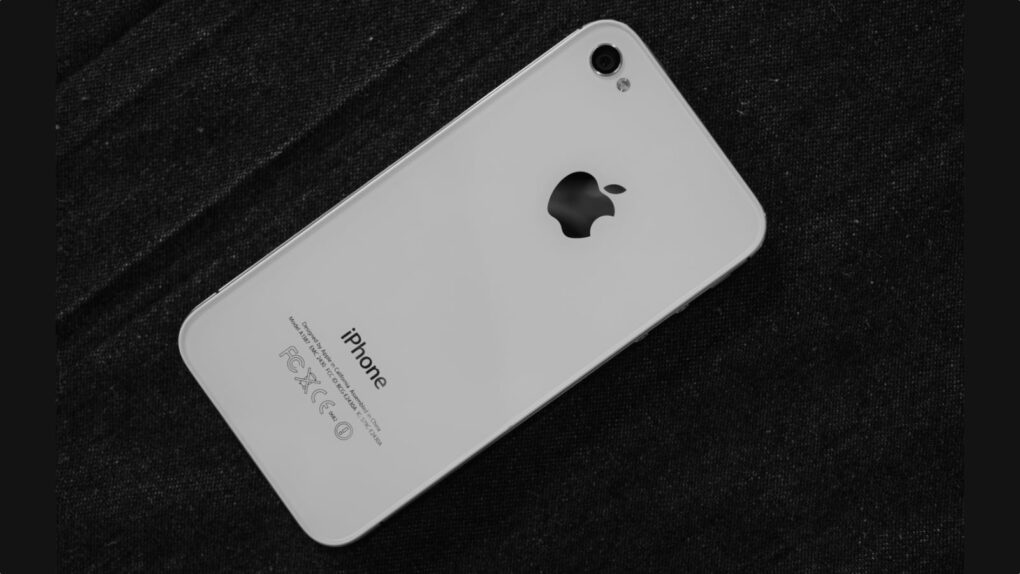
 October 7, 2011: Two days after the death of Steve Jobs, Apple opens preorders for the iPhone 4s.
The last iPhone that Jobs worked on directly, the 4s boasts a speedier A5 chip, an improved 8-megapixel camera with 1080p HD video recording, and — most significantly — Apple’s new AI virtual assistant, Siri.
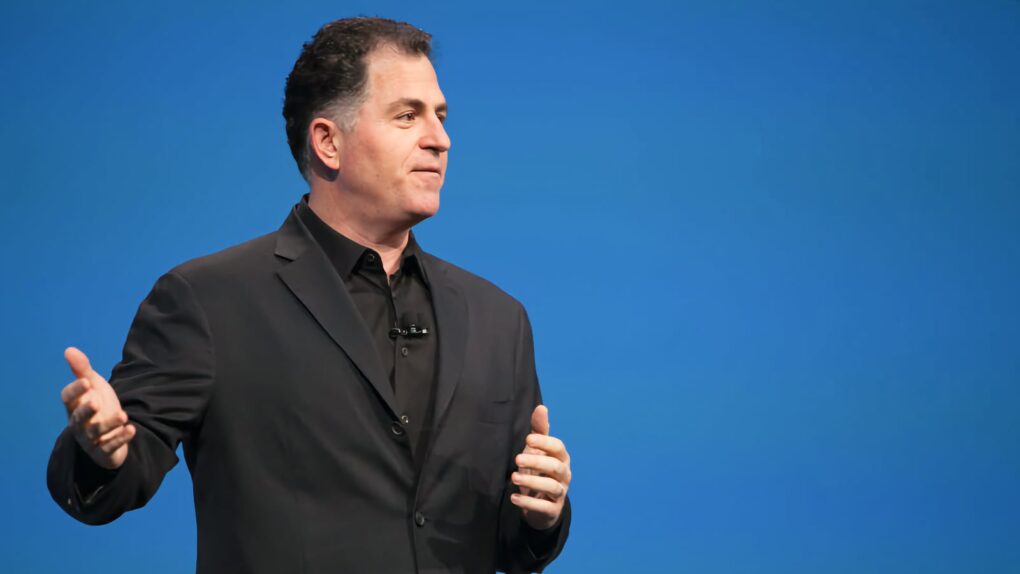
 October 6, 1997: Michael Dell makes an incredibly bleak appraisal of Apple’s fortunes, uttering a quote that will become notorious. Asked what he would do with the struggling company, the founder of Dell Inc. says he would “shut it down and give the money back to the shareholders.”
As incorrect forecasts go, this ultimately will go down as one of the more notable in tech history. But it doesn’t seem that way at the time.
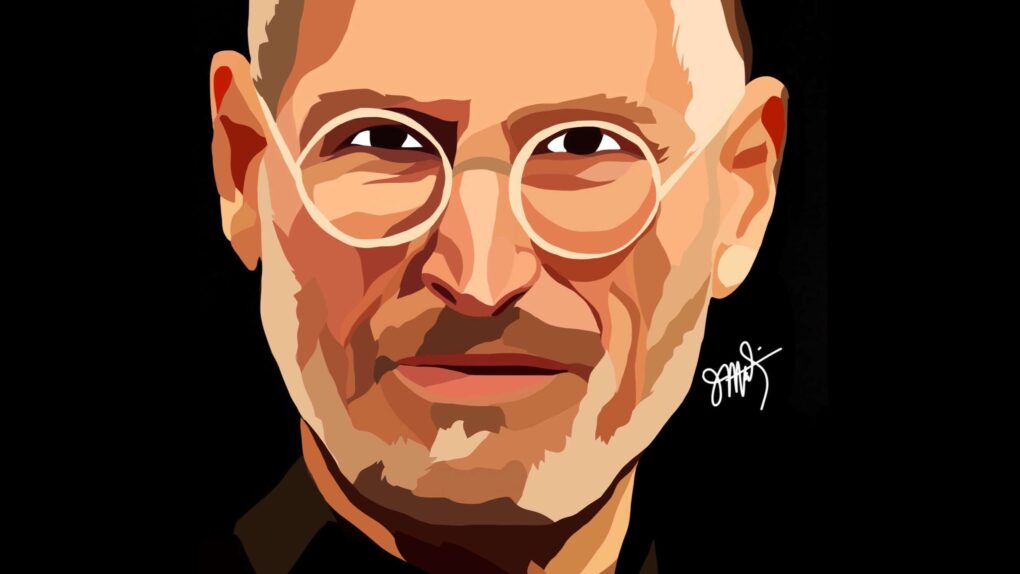
 October 5, 2011: Apple co-founder Steve Jobs dies at the age of 56 in his home in Palo Alto, California.
Jobs’ official cause of death is respiratory arrest arising from complications related to a rare type of pancreatic cancer. He was diagnosed with cancer eight years earlier, and officially stepped down from his role as Apple CEO in August 2011, just weeks before his death.
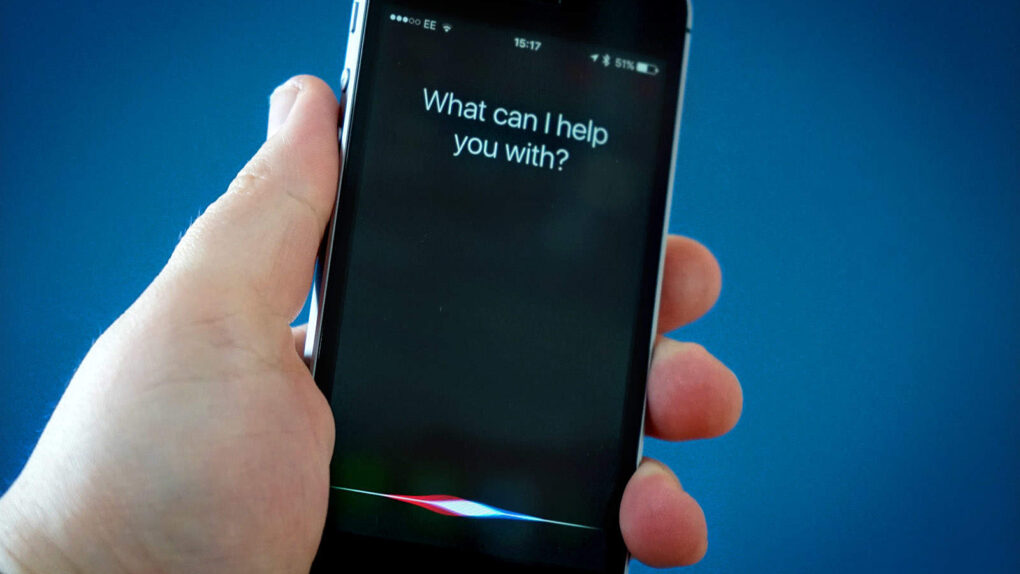
 October 4, 2011: With the unveiling of the iPhone 4s, Apple introduces the world to Siri. A groundbreaking example of artificial intelligence in action, the Siri launch fulfills a long-term dream at Apple.
In fact, the company first predicted such a feature in the 1980s — with Siri’s debut coming in almost the exact month Apple envisioned.
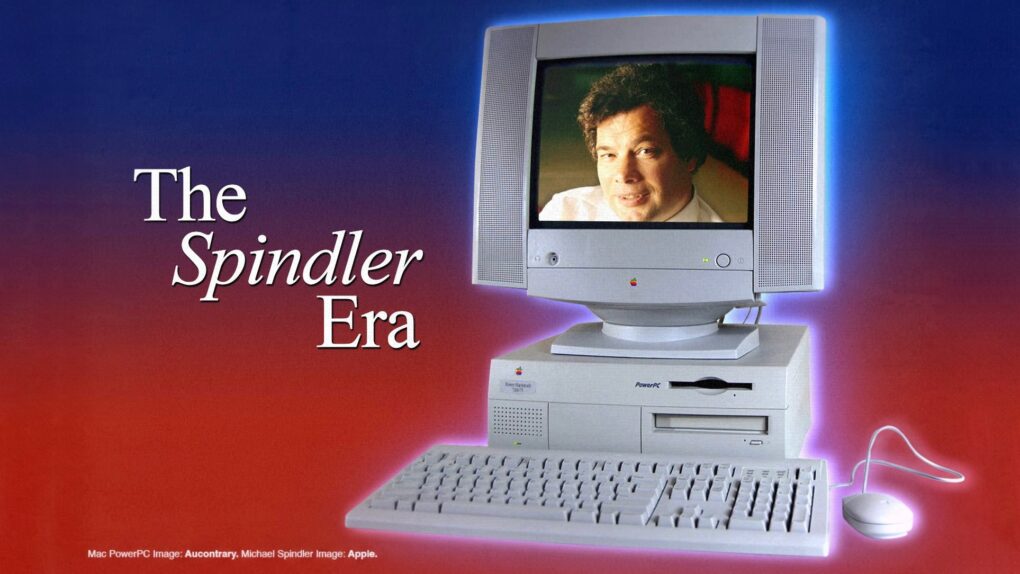
 October 3, 1994: Apple CEO Michael Spindler reassures the world that Apple “is not a lame-duck company.”
Why would anyone suspect that it is? The answer lies in collapsing Mac sales, massive layoffs and Apple’s $188 million quarterly loss. At 15 months into his stint as CEO, Spindler wants to reassure everyone that the worst is over.
Sadly, things will decline further before they start to turn around.
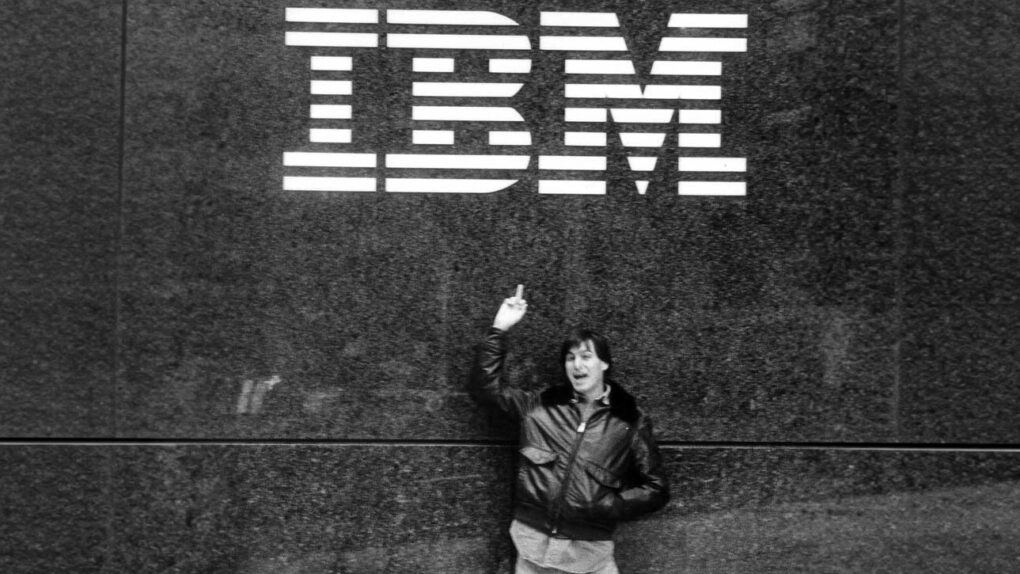
 October 2, 1991: As the Cold War comes to an end, hell freezes over a second time as Apple and IBM sign a deal and agree to put aside their differences. Having been bitter rivals for the past decade, the two tech giants host a press conference at the Fairmont hotel in San Francisco to unveil their new partnership.
“We want to be a major player in the computer industry,” Apple CEO John Sculley says. “The only way to do that is to work with another major player.”
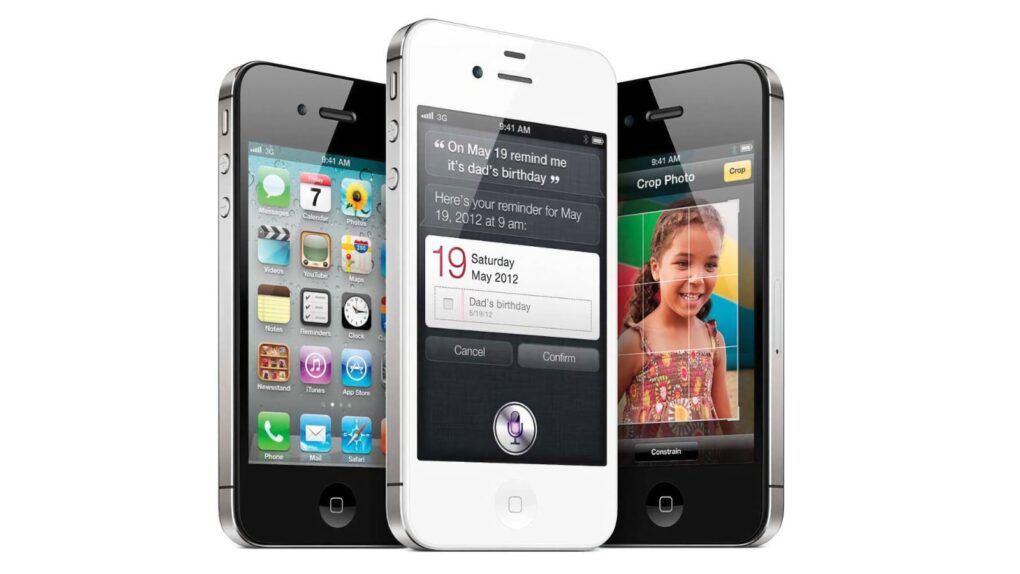
 October 1, 2011: Just days before Apple plans to unveil the iPhone 4s, the device’s name leaks after the latest iTunes beta inadvertently spills the beans.
The code also reveals that Apple’s new handset will come in black and white color options.
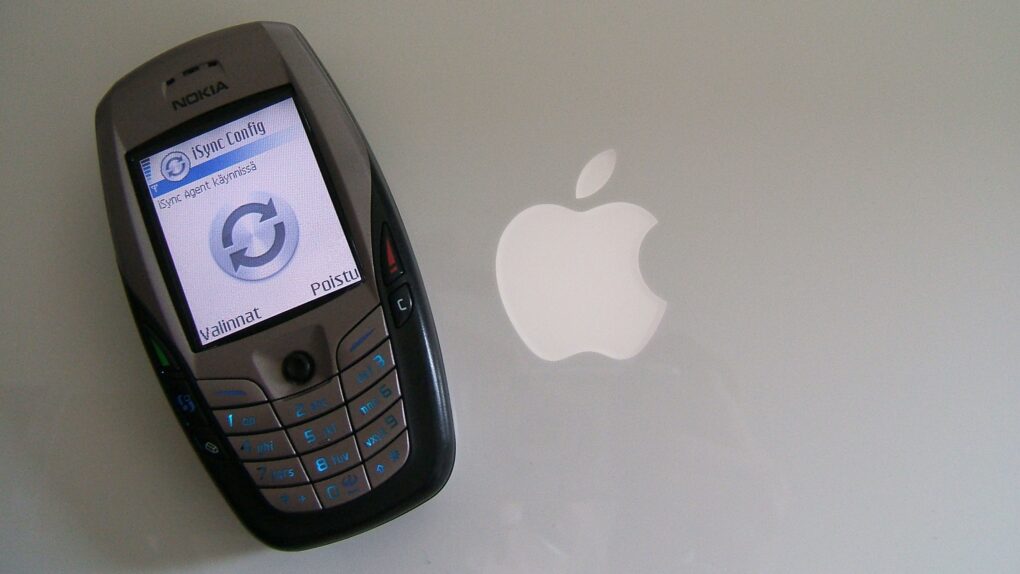
 September 30, 2002: Apple introduces iSync, a tool that lets Mac users synchronize their address books and calendars with their cellphones, iPods and Palm OS-compatible handheld organizers via Bluetooth.
“iSync is the beginning of something really big,” Apple CEO Steve Jobs says in a press release announcing the public beta. “With the push of a button, iSync synchronizes the address book and calendar on your Mac with those on your mobile phone.”
iSync represents a big leap forward in how computers and mobile devices can talk to one another. And it hints at some of Apple’s later advances.
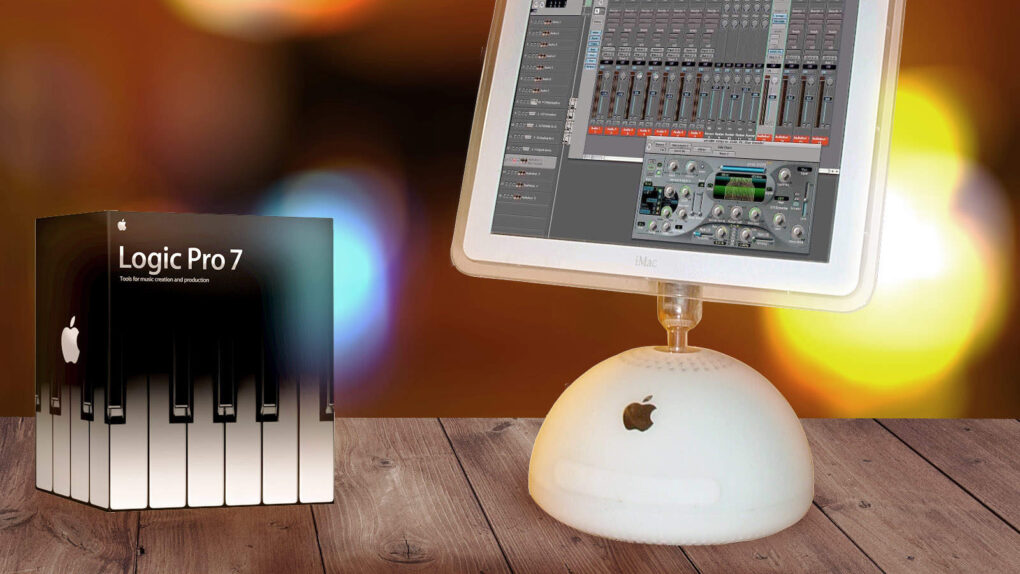
 September 29, 2004: Apple launches Logic Pro 7, its professional music creation and audio production software. The update brings new tools and a streamlined interface similar to other Apple software.
“From beginners to pros, Apple is broadening the market with a complete line of music creation and production tools,” says Rob Schoeben, Apple’s VP of applications marketing, in a press release. “With Logic Pro 7, we’re taking professional music creation to the next level with the industry’s most advanced feature set for pro audio.”
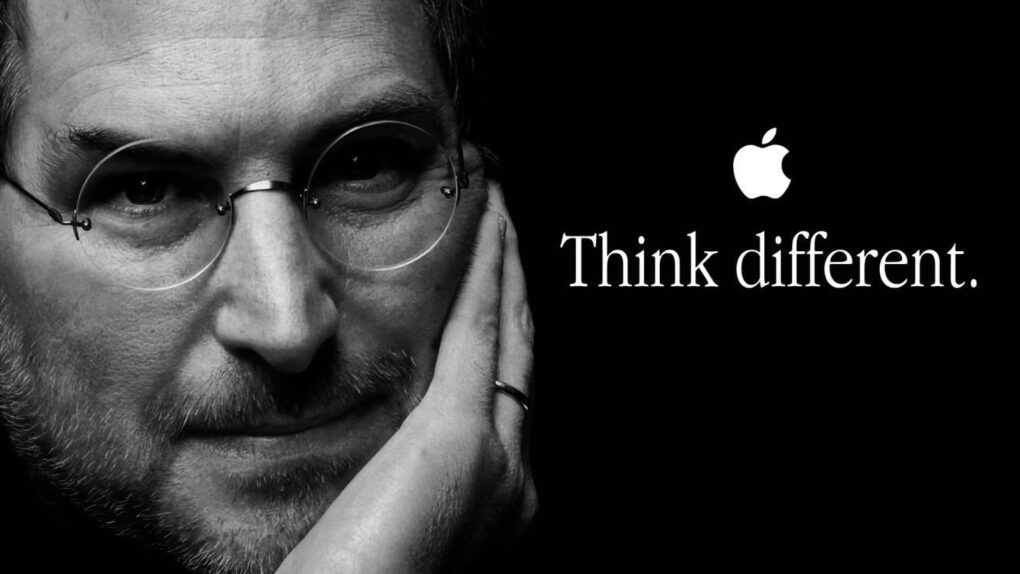
 September 28, 1997: Apple debuts its iconic “Think Different” ad campaign. The brilliant television commercial aligns the troubled computer company with some of history’s most celebrated freethinking rebels.
The most famous tagline in Apple history, “Think Different” doesn’t just articulate how Cupertino differs from its competitors. It also highlights how Apple, under the leadership of CEO Steve Jobs, will forge a future far different from its floundering, money-losing days of the early 1990s.
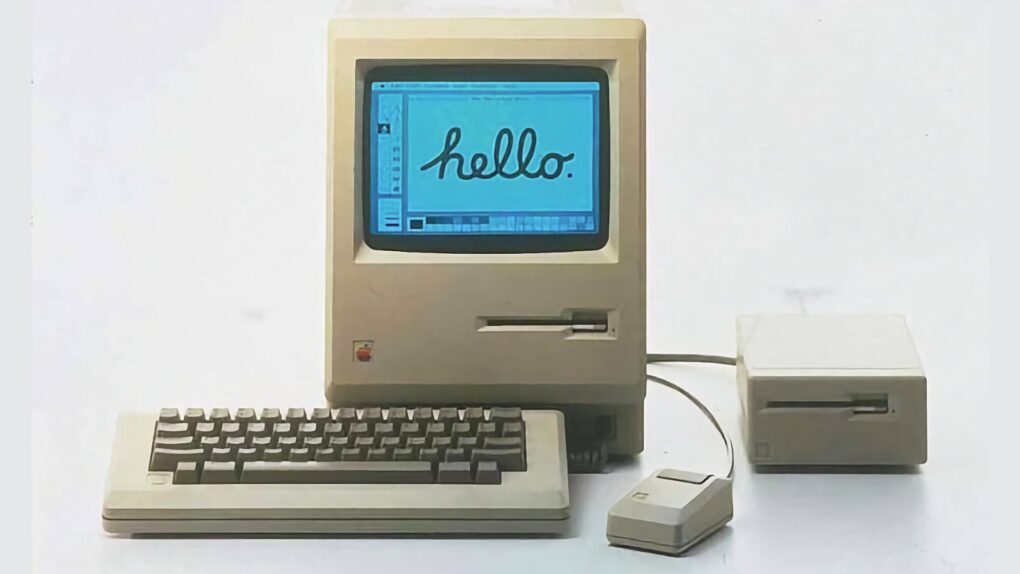
 September 27, 1979: Years before the first Macintosh will ship, Steve Jobs and Jef Raskin clash for the first time over the direction of the R&D project to produce Apple’s revolutionary computer.
Raskin, the founder of the Macintosh project, envisioned an affordable machine that could put graphical computing within reach of ordinary people. Apple co-founder Jobs had a very different idea: Forget the price tag and build the best computer possible.
Guess who won?
 September 26, 1997: In one of his first tasks after returning to Apple as interim CEO, Steve Jobs reveals the company’s massive quarterly loss of $161 million. It’s Apple’s biggest loss ever.
Giving investors the bad news is miserable, but things are about to change dramatically for Cupertino.
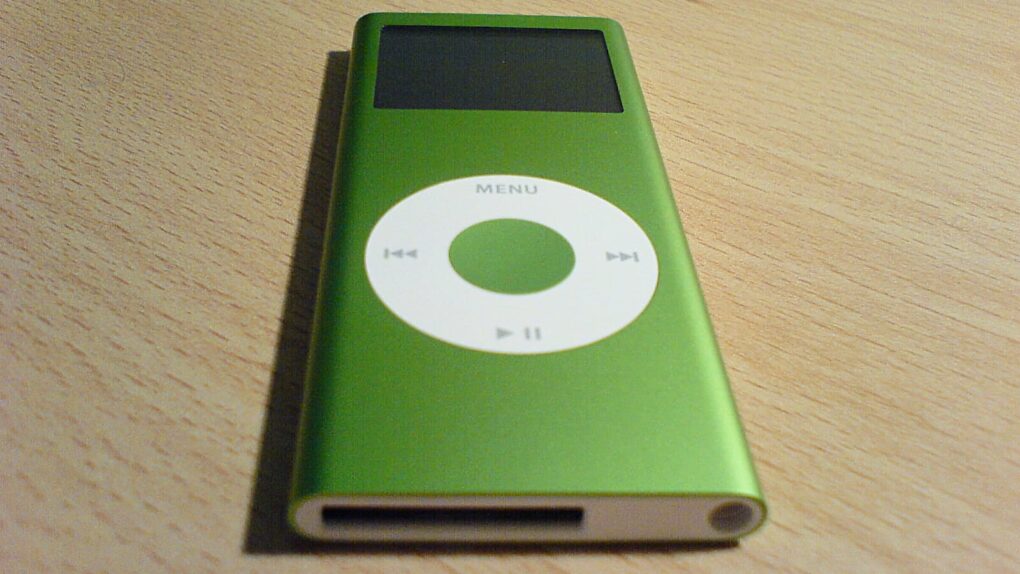
 September 25, 2006: Apple ships its second-generation iPod nano, offering a fancy redesign of the pocket-size original.
“iPod nano is the world’s most popular digital music player, and we’ve completely redesigned it to make it even better,” says Apple CEO Steve Jobs in a press release. “The all-new iPod nano gives music fans more of what they love in their iPods.”
Among the new iPod nano’s improvements are a slimmer, anodized aluminum casing; a brighter screen; longer battery life; and a wide range of colors. And, oh yes, it also includes gapless music playback for the first time.

 September 24, 2009: After Eminem sues Apple, the company’s lawyers head to court to defend Cupertino against the rapper’s music publisher, Eight Mile Style. The lawsuit alleges that Apple unlawfully sold 93 of Eminem’s songs on the iTunes Music Store.
This marks the second time Apple finds itself on the opposite side of a courtroom from the Detroit rapper. (A previous lawsuit involved improper use of Eminem’s hit single “Lose Yourself” in an iTunes ad.)
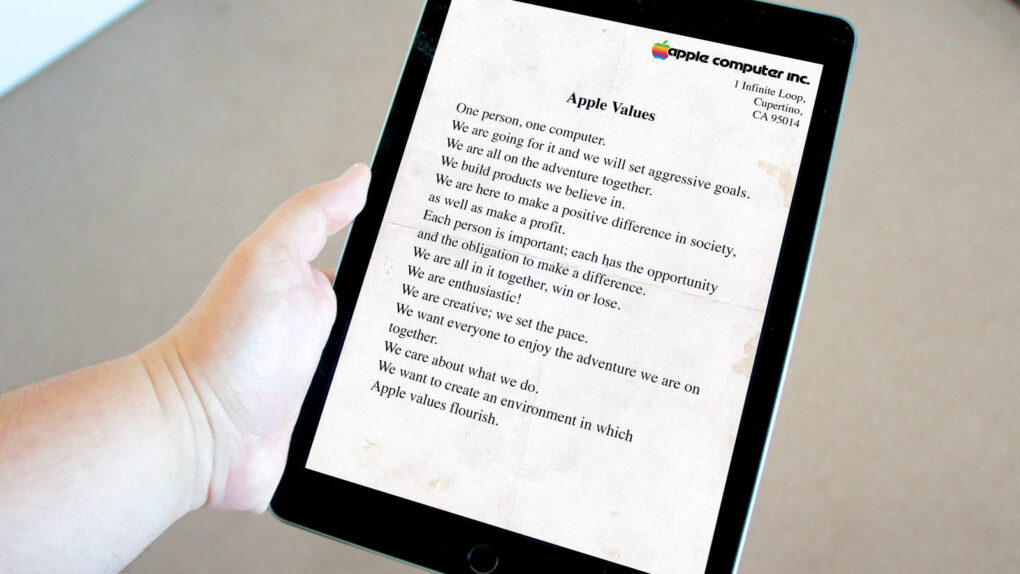
 September 23, 1981: Cupertino lays out its vision for success in “Apple Values,” a mission statement that will guide the company for years.
In the memo, management defines Apple Values as “the qualities, customs, standards and principles that the company as a whole regards as desirable. They are the basis for what we do and how we do it. Taken together, they identify Apple as a unique company.”
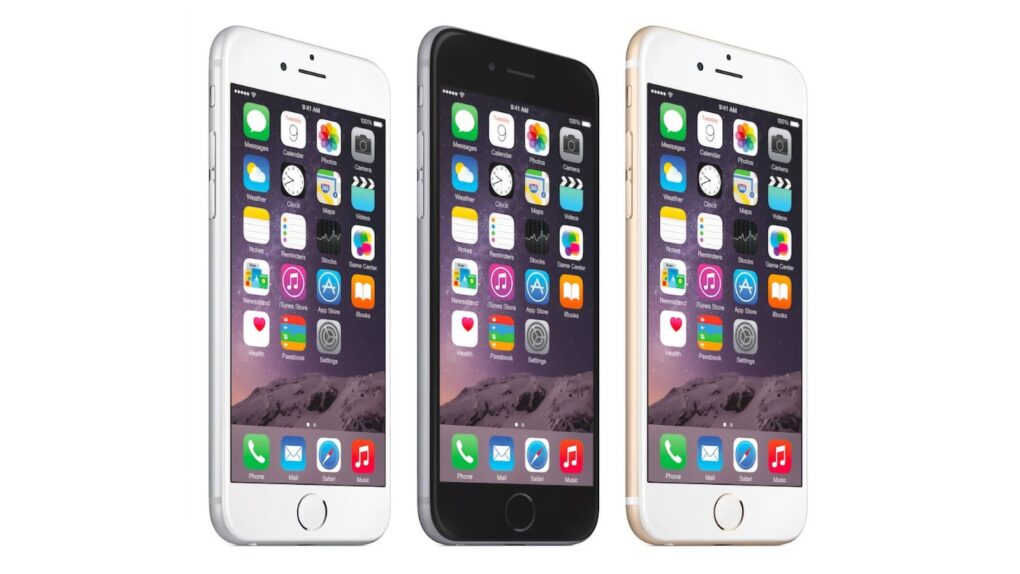
 September 22, 2014: Apple notches a new sales record with the iPhone 6 and iPhone 6 Plus launch, selling an astonishing 10 million units in the first weekend the handsets go on sale.
The eagerly anticipated smartphones bring a redesigned form factor that will persist for years. The most obvious change? Larger 4.7-inch and 5.5-inch displays built to lure phablet fans. The iPhone 6 and 6 Plus also boast an A8 chip, improved iSight and FaceTime cameras, and — significantly — Apple Pay for secure mobile payments.
“Sales for iPhone 6 and iPhone 6 Plus exceeded our expectations for the launch weekend, and we couldn’t be happier,” Apple CEO Tim Cook says in a press release. “We would like to thank all of our customers for making this our best launch ever, shattering all previous sell-through records by a large margin.”
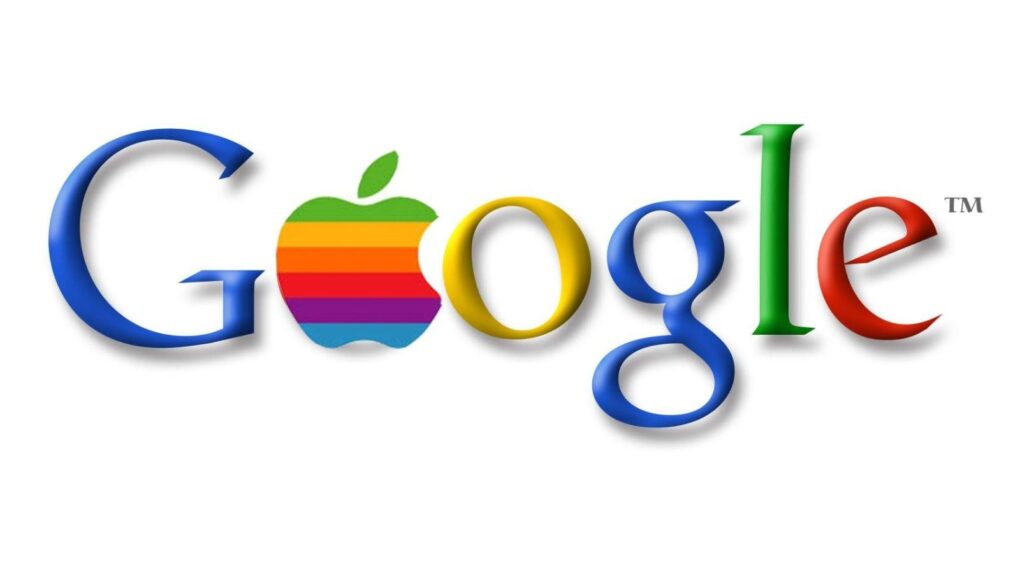
 September 21, 1999: A little startup called Google comes out of beta, with the launch of a website that will let the general public easily search the internet for information.
To Apple, which is embracing the internet with its colorful new iMac desktop computer and iBook laptop, Google seems like the perfect ally. Sadly, the relationship between the two companies won’t remain rosy for long.
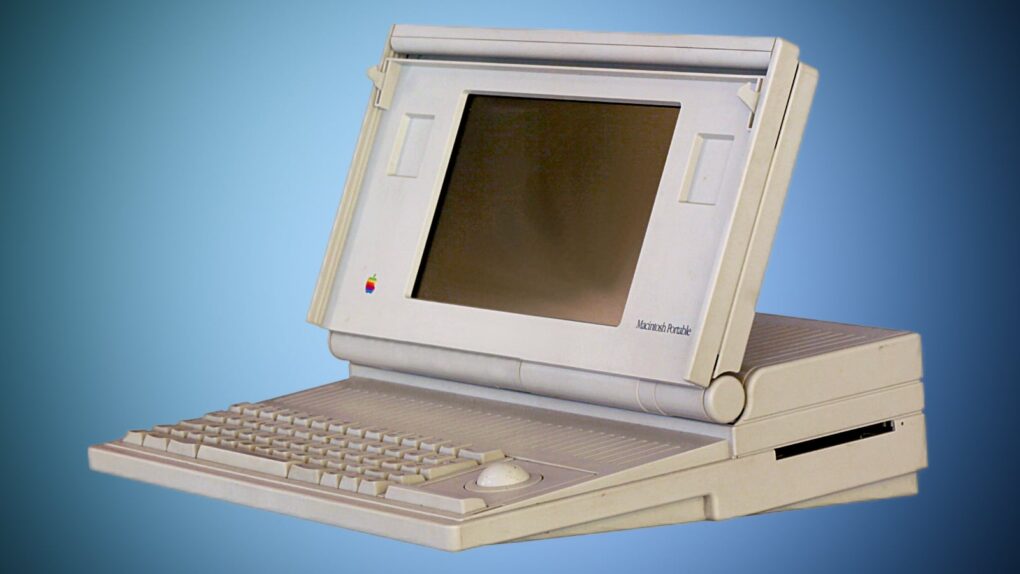
 September 20, 1989: Apple releases the Macintosh Portable, the first battery-powered Mac you could take on the road.
At a time when Tim Burton’s Batman movie is flying high in theaters, and Madonna is shocking audiences at the MTV Video Music Awards, this ahead-of-its-time product lays the groundwork for Apple’s looming laptop revolution.
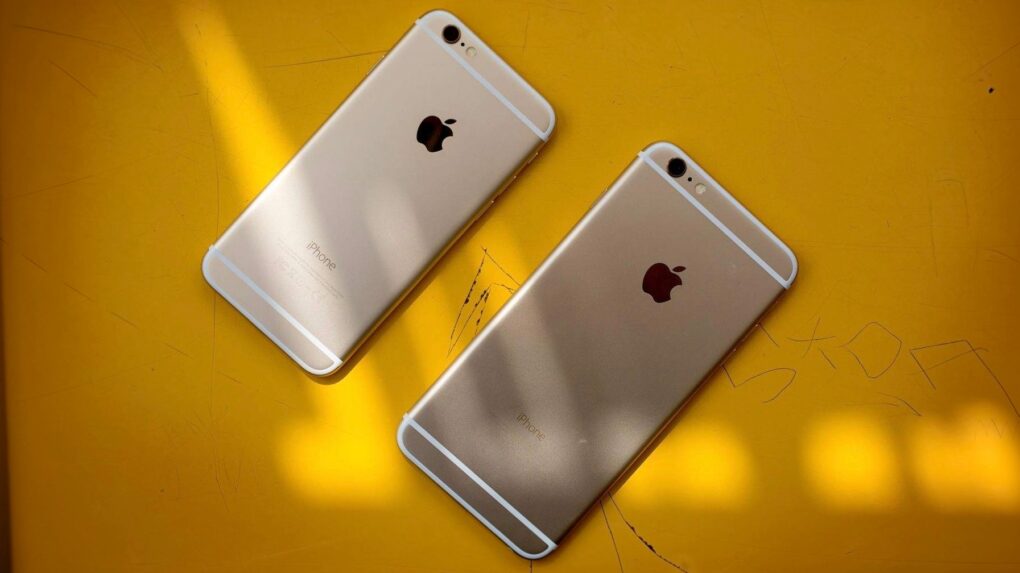
 September 19, 2014: The iPhone undergoes its biggest upgrade — both figuratively and literally — since the original, with the release date of the iPhone 6 and iPhone 6 Plus handsets. The iPhone 6 design brings a new 4.7-inch form factor, while the iPhone 6 Plus expands to a massive 5.5 inches.
The previous-generation iPhone 5 measured only slightly taller than its 3.5-inch predecessors. But with the iPhone 6, Apple abandons the small smartphone form factor to take on big-screen Android “phablets.”
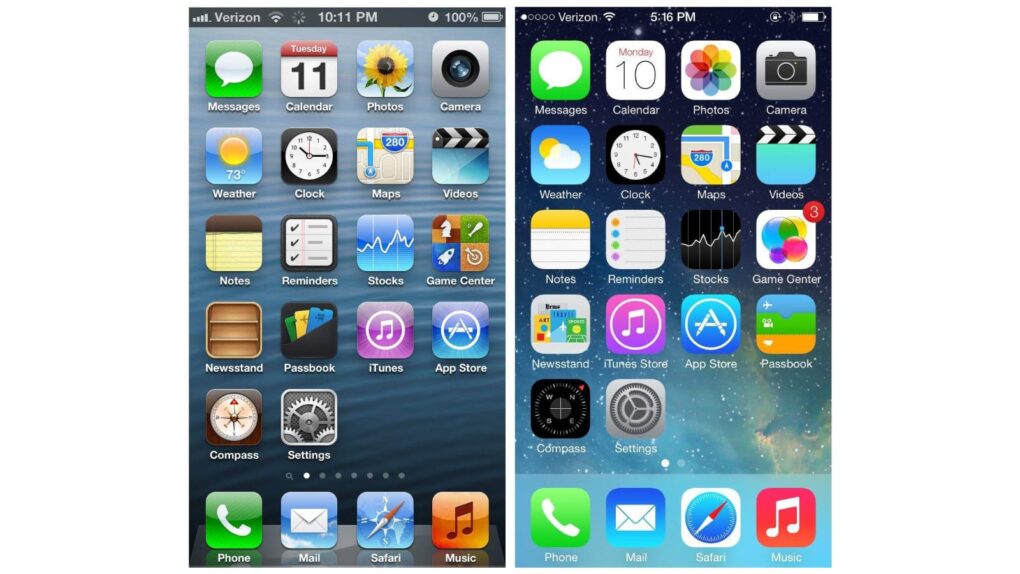
 September 18, 2013: iOS 7 launches with a radical redesign that divides the tech world. The biggest overhaul Apple’s mobile operating system has seen in years, iOS 7 ditches the skeuomorphic objects, dials and textures of previous iterations.
Instead, it boasts stark patches of white space, simpler icons and more abstract controls for settings. The Jony Ive era of software design is truly underway.
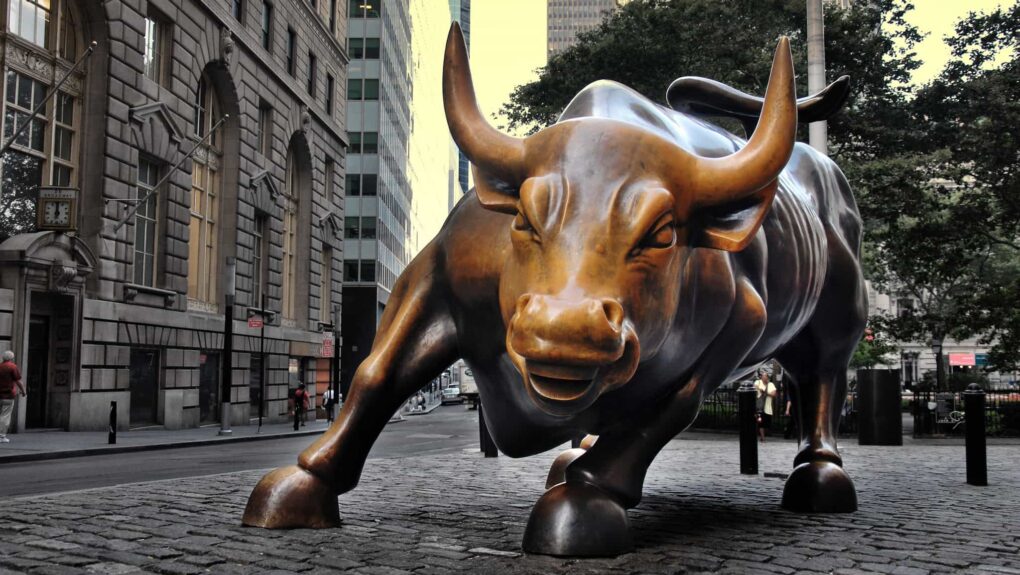
 September 17, 2012: On the back of record iPhone 5 preorders of 2 million in 24 hours, Apple’s stock price hits a new all-time high. For the first time in history, AAPL breaks the $700 mark in after-hours trading. Passing the milestone cements Cupertino’s place as the world’s most valuable publicly traded company.
Amazingly, the new record is $270 a share higher than at the start of the year. Apple stock rose 65% in just nine months.