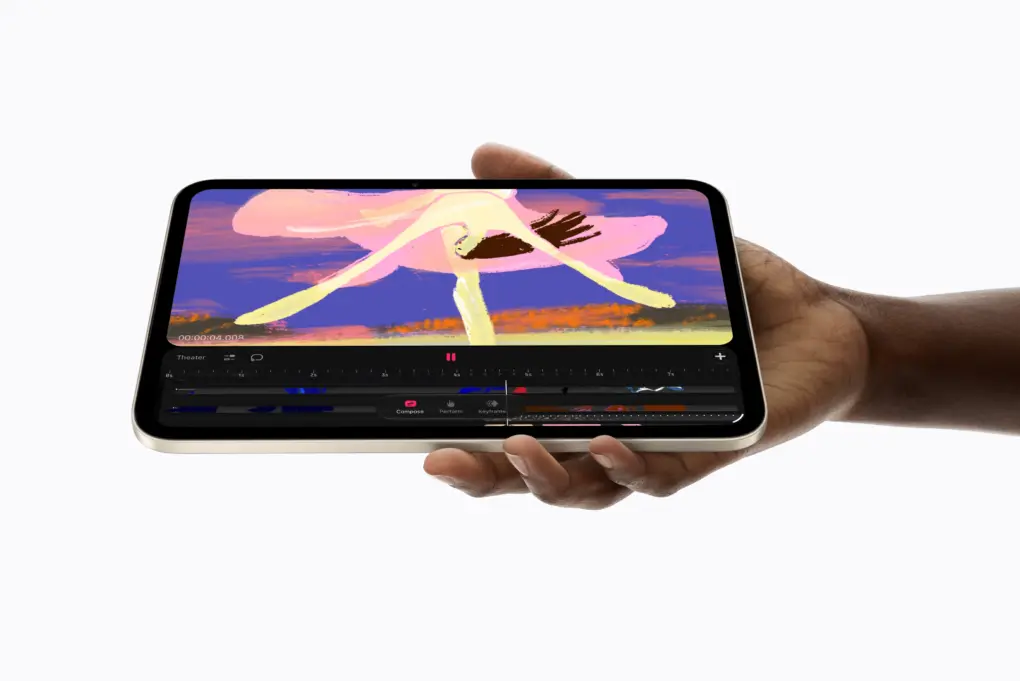
With the iPad mini 8, Apple is giving its smallest iPad its biggest upgrade ever. It not only gets a new display technology, but also a faster chip, a thinner chassis and updated connectivity options.
But all these upgrades also come with a $100 higher starting price. So, does the OLED iPad Mini 8 come with enough changes to justify this price hike?
Apple launched the iPad mini 7 in 2024. It was a “chip and ship” update, with the tablet getting a faster SoC for better performance and little else. That’s not the case with the OLED iPad mini 8. It packs significant changes, including carrying an IP rating — a first for an iPad. There’s also a new speaker system, repositioned front camera and faster performance.
Table of contents
- Design and display: OLED finally comes to the iPad mini
- Performance: A20 Pro delivers a massive boost
- Cameras and audio: Small everyday upgrades
- Connectivity: Hello N1!
- Battery life and charging: Faster top-ups
- Price and storage: A $100 premium
- iPad mini 8 vs. iPad mini 7: More than just an OLED upgrade
Design and display: OLED finally comes to the iPad mini
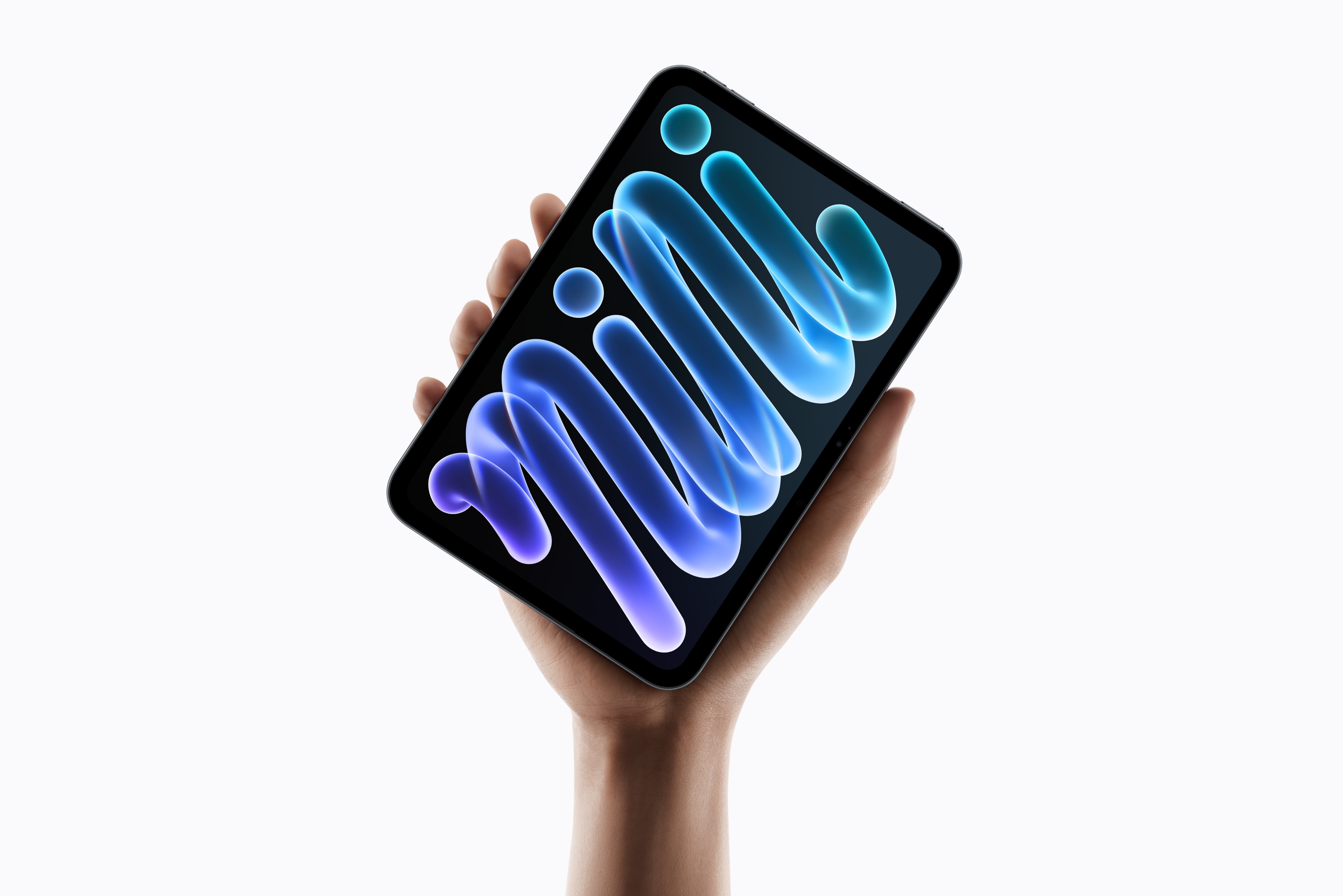
Photo: Apple
The iPad mini 8’s biggest upgrade is undoubtedly its display. Apple has replaced the 8.3-inch LCD panel with a larger 8.5-inch Super Retina XDR OLED screen. The new display technology brings deeper blacks, richer colors and better contrast.
While the iPad mini 7’s LCD panel was not bad by any means, the OLED screen brings a significant jump in picture quality. It’s also substantially brighter, hitting up to 1,200 nits of peak brightness when displaying HDR content.
The only catch is that despite the switch to an OLED panel, the iPad mini 8 still features a 60Hz refresh rate. It still misses out on 120Hz ProMotion.
This time around, you can also get the iPad mini 8 with an optional nano-texture coating that reduces glare and reflections. However, this option is only available on the 256GB and 512GB configurations and costs extra.
More importantly, the tablet packs a 0.2-inch larger screen despite retaining nearly the same footprint as its predecessor. Apple managed to fit a bigger display by shrinking the bezels by 24%.
From a design standpoint, the OLED iPad mini 8 packs two other major upgrades. First, it’s substantially thinner, measuring just 5.4mm compared to the iPad mini 7’s 6.3mm. Second, it carries an IP67 water and dust resistance rating, something no previous iPad mini offered.
There’s one downgrade on the iPad mini 8: It only comes in two colors, two fewer than its predecessor. You can get it in midnight and starlight, with Apple retiring the blue and purple shades from before.
These updates make the new iPad mini a great compact tablet for watching movies and everyday use. The OLED screen brings a big leap in picture quality, while the thinner chassis makes it even easier to carry around.
Performance: A20 Pro delivers a massive performance boost
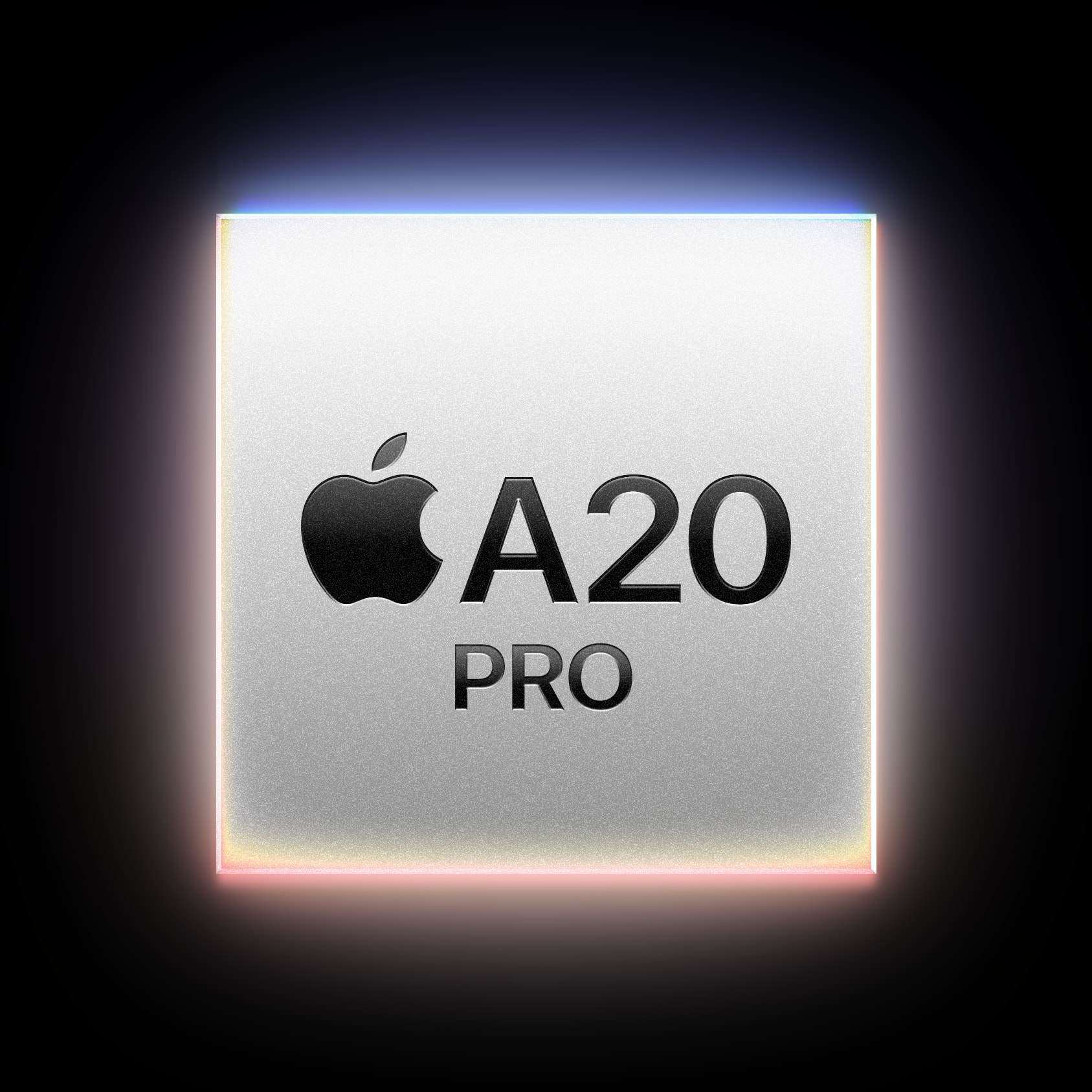
Photo: Apple
The iPad mini 7’s A17 Pro chip is no slouch. It can comfortably handle demanding games, photo editing and everyday multitasking. However, the newer iPad mini takes performance to another level altogether with the A20 Pro chip.
It’s the same SoC that Apple uses on the iPhone 18 Pro and iPhone Duo. Fabricated on TSMC’s cutting-edge 2nm node, it packs a 5-core CPU and a 7-core GPU.
Apple claims the A20 Pro delivers up to 60% faster multithreaded CPU performance and 2.7x faster graphics than the A17 Pro-powered iPad mini 7.
Each GPU core also gets dedicated Neural Accelerators, helping deliver up to 4.5x faster AI performance.
Do note that Apple uses different configurations of the A20 Pro in the iPad mini 8. The 128GB and 256GB models feature a 5-core CPU and a regular 16-core Neural Engine. In contrast, the 512GB variant gets a more powerful 6-core CPU and a Dual 16-core Neural Engine, giving it 32 Neural Engine cores.
Apple says the latter delivers twice the Neural Engine processing power of the previous-generation iPad mini, making it especially useful for running local AI models and demanding creative workloads.
The A20 Pro also offers more than twice the unified memory bandwidth of the A17 Pro, which should help when working with complex graphics, large creative projects and AI models.
Cameras and audio: Small everyday upgrades
Apple’s newest iPad mini retains the same 12MP rear camera as its predecessor. It supports Smart HDR 4 and can record videos at up to 4K 60fps. The only notable improvement is the inclusion of Adaptive True Tone flash.
The front camera gets a bigger upgrade, but that’s more to do with its placement. It is now placed on the landscape edge, which makes it better for video calls. While the resolution remains the same, it uses a wider f/2.0 aperture, allowing more light to hit the sensor.
The new iPad mini also comes with a revamped speaker system. It features Acoustic Display with specially designed woofers and hidden tweeters to deliver punchier bass, clearer highs and more volume.
This should make the OLED iPad mini an even better device for watching videos, movies, or playing games.
Connectivity: Hello N1!
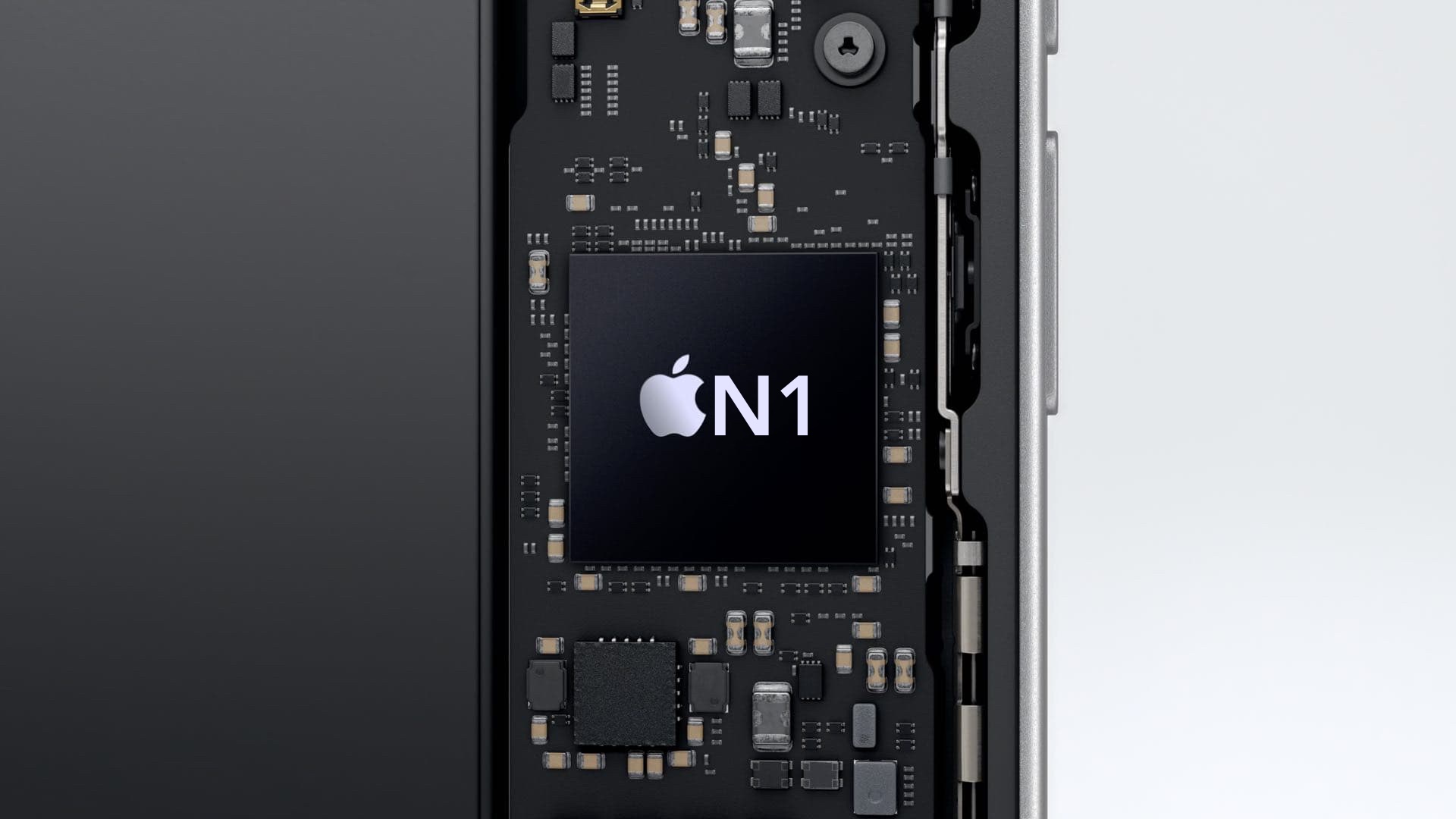
Image: Apple/Cult of Mac
Apple has been slowly moving its devices to its in-house N1 wireless chip. The OLED iPad mini also gets the same chip, enabling Wi-Fi 7, Bluetooth 6 and Thread support. For comparison, the iPad mini 7 supports Wi-Fi 6E and Bluetooth 5.3.
The N1 chip also provides a more reliable AirDrop and AirPlay experience. And tests show it delivers a more reliable experience if the connection is weak or spotty.
Likewise, even the cellular OLED iPad Mini models move to Apple’s in-house C2 modem. According to Apple, it can deliver up to 50% faster cellular data speeds than the iPad mini 7, alongside improved power efficiency.
If you already own the iPad mini 7, none of the connectivity upgrades from the OLED iPad mini 8 are immediately worth upgrading to. Do they offer a better experience? Yes. But that does not justify the upgrade. They are a nice-to-have improvement.
Apple Pencil support hasn’t changed. Both models support Apple Pencil Pro and Apple Pencil (USB-C).
Battery life and charging: Faster top-ups
Despite packing a thinner chassis and a significantly more powerful A20 Pro chip, the iPad mini 8 offers the same battery life as its predecessor.
Apple rates both tablets for up to 10 hours of web browsing over Wi-Fi or video playback. This drops to nine hours when browsing the web over a cellular connection.
Interestingly, the iPad mini 8 packs a slightly smaller 18.9Wh battery, compared to the 19.3Wh cell inside the iPad mini 7. The more efficient A20 Pro chip and OLED display likely help offset the smaller battery capacity, allowing Apple to maintain the same battery-life claims.
The bigger upgrade is in charging speeds. Apple has finally added fast-charging support to the iPad mini 8, allowing it to charge from zero to 50% in around 30 minutes with a compatible 35W or higher USB-C power adapter.
For comparison, the iPad mini 7 only pulls 20W of max power and takes about 60 mins to hit 70% charge from empty.
Price and storage: A $100 increase
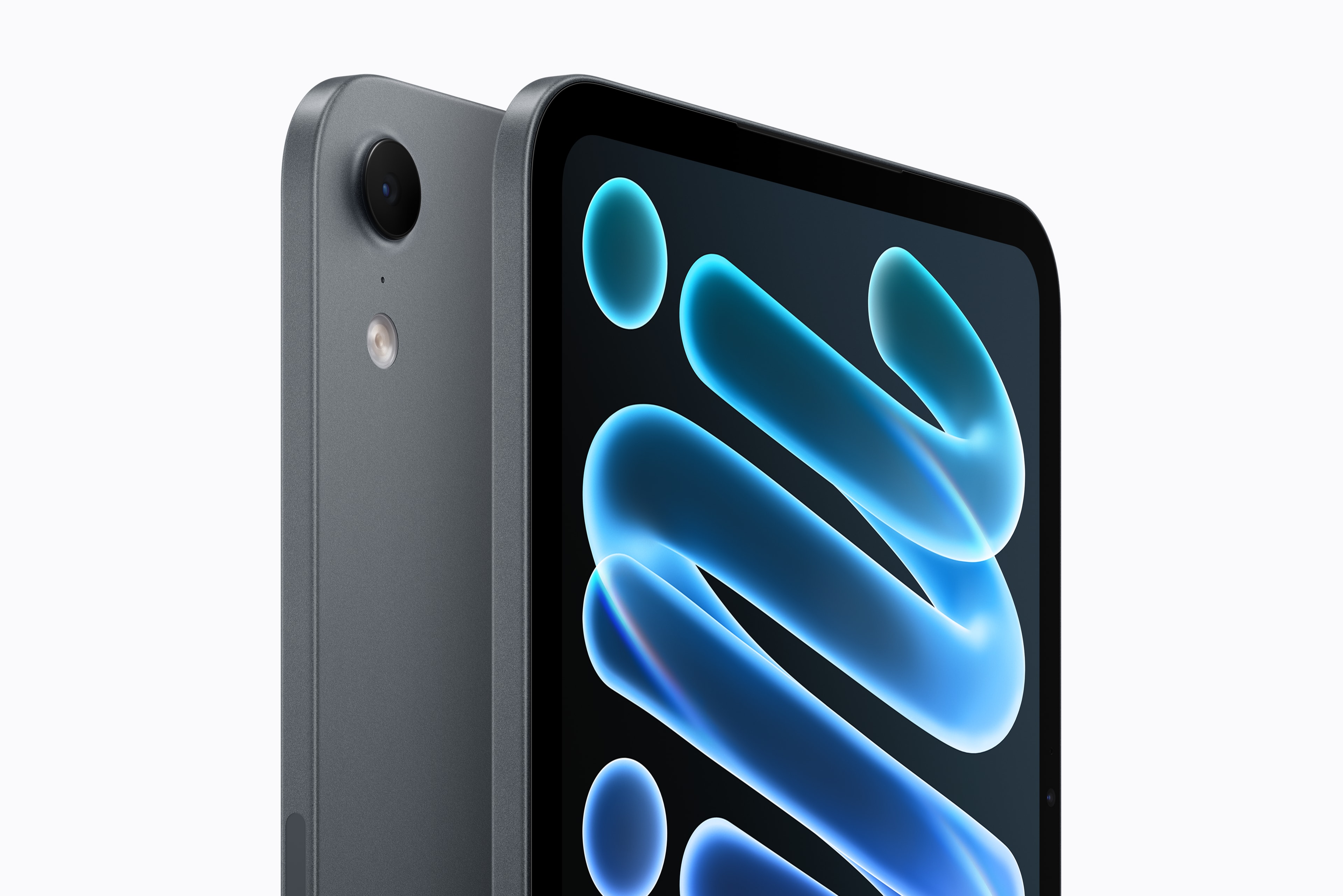
Photo: Apple
The new OLED iPad mini starts at $699, a $100 premium over the iPad mini 7’s revised $599 starting price. Apple increased the latter’s price from $499 to $599 in June 2026 amid rising memory and storage costs.
Both models offer the same 128GB, 256GB and 512GB storage configurations. So, the additional $100 gets you a bigger OLED display, a faster A20 Pro chip, a thinner design and several other upgrades.
For the OLED panel alone, the iPad mini 8’s $100 higher starting price is easier to justify. But that would have been justifiable from the iPad mini 7’s original price of $499. At $699, the iPad mini 8 is an expensive device.
iPad mini 8 vs. iPad mini 7: More than just an OLED upgrade
The iPad mini 8 is a much bigger leap forward than its predecessor. While the iPad mini 7 primarily focused on performance improvements, Apple has overhauled nearly every aspect of its smallest tablet this time around.
The OLED display is undoubtedly the star of the show, but the thinner and lighter design, IP67 water resistance, improved audio system, faster charging and substantially more powerful A20 Pro chip are equally welcome additions.
All these improvements make the iPad mini 8 a more compelling compact tablet, especially considering it costs only $100 more than its predecessor’s revised starting price. The iPad mini 7 remains plenty capable, but the new model brings enough changes to feel like a proper generational upgrade.

Rajesh has been writing about consumer technology for over a decade, with a strong focus on iPhones, Macs and Apple’s ecosystem. He enjoys digging into Apple software updates, hardware changes, and discovering new Mac apps that make work faster and more enjoyable.
You can reach out to him at mail[at]rajeshpandey.me.