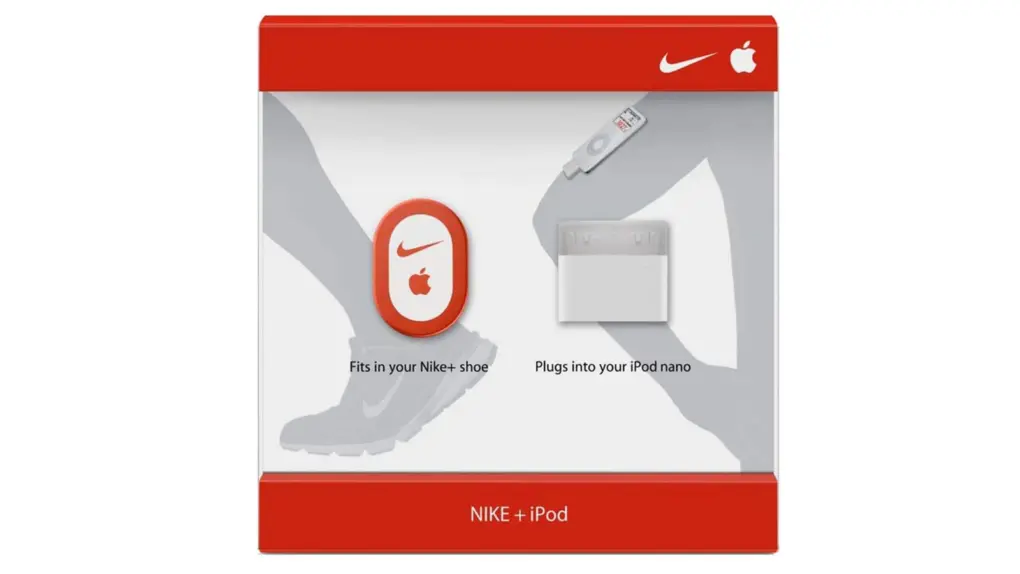
 July 13, 2006: Apple releases its first activity tracker, the Nike+iPod Sport Kit, which combines Cupertino’s popular music player with a smart pedometer that fits in a shoe.
The product marks Apple’s first step toward the kind of mobile health-tracking initiatives it will pursue in the following decade — most notably through its iOS Health app and the Apple Watch.


 July 12, 2010: The iPhone 4 suffers a major blow when respected trade publication Consumer Reports says it can’t, in good faith, recommend the new Apple smartphone.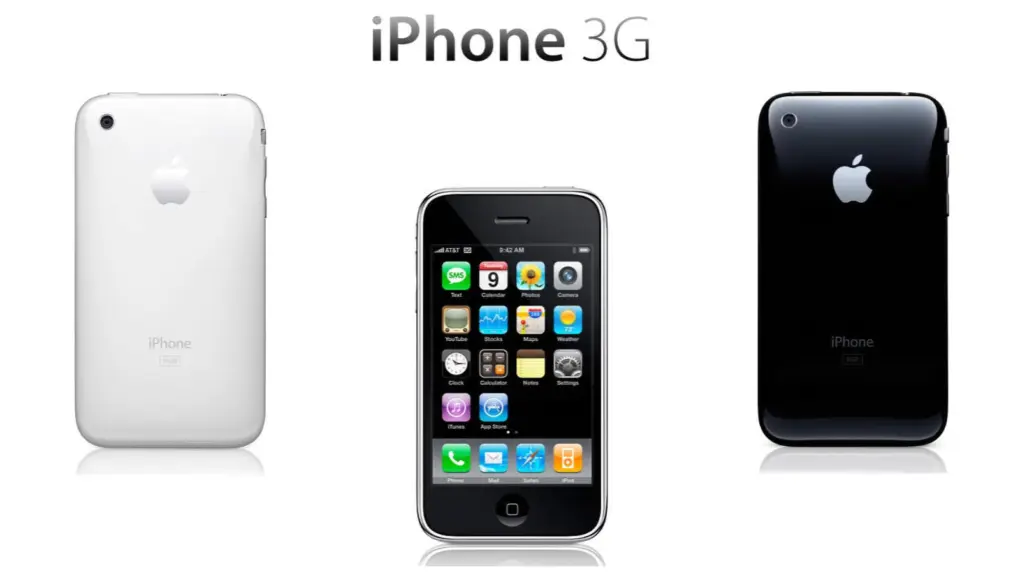
 July 11, 2008: The iPhone 3G goes on sale. Expectations for the smartphone sequel run high, and Apple delivers with the addition of GPS, faster 3G data and a higher-quality build. The iPhone 3G launch also brings a new mobile operating system packed with features.
 July 10, 2008: Apple launches the App Store, an online hub that lets iPhone owners browse and download apps made by third-party developers. Transforming the iPhone from a locked-down platform to a generative one, the App Store means that every iPhone user can have his or her own “killer app” depending on the software they want — from social networking to composing music to playing games.
 July 9, 2001: Apple earns the title of No. 1 computer manufacturer in the education market, with twice as many machines in schools as runner-up Dell Computer.
 July 8, 1997: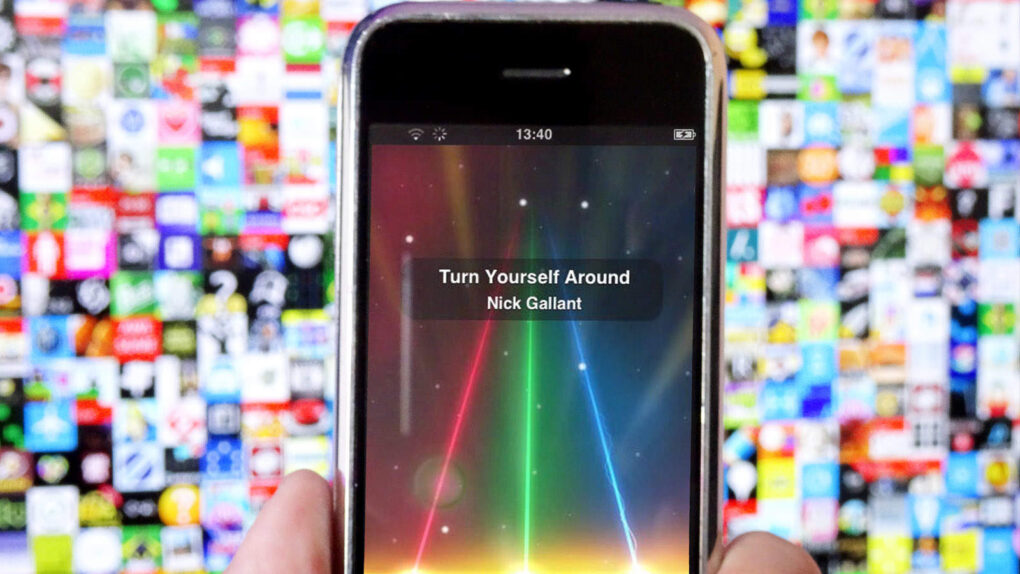
 July 7, 2011: Three years after its launch, the
 July 6, 1997: Following a massive quarterly loss for Apple, board member Edgar S. Woolard Jr. calls CEO
 July 5, 2006: Apple discontinues its low-end eMac product line. After more than a quarter-century of using CRT monitors in its computers, the move represents the end of the cathode ray tube era for Macs.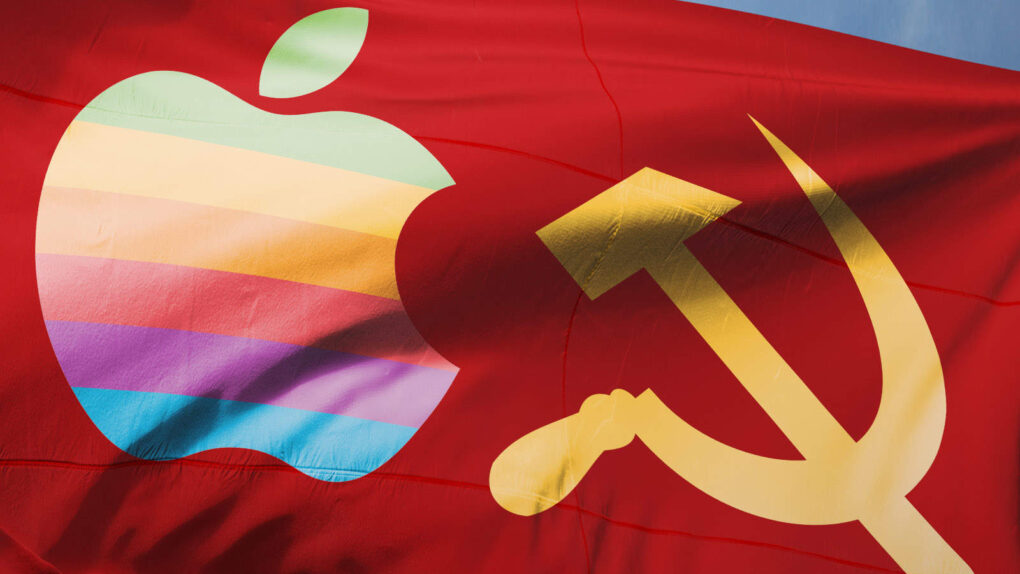
 July 4, 1985: Apple co-founder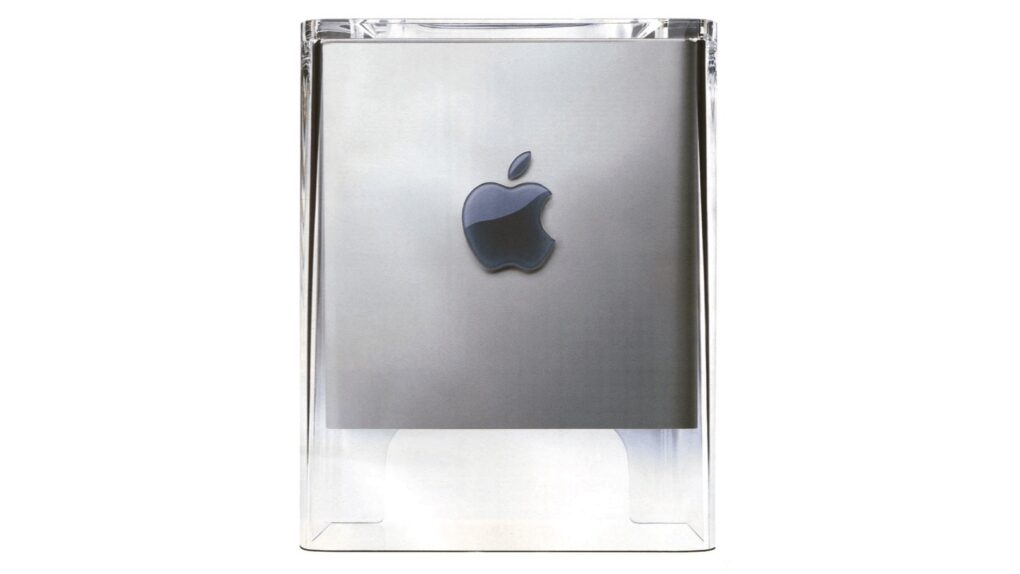
 July 3, 2001: Apple suspends production of its Power Mac G4 Cube, one of the most notable busts in Apple history — and the first major flop following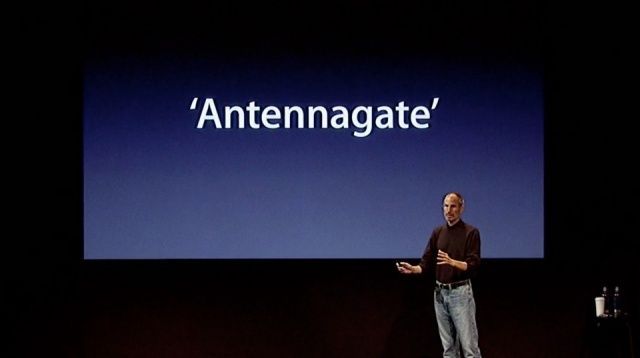
 July 2, 2010: Apple opens up about “
 July 1, 2012: Apple shuts down MobileMe, its subscription-based suite of online services and software offering push email, chat, data storage, a photo gallery and other features.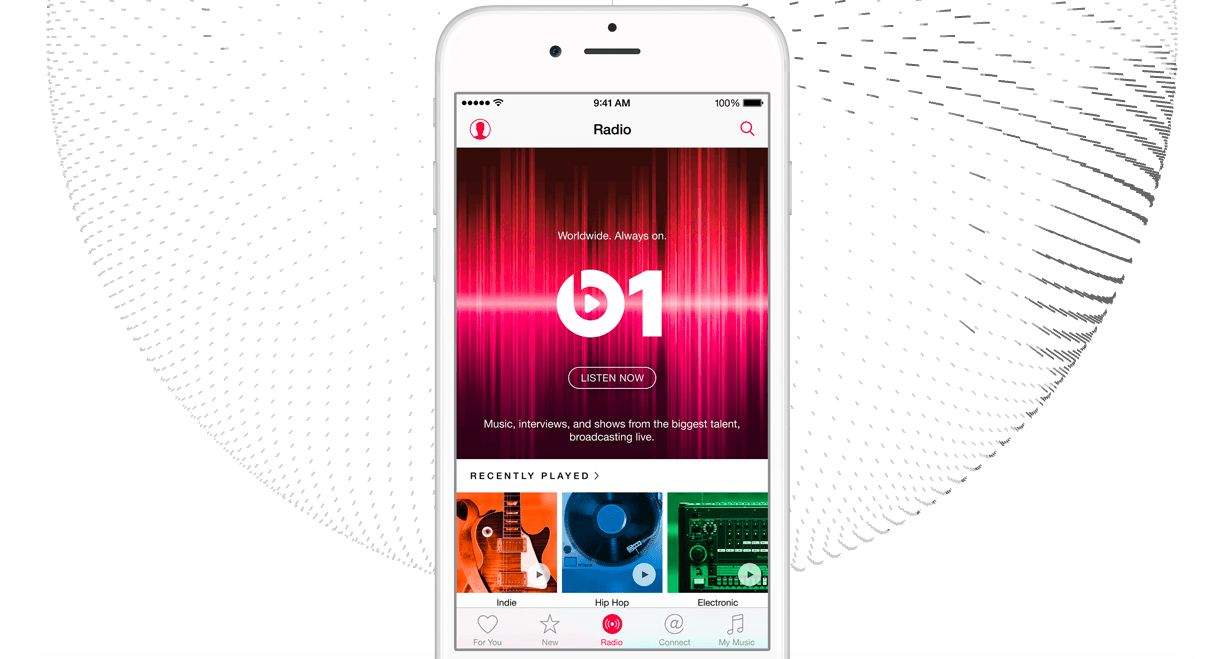
 June 30, 2015: Apple launches 24/7 radio station Apple Music 1 (launched originally as Beats 1). Part of Apple Music, the new global radio station features top DJs ranging from former BBC presenter Zane Lowe to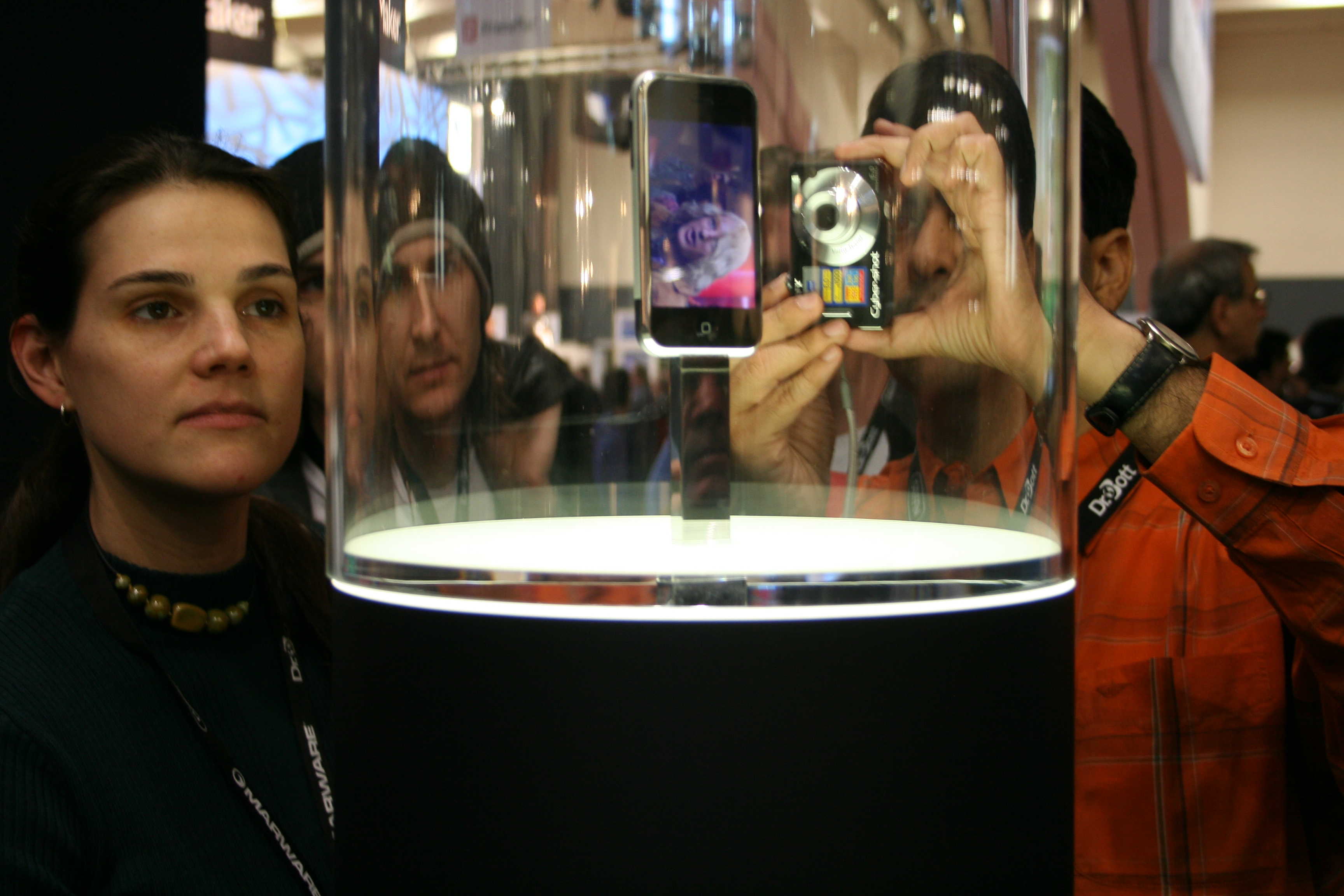
 June 29, 2007: The first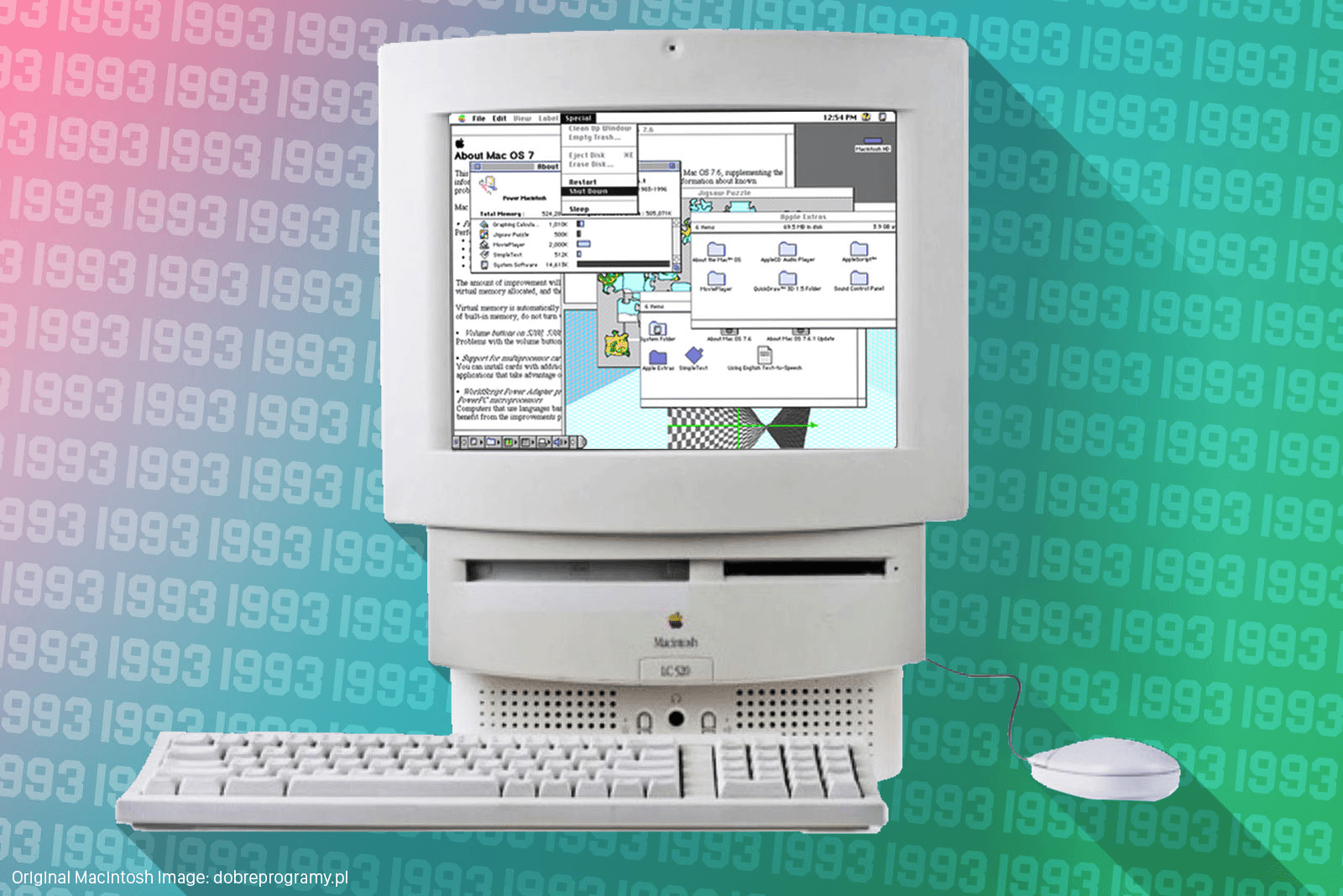
 June 28, 1993: Apple ships the Macintosh LC 520, an “all-in-one” Mac targeted primarily at the education market.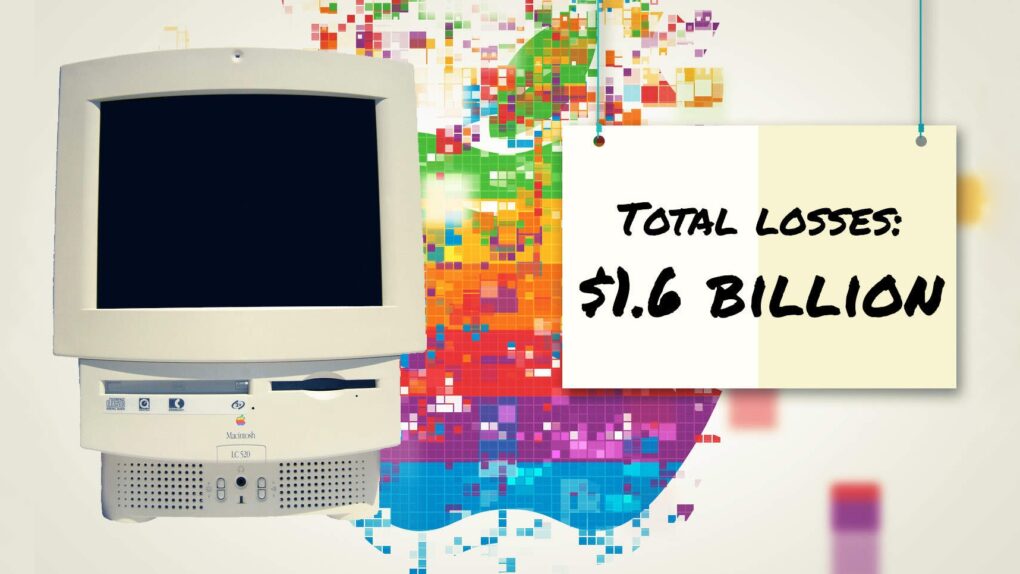
 June 27, 1997: The last day of another disappointing quarter brings an end to CEO Gil Amelio’s 500 days running Apple.
 June 26, 2008: A year after the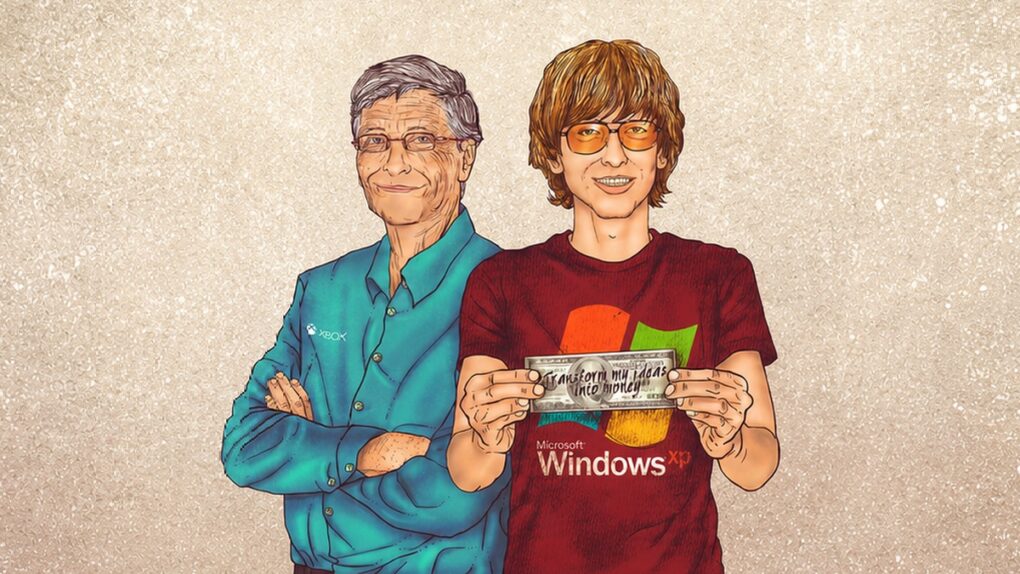
 June 25, 1985: Microsoft co-founder Bill Gates sends a memo to Apple execs suggesting that Cupertino should license its Mac operating system and additional technology to other companies.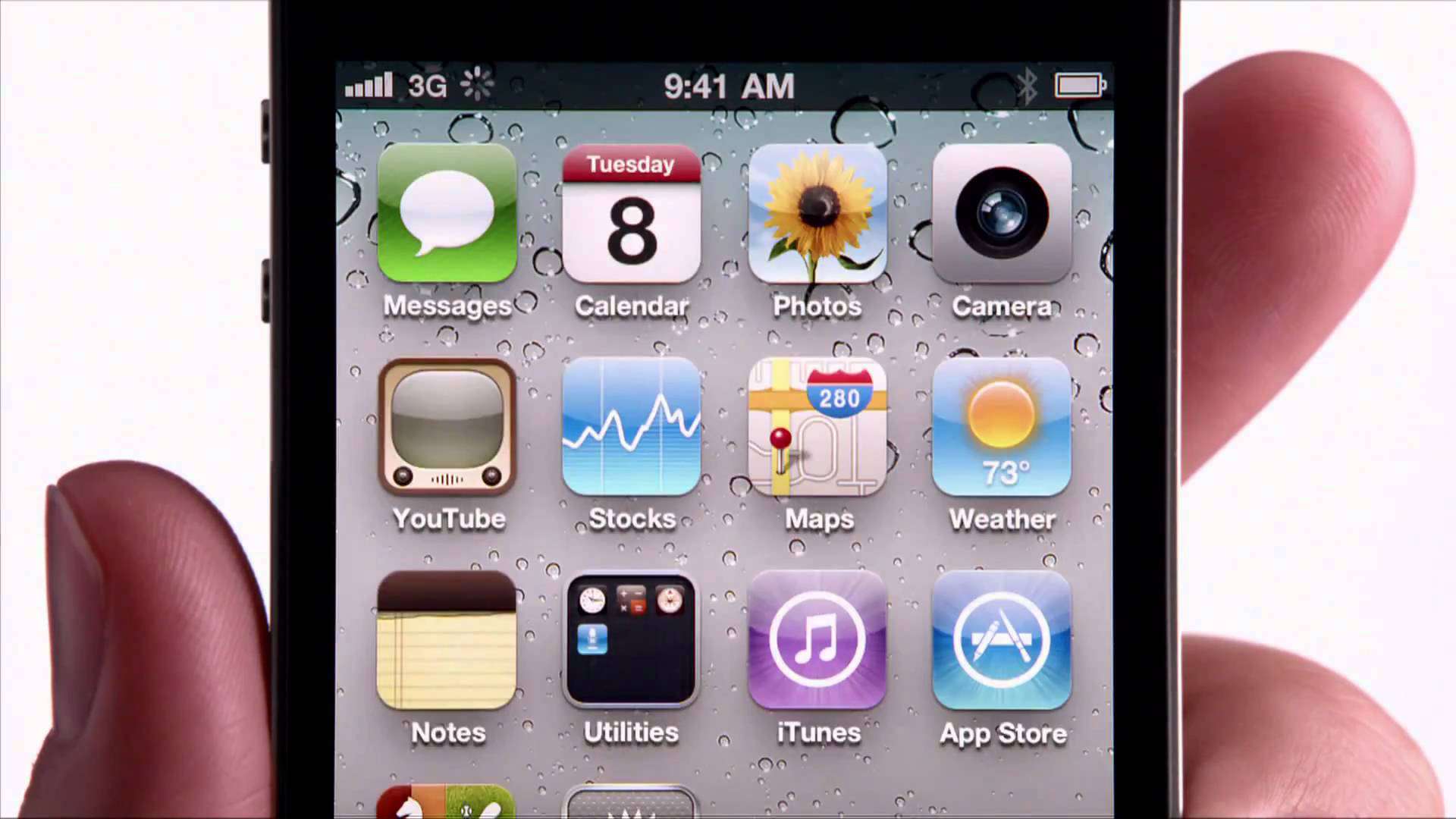
 June 24, 2010:. The iPhone 4 release date finally arrives, bringing a sleeker design, a new video telephony service called FaceTime and a gorgeous Retina display. Simply put, it’s a stunning smartphone.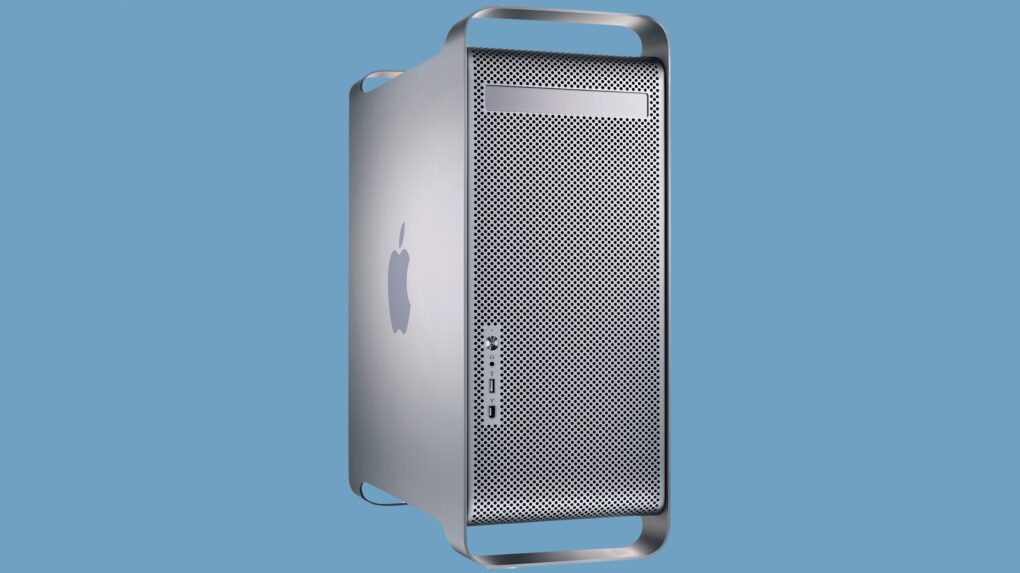
 June 23, 2003: Apple launches its gorgeous Power Mac G5, a powerhouse desktop computer with a perforated aluminum chassis that earns it the affectionate nickname “the cheese grater.”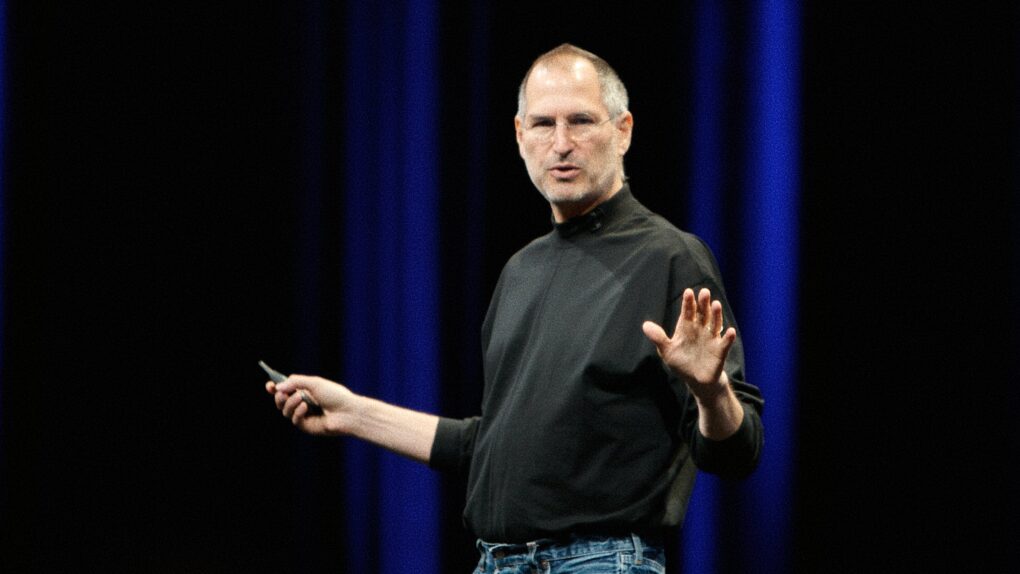
 June 22, 2009: Apple CEO Steve Jobs returns to work, a couple of months after undergoing a liver transplant as part of his treatment for pancreatic cancer.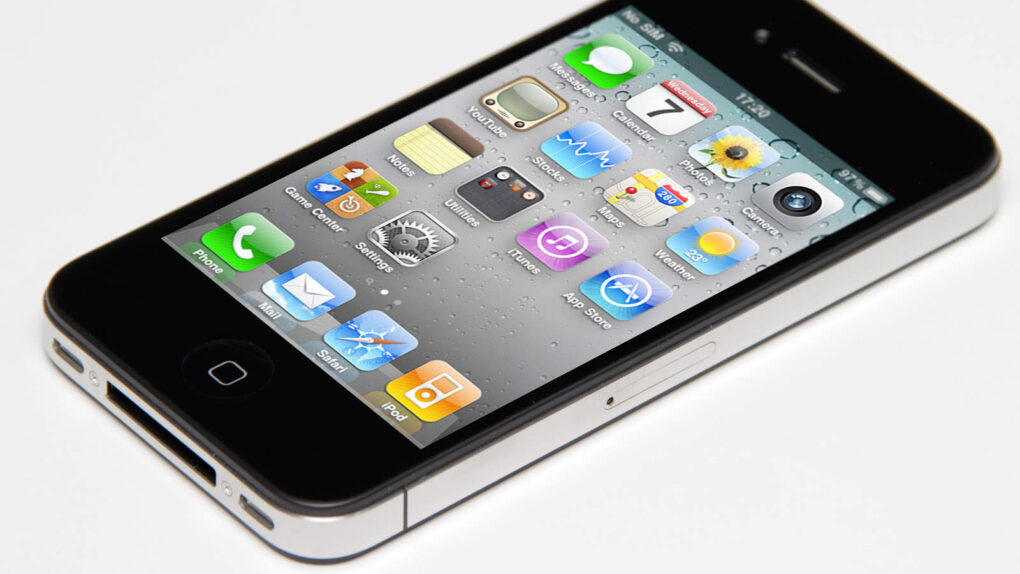
 June 21, 2010: Apple releases iOS 4, which introduces a range of productivity features as well as the FaceTime videotelephony service. The iOS 4 launch represents a big step forward for Apple’s flourishing mobile devices.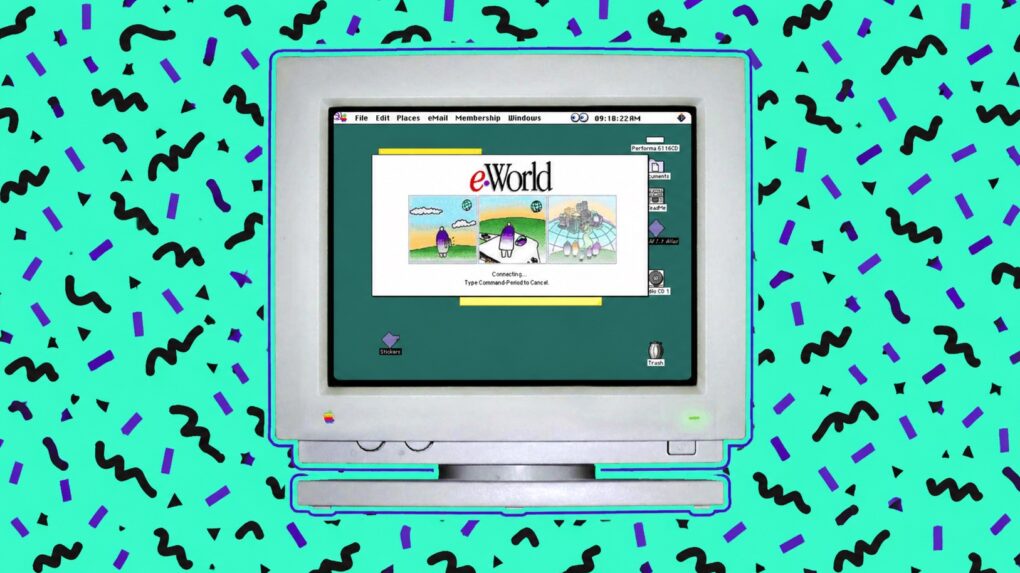
 June 20, 1994: Apple launches eWorld, a subscription service for Mac owners that’s designed to compete with America Online and other nascent online properties. Part messaging service and part news aggregator, the early internet service gives customers access to email, a bulletin board, and software downloads and support.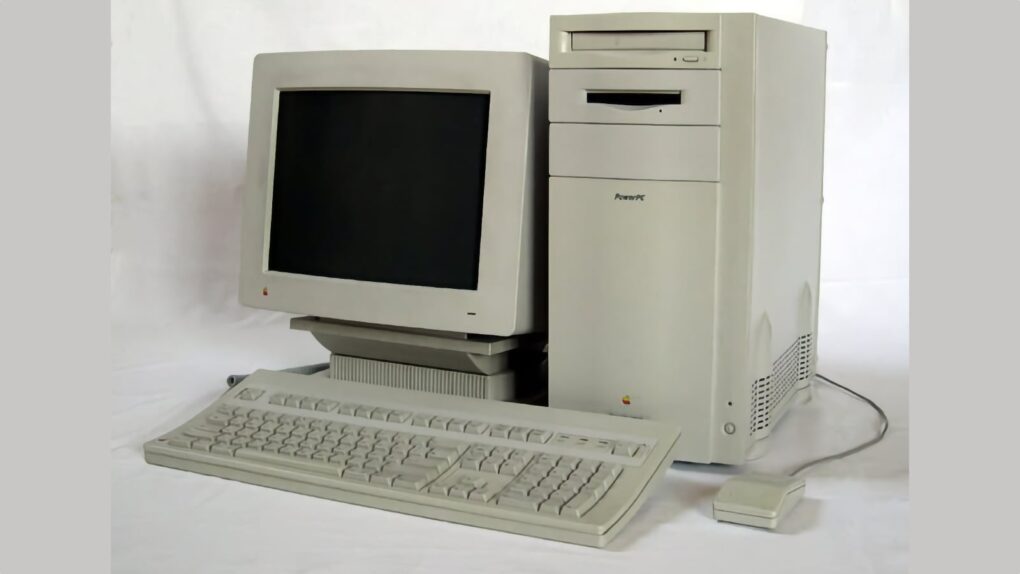
 June 19, 1995: Apple releases the Power Macintosh 9500, a high-end Mac that boasts a second-generation PowerPC chip that’s much faster than its predecessor.