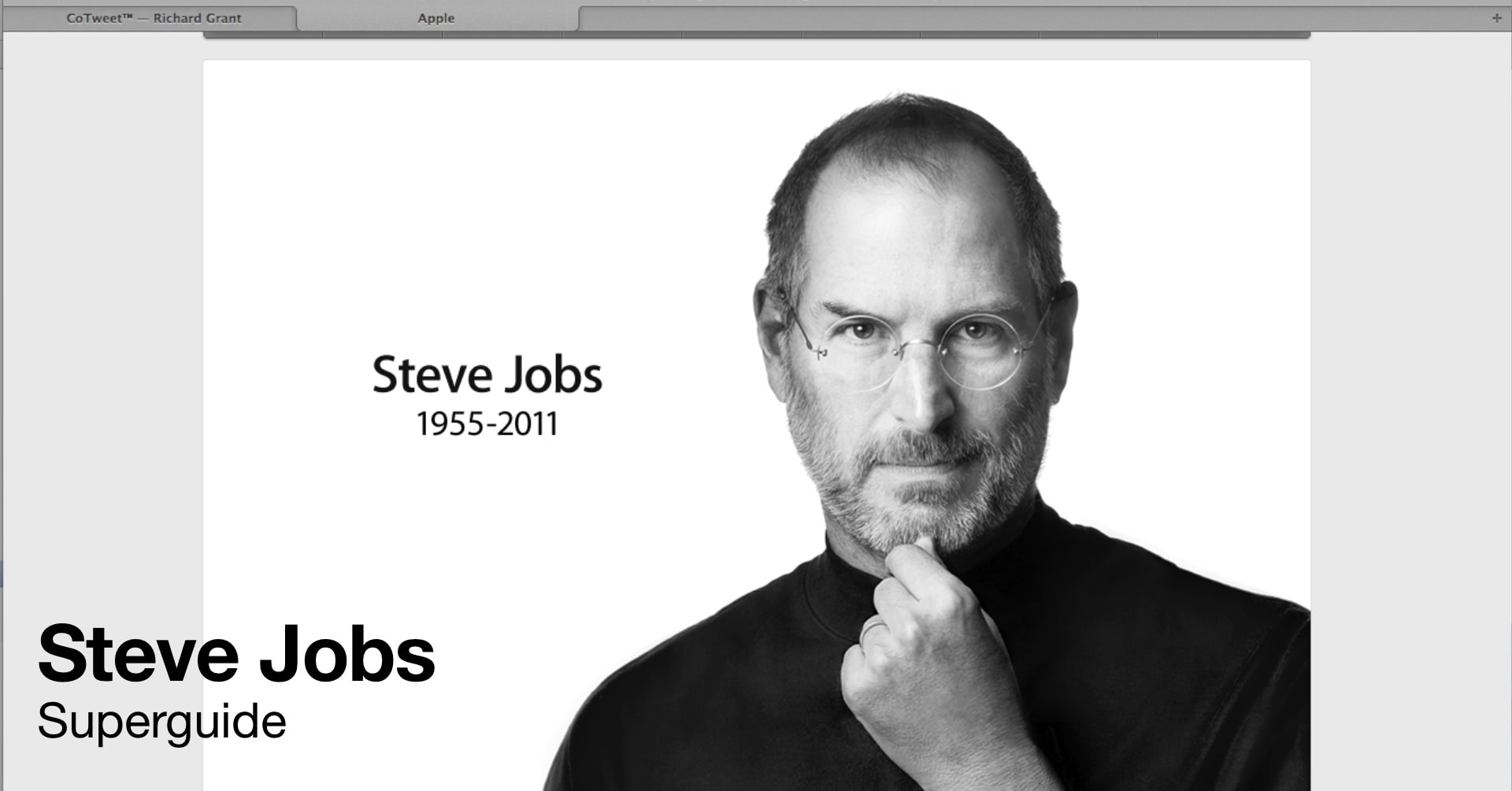
Steve Jobs was a visionary tech entrepreneur who co-founded Apple and revolutionized the consumer electronics industry with a series of hit products including the iMac and the iPhone. With a keen understanding of what made a product easy for consumers to use, played a pivotal role in transforming several industries through his innovative work in technology and design.
However, after a power struggle with Apple’s board, Jobs left the company in 1985. He went on to found NeXT Inc., which developed high-end workstations and software, although it struggled commercially. In 1986, Jobs acquired a major stake in Lucasfilm’s Graphics Group, which later became Pixar Animation Studios. Pixar’s success, starting with the release of Toy Story in 1995, made it a major player in animation before its acquisition by Disney in 2006.
Steve Jobs returns to Apple in 1997, and revolutionary products follow
Steve Jobs returned to Apple in 1997 when Apple acquired NeXT. His return marked the beginning of a new era for the company. Under his leadership, Apple introduced several revolutionary products.
The iMac, released in 1998, redefined computer design with its vibrant, translucent blue casing.
Next, the iPod arrived in 2001. Capable of putting “1,000 songs in your pocket,” the digital audio player transformed the music industry.
The first iPhone, released in 2007, changed mobile communication — and life itself — with its touchscreen interface.
And the iPad, released in in 2010, popularized tablet computing.
Throughout his wildly successful career, Steve Jobs was known for his intense focus on product design and user experience. He worked hand-in-hand with Jony Ive, Apple’s design chief at the time, to make Apple one of the most valuable and influential technology companies in the world.
Steve Jobs dies on October 5, 2011
In August 2011, due to pancreatic cancer and related health problems, Jobs resigned from his role as Apple’s CEO. He died at age 56 on October 5, 2011, leaving behind a profound legacy of innovation and creativity that continues to shape technology and consumer electronics.
For more information, read Inside Steve’s Brain by Cult of Mac founder Leander Kahney, or Steve Jobs, a biography by Walter Isaacson.
Power Computing's clone Macs were built for speed. Photo: Antnik
June 4, 1997: Mac clone-maker Power Computing hits its high point as the company’s top exec reaches an agreement with Apple concerning the forthcoming Mac OS 8.
The deal allows the company to start making moves toward an IPO as the fastest-growing PC company of the decade. Things don’t turn out well, though.
The iPad finally went international on this day in 2010. Image: Apple
May 28, 2010: Customers across Europe and Asia queue up to buy the iPad when the international launch date for Apple’s original tablet finally arrives.
The reason for the gap between the iPad’s U.S. launch in early April and its international debut more than a month later? Unexpectedly strong demand for the groundbreaking device.
Steve Jobs thought ditching ad agency Chiat/Day proved Apple had lost its creative mojo. Photo: Apple and Chiat/Day
May 27, 1986: An exiled Steve Jobs takes a shot at Apple after the company ditches Chiat/Day, the ad agency that created the iconic “1984” Macintosh ad.
In a full-page ad published in The Wall Street Journal, Jobs says the move to competing ad agency BBDO shows that “caretakers,” rather than “builders,” now run Apple.
From his perspective, it confirms that the company he co-founded has lost its revolutionary spirit.
May 26, 2010: In a massive milestone, Apple passes Microsoft to become the world’s most valuable technology company for the first time.
The changing of the guard proves particularly amazing given that, just 15 years earlier, Apple looked close to dead, while Microsoft dominated the tech world thanks to Windows 95.
Apple faces criticism for conditions on the iPhone production line. Photo: SACOM Hong Kong/Flickr CC
May 25, 2010: Apple opens an investigation into a string of suicides at Foxconn, its Chinese manufacturing partner for assembling iPhones.
After reports of a ninth death at a Foxconn factory, Apple says it is “independently evaluating” Foxconn’s response. Cupertino vows to take a long, hard look at the facilities that manufacture its products. It’s a tough challenge for Apple to deal with — and CEO Steve Jobs’ controversial comments don’t exactly help.
May 23, 1985: Bitter about being ousted from his position running the Macintosh division, Steve Jobs attempts to stage a boardroom coup to seize control of Apple from CEO John Sculley.
The 30-year-old Apple co-founder plans to overthrow Sculley while the CEO is away on a business trip in China. Unfortunately for Jobs, he makes a critical mistake when he tries to recruit the support of Apple executive Jean-Louis Gassée, who informs Sculley of the plot.
It’s the beginning of the end for Jobs’ first tenure at Apple.
Things were looking up for the Newton MessagePad. Until they weren't. Photo: iFixit
May 22, 1997: Apple spins off its Newton division, creating an independent company to manage the line of personal digital assistants. Newton Inc.’s first job? Selling the MessagePad 2000 PDA, the best Newton device yet.
But Apple also gave Newton Inc. a mandate to develop new technologies and market existing ones.
“We have a solid business plan and a strong management team in place to optimize the value of Newton technology for corporate users and take Newton technology into a new era,” says Sandy Benett, former vice president of Apple’s Newton Systems Group and chief operating officer of the new venture.
Instead, it turns out to be the beginning of the end for the ahead-of-its-time Apple PDA.
★★★★★Steve Jobs in Exile among other classic Apple books. Photo: D. Griffin Jones/Cult of Mac
Steve Jobs in Exile by Geoffrey Cain serves up a comprehensive history of that other computer company Steve Jobs founded, NeXT.
The book, released Tuesday, starts in 1985 with Steve Jobs being forced out of Apple. It tells the tumultuous tale of what happens after Jobs poaches five Apple employees, they all gather in his bare living room, and ask, “Well … now what?”
Starting fresh at just the right moment in history, they invented the computer architecture of the modern era with a powerful UNIX foundation, object-oriented programming and emerging web technologies. It’s an intensely frustrating tale of Jobs blowing chances at success left and right, letting perfection be the enemy of the good.
How the Tysons Corner, Virginia store appeared on day one. Photo: Apple
May 19, 2001: Apple revolutionizes the world of computer shopping when it opens its first two Apple Stores. Located in Tysons Corner, Virginia, and Glendale, California, the new outlets represent the culmination of a long-term dream for Cupertino.
It’s the start of something massive. Within two and a half decades, Apple will expand its retail operations to more than 500 stores in 27 countries and regions around the world. And they will become some of the most profitable retail outlets anywhere on a dollars-per-square-foot basis.
John Sculley served as Apple's third president and CEO. Photo: Web Summit/Flickr CC
May 17, 1983: John Sculley takes the helm as Apple’s third president and CEO. The former Pepsi-Cola boss is short on tech experience but long on marketing, which will become increasingly important as the personal computer revolution ramps up.
Steve Jobs personally lured Sculley to Apple using one of the most famous lines in the history of business. “Do you want to spend the rest of your life selling sugared water,” Jobs asked Sculley, “or do you want a chance to change the world?”
Steve Jobs offers a sneak peek at the first Apple store prior to its opening. Photo: Apple
May 15, 2001: Apple CEO Steve Jobs flips the script on the dreadful experience of computer shopping, unveiling an ambitious plan to open 25 innovative Apple stores across the United States. The first ones, located at Tysons Corner in McLean, Virginia, and the Glendale Galleria in Glendale, California, are set to open later that week.
However, this new Apple initiative is about much more than just a couple of retail outlets. It’s a radical reinvention of tech retail that will change the way computers get sold.
May 14, 1992: Apple co-founder Steve Jobs‘ company NeXT runs into trouble as it loses a crucial deal with Businessland after the computer retailer closes its stores.
It comes at a time when NeXT’s luck is going from bad to worse. The Businessland closure marks one of the lowest points in Jobs’ career — before everything starts to turn around again.
Hey, look — it's Steve Jobs! At least we think that's Steve Jobs ... although it almost looks like he has moobs. Image: U.S. Mint
Apple fans and coin collectors snatched up a new tribute to Steve Jobs on Tuesday. As part of its ongoing American Innovation $1 Coin Program, the United States Mint put the Steve Jobs coin up for sale at 9 a.m. Pacific time this morning — and it sold out almost instantly.
The coin honors the late Apple co-founder and his impact on technology and culture, celebrating one of the most influential figures in technology history. But the image of Jobs is somewhat questionable.
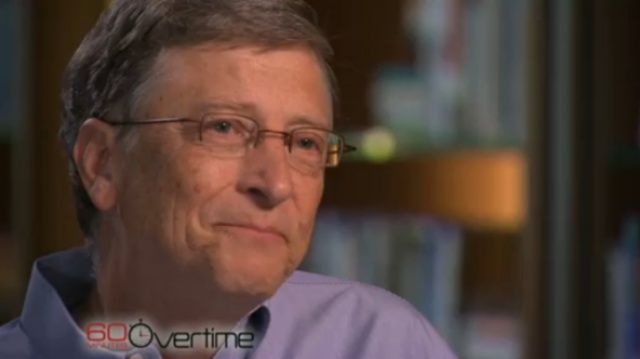
Unfortunately for Bill Gates, Steve Jobs was one step ahead. Photo: 60 Minutes
May 12, 2005: Longtime Apple frenemy Bill Gates tells a German newspaper that Apple may have hit it big with the iPod, but that its success isn’t going to last forever.
The reason for the Microsoft co-founder’s doomy take on the iPod’s future? He thinks mobile phones will steal the music player’s market share.
The good news for Gates is that he was right on the money. The bad news for Microsoft is that Apple cannibalized itself by making the iPhone. And Apple’s smartphone became even more successful than the iPod.
The PowerBook 2400c was Apple's ultra-thin laptop of the late '90s. Photo: Apple
May 8, 1997: Apple launches the PowerBook 2400c laptop, a 4.4-pound “subnotebook” that’s the MacBook Air of its day.
The PowerBook 2400c predicts the rise of speedy, lightweight notebooks, while also paying tribute to Apple’s past. Its design echoes the original PowerBook 100. Even years later, it remains a cult favorite among many Mac users.
Katie Cotton helped control Apple's narrative in the press for years. Photo: Apple
May 7, 2014: Katie Cotton, the fearsome, much-admired head of Apple’s worldwide publicity machine, steps down from her vice president post after 18 years with the company.
During her stint at Apple, Cotton worked in lockstep with CEO Steve Jobs and proved instrumental in controlling the company’s portrayal in the press. Her departure provides one more reminder that the Jobs era is over at Apple.
The original iMac looked different from any other computer. Photo: Apple
May 6, 1998: Apple CEO Steve Jobs unveils the original iMac, a brightly colored, translucent computer that will help save the company.
Coming just 10 months after Jobs’ new management team took over the struggling company, the iMac loudly announces that the days of Apple quietly fading into the background are over. The colorful computer marks the start of a very successful run for Cupertino.
The original Mac was a smash hit. Sort of. Photo: iFixit
May 3, 1984: Apple marks the all-important first 100 days of Mac sales, signaling whether the product launch is a hit with customers.
The results outstrip even Apple co-founder Steve Jobs‘ most optimistic targets. Unfortunately, not everything is as positive as it seems following the successful Mac launch.
Steve Jobs really didn't care for Flash. Photo: Lewis Wallace/Cult of Mac
April 29, 2010: Apple CEO Steve Jobs pens “Thoughts on Flash,” an open letter to explain why, basically, Adobe Flash kind of sucks. The letter marks the beginning of the end for the once-omnipresent plugin that powered multimedia in internet browsers for years.
Following the devastatingly blunt broadside, Adobe Systems CEO Shantanu Narayen hits back at Apple, arguing against Jobs’ complaints. But the Apple leader has clearly made up his mind: iOS devices will never support Flash. The writing is on the wall.
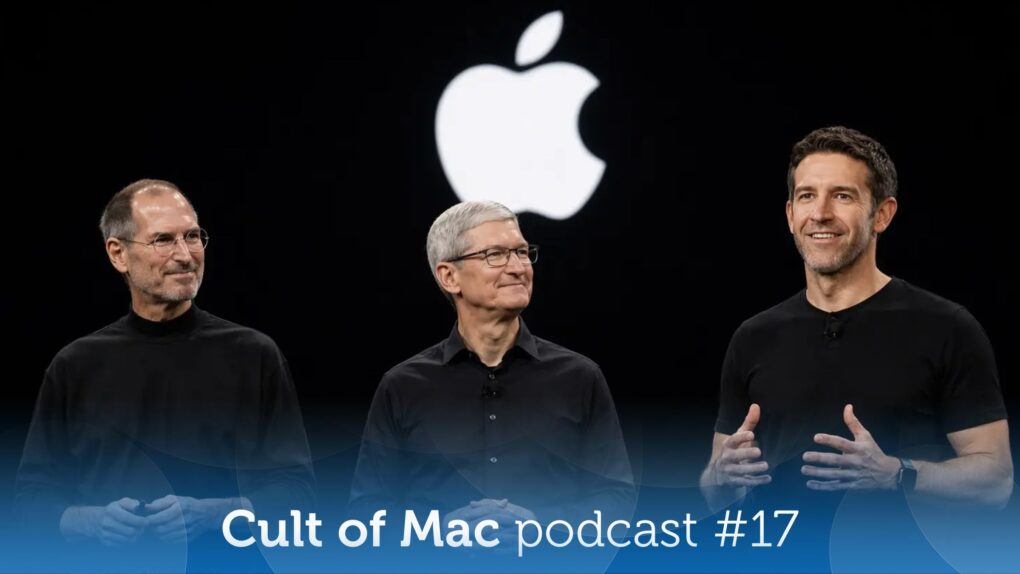
With Tim Cook stepping down as Apple CEO, we look to the past as well as the future. AI image: Apple/ChatGPT/Cult of Mac
This week on the Cult of Mac podcast: Holy mackerel, Tim Cook really is stepping down from his CEO role at Apple! And it’s happening sooner than most of us thought. His replacement, John Ternus, sounds like a solid pick — a hardware guy with a long history in Cupertino.
Cook himself says he wants the four-month transition to be “a textbook succession plan, the best in the world.” So the big question is, what will this transition look like for Apple? We’ve got some thoughts. (Lots of ’em, actually.)
Also on the Cult of Mac podcast:
Is Tim Cook the best Apple CEO ever? Well, no, that would be Steve Jobs. Still, Cook’s time at the top has clearly been exceptional.
Word on the street is that John Ternus might be a bit more Jobsian when it comes to his decision-making. And he’s already promising that Apple will “change the world once again” with its upcoming products.
New rumors give us something else to ponder: the buzzy color of the iPhone 18 Pro and a key feature coming to the first folding iPhone that we feared we weren’t getting.
Listen to this week’s episode of the Cult of Mac podcast in the Podcasts app or your favorite podcast app. (Be sure to subscribe and leave us a review if you like it!) Or watch the video version, embedded below.
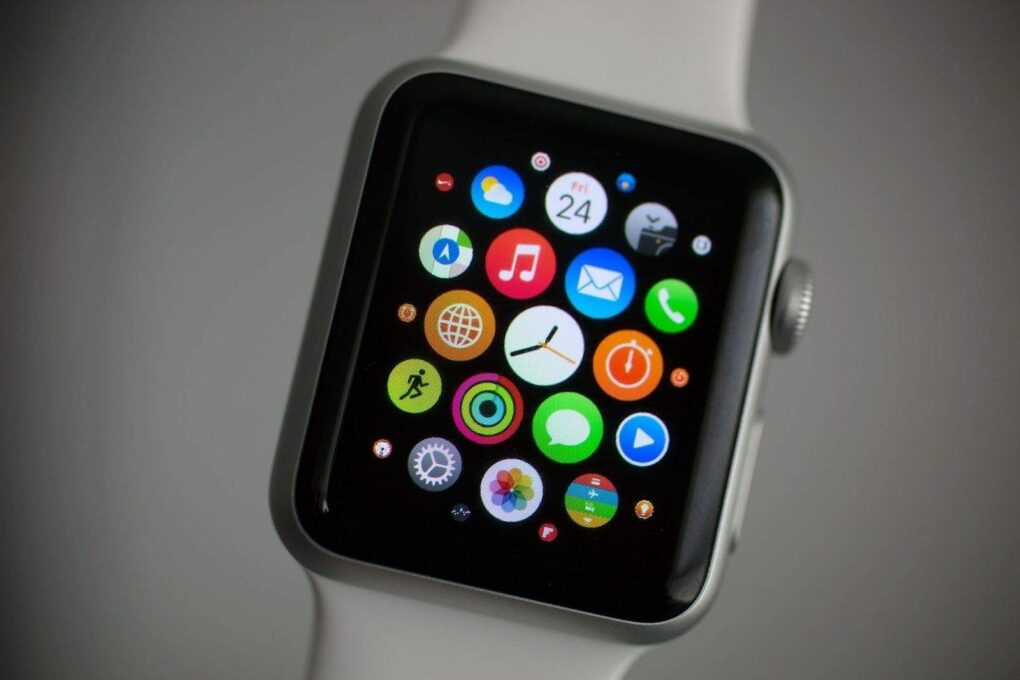
The Apple Watch is the first major new product launch of the post-Steve Jobs era. Photo: Jim Merithew/Cult of Mac
April 24, 2015: The original Apple Watch launch means consumers, who endured a seven-month wait after the device’s unveiling at a keynote the previous September, can finally strap an Apple wearable onto their wrists.
Apple CEO Tim Cook describes the smartwatch as the “next chapter in Apple history.” Behind the scenes, however, the first Apple Watch launch is a moment long in the making.
Future Apple CEO John Ternus is a man willing to make the difficult decisions. Photo: Apple
Apple’s appointment of John Ternus as its next CEO signals a potential shift in leadership style at the company, with insiders pointing to his decisive approach to decision-making.
In contrast, outgoing CEO Tim Cook is more of a consensus builder.
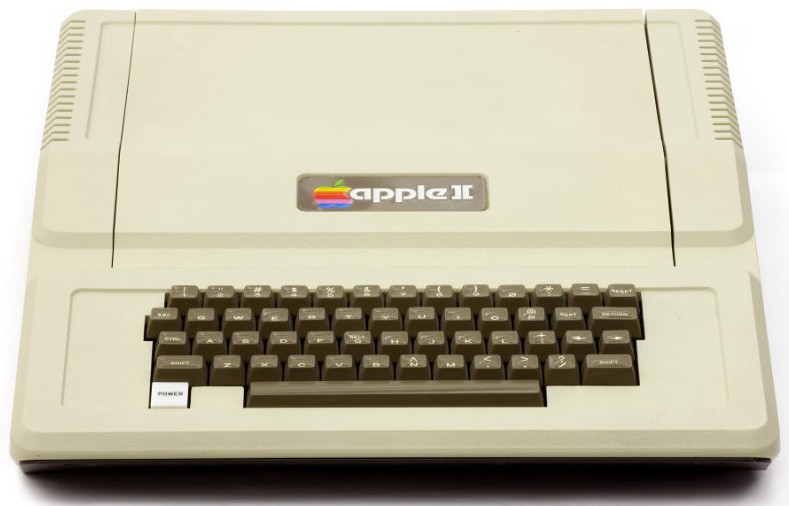
April 17, 1977: The Apple II launch at the West Coast Computer Faire positions Apple at the forefront of the looming personal computer revolution.
The company’s first mass-market computer, the Apple II boasts an attractively machined case designed by Jerry Manock (who will later design the first Macintosh). It also packs a keyboard, BASIC compatibility and, most importantly, color graphics.
Fueled by some marketing savvy from Apple co-founder Steve Jobs, the Apple II launch makes quite a splash at the San Francisco Bay Area’s first personal computer convention.
According to a 2005 rumor, Apple planned to launch a 15-inch tablet. Photo: Ste Smith/Cult of Mac
April 13, 2005: The tech world gets excited when a sketchy rumor suggests Apple is building a tablet computer.
The Chinese-language report claims Quanta will build a 15-inch touchscreen tablet PC with a detachable keyboard. Apple will supposedly ship the device in the first quarter of 2006. Things don’t turn out quite like that, but the rumor offers the first hint about Apple’s secret iPad project.
Ron Wayne today and when he co-founded Apple in 1976. Photo: Ron Wayne
April 12, 1976: Apple’s third co-founder, a former Atari colleague of Steve Wozniak’s named Ron Wayne, cashes in his Apple shares for just $800.
Wayne, who owns a 10% stake in the company, throws in the towel after worrying that he doesn’t have the time or energy to properly invest in Apple. He later receives an extra $1,500 check to seal the deal. When he cashes it, he loses out on an investment that could have been worth billions.
“I was 40 and these kids were in their 20s,” Wayne told Cult of Mac decades later, referring to Apple co-founders Wozniak and Steve Jobs. “They were whirlwinds — it was like having a tiger by the tail. If I had stayed with Apple, I probably would have wound up the richest man in the cemetery.”
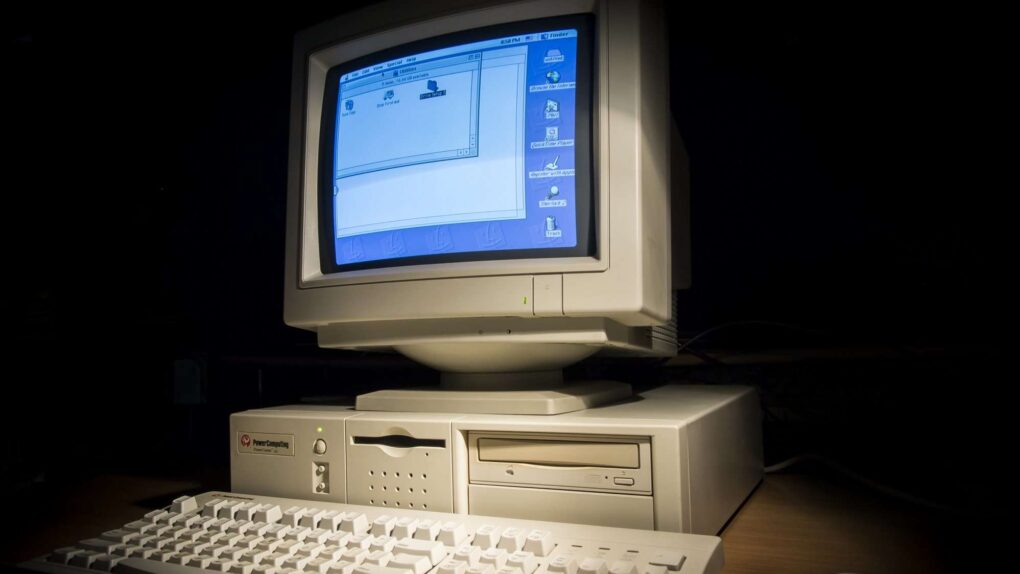
 June 4, 1997: Mac clone-maker Power Computing hits its high point as the company’s top exec reaches an agreement with Apple concerning the forthcoming Mac OS 8.
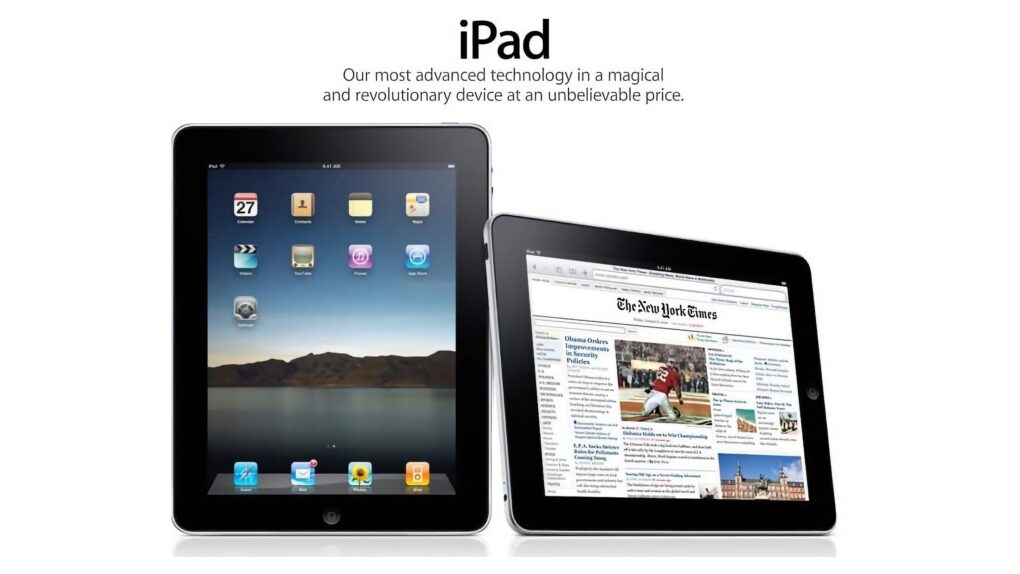
 May 28, 2010: Customers across Europe and Asia queue up to buy the iPad when the international launch date for Apple’s original tablet finally arrives.
 May 27, 1986: An exiled Steve Jobs takes a shot at Apple after the company ditches Chiat/Day, the ad agency that created the iconic “1984” Macintosh ad.
 May 26, 2010: In a massive milestone, Apple passes Microsoft to become the world’s most valuable technology company for the first time.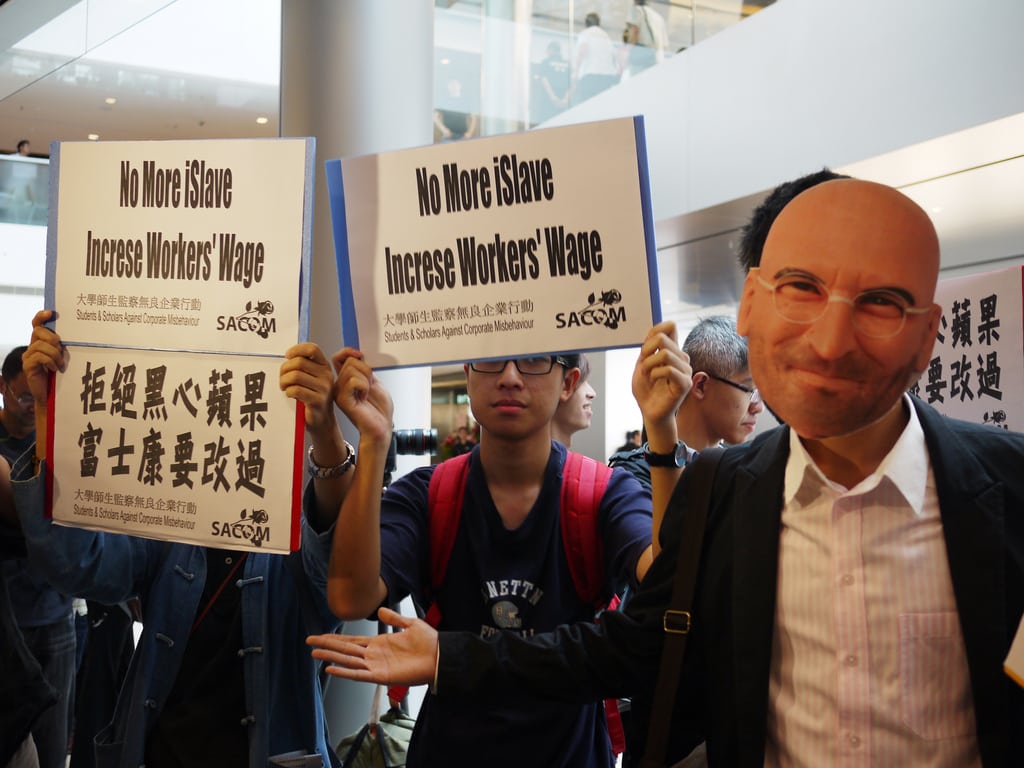
 May 25, 2010: Apple opens an investigation into a string of suicides at Foxconn, its Chinese manufacturing partner for assembling iPhones.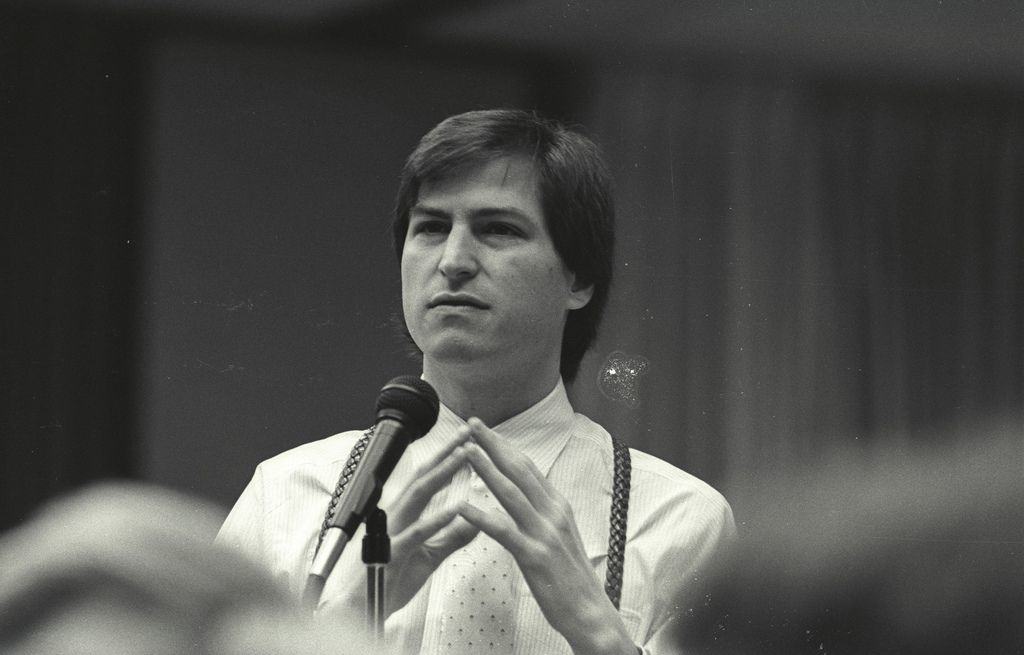
 May 23, 1985: Bitter about being ousted from his position running the Macintosh division,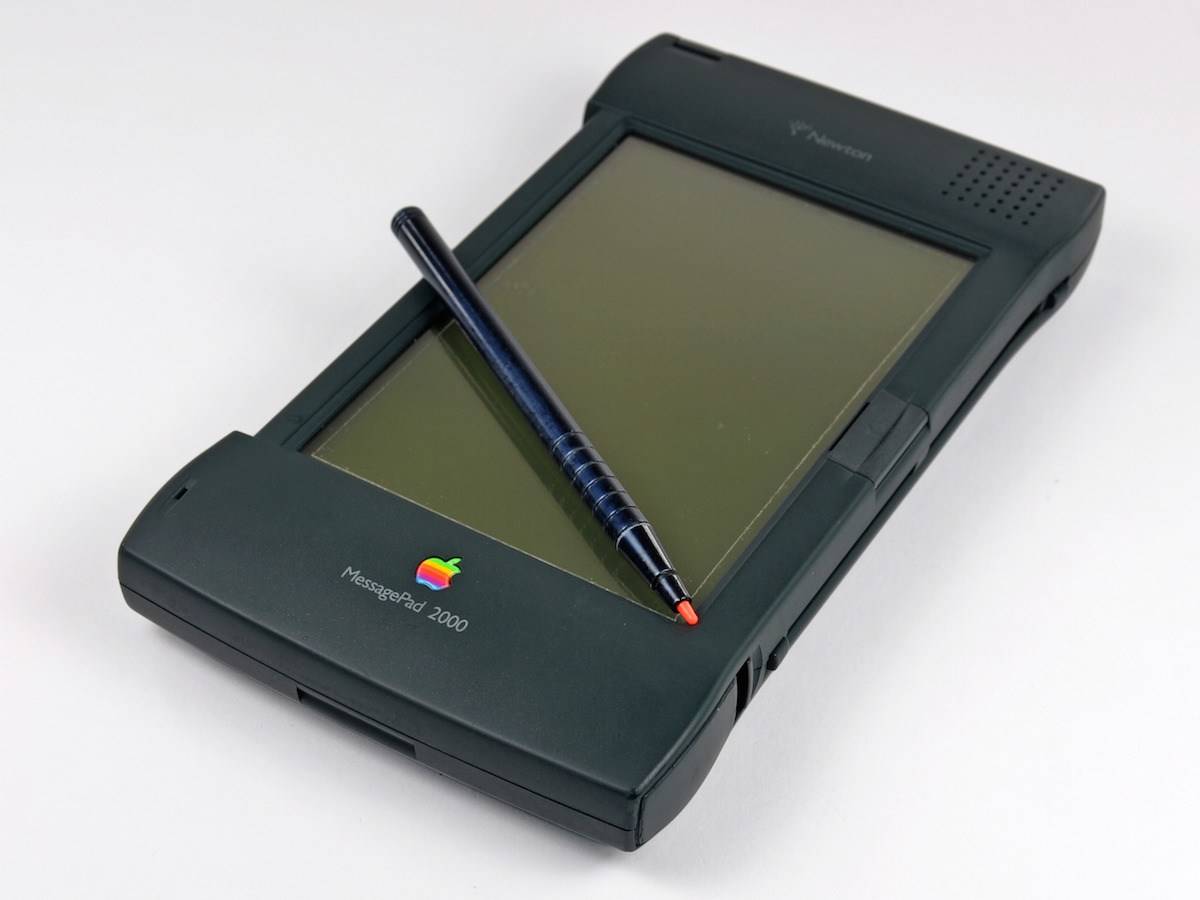
 May 22, 1997: Apple spins off its Newton division, creating an independent company to manage the line of personal digital assistants. Newton Inc.’s first job? Selling the MessagePad 2000 PDA, the best Newton device yet.

 May 19, 2001: Apple revolutionizes the world of computer shopping when it opens its first two Apple Stores. Located in Tysons Corner, Virginia, and Glendale, California, the new outlets represent the culmination of a long-term dream for Cupertino.
 May 17, 1983: John Sculley takes the helm as Apple’s third president and CEO. The former Pepsi-Cola boss is short on tech experience but long on marketing, which will become increasingly important as the personal computer revolution ramps up.
 May 15, 2001: Apple CEO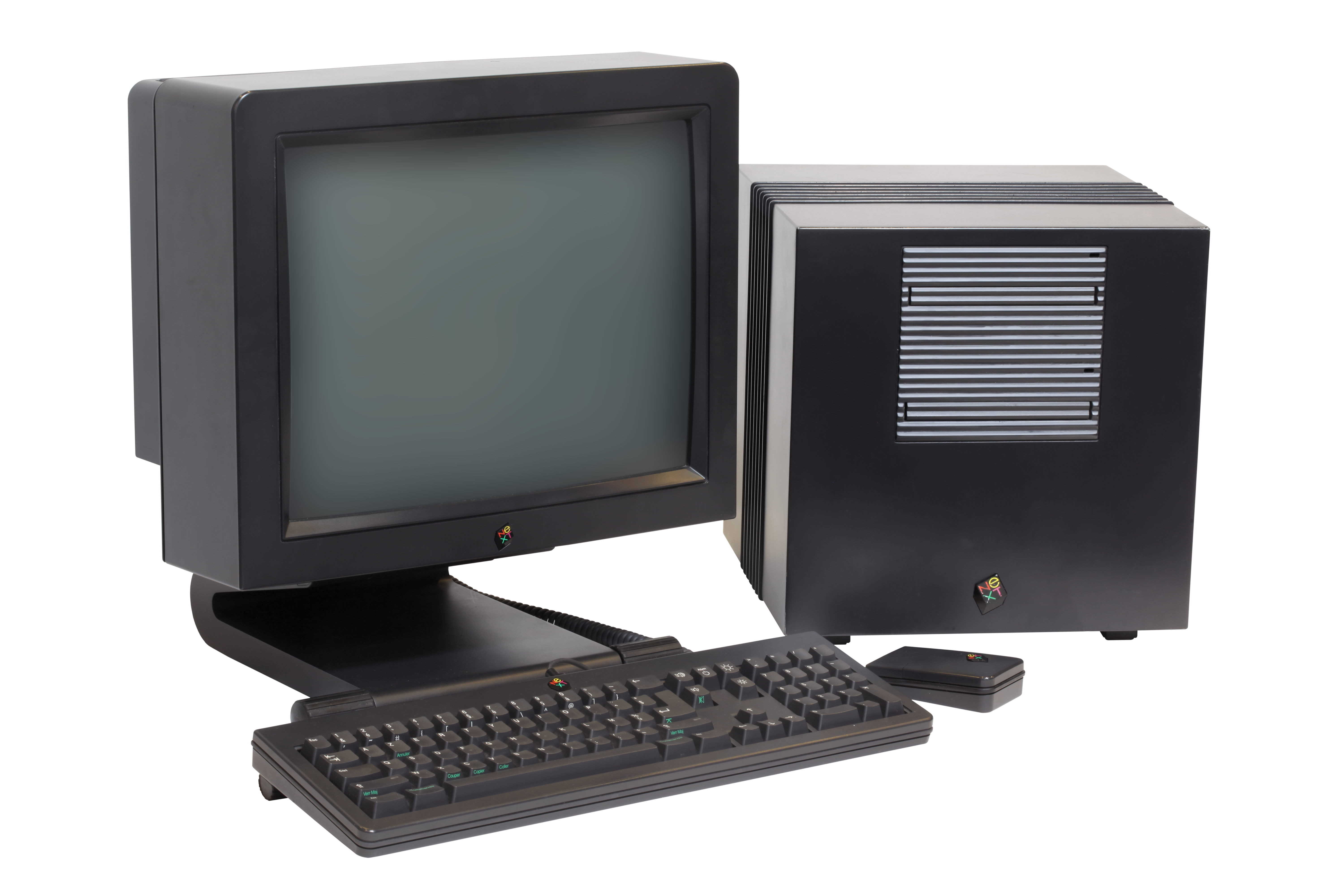
 May 14, 1992: Apple co-founder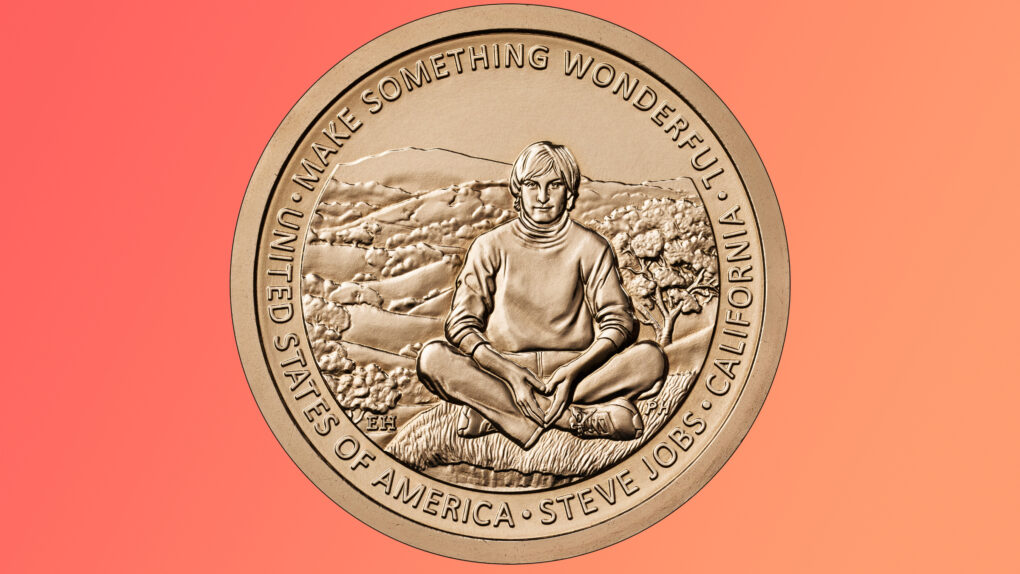
 May 12, 2005: Longtime Apple frenemy Bill Gates tells a German newspaper that Apple may have hit it big with the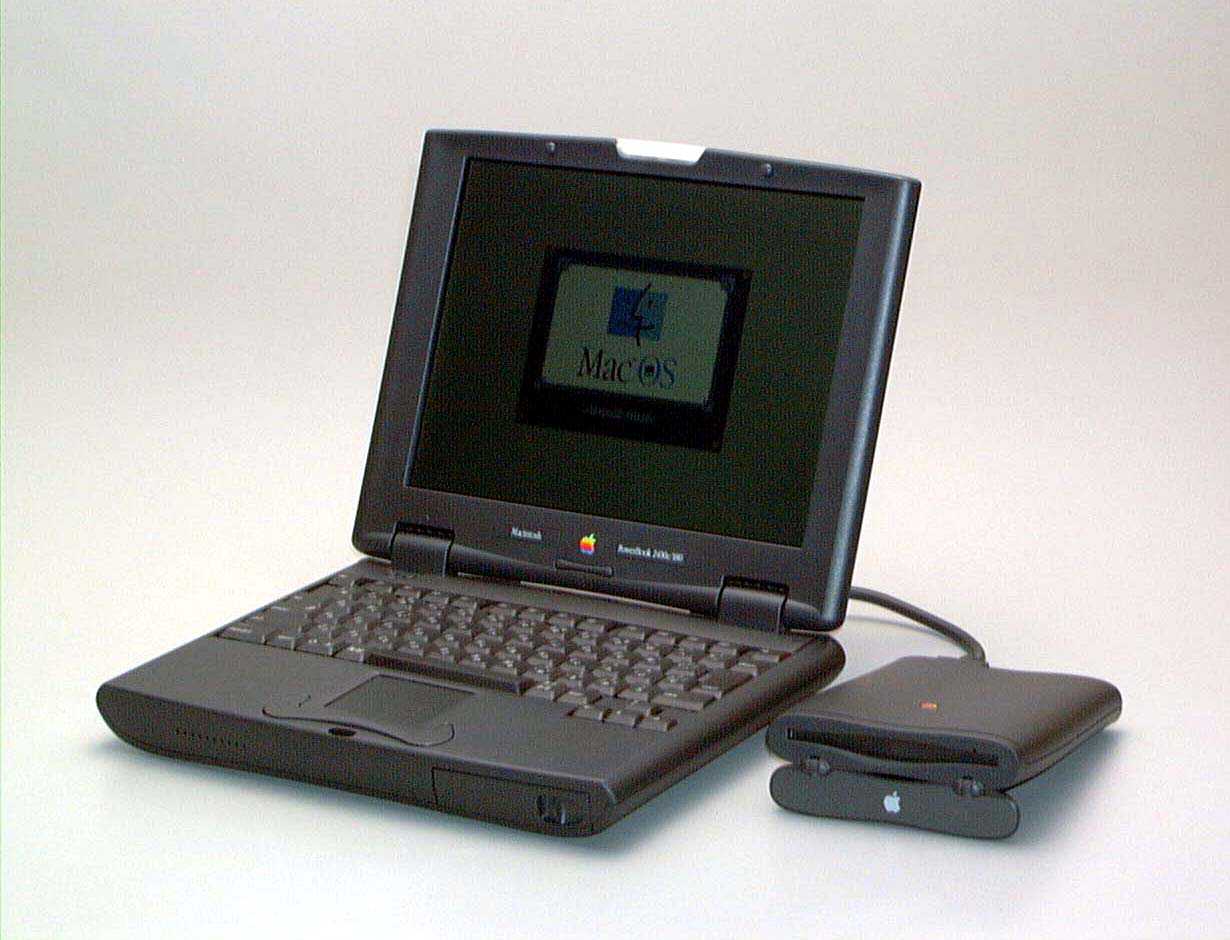
 May 8, 1997: Apple launches the PowerBook 2400c laptop, a 4.4-pound “subnotebook” that’s the MacBook Air of its day.
 May 7, 2014: Katie Cotton, the fearsome, much-admired head of Apple’s worldwide publicity machine, steps down from her vice president post after 18 years with the company.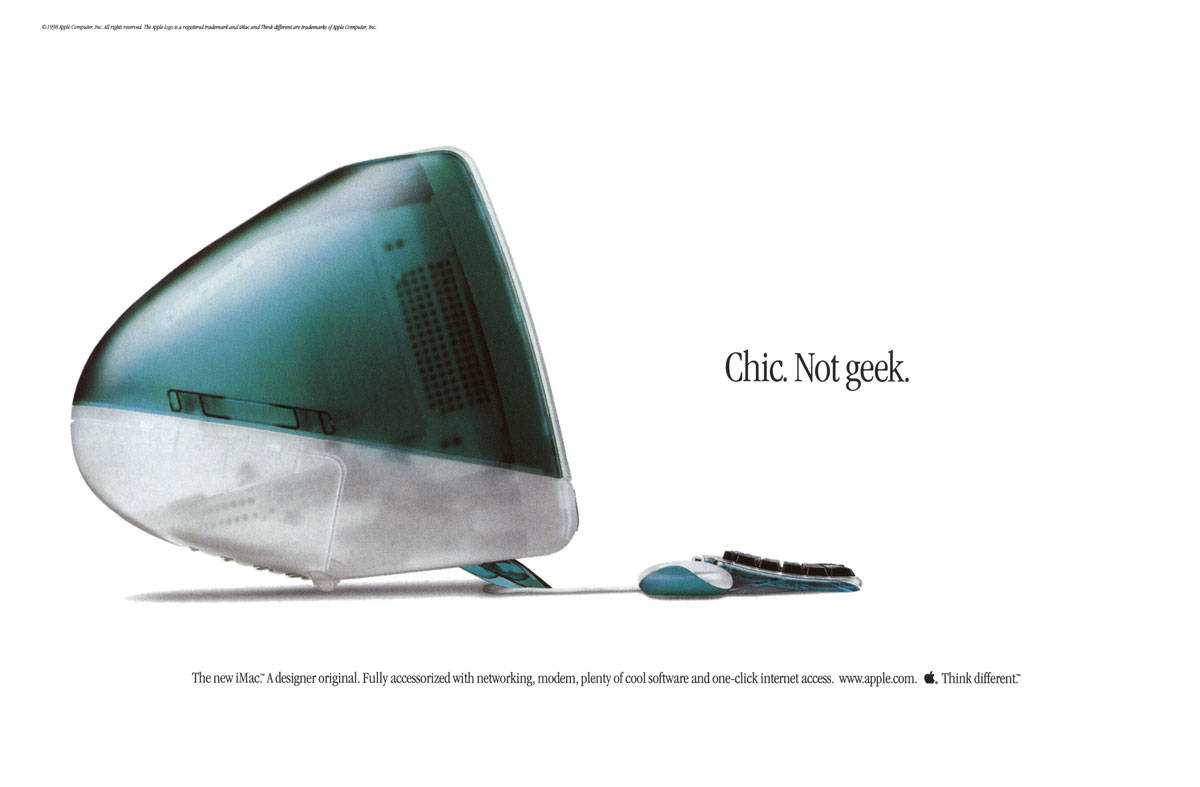
 May 6, 1998: Apple CEO Steve Jobs unveils the original iMac, a brightly colored, translucent computer that will help save the company.
 May 3, 1984: Apple marks the all-important first 100 days of Mac sales, signaling whether the product launch is a hit with customers.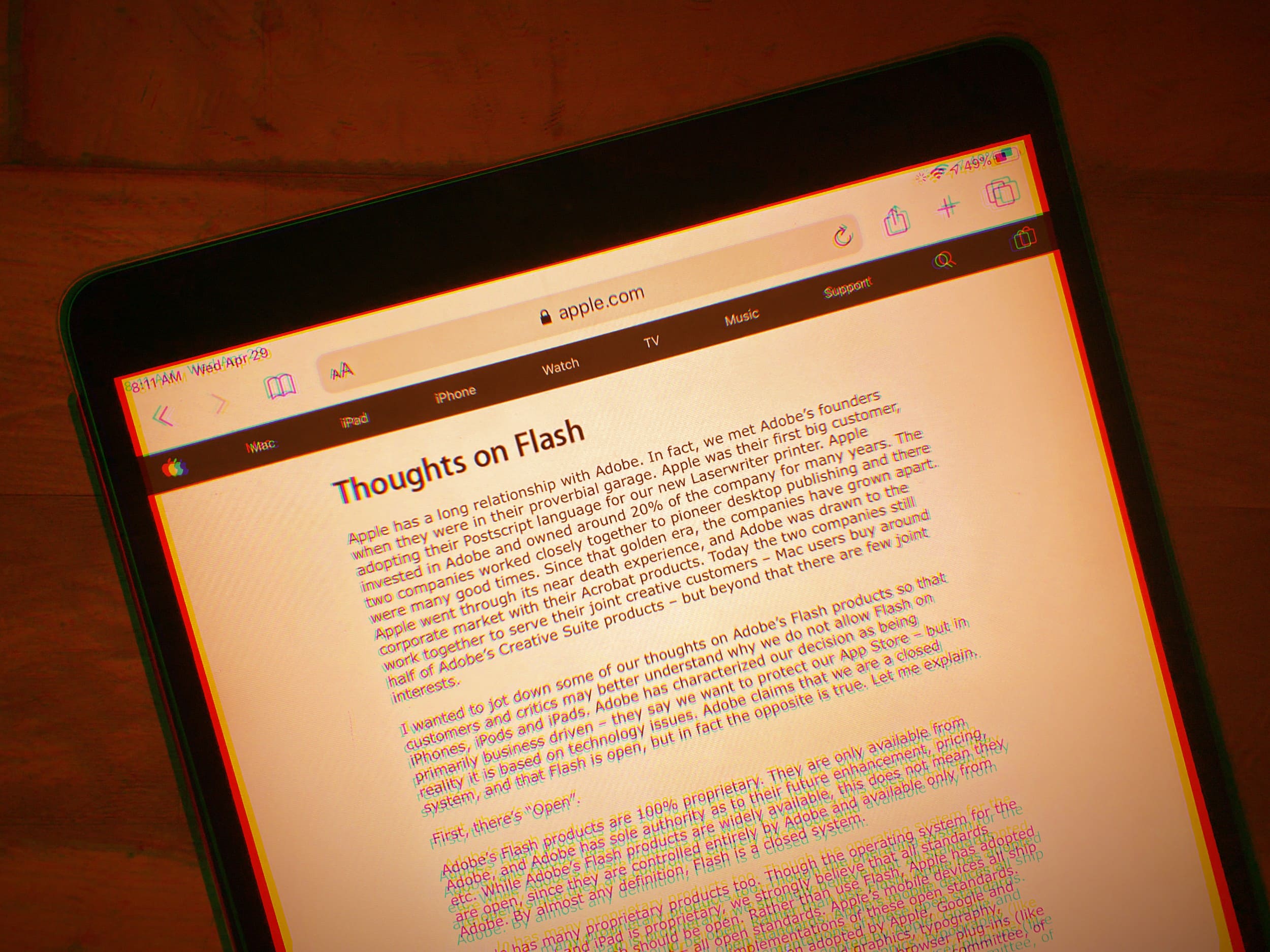

 April 24, 2015: The original Apple Watch launch means consumers, who endured a seven-month wait after the device’s unveiling at a keynote the previous September, can finally strap an Apple wearable onto their wrists.
 April 17, 1977: The
 April 13, 2005: The tech world gets excited when a sketchy rumor suggests Apple is building a tablet computer.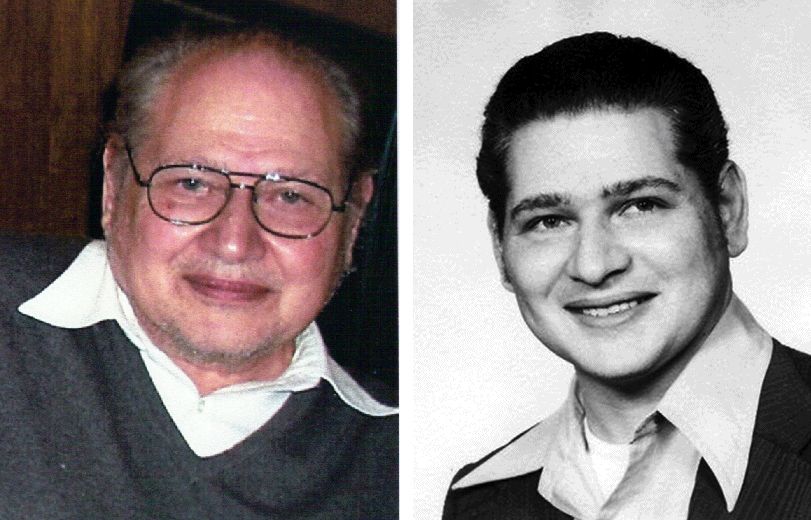
 April 12, 1976: Apple’s third co-founder, a former Atari colleague of Steve Wozniak’s named Ron Wayne, cashes in his Apple shares for just $800.