
Here is another good Mission Control(MC) tip for all you MC junkies out there. You can do more than just move applications between spaces. You can even drag the application and all its windows to whatever desktop space you choose in one easy step.
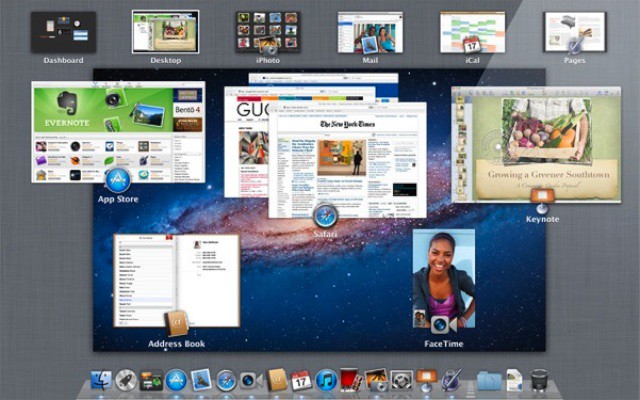
Here is another good Mission Control(MC) tip for all you MC junkies out there. You can do more than just move applications between spaces. You can even drag the application and all its windows to whatever desktop space you choose in one easy step.

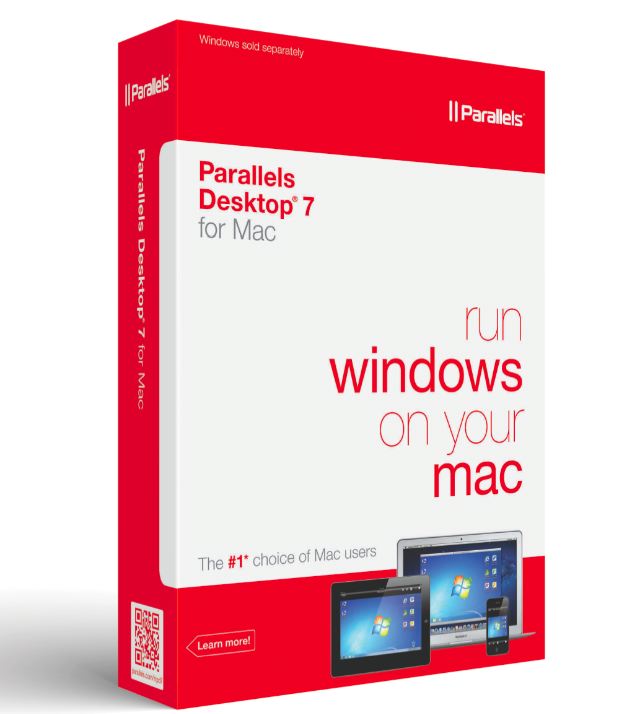
Parallels Desktop 7, a new version of the popular Mac virtual machine hosting software, has just been announced. It allows Mac users to run Windows, Linux, Snow Leopard Server, and now Lion (client or server). If the latter item wasn’t enough to catch your attention you’ll be pleased to know that it also ships with 90 new and enhanced features.

Writer Lisen Stromberg lives in Palo Alto, just down the street from Steve Jobs. She has an awesome and touching post about Jobs as a neighbor who waves and says hello.
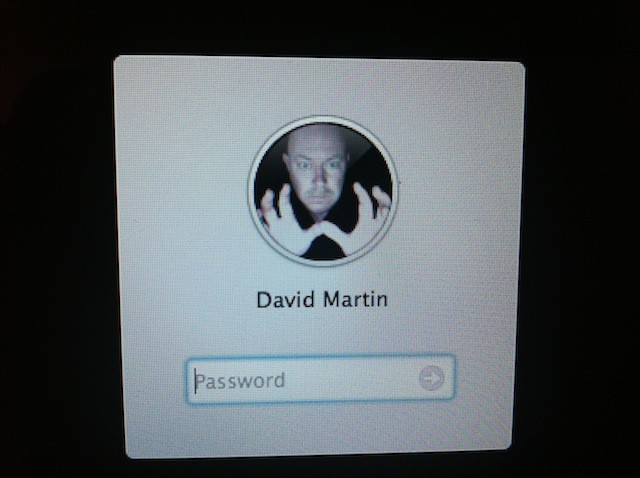
Apple provides a password reset utility that is very handy when you really need it. In versions of Mac OS X before Lion you accessed this utility by booting your Mac with the included restore DVD. Mac OS X Lion can still reset passwords, but for unknown reasons Apple decided to hide this ability.
Today’s tip will show you how to discover the hidden password reset tool in the Mac OS X Lion Recovery HD Utility.
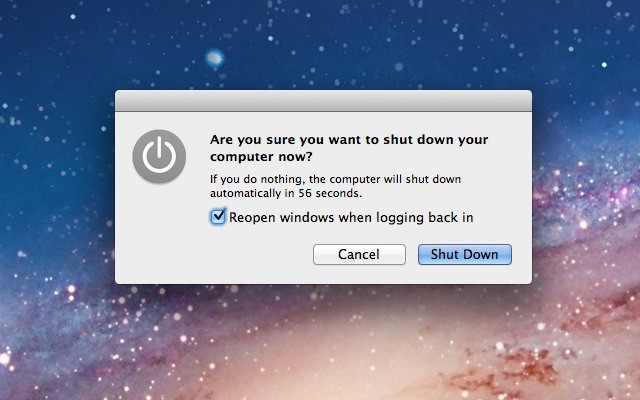
One of the most annoying features in OS X Lion for me has been the little checkbox on the shutdown dialog box that states, “Reopen windows when logging back in.” Going through the trouble of managing this checkbox every time I shut down is a hassle I’d rather not go through. Fortunately, there is a neat little Terminal trick that will allow you to render this button useless, as I’ll show you in the video below.
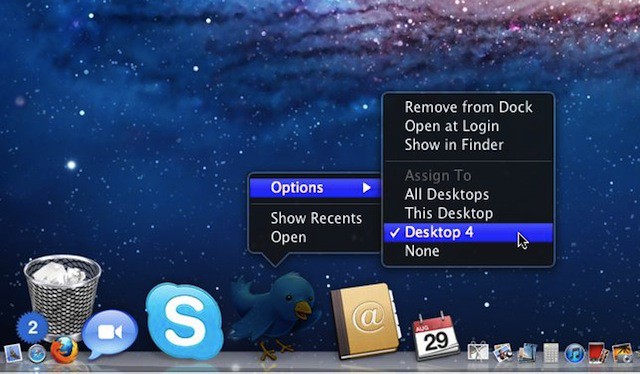
Mac OS X Snow Leopard would allow you to assign applications to a particular space using a control panel in System Preferences. This is no longer the case with Mac OS X Lion which offers a completely different option for assigning applications to spaces.

The full-screen feature supported by some applications running on Mac OS X Lion is a welcome addition to OS X. Especially since it allows you to focus on what you are doing inside of that particular application without any distractions. However, sometimes it doesn’t work very well when you are using Safari and its Reader option.
The primary reason for this might be the width of the display you are using. Luckily you can adjust the width of the page view in Safari while it is running full-screen.

Mac OS X Lion has a lot of hidden features tied to the keyboard that are easy to miss. There are all kinds of key sequences that act as shortcuts to various system features. The tip for today will show you how to quickly access the System Preferences panes related to the function keys at the top of the keyboard on your Mac.
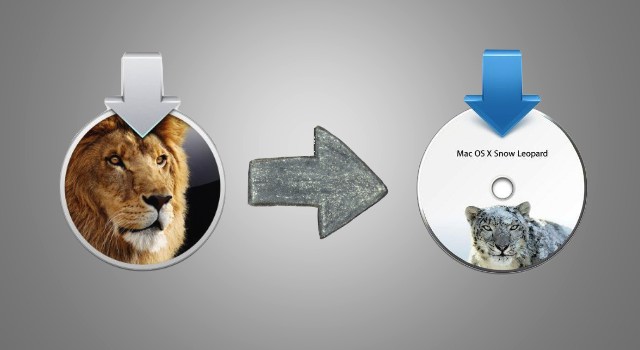
While OS X Lion is an excellent operating system, it may not be perfect for some people. Since some applications haven’t been updated to run on Lion yet, some users may need to downgrade to Snow Leopard in order to keep using the applications they need on a regular basis. In this video, I’ll show the best ways to downgrade from Lion to Snow Leopard.

Apple’s website already has a new executive profiles page emphasizing Tim Cook as CEO . I guess it should come as no surprise. Steve Jobs has always been disciplined and unsentimental.
Below, Jobs is listed as Chairman of the board. Let’s hope it stays that way for some time.


Here is a useful tip for new Mac OS X Lion users that will show you how to configure what is visible in your Finder windows sidebar. I think this particular tip is most useful for people who are new to the Mac OS X especially people who have switched from a PC to a Mac.

Although we could use gestures to navigate in earlier versions of Safari Mac OS X Lion shipped with Safari 5.1. The new version of Safari added a new two-fingered gesture for navigating through browser history.

After buying a new 27″ iMac last week, I was surprised to find a few missing features that I’ve been accustomed to in OS X Lion on other machines, including the removal of many desktop wallpapers. In this video, I’ll show you how to get back features in OS X Lion that you may be missing on a new Mac.

Here are two new trackpad gestures that will make using Photo Booth a lot easier when you are using it in full screen mode.
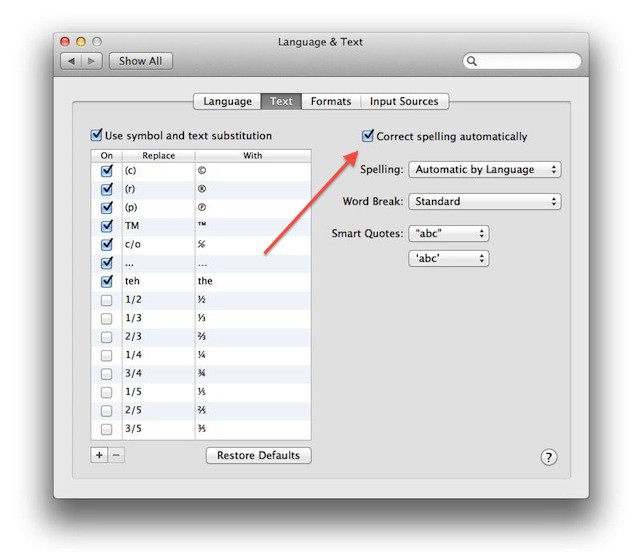
Mac OS X Lion introduces auto correction another OS feature borrowed from iOS to the Mac. It is something that many people don’t like, because they find it distracts them while they are typing. Although it isn’t supported by every application you can turn it off if you don’t like it.
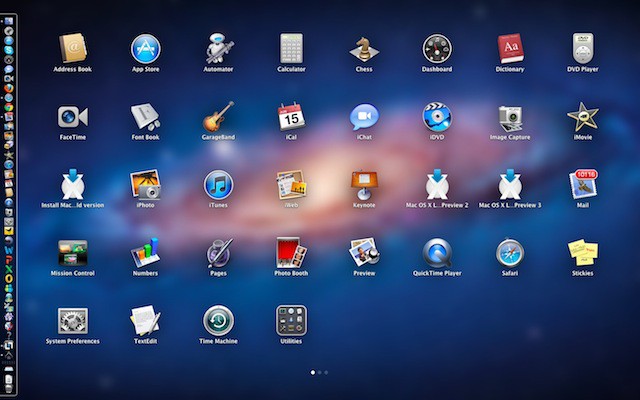
You can easily remove apps that you have purchased from the Mac App Store using the new Launchpad feature in Mac OS X Lion. However, since Launchpad shows all the apps installed on your Mac you will need this tip to show you which ones it can delete.

You probably don’t need to hear it from us that the iPhone 4 is one hell of a video camera and that Final Cut Pro X is awesome in its own right. However, we do want to make sure our readers have access to all the best tools to fullfil their directoral dreams, so if you’re one of those with the burning desire to create the next viral video shot entirely on your iPhone 4, but lack all the tools to get said video made, here’s your chance to unleash your hidden cinematographic potential by winning a Mobile Cinematography Kit from Cult of Mac and FiLMiC Pro. Entering the contest is ridiculously simple. Here’s how to give yourself the chance to win the $400 Grand Prize Package:
I don’t know about the rest of you, but I’m in love with Mission Control. I am especially fond of how easily it makes using spaces (virtual desktops) a part of my everyday work flow. Throw in a few full-screen applications like Mail or Safari and I’m happily zipping back and forth between them all. Now I’ve found a keyboard trick that allows me to move around my spaces zippy fast without taking my hands off of the keyboard.

The new version of Preview in OS X Lion has a handful of interesting new features. From adding signatures to improved searching, the application is overall more useful and handy when it comes to viewing and editing documents and PDFs. In this video, I’ll show you the new features in Preview, and how to use them.
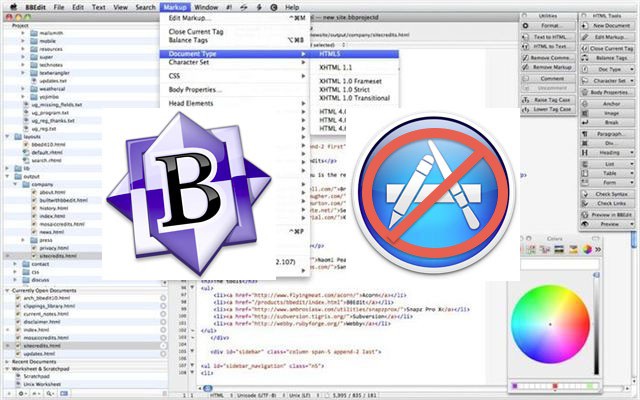
For all the convenience of the Mac App Store, sometimes buying your software directly from Apple isn’t the best choice if you want to get all the features and functionality an app is capable of.
Why? As the case of Bare Bone Software’s popular text editing program BBEdit makes clear, the devs of some of the best software on OS X have been forced to cripple their apps in order to comply with Apple’s Mac App Store developer guidelines.
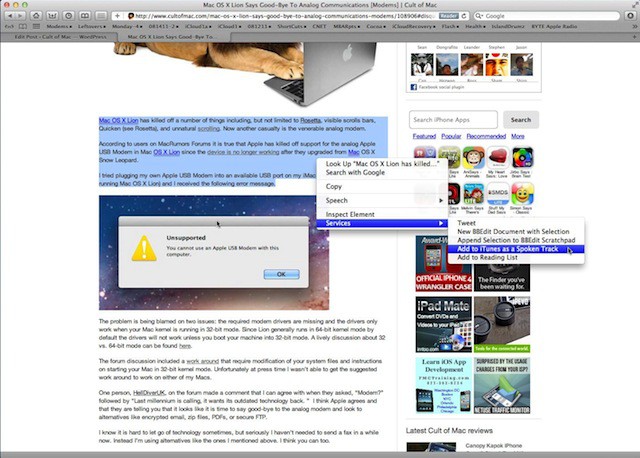
Here is a great tip that will let you convert any text that you can drag select into a spoken track delivered right into iTunes. You can then sync that track and take it with you on the go. Listen to what you might have been reading later or share it with friends and family.

Mac OS X Lion has killed off a number of things including, but not limited to Rosetta, visible scrolls bars, Quicken (see Rosetta), and unnatural scrolling. Now another casualty is the venerable analog modem.

Mac OS X Lion borrows something else from iOS, but this time it is from iOS 5 an unreleased version of the operating system for the iPhone, iPod touch, and iPad. You can now easily tweet text that you’ve selected using the new Twitter integration feature in Mac OS X Lion.
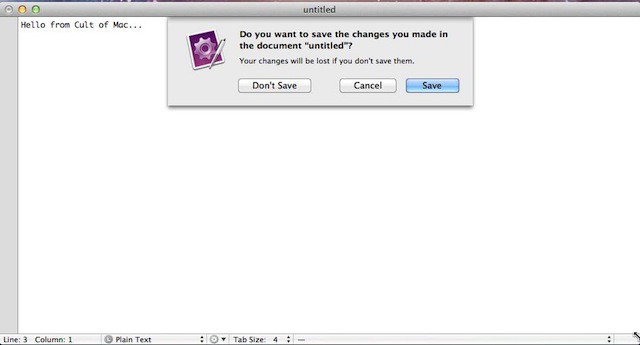
Apple provided some great default keyboard shortcuts in Mac OS X Snow Leopard and one of my favorites was Command+D. You could use that keyboard shortcut combination to select the Don’t Save option when closing a document you haven’t saved yet. Unfortunately Apple decided to change the keyboard shortcut combination in Mac OS X Lion.
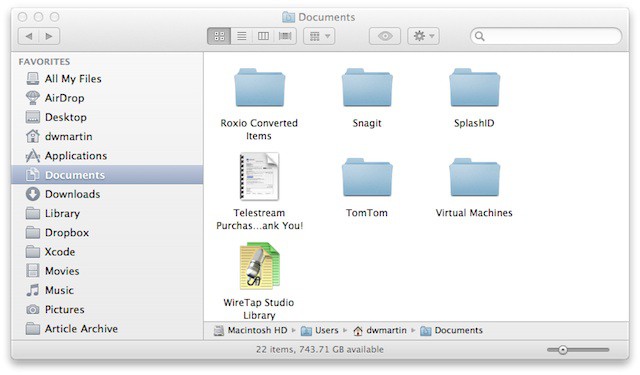
I like to keep my computer organized and this means that I like to keep my files and folders sorted alphabetically by name. Occasionally I might want to sort them temporarily by kind (i.e. PDF, JPEG, etc.) and afterwards I would sort them again by name. In Mac OS X Snow Leopard you had to toggle between one or the other manually and Leopard would only remember your last sort method selected.
Now Mac OS X Lion will let you decide how you want your files arranged and it remembers that arrangement, but it will also let you temporarily view them sorted in a different order. The next time you view the files they are sorted in the original method you selected, but in order to get this to work properly you need to know the difference between an old and new Finder view in Mac OS X Lion.