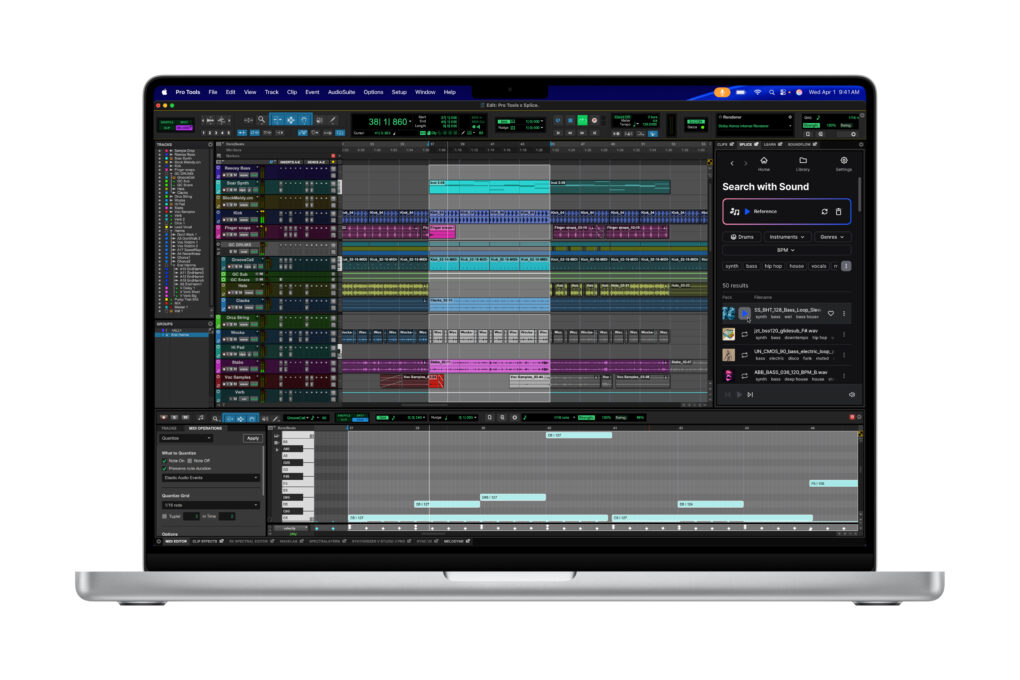
The high-end M5 MacBook Pros is ideal for sound design and composition, in powerful apps like Avid Pro Tools. Image: Apple
As of Tuesday, Apple has refreshed its entire MacBook lineup with M5 silicon. And while the new machines bring meaningful upgrades across the board, buyers should brace for higher prices than last year.
Whether you’re eyeing the new MacBook Air or the pro-grade MacBook Pro, here’s a breakdown of what to expect at every price point.
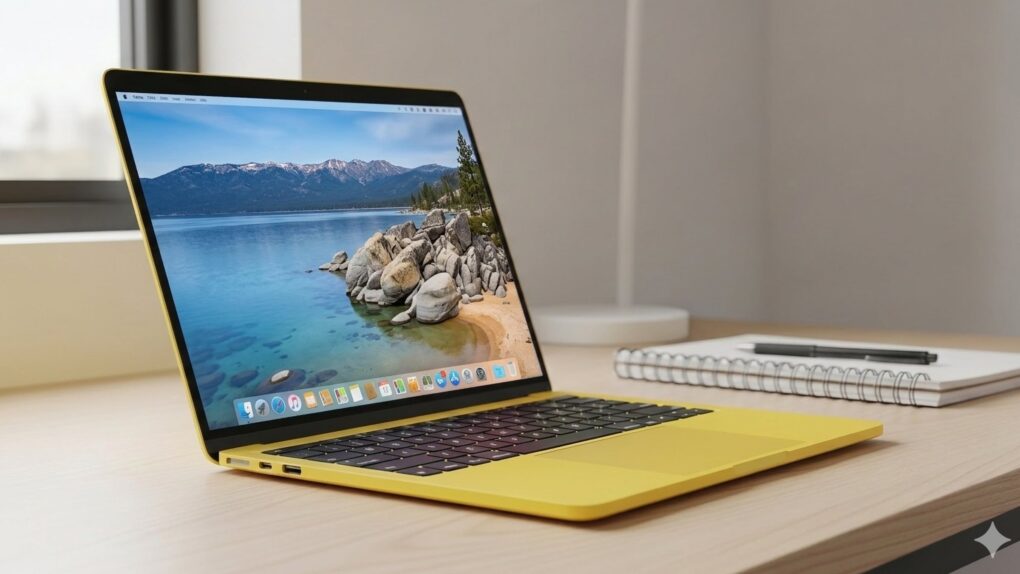
Apple's upcoming entry-level laptop, possibly called the "MacBook Neo," reportedly will come in a variety of eye-catching colors. AI image: Gemini/Cult of Mac
Update: Apple launched the MacBook Neo on Wednesday. Learn all about it:
It looks like Apple itself spoiled this week’s biggest product reveal: A new laptop called the “MacBook Neo” briefly appeared on the company’s website Tuesday.
Apple quickly deleted the info after it leaked. While not confirmed, the name seems like it would align with the rumored features of the entry-level laptop. Rumors indicate it will come in fun colors, with a price tag low enough to compete with Windows laptops.
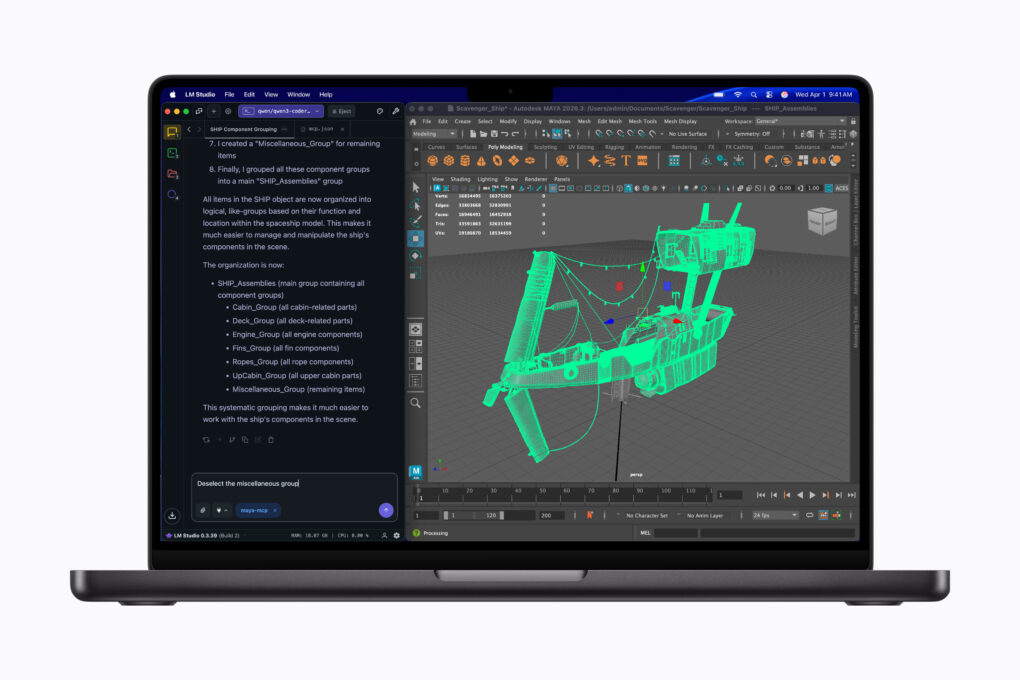
Run local LLMs and powerful 3D modeling software simultaneously on the MacBook Pro. Image: Apple
Apple’s long-rumored M5 Pro- and M5 Max-powered MacBook Pros are finally official. The new laptops look visually the same, but pack updated internals that promise a massive leap in performance.
“MacBook Pro with M5 Pro and M5 Max redefines what’s possible on a pro laptop, now up to 4x faster than the previous generation,” said John Ternus, Apple’s senior vice president of hardware engineering, in a press release Tuesday.
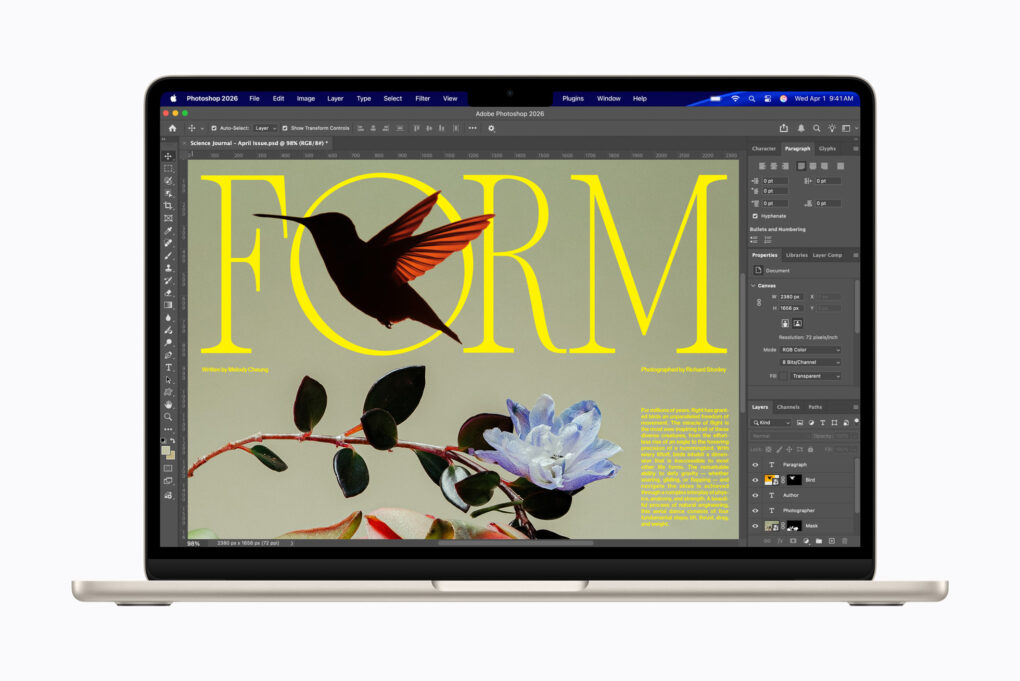
Apple's most popular laptop just got even better. Photo: Apple
Apple’s best-selling laptop got even better with Tuesday’s launch of the M5-powered MacBook Air. It features no major design changes, but it sports a faster processor than before, adds storage capacity and shifts to Apple’s N1 chip for improved connectivity.
“The new MacBook Air with M5 brings incredible performance and even more capability to the world’s most popular laptop,” said John Ternus, Apple’s senior vice president of Hardware Engineering. “With M5, MacBook Air powers through a wide range of tasks, from everyday productivity to creative workloads, and is even faster for AI.
“Now featuring double the starting storage, as well as Wi-Fi 7 and Bluetooth 6, in a sleek and durable design with long battery life, MacBook Air is the perfect laptop for anyone who values the unrivaled combination of performance and portability,” he added.
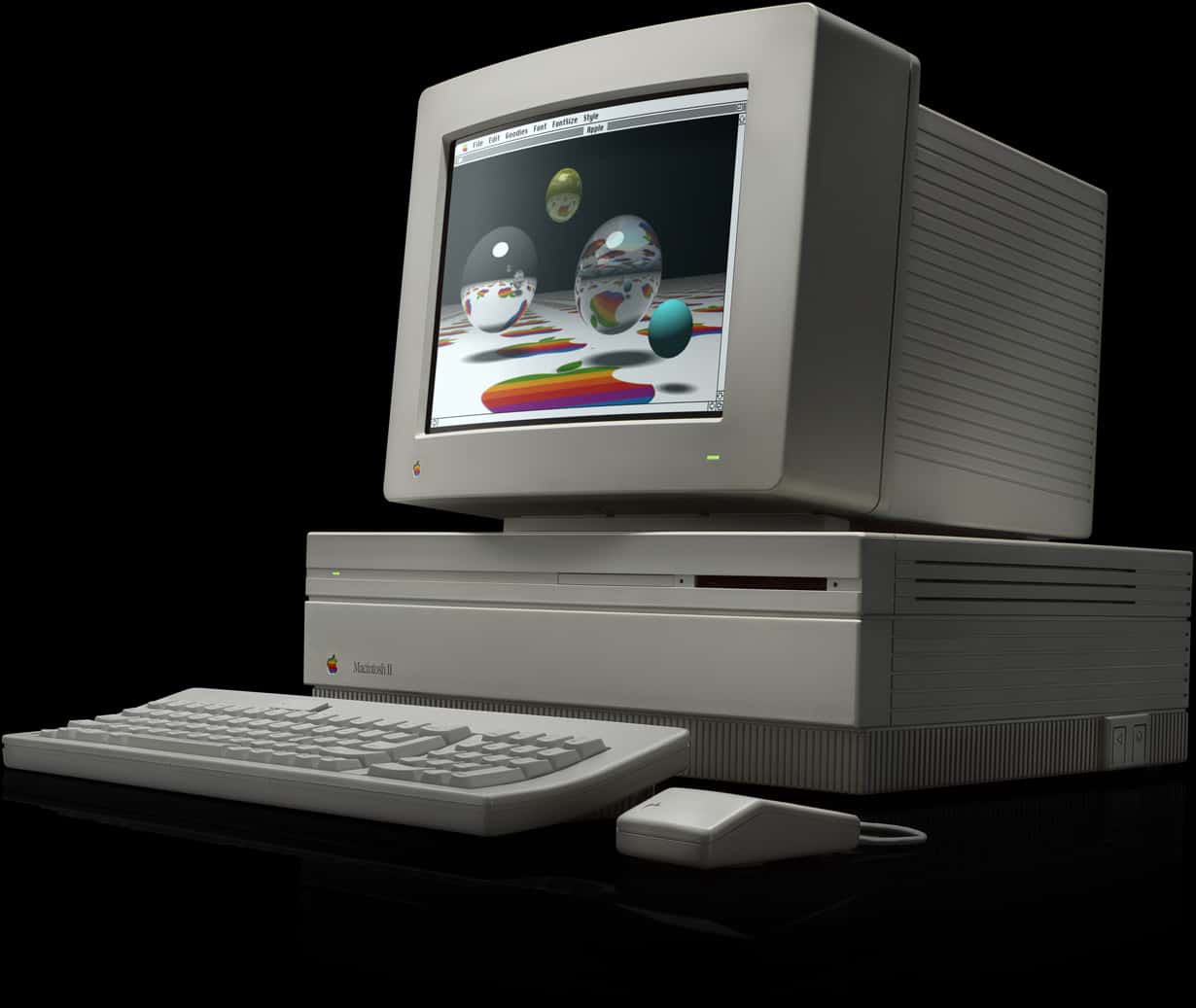
The Mac II was an enormously impressive machine for its day. Photo: Apple
March 2, 1987: Three years after releasing the original Macintosh 128K, Apple launches a proper sequel, the almighty Macintosh II.
Although four Mac models already have been released, the definitive, full-number name of the Macintosh II makes clear that this is a major upgrade for the product line. With a massive hardware boost, optional color display (!) and a new open architecture, it does not disappoint!
Running Apple II programs on your Mac was pretty darn awesome. Photo: Microwavemont/YouTube
March 1, 1991: Apple introduces the Apple IIe Card, a $199 peripheral that lets users turn Macs into fully functioning Apple IIe computers.
The ability to emulate the popular Apple IIe on a Mac brings Apple’s two operating systems side by side for the first time. While not quite the equivalent of Apple letting you run iOS on a Mac today, it’s not a world away.
With a powerful Intel chip inside, the 2006 Mac mini made big waves. Photo: RecycledGoods
February 28, 2006: Apple introduces an upgraded Mac mini, an affordable computer powered by an Intel processor.
A “headless” Mac for entry-level users, it’s the third Apple computer to switch to Intel chips. Oh, and it makes one heckuva media player when plugged into a television set.
Rumors suggest a touchscreen-enabled macOS 27 might look something like this concept. AI image: ChatGPT/Cult of Mac
Building a touchscreen into the MacBook Pro coming late this year will require significant changes to macOS 27. Some early details of what Apple has in store for macOS leaked out Tuesday from a generally reliable source.
The upcoming notebooks will supposedly be the first Macs with a Dynamic Island — but that’s just the start of what Apple has planned.
These were two of the wackier Macs ever. Photo: Apple
February 22, 2001: The iMac Special Edition, sporting wild designs that would make a hippie happy, puts a wacky face on the colorful computer that saved Apple’s bacon at the turn of the century. The Flower Power iMac and Blue Dalmatian iMac evoke tie-dye shirts and other unconventional ’60s-era imagery.
A far cry from the super-serious, aluminum-heavy industrial design that will come to define Apple in subsequent years, these colorfully patterned iMacs stand out as some of the most irreverent computers Cupertino ever dreamed up. (C’mon, when was a real Dalmatian blue?)
Under the crazy-looking exteriors, a pretty darn great iMac G3 hums along.
Photoshop changed the game for image editing. Photo: Adobe Systems
February 19, 1990: Adobe Systems ships the first commercial version of its soon-to-be-iconic Photoshop photo editing software. The Photoshop launch, exclusively on the Macintosh, gives users powerful new tools for tweaking digital images.
The groundbreaking software debuts for Mac System 6.0.3. Priced at $895, Photoshop will quickly become the standard editing tool for graphics professionals. Whether they work for advertising agencies, news organizations — or, frankly, anywhere else — Photoshop users take advantage of the program’s digital darkroom tools to seamlessly manipulate images.
Apple’s upcoming March 4 event may look very different from a traditional keynote. AI image: ChatGPT
Apple will hold a “special Apple Experience” on Wednesday, March 4 — but the company might not announce new Macs or other products at the event.
Instead, Apple might announce the events earlier in the week in a series of press releases. The company apparently does not even intend to hold a keynote on March 4.
The PowerBook 3400 certainly lived up to its name. Photo: Apple
February 17, 1997: Apple launches the PowerBook 3400, a laptop the company calls the fastest portable computer in the world.
After a rough few years for the PowerBook, this model throws down the gauntlet to rivals. It packs a PowerPC 603e processor capable of running at speeds up to 240MHz. While speedier Apple laptops will quickly overtake the PowerBook 3400, at the time, it can keep up with some impressive desktop Macs.
With GameSir GameHub, who needs a gaming PC? Graphic: GameSir
GameSir is bringing its GameHub emulator to macOS, promising “your Mac is now a gaming PC.” The announcement should thrill Mac gamers, as it also promises to support for the Steam gaming platform.
If GameHub lives up to its potential, it could revolutionize Mac gaming by opening up access to large libraries of titles that are not currently playable on Apple computers.
The "Pismo" PowerBook was a brilliant early Steve Jobs-era laptop. Photo: CG Hughes/Flickr CC
February 16, 2000: Apple introduces the “Pismo” PowerBook, the finest of its G3 laptops. In the view of many, it’s one of the best Apple laptops ever.
The Pismo PowerBook is the first model without either SCSI or an Apple Desktop Bus connector. Instead, it utilizes a USB port and Apple’s Emmy Award-winning FireWire. Optional AirPort wireless support, tremendous battery life, and a gorgeous, curvy design make this laptop even better.
An Apple March event is officially on! Image: Apple
Apple on Monday announced a product-launch event scheduled for March 4, inviting select media to attend in person what it describes as a “special Apple Experience.” The invitation offers no details on what to expect, but the company is surely preparing to unveil new hardware as it pushes into the heart of its spring product cycle.
Numerous leaks and rumors point to a busy event. A new MacBook Pro, a new MacBook Air, an entirely new low-cost MacBook, the iPhone 17e, revamped iPads and possibly more could all be on the agenda.
Hold out for the newer, faster MacBook Air coming soon. AI concept: ChatGPT/Cult of Mac
The most powerful MacBook Air ever is just weeks away. Apple is widely expected to be putting the finishing touches on a new model with the speedy M5 processor. The faster chip will be enough for shoppers to question whether they really need the MacBook Pro they have their eye on.
Consider the advantages of a MacBook Air, and why now is a terrible time to buy any Apple laptop.
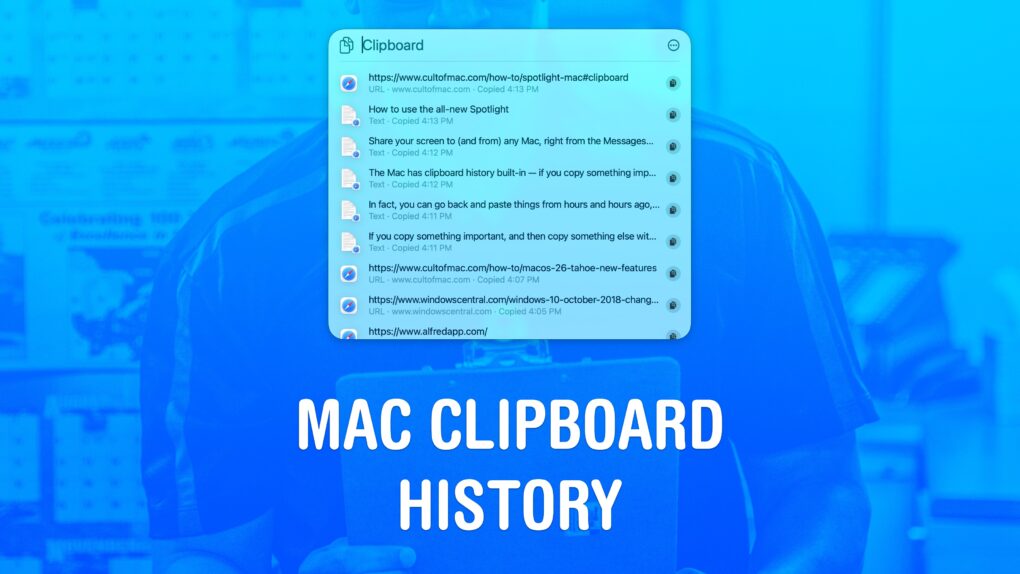
Copy and paste items from ye olden times of ... this morning. Image: D. Griffin Jones/Cult of Mac
Using a clipboard history manager on a Mac is a total game-changer. If you copy something important, then copy something else without thinking, the first item doesn’t disappear. You can go back and get it again. In fact, you can go back and paste things from hours and hours ago, like a link you copied earlier in the day.
You can also copy a bunch of things in a row and quickly paste them elsewhere, without switching back and forth and back and forth.
macOS 26 Tahoe added a built-in clipboard history that does all that for free. Here’s how it works.
The Macintosh? It'll never catch on! Image: Cult of Mac/Ste Smith
February 13, 1984: The first Mac’s launch generates enormous excitement from the tech press, as epitomized by an InfoWorld cover story about the Macintosh 128K.
The wave of coverage comes a few weeks after the January 24 release of the Macintosh. But when the press blitz finally arrives, it becomes clear the Mac is a hit.
The Macintosh Color Classic was the Mac the world had been waiting for. Photo: Chung Chu/Flickr CC
February 10, 1993: Apple launches the Macintosh Color Classic, the company’s first compact Mac with a color screen.
As the first all-in-one Mac with an integrated color display, and the last U.S. Mac to offer the original model’s compact form factor, this model represents a landmark in the evolution of the Macintosh. A Color Classic unit also happens to become the 10 millionth Macintosh that Apple ships.
Letting an AI agent handle the busywork. AI image: ChatGPT/Cult of Mac
Clawdbot. Moltbot. OpenClaw. The rapid rebranding might confuse you, but behind that name is a genuinely useful tool. OpenClaw is a self-hosted AI agent that you can run on your own Mac or PC.
More importantly, it can carry out actions on your behalf, like reading and modifying files, running shell commands, and even installing new tools. Think of OpenClaw as an AI agent running on your Mac that can act as your always-on digital butler.
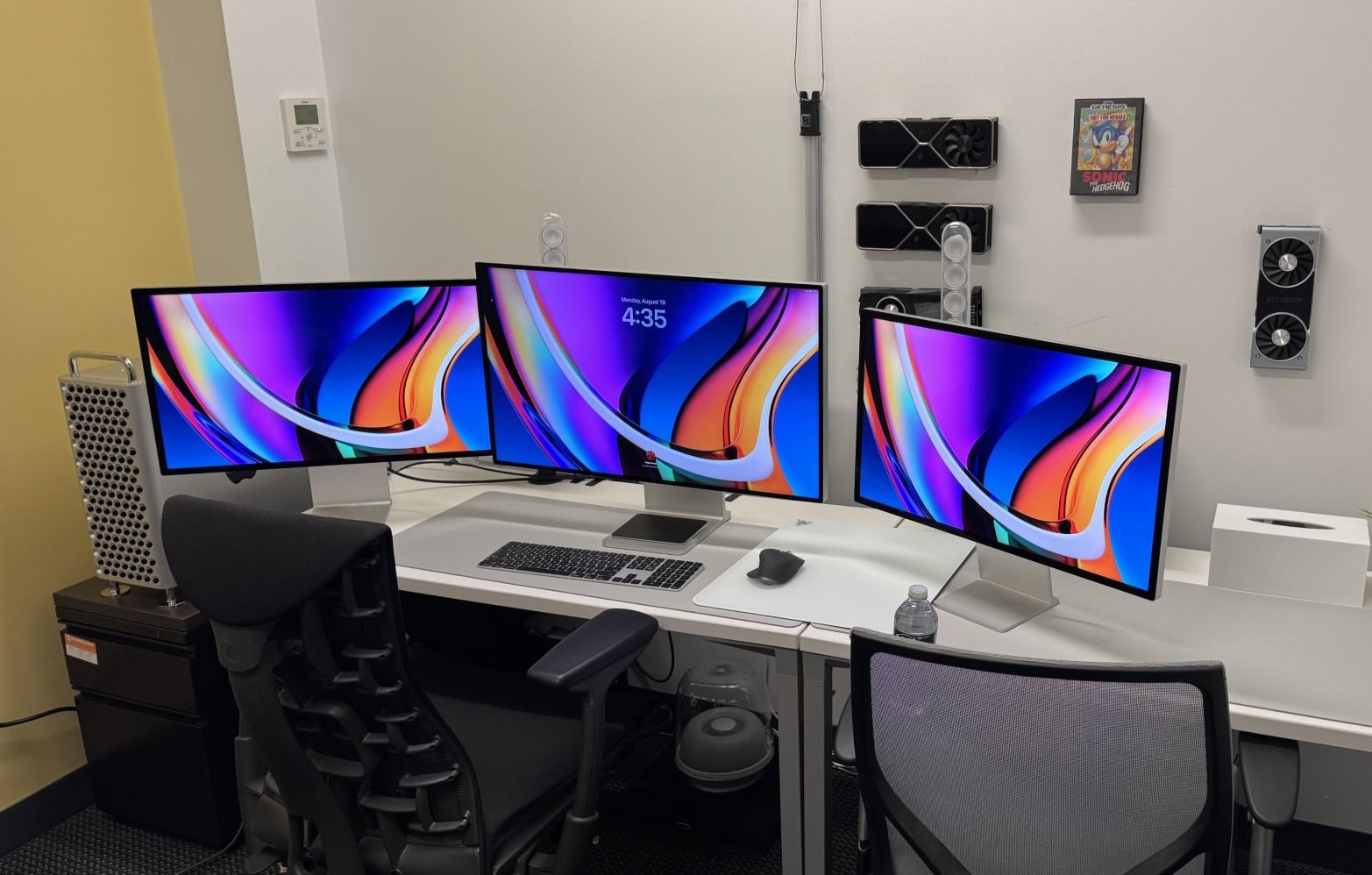
So ... crippled by envy much? This one has a high-end M2 Ultra Mac Pro, a Mac Studio, a Pro Display XDR and two Studio Displays. Photo: [email protected]
For Apple enthusiasts, one Mac is great — but two or more? That’s when things get seriously interesting. Years of Cult of Mac Setups coverage has showcased hundreds of impressive workstations. But these top 10 multi-Mac setups stand out as particularly fascinating examples of how power users leverage Apple’s ecosystem to its fullest potential.
From new M4-powered machines paired with vintage “trash can” Mac Pros to dual MacBook configurations seamlessly integrated with desktop Macs, these workstations demonstrate that having multiple Macs isn’t just about redundancy. It’s about optimizing workflow, separating concerns and yes, indulging in a bit of Apple-fandom excess.
The glowing Apple logo was such an iconic look. Bring it back! AI image: ChatGPT/Cult of Mac
With Apple reportedly redesigning the MacBook Pro, it’s time to bring back the beloved glowing Apple logo on the back of the laptop.
Not only is it an iconic look, reviving a signature feature from the MacBooks of old would make a statement that Apple has returned to making laptops as good as the ones made back in the days when you could easily recognize a MacBook from across the room by its glowing Apple logo.
Apple's shocking numbers start with $143.8 billion in gross revenue. AI image: Midjourney/Cult of Mac
“I am proud to say that we just had a quarter for the record books,” Apple CEO Tim Cook said during Thursday’s earnings call, before rattling off numbers that surprised Wall Street analysts — in a good way.
The highly successful quarter was also one for the stat geeks. Apple racked up several all-time highs during the quarter (technically Apple’s Q1 2026). From overall revenue (a new all-time high!) to customer satisfaction ratings (through the roof!), the numbers Apple put up during the 2026 holiday quarter will blow your mind.
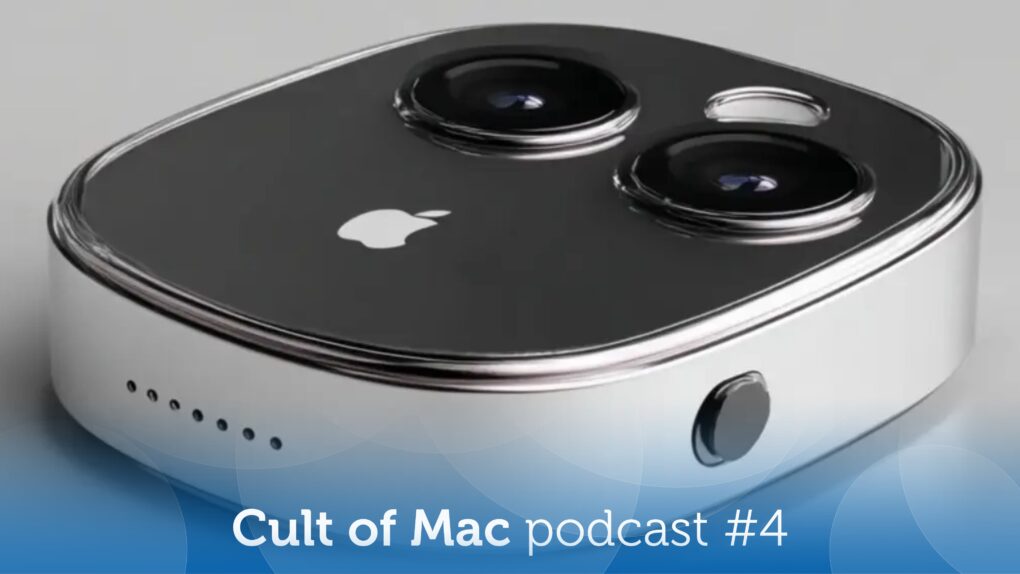
Bet you can't wait to pin Siri to your shirt collar. Image: Cult of Mac
On the latest Cult of Mac podcast: Details emerge about Apple’s work on an AI pin, and we’re all wondering the same thing. What the heck will it do?
The AirTag-size device that Apple’s testing reportedly packs multiple cameras and microphones. And it will work with the new, chatbot-style Siri that’s also in the works.
We might get our first look at (and first earful of) the new, super-chatty Siri at WWDC26 in June. Please, for the love of all that’s holy, let’s hope it works (and that it ships in a timely fashion).
Uh-oh. It looks like price hikes for iPhones and Macs might be in the works. Who can you blame? AI, of course.
Griffin walks us through the benefits of using Hot Corners on your Mac, including some masterful techniques that simplify his workflow.
And we wrap up the show with a look at some cool setups that show the importance of lighting.
Listen to this week’s episode of the Cult of Mac podcast in the Podcasts app or your favorite podcast app. (Be sure to subscribe and leave us a review if you like it!) Or watch the video live stream, embedded below.
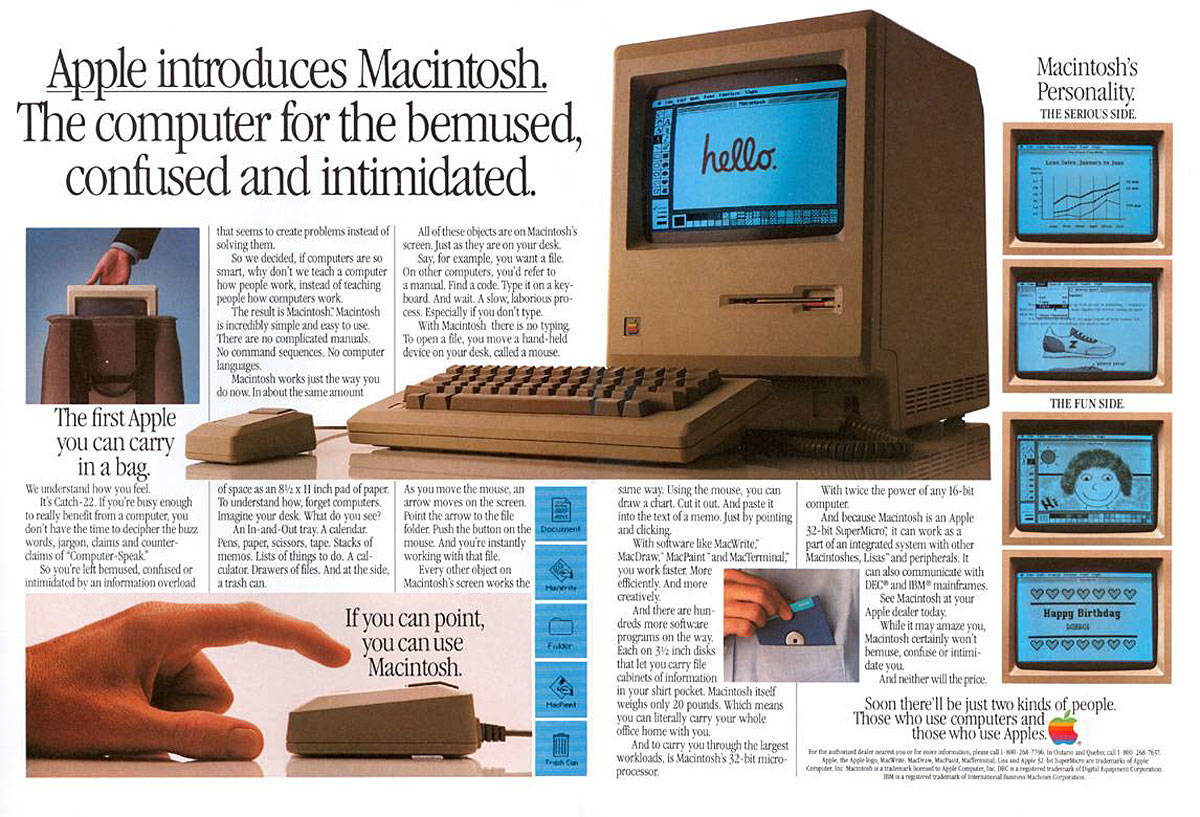
Apple lays out the strengths of the revolutionary Macintosh 128K. Photo: Apple
January 24, 1984: Apple ships its first Mac, the mighty Macintosh 128K.
Bringing a mouse and graphical user interface to the masses, and heralded by an acclaimed Super Bowl commercial that’s still talked about today, the first-gen Mac will quickly become one of the most important personal computers ever released.

 March 2, 1987: Three years after releasing the original Macintosh 128K, Apple launches a proper sequel, the almighty Macintosh II.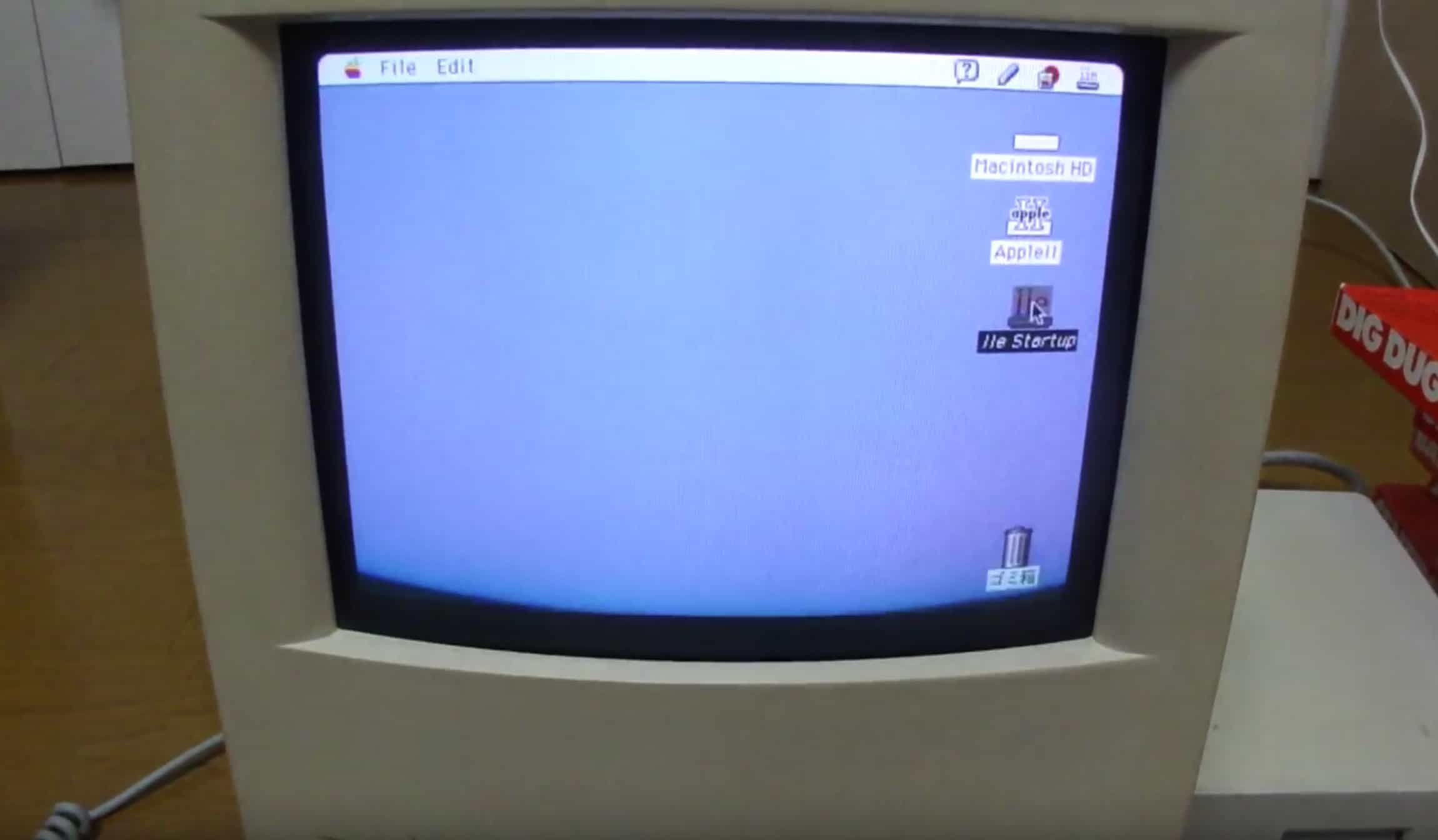
 March 1, 1991: Apple introduces the Apple IIe Card, a $199 peripheral that lets users turn Macs into fully functioning Apple IIe computers.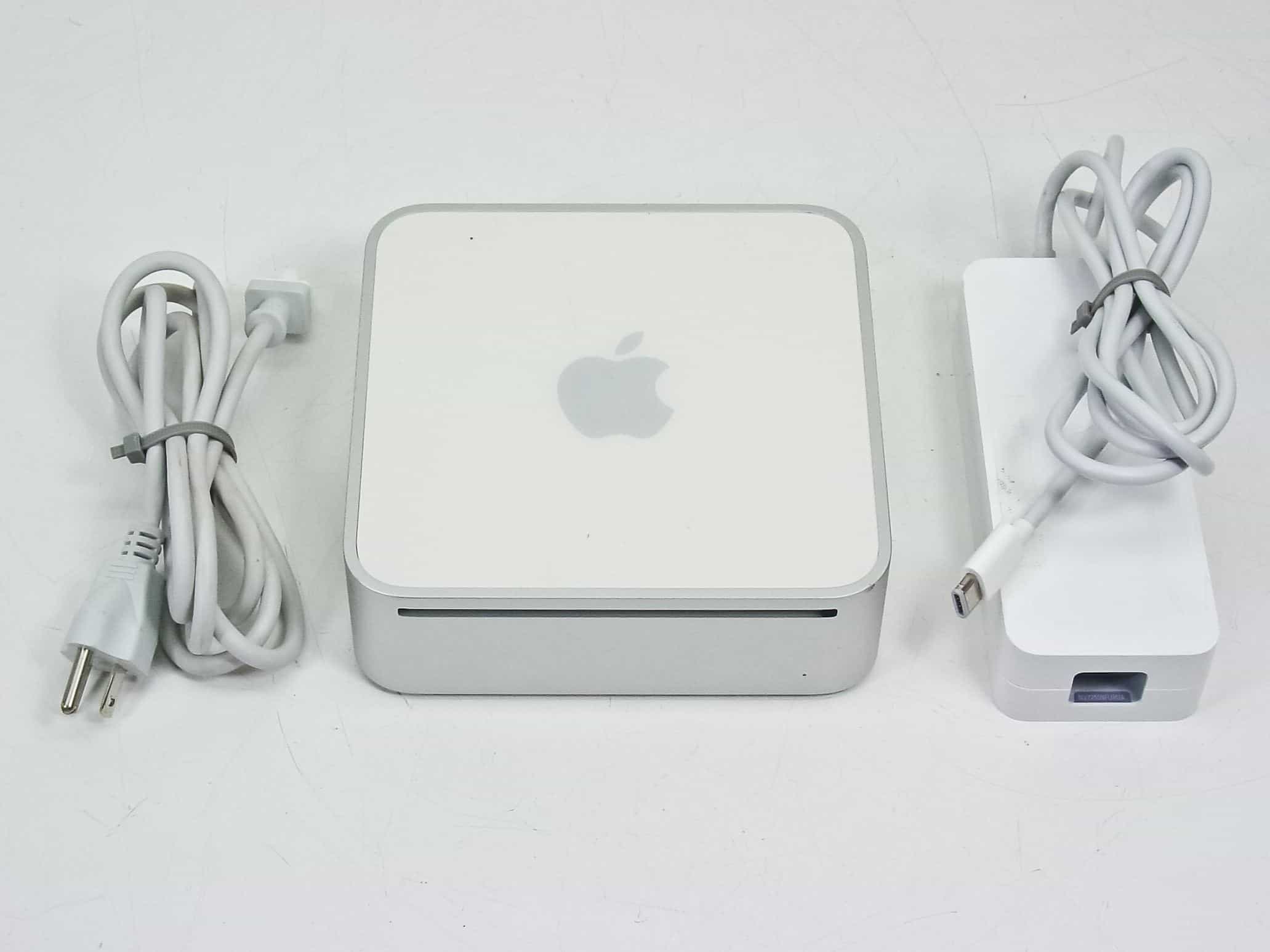
 February 28, 2006: Apple introduces an upgraded Mac mini, an affordable computer powered by an Intel processor.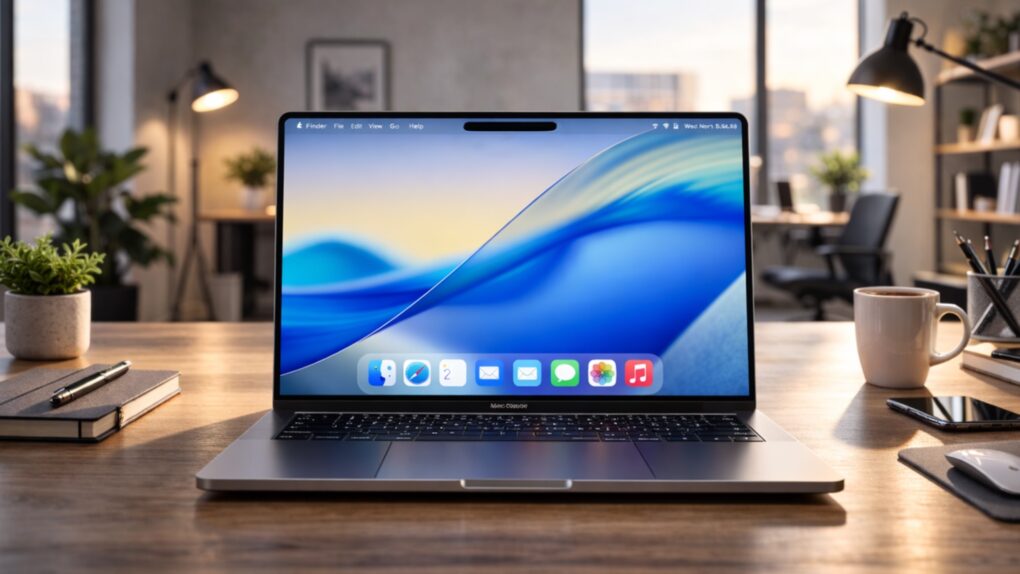
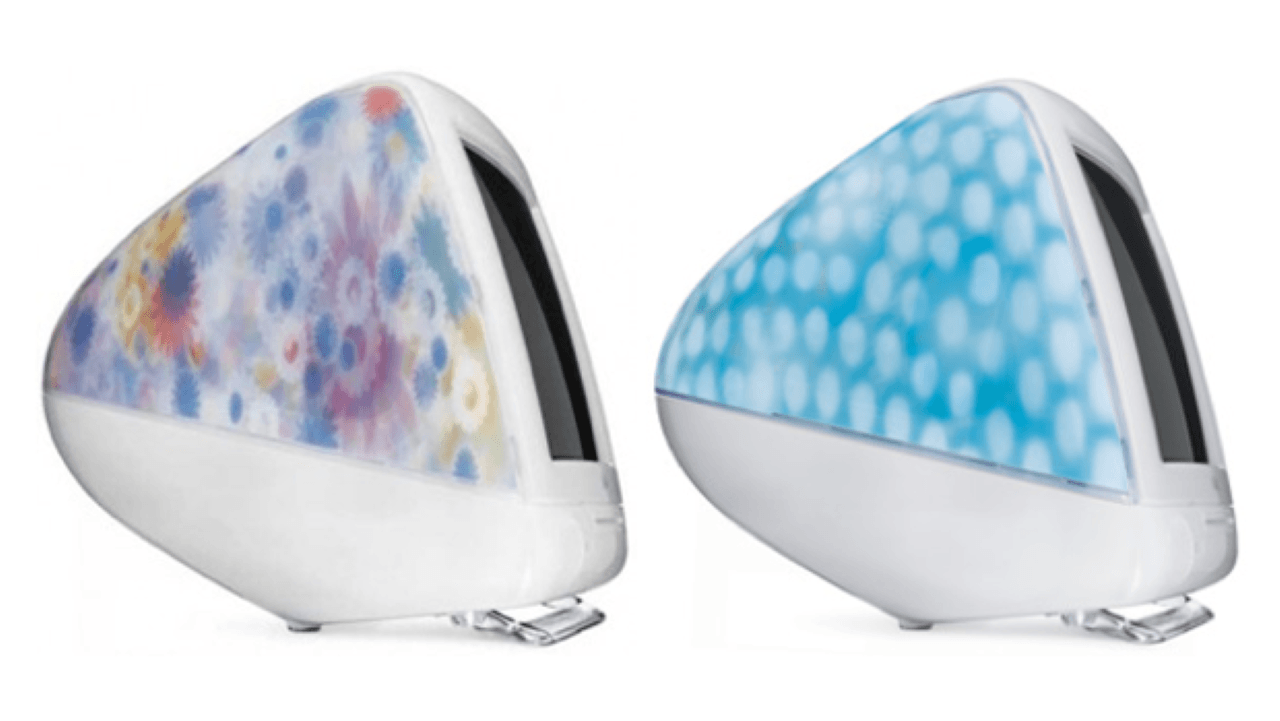
 February 22, 2001: The iMac Special Edition, sporting wild designs that would make a hippie happy, puts a wacky face on the colorful computer that saved Apple’s bacon at the turn of the century. The Flower Power iMac and Blue Dalmatian iMac evoke tie-dye shirts and other unconventional ’60s-era imagery.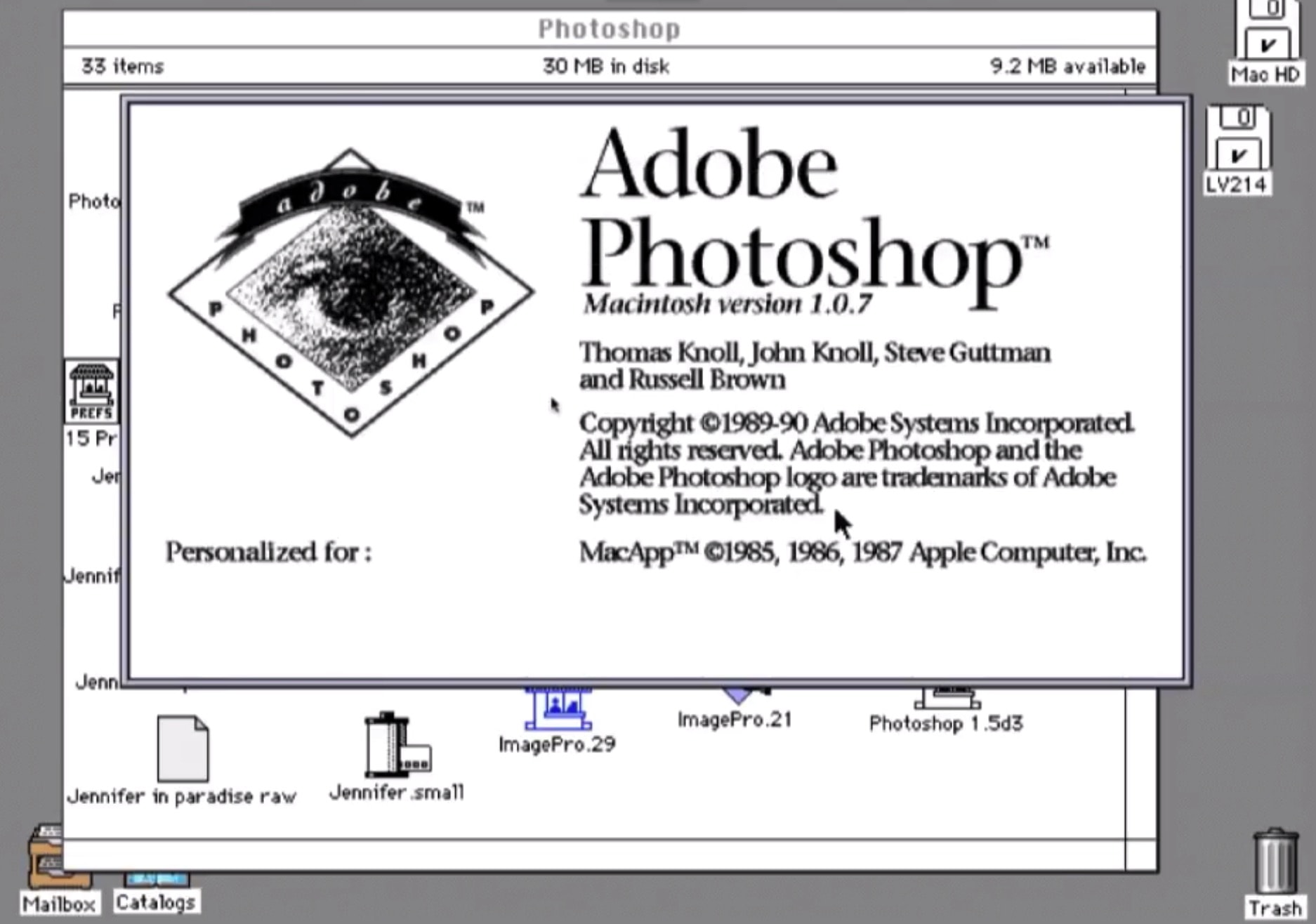
 February 19, 1990: Adobe Systems ships the first commercial version of its soon-to-be-iconic Photoshop photo editing software. The Photoshop launch, exclusively on the Macintosh, gives users powerful new tools for tweaking digital images.
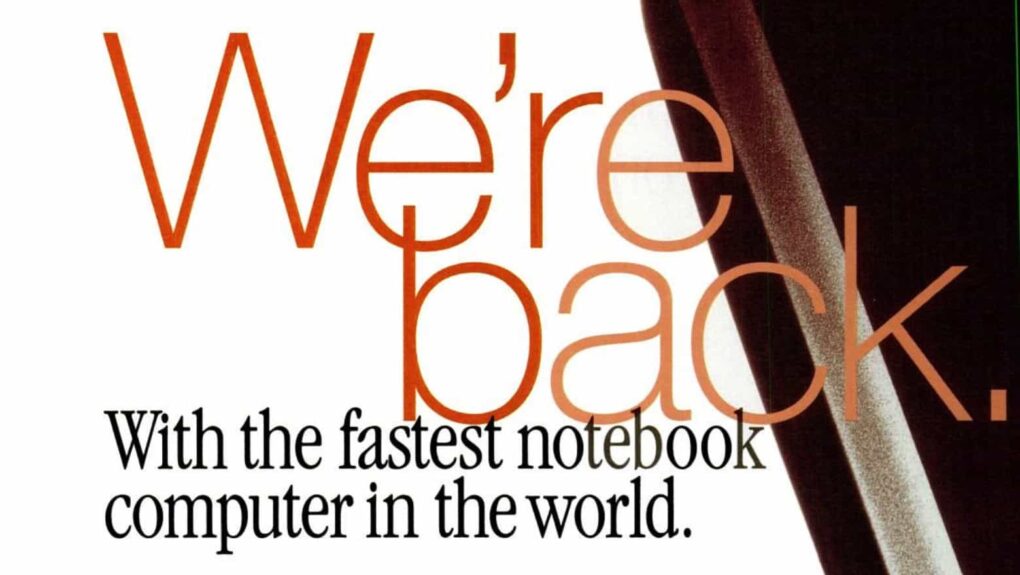
 February 17, 1997: Apple launches the PowerBook 3400, a laptop the company calls the fastest portable computer in the world.
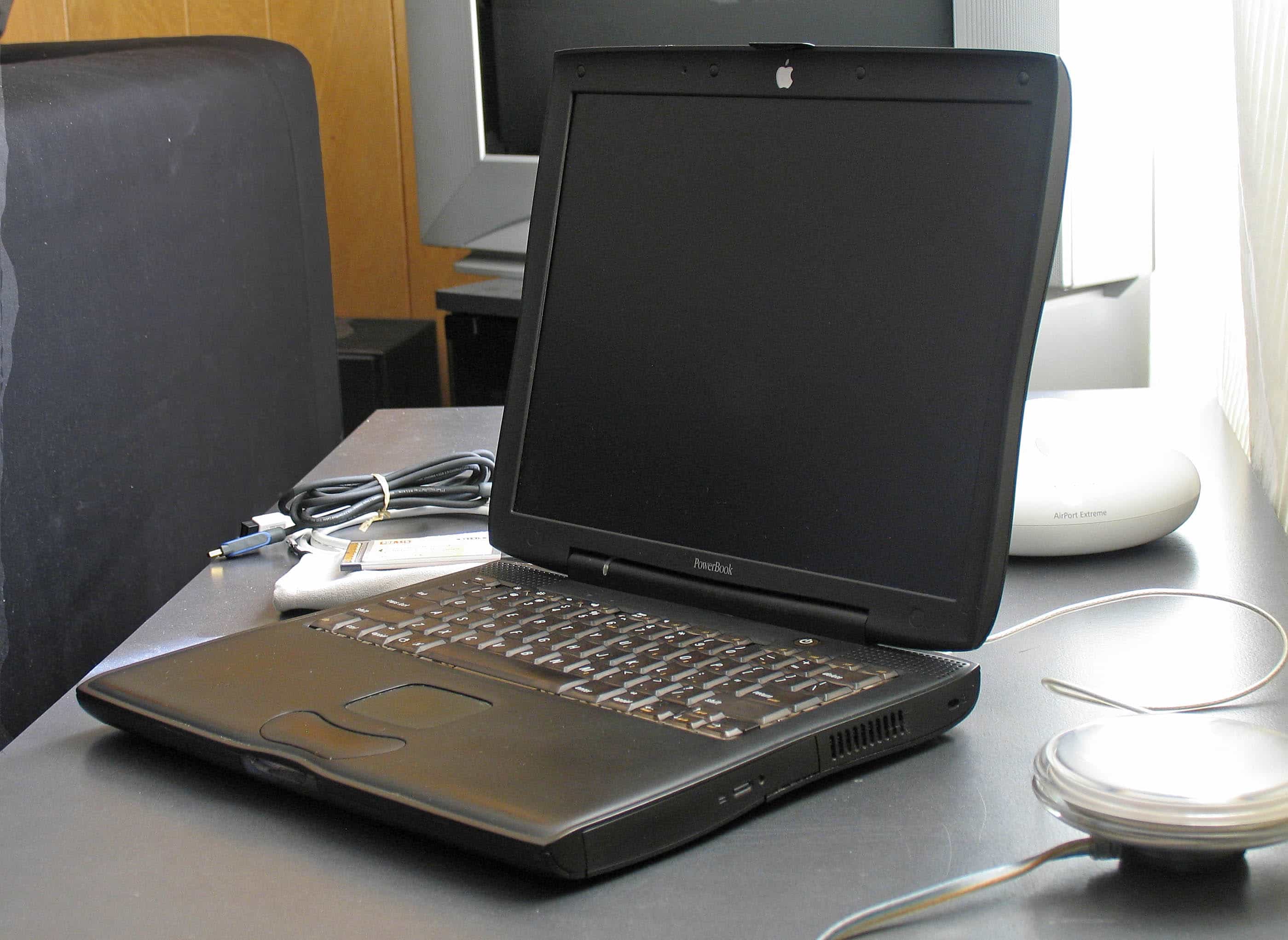
 February 16, 2000: Apple introduces the “Pismo” PowerBook, the finest of its G3 laptops. In the view of many, it’s one of the best Apple laptops ever.
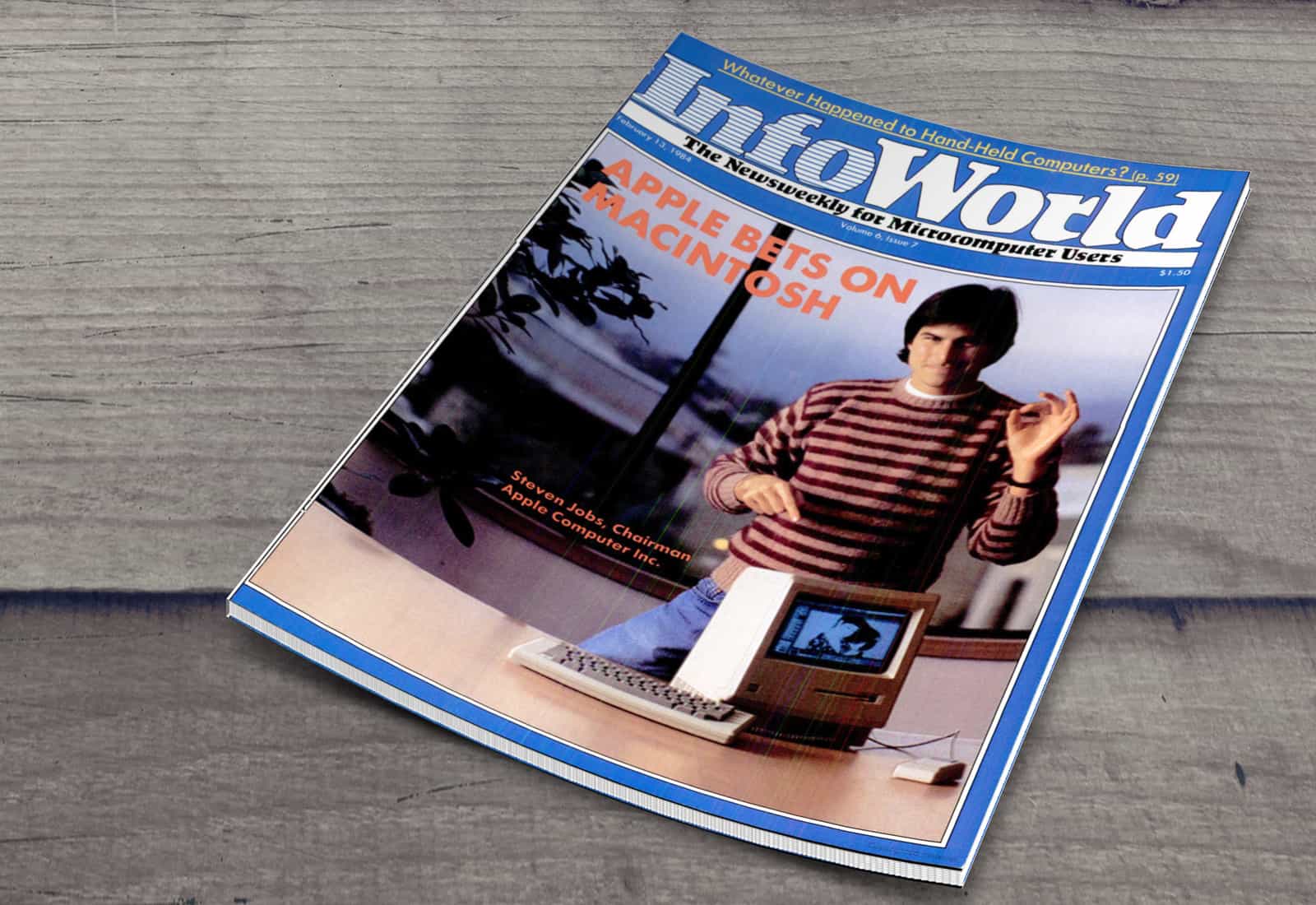
 February 13, 1984: The first Mac’s launch generates enormous excitement from the tech press, as epitomized by an InfoWorld cover story about the Macintosh 128K.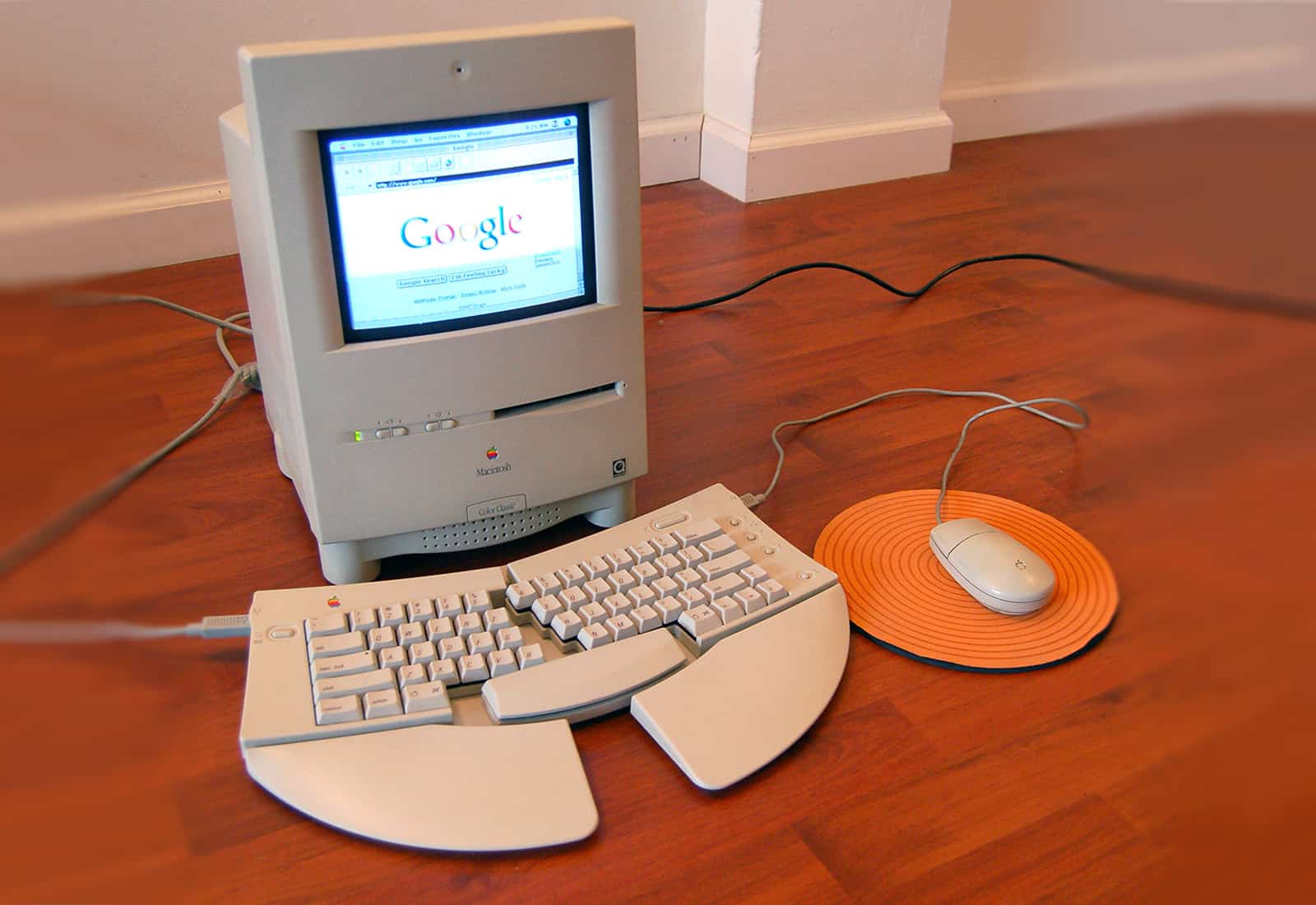
 February 10, 1993: Apple launches the Macintosh Color Classic, the company’s first compact Mac with a color screen.
 January 24, 1984: Apple ships its first Mac, the mighty Macintosh 128K.