The gesture that started it all. Photo: Jared Earle/Flickr
One of the best iPad features is the auto-lock/unlock that is triggered when you open and close its cover. Introduced with the iPad 2, smart unlock was revolutionary, in terms of lazy unlocking at least.
But did you know that the iPhone can do the same? If you have an X-series iPhone, and a compatible cover, you can use the same auto sleep/wake feature that iPad users have enjoyed since the iPad 2.
Look at all those ports! Photo: Charlie Sorrel/Cult of Mac
Apple’s current laptop lineup is the simplest it’s been in a while. It consists of the 13-inch MacBook Air, and two sizes of MacBook Pro, which are almost identical apart from size.
If you want a 15-inch Apple notebook, then the choice is easy. But if you want a 13-incher, which should you pick? That’s what we’ll look at today, pitching the 13-inch MacBook Air against the 13-inch MacBook Pro.
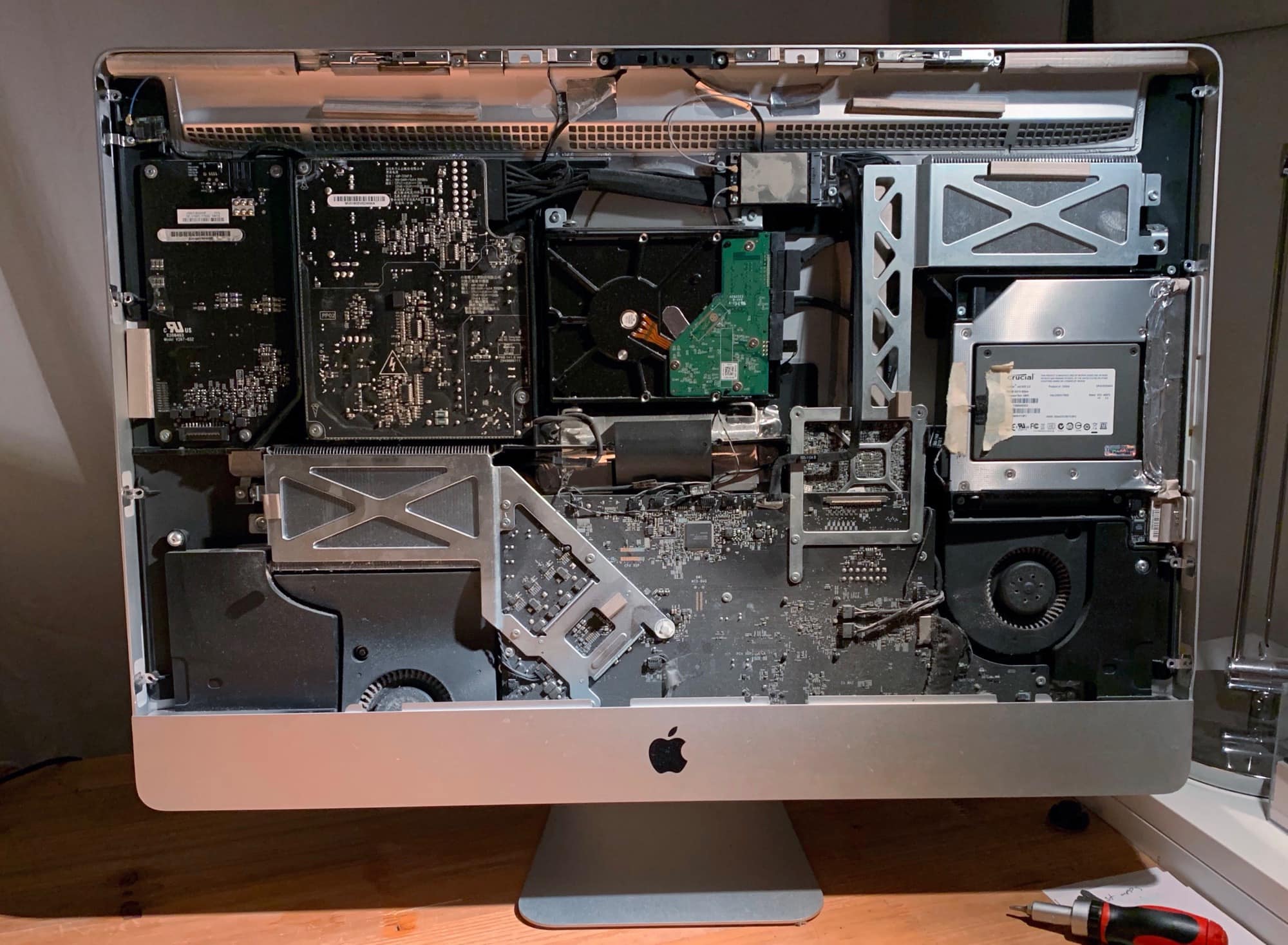
Spoiler: It was pretty easy, although it required some simple home surgery from time to time. The only sad part is that the current lineup of iMacs almost certainly won’t last as long, at least not without professional attention.
No, not that kind of sticker. Photo: Charlie Sorrel/Cult of Mac
iOS 13 automatically turns all your Memoji into iMessage stickers. Even better, anyone can create new Memoji, on any device. You no longer need an iPhone or iPad with a depth-sensing Face ID camera to create them.
Using the new Memoji creator tool in the Messages app, you can do almost everything that can be done with Face ID. Here’s how to make and use Memoji stickers in iOS 13.
WTF SRSLY Shortcuts? Photo: Charlie Sorrel/Cult of Mac
In iOS 13, Shortcuts has gotten some pretty wild new powers. It can run shortcuts automatically, in the background, for example, based on the time of day, or your location. You can tap your iPhone on an RFID tag, and it’ll fire off a shortcut. You can have your iPhone hand off a podcast from your AirPods to an AirPlay speaker when you arrive home.
And, as we’ll see today, you can have your iPhone or iPad download and load new wallpaper automatically, so you can see a fresh backdrop every morning.
Yes, another desert-as-safari metaphor. Photo: Charlie Sorrel/Cult of Mac
In iPadOS, Safari sports a brand-new popup menu that lets you rearrange, copy and close tabs just by long-pressing on them. It offers only a few options, but they prove so useful that you will use this trick all the time.
Check out yet another great Safari feature in iPadOS.
It’s impossible to create smart Apple Music playlists directly on the iPhone. Or rather, it was impossible. Previously, you had to fire up iTunes on your Mac or PC, create a smart playlist there, and then let it sync to your iPhone over iCloud.
Even in iOS 13, this is still the case. But now there’s another way. A new iOS app called Miximum can create smart playlists, and even sync them to the regular Apple Music app. It is, as they say, a game-changer.
Now you can plug in almost everything, including the kitchen sink Photo: Charlie Sorrel/Cult of Mac
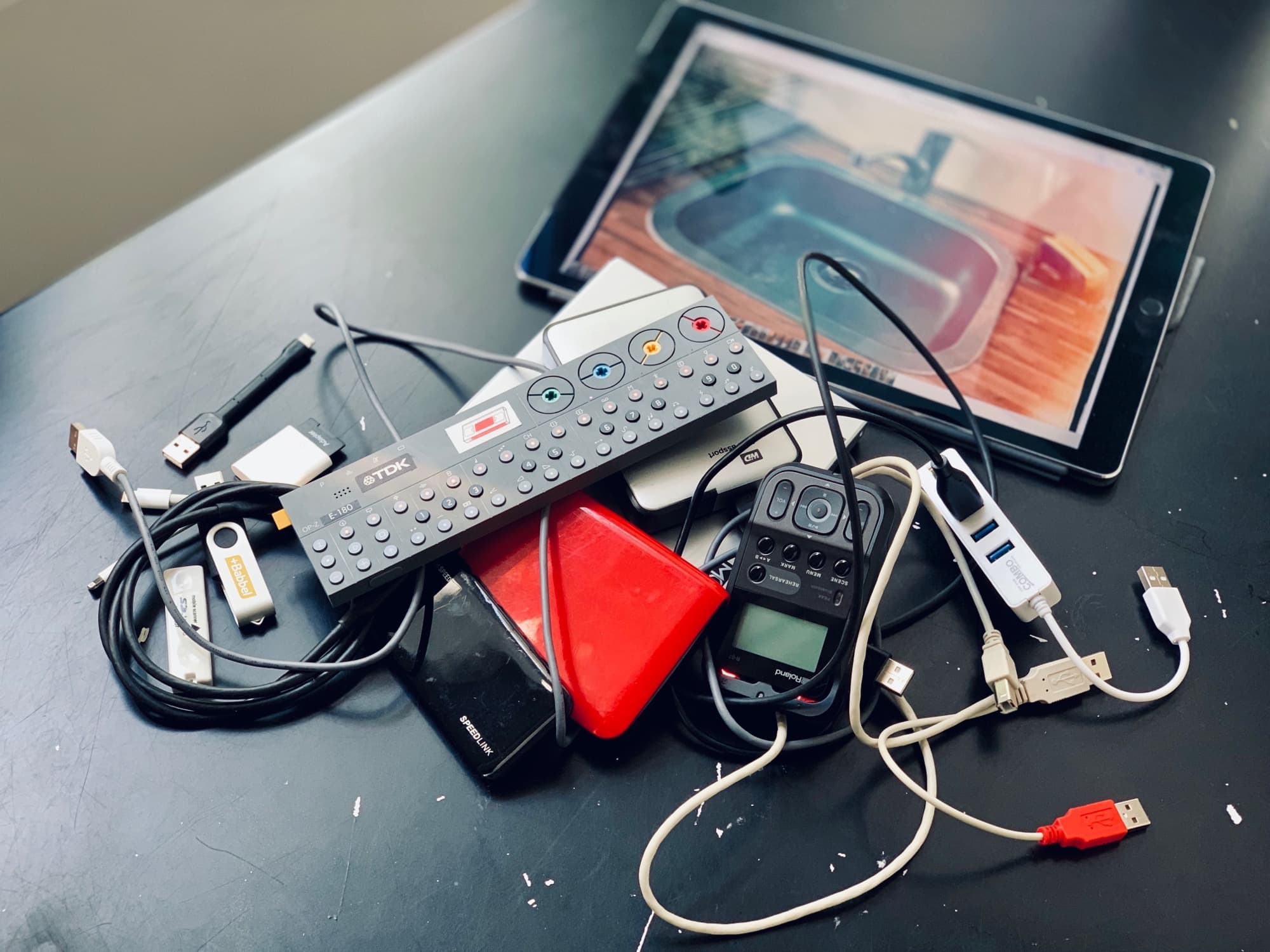
The USB port on your iPad has gotten a massive update in iOS 13/iPadOS. You can now plug in pretty much everything except a printer, and have it Just Work™. We already know this from Apple’s own PR and WWDC announcements. But what exactly does work when you plug it in? I decided to try it. I took my old test iPad (a 1st-generation iPad Pro) on a tour around various friends’ homes, and plugged stuff in. Here’s what happened.
Instant Hotspot makes connection sharing easy. Photo: Charlie Sorrel/Cult of Mac
In iOS 13 and iPadOS, the Wi-Fi connections get a lot of changes. In addition to the familiar Personal Hotspot connection, you can now use and share a new Instant Hotspot. Plus, you can see all your connections at a glance in the revamped Wi-Fi settings screen. Let’s take a look.
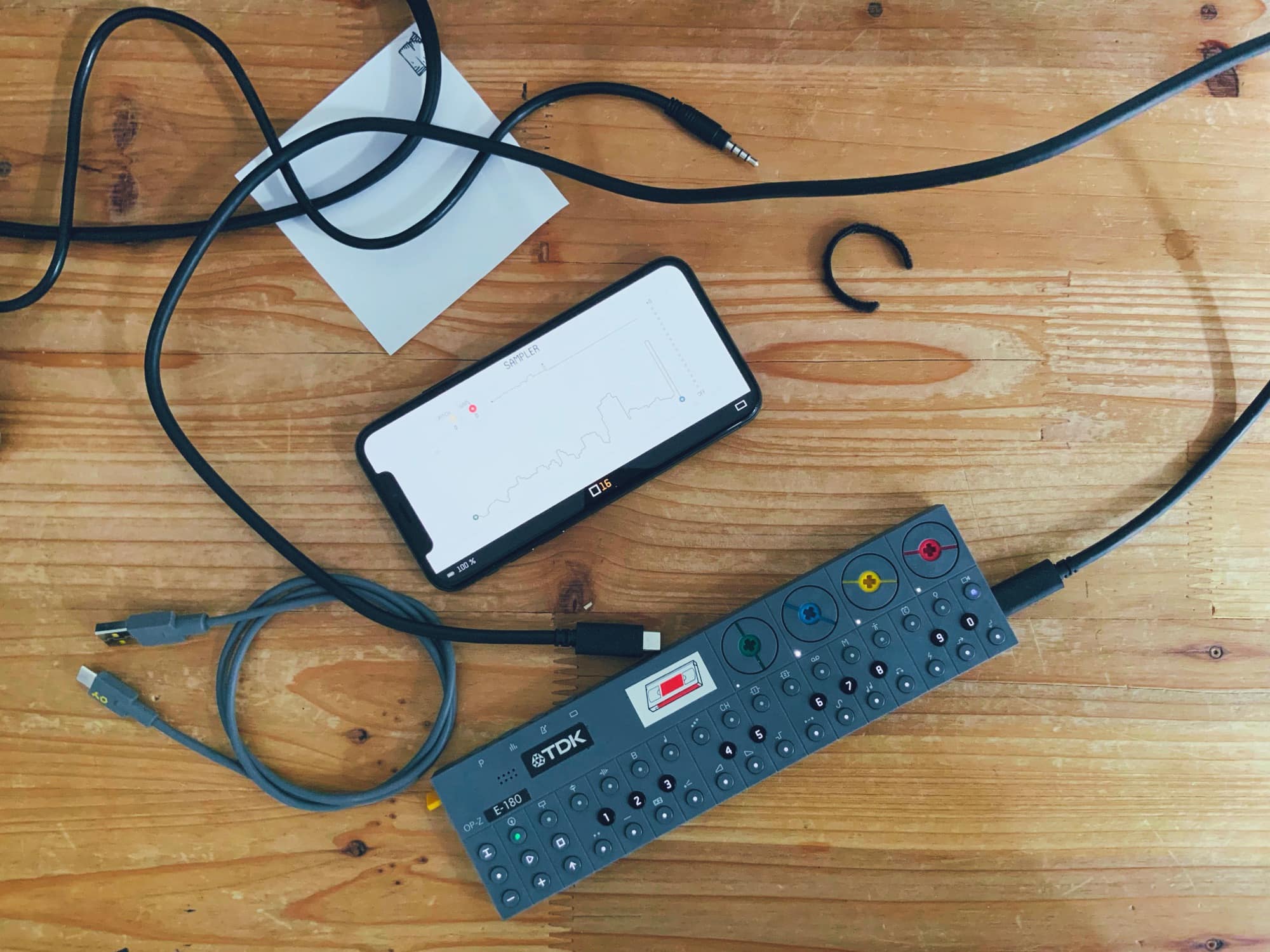
This is all you need to make a hit record. Well, maybe a few dongles, too… Photo: Charlie Sorrel/Cult of Mac
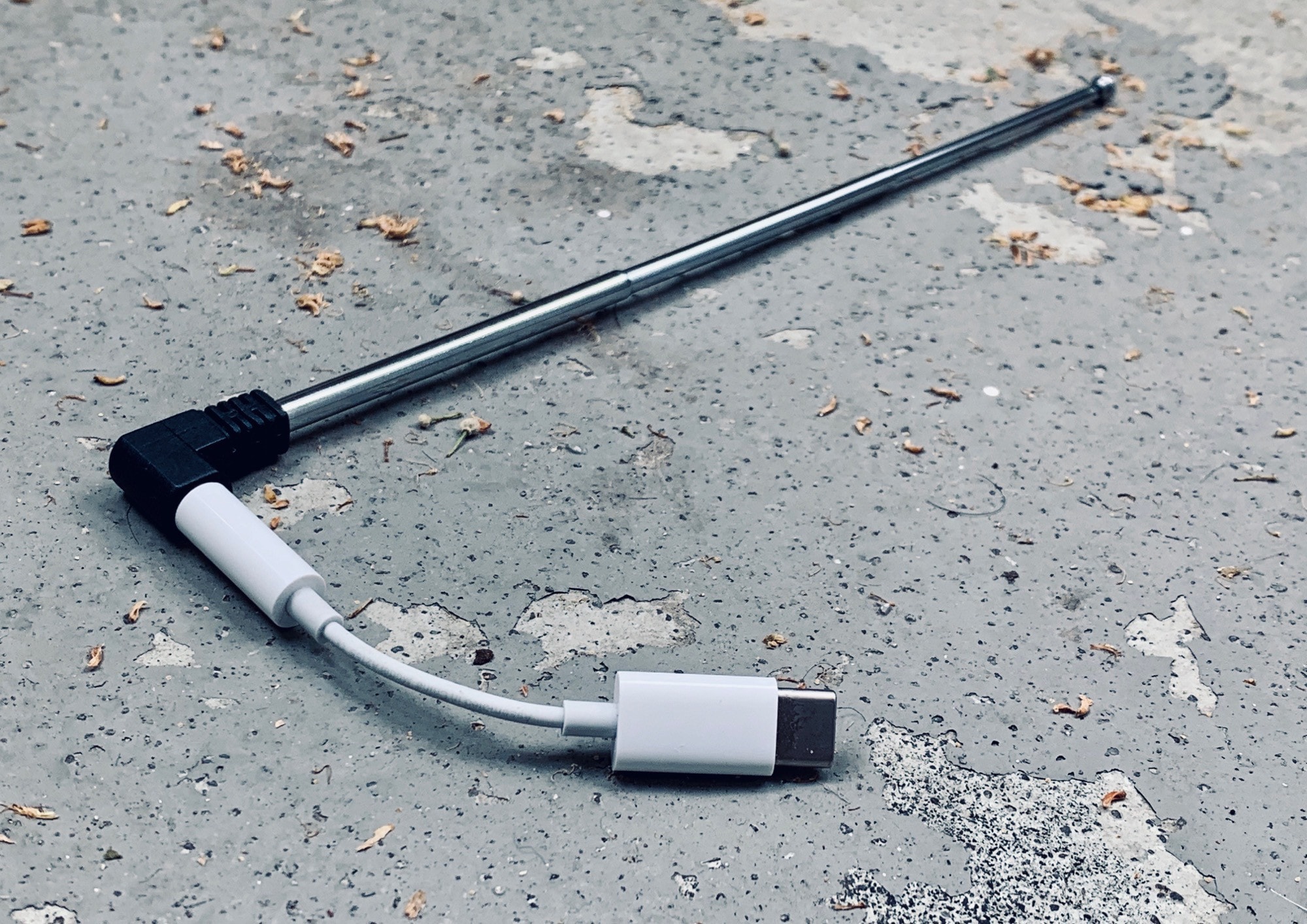
Teenage Engineering’s awesome, pocket-size OP-Z synth can now record and use samples. Thanks to a massive software update, it can now sample live audio in through its mic, or via its USB-C port. And yes, if you hook it up to an iPhone or iPad via USB, it shows up as a standard audio interface: You can record from, and send audio to, the OP-Z in lossless digital quality.
Today we’re going to check out these new features. A few limitations prove annoying, but Apple users should feel accustomed to that by now.
iOS 13 keeps your location private. Photo: Charlie Sorrel/Cult of Mac
When you send a photo to somebody in iOS 12 or earlier, you also share that photo’s location. If you upload a picture to a classified ad or auction site, you potentially show everyone exactly where you live. And if you send a photo to a friend or family member, they may share that image publicly (on Facebook, for instance) — and share your home address along with the picture.
In iOS 13, you can disable location sharing for any photo you share. Some annoying limits hurt this new feature, and you have to remember to do it every time you share an image or video, but it’s still a lot better than what we have in iOS 12.
Yum! I'll take a 'multiple selection' of these. Photo: Charlie Sorrel/Cult of Mac
There are plenty of little annoyances that stop the iPad from being as easy to use as the Mac, especially when it comes to working with multiple items. On the Mac you can Select All with the keyboard, and you can easily add and remove items from a selection. You can click an empty space in a Finder window and start dragging a selection. And more.
The iPad sort of incorporates some of these features in some places. But in iPadOS, multi-select has been somewhat consolidated. And it is now arguably as good as the Mac, at least in the places where you can use it.
A rather strained Safari metaphor. Photo: Charlie Sorrel/Cult of Mac
Did you ever type in a URL, only to find later that you already had that site open in another Safari tab? Well, never again, because in iOS 13, Safari will prompt you to open that original tab instead.
Launch any camera app from the lock screen with this incredibly useful trick. Photo: Charlie Sorrel/Cult of Mac
In iPadOS and iOS 13, you can kinda replace the stock Apple apps on your iPhone or iPad. For instance, anytime you tap the Mail icon, Spark could launch instead. Or, and this is probably the most useful, when you tap the lock-screen shortcut for the Camera app, you could launch Halide instead.
This isn’t proper app replacement, but it is a pretty wild trick for iOS devices. We use a new feature in Shortcuts to make the magic happen. And for the Camera app, it works great.
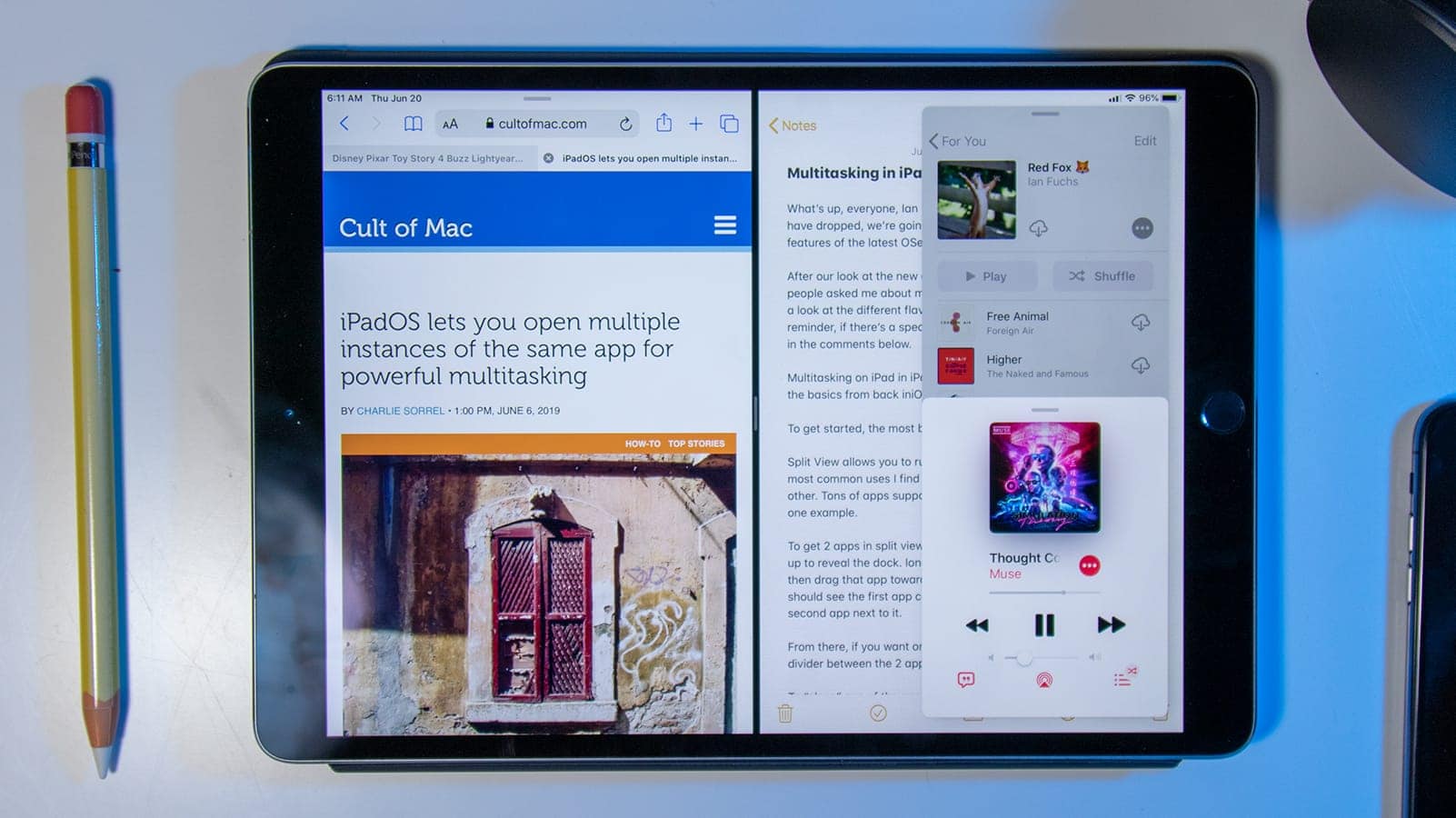
Multitasking gives you the power to use up to three apps at once on iPad. Photo: Ian Fuchs/Cult of Mac
iPad multitasking gets a boost in iPadOS, with tweaks and enhancements that make it easier to do more on Apple tablets.
If you use an iPad for anything beyond watching videos, you should be thrilled by these changes, which boost inter-app productivity. Here’s how to take advantage of the different flavors of multitasking in iPadOS.
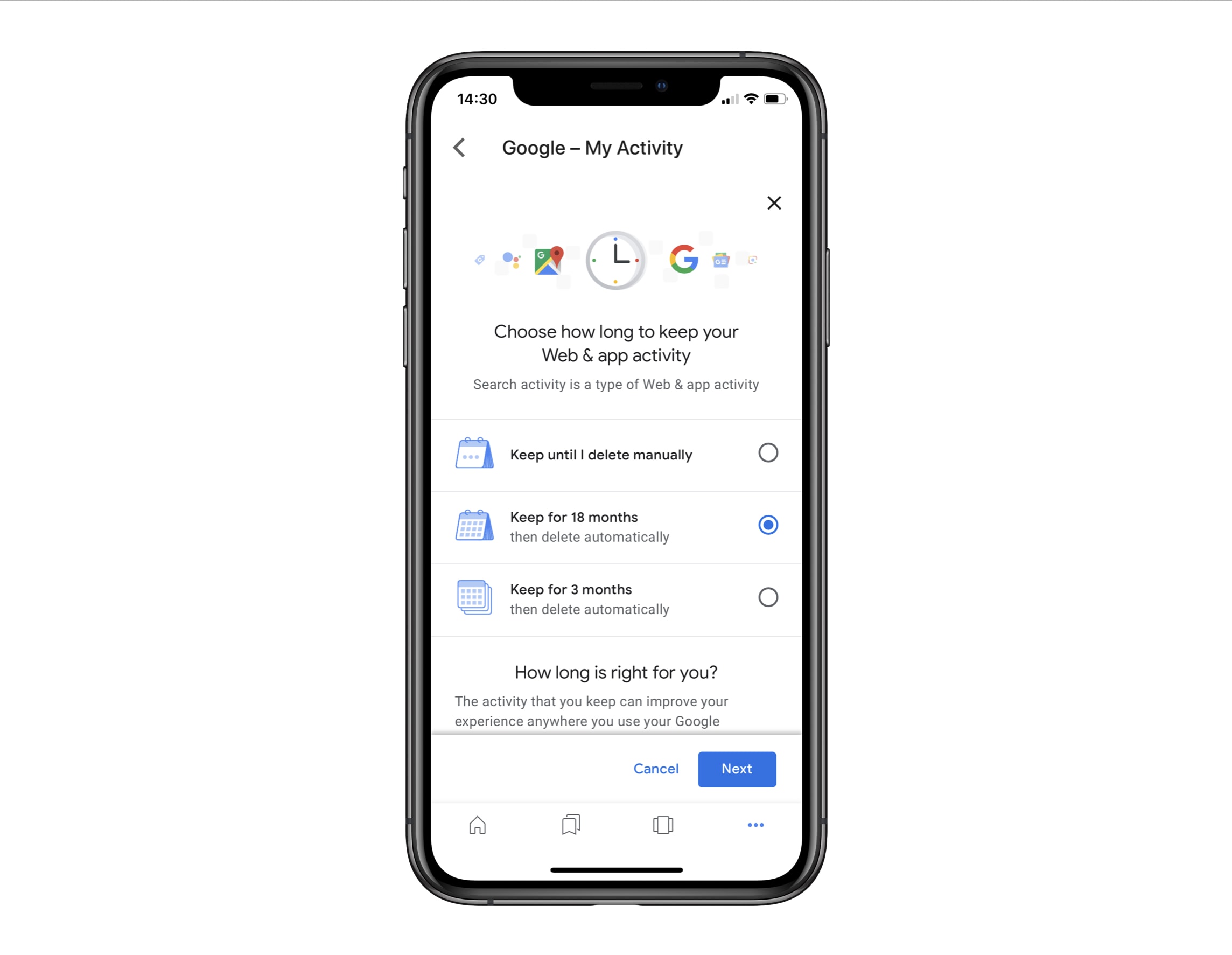
It takes care of itself. Photo: Killian Bell/Cult of Mac
You can now ask the Google app on iOS to automatically wipe your location and activity history.
The new feature, which was showcased during Google I/O in late May, takes the hassle out of covering your tracks. You only have to set it up once and it will take care of itself going forward. Here’s how to get started.
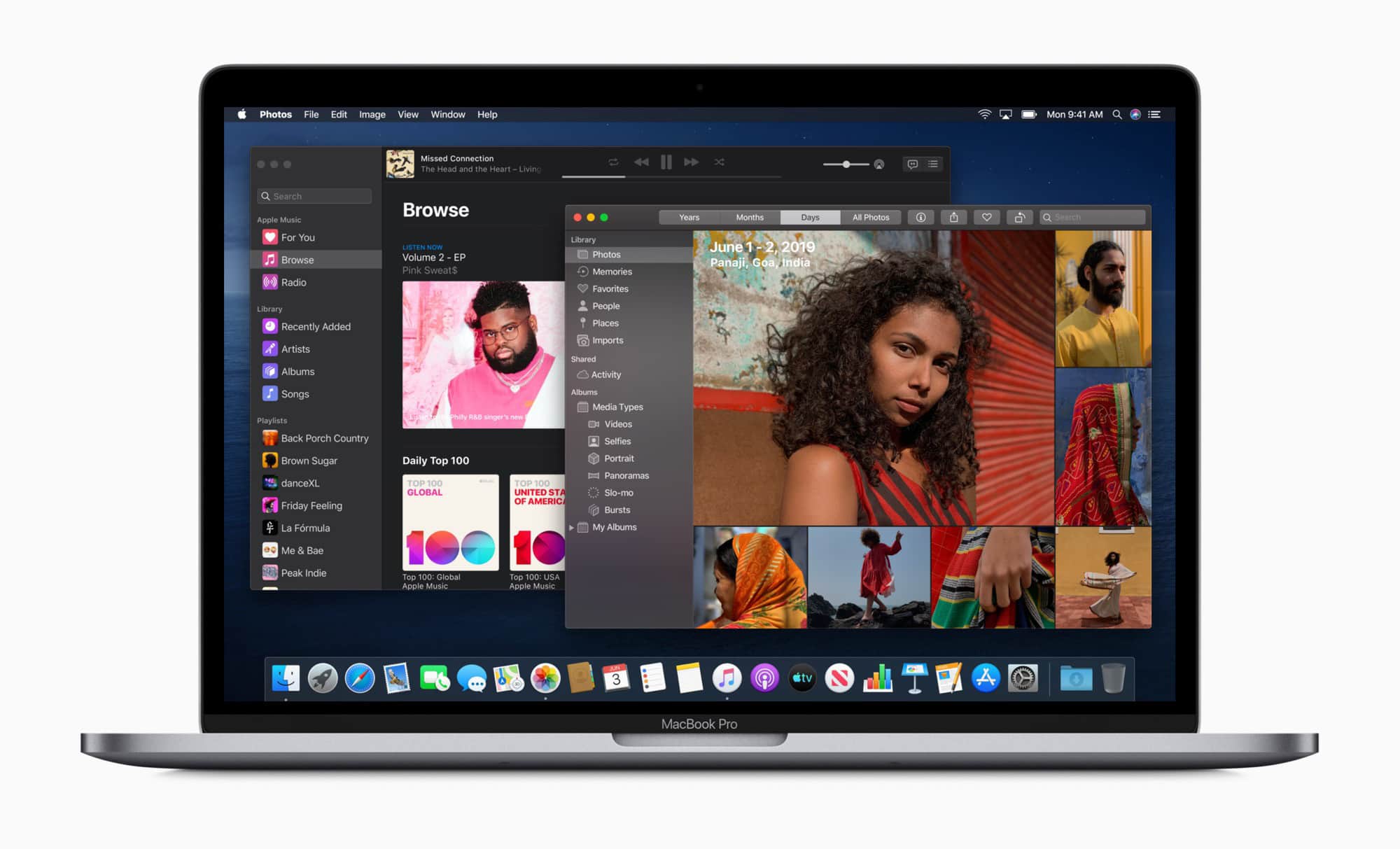
The macOS Catalinapublic beta is here, so if you’re feeling brave, you can go ahead and install it on your Mac. But should you bother? Is early access to Project Catalyst apps, Voice Control, the Photos app redesign, Sidecar and Screen Time worth the risks?
Probably not. Or not yet, at least. But if you want to go ahead and install macOS Catalina on your Mac, here are a few tips and warnings.
iOS 13 could render your iPhone useless. Photo: Charlie Sorrel/Cult of Mac
The iOS 13 and iPadOS public betas are here. And if you plan to test them, you need to take a few steps to get ready. And remember, you will be testing them. Or, more likely, you’ll be testing your own patience.
The early betas are almost always buggy, screwy and crashy. You may lose work. Weird things may happen to your iCloud data. Your favorite (and essential) apps may flat-out fail to launch.
But still, these public betas are already more stable than the very raw early developer versions. If you’re planning on trying them out, here’s how to do it.
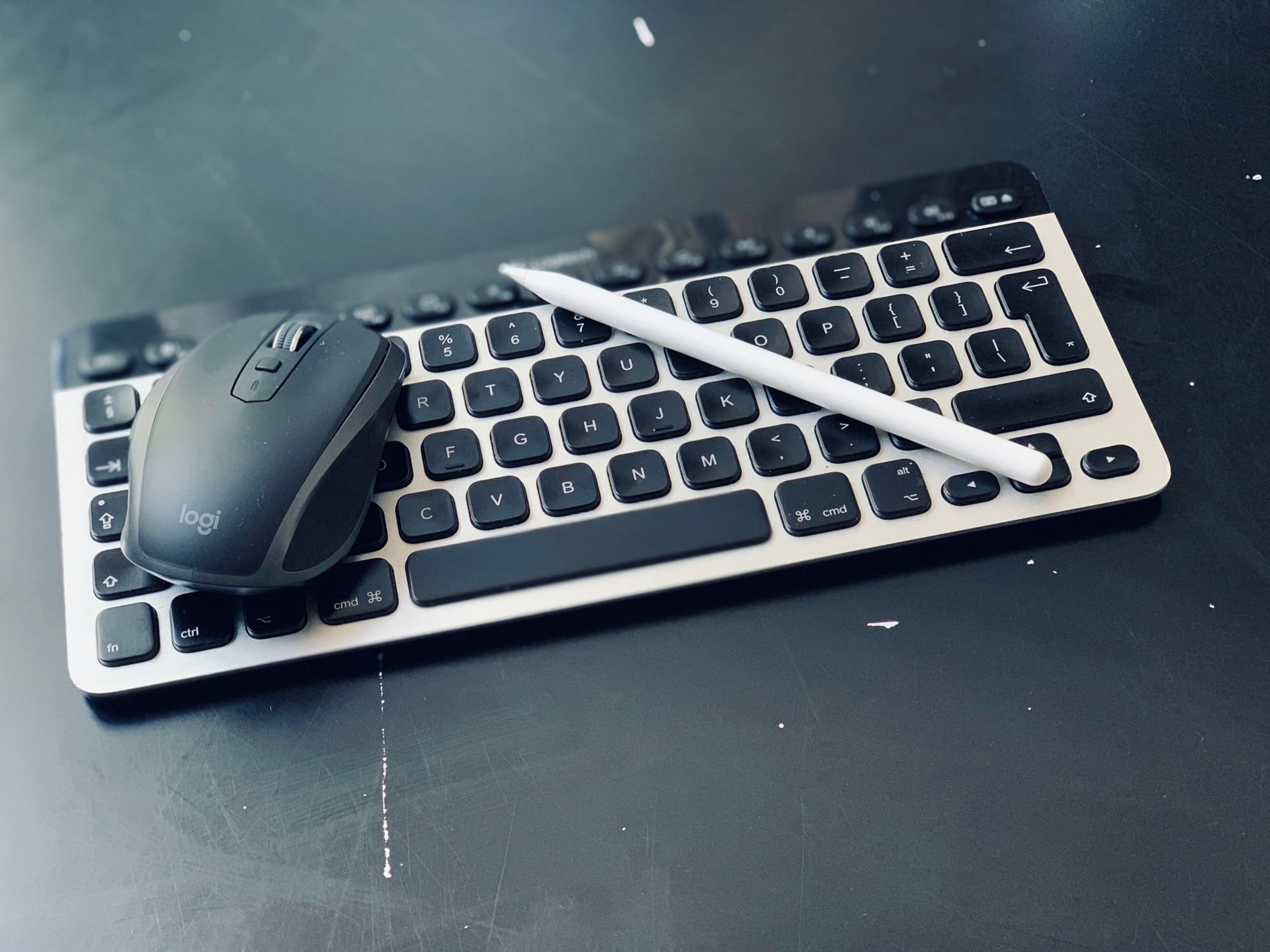
A keyboard, upon which one might perform shortcuts. Photo: Charlie Sorrel/Cult of Mac
Safari in iPadOS is “desktop-class,” according to Apple. And part of that definition means Safari offers plenty of keyboard shortcuts, just like when you use Apple’s web browser on a Mac.
Just a quick look at the screenshots below will show you how many more Safari shortcuts are available in iPadOS than in iOS 12: Holding down the ⌘ key now reveals two panels in the pop-up help screen, instead of just one.
Let’s take a look at the new Safari keyboard shortcuts in iPadOS.
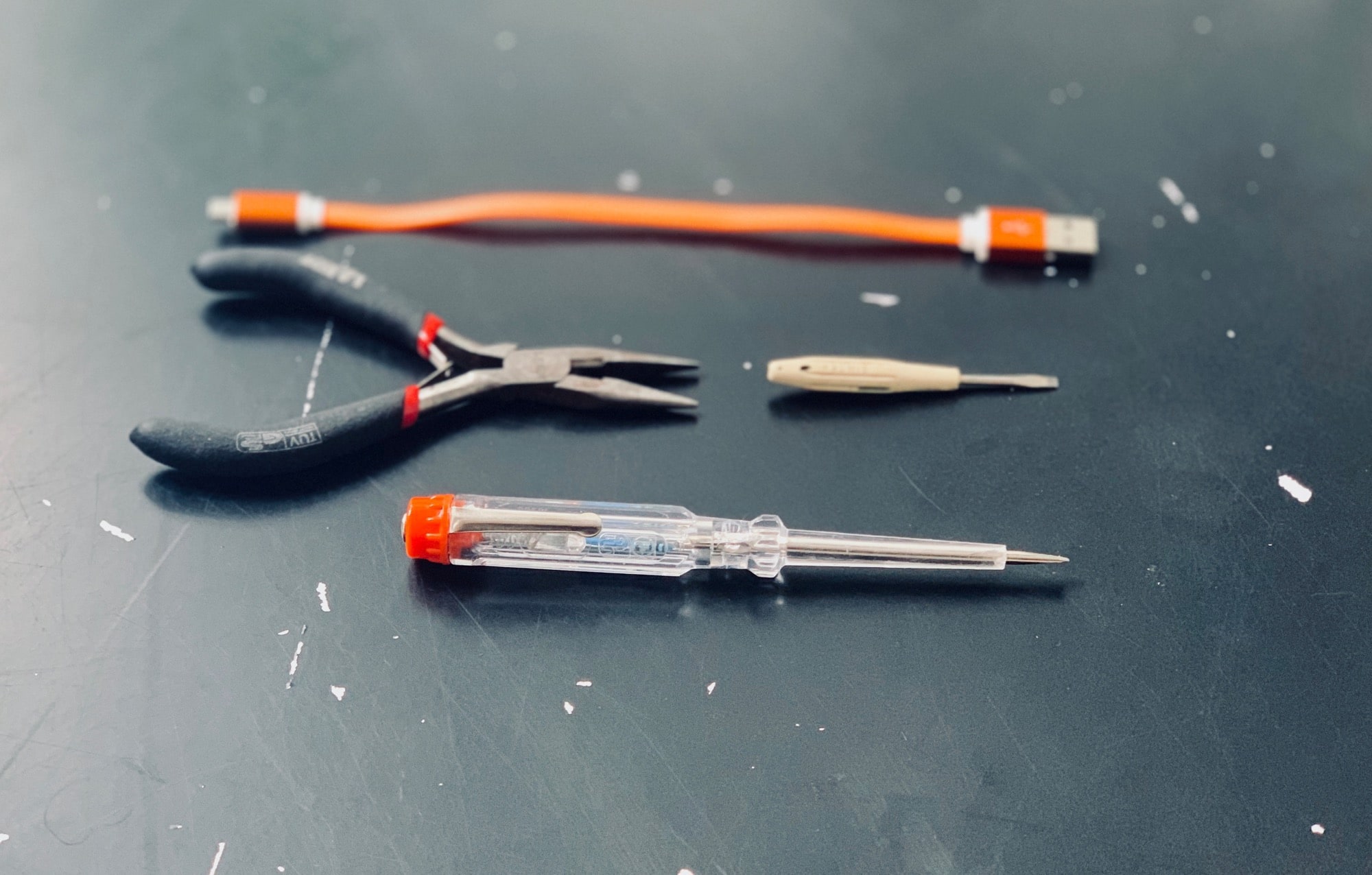
Assemble your tools for a fun hack attack Photo: Charlie Sorrel/Cult of Mac
USB is dirty. Just like you’d never stick your body parts into a mysterious public hole, neither should you plug your iPhone into a public charging station. iOS is pretty good at rejecting unknown connections from USB, but why take the risk?
There are a few ways to make public iPhone charging safe. One is to plug into a power outlet using your own plug and cable. But what about on a plane or train, or other public spot where only USB outlets are available? Or a friend’s computer, one that might be riddled with malware? Then you need a custom USB cable, one that only passes power, and not data. The good news is that, if you have an old Lightning USB cable laying around, you can easily fashion your own, just by yanking out two pins from inside the USB plug. Alternatively, a charging keychain can be a great portable solution to ensure safe and convenient charging wherever you go.
Photos were much simpler in the old days. Photo: Charlie Sorrel/Cult of Mac
I hate my friends. I want to show them a photo, or that screenshot I took of those cute otters, and all they can do is take one look, and then swipe off into the rest of my photos. And trust me, you don’t want to know what I have lurking back there. And I also hate myself, because I do the exact same thing without thinking. It’s human nature.
Some apps let you load up a few photos to show to other people, so they can’t pull back the virtual shower curtain and peek at your private photos. But these require that you do extra work to prepare them.
Happily, iOS offers a way to lock down a single image. That way, when you hand your iPhone or iPad over to a friend, or anyone else, they can’t swipe to other photos. In fact, they can’t do anything at all, because you’ve locked the whole touchscreen. Best of all, you can toggle this on and off in a second.
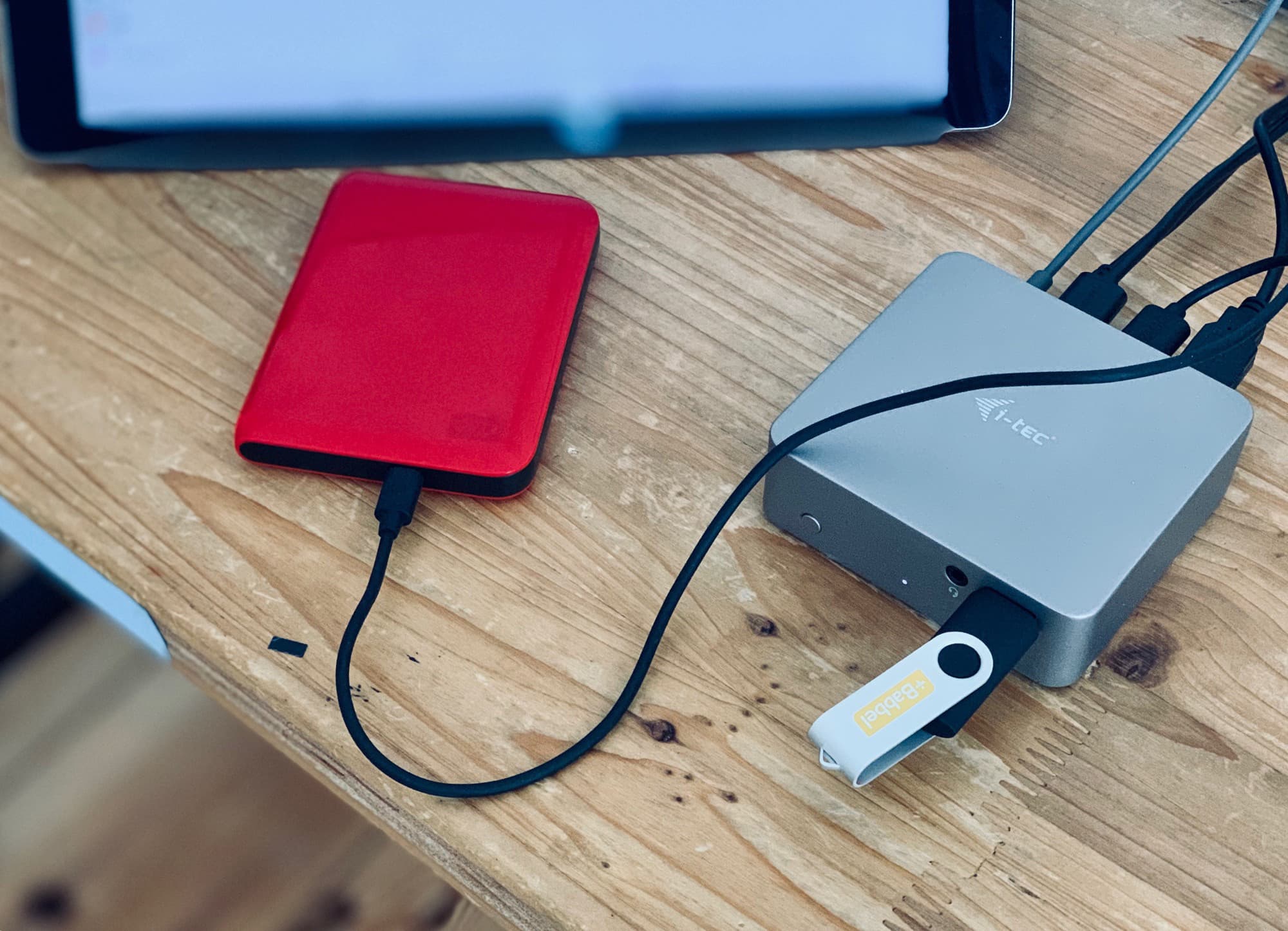
Hook up any and all USB storage devices to your iPad. Photo: Charlie Sorrel/Cult of Mac
External storage support is one of the best new features in iPadOS 13. Even if you opted for the maximum iPad Pro storage capacity, you may often want to grab some movies from a hard drive, or save some songs and photos to a thumb drive to hand to a friend.
But how exactly does external storage work in iOS? Can you drag files between connected volumes? Can you even mount more than one drive at once? What about FAT32? Or HFS Plus? And do you have to eject them? Let’s find out.
What can't the iPad do in iPadOS? Photo: Charlie Sorrel/Cult of Mac
Were you ever drawing a diagram in the Notes app, and then realized you needed to type a note? Did you then find yourself frustrated at having to drop the Apple Pencil and type on the huge, half-screen QWERTY keyboard?
With iPadOS 13, Apple has removed that frustration. You still can’t do Newton-style handwriting and have it turn into text. But you can shrink the keyboard to a tiny floating panel, and use the Apple Pencil to swipe-type on it.
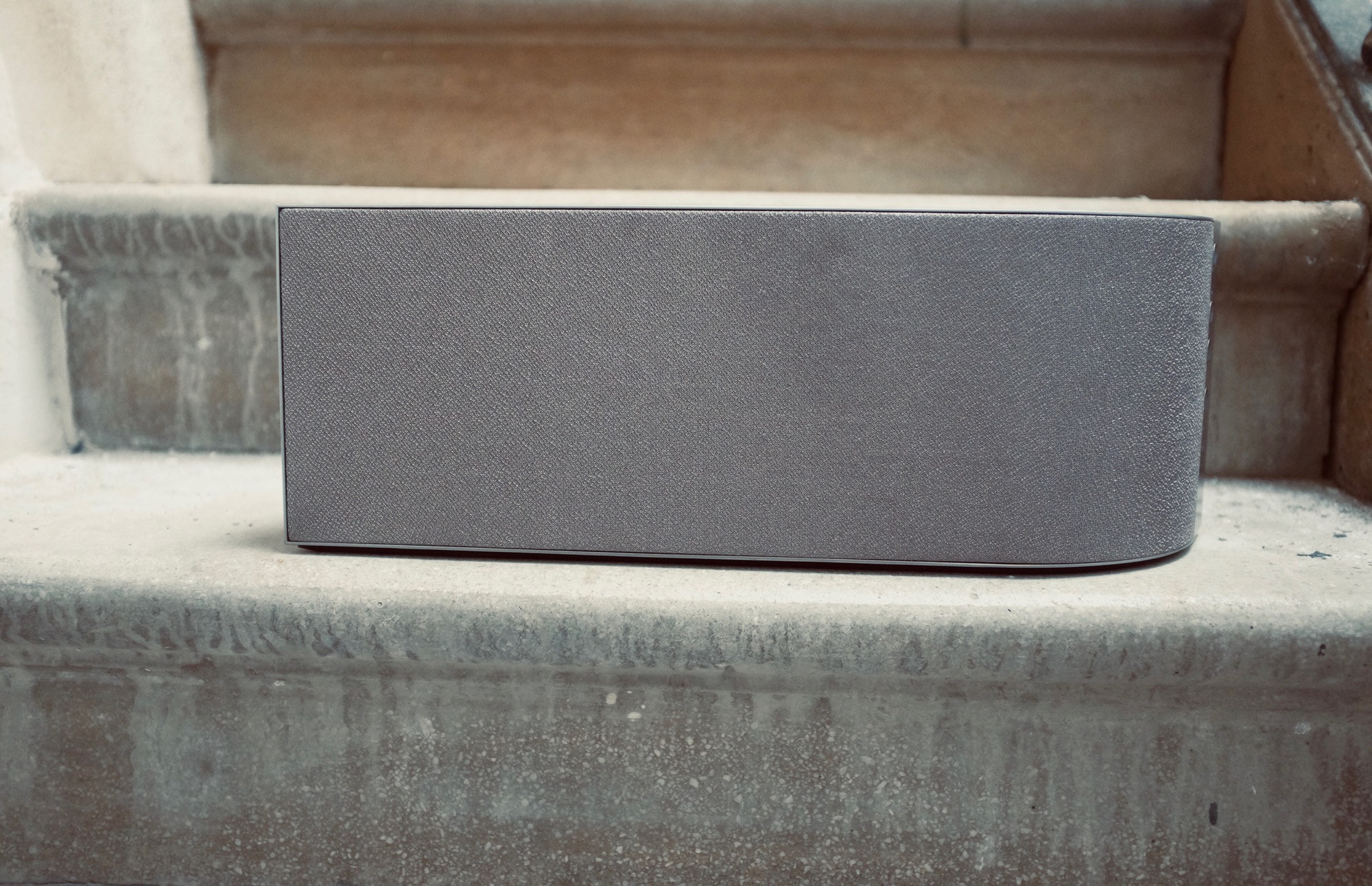
This speaker could become a trigger to play your favorite podcast. Photo: Charlie Sorrel/Cult of Mac
The iOS 13 Shortcuts app brings plenty of radical changes — automatic scheduled and location-based shortcuts, for example — but one super-neat new feature will make a world of difference. Now, if you have a compatible iPhone, you can combine NFC tags with Shortcuts. That is, you can run any shortcut just by tapping your iPhone onto an NFC sticker.
Seriously. Pretty wild, right? You could tap your iPhone onto a sticker atop a speaker in your kitchen, and it would start playing the radio, for instance. Let’s check out how NFC shortcuts will work.
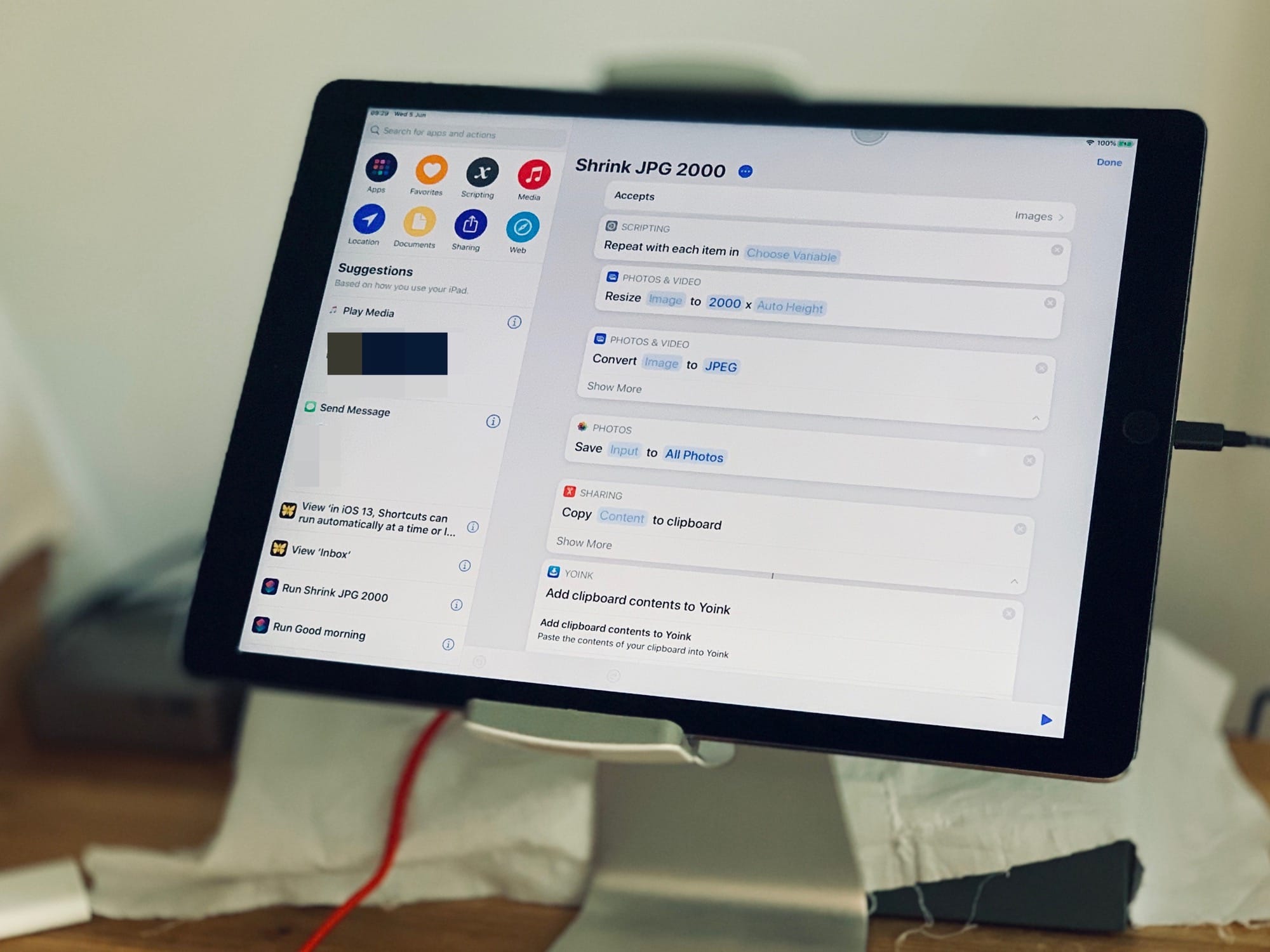
This is Shortcuts in iOS 13. It looks great. Photo: Charlie Sorrel/Cult of Mac
Apple’s Shortcuts app is already great, but in iOS 13 it gets even better. You can still create simple or complex workflows to do all kinds of tasks, from downloading YouTube videos or setting a quick meditation timer to resizing a whole folder of photos. But until now, you had to trigger those shortcuts manually.
In iOS 13, your iPhone or iPad can run a shortcut at a preset time or when you arrive at a specific location. This is huge.