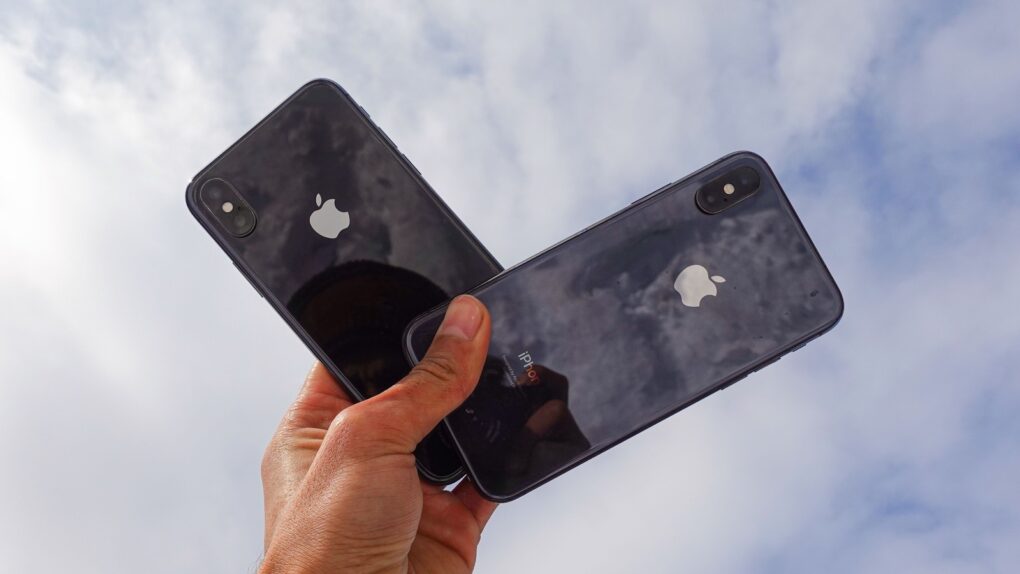
Apple continued to gain ground in the global smartphone market during the second quarter of 2026, according to new data from a market-analysis firm. The iPhone posted another quarter of year-over-year growth, increasing total shipments by 3% while boosting Apple’s global market share to a quarterly record.
The iPhone 17 series continues to experience strong sales, according to the analysts. One main reason for the success might seem surprising, coming from Cupertino: small price tags! Apple maintained iPhone prices while rivals increased theirs due to sharply rising memory costs.
Apple gains ground worldwide as iPhone 17 demand stays strong
The debut of the iPhone 17 series last fall pushed Apple’s smartphone sales into high gear. The family of devices not only consistently outperformed previous generations, it dominated smartphone sales charts. The premium Pro and Pro Max shot out of the gate to early success, but the standard iPhone 17 overtook them later to become the world’s bestselling smartphone.
In the April-through-June 2026 quarter, Apple’s handset sales grew once again, according to data released Monday by Counterpoint Research. While a 3% year-over-year increase was fairly modest, it extended Cupertino’s streak of YoY shipment growth. And it was enough to give the iPhone 20% of all smartphone sales worldwide, a feat the company hasn’t achieved during any previous Q2.
Plus, the standard iPhone 17 model held onto the top spot as the world’s most-shipped handset, beating out the Pro versions as well as all Androids.
Another secret to Apple’s success versus: It was the only major OEM to avoid smartphone price hikes. (So far, anyway.)
Samsung did well, while other rivals struggled
Samsung finished the quarter with a 24% global smartphone market share after a strong launch for its Galaxy S26 lineup. Demand for the Galaxy S26 Ultra, fueled by its privacy-oriented display and AI features, was a major driver of the company’s shipment growth, according to Counterpoint.
But other Android makers in the global top five saw their shipments drop. Counterpoint reported that Xiaomi, Oppo and vivo all suffered double-digit year-over-year shipment declines during the second quarter of 2026 as rising memory costs increased pressure on entry-level and midrange smartphones, dampening demand.
This raises questions about how the iPhone 18 series will fare when it launches this fall. The global jump in memory prices likely will force Apple to increase the cost of the iPhone 18 Pro, iPhone 18 Pro Max and the folding iPhone Ultra when they launch in September.

Ed Hardy has been writing full-time about tech for 26 years, and using it for much longer than that. His intro to Apple was a Macintosh SE/30 (which he still has), but now he uses a 13-inch iPad Pro as his primary computer.
That’s because he’s a “tablet first” type of guy. Rather than use a Macbook, he connects a keyboard case to the iPad. And instead of a desktop Mac, he connects his tablet to a 27-inch display and full-size keyboard. (So don’t try to tell him that everyone has to use a Mac to be productive.)
Before coming to Cult of Mac, Ed wrote for NotebookReview, TabletPCReview and Brighthand, as well as other sites.