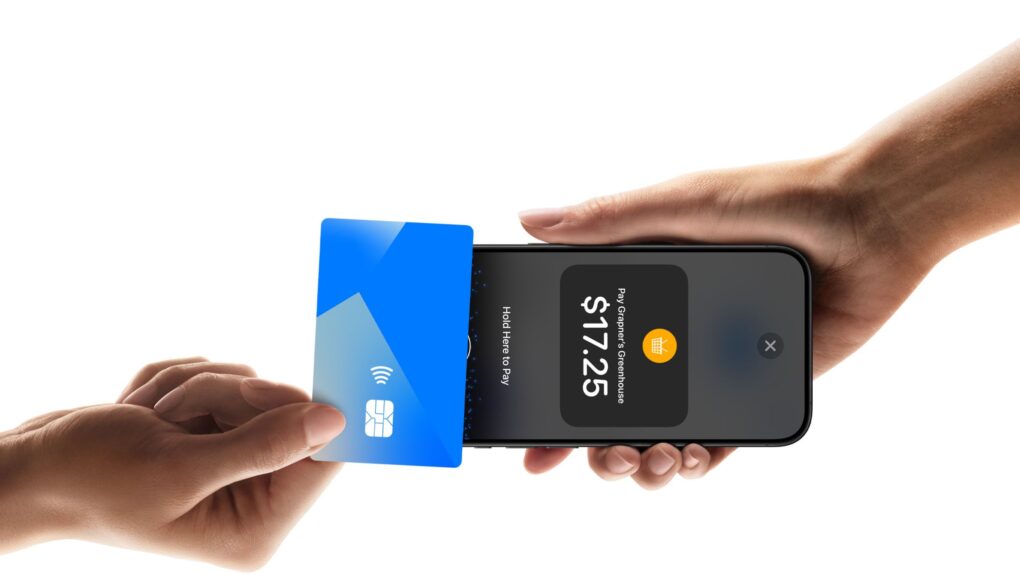
The next time an Apple Store employee rings you up, don’t be surprised if you don’t see the traditional plastic card sled. Apple is silently retiring the hardware its retail staff has strapped onto their iPhones for years. The company seems to be betting on the fact that the iPhone is finally good enough to close the sale.
Apple is now reportedly handing out iPhone 16s to its blue-shirted employees to expand Tap to Pay on iPhone. This software feature turns the device into a contactless payment terminal with nothing bolted on. It’s a small hardware swap, but Apple no longer thinks it needs a middleman to take your money.
Tap to Pay on iPhone gets an upgrade it needed
For years, Apple Store staffers have carried a plastic card-reader attachment that latches onto the back of an iPhone. To handle contactless payments that the phone couldn’t process on its own, this reader connects over Bluetooth. The setup is bulky, as employees have to carry around an extra battery to keep it charged — one more thing that can fail mid-transaction.
This is exactly the kind of friction Apple tends to iron out once it can. And it’s apparently happening.
The news comes from Bloomberg’s Mark Gurman, who said in the Sunday edition of his Power On newsletter that the iPhone 14’s NFC was inconsistent, particularly when reading metal cards … like Apple’s own credit card, which is made of titanium. If you’ve ever fumbled a tap-to-pay attempt at the Genius Bar, you’ve probably run into exactly this problem.
But the iPhone 16, Gurman says, can handle those transactions more reliably. The report says Apple has done enough internal testing to convince itself that the new chip-and-antenna setup is good enough to be the default in-store checkout method, and not a backup for when the outdated hardware acts up.
With Tap to Pay on iPhone now doing the job, the old sled add-on becomes dead weight. The fewer accessories clipped to phones, the less likely something will break during a Saturday afternoon rush.
Tap to Share adds another layer in iOS 27
The timing lines up with iOS 27’s Tap to Share feature, which builds on the iPhone’s Tap to Pay NFC groundwork.
Apple has not yet shared details about exactly how deep the real integration goes, but it’s clear Apple wants its NFC stack to do more jobs, be it sharing or payments, all without extra hardware.
Don’t expect the changeover to happen everywhere overnight, as some stores will still run iPhone 14 hardware a little longer. But the direction is set. Next time you tap your card at the Apple Store, there’s a good chance it’s just an iPhone doing all the work.

Anurag Chawake is a tech-focused writer specializing in smartphones, apps and consumer technology. His interest in computers began during the Windows 98 era, eventually leading him to explore everything from operating systems to mobile devices and PC hardware. Anurag previously contributed to The Indian Express, covering Apple, Android, gaming and the broader technology landscape.