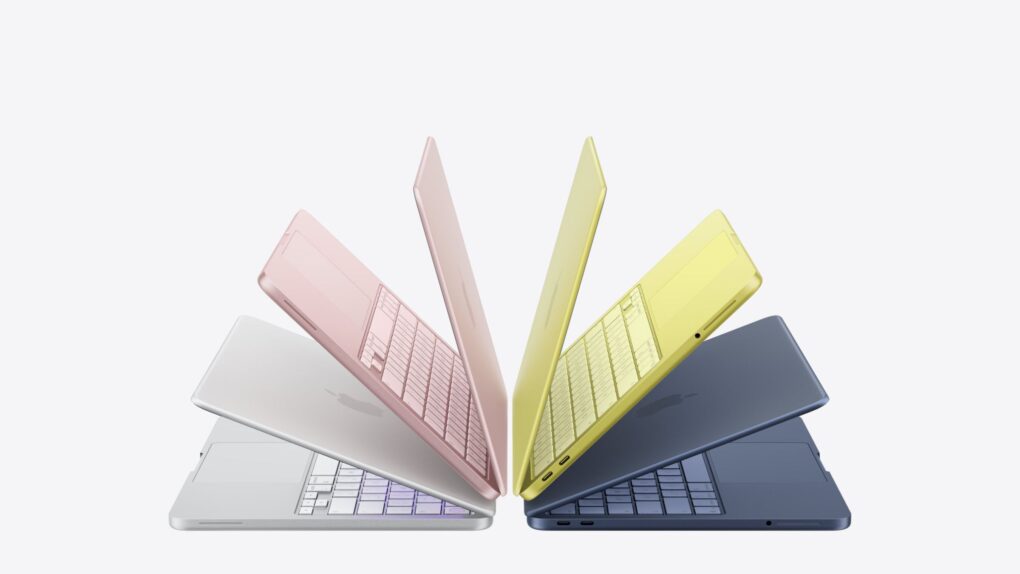
The PC industry just posted its worst quarter in two years, but the Mac is having a moment. New shipment data shows Mac sales grew by double digits at a time when every other big computer maker was tanking. Unsurprisingly, the reason comes down to the global chip shortage that’s wrecking the whole industry.
This matters because the same memory crunch dragging down Dell, HP and Lenovo is pushing the price up for your next Mac. Apple seems to be weathering the storm better than anyone else, but it isn’t immune, and the discount window for your next Apple hardware could be closing fast.
Everyone’s shrinking except Apple
According to the latest figures by the International Data Corporation, global PC shipments fell by 4.9% in the second quarter of 2026 — that’s Windows and Mac combined. That drop snapped nine quarters of straight growth and is the industry’s first decline in more than two years.
Lenovo held on to its top spot, but shipments slipped by 2.1%. HP and Dell shipments also fell by 9% and 5%, respectively.
Apple was the only exception, with Mac shipments recording 10.1% growth year over year. The company’s market share increased from 8.5% to 9.9% — its best figures in years.
The memory shortage is to blame
The culprit behind all this is the same one haunting all gadget categories this year: a global RAM and storage shortage largely driven by AI data centers gobbling up chip supply. Manufacturers are raising prices faster than demand is falling, which is why revenue keeps increasing even as shipments decline.
IDC says the memory shortage won’t ease up until early 2028, and analysts claim things will get worse before they get better. One IDC research director says vendors are already “bracing for further price hikes into 2027.”
Why the Mac is beating the odds
Apple nailed the timing. The MacBook Neo, launched in March this year, was an instant hit. This gave it a momentum boost right as rivals started stumbling. Apple’s sheer scale across iPhone, iPad and Mac means it can lock in supply deals smaller PC makers won’t be able to match.
But don’t mistake Apple’s growth for Apple being cheap. The company has already raised prices of some of its products to offset increasing memory costs, with the entry-level MacBook Air now selling for around $1,300.
“Apple’s share gain coincided with its latest product launch, the MacBook Neo, and while the company did raise prices in line with the broader market, it still remains well positioned against rivals facing the same cost pressures,” said Jean Philippe Bouchard, vice president for consumer devices at IDC.
Outgoing CEO Tim Cook has also acknowledged the component price pressure, saying Apple needs memory pricing to “return to reasonable levels.”
What it means for your next Mac
If you’ve been thinking about buying a new Mac, the smart move would be to do it sooner rather than later. Apple’s recent round of price hikes came in late June, and analysts say further hikes would squeeze the market next year. The MacBook Neo just proved Apple can still win on value, but maybe not for much longer.

Anurag Chawake is a tech-focused writer specializing in smartphones, apps and consumer technology. His interest in computers began during the Windows 98 era, eventually leading him to explore everything from operating systems to mobile devices and PC hardware. Anurag previously contributed to The Indian Express, covering Apple, Android, gaming and the broader technology landscape.