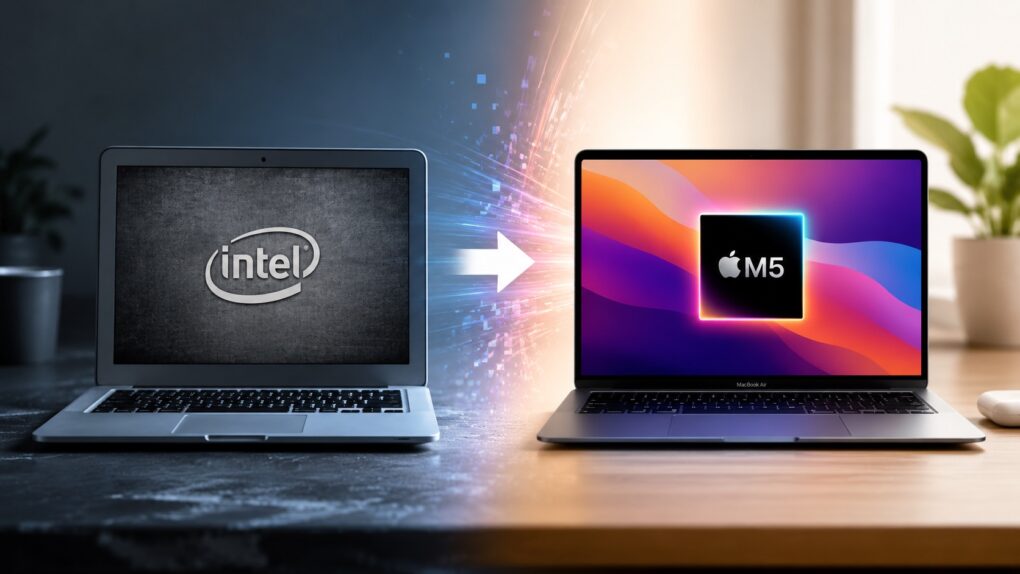
macOS 27 Golden Gate marks the end of the road for Intel Macs. If you’re still using one, this is the strongest reason yet to consider upgrading to an Apple silicon Mac.
While your Intel Mac will continue receiving security updates for a while, it has effectively reached the end of its journey. And that’s not a disaster, considering the newer Apple silicon Macs are not only faster and more efficient, but they’re also the ones getting access to all the new AI features. Here are eight reasons it’s finally time to upgrade.
Still using an Intel Mac? Here are 6 reasons it’s time to upgrade
Apple is no longer building the future of macOS with Intel hardware in mind. Every major announcement — from Apple Intelligence and Siri AI to system optimizations and performance enhancements — assumes your Mac is powered by Apple silicon.
Yes, your Intel Mac might be working fine. But it no longer delivers a true Mac experience, which has significantly evolved since the transition to Apple silicon.
Table of contents: 6 reasons to upgrade from Intel to Apple silicon Mac
- No more macOS updates
- Apple Intelligence is getting serious
- Developers are moving on from Intel Macs
- Apple silicon keeps getting faster
- Unrivaled battery life
- Apple silicon Macs will get longer software support
- Apple silicon is the future, not Intel
No more macOS updates
macOS 26 Tahoe is the final major software update for Intel Macs. Apple confirmed this in 2025 and reiterated it at WWDC26 when unveiling macOS 27 Golden Gate.
Apple ending support for Intel Macs in itself should not be the reason to replace a Mac that’s serving you well. The bigger issue is what comes next. macOS Tahoe has several rough edges, from Liquid Glass design inconsistencies to performance issues. Apple is resolving all of them in macOS 27.
But as an Intel Mac user, you won’t get to experience any of these benefits. Instead, you’ll be stuck with an operating system known for its rough edges. At best, Apple will only push out security patches and bug fixes for major problems, but that’s about it.
Apple Intelligence is getting serious
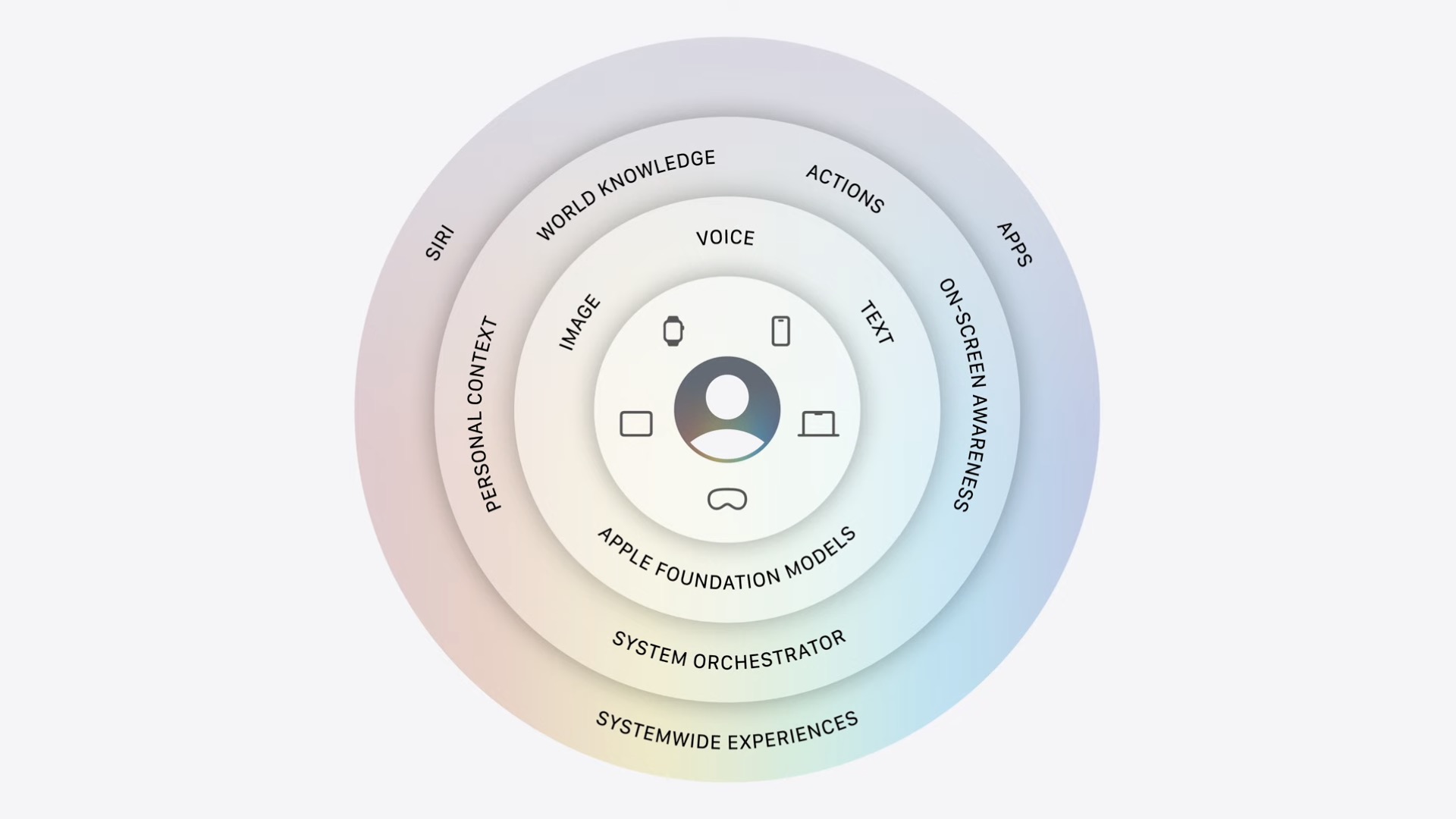
Image: Apple
Apple unveiled Apple Intelligence with much fanfare at WWDC24. In the two years since then, it became clear that Apple lags in the AI race compared to its competitors. None of the Apple Intelligence features were genuinely compelling to use.
macOS 27 (and iOS 27 and iPadOS 27) will change that for good. The upcoming release of macOS will introduce Siri AI, more capable Writing Tools and deeper system-wide AI integration that can understand context and perform actions across apps.
Intel-powered Mac owners will not gain access to any of these features. They are only coming to Apple silicon Macs with an M1 chip or newer. In fact, some Apple Intelligence features, like superior on-device voice typing and more expressive Siri voices, are only coming to M3 or newer Macs with 12GB of system memory.
More importantly, this is just the beginning. As Apple keeps adding new AI features to its operating systems, the AI gap between Intel and Apple silicon Macs will only widen. This way, you don’t just risk losing out on the current AI features but also what Apple releases in the future.
Developers are moving on from Intel Macs
Apple isn’t the only company leaving Intel Macs behind. As the installed base of Apple silicon Macs continues to grow, more developers are prioritizing Apple’s in-house chips when building and optimizing their apps.
Many of the latest AI-powered Mac apps and features already require Apple silicon because they rely on the Neural Engine for fast, on-device processing.
This trend will only accelerate now that Intel Macs no longer receive major macOS updates. While most existing apps will continue to work for a while, developers have little incentive to optimize new features for aging Intel hardware.
macOS 27 Golden Gate is also the last macOS release to support Intel apps. That means, from next year, all new and old Mac apps will only work on Apple silicon, leaving Intel Mac owners with an ever-growing list of compromises.
Apple silicon keeps getting faster
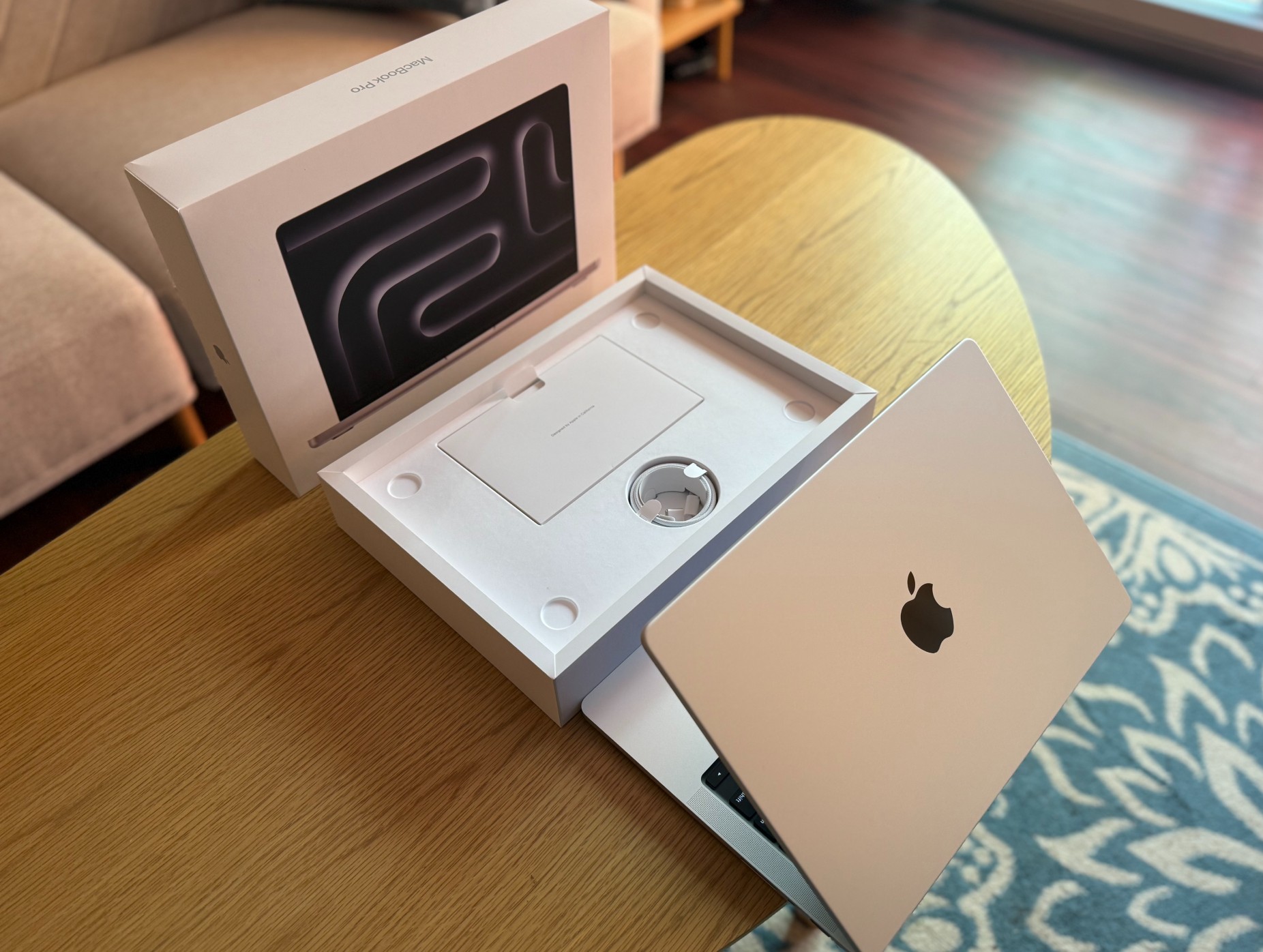
Photo: David Snow/Cult of Mac
The performance jump from Intel Macs to M1 Macs was so huge that it felt like a once-in-a-generation thing. So you might think that with the newer Macs, Apple would focus on delivering modest performance improvements. Instead, the company has relentlessly pushed the performance envelope with each new Apple silicon chip.
The latest M5 family delivers substantial CPU and GPU gains. The M5 chip features the world’s fastest CPU core, delivering unrivaled single-core performance compared to Intel and AMD’s best chips.
The M5 Pro and M5 Max are among the most powerful laptop chips in the world that can handle everything you throw at them, including the heaviest of AI workloads. The dedicated Neural Accelerator in each GPU core in the M5 chip vastly speeds up AI performance.
This top-tier performance makes Apple silicon Macs the best machines for AI workflows. It’s also why they are selling like hotcakes despite the broader PC market slowdown.
macOS 27 will only make things better, with Apple introducing several under-the-hood improvements for better performance. This should lead to faster app launch times, more responsive multitasking and better overall performance.
Unrivaled battery life
If you are still using an Intel MacBook, battery life is one of the biggest compromises you are currently making. You may be happy with your Mac’s battery life, but you have not experienced the efficiency of Apple silicon Macs yet.
All M-series MacBooks can easily last a workday on a single charge. That even includes light photo or video editing and AI-heavy tasks. I’ve been using Apple silicon MacBooks since early 2022, and even after all these years, their battery life continues to amaze me.
The difference was especially striking when I upgraded from my 2019 MacBook Pro. I was perfectly happy with its battery life at the time, but the first few weeks with an M-series Mac completely changed my expectations.
Suddenly, I could leave my charger at home, work from a café or airport for hours, and stop worrying about hunting for a power outlet before the day was over. It’s one of those upgrades that’s difficult to appreciate until you’ve experienced it yourself.
And in all these years, I’ve never once heard the fan spinning loudly on my M1 Pro MacBook Pro, M4 Pro Mac mini or the M5 Pro MacBook Pro. That’s a testament to the efficiency of Apple silicon Macs.
Apple silicon Macs will get longer software support
Apple typically supports its Macs with major software updates for six to eight years. Unfortunately, Intel Macs have now reached the end of that road, with even relatively recent models from 2019 receiving their final major macOS update six years after launch.
That’s not going to be the case with M-series Macs. The original M1 Macs continue to receive the latest macOS releases six years after launch, and Apple shows no signs of slowing support.
If you buy an M5 Mac today, you’re likely investing in a machine that will receive major macOS updates — and all major new AI capabilities Apple introduces — for many years to come. Instead of wondering whether next year’s WWDC announcements will leave your Mac behind, you can expect to enjoy Apple’s latest software innovations well into the future.
Apple silicon is the future, not Intel
To be clear, if your Intel Mac still works fine, there’s no reason to rush out and replace it tomorrow. macOS 26 Tahoe will continue receiving security updates for some time, and your existing apps will not suddenly stop working.
But macOS 27 Golden Gate and Siri AI make one thing clear: the future of the Mac belongs entirely to Apple silicon.
From Apple Intelligence and performance improvements to longer software support and better battery life, the gap between Intel and Apple silicon Macs will only continue to grow. The longer you wait, the more you’ll miss.

Rajesh has been writing about consumer technology for over a decade, with a strong focus on iPhones, Macs and Apple’s ecosystem. He enjoys digging into Apple software updates, hardware changes, and discovering new Mac apps that make work faster and more enjoyable.
You can reach out to him at mail[at]rajeshpandey.me.


2 responses to “Still using an Intel Mac? Here are 6 reasons it’s time to upgrade.”
I still pull out my 2017 Intel MacBook Air (running Monterey) for work, travel and the occasional cafe visit. Works as expected and runs about 95% of the apps on my M2 Mini.
I replaced the battery a couple of years ago, while Apple gave up supporting even earlier – but y’know what? It still works – and arguably is often more stable than my M2 running Tahoe.
Apple’s very recent price spike – and their rationale for it even on in-store stock built months ago – does not encourage me to trade-in either Mac for a new product.
IIABDFI (If It Ain’t Broke…) applies here.
I’ve got an i7 Intel MBP with 16GB RAM that I use for travel and cafe work as a writer. Word and Chrome exclusively. Works great and I’ll keep it until it dies. My home computer is an M4 Mini w/ 16GB. Once the MBP gets going, it runs Word and Chrome just as fast as the Mini.