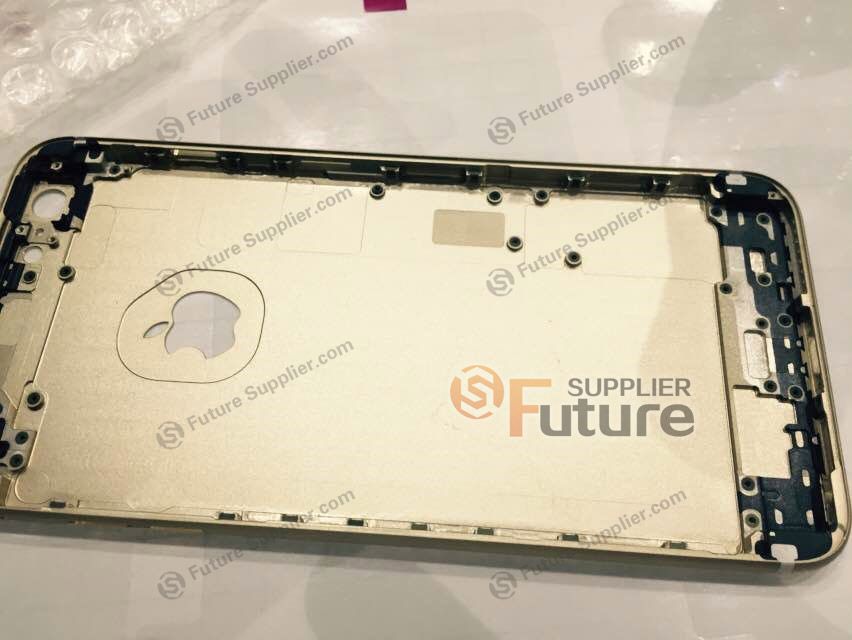
Here's the rear housing for the iPhone 6s with a few observable design tweaks. Photo: Future Supplier
Ahead of a probable announcement in September, it looks like we can already get a sneak peak at the iPhone 6s Plus – or at least the back of it. The rear housing leaked and there are plenty of photos to gaze at and of course scrutinize for months to come. Some very small differences in the casing have already garnered some attention.
May as well have sent a confession via iMessage. Photo: Los Angeles Police Department
iPhone cameras are getting better and better all the time, with the upcoming iPhone 6s reportedly set to receive one of the bigger camera upgrades in recent memory.
While most of us are happy about this, we’re assuming the guy pictured above is cursing the day Apple decided to include a front-facing camera on its handsets — since it’s caught him in the act of robbing an iPhone, and now gives the police a perfect mugshot it can use for identification purposes.
Rock your way to a full charge. Photo: UC Berkeley
Four undergraduate students at UC Berkeley created a rocking chair called the Volta that stores kinetic energy from an attached pendulum.
At first, the team thought such a chair would be a novelty, a student project that had rocking chair users see how much energy they could generate from rocking back and forth.
Of course, once chair sitters interacted with the smartphone app that tracked the energy they were producing, they wanted a USB port to keep their iPhone charged up.
Whether you’re talking about an iPhone or a MacBook, extending battery life is one of the biggest challenges faced by both engineers and users.
According to a new patent application published today, one of the ways Apple is looking to solve this problem is by incorporating solar cells into its future trackpads, Magic Mice, wireless keyboards, and iPhones.
A way of cutting down — or possibly even removing — the need to continuously plug in our beloved Apple devices in order to keep them juiced up? Yes, please.
Paint away the stuff you don't want in your photos with ease. Photo: Pixelmator
If you’re looking for a best-in-class photo retouching and editing app, you can’t go wrong with Pixelmator, available both for Mac and iOS.
The mobile version is utterly fantastic, letting you engage in the same sort of high-end photo editing, painting, and graphic design that you find in the desktop version for a fraction of the price.
The new update, which came out on Tuesday, ramps up the photo Repair tool to something that’s five times as fast, and even more precise. There’s also a new Dynamic Touch system, which lets you use the tip of your finger for thin strokes and the pad of your finger for thicker lines.
You won’t see this kind of subtlety and power in any other photo app, especially for $4.99.
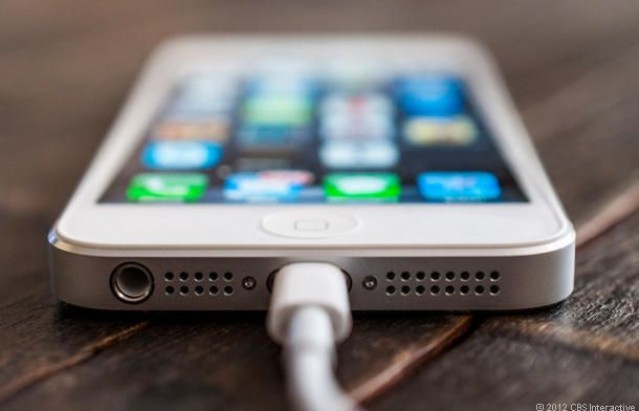
The man who was charged for charging. Photo: CBS Interactive
We’ve heard about iPhone-related crime before, but here’s one that’s new: A U.K. man in London who was arrested by police after charging his iPhone on a train.
45-year-old artist Robin Lee was approached by a police community support officer on board the train last Friday, warned that he was “illegally extracting electricity.” When Lee arrived at his destination, police officers were waiting to arrest him.
Newsflash -- Apple is making some major bank. Photo: Jim Merithew/Cult of Mac
Anyone wanting an illustration of why smartphone unit sales are not the single most important metric for judging success should check out wealth management company Canaccord Genuity’s findings about Apple’s iPhone sales versus profits.
According to Canaccord Genuity, despite selling less than 20 percent of all smartphones, Apple rakes in a massive 92 percent of operating income. Samsung, by contrast, ekes out just 15 percent to take second place. Everyone else basically broke even or lost money.
If it's not an iPhone, it's not an iPhone. Photo: Apple
With unparalleled numbers of orders from Apple, the iPhone 6s and 6s Plus may be the handset everyone’s talking about right now, but don’t think that Cupertino has given up on its previous record-breaker, the iPhone 6.
The company has debuted not one, two, three, but seven new ads and commercial spots showing off Apple’s current-gen iPhones. Check them out below:
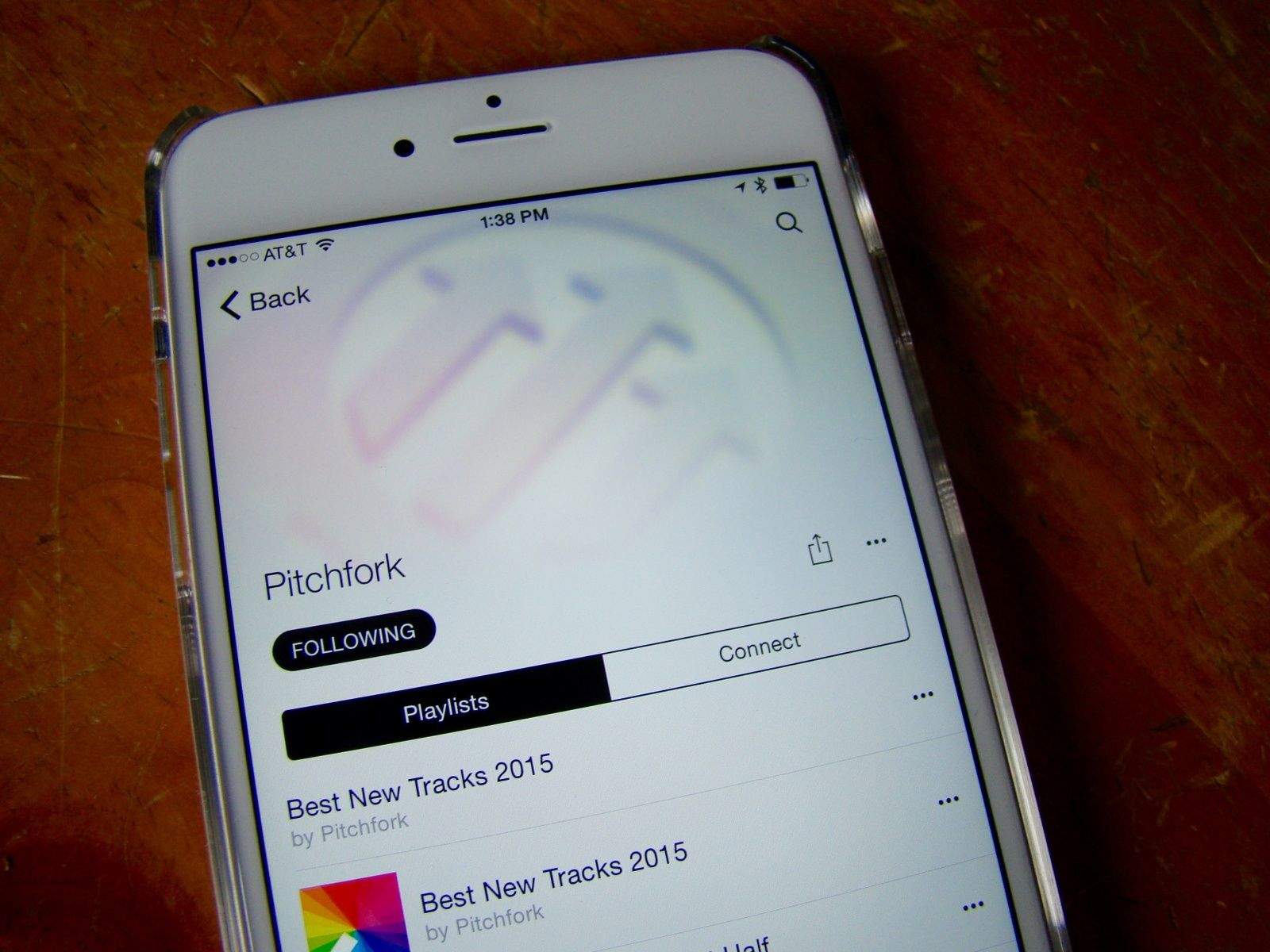
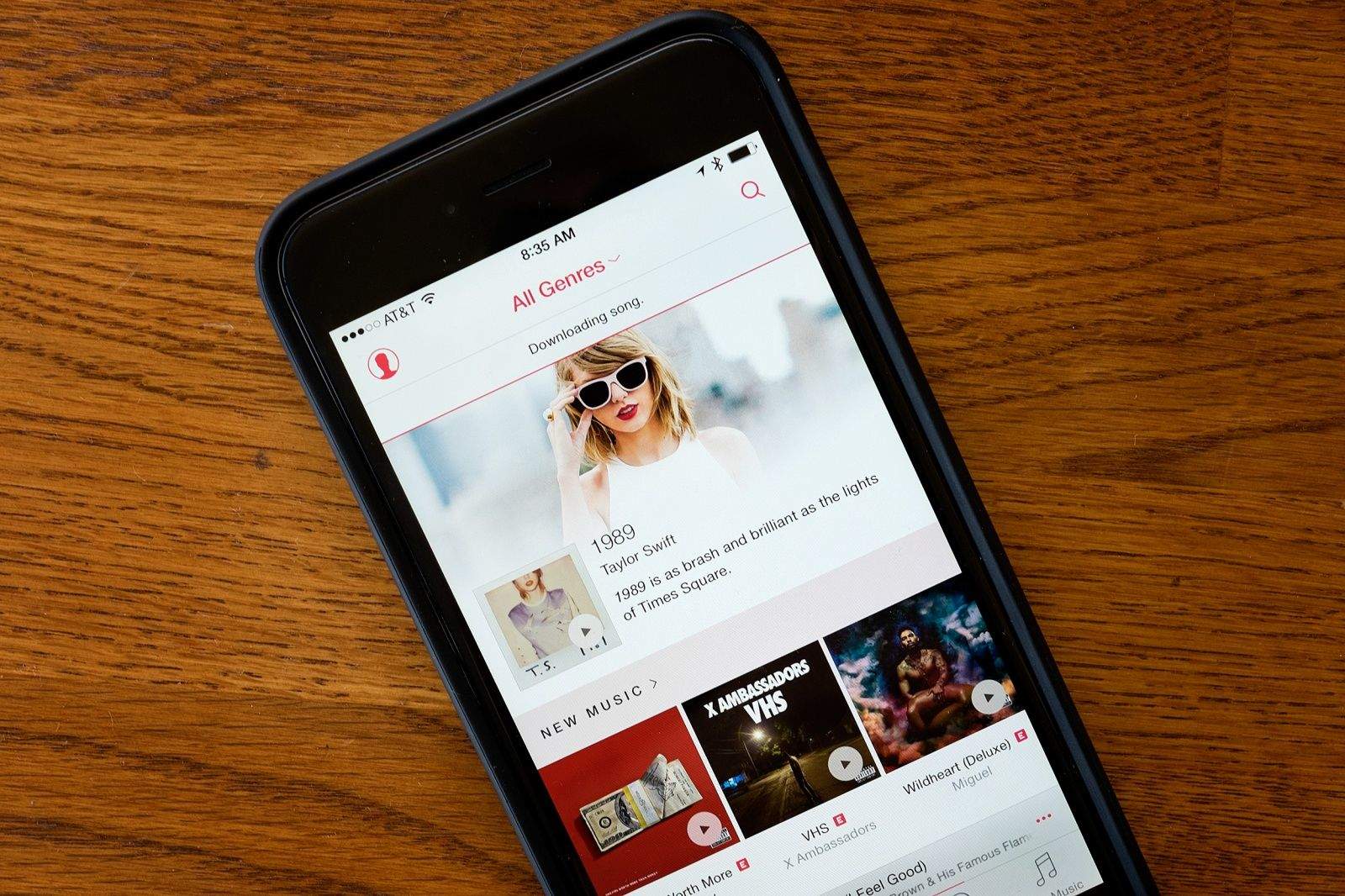
You'll see way more new music suggestions this way. Photo: Rob LeFebvre/Cult of Mac
Apple Music Connect is like another version of Apple’s failed Ping service. It’s being promoted as a way to keep in touch with your favorite artists, but man is it impersonal.
My Connect page is full of bland PR-style stuff and links to buy music from artists I’m following. There’s just not enough quality posts in there to justify checking it each day.
Until now. Jonathan Poritsky has a fantastic idea over at his music blog: why not follow the folks on Apple Music who actually share and curate music? Follow Julie Adenuga, Zane Lowe, or any of the genre or curator profiles hidden in Apple Music.
These are the folks that are sharing amazing music. Here’s how to follow them.
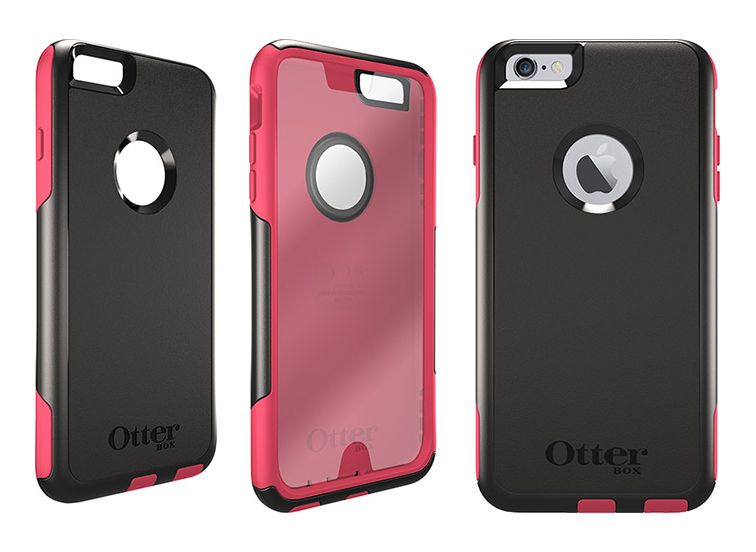
That weird, random window on your Otter Box case may one day serve a purpose other than letting that part of your iPhone get scratched up. Photo: Otterbox
That Apple logo on your iPhone sure is pretty, but it doesn’t do a whole lot other than remind you who made your phone in case you forget. It’s kind of lazy that way, really.
But a recently published patent suggests that Apple might put that shiny bobble to use in future models of its hardware.
iOS 9 beta 3 landed in developers' pockets today and brought various improvements with it. Photo: Apple
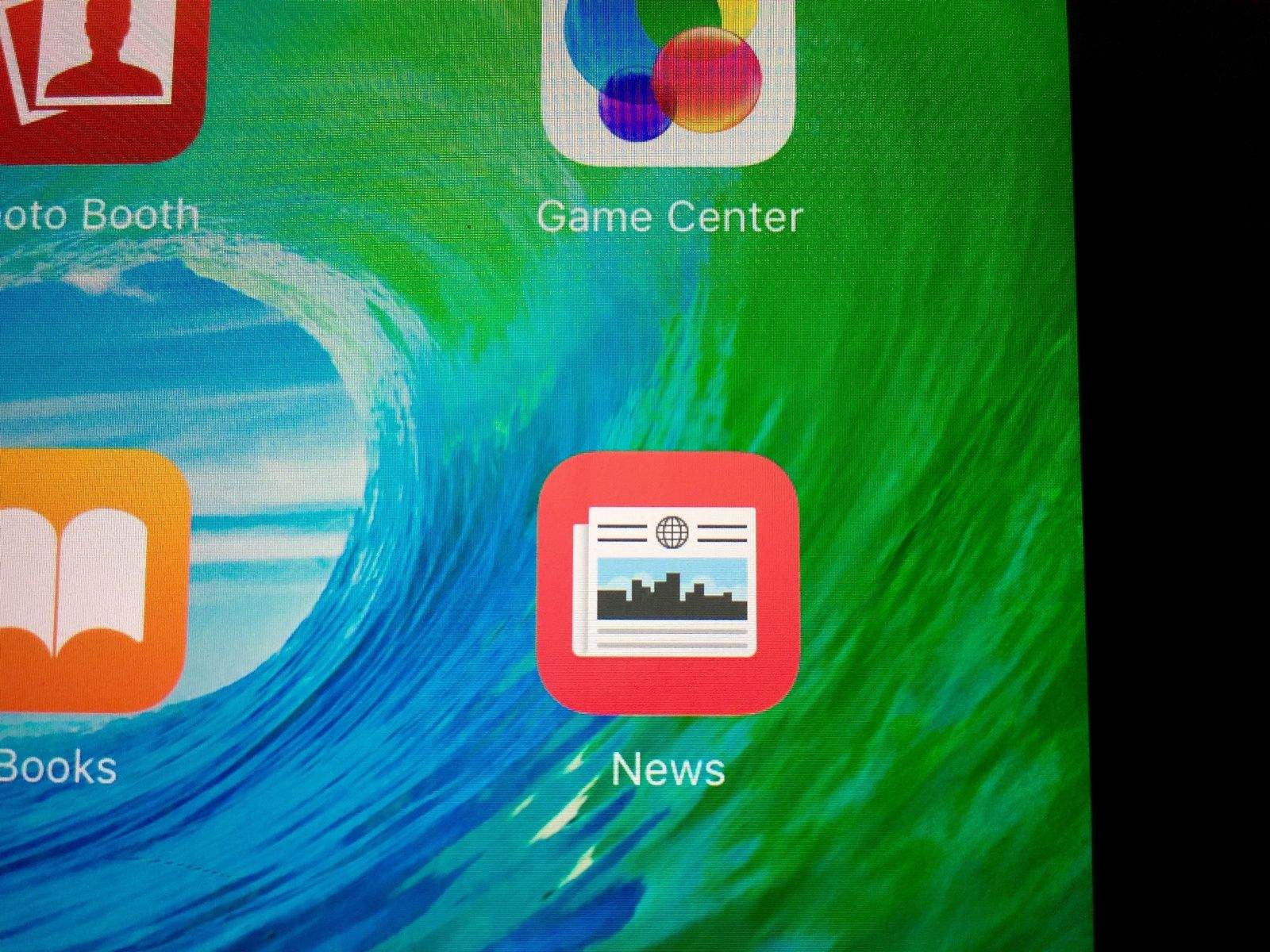
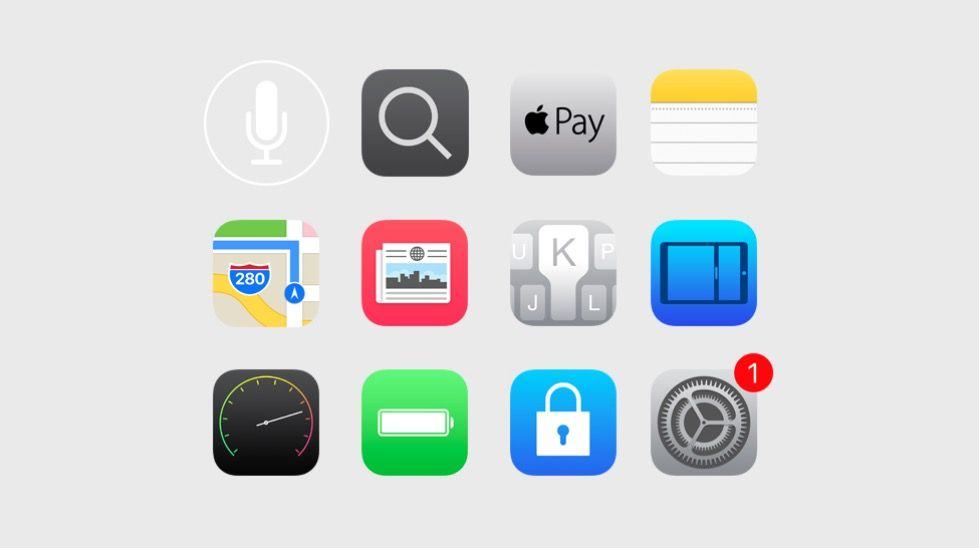
Another day, another iOS beta. Two weeks after Apple released iOS 9 beta 2, here arrives iOS 9 beta 3 for developers. If you haven’t already yet, go download it on your iPhone and iPad. Most notably, this is the first iOS 9 beta that includes support for Apple Music and the redesigned Music app. However, iOS 9 beta 3 brings many other changes and improvements like Apple News and even a photo album just for your selfies. Take a look.
Home Sharing coming back to iOS 9, says Apple's Eddy Cue. Photo: Apple
According to Eddy Cue, Apple’s senior vice president of Internet Software and Services, his team is on top of the recent removal of Home Sharing from the iOS 8.4 update.
Cue tweeted that we can expect the feature, which lets you share music across Home Sharing-enabled Apple devices on the same network, will return in iOS 9.
Apple won't just let any iPhone or iPad case in its retail stores. Photo: Apple
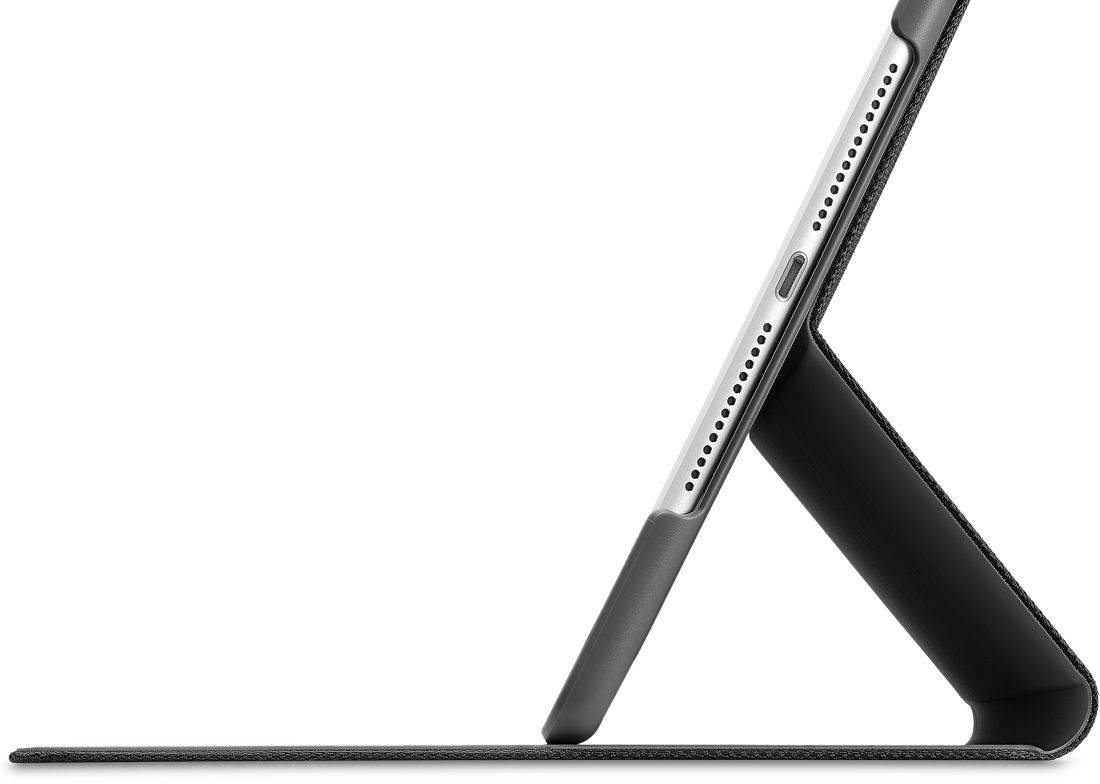
Apple put up a new page on its website detailing the qualifications that third-party iPhone and iPad accessory makers must meet before the company will start selling those products in retail stores or online in the Apple Store. It’s not exactly the easiest process to meet Apple’s high quality standards. In fact, Apple now touts that these cases are “tested to the limit” before they make it on store shelves.
The iPhone’s standby mode is coming under fire from the state-controlled media in China, which released a new report claiming Apple’s smartphone is stealing data from customers.
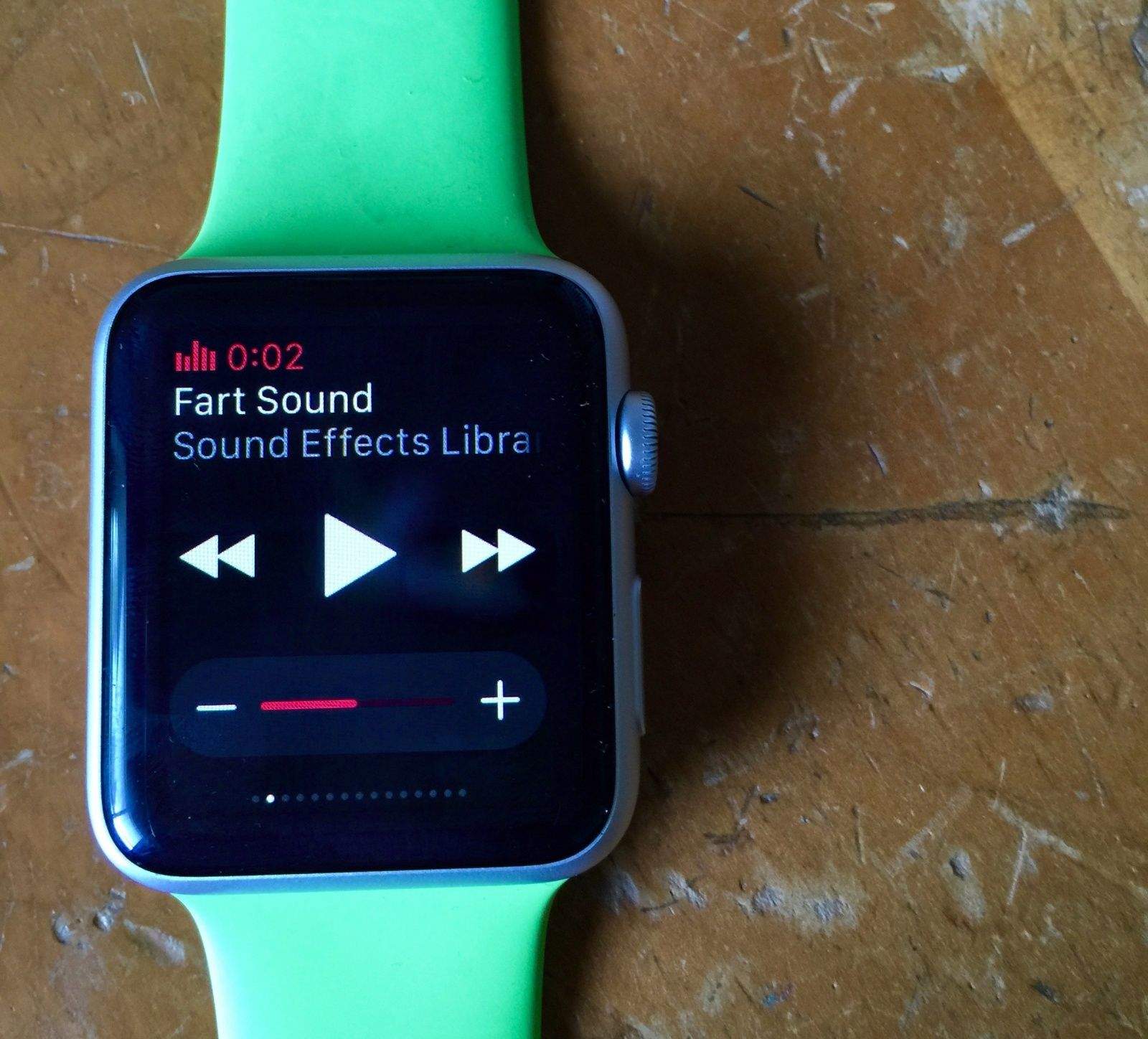
Farts are funny, alright? Photo: Rob LeFebvre/Cult of Mac
If you’ve got the future strapped to your wrist and an iPhone paired with said Apple Watch, you can prank your friends with the lowest form of humor imaginable: the fart sound.
You’ll also need Apple Music, as this trick relies on the sound effect albums therein.
Here’s how to fart at your friends without actually soiling your own shorts.
John Sculley drew a 'Mac phone' concept for Steve Jobs back in the 80s. Photo: Web Summit/Flickr CC
Former Apple CEO John Sculley dropped some interesting new tidbits about Apple’s history in a recent interview. He said that all the way back in 1984, Jobs was dreaming up the idea of a “Mac phone.”
This “Mac phone” would be a desktop device that acted as a phone, but ran a version of the Mac’s software.
Brad Mangin's portrait of a high school football player was selected for Apple's "Shot on iPhone 6" ad campaign. Photo: Brad Mangin/Apple
Cult of Mac’s Photo Famous series introduces you to the groundbreaking photographers featured in Apple’s “Shot on iPhone 6” ad campaign.
Brad Mangin’s friends gave him a good ribbing as “the last photographer on the planet” to carry a flip phone. They all had iPhones and couldn’t believe it took him so long to not only own one but discover the picture quality of the phone’s camera.
Laughter would turn to admiration in less than a year’s time. Mangin would go on to use his first iPhone to produce a robust baseball essay for Sports Illustrated and get a book deal with his iPhone pictures.
Humans react to innovative things like the Apple Watch fairly predictably. Photo: Jim Merithew/Cult of Mac
If you’re one of the people out there who haven’t taken the plunge on an Apple Watch, you’re not alone. While Apple’s latest wearable has gotten a ton of press and sold really well, a lot of the rank and file out there might think it’s a toy, or only for rich folks.
In fact, says journalist Morgan Housel over at Time, most people throughout history have pretty predictable responses to new things.
He has a list of reactions to new innovative inventions, each of which are reactions we’ve all heard (or had) when the Apple Watch (or the iPad, or the iPhone) was launched.
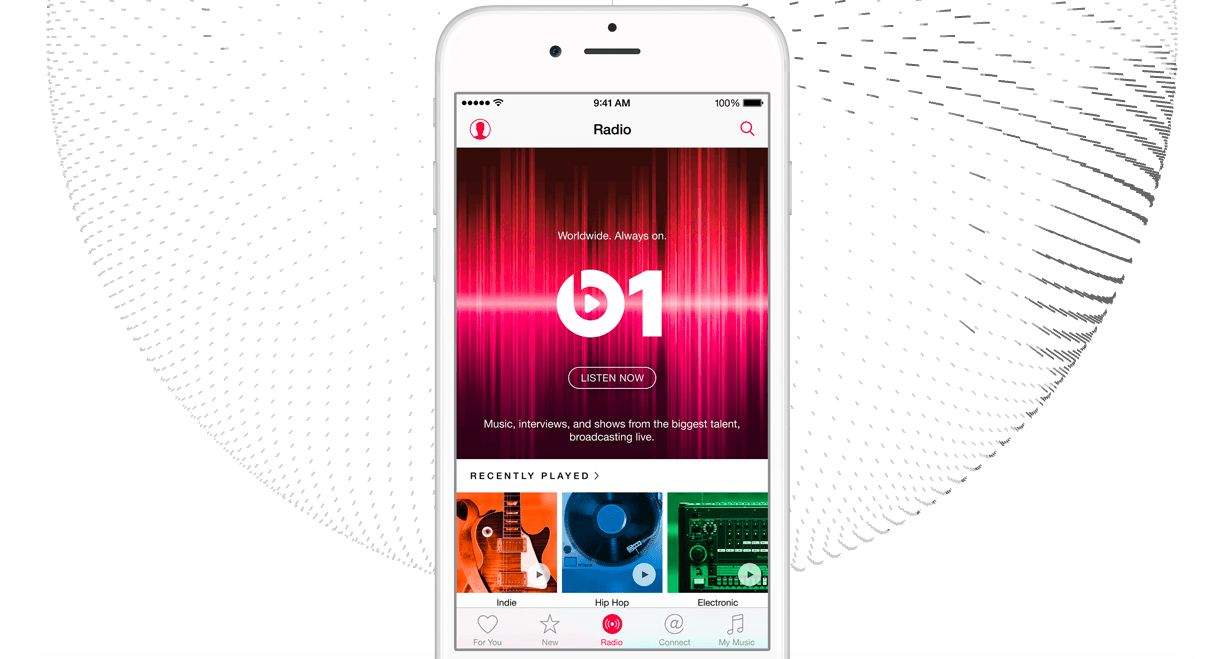
Beats 1 Radio is live on Apple Music, but is it worth your time? Photo: Apple
Open your iOS 8.4 Music app and start listening. Beats 1 radio went live today at 9 a.m. Pacific time or 12 p.m. Eastern time, one hour after the launch of Apple Music itself. But is it any good? I’m your fellow music lover here to answer that question in as much depth as possible based on some first impressions.
First, a little background: Apple’s own radio station billed as “programs from people who love music” will stay live 24/7, broadcasting in over 100 countries. The station promises interviews with A-list celebrities and even radio shows hosted by the celebrities themselves every so often. They’ll create their own playlists and mixes and broadcast some of their favorite tunes. Jaden Smith will have his own show, so prepare to have an existential crisis.
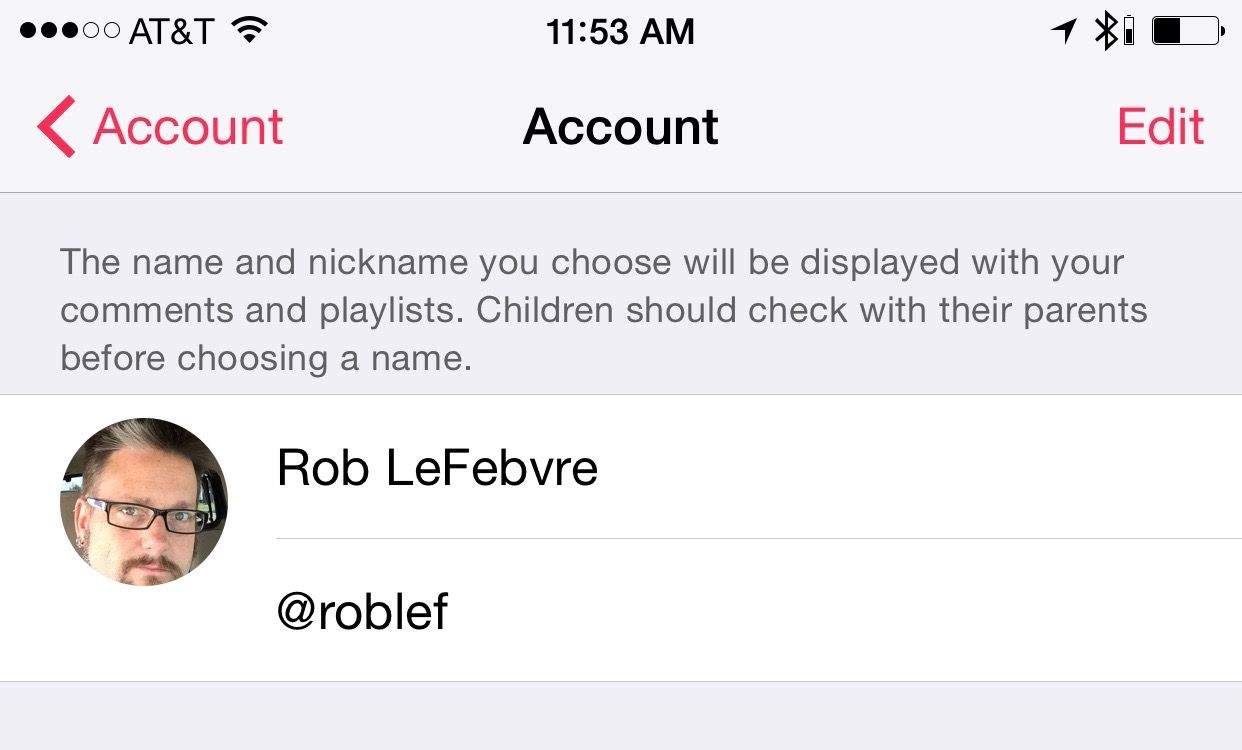
Add your unique username for Apple Music Connect before someone else snags it. Screen: Rob LeFebvre/Cult of Mac
When you sign in to Apple Music, you have access to Apple’s new music-centric sharing and socializing system, Connect.
While Ping may have come to an an ignominious end, Connect has the advantage of being integrated into the new, exciting Apple Music to the very core, and will let everyone signed into an Apple ID account (not just Apple Music members) use the system to follow their favorite artist.
When you comment on a Connect post, though, you’ll be known by a user name, which uses the @ symbol just like Twitter.
If you want to have something unique, though, you’ll need to act quickly and enter it now, before the service gets clogged up with all the other people that might want your specific user name. Here’s how to do just that.
Discover stuff large and small with Apple's new Music service. Photo: Jim Merithew/Cult of Mac
I’m a streaming music junky. I gave up collecting, owning, and maintaining music files on my own Mac years ago and I’ve never looked back. It’s the only sensible way to have access to millions of songs without having to worry about storing them.
I’ve used and tested Rdio, Spotify, Beats Music, and other on-demand streaming services over the past few years, so it made sense to check out Apple Music, the new on-demand service to come out of Cupertino.
It’s going to take some time to dig in deep, but so far, Apple Music is proving to be an amazingly comprehensive streaming music product that focuses on discovery, something that the competition struggles with. Within minutes of downloading iOS 8.4, I’m already listening to a playlist of artists I know as well as those I don’t – a perfect blend of old and new.
I’ve found a new streaming service to love in Apple Music, and I think you will, too.
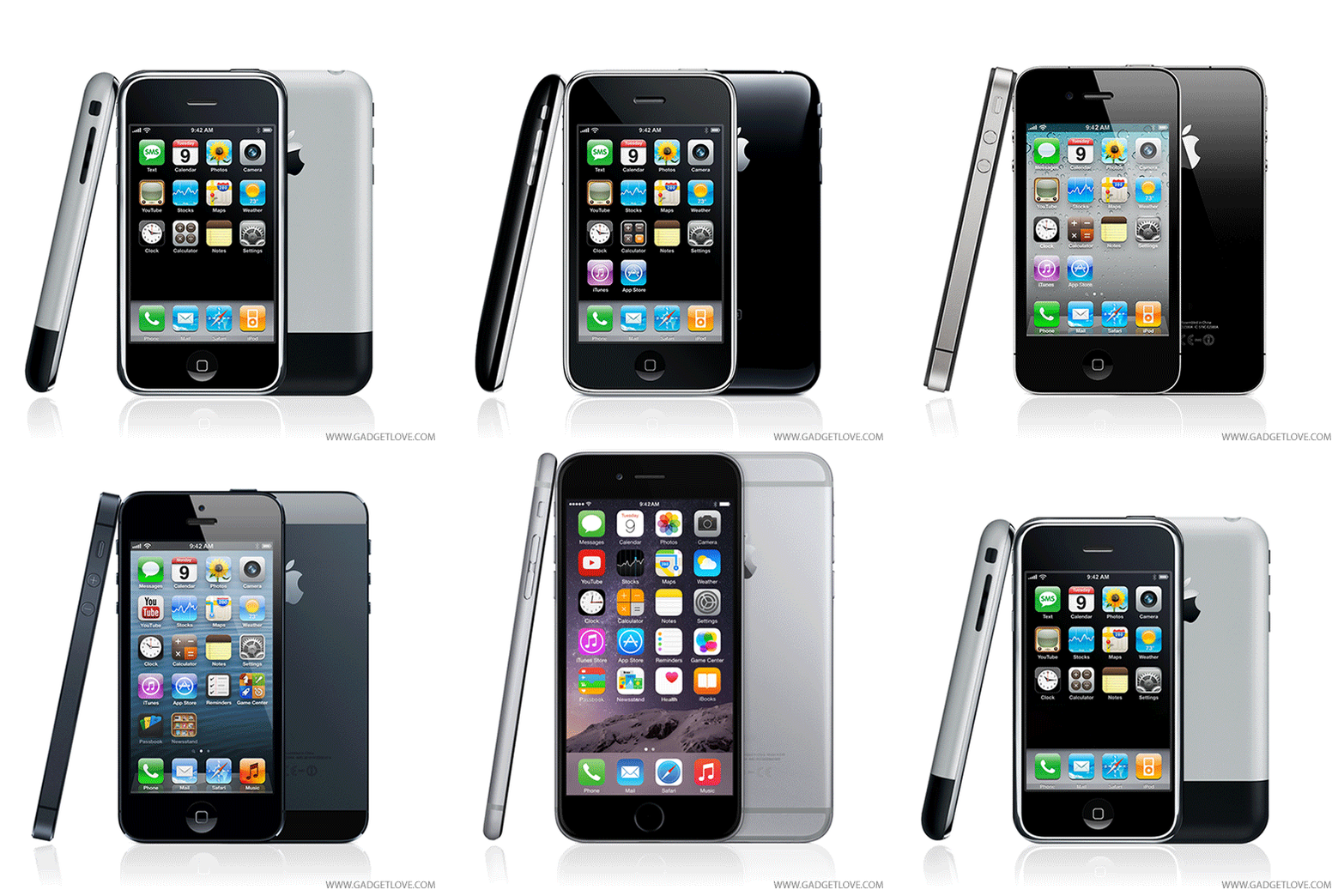
How the iPhone has evolved over the years. Photo: Gadgetlove
The original iPhone first went on sale eight years ago today, on June 29, 2007 — a simpler time when Pixar released the movie Ratatouille, the NFL shut down its European league, Rihanna’s “Umbrella” topped the music charts, and Apple stock sold for a measly $17.43.
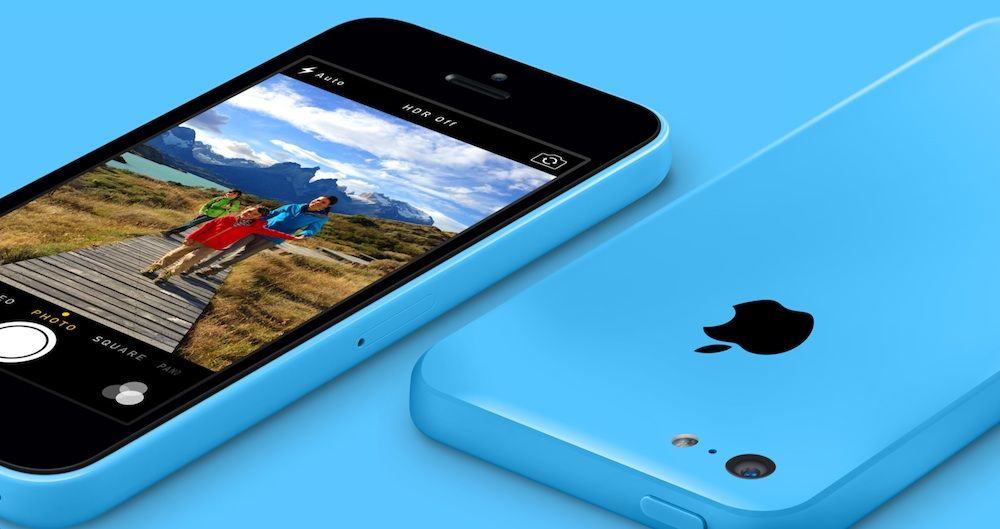
Low Power Mode will still make your iPhone 6 more powerful than the 5c. Photo: Apple
It’s no surprise that the iPhone 6 and iPhone 5s are significantly faster than the iPhone 5c. Yet, even with iOS 9’s Low Power Mode turned on, the newer phones still manage to make long strides over that plastic (yet colorful) contraption.
Geekbench released an update to its app today, adding support for iOS 9. Even though iOS 9 is still in beta, the new tools have already revealed some surprising facts about the iPhone 6. Upon running benchmarks on an iPhone 5c and iPhone 6 in low power mode, the tools show that the iPhone 6 is still more powerful that the 5c.
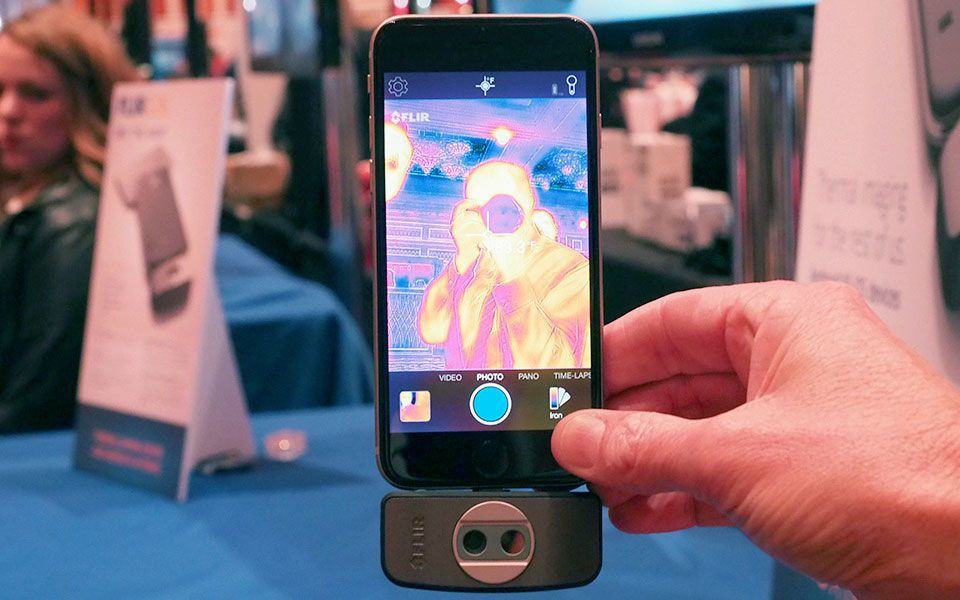
The second-generation FLIR One thermal camera is now available for iOS devices. Unlike the first-gen FLIR one which came as an iPhone 5/5s case, this standalone accessory attaches to your iPhone or iPad via a Lightning connector — and offers you 4x better resolution in the process.