Roblox adds AI creation to its promise that “You make the game.” Image: Roblox
Got a game idea but no idea about how to code it? Roblox just made that far easier. The company is now rolling out Build, a new AI game creation tool for iPhone and iPad. Simply type a prompt in plain English, and Build turns it into a playable — no desktop editor required.
Roblox is betting that generative AI can dramatically lower the barrier to game development.
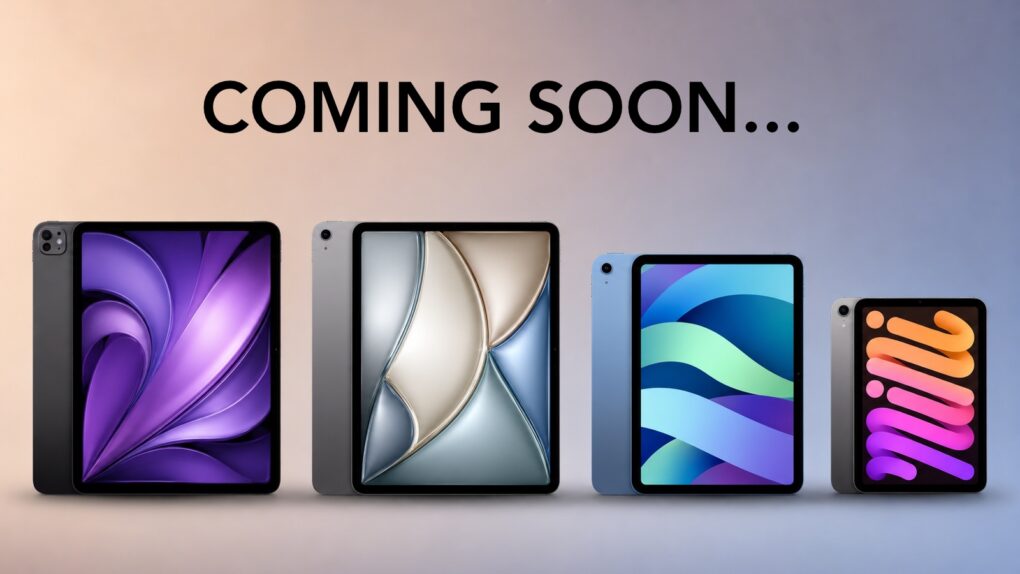
There's so much for iPad fans to look forward to. Image: Cult of Mac/Apple/ChatGPT
Want to know which iPad models will get revamps in the next year? The answer is easy: all of them. Every single one.
An iPad mini upgraded with an OLED is reportedly at the top of the list, and we can look forward it being followed by new versions of the basic iPad, iPad Air and iPad Pro… each before the end of spring 2027.
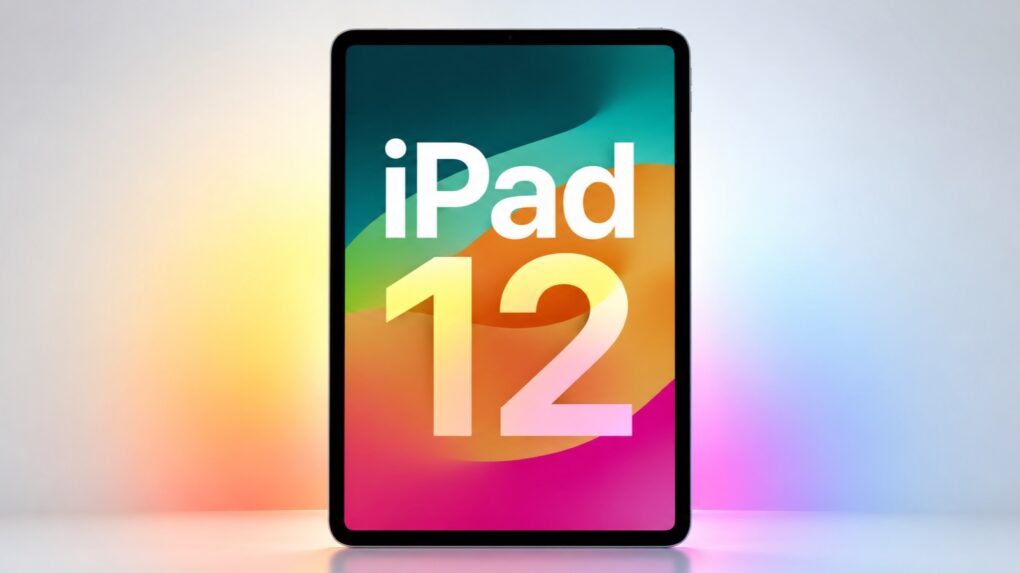
The iPad 12 will bring significant internal upgrades to this budget tablet. AI image: Apple/ChatGPT/Cult of Mac
The basic iPad could become a much smarter buy this fall: the iPad 12 will reportedly get a processor boost that will let the tablet take advantage of Apple’s new AI features.
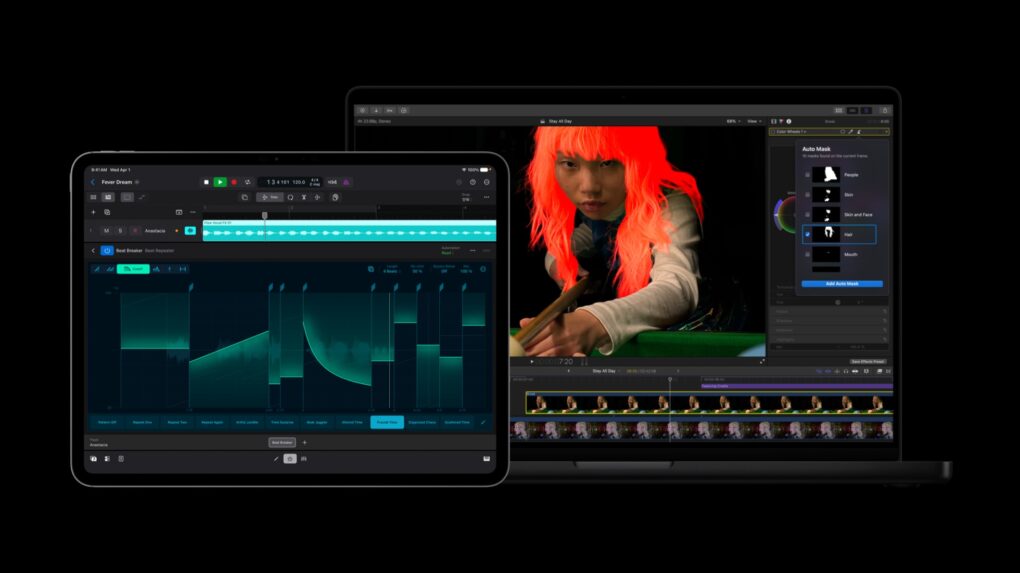
The Apple Creator Studio app bundle got a series of updates. Photo: Apple
Apple rolled out a fresh batch of updates to Apple Creator Studio Tuesday, sharpening AI features inside its flagship video and music apps while weaving Pixelmator Pro’s editing tools directly into Final Cut Pro, Keynote, Pages and Numbers.
The updates expand on the role Mac, iPad and iPhone already play for creative work. They layer in new AI capabilities across editing, photo and music workflows.
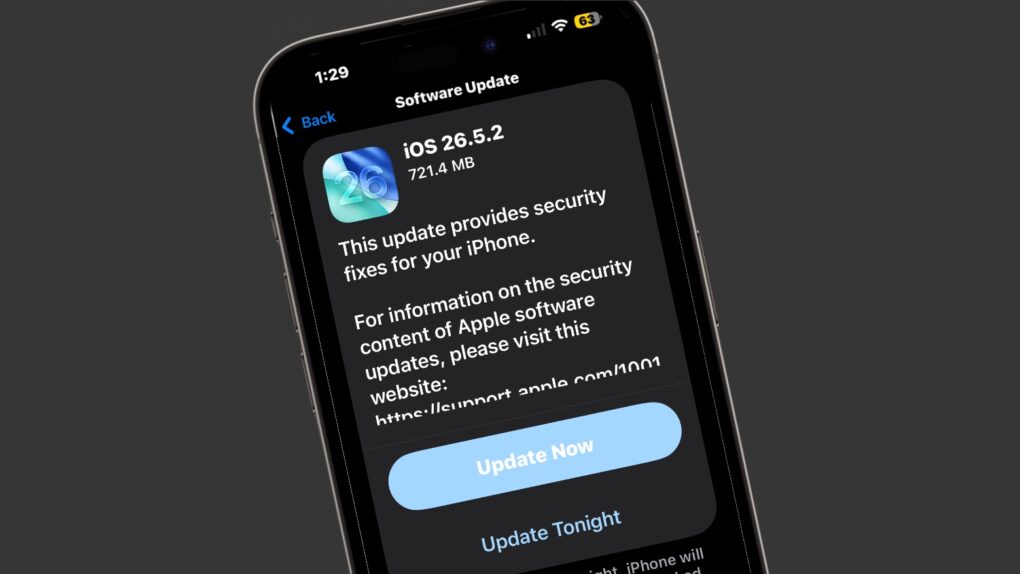
There are just so, so many security patches in iOS 26.5.2. Image: Cult of Mac
Apple released iOS 26.5.2, macOS Tahoe 26.5.2 and iPadOS 26.5.2 on Monday with no additional features but lots of security fixes. There are no fewer than 29 of them listed in Apple’s documentation.
Clearly, even though they lack fun new features, you should install these updates ASAP.
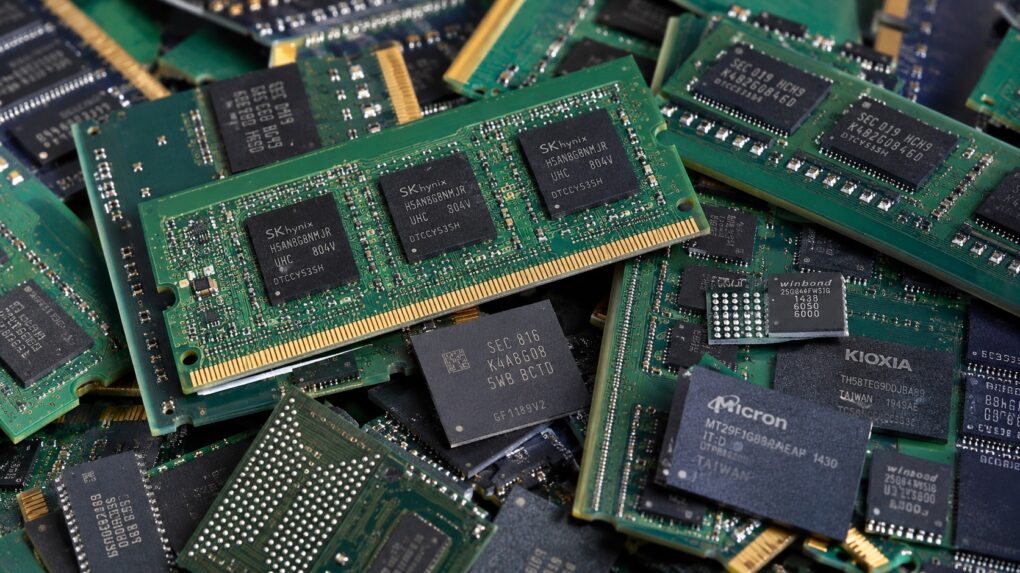
There's a global shortage of memory chips. But whose fault is that? AI image: ChatGPT/Cult of Mac
Macs and iPads just got a lot more expensive overnight, with prices jumping 15% to 20%. Apple says a global memory chip shortage forced its hand, but a top executive at one of its own memory chip suppliers hinted Apple may have helped create that shortage in the first place.
What makes this interesting is the timing: a Micron executive’s pushback on memory prices lands right as Apple blames the memory shortage for its price hikes. So who is really to blame? Here’s what’s going on.
Prime Day is from June 23 to 26, 2026. Graphic: Amazon/D. Griffin Jones/Cult of Mac
Prime Day is always an advertising blitz of products — what are the good products and what’s crap? At Cult of Mac, we put together the best Amazon Prime Day deals on the products we’ve actually used, reviewed and love.
While the occasion is as artificial and arbitrary as ever, the pressure is actually real this year. Apple CEO Tim Cook warned earlier this week that prices are inevitably going to rise sometime soon. So if you’ve been thinking about a new computer, now may be the best time.
We review tons of products, from official Apple products to top accessories offered to our staff. Take a look at some of our top recommendations this Prime Day.
Leaking pre-release images could land you behind bars. Photo: Leander Kahney/Cult of Mac
June 15, 2011: Chinese authorities sentence three people to prison for leaking information about the iPad 2 prior to its release.
The Foxconn R&D employees receive sentences ranging from one year to 18 months. They also must pay fines between $4,500 and $23,000. If you ever wonder why more Apple products don’t leak prior to release, this might help explain why!
The new tools should help parents create safer digital experiences for their kids. Photo: Apple
A sweeping set of child safety features including parental controls give families sharper tools for managing what kids see, who they talk to and how long they spend on devices, Apple said Monday at WWDC26.
“At Apple, our mission has always been to create technology that empowers people and enriches their lives, while helping keep them safe,” said Sumbul Desai, M.D., Apple’s vice president of Health and Fitness.
“Our approach to helping families create safer digital experiences is grounded in the belief that every child is unique,” she added. “That’s why we build simple and intuitive tools, based on expert guidance, to let parents tailor their kids’ digital journey.”
The features arrive with iOS 27, iPadOS 27, and macOS 27 this fall.
We're not saying any of these tech executives would go to jail, but the UK may target anyone whose products let kids see nudity on their devices. AI image: ChatGPT/Cult of Mac
The UK government plans to compel Apple, Google and other technology companies to block children from encountering any nudity on their devices like iPhones and iPads — and to imprison executives who fail to act for up to 5 years, according to a new report Friday about policy changes in the works.
Seems like the sort of thing that could make incoming Apple CEO John Ternus a little nervous.
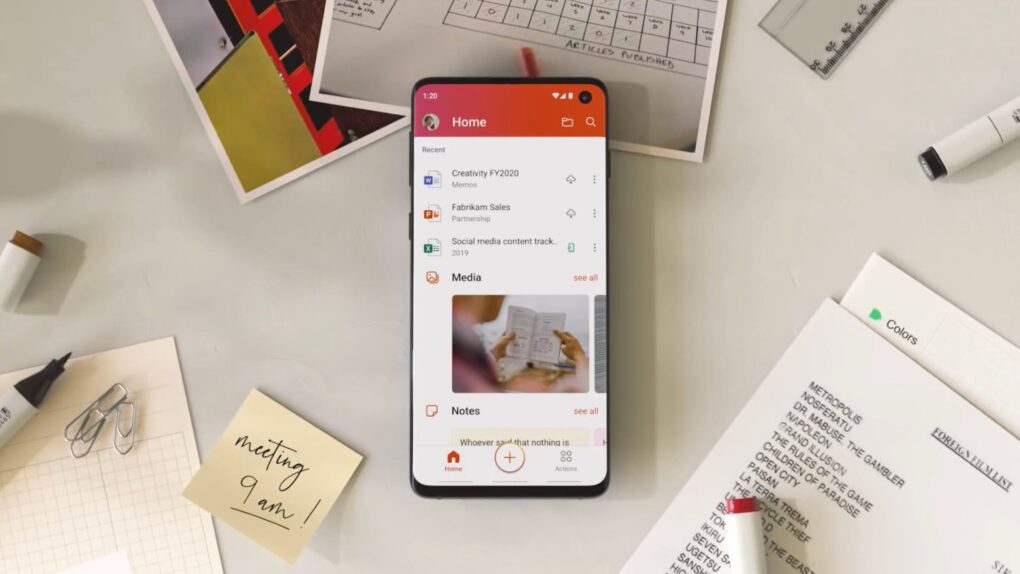
Old iPhones and Macs will soon be unable to edit and create Microsoft Office files. Photo: Microsoft
If you use an older Mac, iPhone or iPad, Microsoft might be about to break your Office apps. Starting July 13, Word, Excel, PowerPoint, Outlook and OneNote will stop letting you edit, save or create new files unless you meet certain requirements. You’ll still be able to open and print documents, but that’s it.
The move affects more people than you might think. If you’re running anything older than iOS 17 or macOS 11 Big Sur, your Office apps will mostly be defunct. Microsoft calls it “reduced functionality mode,” which is a fancy way of saying your Office apps will lose editing functionality.
Rumors of iPadOS 27 give iPad users so much to be excited about. Image: Cult of Mac
With Apple’s WWDC26 keynote just days away, the latest iPadOS 27 rumors should give iPad owners plenty of reasons to pay close attention. Beyond the new artificial intelligence features for all Apple devices, tablet users can look forward to Monday’s keynote unveiling of iPadOS 27 enhancements that should make tablets easier to use in multiple ways.
Here are four reasons for iPad users to be eager for these announcements, whether you use your tablet for writing, creative projects or daily multitasking.
The iPad finally went international on this day in 2010. Image: Apple
May 28, 2010: Customers across Europe and Asia queue up to buy the iPad when the international launch date for Apple’s original tablet finally arrives.
The reason for the gap between the iPad’s U.S. launch in early April and its international debut more than a month later? Unexpectedly strong demand for the groundbreaking device.
Students use iPad to study the Cherokee language. They write out words and phrases in Notes and record themselves speaking them aloud to practice good pronunciation. Photo: Apple
In the hallways of the Cherokee Immersion School in Tahlequah, Oklahoma, a quiet revolution is underway. Students from pre-kindergarten through eighth grade are learning to speak a language that fewer than 1,500 people in the world still speak fluently — and Apple technology is helping make it happen as iPad and Mac revitalize Cherokee language, the iPhone giant reported in a new feature story Thursday.
“The technology that we utilize with Apple has allowed us to take everything that we really are trying to achieve here, which is the perpetuation and the revitalization of Cherokee language and culture, and use that same technology to make it relevant to the young people that are learning here,” said Chuck Hoskin Jr., Cherokee Nation’s principal chief.
Most Apple devices saw increases in trade-in value. Photo: Pixabay CC
If you’ve been sitting on an older Apple device, now might be a good time to put it toward something new. The iPhone giant has quietly updated its U.S. trade-in estimates, boosting values across most of its current iPhone, iPad, Mac and Apple Watch lineup.
The new M4 iPad Air added significantly to Apple tablet shipments last quarter. Photo: Apple
The M4 iPad Air that launched in March contributed strongly to robust growth in Apple’s tablet shipments.
As a result, the iPad’s share of the global tablet market increased. Approximately 2.5 times as many Apple tablets sold last quarter as the iPad’s biggest rival.
This user's setup changed a lot since the one we showcased in early 2024. Photo: [email protected]
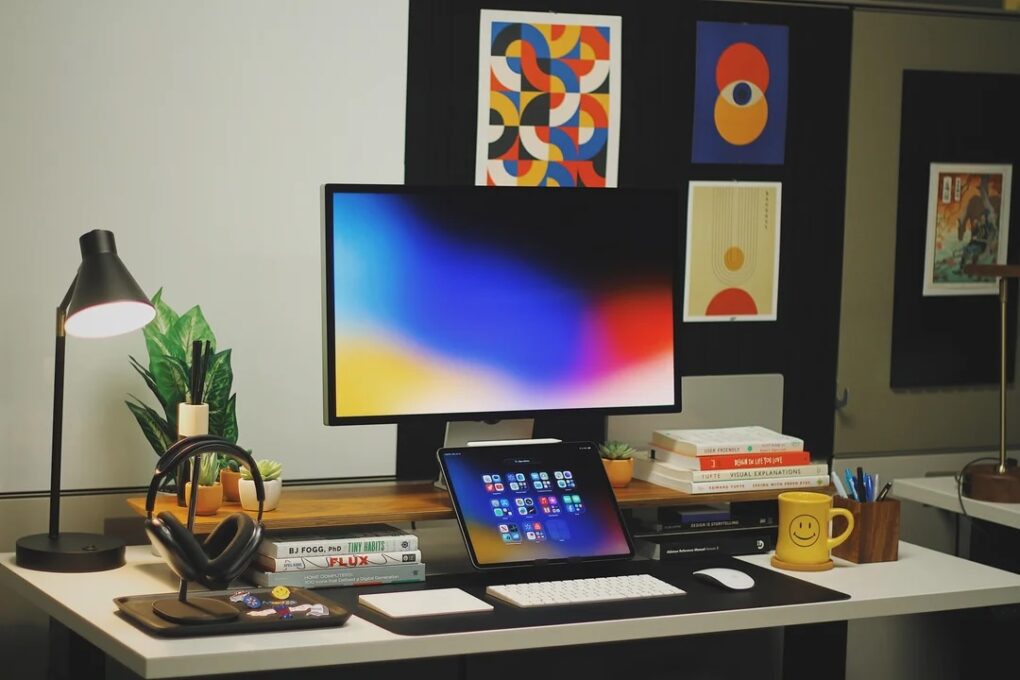
In some ways, iPad is the most versatile computer Apple makes — which makes it an unusually rich ingredient in a Mac workstation. And as iPadOS grows ever more capable, more users find new, smarter roles for their tablet. The following 10 examples drawn from the Cult of Mac Setups archive represent the best uses of iPad in Mac setups. They show just how many ways the tablet can earn its place on a desk.
You can't beat a bargain on a tablet that just launched this spring! Photo: Apple
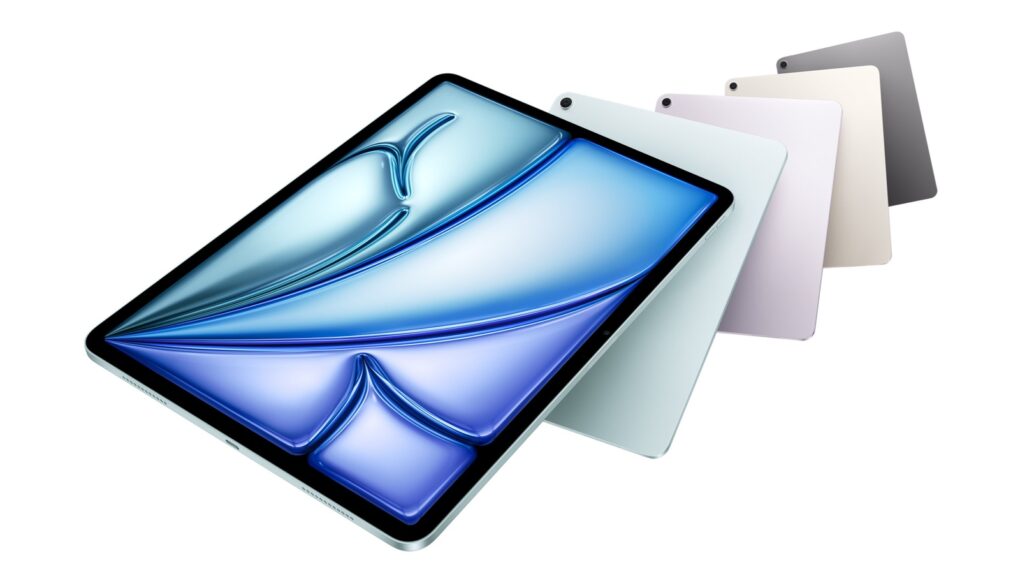
Apple upgraded the iPad Air with a faster M4 processor this spring, and the speedy new version is already available at a discount. A deal knocks 13% off the cost of a brand-new 11-inch M4 iPad Air, lowering the midrange model to a very affordable price: $519.99. It’s never been cheaper!
Maybe you need one to finish out the school year. The tablet is also great for anyone needing a light-duty productivity and entertainment computer. If you want a bigger Apple tablet, you can snag a deal on the new 13-inch iPad Air at 6% off.
The iPad was the fastest-selling new product line in Apple history. Photo: iPad
April 30, 2010: Almost a month after the first-gen iPad went on sale, the first Wi-Fi + 3G iPads arrive in the hands of U.S. customers.
The devices ship in boxes identical to the Wi-Fi-only models, but with an additional sticker noting their cellular connectivity capability. The tablets come preloaded with micro-SIM cards branded AT&T, the only wireless carrier that initially supports the iPad.
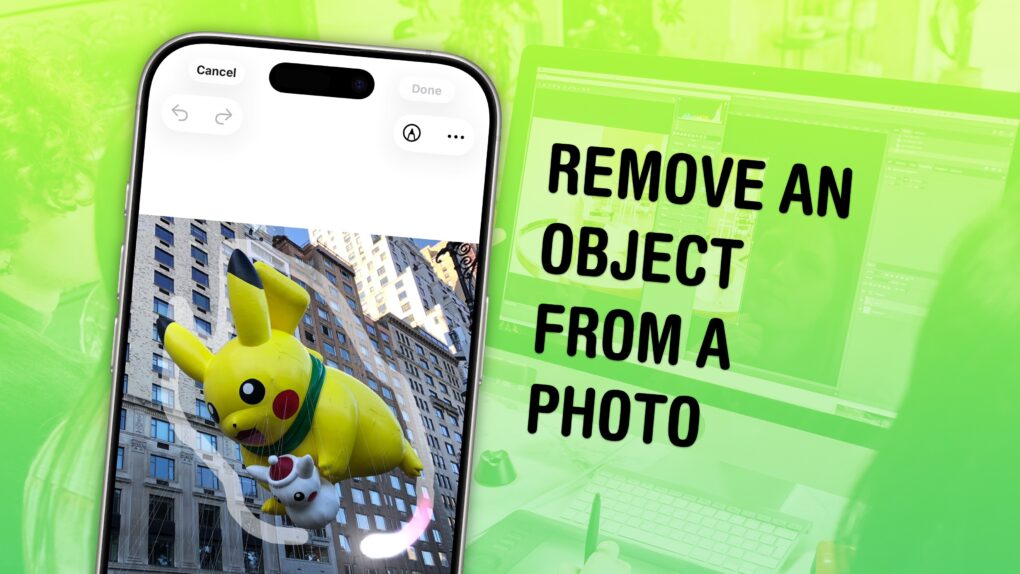
You don’t have to be a Photoshop master to edit things out of your photos. Image: D. Griffin Jones/Cult of Mac
You can easily remove any object from a photo using Apple Intelligence’s free Clean Up tool on your iPhone, Mac or iPad. It works fairly well — but it’s good to know its limitations.
As the only graphic designer among my friends, I’ve frequently been asked over the years to Photoshop unwanted elements out of pictures. Take, for example, a romantic shot of a couple in a gazebo, with a phone sitting on the handrail in an obvious spot. The image might look a lot better if you delete that stray device.
Or imagine a group photo from a fun night out, with someone’s dumpy tote bag sitting by their feet, or a picture from a big conference that shows an ugly lanyard around someone’s neck. With Apple Intelligence’s free Clean Up feature, anyone can make the tote bag and the lanyard disappear, right from their iPhone.
Now, you have the power to clean up your own photos — a chance to make your almost-perfect shots perfect in an instant.
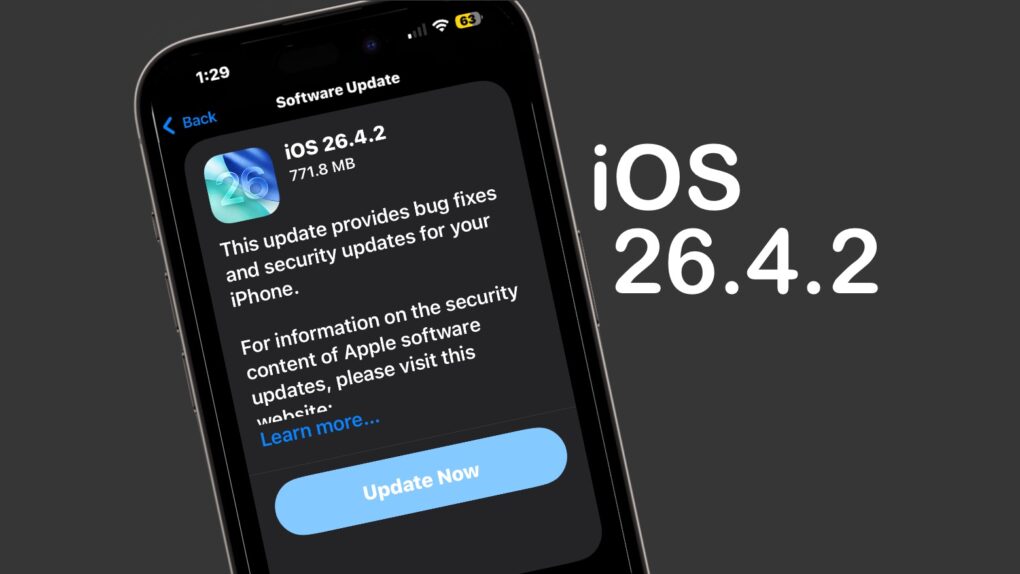
Update your iPhone today to get rid of bugs. Screenshot: Cult of Mac
Apple on Wednesday released iOS 26.4.2 to fix a bug that allowed messages deleted by a user to remain on the iPhone.
“Notifications marked for deletion could be unexpectedly retained on the device,” Apple said in its security notes about the update. “A logging issue was addressed with improved data redaction.”
Beyond that, it seems like a minor update that focuses on various bug fixes and incremental performance improvements rather than new features. Tablet users got iPadOS 26.4.2 at the same time.
Plus, those not yet willing to make the jump to iOS 26 got their own update — iOS 18.7.8 also appeared on Wednesday, along with iPadOS 18.7.8.
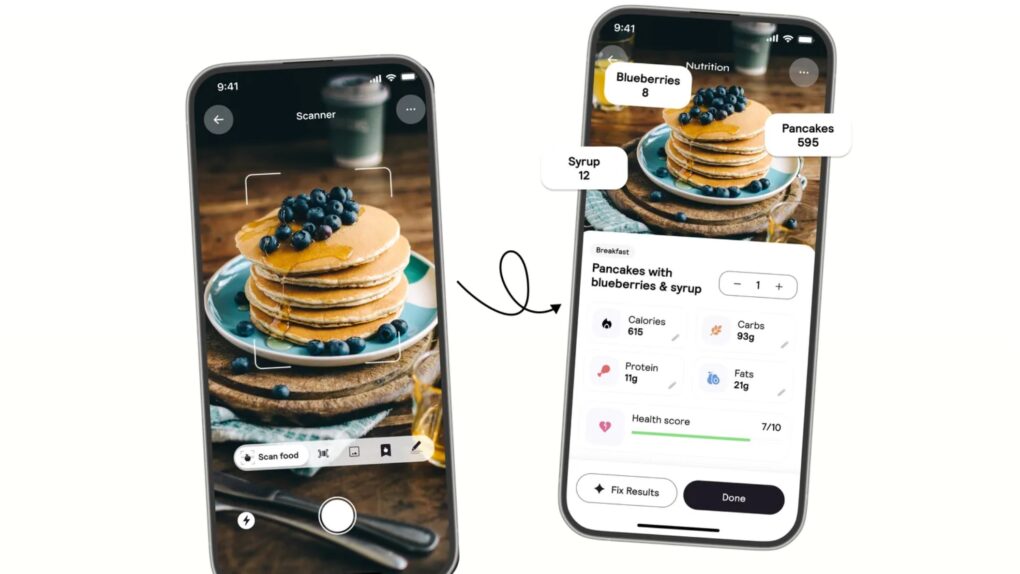
The popular Cal AI app violated a handful of App Store guidelines, according to Apple. It's still keeping a close eye, apparently. Photo: Cal AI
Apple briefly removed the popular calorie-counting app Cal AI from the App Store last week. The episode offers a clear message to developers everywhere, according to a new report: The company is still very much in charge of how apps handle payments — even in the wake of a landmark court ruling that loosened some of its long-standing rules.
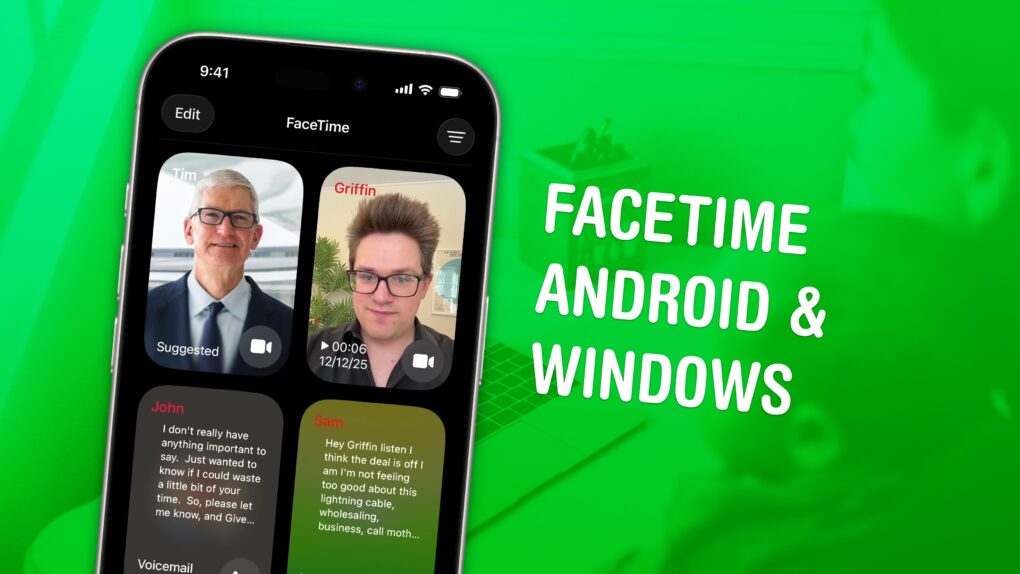
FaceTime everyone, not just your best iPhone friends. Image: D. Griffin Jones/Cult of Mac
You can FaceTime with Android and Windows friends, too — you don’t need to leave them out of the loop. You need to jump through some extra hoops, naturally, but you can video chat with your whole family and friend group.
While there’s no FaceTime app for Android or Windows, if you have an iPhone, you can initiate a group call by creating a link. Others can join the call from their web browser. It will be end-to-end encrypted, just like regular FaceTime calls, for maximum privacy.
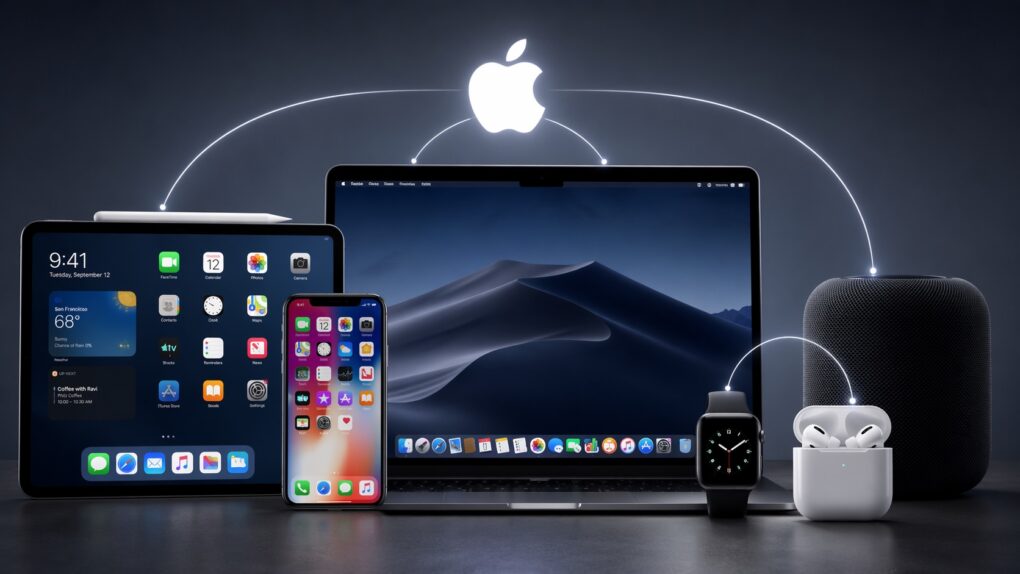
Can you leave Apple's ecosystem? AI image: ChatGPT/Cult of Mac
What makes the Apple ecosystem so alluring? Individually, the iPhone, iPad, Mac or Apple Watch might not be the best devices in their respective categories. Yet, when combined, they form one of the best ecosystems in the world.
It’s this Apple ecosystem — the so-called walled garden — that makes it almost impossible to ditch Apple devices. But what makes it so good?
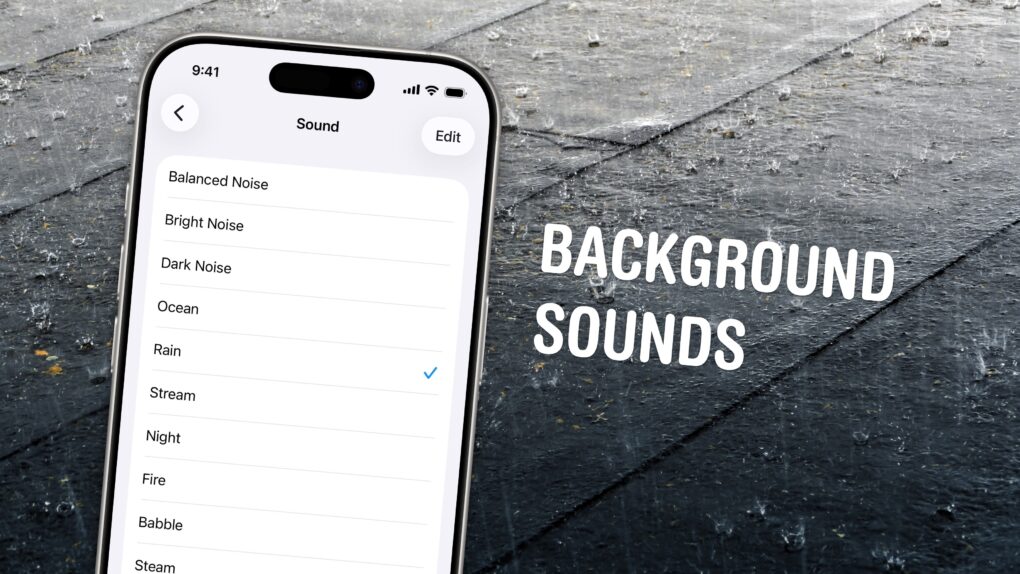
Chill out and silence the sounds of your environment with the sounds of rain, the ocean, a fireplace and more. Photo: W.carter/Wikimedia Commons/D. Griffin Jones/Cult of Mac
If you’re working in an office or in the city, you’re probably inundated with noise from people chattering, cars running and nearby music. Your iPhone has a built-in feature called Background Sounds for playing rain noises or white noise to tune it all out.
Or, if you work at home and want some of that office or coffee shop ambiance, you can add some of those chatter sounds back in. You can even simulate a commute, with sounds of a bus, train, airplane or even boat.
You don’t need to download any apps or pay a cent. Background Sounds is a free feature on your iPhone, iPad and Mac. Let me show you how it works.



 June 15, 2011: Chinese authorities sentence three people to prison for leaking information about the iPad 2 prior to its release.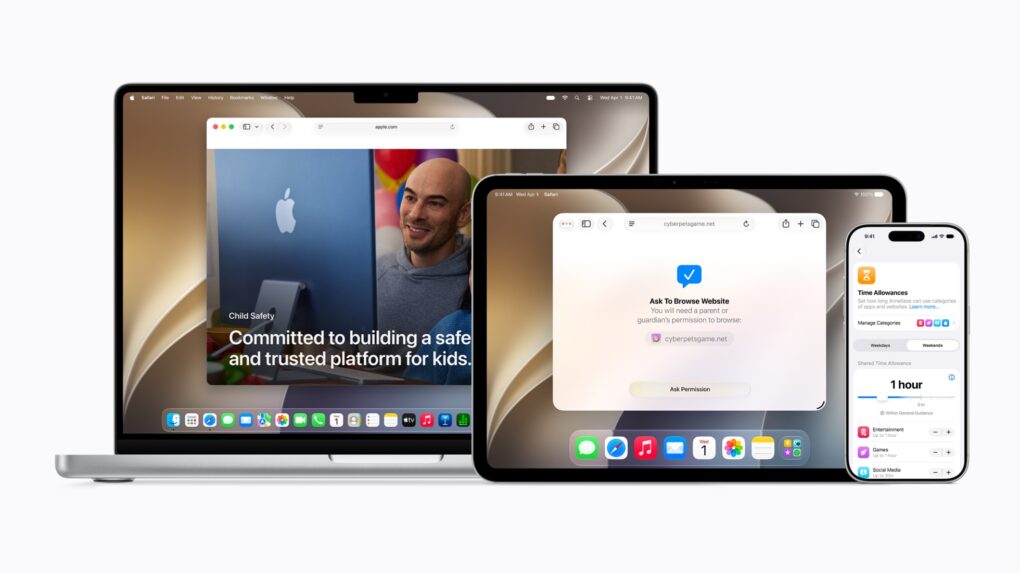



 May 28, 2010: Customers across Europe and Asia queue up to buy the iPad when the international launch date for Apple’s original tablet finally arrives.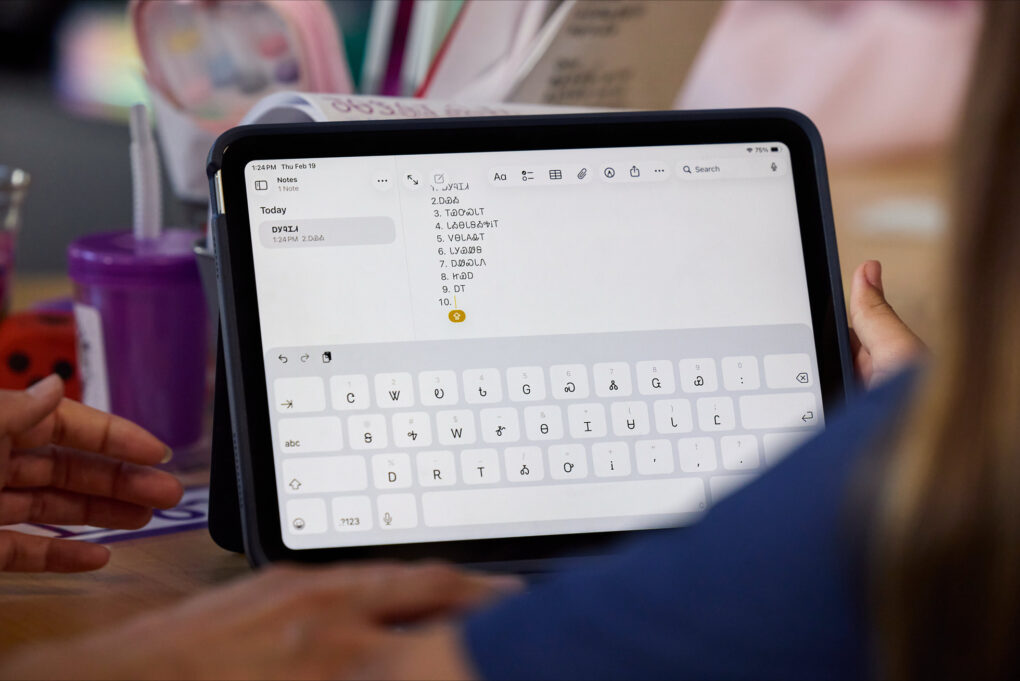

 April 30, 2010: Almost a month after the first-gen iPad went on sale, the first Wi-Fi + 3G iPads arrive in the hands of U.S. customers.