Kicking off this week’s must-have apps roundup is a fantastic text editor called Drafts, which has quickly become my favorite on iOS. We’ve also included a great alternative music app called Ecoute; the latest Facebook app, which has been rewritten from the ground up; and a third-party web browser that prides itself on being super speedy.
For the past several months it’s been thought that Apple will unveil the next iPhone and rumored iPad mini in September. This past week it was suggested that Apple would instead hold two separate events for each product, with the first taking place on September 12th and the second in October.
Today a new report from the reliable AllThingsD “confirms” that Apple will indeed hold a separate iPad mini announcement in October following the release of the new iPhone.
Headlining this week’s must-have iOS games roundup is an awesome new platformer called Mikey Shorts, which offers its own unique style of play focused on speed. We also have The Simpsons: Tapped Out, which makes its App Store debut for the second time; VOTE!!!, the latest title from Infinity Blade creators Chair Entertainment; and a great space-age building game from Gameloft.
Apple won the patent infringement trial against Samsung and received a huge damages sum.
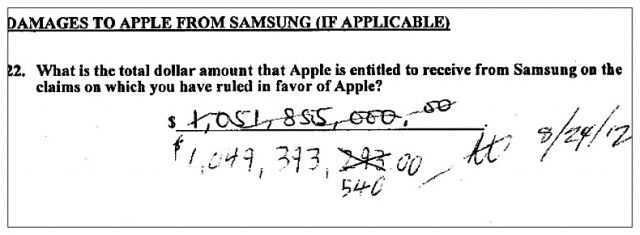
Apple’s victory in its patent trial against Samsung is already a few hours old but the shock of the damage tally is still hard to shake off. The final figure of $1,049,393,540.00 is a staggering rebuke of Samsung’s design and manufacturing process and may force the company toward more original ideas.
The completed jury verdict form, released late Friday night and attached below, reveals the Korean company maybe never really had a chance to win the case.
Apple has won a massive damages sum of nearly $1.05 billion in the patent trial against Samsung and the reaction from the technology community has been vast and swift.
In an email immediately following the verdict, Forrester Research Principal Analyst Charles Golvin told us the main takeaway from the verdict is the focus on innovation. Companies will now be forced to create legitimately different products, or at least engineer some without extravagantly similar features:
The jury particularly vindicates Apple’s software patents and their decision has implications not just for Samsung, but also for Google, other Android device makers like LG, HTC, and Motorola, but also potentially for Microsoft who employs features such as pinch to zoom, bounce on scroll, etc. These competitors are now forced to go back to the drawing board and come up with substantively different designs — or seek settlement terms with Apple. Since many of these controls are now built into the expectations of customers in how they work their phones, those are substantive challenges.
Gartner analyst and VP of Mobile Research Van Baker agrees the redesign of products in the long term is an issue but that it won’t affect any products anytime soon.
This is a clear win for Apple but it will have little impact on the market in the near term as it is highly likely that there will be an appeal so we will have to repeat the process. If sustained it has the potential to force Samsung to redesign a number of products and it will apply significant pressure on all smartphone and tablet makers to avoid trying to emulate the Apple designs as they bring new products to market.
Earlier, the two principals in the case immediately followed the shocking judgement with their own statements.
Tim Cook has been very busy running Apple the past 12 months. There have been a lot of changes and new products that have helped make Apple the most valuable company ever. There have also been a lot of controversies, and headaches along the way. The road hasn’t been all smooth sailing, but we think Tim has done a great job in his first year as CEO of Apple.
Here are eight things that have kept Tim busy in his first year as CEO:
We love Readdle’s productivity apps here at Cult of Mac, especially when they’re going cheap. The company is currently holding a Back to School campaign that sees a number of iOS apps that “are indispensable for studying” reduced. Those included are ReaddleDocs for iPhone, ReaddleDocs for iPad, and Remarks.
It’s foolish to put too much stock in “leaked” images of third-party cases when it comes to predicting what the next Apple device is going to look like, but these iPad mini cases found in China really do look like the real thing: these aren’t just made for a shrunk-down-to-seven-inches iPad, but for a new tablet that is more like a big iPhone when it comes to its bezel design.
Other interesting details of these cases include a rear camera, no LED flash, a front facing Facetime camera, a smalller dock connector, and volume rockers on the right side of the device. Gizchina, where these pictures originate, speculate that a hole in the center of the case is meant to attach a “lanyard,” but that’s just silly: Apple wouldn’t ship a product with a laynard. That’s a hole for a microphone, same as you’ll find in the current iPad.
Today, Eufloria was released in an iPhone-only version for three dollars, while the five dollar universal version has been updated to include support for the iPhone 4S, Retina graphics for the new iPad, iCloud saves, and game session saving (for when you hit the Home button by accident).
For months rumors have been saying that Apple is getting ready to launch two major, new products this fall: the iPhone 5 and iPad mini. Both of these names are placeholders for what will be the sixth-generation iPhone and a 7-inch version of the current iPad. Everyone pretty much agrees that the new iPhone will be announced on September 12th, but opinions are split on the possibility of Apple also announcing the iPad mini during the same event. While it’s nearly 100% confirmed that a unibody iPhone 5 will be announced on the 12th and then ship on the 21st, specific dates have not surfaced for the elusive iPad mini—we haven’t even seen so much as an incriminating part leak.
While some think that Apple will announce both the new iPhone and iPad mini at its September event, it actually makes more sense for Apple to hold two separate media events this fall for each product. Here’s why.
iPhone and iPad video recording is fast becoming a standard way of sharing the view of our world these days. With the new HD video options in the iPhone 4S and the new iPad, of course, the videos are getting even larger. What’s a budding videographer supposed to do with these huge files when sending them to our friends and family?
Turns out, you can trim the videos down right on your iOS device using the Trim feature. Here’s how.
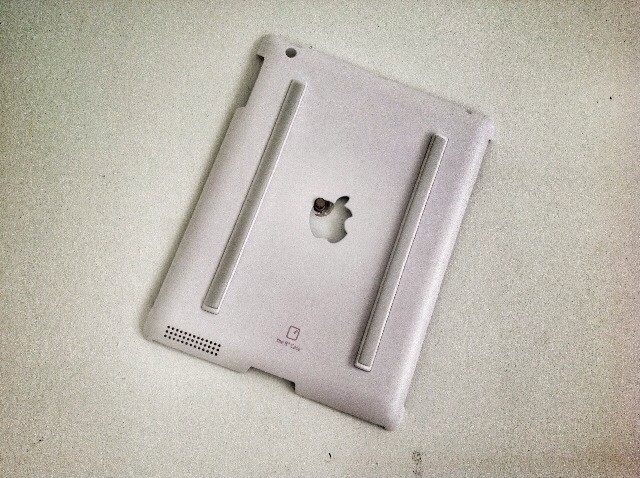
The white case might get dirty, but it's not as dirty as my walls.
We I first wrote about the R*Case, I remarked with typical hyperbolic overstatement that it “looks very useful.” Well, the kind folks at TouchNS sent one (or actually four, along with a bunch of really bad styluses) for review, and it turns out I was right. In fact, it is now my favorite iPad skin.
Microsoft may try to challenge the iPad's place in the classroom, but time isn't on its side
The iPad became a big hit in the K-12 education market over the past year. Pioneering schools that brought Apple’s tablet into the classroom last school year proved that the iPad can be a excellent learning tool – one that has immense power to transform education.
As the new school year begins, and hundreds of thousands of students across the U.S. become iPad users thanks to one-to-one iPad deployments, there’s already talk that the iPad’s success in schools will be short-lived. The belief is that iPads will quickly be replaced by tablets running Microsoft’s Windows RT or Windows 8.
Automatic mirroring of your latest Lightroom edits. Who wouldn't want that?
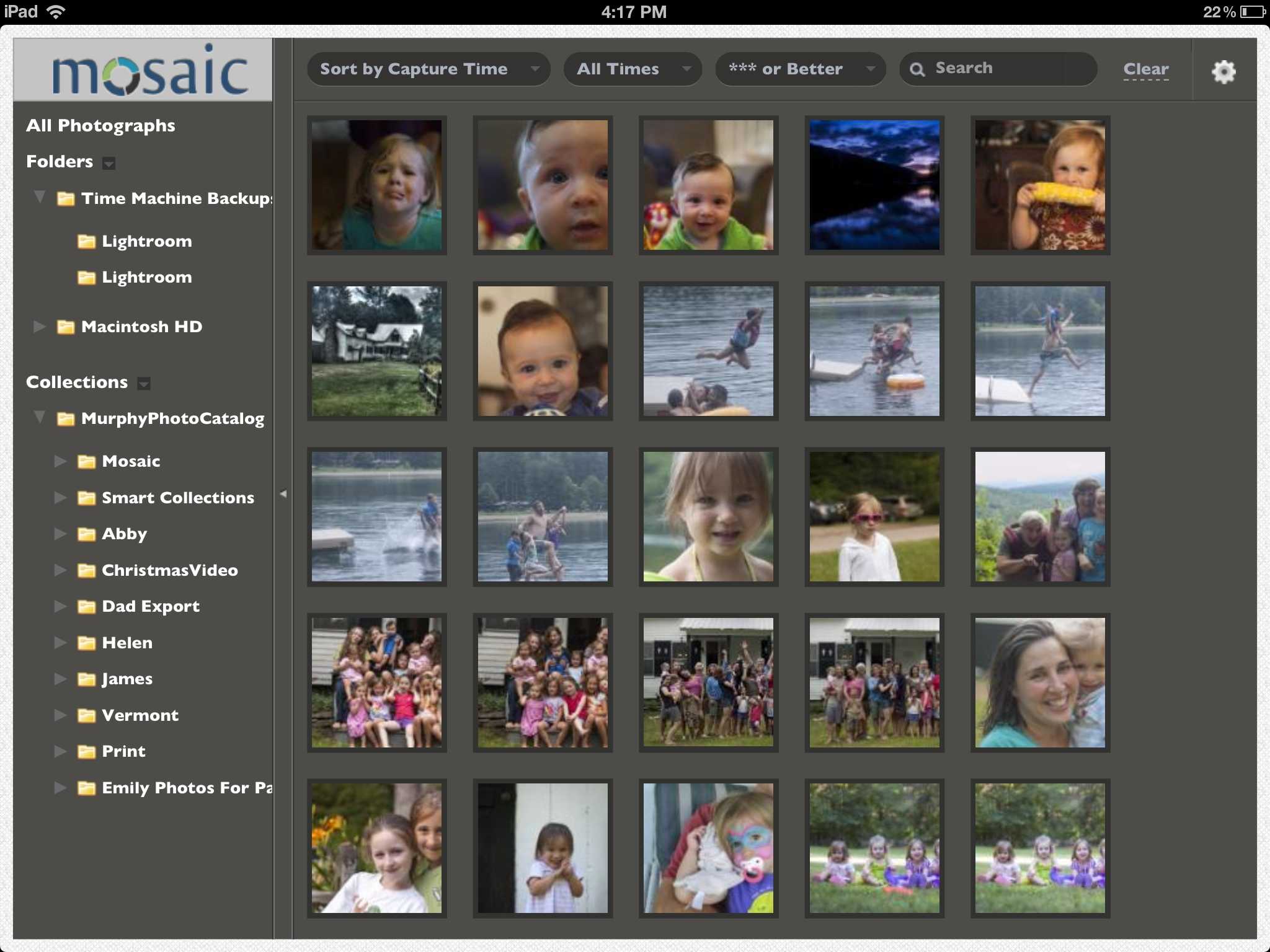
What if I told you there was a plugin for Lightroom which would mirror the latest edit of every photo in library in the cloud, and make it available in a neat, iPad optimized browser view right away?
You’d probably just call me a liar, skip to the next post and maybe take a sip of your coffee, muttering “That idiot Sorrel is doing it again. I’m writing to hi damn editor this time.”
Well, you’d be a fool. Instead, let that coffee cool a little and come take a look at Mosaic.
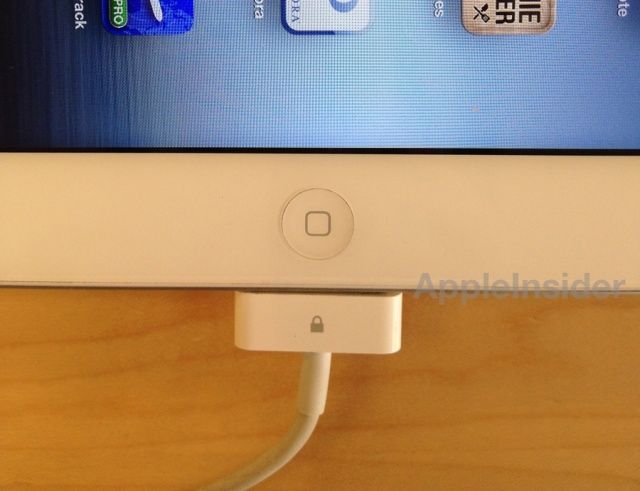
This dock connector will prevent iOS devices from being stolen from the Apple Store.
Apple retail stores are now installing special dock connectors to prevent iOS devices from being stolen. They look just like the regular USB cable that ships with every iPhone, iPad, and iPod touch, but they feature a nifty anti-left lock that prevents them from being removed from the device — essentially tethering the unit to the table.
Even if it's not on the list, you can still send text to almost any app.
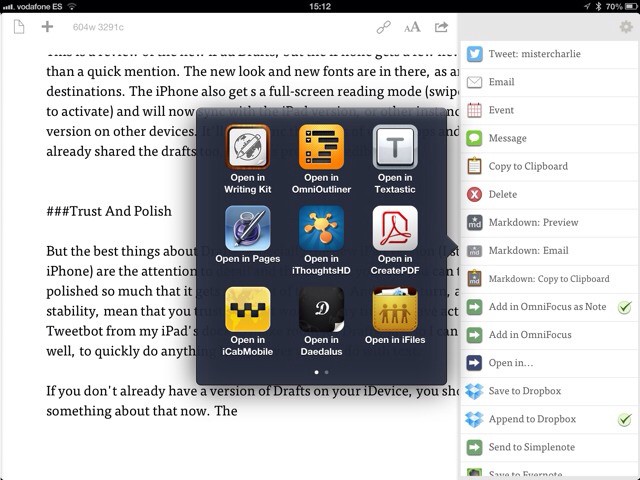
Agile Tortoise has today updated its Drafts app for the iPhone, as well as launching an all-new version for the iPad. I have been using the iPad version for a little while now and it turns out to be pretty fantastic. The iPad app has an all-new UI, and incorporates the additions to the new iPhone app. Let’s take a look:
It’s taken a while, but the first iPad-specific camera apps are starting to trickle into the app store. The iPad 2’s camera was, frankly, a total piece of crap. The new iPad, however, sports the sensor of the iPhone 4 and the optics of the 4S. It was only a matter of time before the likes of ProCamera came along to take advantage of them.
The perfect reason to give Order & Chaos Online another go.
Gameloft’s Order & Chaos Online is widely believed to be the closest alternative to Warcraft on iOS. It’s a popular game, and there’s no doubt it would be even more popular if it weren’t for the monthly fee Gameloft charged to pay it. Thankfully, in the game’s latest update, Gameloft has finally scrapped the subscription fee and made the role-playing game free to play online after purchasing.
If you haven't played this on iPhone or iPad, yet, get with it. On your Mac.
Wait, what? You haven’t played Superbrothers: Sword & Sworcery EP? What’s wrong with you? It’s only one of the best games out there on the iPhone and iPad, garnering several awards from around the web.
The hit universal iOS game is now available for the Mac, and the latest update is Retina Enabled, for all you Macbook Pro owners. I can think of worse ways to spend eight bucks, as Sword and Sworcery is truly a masterpiece of indie design, complete with a brilliant soundtrack by Jim Guthrie, who seems to be involved in the new PSN game, Soundscapes, as well as the soundtrack for Indie Game: The Movie.
If hearing that sound makes you break out in a cold sweat and go running for the nearest shelter, you may be a Minecraft addict.
Mojang, creator and continuing developer of Minecraft for Mac and PC, wrote a post today on their blog detailing the upcoming update to Minecraft Pocket Edition, the version of the indie runaway hit building, mining, and crafting game for iOS. Here’s a hint: it’s got creepers.
What lessons can businesses and app developers learn from the federal government?
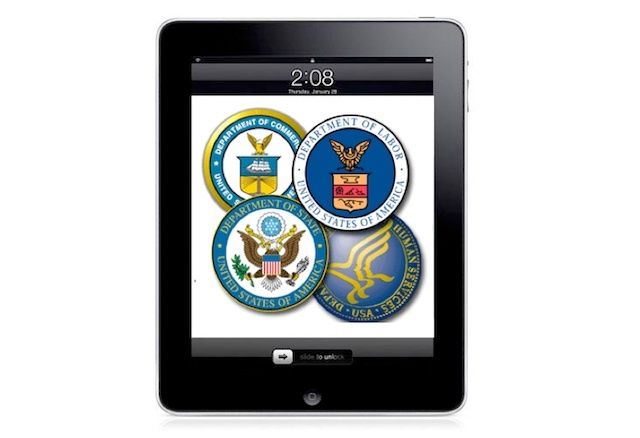
The U.S. federal government may not be where you’d expect to see mobile innovation or find good app development suggestions. While there’s still a public sector bureaucracy in government, a number of government agencies are beginning to develop new ways to connect with citizens and invest in mobile technologies for internal use.
Granted, most agencies are doing so because of requirements under the Obama administration’s 21st Century Digital Government Strategy. One of which is that every federal agency must make two high-value, customer-facing services available via mobile devices over the next year. Still, the innovation is happening and the agencies that have already taken up the challenge are good models for agencies that have yet to do so.
They’re also good sources of advice for any organization that is beginning to develop an iOS or mobile app strategy.
We’re nosey as anyone here at Cult of Mac and right now we’re having a big contest where readers can win a free bag from Waterfield Designs. All you gotta do is pour out the contents of your bag, snap a pic, upload it, and maybe you’ll win.
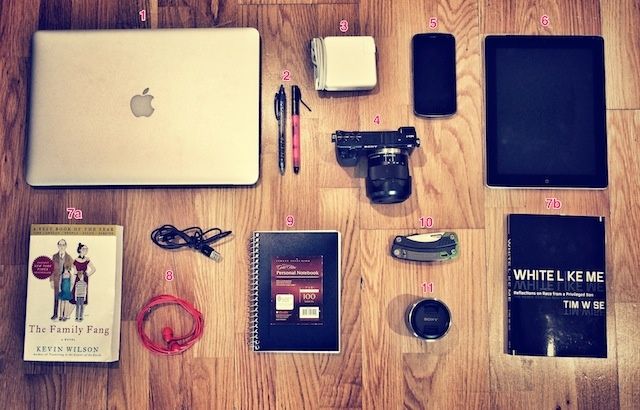
It’s probably not fair of us to demand you reveal all the goodies in your bags without showing you some of our own toys, so today we’re jumping inside the bag of Cult of Mac Social Media Editor, Buster Heine, to see everything he carries with him to have a good time.
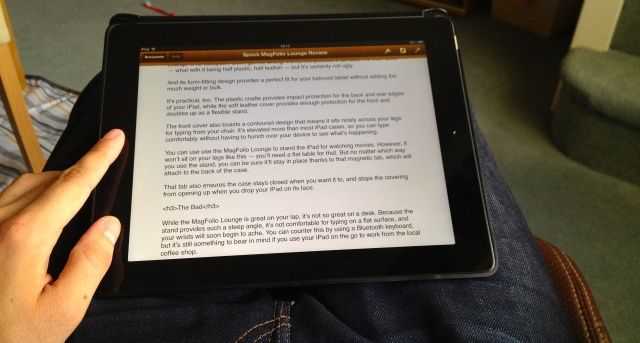
The Speck MagFolio Lounge is a slim-fitting iPad case that’s designed for use outside of the office. Its “lap-perfect” design promises to nestle perfectly on your thighs while you reply to your emails or catch up with your favorite shows from the comfort of your living room chair.
Like the rest of Speck’s new iPad cases, the MagFolio Lounge features sleep/wake magnets inside its front cover, and a handy magnetic tab that keeps the case closed when your iPad’s not in use.
This case combines a hard plastic cradle with a soft, “vegan leather” cover to provide you with strong impact protection and a folding stand that boasts two viewing angles. It also offers access to all of your iPad’s ports, buttons, and switches.
The MagFolio Lounge sounds like the perfect case for a couch potato, but is it worth its $50 price tag?
The iPhone and iPad present unique marketing opportunities and challenges.
Over the past several months, we’ve seen studies on the reactions that iPad and iPhone users have to mobile marketing initiatives. Often these studies suggest that the iPad is a golden opportunity for marketing professionals. We’ve also seen the ways that companies are shooting themselves in the foot by not taking advantage of the unique capabilities of mobile devices, particularly when it comes to the iPad and other tablets.
So what does it take to develop a successful mobile marketing campaign? It takes a real understanding of the advantages and disadvantages that mobile devices offer, understanding their place in a consumer’s daily life, and recognition that mobile marketing needs to treated as part of a brand strategy.
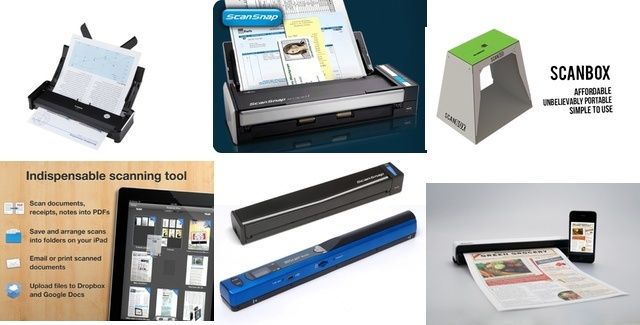
There are two ways to deal with paper documents. Fire, or... scanners.
Even in 2012, people still insist on giving us paper: bills, receipts, even business cards (!) all come printed on dead treeware, and all remain completely useless, unsearchable and easy to lose. What you need, until these people wake up and just e-mail you the relevant info — is a document scanner. Smaller and faster than all-in-one or flatbed models, these scanners can take a stack of paper and turn it into searchable PDFs faster than you can shred the source material.
Read on for our list of the best document scanners to use with your Mac, iPad or iPhone.