Google Translate can take on converting text into a language you can read. Photo: Cult of Mac
If Apple Translate doesn’t offer the languages you need, you can set Google Translate as your iPhone or iPad’s default translation app. Google’s translation app supports 249 languages, whereas Apple Translate currently can handle only 19.
Google’s broad scope comes in handy if you regularly read materials written in languages that Apple Translate doesn’t cover. And Google Translate is not the only alternative translation app for iPhone.
Relations between Apple and Google started strong, but quickly deteriorated. Image: Cult of Mac
August 19, 2004: Google floats its initial public offering on the stock market. The Google IPO cements the company’s status as a tech giant, as founders Larry Page and Sergey Brin turn into instant billionaires.
Relations between Google and Apple are good at the time, with Apple CEO Steve Jobs serving as a mentor to the search company’s two young founders. Google’s Eric Schmidt will soon join Apple’s board of directors. However, the peace won’t last long.
Gemini's Mac app gets two new features. AI image: Google/Apple/Gemini/Cult of Mac
Google upgraded the Gemini app for macOS to take on Wispr Flow and other AI-powered dictation apps. The update introduces the Intelligent dictation feature, which transcribes your spoken words into text in real time.
It also adds support for screen-aware reasoning, allowing Gemini to understand what’s on your screen.
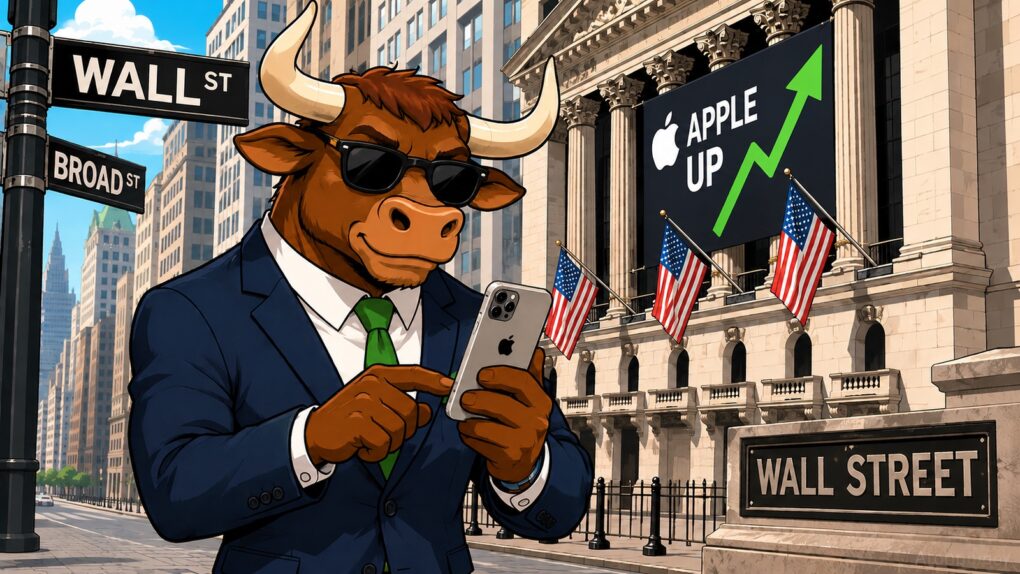
Investors are once again bullish on Apple. Here's why. AI image: ChatGPT/Cult of Mac
After months of playing second fiddle to AI chipmaker Nvidia, Apple reclaimed the title of the world’s most valuable publicly traded company on Monday. A rally in Apple’s stock price over the last month resulted in the Mac maker sailing past Nvidia and all other rivals back to the top of the list. And if that wasn’t enough, Cupertino’s market capitalization is closing in on an astonishing $5 trillion!
AAPL is up about 30% in 2026 on investors’ changing attitudes about AI. Here’s what’s going on down on Wall Street, and why there is renewed confidence in Apple.
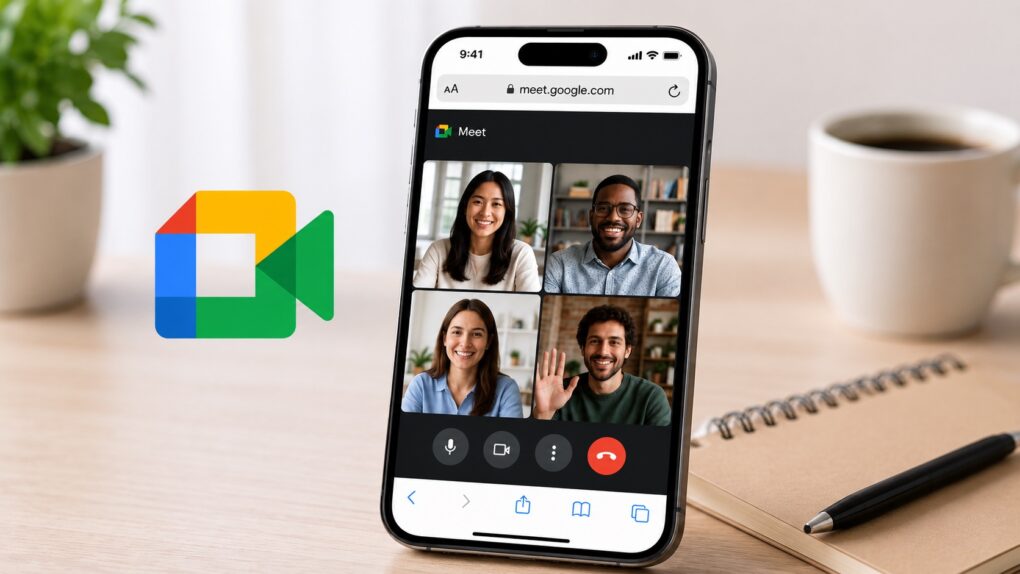
Join Meet calls without installing any additional apps. AI image: ChatGPT
iPhone users can now join Google Meet calls directly from Safari without installing any additional apps. While it’s a small change, it makes joining Meet calls easier and more convenient.
You don’t even need a Google account to join a Meet call. Simply enter your name and request access to join the meeting.
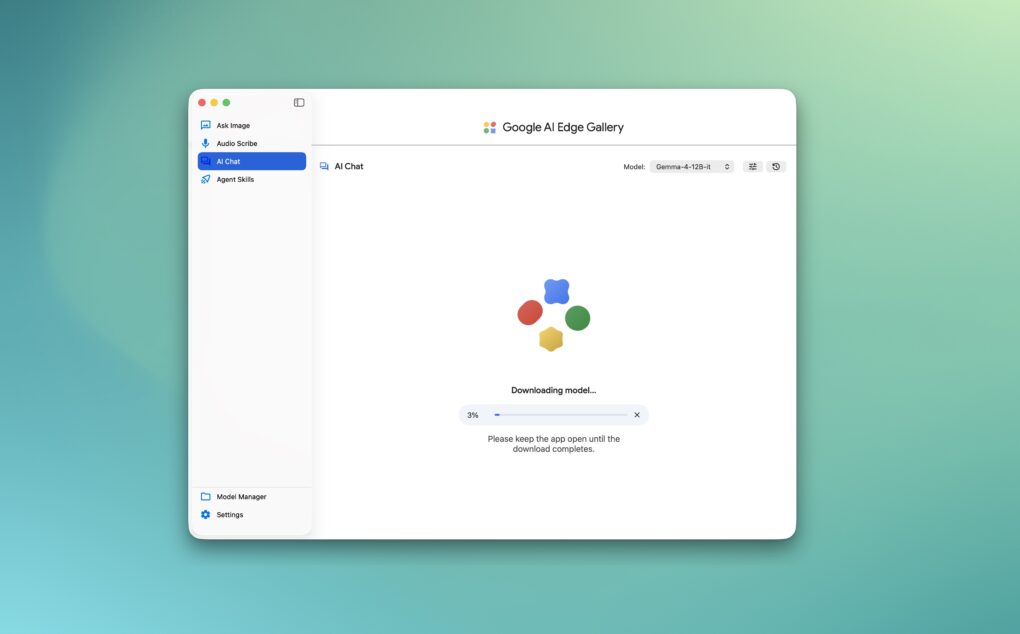
Use Google's new Mac app to run its AI models locally. Screenshot: Rajesh Pandey/Cult of Mac
Google’s new AI Edge Gallery app for macOS lets you run Gemma models locally on your Mac. Instead of relying on the cloud, the app taps into Apple Silicon’s power to process AI tasks directly on your machine.
The app is already available on Android and iOS, with the macOS release bringing the same on-device AI experience to Macs.
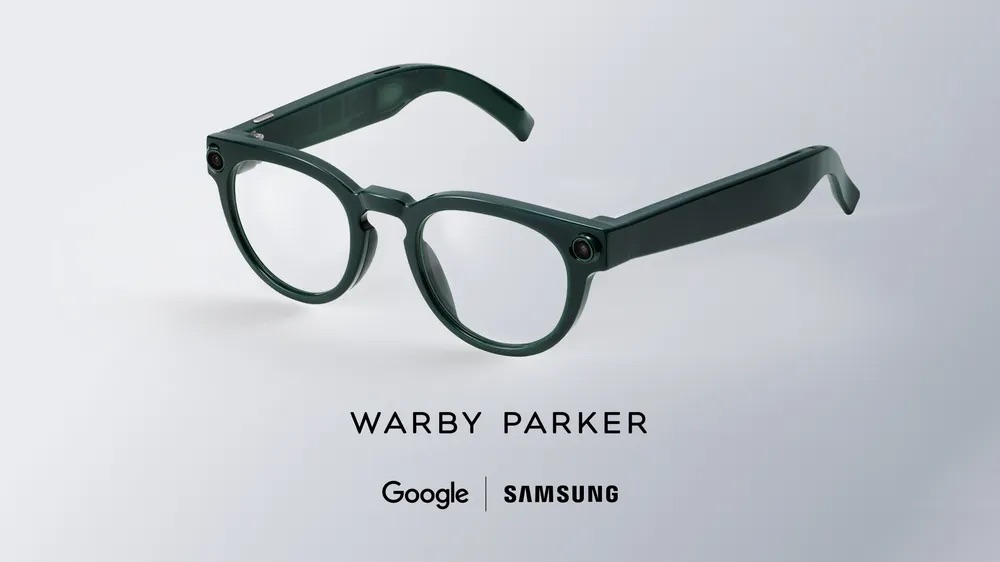
Google's first smart glasses launch later this year. Photo: Google
Google showcased its first pair of smart glasses at I/O 2026. Developed in partnership with Samsung and Qualcomm, the company plans to launch its audio-focused glasses first.
The glasses will debut later this fall and feature frames from Gentle Monster and Warby Parker.
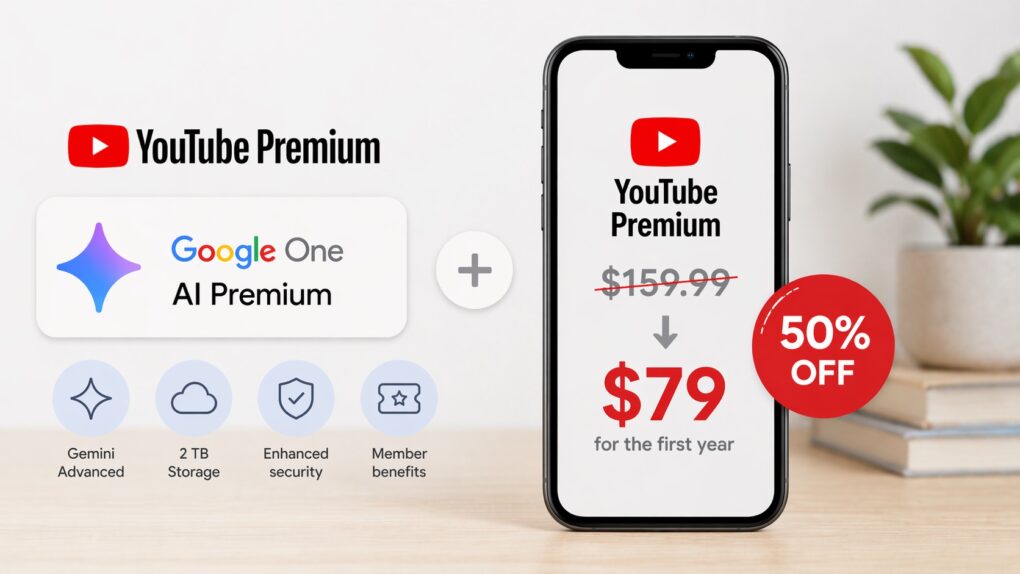
Save 50$ on YouTube Premium with AI Premium AI image: ChatGPT
Google will give a 50% discount on YouTube Premium if you already pay or upgrade to its AI Premium plan. This brings the price down from $159.99 to $79.99 for the first year.
The offer applies to both existing and new Google subscribers.
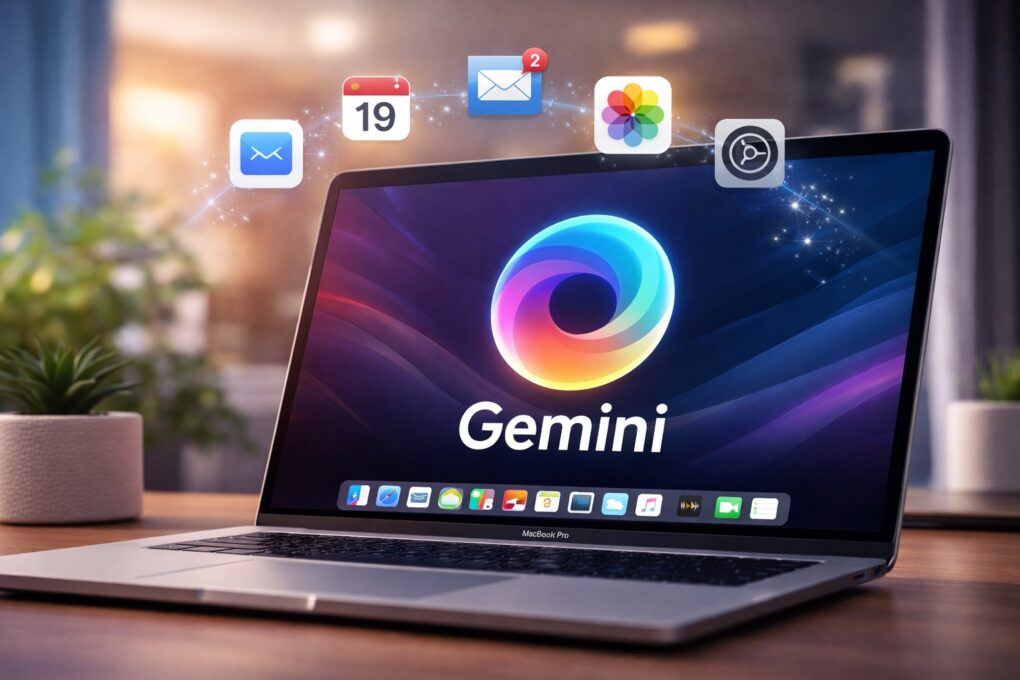
Gemini for Mac offers a faster, more integrated way to get AI help. AI image: Google/Apple/Gemini/Cult of Mac
Google brought its Gemini AI assistant directly to Mac, launching a new native macOS app on Wednesday. The app makes it easy to share what’s on your computer’s screen with the AI.
It’s designed to be more tightly integrated with the user’s workflow than the web version.
AirDrop now works with Samsung's flagship Galaxy phone. Image: D. Griffin Jones/Cult of Mac
Following in Google’s footsteps, Samsung added AirDrop support to its newest flagship phones: the Galaxy S26 series. This enables iPhone and Galaxy S26 users to transfer files between devices seamlessly.
Top be clear, Google and Samsung enabled AirDrop support in Quick Share without Apple’s help.
Gemini could soon get a dedicated Mac app. AI image: ChatGPT
Google has begun internally testing a dedicated Gemini app for macOS. While the company continues to improve its AI tool almost every other week, the lack of a native Mac app limits its full potential.
A dedicated app will make Gemini more accessible and better integrated into everyday workflows on macOS.
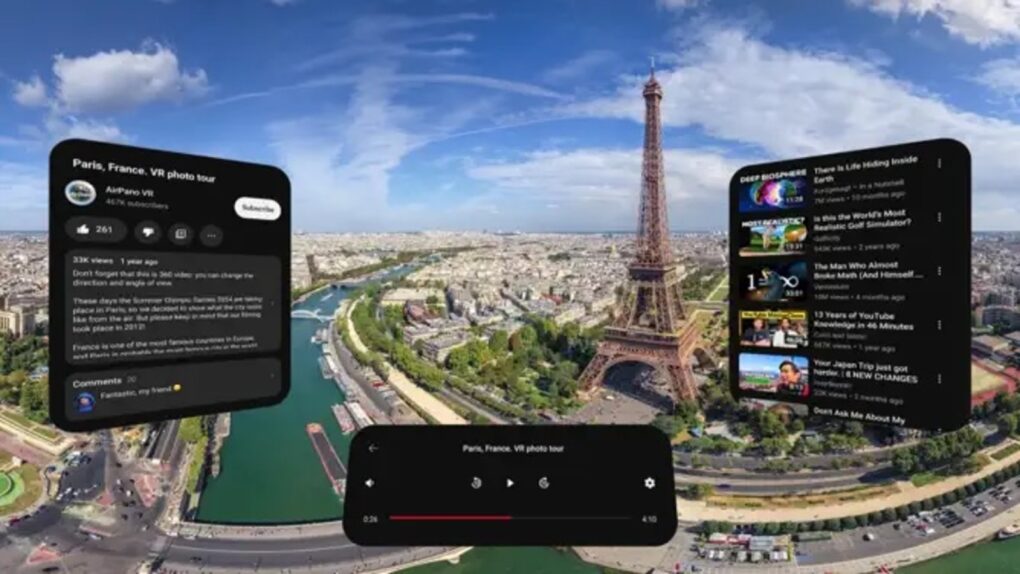
Vision Pro headset owners can finally watch YouTube content on an official app from Google. Photo: App Store
After two long years of waiting, Apple Vision Pro owners can finally watch YouTube the way it was meant to be experienced on a spatial computing headset. Google launched its official YouTube app for visionOS on Thursday, ending one of the most conspicuous app absences on Apple’s $3,499 mixed-reality device.
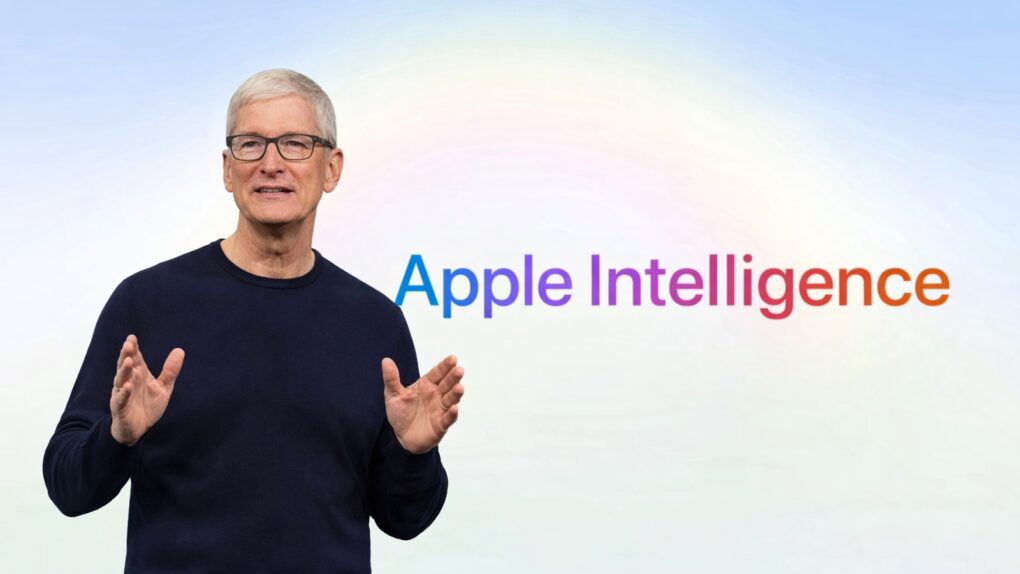
Apple's CEO is "very happy with the collaboration with Google" on AI. Image: Apple/Cult of Mac
Apple CEO Tim Cook spoke publicly for the first time Thursday about the collaboration with Google that will upgrade the Siri voice assistant with Gemini AI. He emphasized that the new Siri will “maintain our industry-leading privacy standards.”
Cook also said Apple will continue to develop its own artificial intelligence models, even as it uses Google’s.
Using Google Gemini to juice Siri is a shocker! AI image: Midjourney/Cult of Mac
This week on the Cult of Mac podcast: It’s finally official — Siri is getting a long-awaited AI brain transplant, courtesy of Google Gemini.
We discuss the pros and cons of the deal, but more importantly, we express our sincere hope that Siri will actually work in the future.
Also on the Cult of Mac podcast:
The soon-to-launch Apple Creator Studio software bundle seems like an unbelievable deal — especially if you’re a student or teacher.
OpenAI’s first piece of Jony Ive-designed hardware sounds like a legit head-scratcher. Can it really compete with AirPods? It’s anybody’s guess, but we’re not big fans of betting against the former Apple design god. Lots of unanswered questions remain, but hey, at least now we know what an egg stone is!
And finally, Griffin wraps up the show with a hands-on demo of a 3D-printed mockup of the rumored folding iPhone. If the leaked specs prove true, this device is going to be a strange one. We’ve got plenty of questions (and not a few concerns).
Listen to this week’s episode of the Cult of Mac podcast in the Podcasts app or your favorite podcast app. (Be sure to subscribe and leave us a review if you like it!) Or watch the video stream, embedded below.
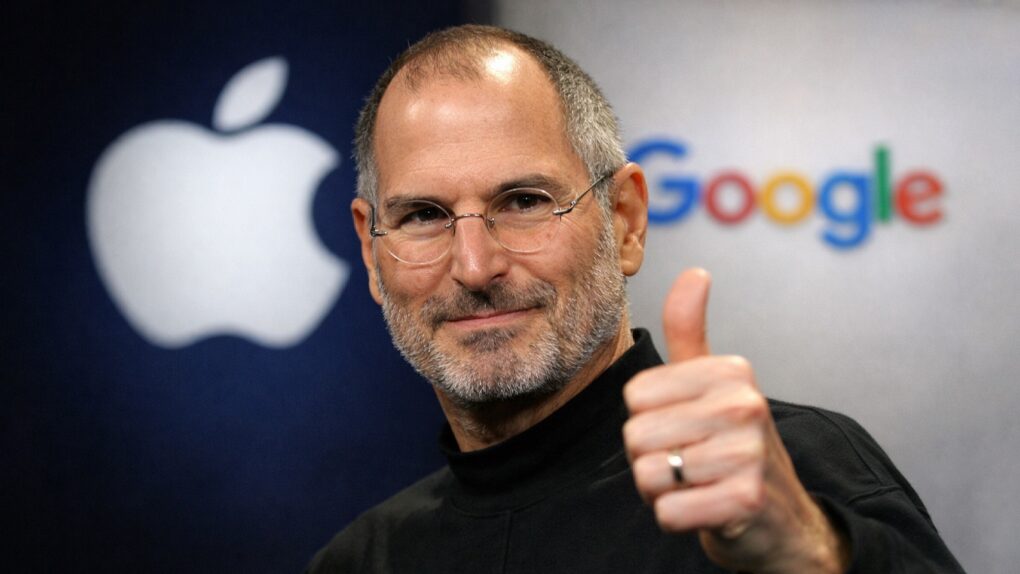
If Steve Jobs were here, he'd sign off on the Apple/Google partnership to add Gemini to Siri. AI mage: ChatGPT/Cult of Mac
The fact that Google Gemini will power the revamped Siri is drawing criticism from people convinced that Apple should have developed its own AI in-house to bring the voice assistant up to speed.
Some of the critics seem to think Apple always made its own software before now. Therefore they regard the deal with Google as a major policy shift — and a sign of weakness that would horrify Apple co-founder Steve Jobs.
No. Just … no. These critics will be shocked to learn that many Apple products are built on top of tech developed outside the company … and often, it was Steve Jobs who did it!
No longer just a rumor, Google Gemini will be at the heart of Apple's AI-infused Siri. Image: Apple/Google/Cult of Mac
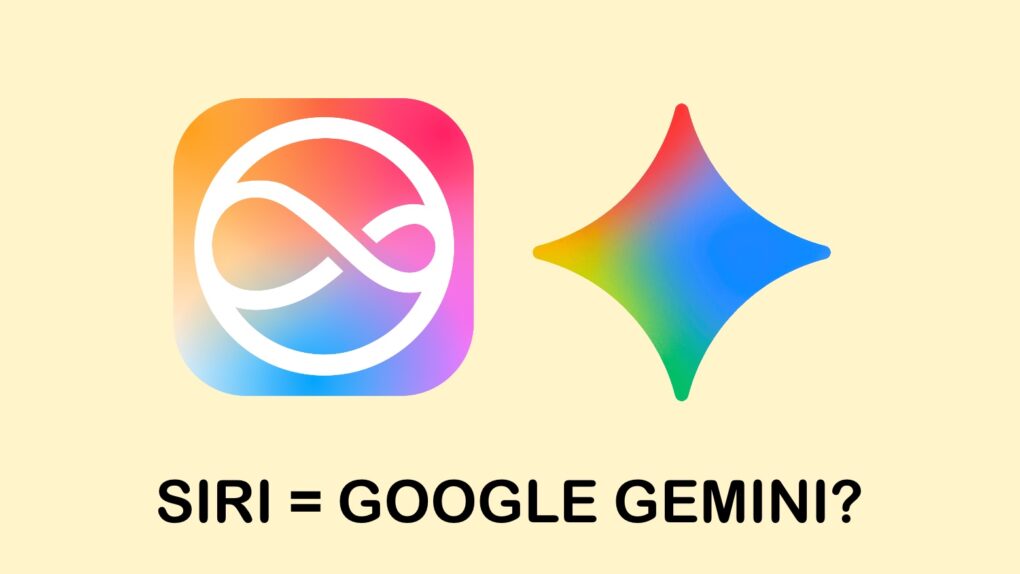
Google’s Gemini AI is set to power the long-promised overhaul of Apple’s Siri voice assistant, turning months of speculation into confirmation after Apple made the partnership official in a statement released Monday.
Apple worked for years on its own large language models to provide Siri with a much-needed intelligence boost. But in the end, Cupertino had to outsource the AI technology to Google, another tech giant with which it both competes and cooperates.
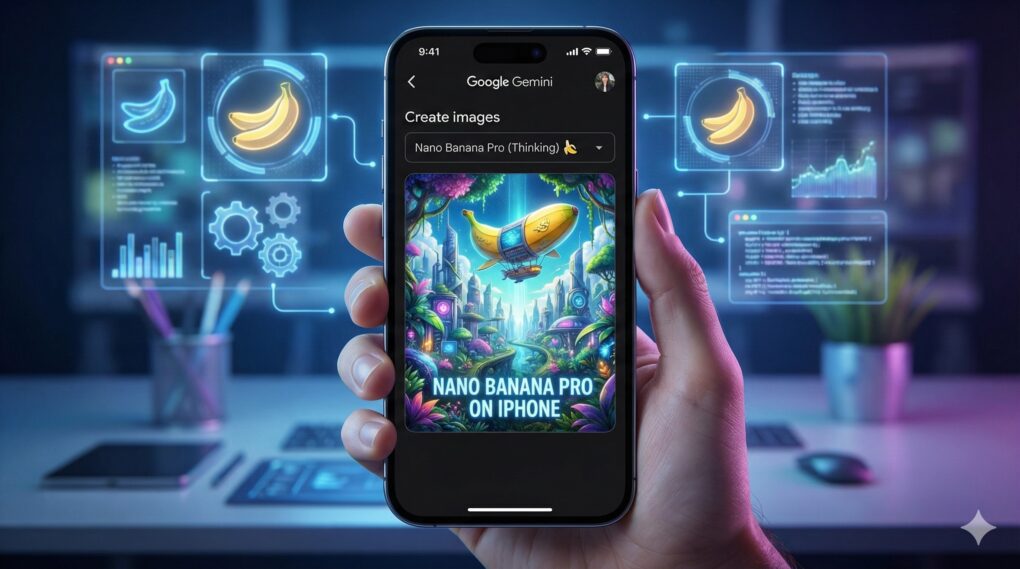
Use Google's latest image editing AI model to create amazing images on your iPhone. AI Image: Google Gemini
From wild concept art to polished edits, Google Gemini’s Nano Banana Pro image creation and editing tool can spin up impressive visuals from a single prompt on your iPhone.
The featured image of this article itself serves as an amazing example of Nano Banana Pro’s capabilities. And it also showcases just how far behind Apple is in the AI race. (Sorry, Image Playground.)
If you’re itching to use Google’s Nano Banana Pro on your iPhone, this guide will show you how.
At the heart of the new Siri will be Google AI. But it’s not as bad as you might think. Graphic: Apple/Google
The brains behind the upcoming AI-enhanced version of Siri will reportedly be provided by Google, not Apple’s own tech. For a hefty price.
Google’s software will supposedly run on Apple servers, so user data isn’t being handed over to Google.
Google and Apple were friends at first. It didn't last. Photo: Google/Apple
September 21, 1999: A little startup called Google comes out of beta, with the launch of a website that will let the general public easily search the internet for information.
To Apple, which is embracing the internet with its colorful new iMac desktop computer and iBook laptop, Google seems like the perfect ally. Sadly, the relationship between the two companies won’t remain rosy for long.
Can you beat us at our own predictions game? Image: Cult of Mac
This week on Cult of Mac’s podcast: With Apple’s Awe Dropping event bearing down on us, it’s time to once again put our professional reputations (and our personal dignity) on the line with our traditional predictions game!
Who will win this time? And will a CultCast listener steal the glory once again?!?
Also on The CultCast:
A stripped-down version of the Vision Pro, possibly called the Vision Air, could reduce the strain on users’ necks (and wallets).
A proposed iMac Lego set is gaining supporters online. Let’s take it over the top!
Apple wins one in court — and it’s a big one. A judge rules that the $20 billion payments that Google forks over to Apple each year can continue.
The Justice Department's long-running lawsuit against Google won't blow a $20 billion hole in Apple revenues. Photo: Solen Feyissa/Unsplash License
Google can continue its search deal to pay Apple billions of dollars a year for a prime spot as Safari’s default search engine, as long as it’s not an exclusive placement, a court ruled Tuesday.
U.S. District Judge Amit P. Mehta said the proposed banning of such payments — which amounted to $26 billion to Apple and others in 2021, and likely grew since then — would actually help Google. Such a move also posed a “substantial risk of harm” to Apple, consumers and Google’s other partners, he said.
“Google will not be barred from making payments or offering other consideration to distribution partners for preloading or placement of Google Search, Chrome, or its GenAI products,” Mehta wrote in the 226-page ruling released Tuesday. “Cutting off payments from Google almost certainly will impose substantial — in some cases, crippling — downstream harms to distribution partners, related markets, and consumers, which counsels against a broad payment ban.”
Google Gemini could get baked into an upcoming Siri version. Graphic: Apple/Google/Cult of Mac
Add Google Gemini to the list of AIs that might go into the promised revamp of the Siri voice assistant if Apple can’t develop the tech itself.
Apple is working hard on its own large language models to provide Siri with a much-needed intelligence boost. But Cupertino is reportedly covering its bases by talking to other companies about using their AI instead. Google joined the list, according to an unconfirmed report published Friday.
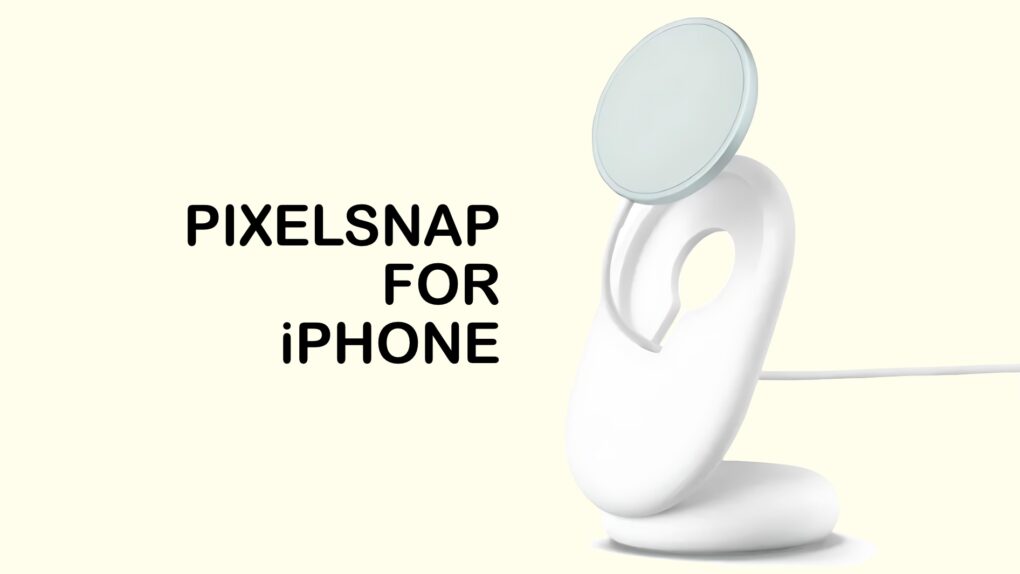
Your next iPhone accessory could be from Google’s Pixelsnap line. Image: Google/Cult of Mac
The newly announced Google Pixel 10 includes Pixelsnap, a system that lets wireless chargers and other accessories cling magnetically to the back of the phone. If that sounds familiar, that’s because Pixelsnap is another name for Apple’s MagSafe system for iPhones.
But this is not yet another example of Google stealing a good idea from Apple. Instead, Apple helped make MagSafe into the Qi2 standard so other companies would build it into their handsets. And that’s what Google did, though it felt the need to rebrand Qi2 as Pixelsnap. Whatever the name, the more handsets with Qi2, the more iPhone users benefit.
Google takes a dig at Apple's failed smarter Siri rollout. Photo: Google on X
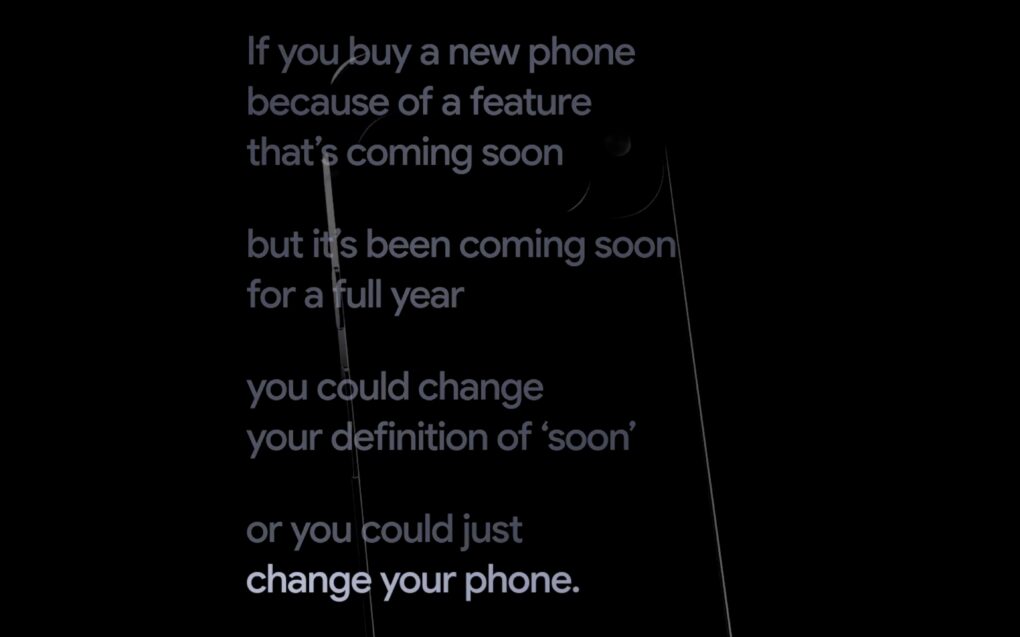
Google’s newest teaser for its upcoming Pixel 10 lineup mocks Apple’s failed rollout of a new, smarter Siri. “If you buy a new phone because of a feature that’s coming soon, but it’s been coming soon for a full year, you could change your definition of soon,” says Google in the ad.
It recommends frustrated users to “just change your phone” and gives a glimpse of the Pixel 10 at the end.

 August 19, 2004: Google floats its initial public offering on the stock market. The Google IPO cements the company’s status as a tech giant, as founders Larry Page and Sergey Brin turn into instant billionaires.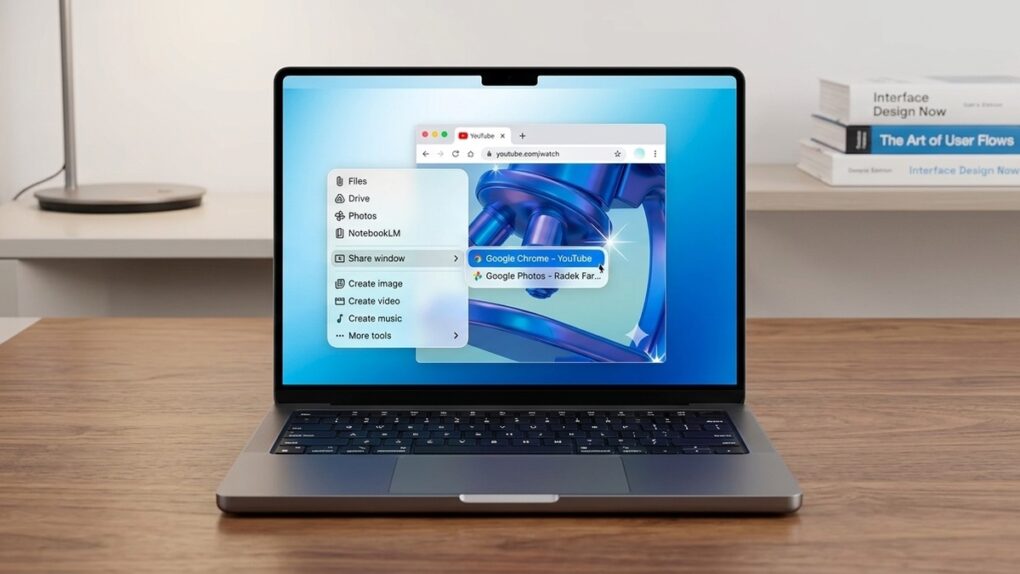
 September 21, 1999: A little startup called Google comes out of beta, with the launch of a website that will let the general public easily search the internet for information.