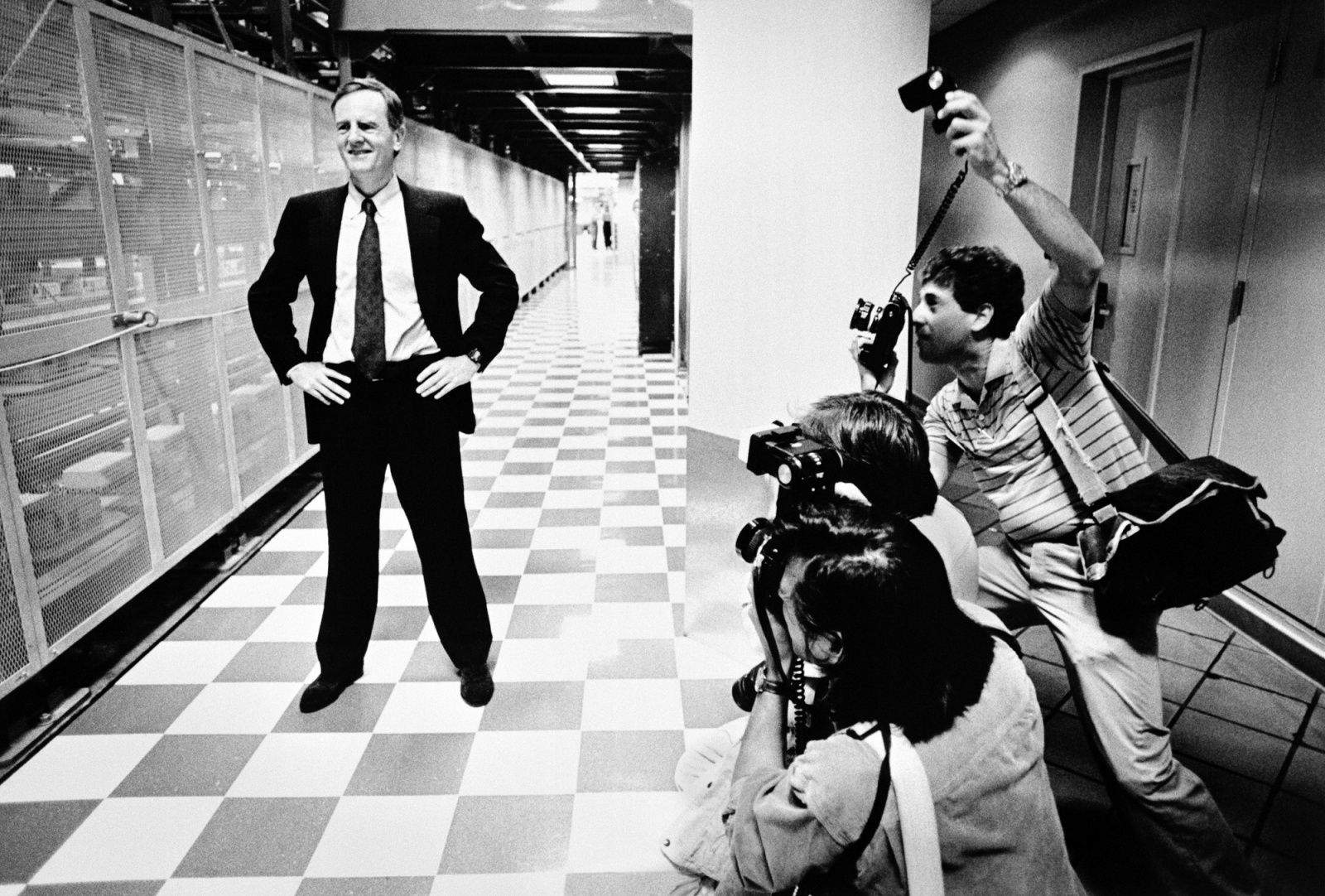
 April 6, 1939: John Sculley is born in New York City. He will grow up to be hailed as a business and marketing genius, eventually overseeing Apple’s transformation into the most profitable personal computer company in the world.
After a remarkable stint as president of Pepsi-Cola, Sculley will take over as Apple’s third CEO in 1983. He will run Apple for a 10-year period, guiding the creation of the revolutionary Newton MessagePad.
During Sculley’s decade at the helm, Apple will sell more personal computers than any other company. But most people still remember him for his role in kicking Apple co-founder Steve Jobs out of Cupertino.

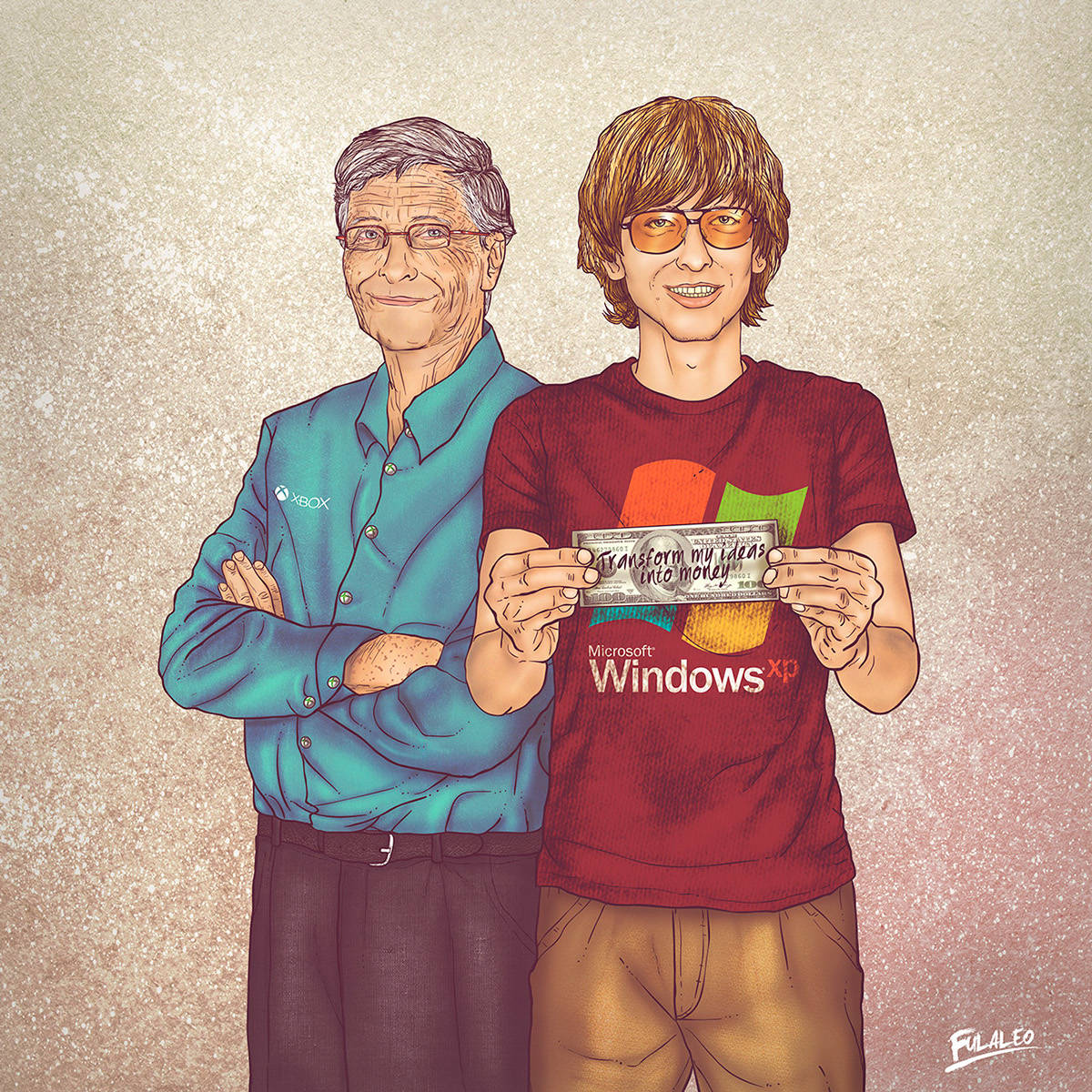
 April 4, 1975: Microsoft is founded by childhood friends Bill Gates and Paul Allen. The software company destined to become a tech behemoth — and a major Apple frenemy.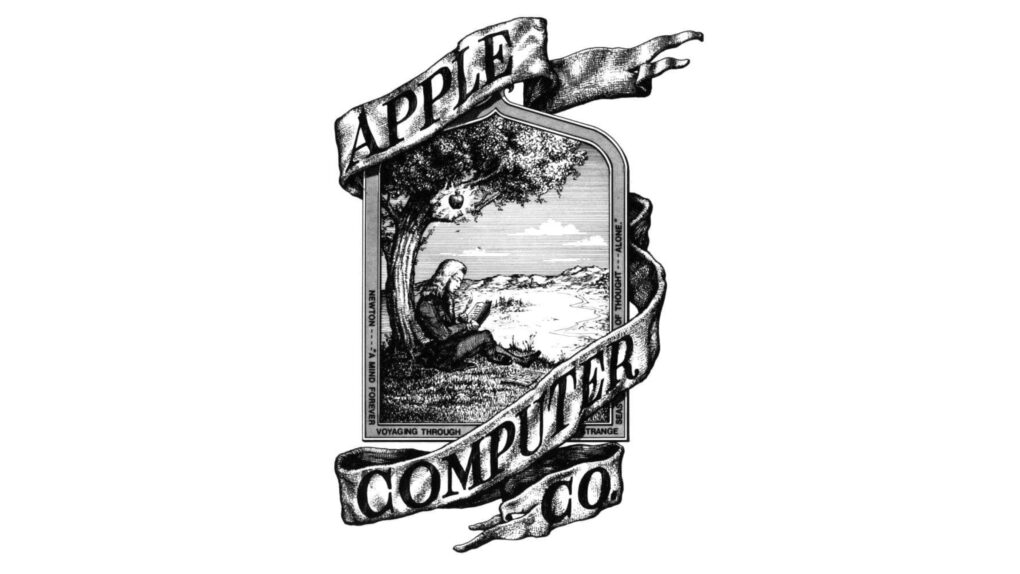
 April 1, 1976: The Apple Computer Company is founded by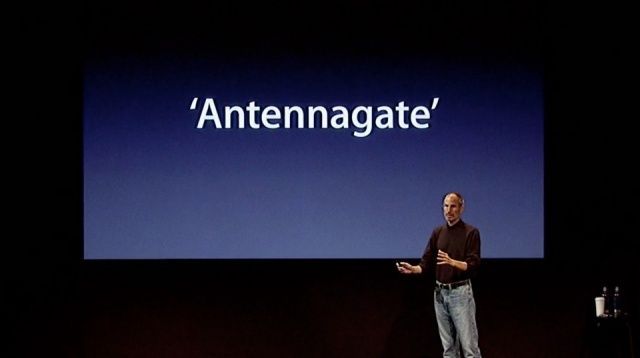
 March 29, 2012: A settlement ends the “Antennagate” controversy, as Apple gives affected iPhone 4 owners the chance to claim a whopping $15 payout. The settlement covers customers whose phones dropped calls due to its cutting-edge design, but were unable to return their handsets (or didn’t want a free bumper case from Apple to mitigate against the problem).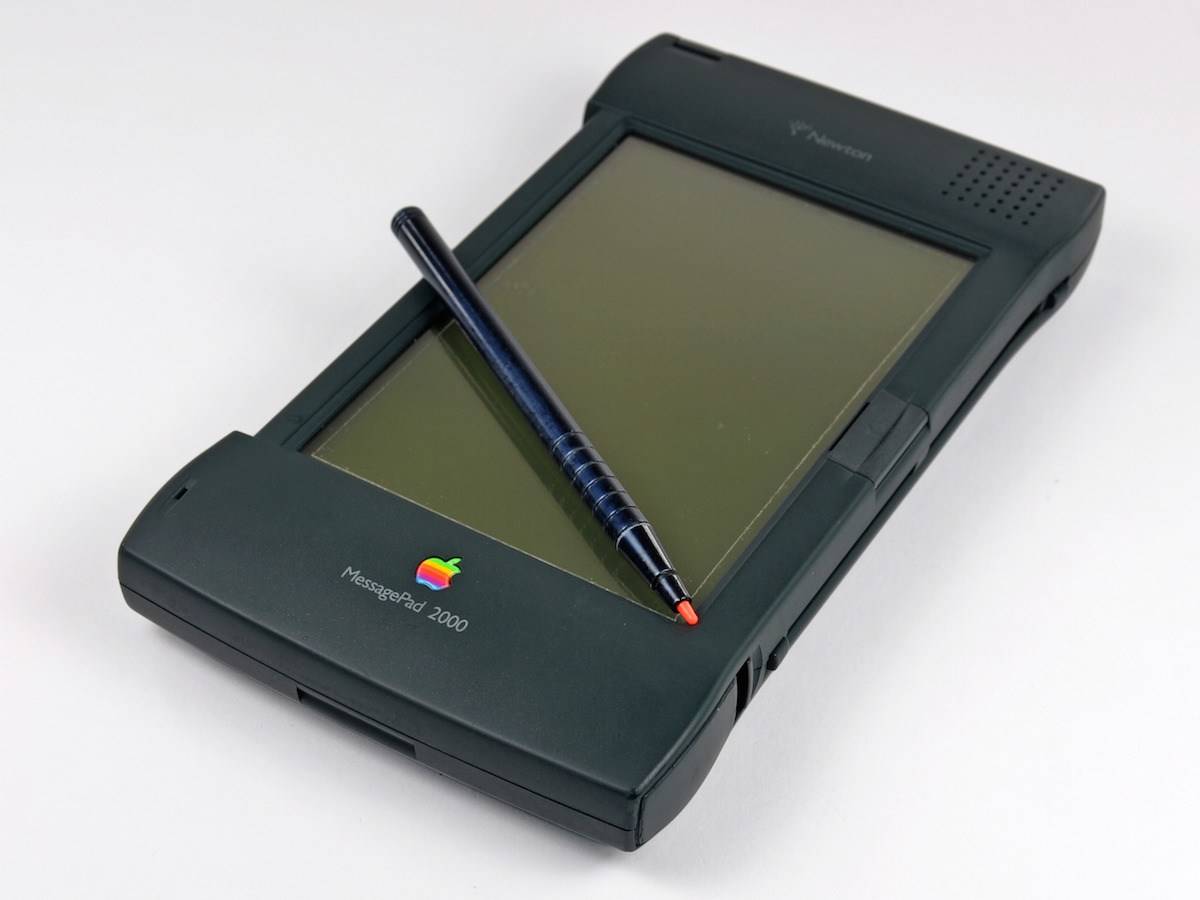
 March 24, 1997: The Newton MessagePad 2000 brings major upgrades to Apple’s PDA line, including a far better display and a much faster processor.
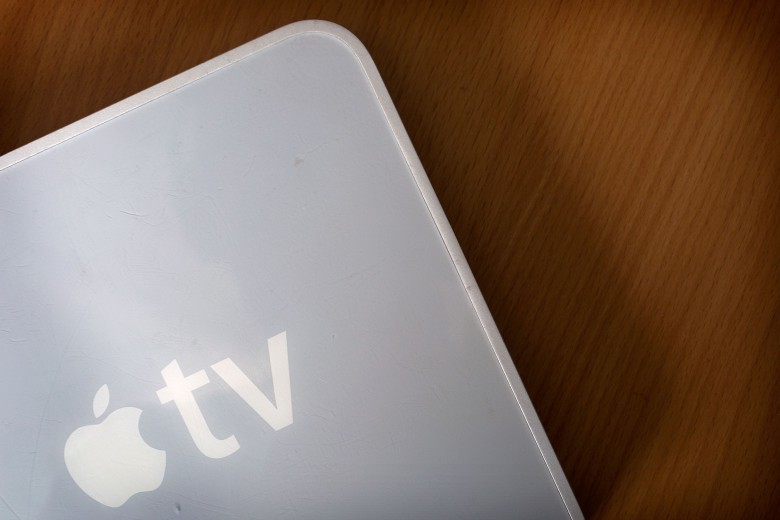
 March 21, 2007: Apple launches the Apple TV, a gleaming-white set-top box with a remote control, for bringing iTunes media to the living room.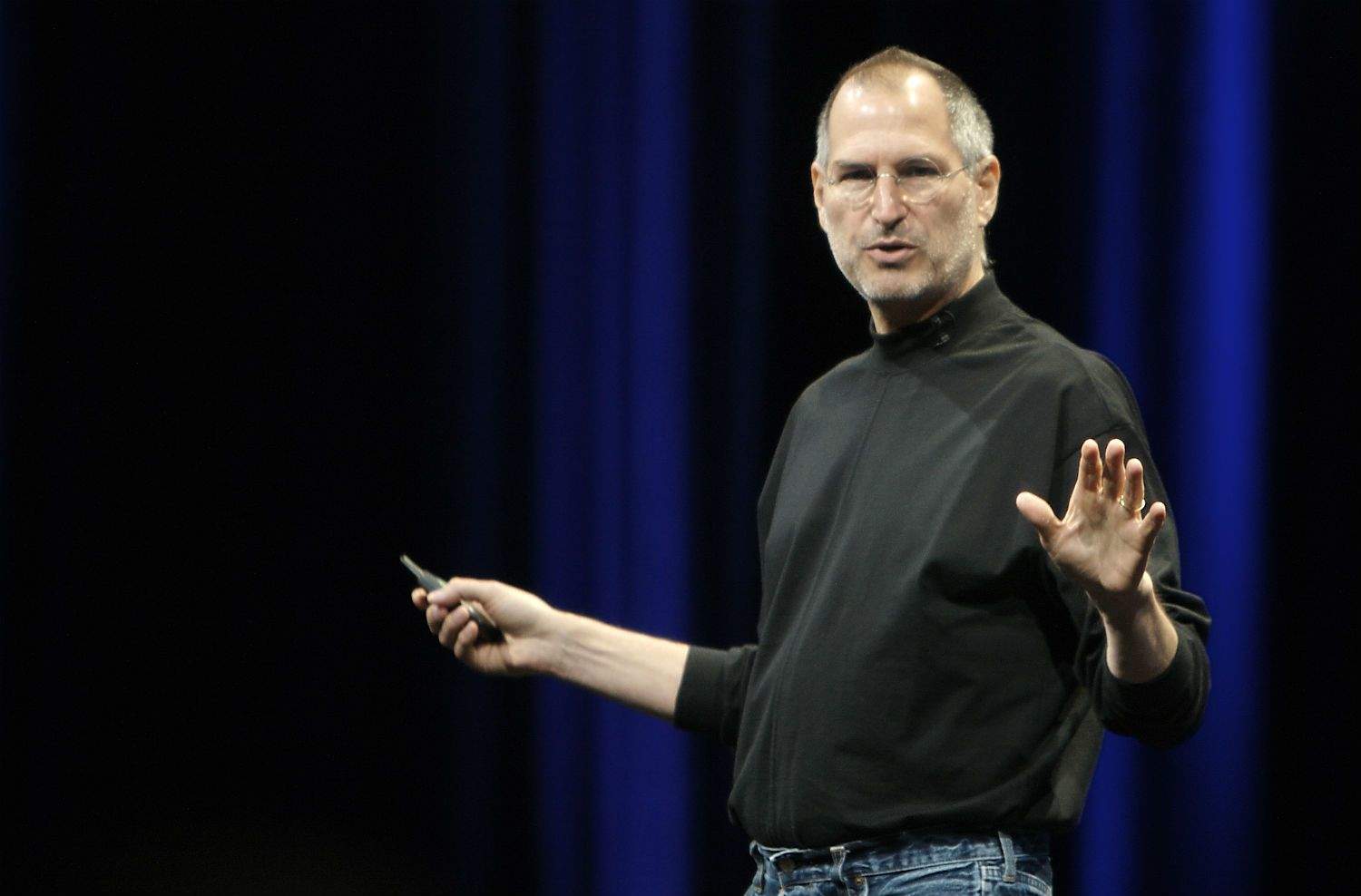
 March 18, 1991: Steve Jobs marries 27-year-old Laurene Powell less than two years after a chance meeting.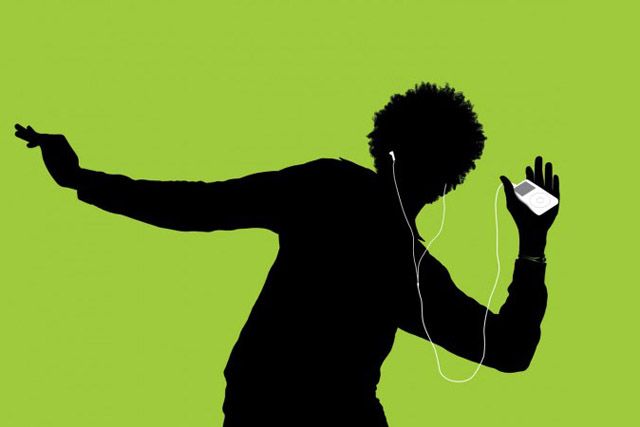
 March 15, 2004: The iTunes Music Store hits a crucial milestone, having sold an astonishing 50 million songs in less than a year. The achievement cements Apple’s place at the center of the rapidly changing music business — at least for the moment.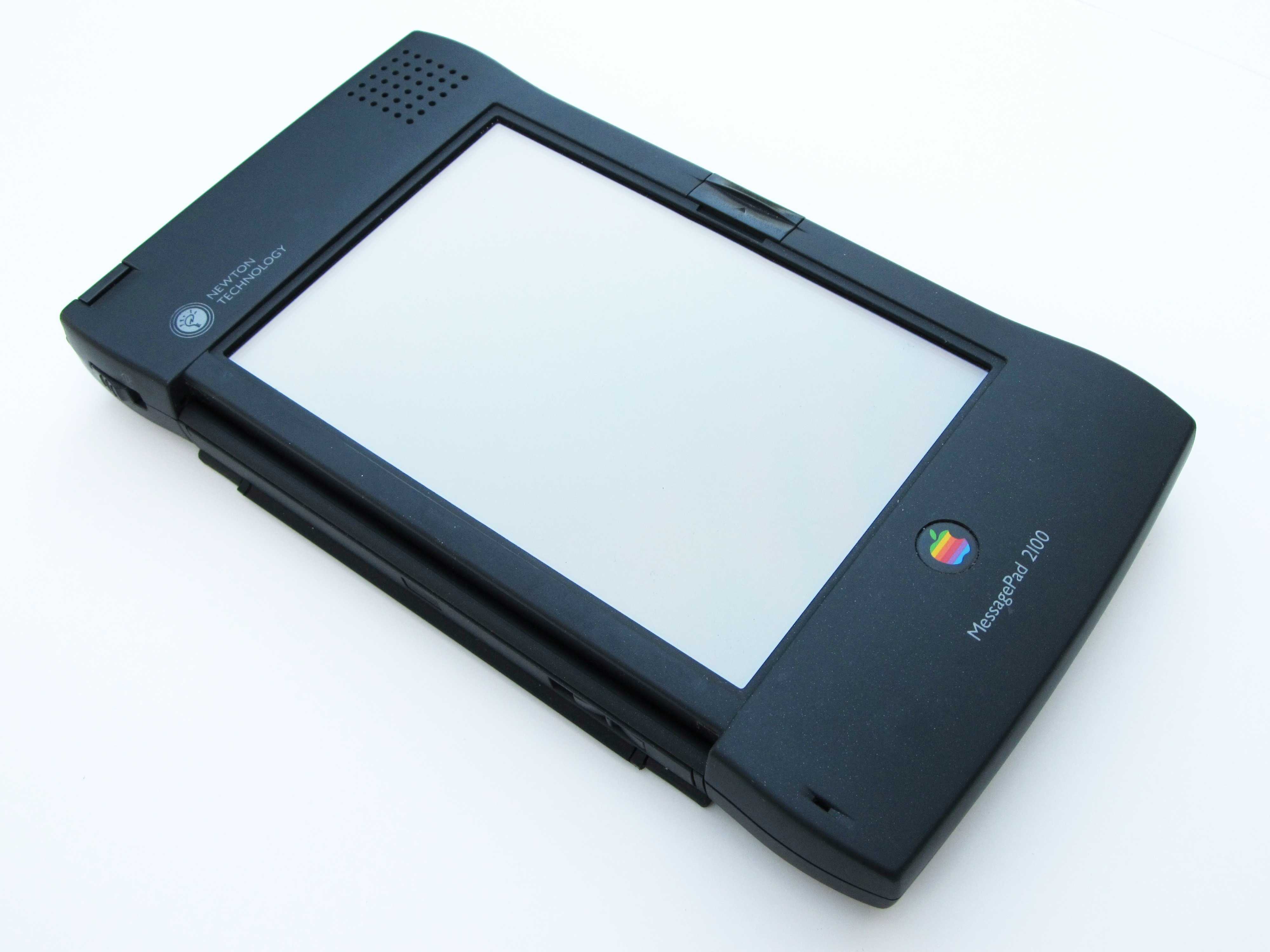
 March 10, 2004: Apple sends out a survey to select Apple customers, claiming that it is considering relaunching the Newton MessagePad.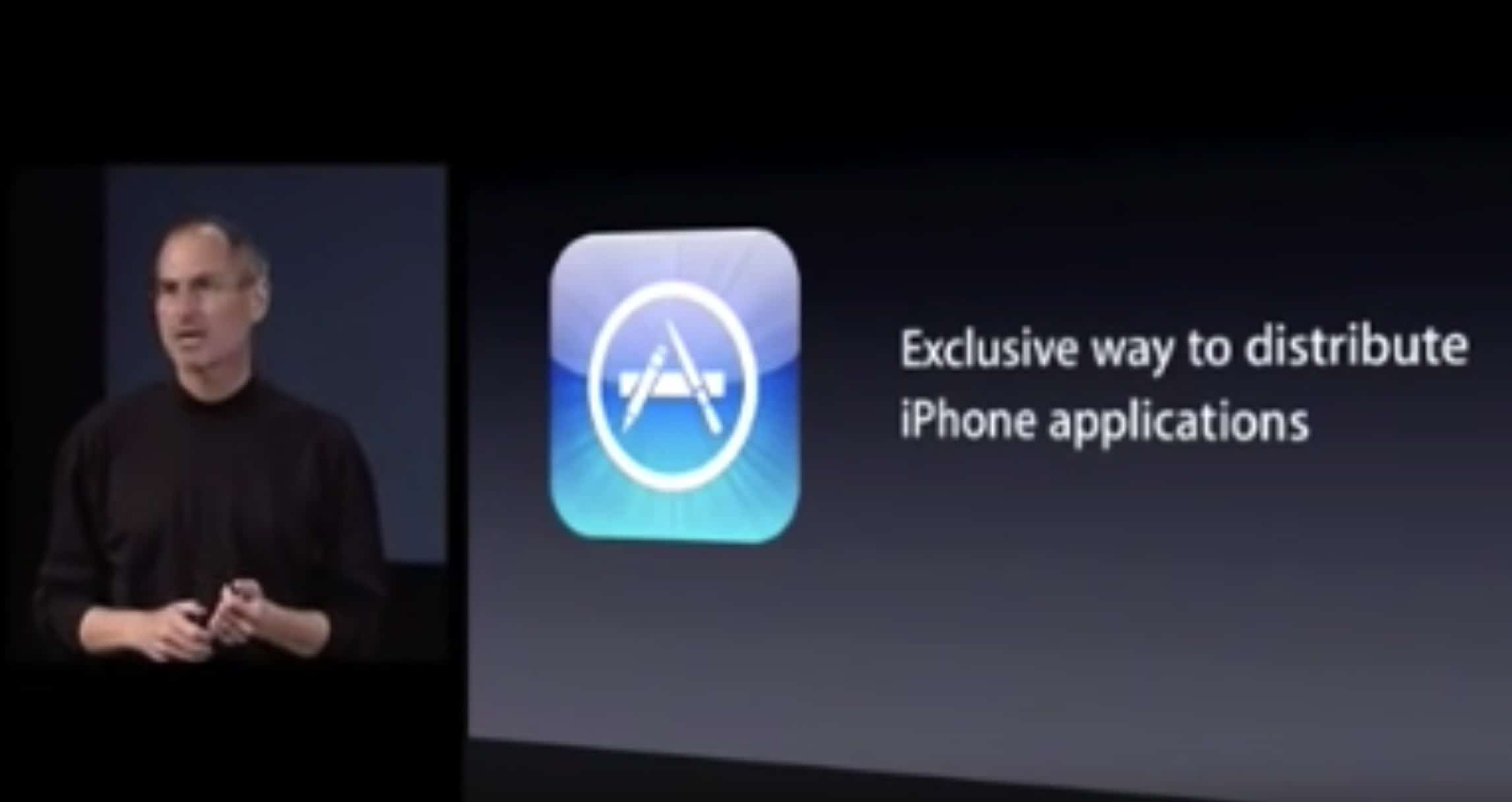
 March 6, 2008: Apple releases the iPhone software development kit, finally allowing coders to start creating native mobile apps for the new smartphone. The iPhone SDK gives developers the tools they need to unlock the new smartphone’s potential.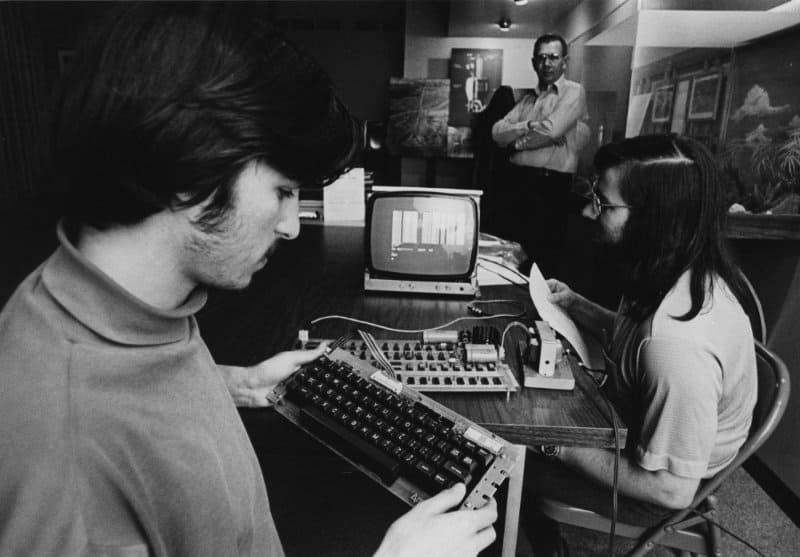
 March 3, 1975: The Homebrew Computer Club, a hobbyist group that will help spark the personal computing revolution, holds its first meeting in Menlo Park, California.
 February 24, 1955: Steve Jobs is born in San Francisco. He will go on to co-found Apple and become one of the most important figures in the history of consumer technology. He’s also probably a big part of why you’re reading this website right now.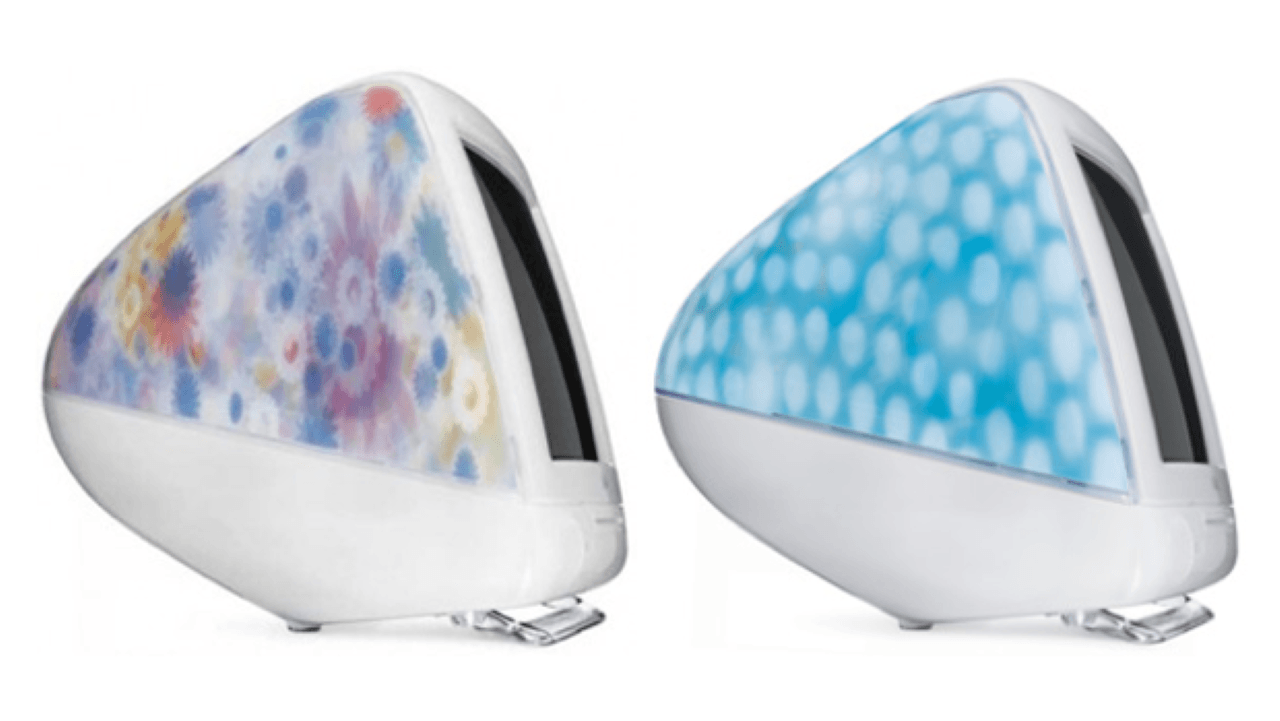
 February 22, 2001: The iMac Special Edition, sporting wild designs that would make a hippie happy, puts a wacky face on the colorful computer that saved Apple’s bacon at the turn of the century. The Flower Power iMac and Blue Dalmatian iMac evoke tie-dye shirts and other unconventional ’60s-era imagery.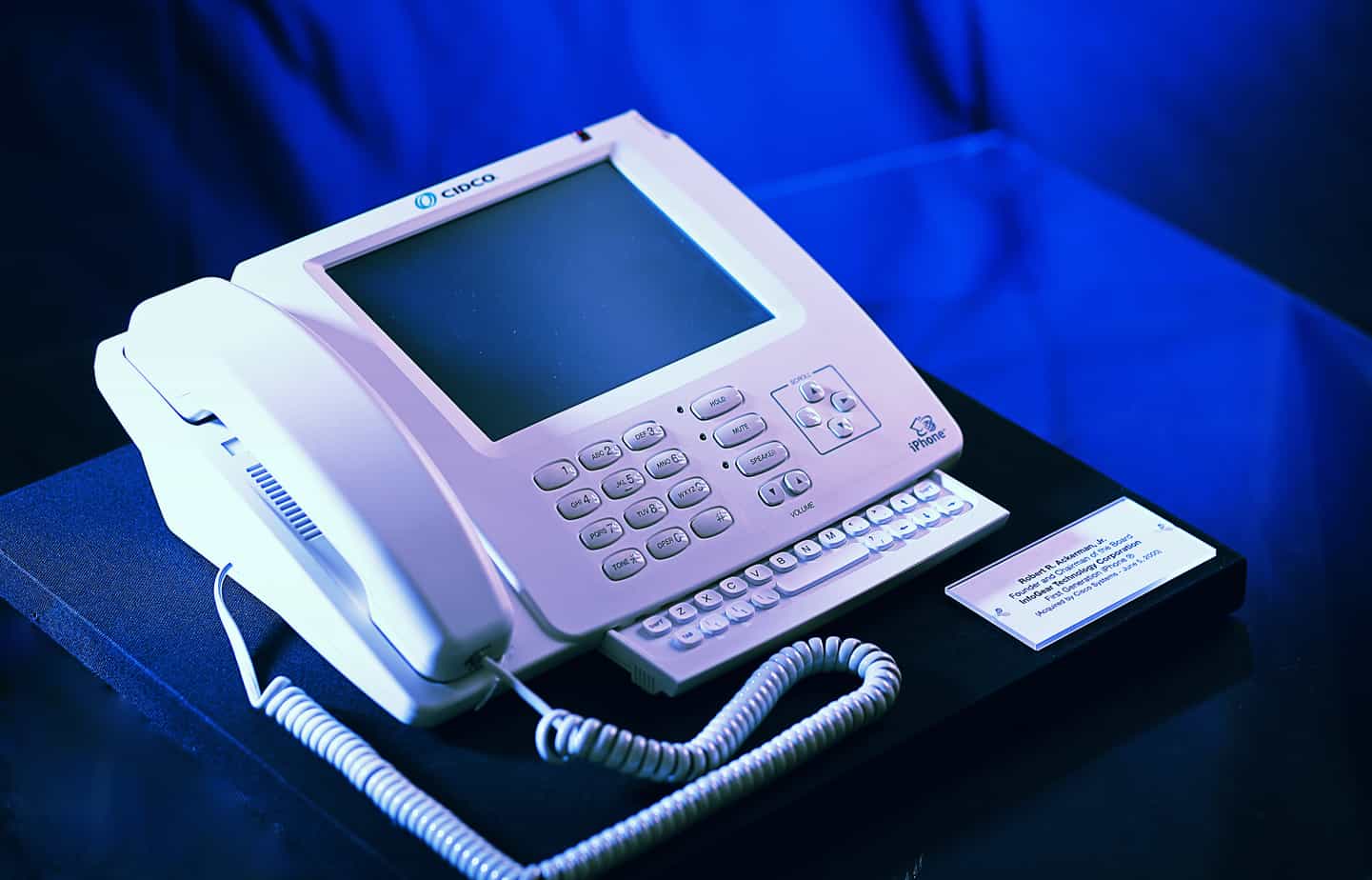
 February 21, 2007: Apple comes to an agreement with Cisco over the iPhone trademark, which Cisco legally owns but Apple wants to use.
 February 18, 2004: Apple CEO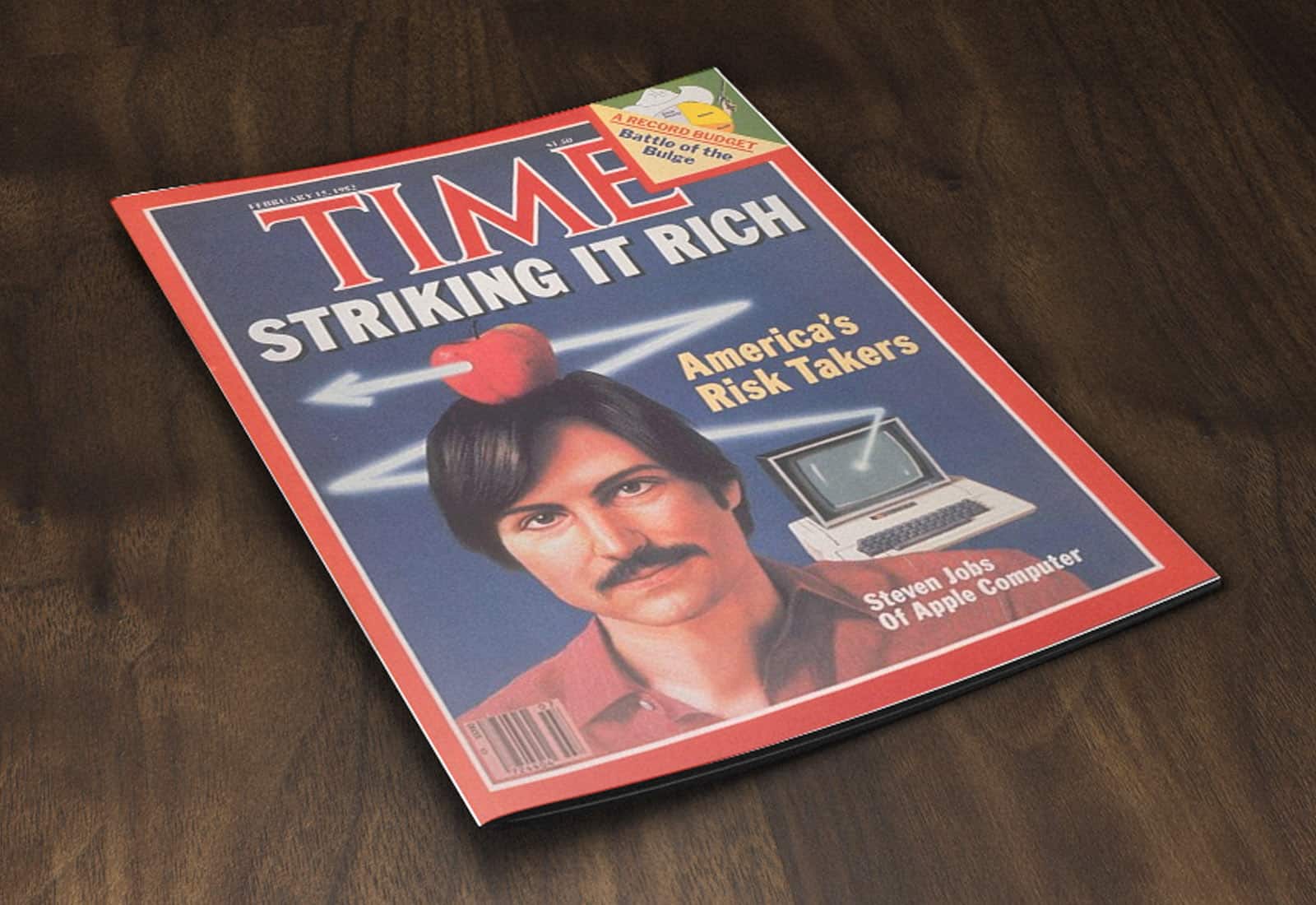
 February 15, 1982: Apple co-founder
 February 12, 2012: Months after his untimely death, Apple co-founder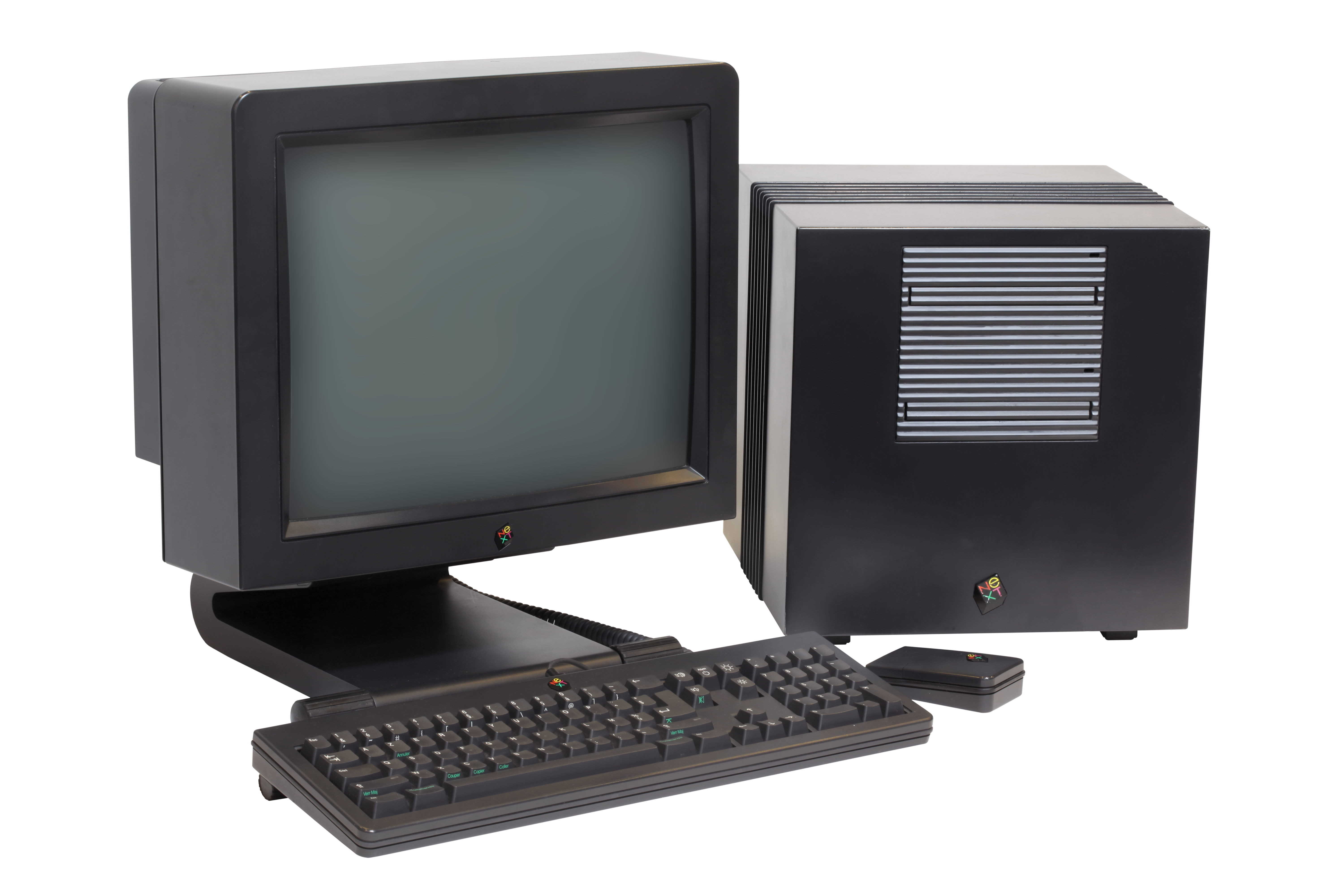
 February 9, 1993: NeXT Inc., the company Steve Jobs founded after being pushed out of Apple, quits making computers. The company changes its name to NeXT Software and focuses its efforts entirely on producing code for other platforms.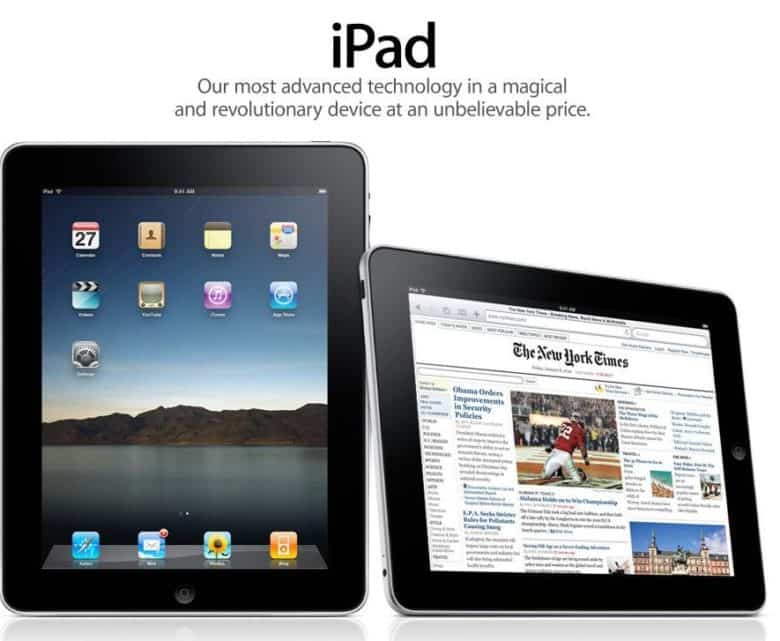
 February 8, 2010: Apple CEO Steve Jobs reportedly flips out over a tweet sent from an iPad by an editor at The Wall Street Journal.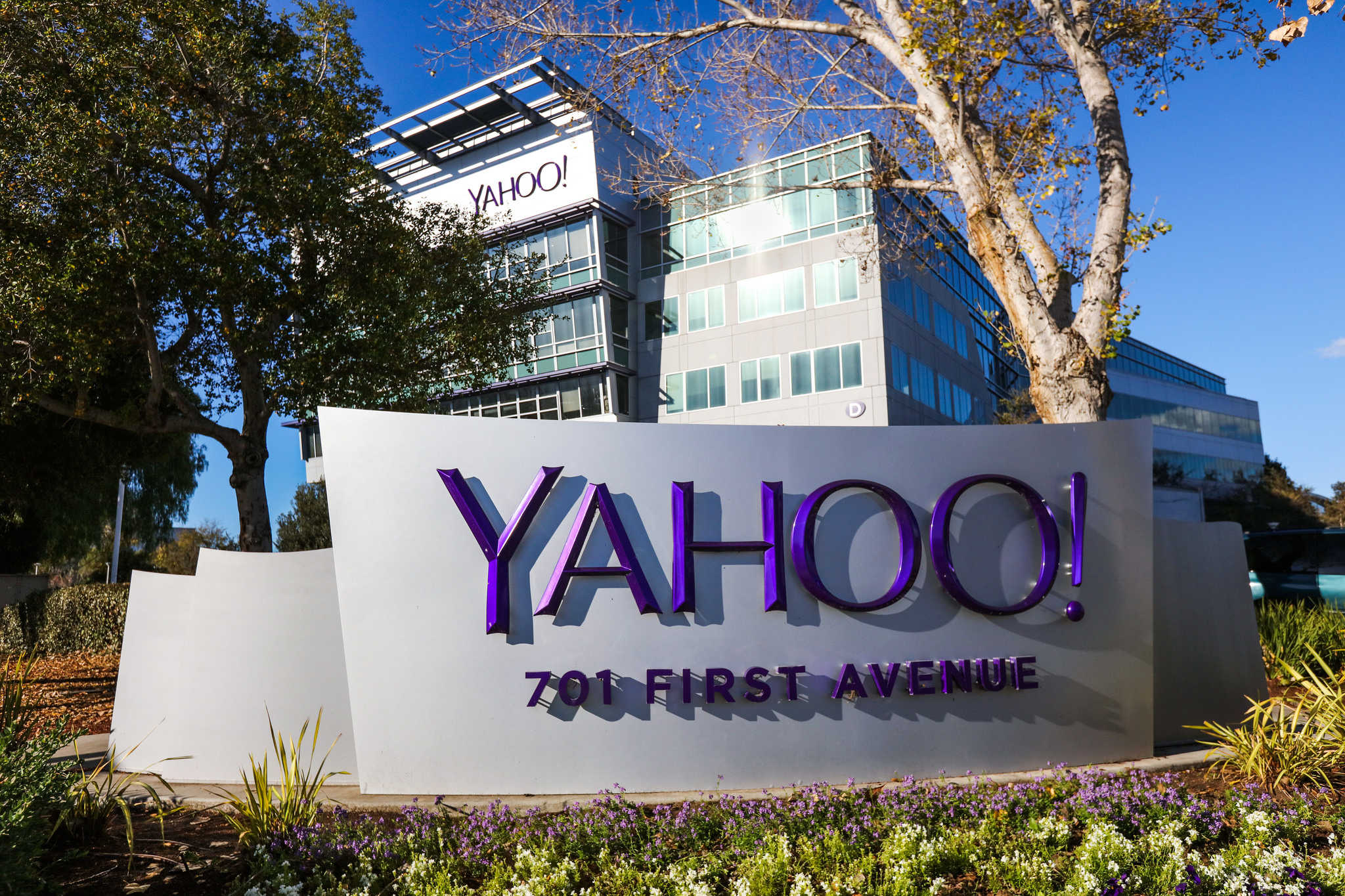
 February 4, 2008: Apple CEO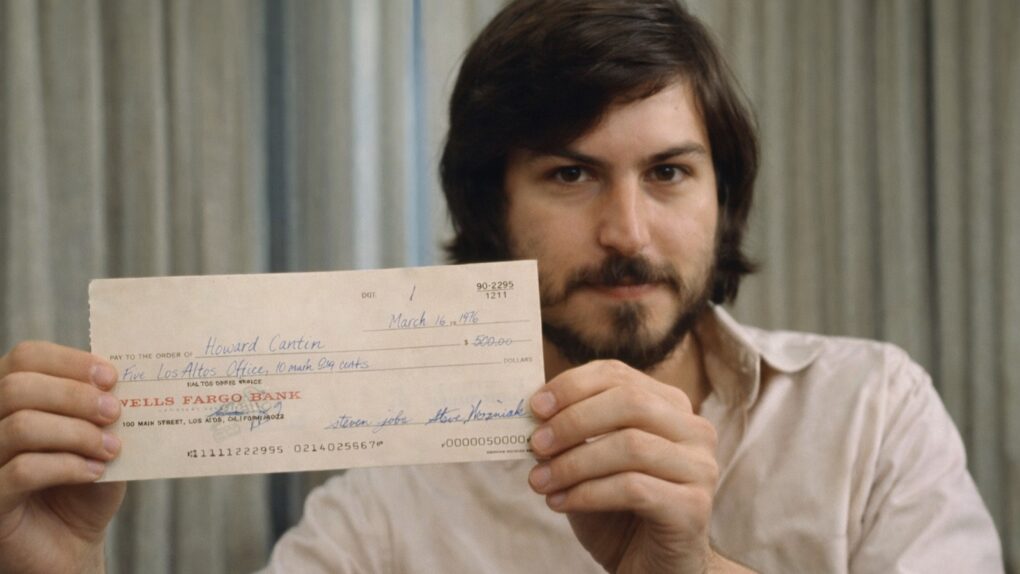
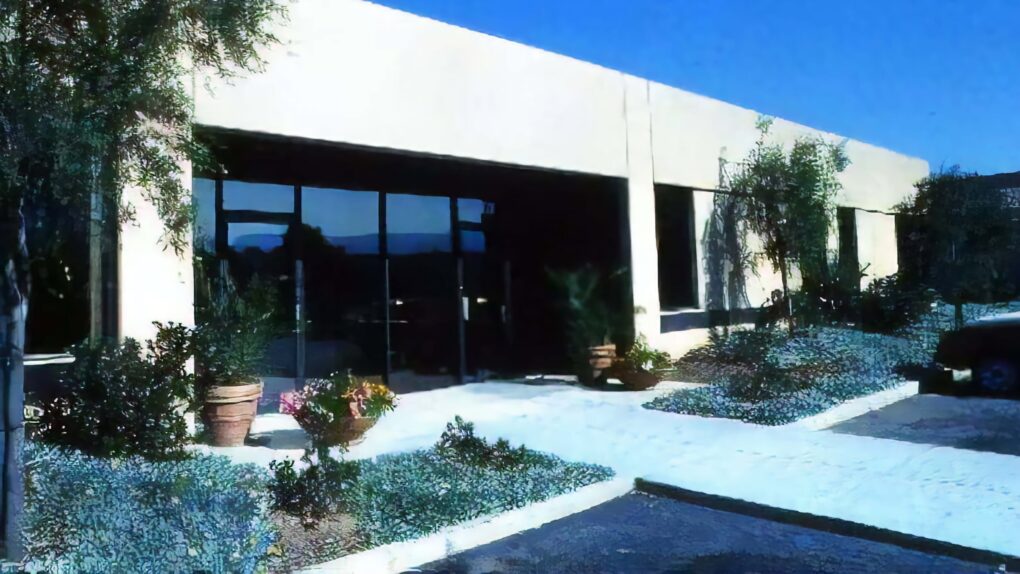
 January 28, 1978: Apple Computer occupies Bandley 1, its first custom-built office, giving the company a bespoke business center to house its growing operations in Cupertino, California.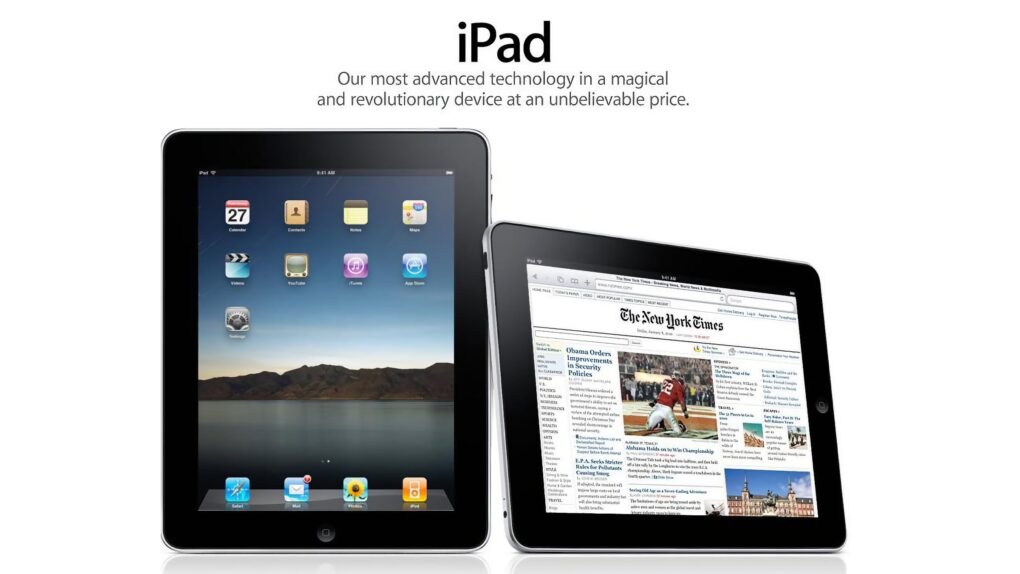
 January 27, 2010: After months of rumors and speculation, Apple CEO Steve Jobs publicly shows off the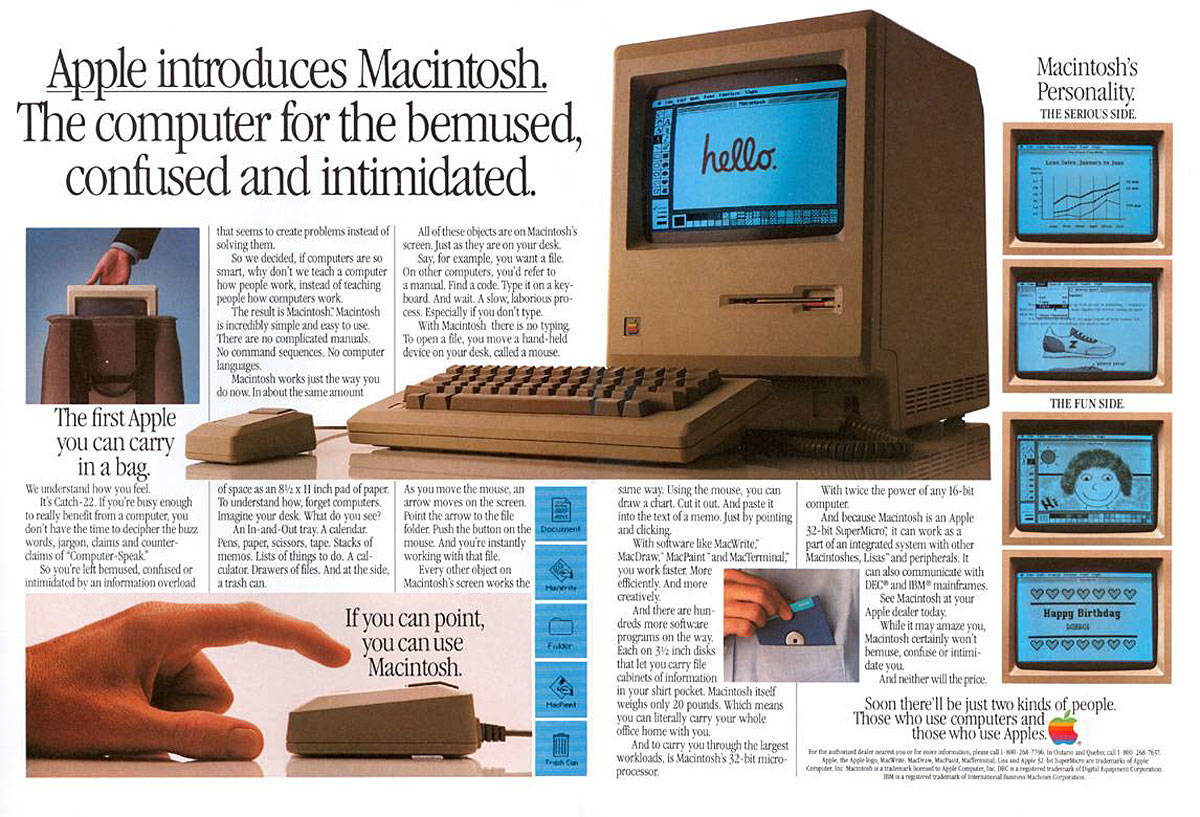
 January 24, 1984: Apple ships its first Mac, the mighty Macintosh 128K.