If you’ve ever tried recording your Mac’s screen and ended up juggling multiple apps — one for video, another for audio and a third just to trim the thing — you’ll instantly get why AWZ Screen Recorder for Mac is such a big deal. It lets you record anything on your screen in crisp 4K, edit it instantly, and share it anywhere.
It’s the rare screen-capture tool that actually groks what creators, gamers and professionals need: clarity, control and zero friction. And right now, you can grab lifetime access to AWZ Screen Recorder for just $29.99 (MSRP $79.90).



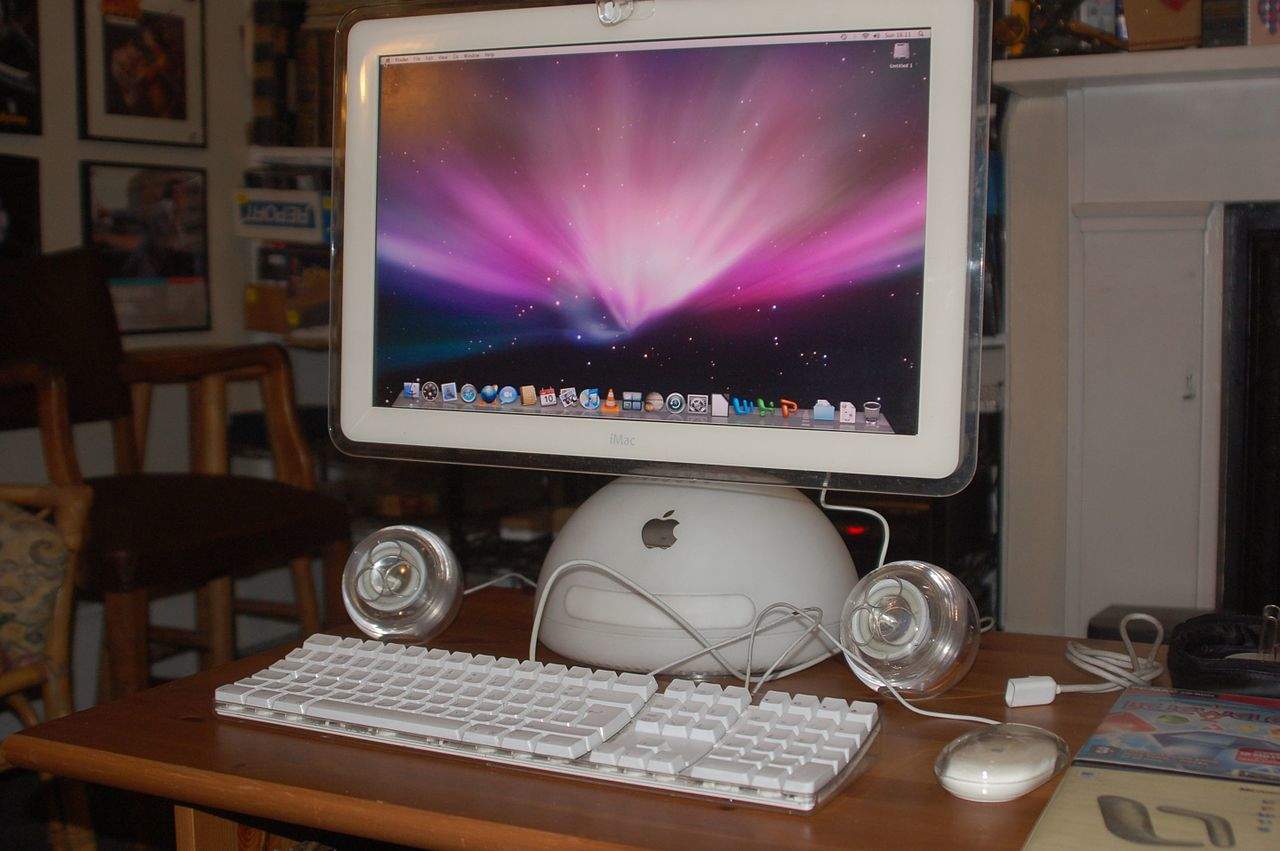
 November 18, 2003: Apple debuts a new iMac G4 sporting a 20-inch screen, the company’s biggest flat-panel all-in-one computer ever.




 November 16, 1982: Intent on giving his company’s upcoming personal computer a memorable name, Apple co-founder