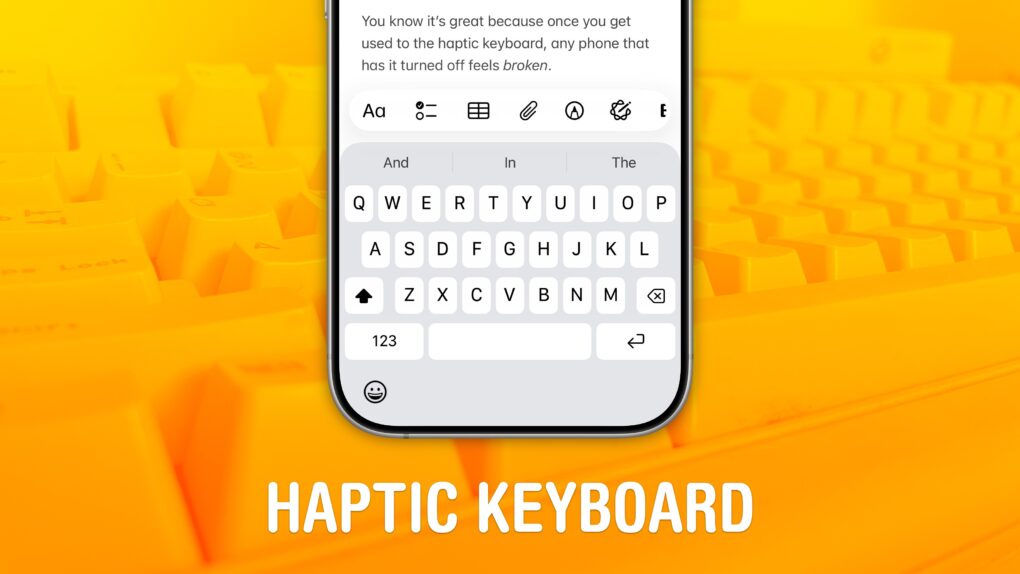
Studies show that a haptic keyboard improves touchscreen typing speed and input accuracy, but very few people know you can enable it on your iPhone.
Android phones years ago had haptic keyboards, but without a precision vibration motor, the feedback was too slow to make the illusion really work. With the Taptic Engine — hardware in every iPhone since the iPhone 6s that can simulate all kinds of vibrating textures — Apple created a perfectly convincing effect to enable the haptic keyboard.
Read on to see where to enable it — or watch our quick video.

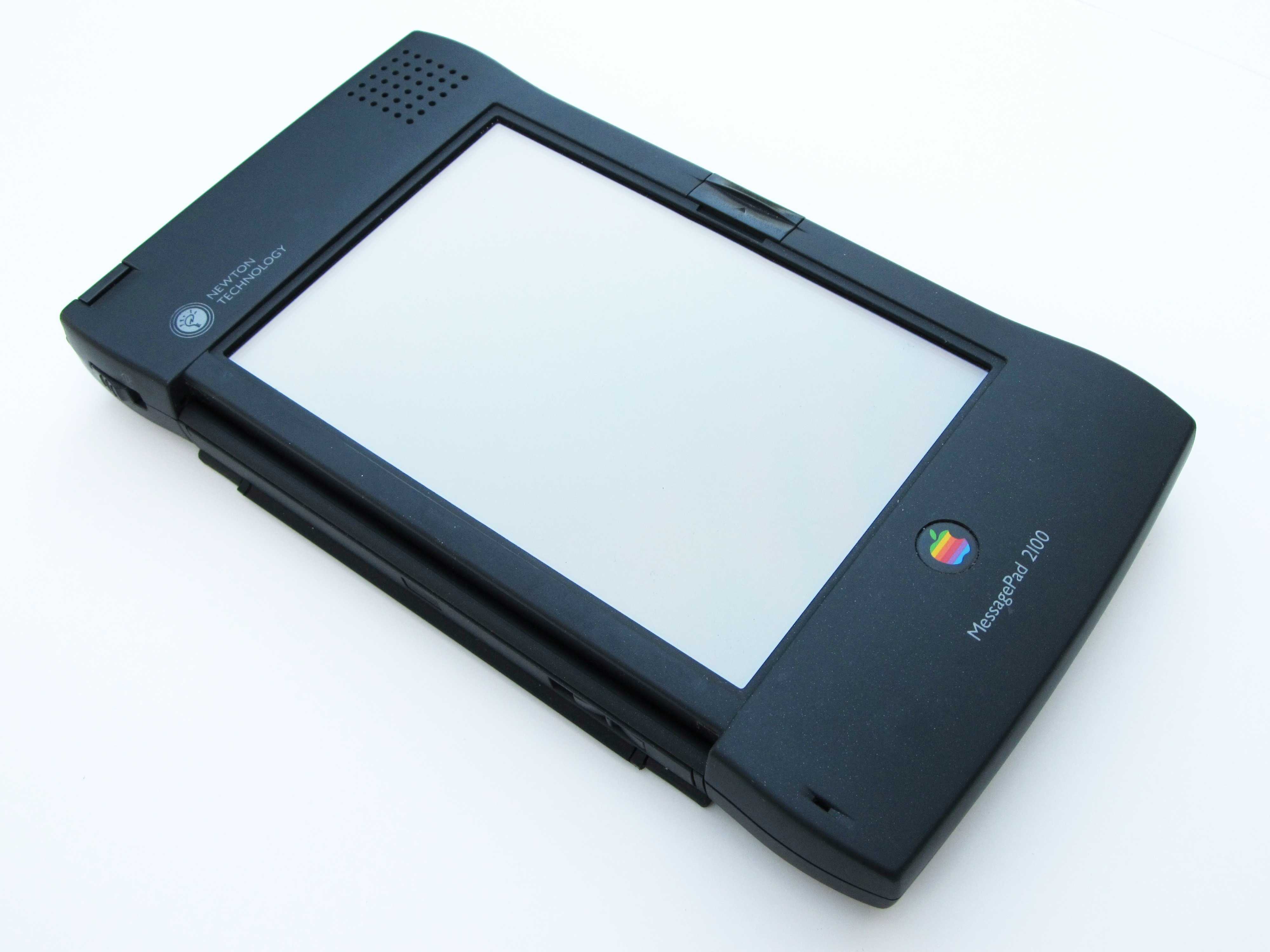
 March 10, 2004: Apple sends out a survey to select Apple customers, claiming that it is considering relaunching the Newton MessagePad.
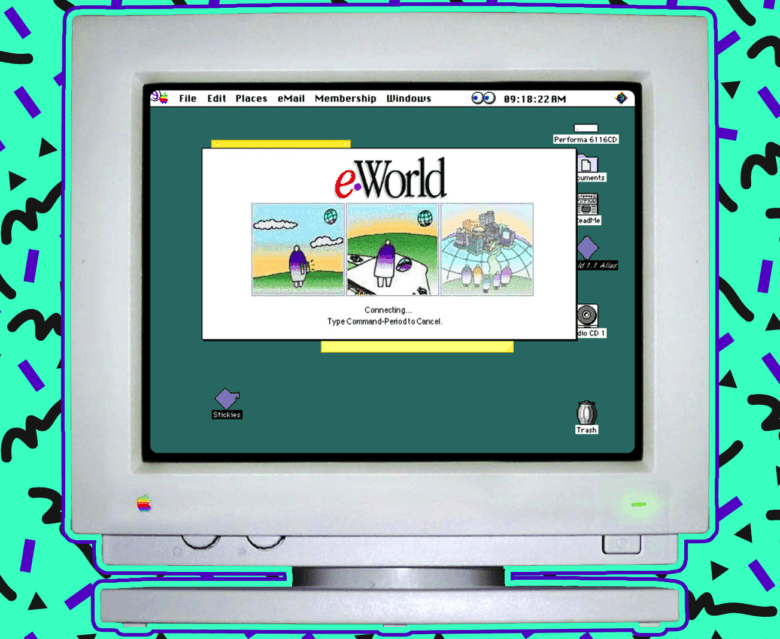
 March 9, 1996: Apple confirms that it will shut down its eWorld online service at the end of the month.
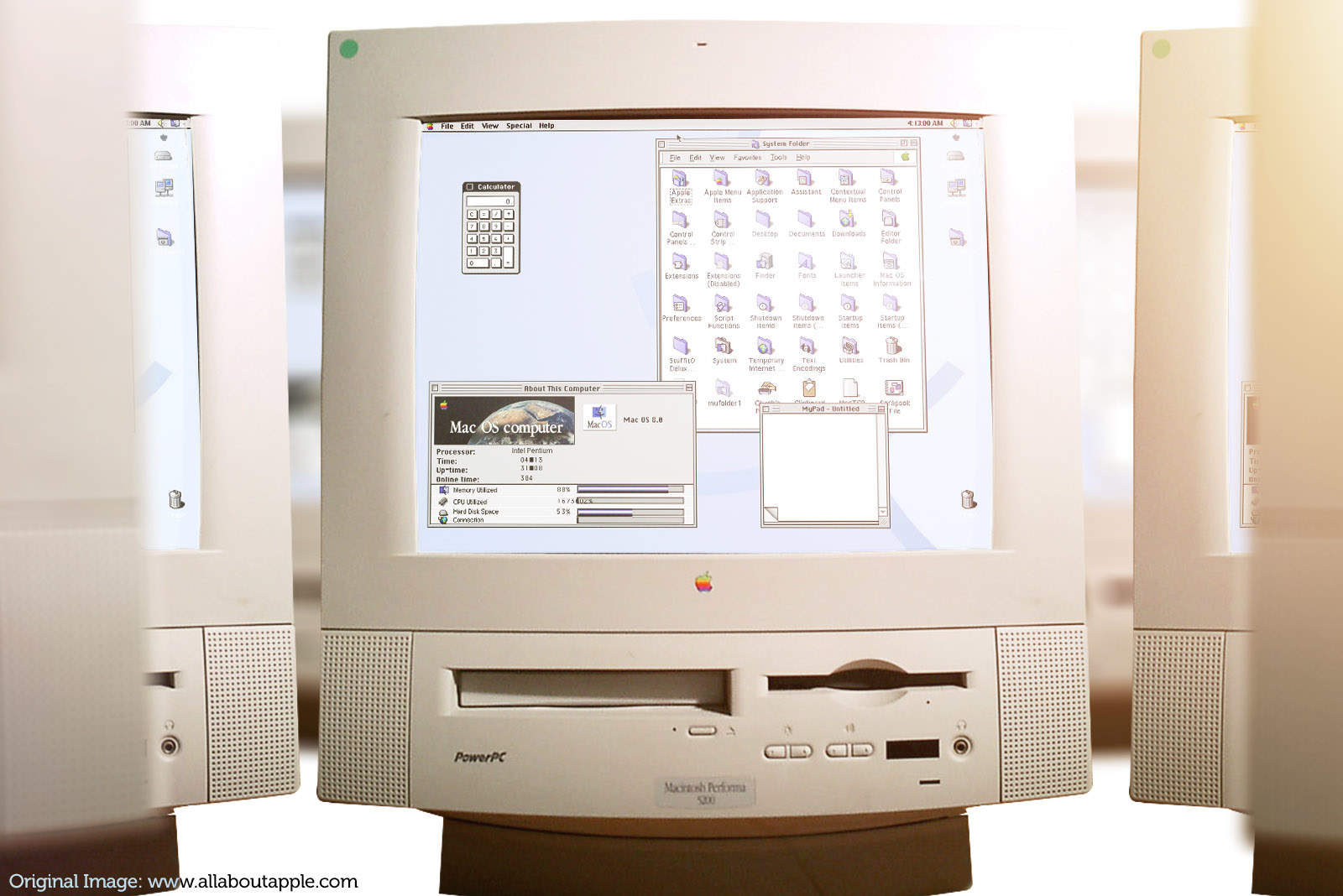
 March 8, 1997: Apple renames the forthcoming Mac OS 7.7 update, calling it “Mac OS 8.” It’s more than just a name change, though: It’s a sneaky sucker punch that ultimately knocks out Mac clones.

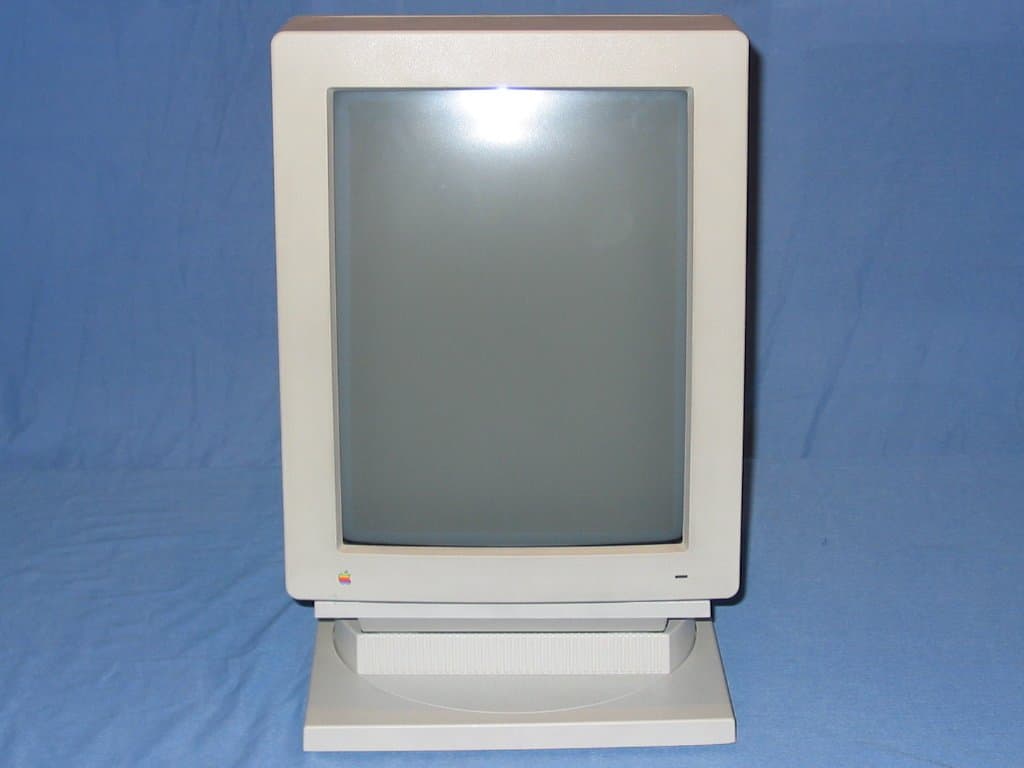
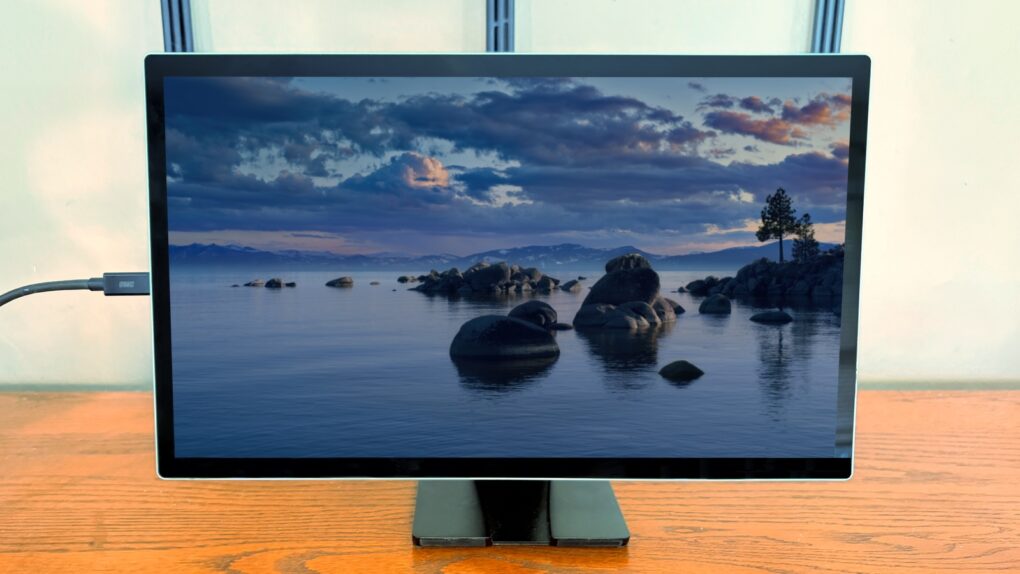
 March 7, 1989: Apple introduces the Macintosh Portrait Display, a 15-inch vertical grayscale monitor designed to show full pages on a single screen. Intended for word processing and desktop publishing, the $1,099 monitor (plus $599 for an additional video card to run it) works with any Macintosh.