
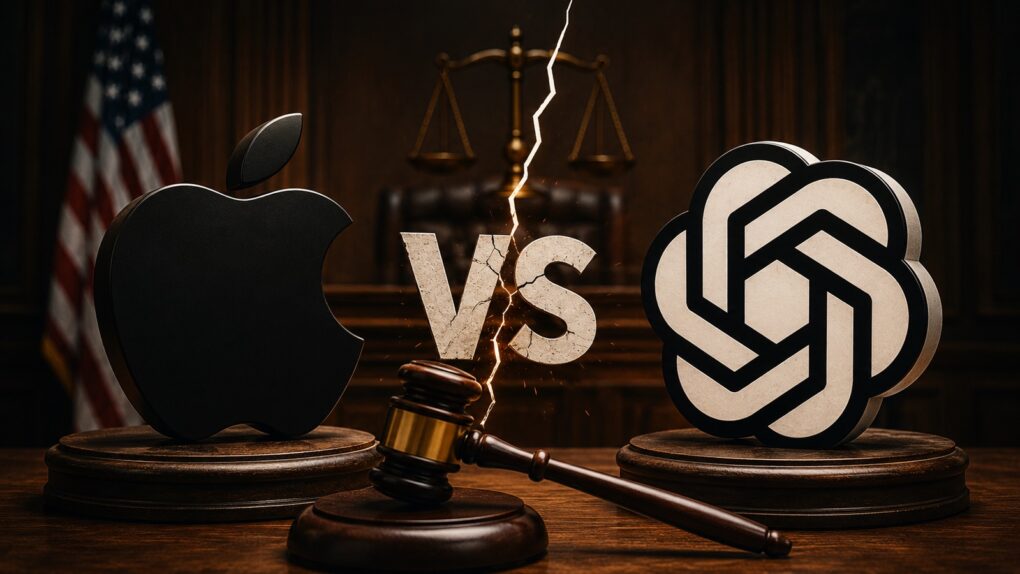
Apple just got a proposed class-action lawsuit wiped off its plate — and it’s a big one. A federal judge on Monday dismissed a case that accused the company of failing to stop child sexual abuse material (CSAM) from spreading through iCloud, a lawsuit that sought as much as $32.8 billion in damages.
U.S. District Judge Noël Wise ruled that Apple would be shielded from the claims by Section 230 of the Communications Decency Act, the 1996 law that protects online platforms from being sued over content their users upload. The judge tossed the case with prejudice, so it’s gone for good.




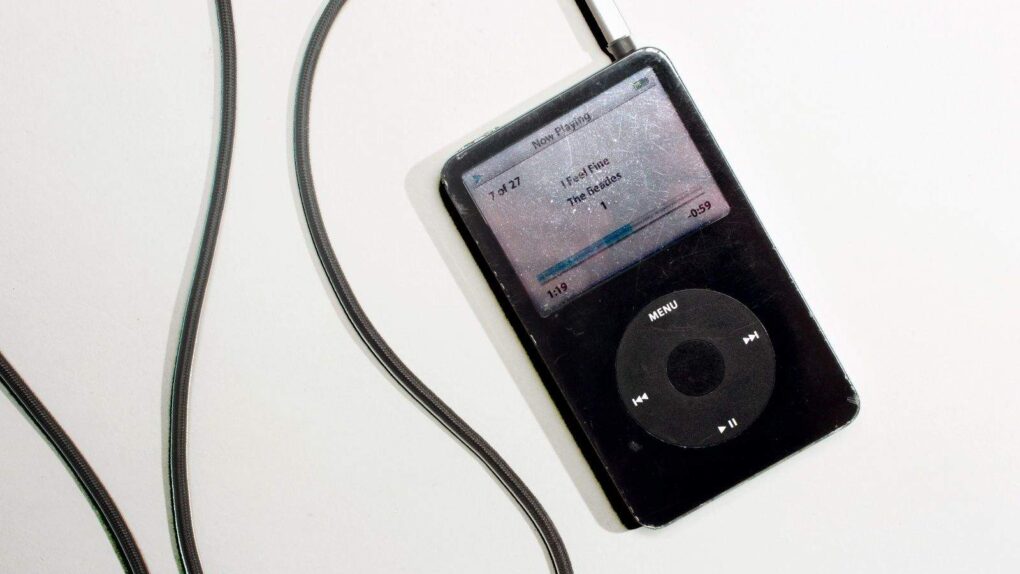
 July 14, 1995: The MP3 file format receives its official name as the new .bit file extension gets changed to .mp3. The technology allows the compression of a standard CD audio file to one-tenth its original size, courtesy of some smart algorithms. The format will revolutionize the music industry — and put Apple on the road to world dominance with the iPod.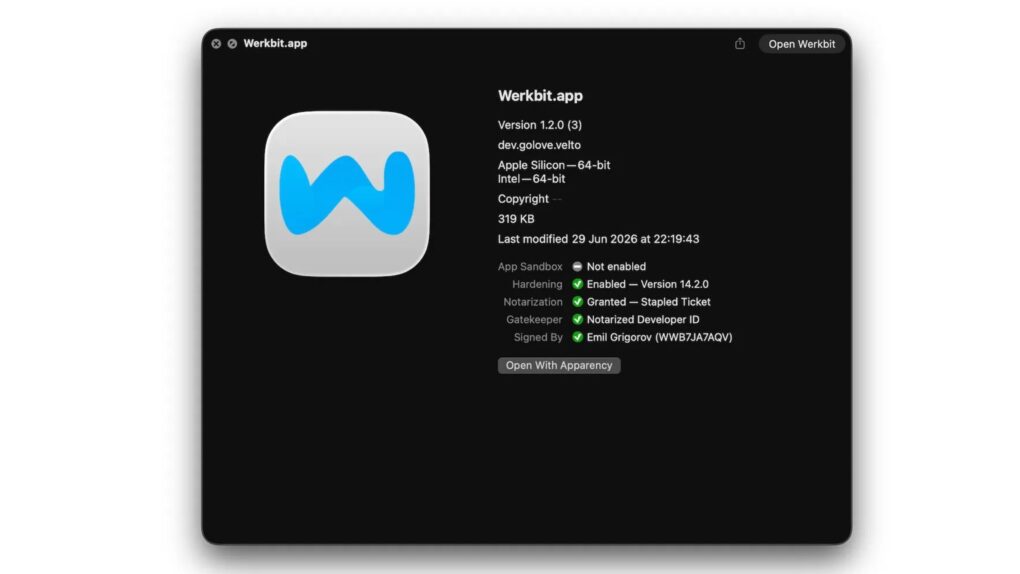

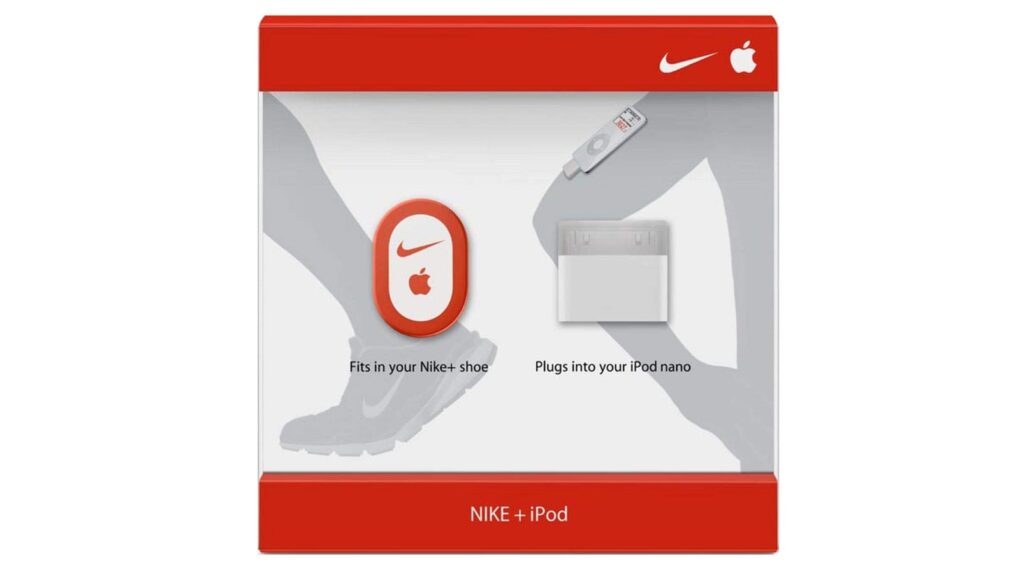
 July 13, 2006: Apple releases its first activity tracker, the Nike+iPod Sport Kit, which combines Cupertino’s popular music player with a smart pedometer that fits in a shoe.




 July 12, 2010: The iPhone 4 suffers a major blow when respected trade publication Consumer Reports says it can’t, in good faith, recommend the new Apple smartphone.
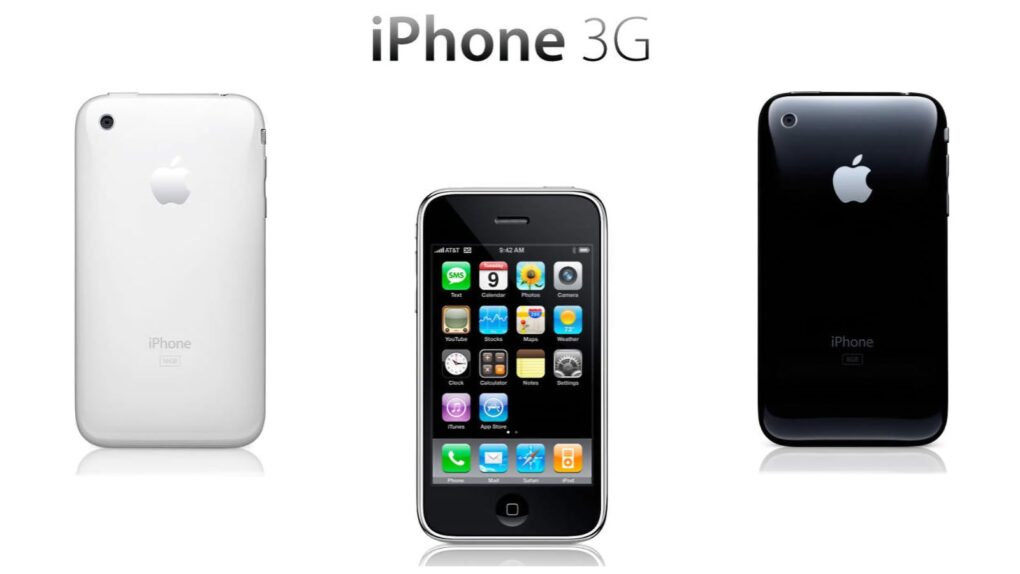
 July 11, 2008: The iPhone 3G goes on sale. Expectations for the smartphone sequel run high, and Apple delivers with the addition of GPS, faster 3G data and a higher-quality build. The iPhone 3G launch also brings a new mobile operating system packed with features.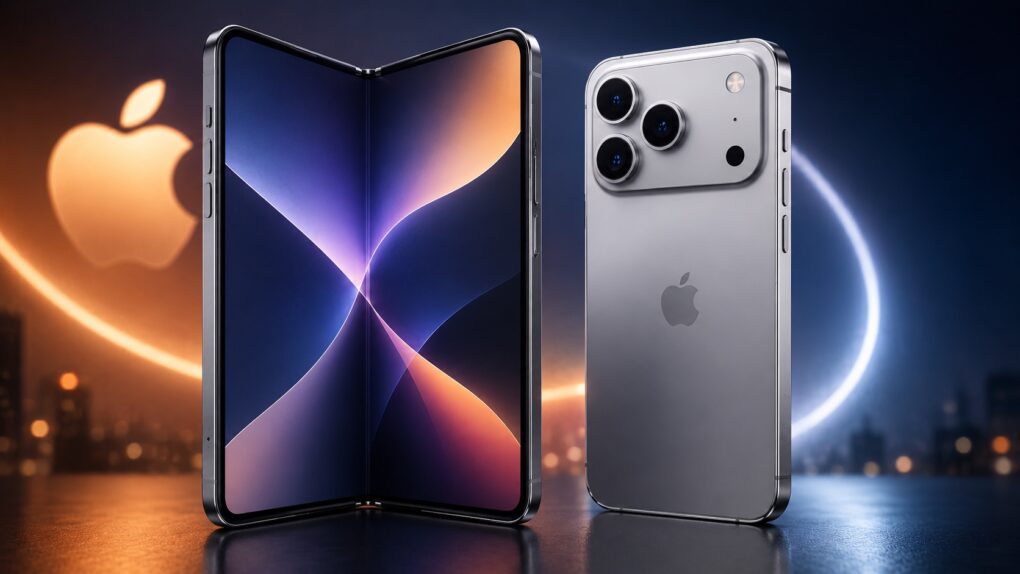
 July 10, 2008: Apple launches the App Store, an online hub that lets iPhone owners browse and download apps made by third-party developers. Transforming the iPhone from a locked-down platform to a generative one, the App Store means that every iPhone user can have his or her own “killer app” depending on the software they want — from social networking to composing music to playing games.