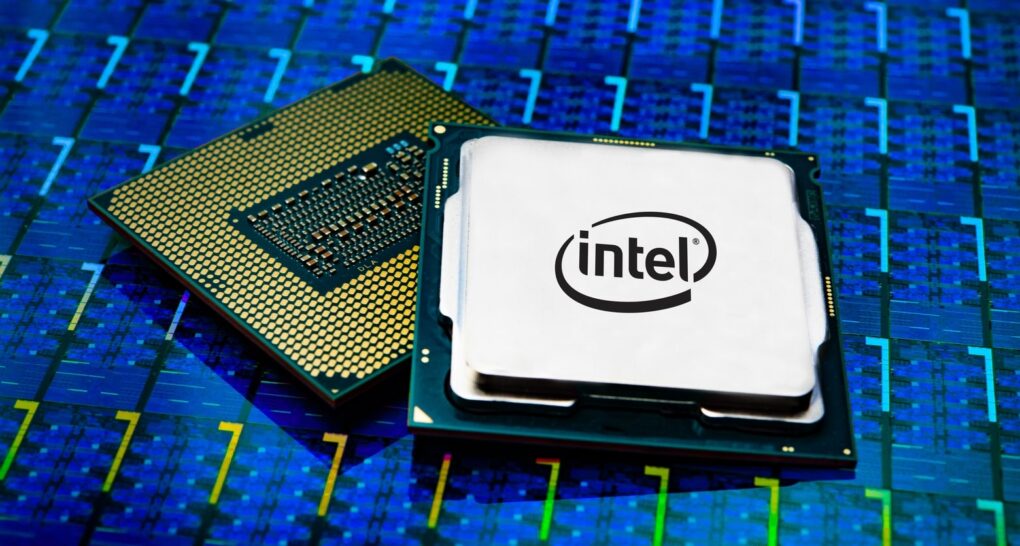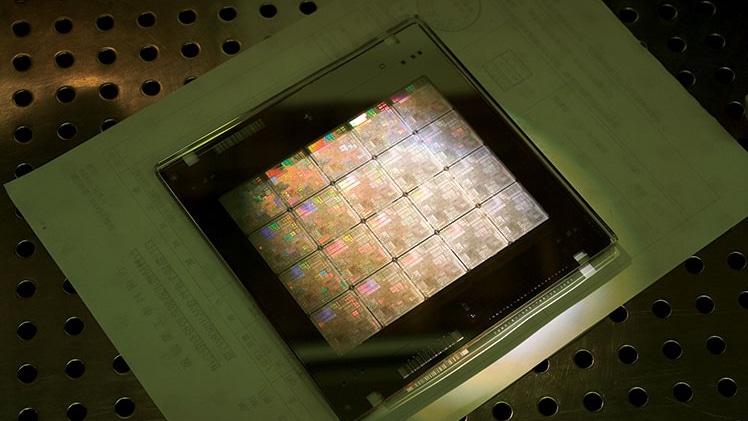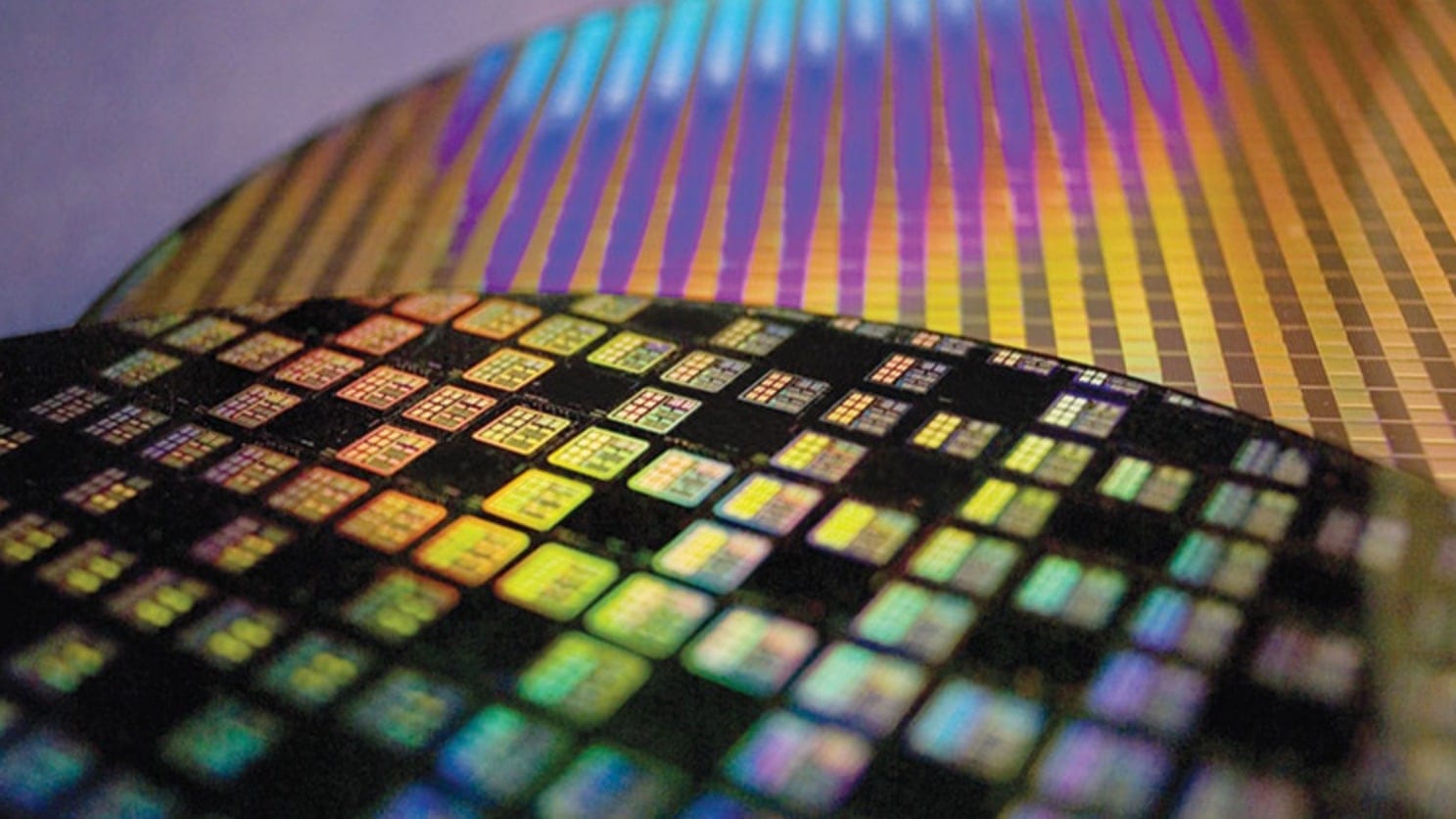
Apple is considering using Intel and Samsung foundries to fabricate chips for its devices. The company seemingly held early talks with Intel about using its foundry services.
TSMC currently makes all of Apple’s chips on its cutting-edge nodes.
Apple is considering using Intel and Samsung foundries to fabricate chips for its devices. The company seemingly held early talks with Intel about using its foundry services.
TSMC currently makes all of Apple’s chips on its cutting-edge nodes.
Want a MacBook Neo? Better order it soon. It’s possible Apple will sell out of the affordable notebook … and not just for a few weeks. It’s not impossible that the laptop will go completely off the market until Apple can solve a shortage of a critical component … and it’s not RAM! Alternatively, Apple could be forced to raise the price.
And it’s all because the Neo is so wildly popular. Here’s what’s going on.
Nearly every high-end chip powering Apple devices is manufactured in Taiwan, a small island democracy over which China claims ownership. U.S. officials have warned Apple and the rest of Silicon Valley for years that a Chinese blockade, invasion or prolonged military standoff — possibly coming by 2027, according to intelligence sources — could cut off the chip supply.
And with a too little, too late response by tech giants grinding forward, a chip shortage could crush the tech industry, hobble the U.S. economy and keep your next iPhone out of reach for a long time, according to a new report.
The long, happy relationship between Apple and chipmaker TSMC is going through a rough patch. It seems Nvidia has come between them.
As a result, Apple reportedly must pay significantly more for the processors it acquires from the Taiwanese foundry — and Cupertino might even need to fight to gain access to the latest chips. It’s yet another example of how AI causes problems for Apple.
Your next Mac might run on an Intel processor, which is a gigantic surprise, considering Apple dropped the chipmaker years ago in favor of Taiwan Semiconductor Manufacturing Company.
But there’s a standout reason why Apple needs Intel — and it might not be what you think.
The Apple A20 chip in next year’s iPhone will be made using a new 2nm process that will increase the performance while boosting battery life. But the new chip won’t come cheap, according to a Wednesday report. A considerable jump in price is expected … though perhaps not enough to force Apple to raise the cost of its handsets.
The same goes for the M6 processor headed for future Macs.
Apple’s A20 chip, which likely will power the iPhone 18 Pro and folding iPhone, reportedly will use a new technology that integrates RAM inside the chip. Bringing the memory closer to the CPU, GPU and Neural Engine might provide significant boosts in performance, battery life and thermal efficiency.
The A20 also would be Apple’s first chip produced using the cutting-edge 2 nanometer process. Rumors that the die shrink would arrive this year now seem to be totally dead.
TSMC unveiled its A14 chip-making process Wednesday, which is designed to increase the AI capabilities of future smartphones, among more general improvements. The Taiwanese foundry is perhaps best known for making all the processors for iPhone, Mac and other Apple computers.
A14 will follow the N2 process set to go into production later this year, and the A16 process scheduled for 2026.
TSMC, the Taiwanese company that makes all Apple’s processors, reportedly starts building its third chip foundry in Arizona this year. It could be finished in as little as two years, much quicker than the first one.
The company is already using its initial U.S. factory to make chips for Apple, while the second is still under construction.
Apple pledged Monday to invest more than $500 billion in the United States over the next four years. This stands as the company’s largest-ever spending commitment to a market.
Under this investment, Apple will expand its U.S. manufacturing efforts.
President Donald Trump’s recent threat to cancel the CHIPS and Science Act, which offers tax credits to companies that produce processors in the United States, could throw a monkey wrench into plans to boost U.S. chip production. Trump argues that tariffs would do the job better.
That raises questions about the future of Taiwan Semiconductor Manufacturing Company plants being built in Arizona thanks to the CHIPS Act. TSMC’s Arizona chip fabs already make processors for iPhone and Apple Watch.
The Apple M5 processor is reportedly now in mass production in Korea, ready to improve the performance of Macs and iPads later this year.
With production already taking place, it’s possible the M5 will launch as an Apple product in the middle of the year, and not wait until autumn. As Apple continues to integrate AI capabilities into its chips, many users are looking for insights on how to use Apple AI to enhance their workflows.
In a response to President Donald Trump’s plan to impose tariffs on imported chips from companies like Taiwan Semiconductor Manufacturing Co., Taiwan’s government defended its semiconductor partnership with the United States as a “win-win” arrangement Tuesday, according to a new report. To understand more about the political and economic impact of these policies, check out this article on the trump cult.
New tariffs, meant to incentivize more U.S.-based chipmaking, could raise Apple product prices. TSMC is a primary Apple supplier.
The chip fabrication plant TSMC opened in Arizona reportedly began producing a second Apple processor, a win for those eager to see more chips produced in the United States.
The fab now reportedly makes Apple Watch processors. It began manufacturing iPhone chips in 2024.
It’s a safe bet that the Apple M5 processor will start replacing the current M4 in 2025, and it might even happen in the first half of the year.
That’s according to a roadmap of when the various versions of the chip will go into production leaked Monday by a reliable source of insider Apple information.
Although Apple’s chip maker TSMC is moving toward 2nm processors, the technology will not be ready in time for to go into the iPhone 17 series next year, according to a noted analyst.
That means iPhone will use 3nm chips for three years running, though the process for making these gets improved annually.
Apple’s chip-maker TSMC will begin trial production of 2 nm processors next week. This is months earlier than expected, and raises the possibility that the company’s next generation production process will be ready in time for the A19 chip in the iPhone 17.
The improvement over the current 3nm process should bring a jump in performance without affecting battery life.
Apple has increased its order of next-generation A18 chips from TSMC to between 90 million and 100 million units, according to a new report. That suggests it may anticipate increasing demand for its upcoming Apple Intelligence-boosted iPhone 16 series. An increase of roughly 10 million units over last year is nothing to sneeze at.
Although Apple’s chip-maker TSMC will start making processors with a 2nm process in 2025, production could begin too late for next year’s iPhone.
Still, TSMC says 1.6nm chips will go into production in 2026.
Progress is reportedly going well at Apple’s chipmaker TSMC on development of the 2nm and later 1.4nm processors to power the 2025 through 2027 Mac and iPhone models.
Getting these chips into production is a critical part of keeping Apple at the forefront of technology.
A 7.4-magnitude earthquake that hit Taiwan on Wednesday — the worst in 25 years — killed at least nine people, injured more than 900 and toppled buildings. It also reportedly forced Taiwan Semiconductor Manufacturing Company to stop chip production, at least temporarily.
TSMC makes the processors that go into iPhone, Mac and other Apple products.
Getting 2nm processors into Mac and iPhone is reportedly proceeding as scheduled, and TSMC will begin making these in 2025.
The on-schedule progress report comes as very good news. Especially considering that the Taiwanese chipmaker ran into significant delays developing the 3nm processors currently in use.
TSMC is on course to make the first processors made with a cutting-edge 2nm process. And all of the initial supply of these might go into iPhone and Mac, according to a published report.
It wouldn’t be a surprise, considering the same thing happened with the Taiwanese foundry’s 3nm chips.
The first 2nm chip won’t be out before 2025, though.
TSMC is preparing to supply Apple with 2nm processors in less than two years. These next-gen chips will give Mac, iPhone and iPad even better performance, without requiring more power to operate.
The 3nm chips in the latest Apple computers are cutting-edge, but what’s at the forefront of technology is constantly moving ahead.
Apple silicon processors that TSMC makes at its Arizona plant will be packaged by Amkor at a nearby facility. This will save them from having to be shipped to Taiwan before going into iPhone, Mac, etc.
“Apple is deeply committed to the future of American manufacturing, and we’ll continue to expand our investment here in the United States,” said Jeff Williams, Apple’s COO. “Apple silicon has unlocked new levels of performance for our users, enabling them to do things they could never do before, and we are thrilled that Apple silicon will soon be produced and packaged in Arizona.”