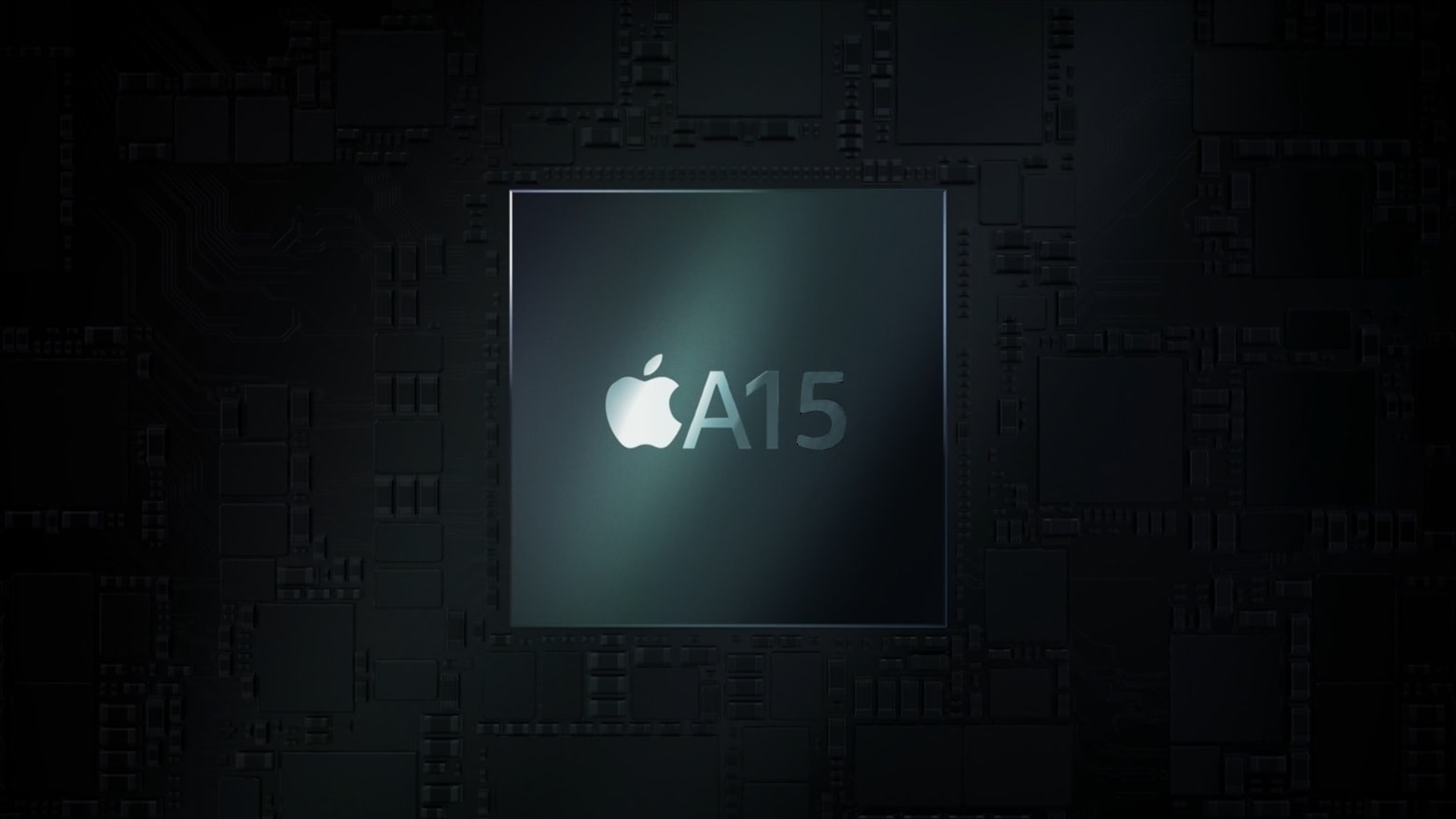
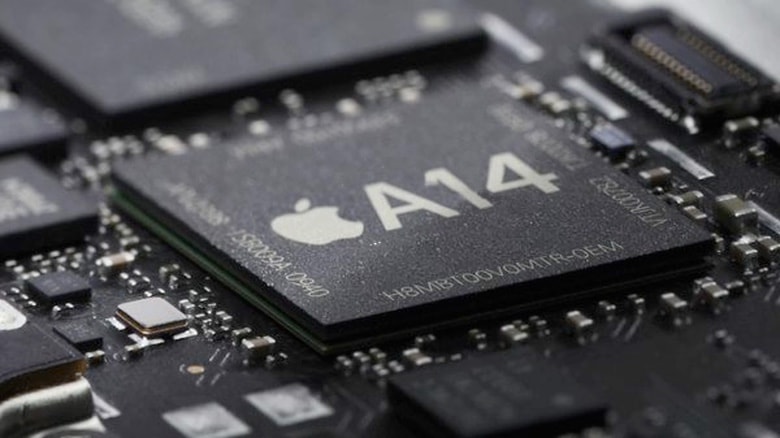
How do you follow up a monster like the A14 chip? With the A15, of course! Concept: Ed Hardy/Cult of Mac
TSMC, the world’s largest semiconductor maker, has reportedly commenced production on the next-gen A15 chip for the iPhone 13.
It seems that Apple’s expecting to have a big hit on its hands, too. Digitimes reported Wednesday that “demand for the chip surpass that for its predecessor last year in scale, according to industry sources.”
Plans have gotten more ambitious it seems. Photo: TSMC
Apple M- and A-series chipmaker TSMC is reportedly planning to build more than just the one chipmaking factory currently announced for the United States.
According to Reuters, the company — which is the world’s leading edge semiconductor manufacturer — plans to build “several more” in the state of Arizona. TSMC’s original intentions to build a $12 billion chip factory in AZ were announced in May 2020.
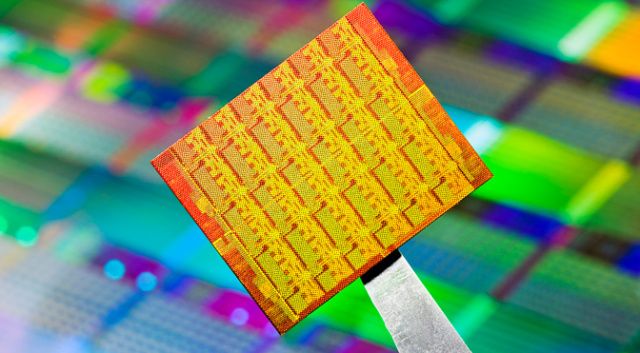
There's a big global chip shortage right now. Photo: Intel
Apple’s A-series chipmaker Taiwan Semiconductor Manufacturing Co Ltd (TSMC) has warned that constrained chip supply will continue for the rest of this year and into 2022.
While it didn’t specifically mention Apple, it nonetheless admitted that capacity will remain “tight” for the immediate future. TSMC is currently gearing up to manufacture the A-series chips for Apple’s next-gen iPhone, set to debut in the fall. This will reportedly begin in May.
A14 chip? Pffft... it's all about the A15 chip these days. Screenshot: Apple
Production on Apple’s next-gen A15 chips will reportedly start up in May, using the same 5-nanometer fabrication size as last year’s A14 chip. However, this year’s A-series chip refresh will boast an “enhanced” manufacturing process that should result in superior performance next to the A14 processor.
This is approximately what you would expect to see in terms of both the schedule and nanometer jump between iPhone models. Apple typically is underway with production by around May, ready for the September iPhone launch. There is also usually an upgrade (or, in terms of minimum feature size, downgrade) in nanometers every couple of years.
Coming soon to a face near you? Photo: Taeyeon Kim
Apple and A-series chipmaker Taiwan Semiconductor Manufacturing Co. teamed up to develop “ultra-advanced display technology” at a special facility in Taiwan, a Wednesday report claims.
The Micro OLED displays measure less than 1 inch in size, according to Nikkei Asia. Apple potentially could use the displays for its long-rumored augmented reality glasses. However, it seems likely it will take “several years” to bring the hardware to market.
Ready to see the A14 look like old hat? Screenshot: Apple
Apple’s A14 chipmaker Taiwan Semiconductor Manufacturing Co. (TSMC) is gearing up for “risk production” of its next-gen chips, Digitimes reported Friday.
The chips in question are TSMC’s 3-nanometer chips, expected to be the eventual successor to the current 5-nanometer chips. Risk production refers to the dress rehearsal process for manufacturing, in which things appear ready to go, but are not quite ready to go into mass production just yet.
On Thursday, Taiwan Semiconductor Manufacturing Co. (TSMC), the company that makes Apple’s A-series chips, reported better-than-expected earnings for the December quarter. This was apparently helped by “robust” demand for the iPhone 12.
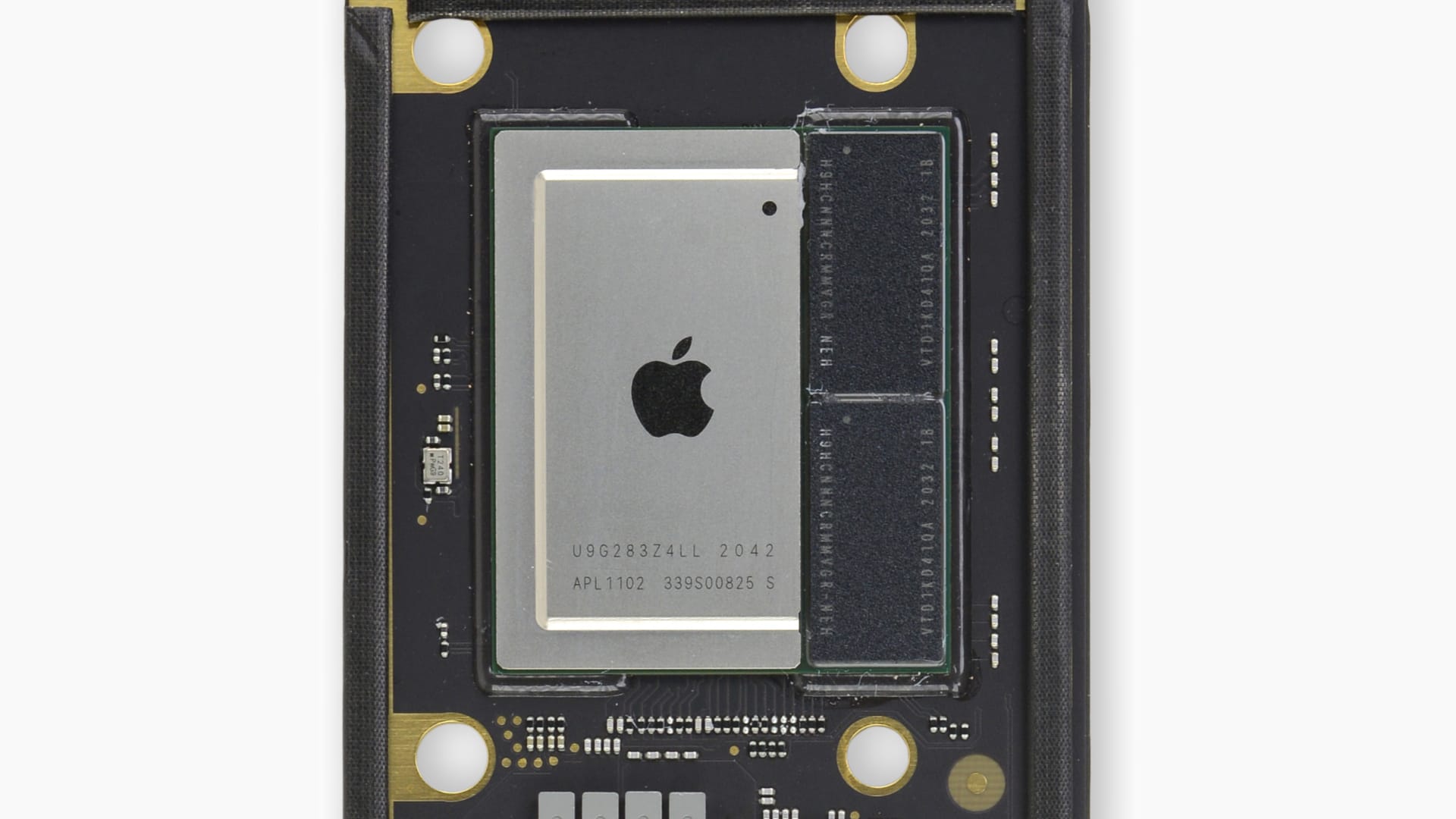
Will Apple be the first to offer a 3-nanometer chipset? Photo: iFixit
Apple chip supplier TSMC this week completed construction on a new plant that will manufacture 3-nanometer chipsets. The company hopes to start production during the second half of 2022.
Forget the current iPhone. TSMC is already planning for the 2024 update. Photo: Apple
Apple A-series chip manufacturer TSMC has obtained land upon which it plans to build a 2-nanometer fabrication plant, the company’s senior vice president for operations revealed.
In a report published Tuesday, YP Chin said the next-next gen chip fab facility will be located in Hsinchu, a city in northern Taiwan. While there’s no confirmation on when the 2-nm chips will debut, if past patterns are anything to go by, it’s likely they will debut with the 2024 iPhone.
The A14 could be a game-changer for Apple. Screenshot: Apple
Apple chipmaker TSMC is reportedly preparing 80 million A14 chips for the next-gen iPhone 12, claims regular Apple leaker l0vetodream.
Interestingly, this follows a recent report suggesting that certain iPhone orders have been cut in half. If accurate, it suggests that Apple has some very high hopes for the iPhone 12.
Apple’s chipmaker thinks long-term. It’s already prepping for the A14, A15 and maybe even the A16 iPhone processors. CGI: Ed Hardy/Cult of Mac
Taiwan Semiconductor Manufacturing Company’s long-term plan to begin producing 3-nanometer processors in 2022 remains on schedule. This company manufactures all Apple CPUs, and the 3nm process is expected to be used to make the A-series chips for future iPhones, iPads and perhaps Macs as well.
In the near term, TSMC is already making chips for the iPhone 12. And the company is close to perfecting the process that’ll make the chips for 2021 iPhones.
Senators want to be sure a Taiwanese semiconductor plant being built in Arizona won‘t be a security risk. The factory could someday make Apple processors. CGI: Ed Hardy/Cult of Mac
A trio of Democratic Senators raised questions on Tuesday about what incentives the Trump administration offered Taiwan Semiconductor Manufacturing Co to build a new processor fabrication plant in the U.S. This factory could be used to produce chips for future iPhones.
The lawmakers want to be sure that TSMC isn’t getting unfair advantages over American chip makers. And that the plant won’t allow U.S. trade secrets to leak to China.
New factory will be located in Arizona. Screenshot: Apple
Apple A-series chipmaker TSMC announced Friday its intentions to build and run a new semiconductor fabrication plant in the U.S.
The new plant will be built in Arizona, with “support from the U.S. federal government and the State of Arizona,” a report published Friday by Digitimes claims. It will use TSMC’s 5-nanometer process to manufacture up to 20,000 semiconductor wafers per month. The iPhone 12 is widely expected to boast 5nm chips.
Could TSMC eventually build A-series chips in America? Screenshot: Apple
Could Apple’s A-series chips eventually be manufactured in the United States? That’s one possible outcome if the Trump administration gets its way. The ongoing debate around domestic chip production and thechips act could play a significant role in shaping this future.
According to a report published Sunday by the Wall Street Journal, the White House wants to “jump-start” the development of new chip factories in the U.S. to help reduce reliance on Asia for critical technology. And it’s in talks with current A-series chipmaker TSMC and others to do so.
Future chips will use transistors almost unimaginably small -- for almost unimaginably speedy results. Screenshot: Apple
iPhone 2024 anyone? Apple chipmaker TSMC disclosed in its annual report to shareholders Friday that it has kicked off its 2-nanometer R&D process for future chips.
Going by Apple’s record trend of adopting a major upgrade (or, in terms of size, nanometer downgrade) in A-series chipsets every two years, that would mean the early stages of a new processor for the 2024 iPhone. This year’s iPhone is widely expected to come with a 5-nanometer A-series chip. The iPhone 11 has a 7nm processor.
Apple plans to start selling new Macs powered by custom ARM processors in 2021, according to a new Bloomberg report, citing sources familiar with the matter.
The company is said to be working on three of its own chips — all based on the A14 processor than will ship inside the next-generation iPhone lineup this fall. The first version will reportedly be “much faster,” according to sources.
TSMC is Apple's A-series chipmaker. Screenshot: Apple
In more evidence that this year’s iPhone 12 will debut on time, Apple chipmaker TSMC says that its 5-nanometer chips are already in volume production and with satisfactory yield rates. TSMC expects a “a very fast and smooth ramp” of these chips in the second half of the year. It is heavily rumored that these will be the chips used in the new iPhone 12.
CEO CC Wei told investors this during an investor meeting held Thursday. Wei also said that TSMC is on track to deliver 3-nanometer chips which could be used in phones as soon as 2022.
Apple's current chips are made with the 7-nanometer process. Screenshot: Apple
The A-series chip in this year’s iPhone 12 is going to include one of the world’s first 5-nanometer chips, created by Apple partner TSMC.
But chipmakers are already looking beyond 5-nanometers when it comes to developing the ultra powerful chips of tomorrow. Rivals TSMC and Samsung, both of whom have previously made A-series chips for Apple, are busy exploring 3-nanometer production processes.
However, according to a report published Monday, Samsung just hit delays with their attempts at creating the next-next-gen chip process.
“We have a different view,” wrote Gene Munster of Loup Ventures on Thursday. Muster has outlined several reasons why an iPhone refresh is still likely to come in 2020.
TSMC is currently gearing up to build Apple's next A-series chips. Photo: Apple
An employee at Apple chipmaker TSMC, the company which produces the A-series chips for iPhones and iPads, has tested positive for the COVID-19 coronavirus.
The company made the admission in a filing with the Taiwan Stock Exchange (TWSE) Thursday. It said that it is requesting the 30 employees who made contact with the patient to self-isolate at home for 14 days.
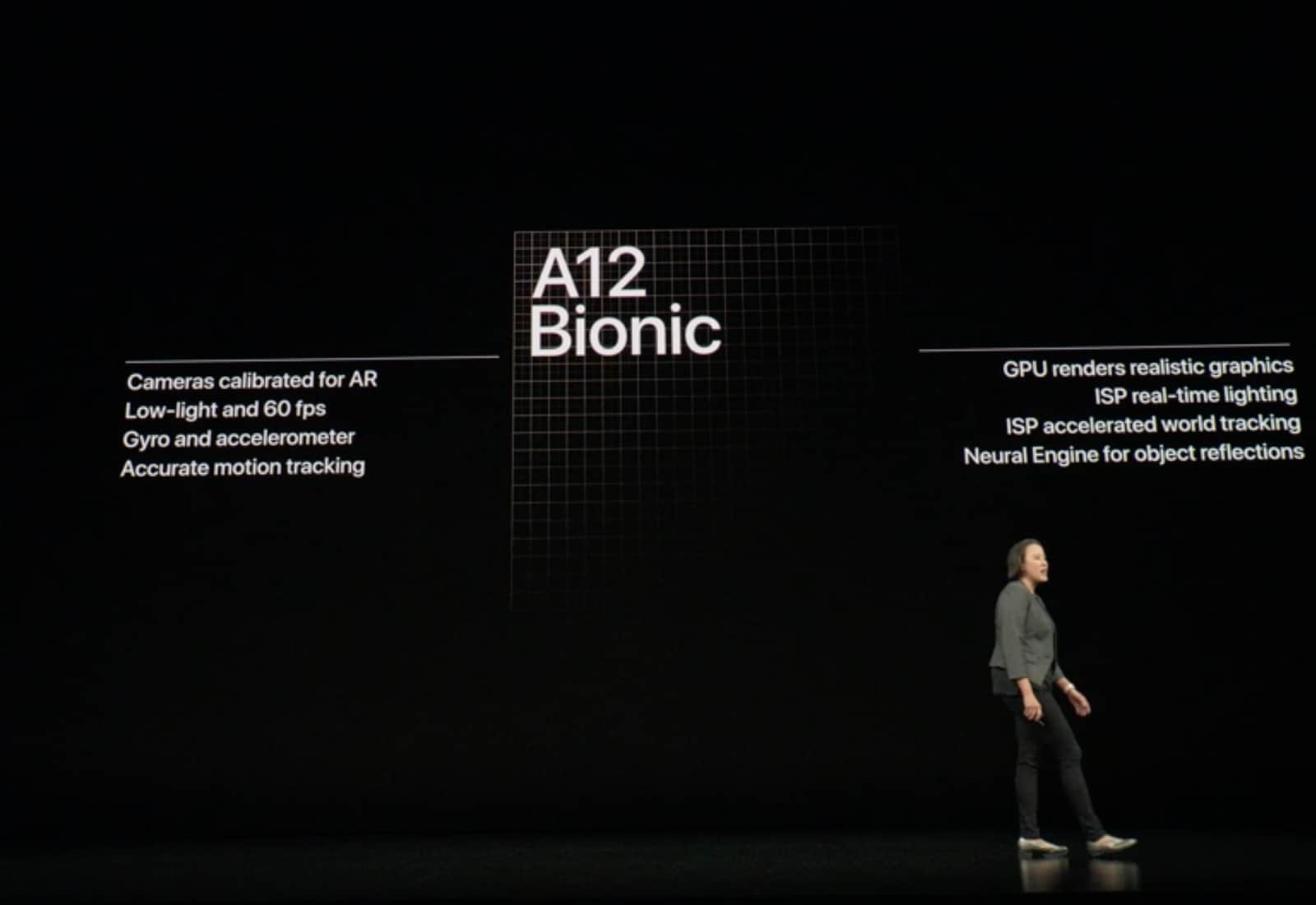
A12 Bionic introduced the 7-nanometer process. A14 will take that number even smaller. Photo: Apple
Apple’s forthcoming A14 processor for the iPhone 12 series will be the first Arm-based mobile processor to exceed 3GHz, a report published Sunday claims.
According to Research Snipers’ report, the new supercharged chip could hit a GeekBench 4 running score of 3.1GHz. That would be 400MHz higher than the current A13 Bionic chips’s 2.7GHz.
TSMC is making the A-series chips for the next iPhone. Photo: Apple
The COVID-19 coronavirus outbreak may be continuing apace, but Apple manufacturers are getting back to work.
According to two new reports published Wednesday, Apple contract manufacturers Compal Electronics and Wistron are joining Foxconn in planning for production levels to return to normal by the end of March. Apple’s A-series chipmaker TSMC is also gearing up to start producing its new 5-nanometer chips.
Apple isn't out of the woods yet, though. Photo: Apple
Apple’s primary mobile chip supplier insists the coronavirus epidemic will not affect production.
Taiwan Semiconductor Manufacturing Company (TSMC) this week said it is on track to deliver orders as usual, according to one report. But Apple certainly isn’t out of woods yet.
Customers can't get enough of iPhone 11. Photo: Killian Bell/Cult of Mac
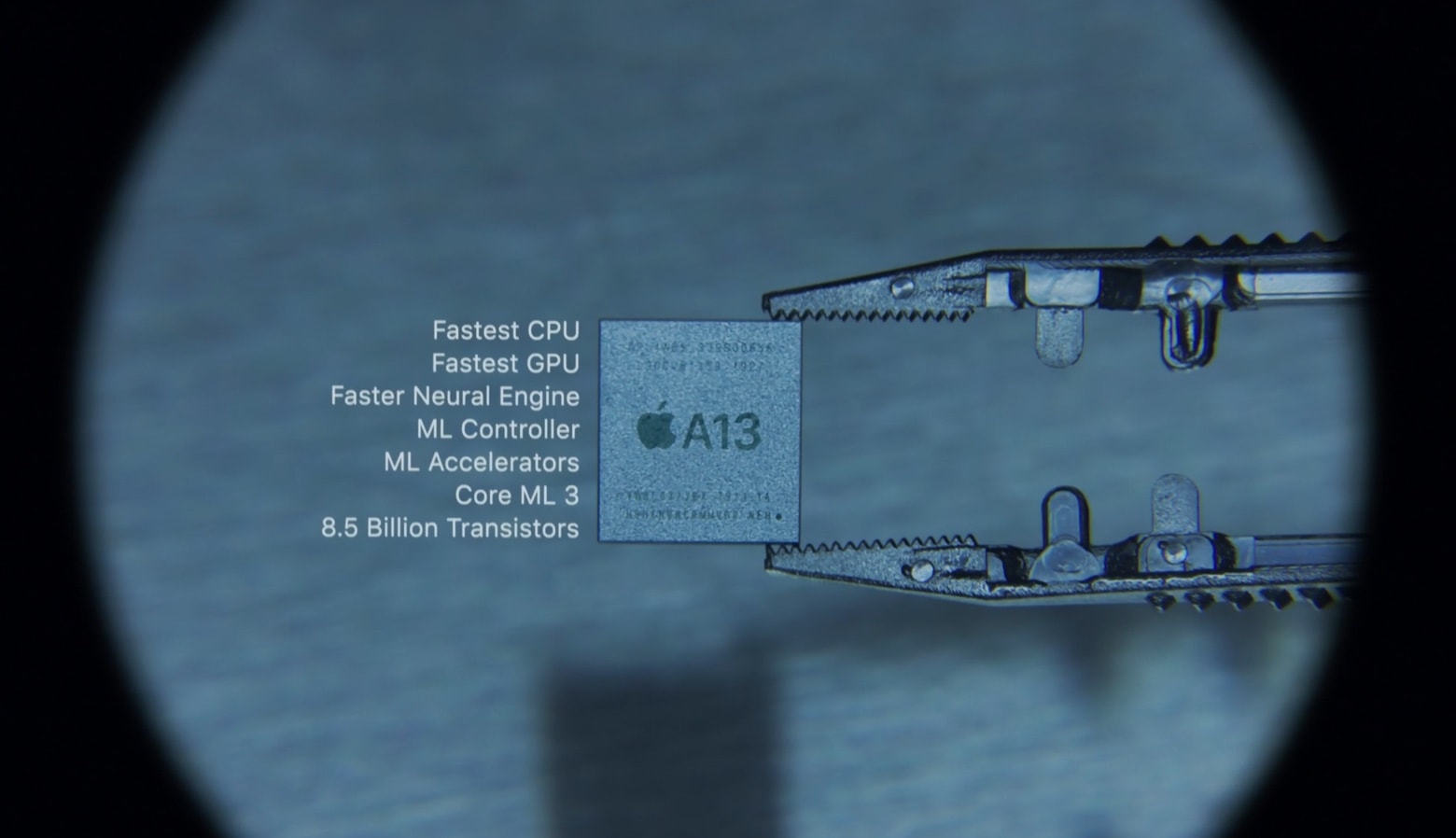
Apple has been forced to increase A13 chip orders to meet higher-than-anticipated demand for iPhone 11, according to a new report.
Taiwan Semiconductor Manufacturing Company (TSMC), Apple’s primary chip supplier, has been asked to churn out more chips this quarter as iPhone outperforms market and Apple expectations.