 Apple’s history is often distilled into the “Jobs and Woz” garage origin story and the slick modern era of design legend Jony Ive and current CEO Tim Cook. But a group of critical, often overlooked contributors actually forged the company’s 50-year arc. Here are 16 unsung heroes from Apple’s first 50 years — some of the most important “geniuses” and original thinkers behind Apple’s success.
“It doesn’t make sense to hire smart people and then tell them what to do,” Steve Jobs once said. “We hire smart people so they can tell us what to do.”
16 unsung heroes from Apple’s first 50 years
Everyone thinks they know the titans of Apple. Steve Jobs supplied the vision. Steve Wozniak supplied the circuits. Later, Jony Ive supplied the form. And Tim Cook continues to supply the epic scale. But none of it could have happened without an extraordinary cast of engineers, designers, marketers and strategists — most of them known only in Cupertino. But long before Apple marked 50 years, they led some of Apple’s most important work in creating its products’ iconic design, groundbreaking marketing and astonishing sales growth.
And if you’d like more Apple history, David Pogue’s new book is a great read (see Cult of Mac‘s 5-star review, “Apple: The First 50 Years is the best all-in-one history of Apple“). And don’t miss the extensive video interview our site’s editor and publisher, Leander Kahney, conducted with Pogue. The two authors cover a lot of ground and tell stories about some of the people profiled below.
Mike Markkula – Angel investor and second CEO (1977 – 1997)
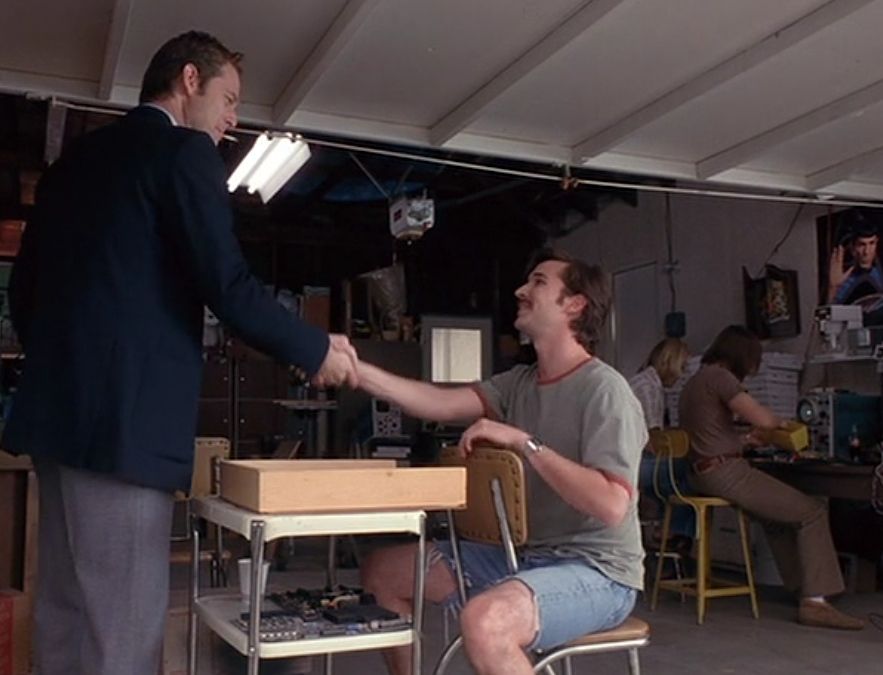
Photo: TNT
Apple’s earliest investors and engineers get all the attention, yet Wozniak himself said Markkula deserves more credit for Apple’s success than either Jobs or himself. A retired Intel millionaire at 33, Markkula invested $250,000, co-signed a crucial bank loan, wrote the company’s first business plan and distilled Apple’s brand philosophy into a single immortal memo. It stressed the importance of empathy, focus and “imputing” quality through every customer touch. He served as chairman for two decades and, as Fortune noted, seemed to sort out every CEO crisis that ever arose.
Regis McKenna – Marketing strategist and brand architect (1977 – early 1980s)
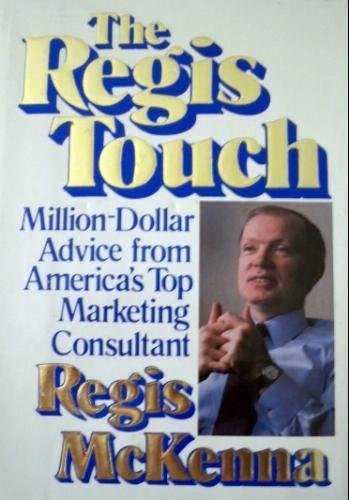
Photo: Basic Books
Before Apple had a logo worth keeping, Regis McKenna redesigned it. The Silicon Valley PR and marketing legend helped craft the Apple II launch campaign, coached Jobs on how to talk to the press, and — crucially — introduced Jobs and Wozniak to Mike Markkula. McKenna’s firm wrote the early trade ads, including the famous Byte magazine spreads that positioned Apple not as a hobbyist curiosity but as a legitimate business tool for ordinary people. He established the template for Apple product launches as cultural events that the company still follows today.
Jef Raskin – Father of the Macintosh (1978 – 1982)
A musician, academic and human-interface theorist, Raskin proposed in 1979 what he called an “information appliance” — a sub-$1,000 computer as easy to use as a toaster, which he named after his favorite apple variety. He formed and led the original Macintosh team, recruiting key engineers, writing the founding vision document (“The Book of Macintosh”), and championing the one-button mouse. Jobs eventually took over and redirected the project, but the conceptual DNA — democratized, humane computing — was originally Raskin’s. He died in 2005. The Mac continues to carry his fingerprints.
Bill Atkinson – Software visionary (1978 – 1990)

Photo: Cult of Mac
Atkinson wrote QuickDraw (with Andy Hertzfeld), the graphics engine at the heart of the original Mac’s visual language. And he created MacPaint, arguably the most important piece of software shipped with the first Macintosh. He later invented HyperCard, a visionary hypermedia tool that anticipated the World Wide Web by years, giving millions of users their first experience of linked, programmable information. Atkinson also negotiated the introduction that led Jef Raskin to recruit Burrell Smith, without whom there might have been no Mac hardware to speak of. Few engineers have touched so many foundational Apple moments. He passed away from pancreatic cancer in 2025.
Andy Hertzfeld – Macintosh system software architect (1979 – 1984)
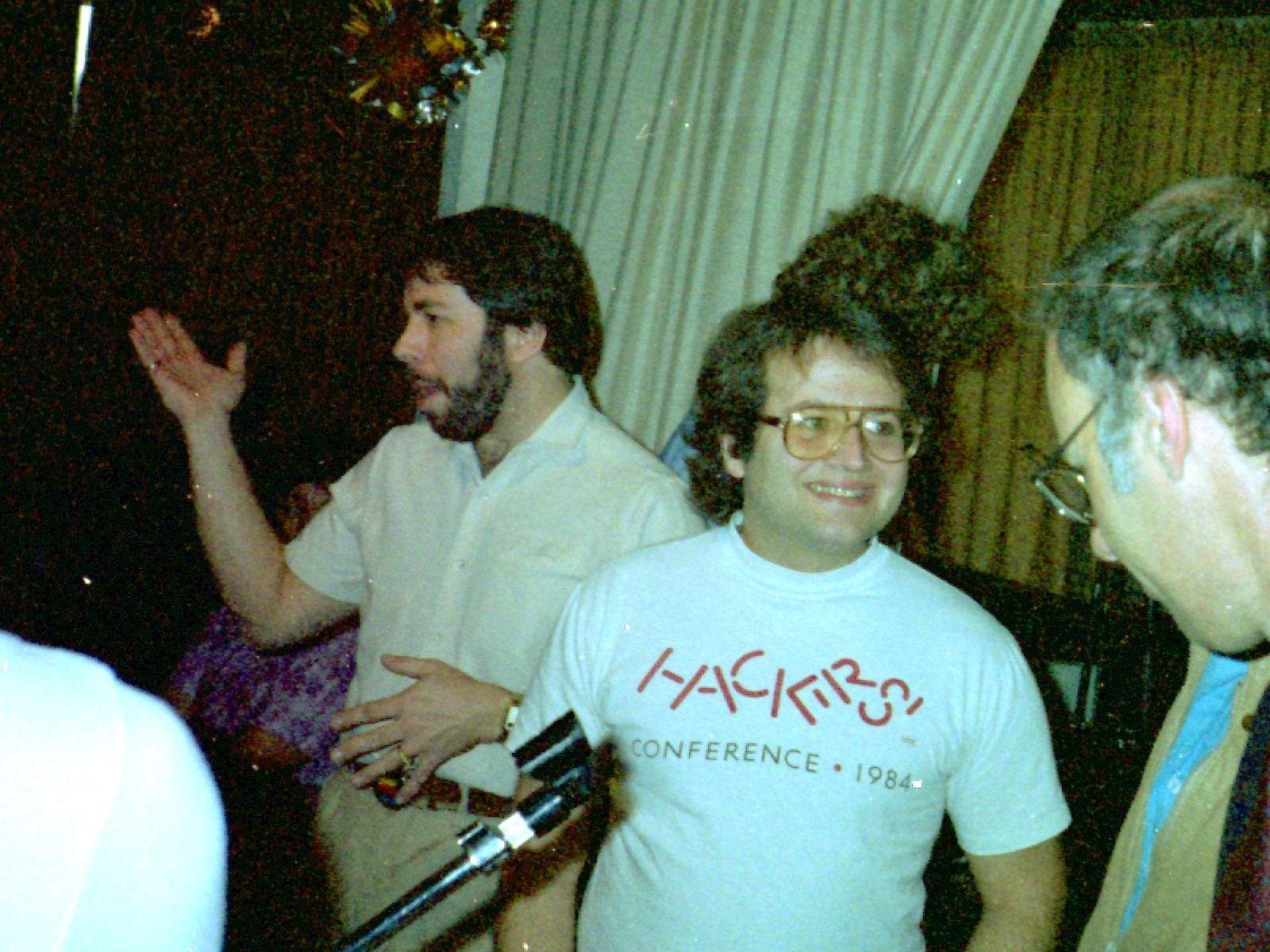
Photo: Tony Wills
Jobs once called Hertzfeld the finest programmer he had ever met. Working seven-day weeks under gruelling deadlines, Hertzfeld wrote the Mac’s system software — the foundational layer that made the graphical interface snappy, elegant and coherent. He designed the desk accessory architecture that let users run small utilities alongside their main application, a radical idea in 1984. He also recruited and introduced Susan Kare, giving the Mac its iconic visual personality. Hertzfeld went on to co-found the Open Source Applications Foundation and later led teams at Google. His memoir, Revolution in the Valley, remains the definitive insider account of the Mac’s creation.
Susan Kare – The Mac’s visual soul (1983 – 1986)

Photo: Ann Rhoney
Kare had never touched a computer when Andy Hertzfeld recruited her in 1982, but her background in art history and pixel-adjacent crafts like embroidery and mosaics made her the ideal person to give the Macintosh a face. Working on graph paper before an icon editor existed, she drew the Happy Mac, the trash can, the floppy disk, the Command symbol, the Chicago typeface and dozens more. The Smithsonian called her language “simple, elegant, and whimsical.” MoMA acquired her original sketchbooks. Her work made the computer feel warm — almost alive — for the very first time.
Robert Brunner – Industrial design director (1989 – 1996)

Photo: Ammunition Group
Brunner ran Apple’s industrial design studio in the years before Jony Ive became its public face — and, critically, he was the one who hired Ive. Under Brunner, Apple design moved from boxy beige boxes toward the more assertive, consumer-friendly language that would bloom under his successor. He oversaw products including the first PowerBooks, establishing the clamshell laptop form that the rest of the industry immediately copied (including his revolutionary shifting of the keyboard away from the front edge and toward the screen). After Apple, Brunner founded Ammunition Group and designed products ranging from Beats headphones to Amazon’s Kindle, confirming his place among the most quietly influential product designers of his generation.
Avie Tevanian – Software architect and CTO (1997 – 2006)
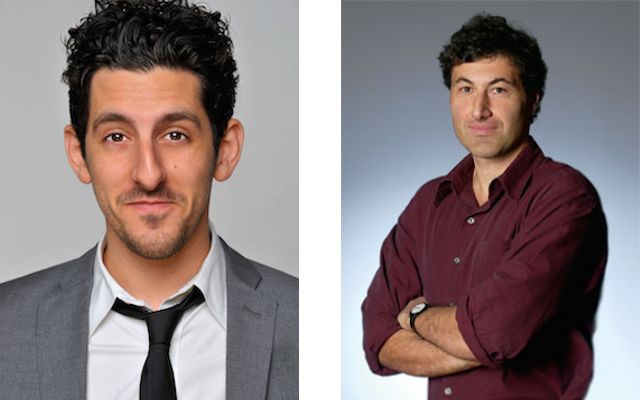
Photo: Universal Pictures
When Apple acquired NeXT in 1997 and Jobs came home, Tevanian came with him — and brought the operating system that would become the foundation of everything Apple makes today. As chief software technology officer, Tevanian led the creation of Mac OS X, a complete reinvention of the Mac’s software stack built on the Unix-based Mach kernel he helped develop as a Carnegie Mellon PhD student. Rock-solid, beautifully layered and extensible in ways the original Mac OS never was, OS X also became the direct ancestor of iOS, iPadOS, watchOS and tvOS. Tevanian served as Jobs’s close technical confidant during Apple’s most consequential technological transition.
Tony Fadell – Father of the iPod and iPhone co-creator (2001 – 2008)
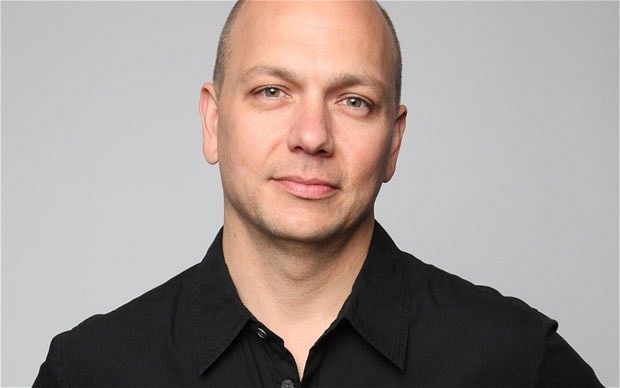
Photo: Nest
Fadell arrived at Apple in 2001 with a fully formed vision: a pocket-sized hard-disk music player paired with an elegant online store. Jobs hired him to build it. The result — the iPod — reshaped the music industry and rescued Apple’s finances. Fadell then led the hardware teams that built the first three generations of iPhone. So he effectively co-authored the product that would do the most to make Apple the most valuable company in history. He held more than 300 patents from his Apple years. After leaving, he co-founded Nest Labs. Time magazine named all three of his signature Apple products among the 50 most influential gadgets of all time.
Bas Ording – UI designer, iOS and macOS (1998 – 2013)
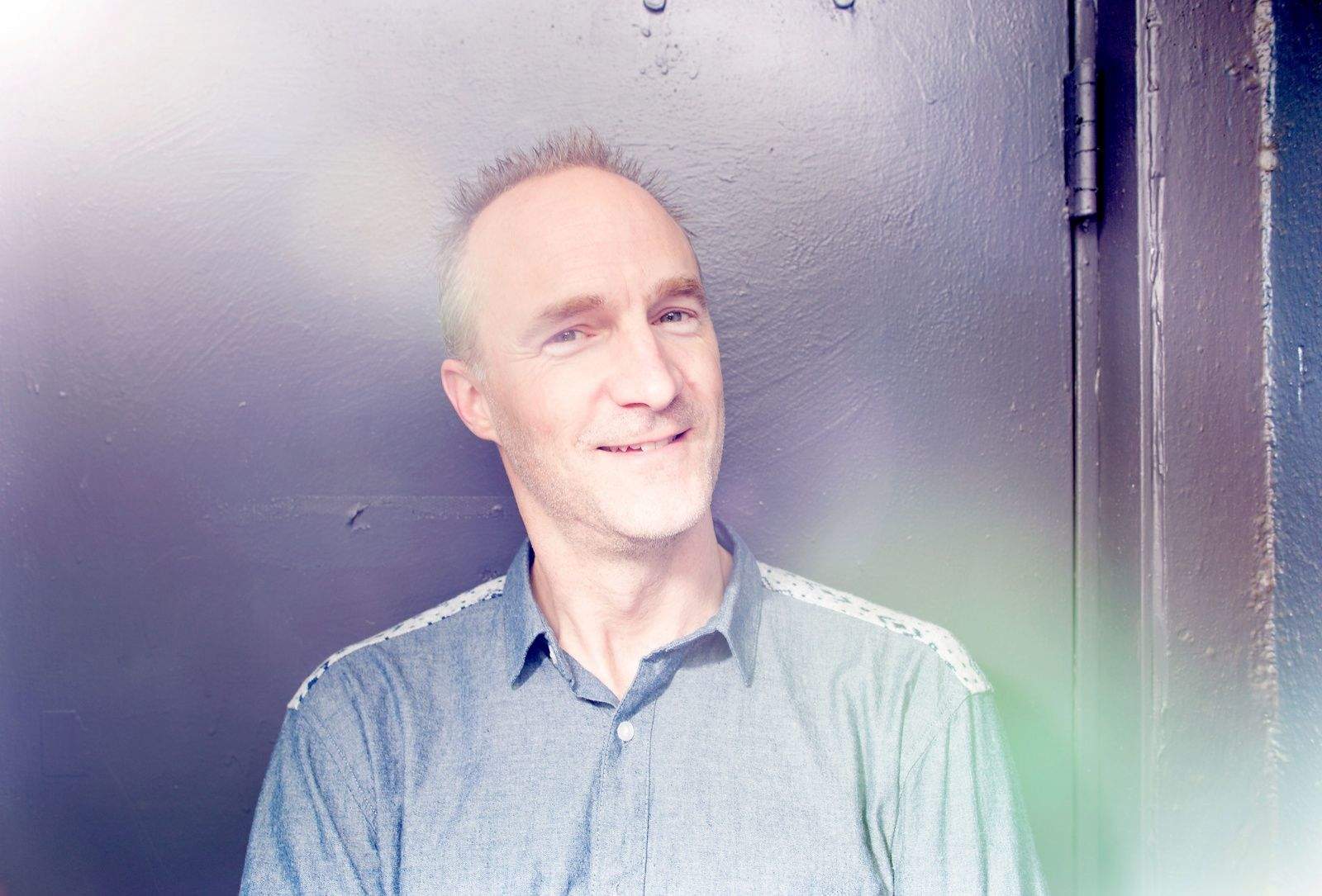
Photo: Jim Merithew/Cult of Mac
Most iPhone users interact with Ording’s work thousands of times a day without knowing his name. The Dutch-born interaction designer invented the rubber-band scroll effect — the gentle bounce that tells you you’ve reached the end of a list — which reportedly convinced Jobs that a touchscreen phone was viable. He also created the OS X Dock magnification effect, Exposé and “slide to unlock.” During his 15-year career at Apple, Ording helped define the physics-based, delightfully tactile interaction language that made iOS feel revolutionary in 2007 and still distinguishes Apple software today. He has no Wikipedia entry, yet his influence is everywhere. Cult of Mac editor and published Leander Kahney wrote a whole e-book about this guy.
Phil Schiller – Marketing chief and App Store guardian (1997 – present)
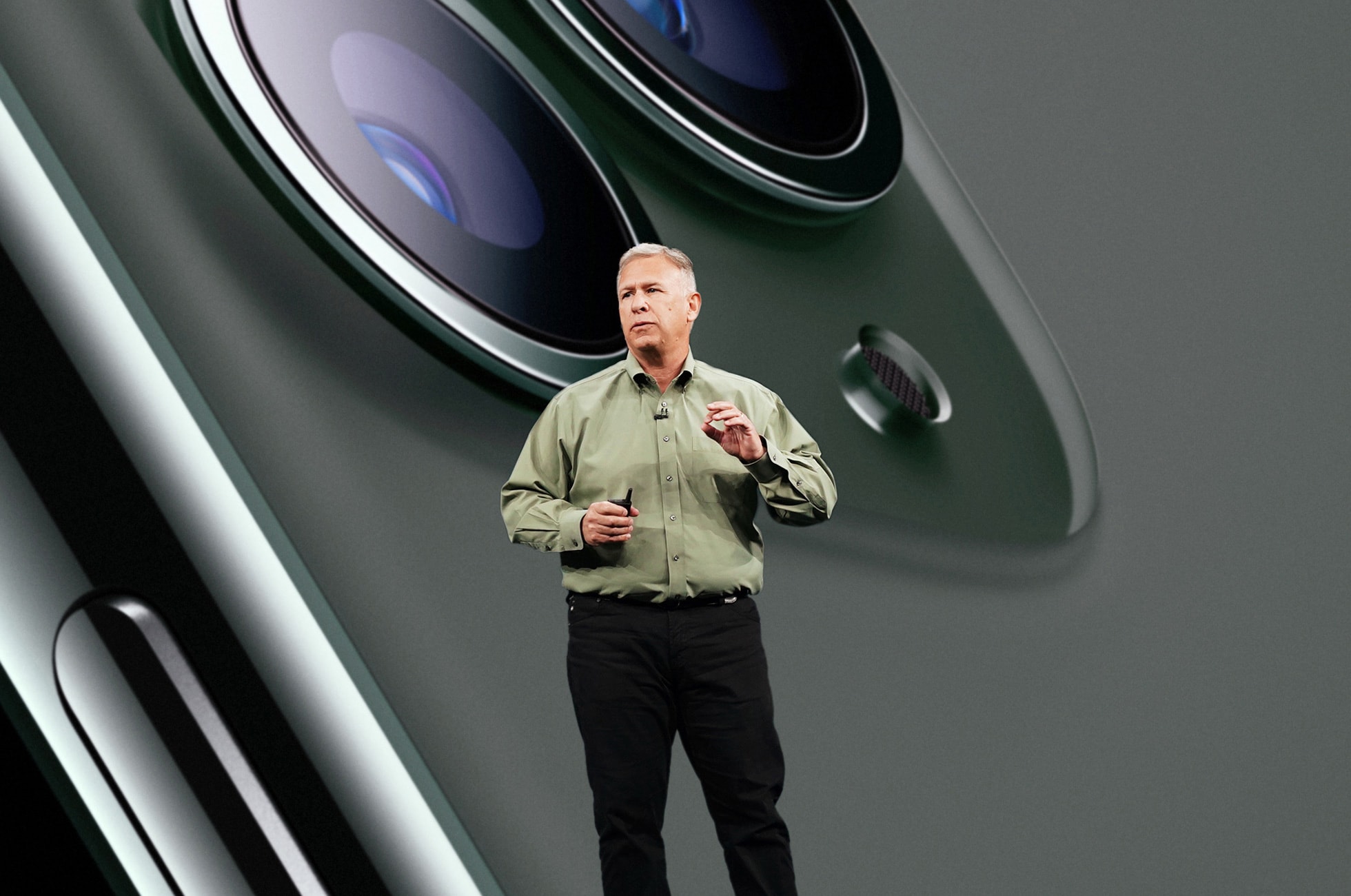
Photo: Apple
Schiller delivered one of Apple’s most memorable keynote moments at MacWorld Expo ’99 when he leapt from the stage onto a mattress below to demonstrate iBook‘s Wi-Fi prowess. But his influence runs far deeper than showmanship. As senior vice president of worldwide marketing, he shaped nearly every Apple product announcement for over two decades. He crafted the language and positioning that turned hardware launches into cultural moments. He also ran the App Store through its most contentious years, defending its policies in high-stakes congressional testimony and legal battles. Since 2020 he has served as Apple Fellow, the company’s highest individual honor. Few non-engineers have had longer or more consequential Apple careers.
Eddy Cue – Services architect (1989 – present)
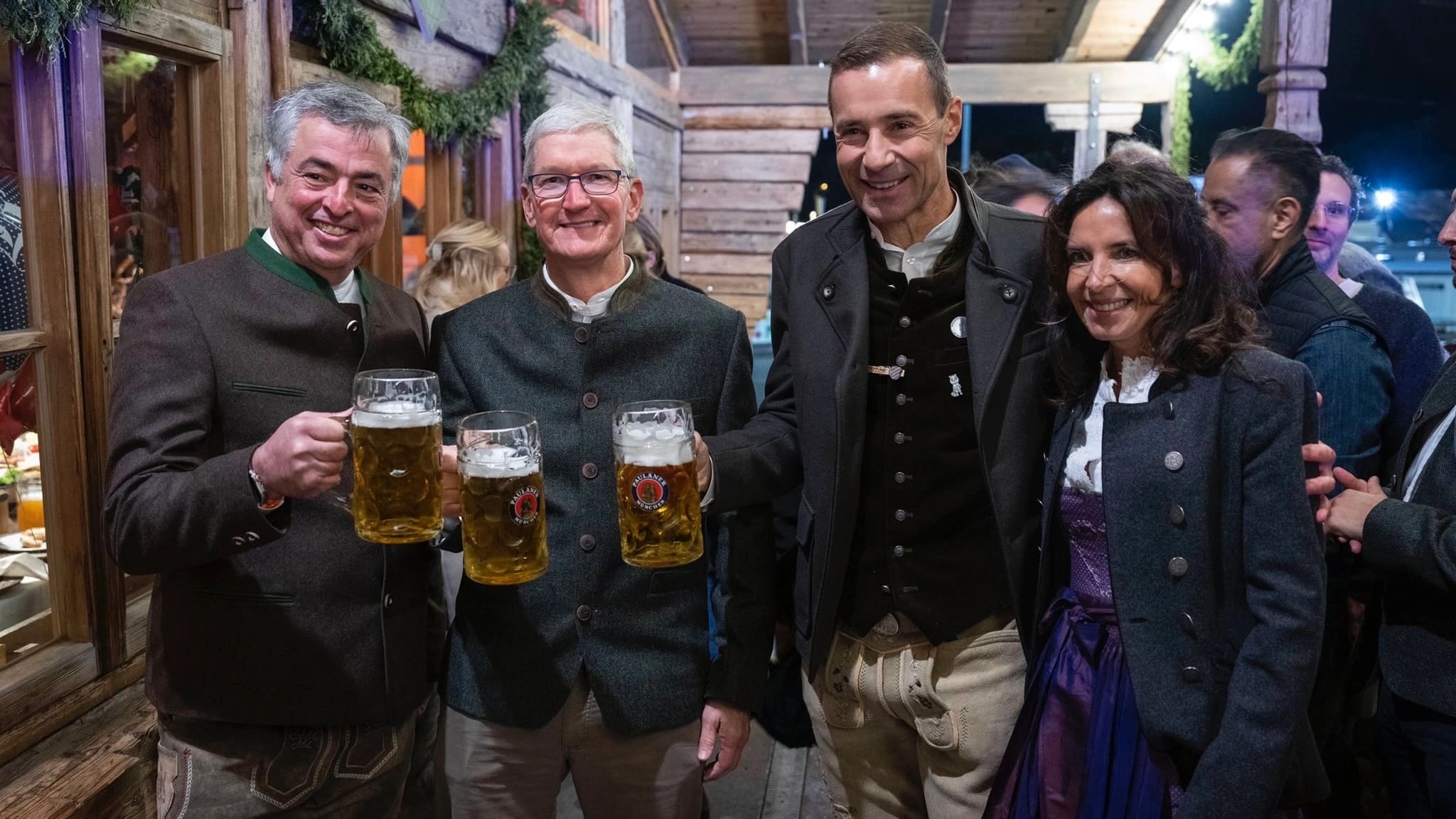
Photo: Apple
When the music industry refused to negotiate digital licenses, Jobs sent Cue. When Hollywood needed persuading on iTunes video, Jobs sent Cue. Apple’s longest-serving senior executive after Cook, Cue has spent three decades as the company’s master dealmaker and services architect, personally negotiating the iTunes Store agreements that unlocked the iPod’s value, building iCloud’s consumer infrastructure from the ashes of the ill-fated MobileMe and assembling the content partnerships behind Apple TV, Apple Music and Apple Arcade. So Eddy Cue stands behind the $100 billion services business that now anchors Apple’s growth.
Katie Cotton – VP of Worldwide Communications (1996 – 2014)
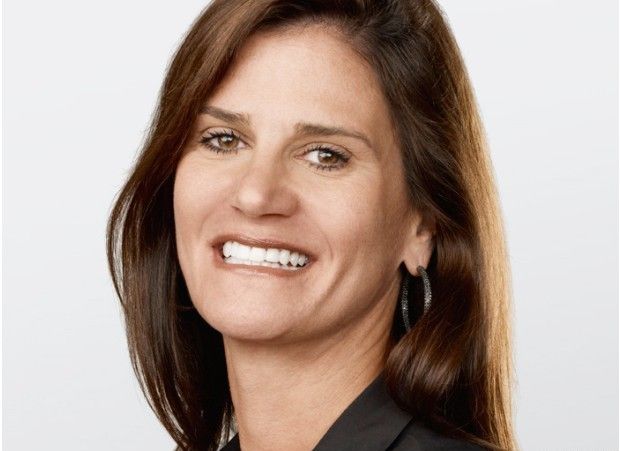
Photo: Apple
Cotton joined Apple in 1996 at its lowest ebb and stayed 18 years — long enough to help oversee the comeback of the century. As VP of worldwide communications, she invented Apple’s legendary culture of secrecy. She turned controlled silence into a form of brand mystique that generated more press coverage than most companies’ aggressive PR campaigns. PRWeek ranked her the most powerful PR executive in the world in 2010, alongside Jobs himself. She managed the impossibly delicate public communications around Jobs’s declining health while personally orchestrating product launches that became global spectacles. Veteran tech journalist Walt Mossberg called her “a formidable figure” who was “a key partner to Steve Jobs, who trusted her judgment.”
Scott Forstall – Fallen father of iOS (1997 – 2012)
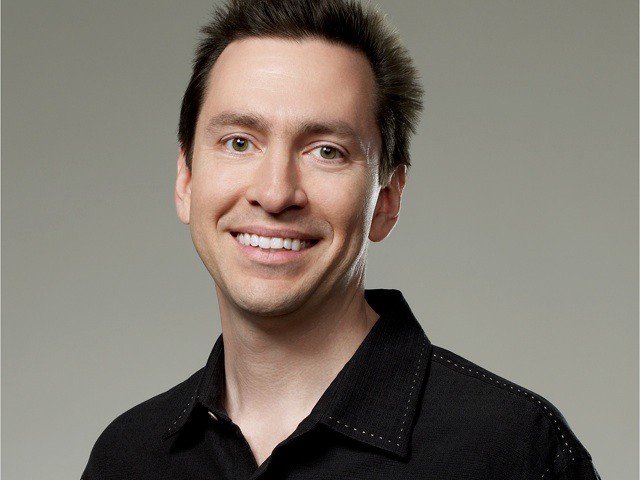
Photo: Apple
Forstall led the secret “Project Purple” team that built the original iPhone software from scratch, inventing iOS as a platform in the process. Every iPhone, iPad and iPod touch sold before 2013 ran an operating system he created and led. He demo’d Siri in 2011. Recruited from NeXT by Jobs, whom he resembled in ambition and intensity, Forstall also oversaw the App Store’s founding, establishing the developer ecosystem that would eventually host over 2 million apps. His firing in 2012 stemming from the disastrous Apple Maps launch — and reportedly amid internal conflict — marked the end of an era. Today’s iOS is a mature evolution of the system he built.
Fred Anderson, CFO and financial rescuer (1996 – 2004)
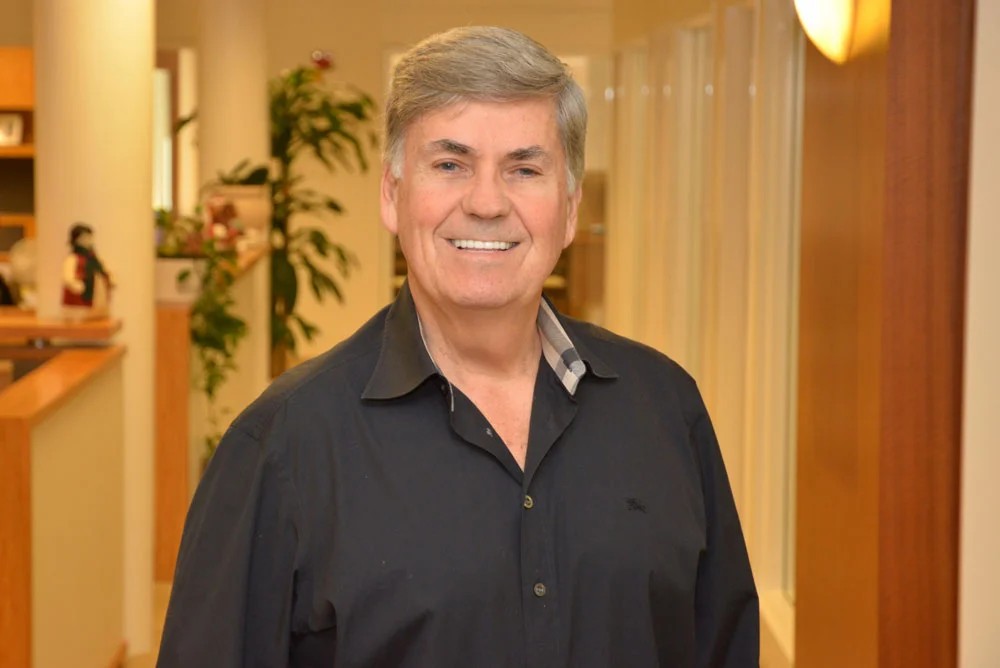
Photo: NextEquity Partners
When Anderson arrived as CFO in March 1996, Apple was burning through cash, losing market share by the quarter, and widely regarded as a dead company walking. He stepped into an acute liquidity crisis and engineered the restructuring — cutting costs, shoring up the balance sheet and restoring investor confidence. It kept Apple solvent long enough for Jobs to return in 1997 and rebuild it. Jobs later called him one of the finest CFOs in the technology industry and relied on his steady financial judgment throughout Apple’s most dramatic comeback. Anderson briefly served as acting CEO during the gap between Gil Amelio‘s ouster and Jobs’s appointment. Without his backstage financial discipline, there may have been no second act for Apple at all.
Burrell Smith – Original Macintosh hardware engineer (1979 – 1985)
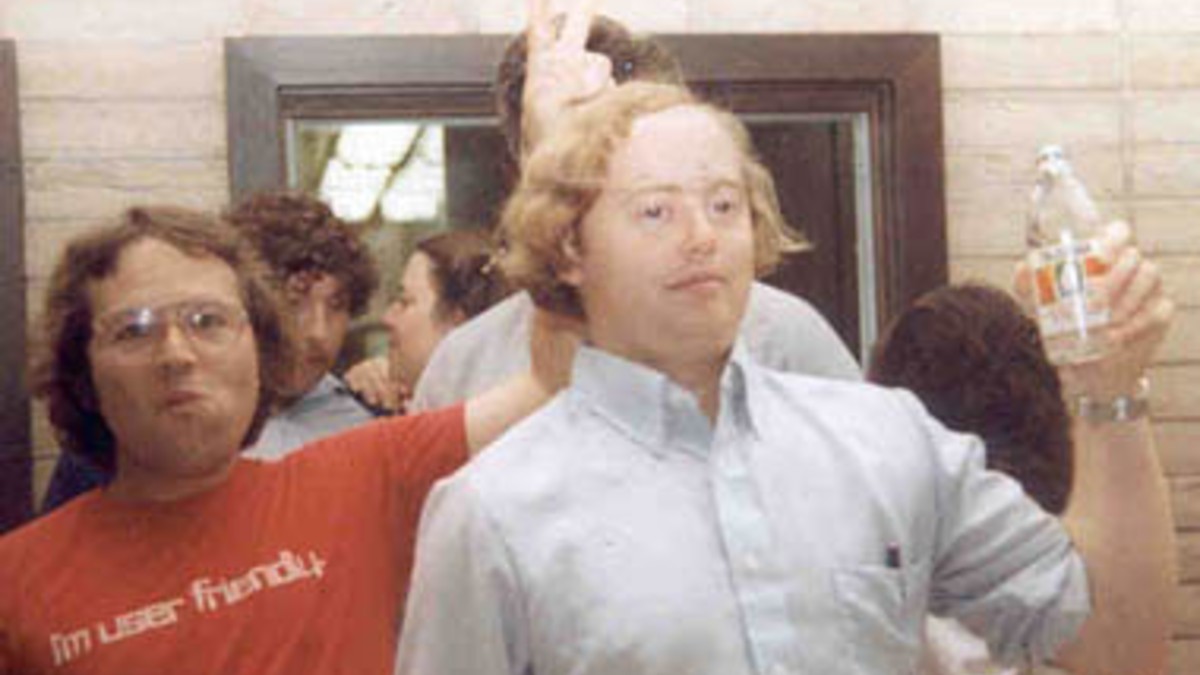
Photo: Folklore blog by Andy Hertzfeld
Smith served a self-taught service technician in Apple’s repair department when Jef Raskin spotted his talent and made him the second member of the original Macintosh team. What followed was one of the most improbable feats of engineering in Silicon Valley history. Smith designed the Macintosh’s circuit board — coaxing the underpowered Motorola 68000 processor into producing the graphics and speed Raskin and Jobs demanded through sheer coding ingenuity and hardware wizardry. How he achieved so much with so little stunned industry engineers. Macs have him to thank, among others, for their existence.

David Snow, an expert on Apple hardware and software, writes on a variety of technological and cultural topics for Cult of Mac. They include Apple news, technology buying guides, and features about computer setups and Apple TV shows and movies.
With 30 years of experience covering technology and other subjects, he has written and edited for numerous print and online publications, including CMP Media, TechTV.com, CNET, Wired News, Red Herring magazine, Law.com, The National Law Journal and Law Technology News magazine. Among other roles, he served as executive editor of the Law.com network of websites and editorial director, technology, for ALM Media.
Snow graduated with a B.A. from Syracuse University with majors in magazine journalism and psychology. While there, he worked as a reporter for The Daily Orange newspaper and associate editor of Equal Time magazine.
Founder of the blog At the Waterline, he can be reached on X (formerly Twitter) via @atthewaterline and on Mastodon via @dsnow.