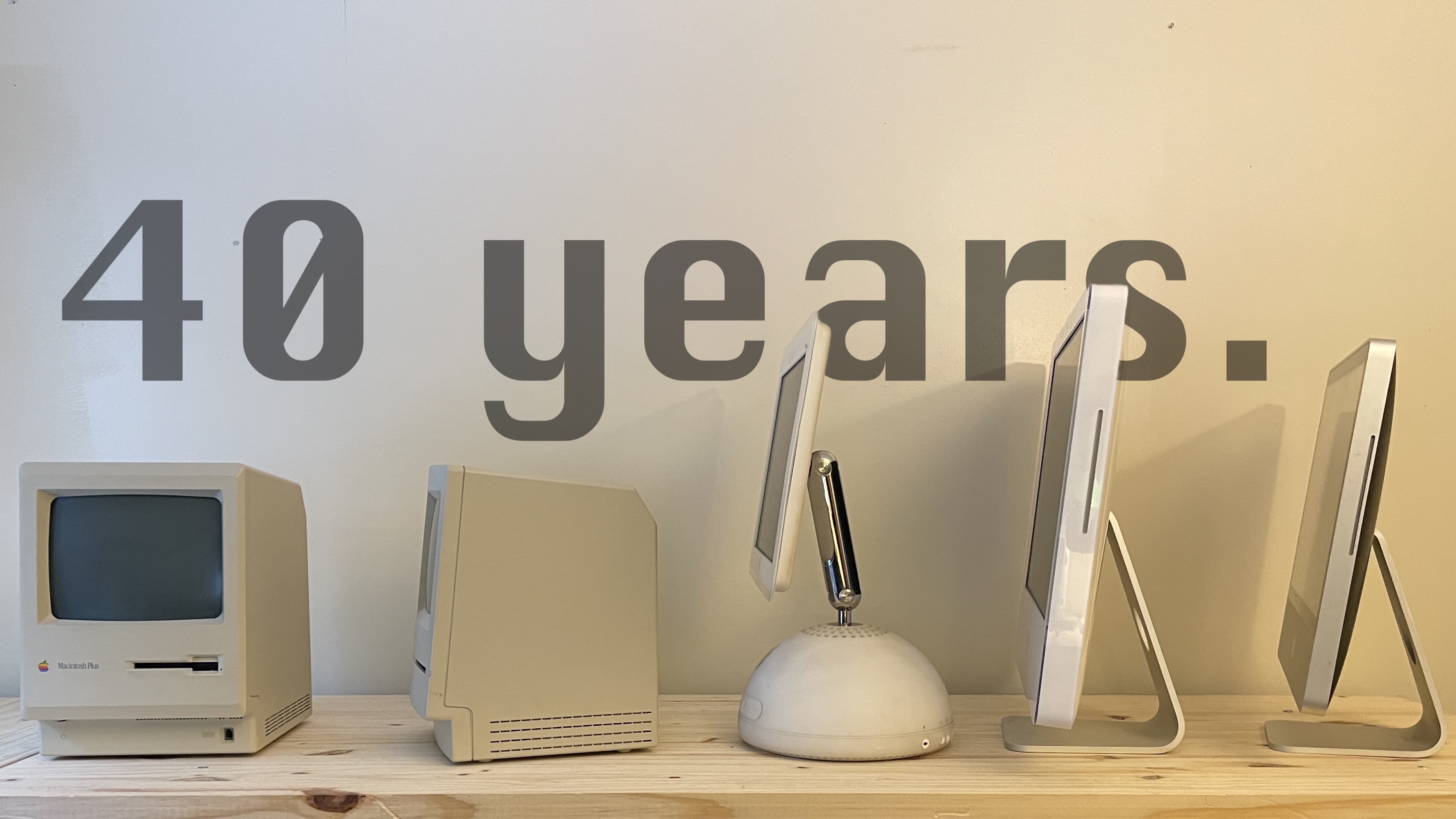
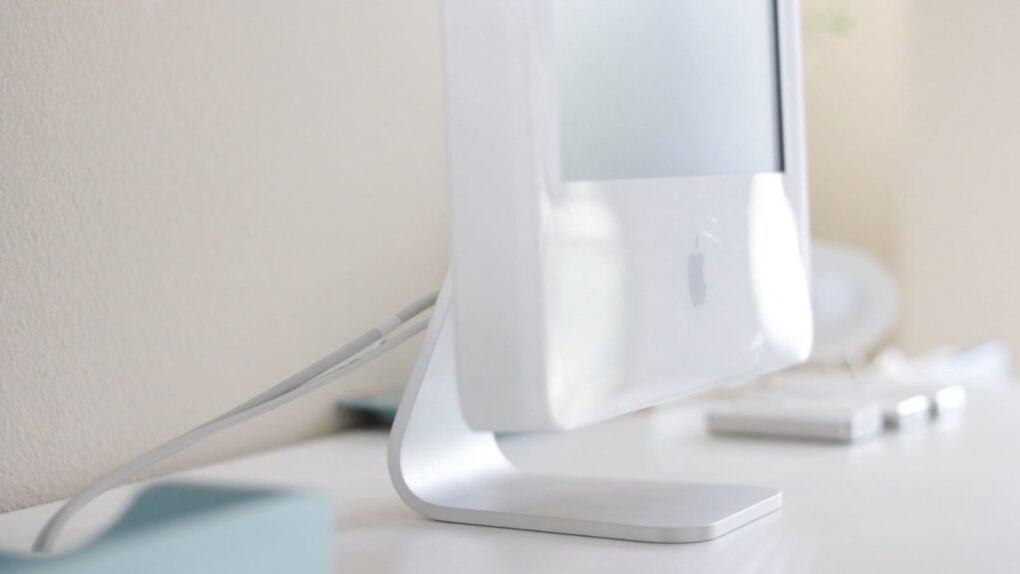
 August 31, 2004: Apple launches the iMac G5, a distinctive, white plastic computer that looks a little like the world’s biggest iPod.
Housed in a 2-inch-thick enclosure reminiscent of Apple’s Cinema Displays, the new all-in-one machine bridges the gap between the pleasing plasticity of the iconic original iMac and the minimalist form factor of the ultra-slim aluminum Macs that will follow.
“Just like the iPod redefined portable digital music players, the new iMac G5 redefines what users expect from a consumer desktop,” says Phil Schiller, Apple’s senior vice president of worldwide product marketing, in a press release. “With the entire system, including a gorgeous 17- or 20-inch display, just two inches thin, a lot of people will be wondering ‘where did the computer go?’”

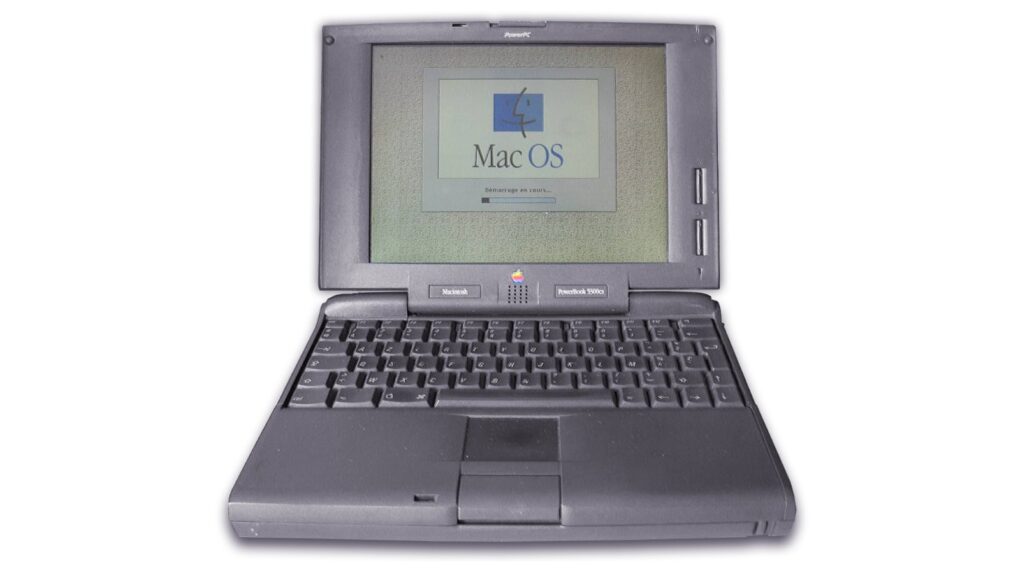
 August 25, 1995: Apple releases the PowerBook 5300, the Mac laptop that will save the world from alien invaders in the 1996 blockbuster movie Independence Day.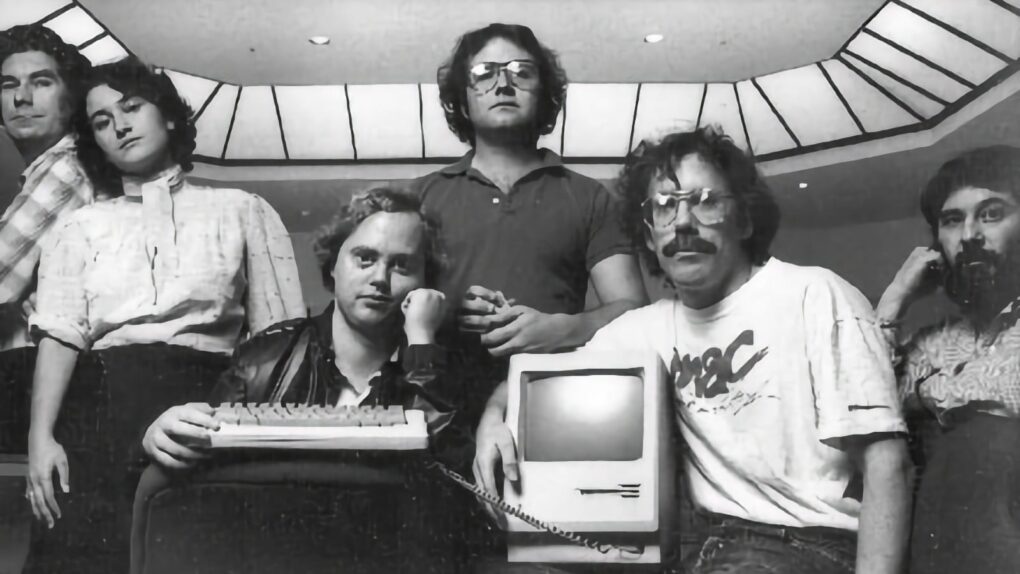
 July 27, 1955: Joanna Hoffman, who will join the original Macintosh and NeXT teams and become Steve Jobs’ first right-hand woman, is born in Poland.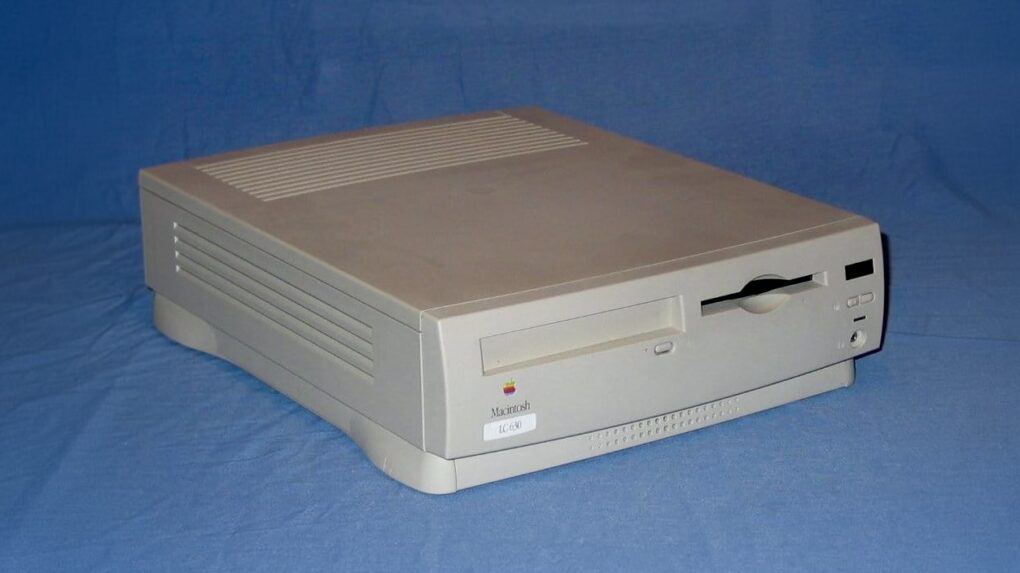
 July 18, 1994: Apple launches the Quadra, LC and Performa 630 Macintoshes, three similar computers with slight differences tailored for the professional, educational and home markets. Aimed at multimedia use, the new 630 series Macs bring innovative hardware and software at a much more affordable price than previous Apple computers.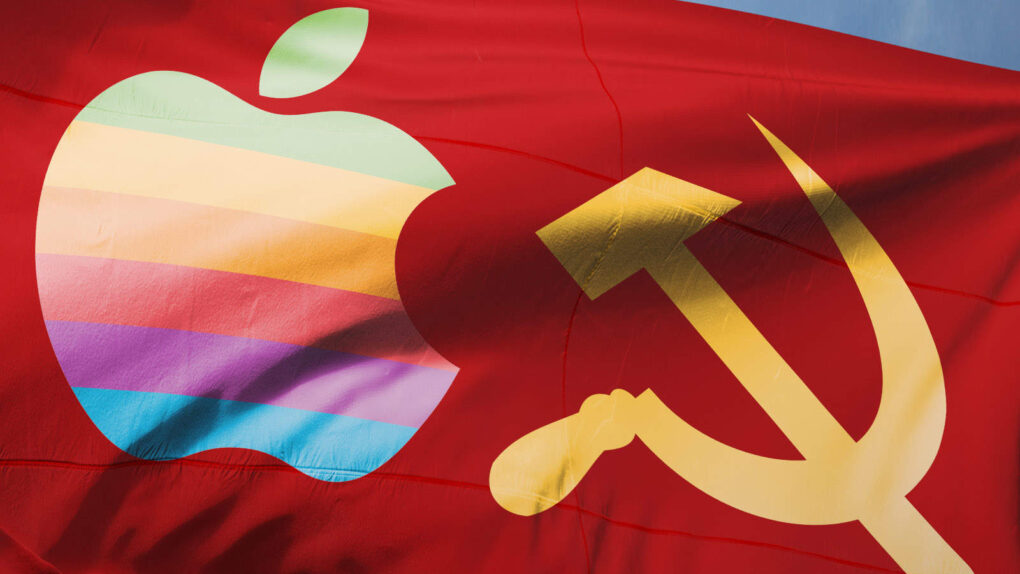
 July 4, 1985: Apple co-founder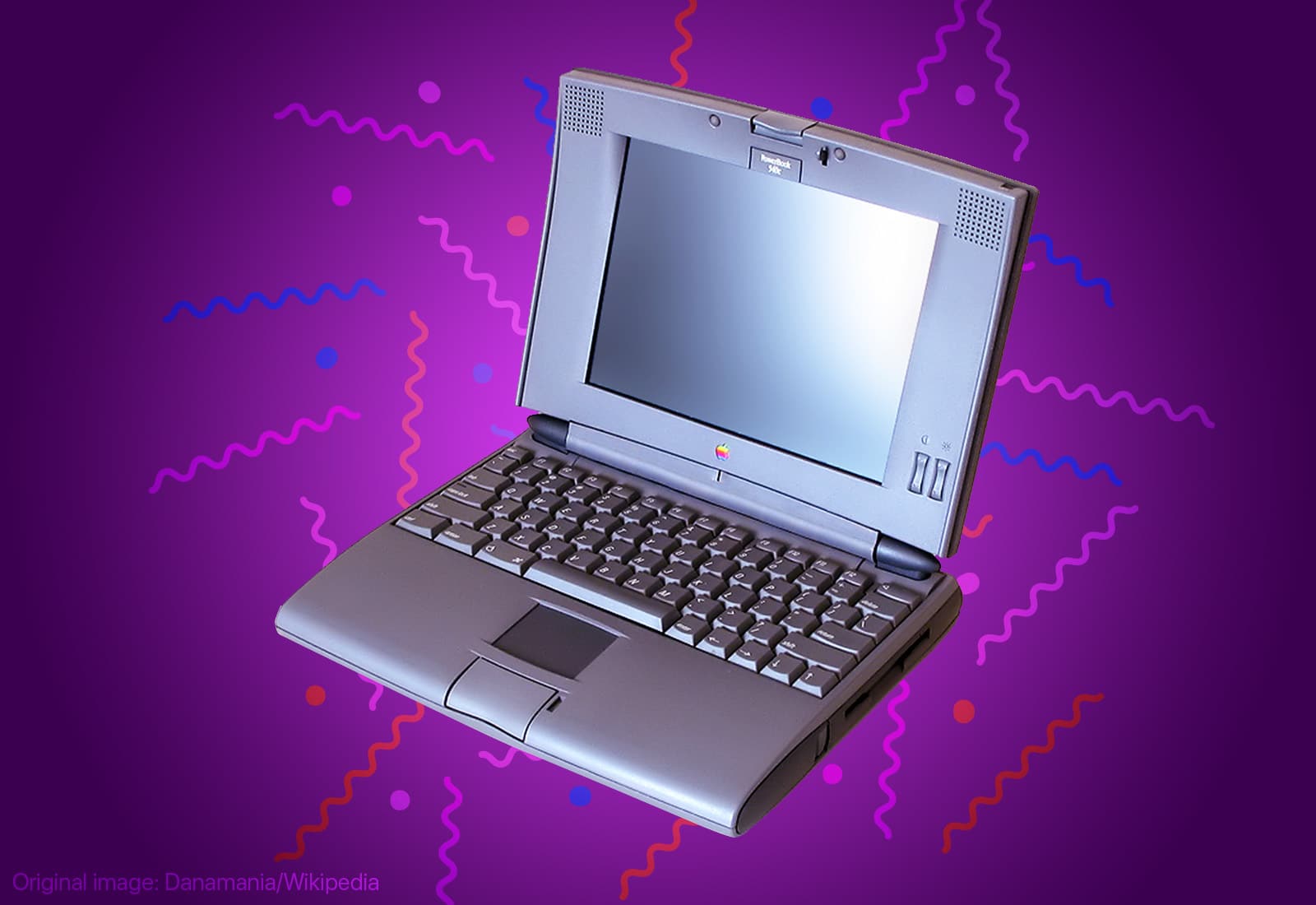
 May 16, 1994: Apple launches the PowerBook 540c, one of the best laptops in the company’s history.
 May 3, 1984: Apple marks the all-important first 100 days of Mac sales, signaling whether the product launch is a hit with customers.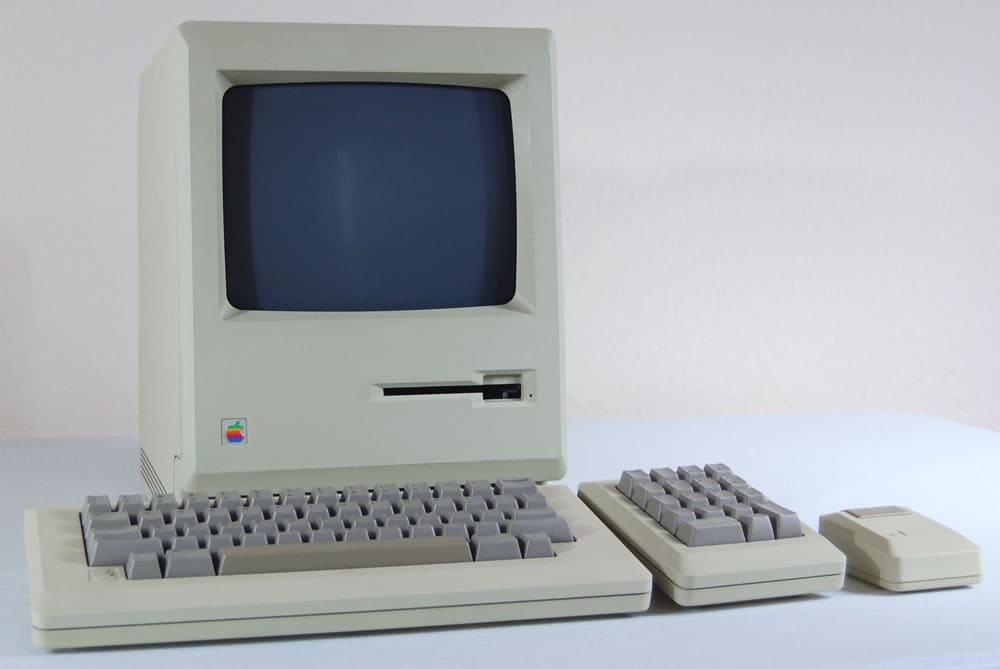
 April 14, 1986: The “low-cost” Macintosh 512Ke brings hardware upgrades — and a bit of confusion — to the low end of the Mac lineup.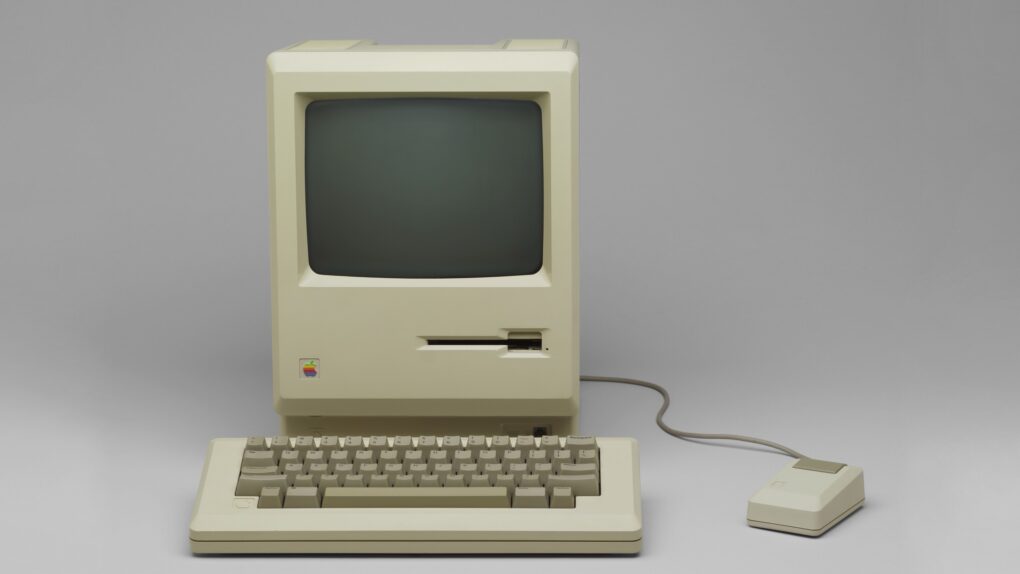
 April 10, 1985: During a fateful meeting, Apple CEO John Sculley threatens to resign unless the company’s board of directors removes Steve Jobs as executive VP and general manager of the Macintosh division.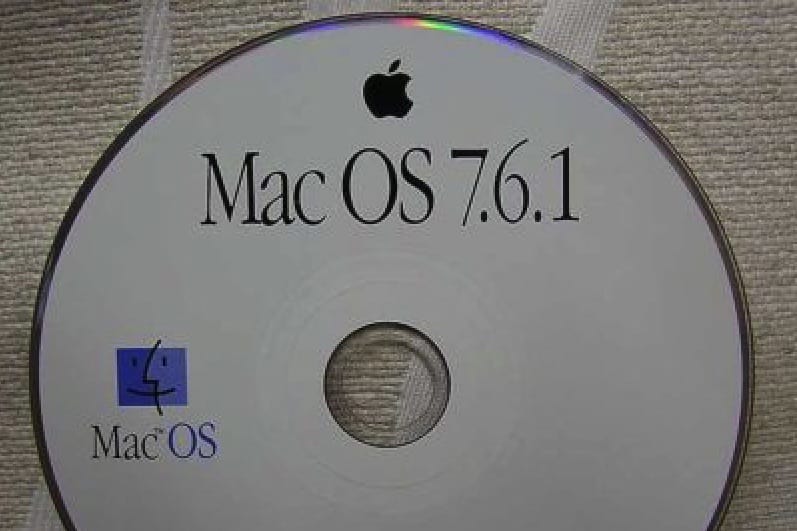
 April 7, 1997: Apple’s System 7 operating system receives its last update with the shipment of Mac OS 7.6.1.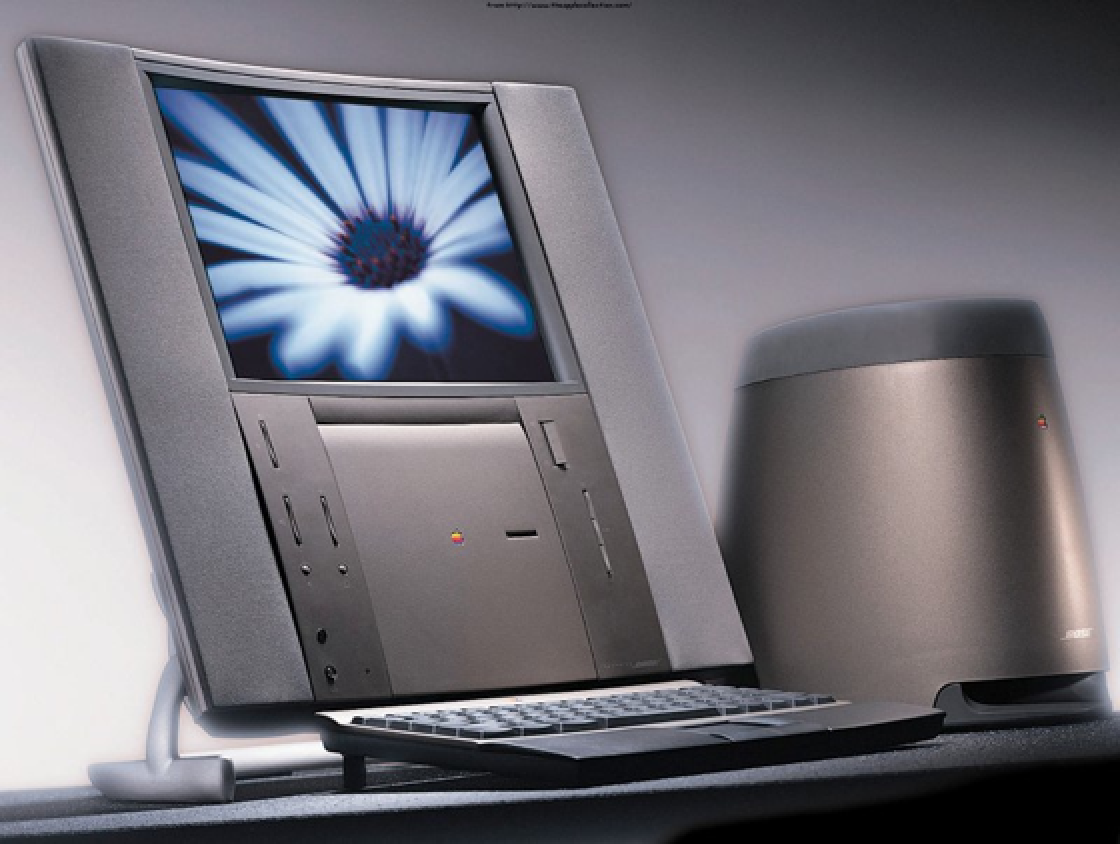
 March 20, 1997: Apple launches its Twentieth Anniversary Macintosh, a futuristic, special-edition Mac that’s ahead of its time in every way. Not part of any established Mac line, it brings a look (and a price!) unlike anything else available — and Apple delivers them to buyers in a limo!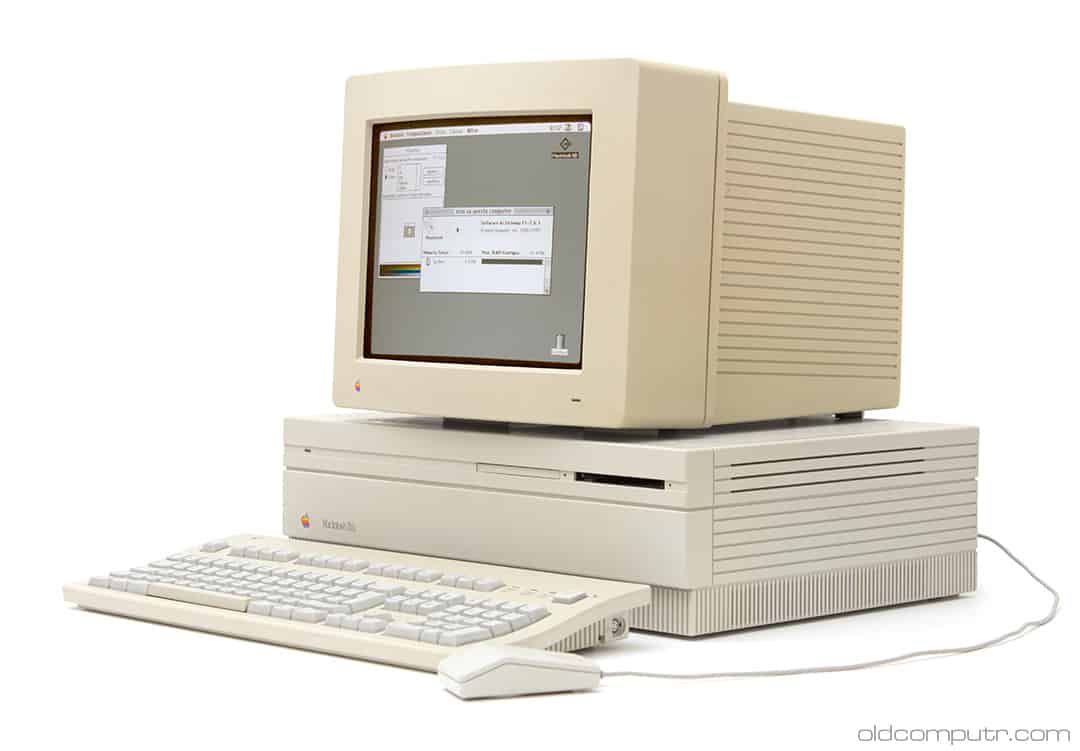
 March 19, 1990: The ultra-fast Macintosh IIfx makes its debut, sporting a hefty price tag appropriate for such a speedy machine.
 March 14, 1994: Apple introduces the Power Macintosh 7100, a midrange Mac that will become memorable for two reasons.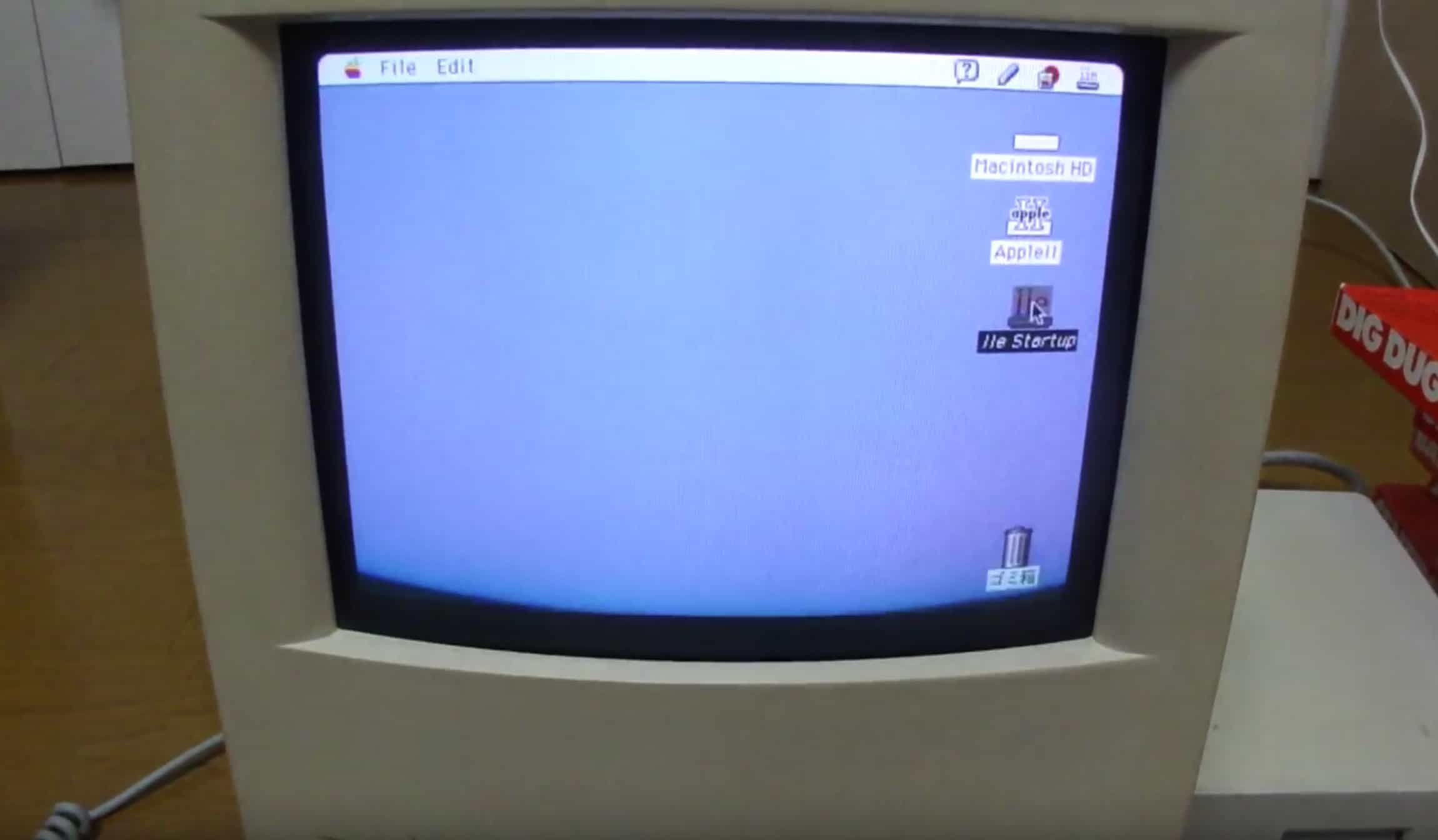
 March 1, 1991: Apple introduces the Apple IIe Card, a $199 peripheral that lets users turn Macs into fully functioning Apple IIe computers.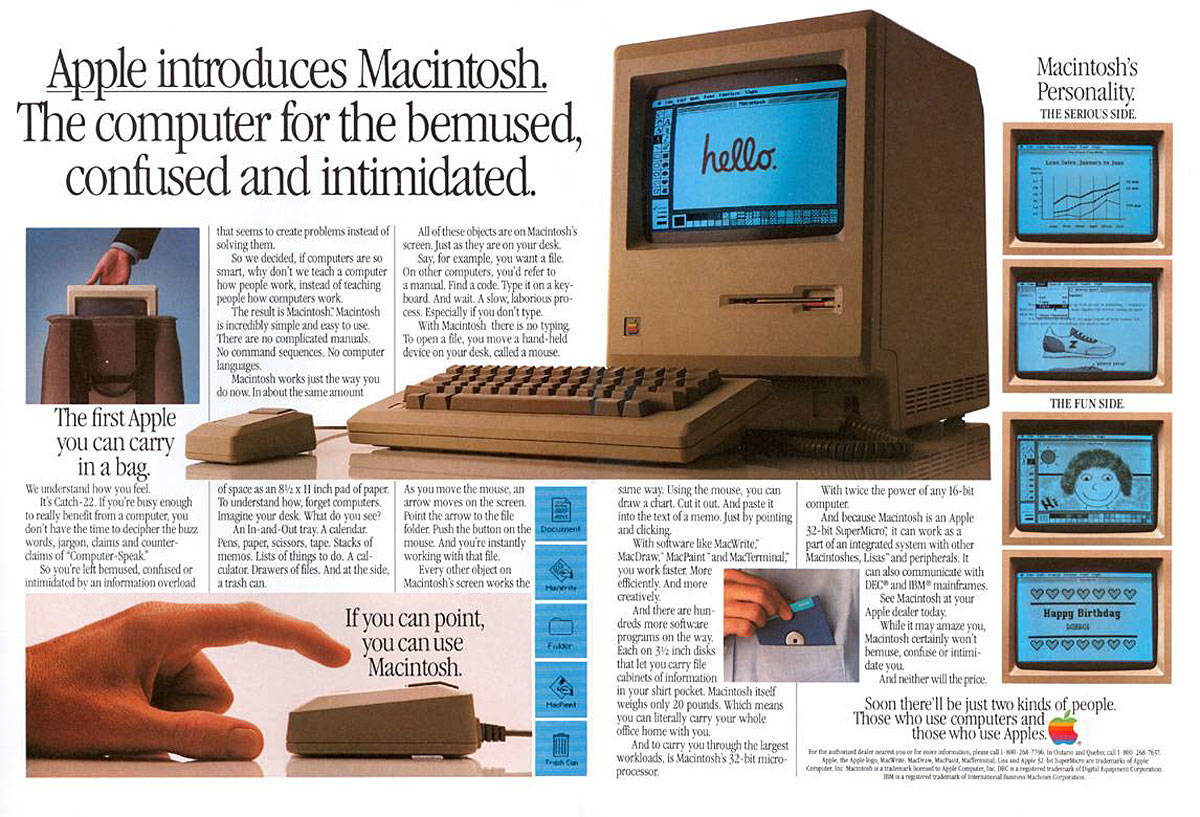
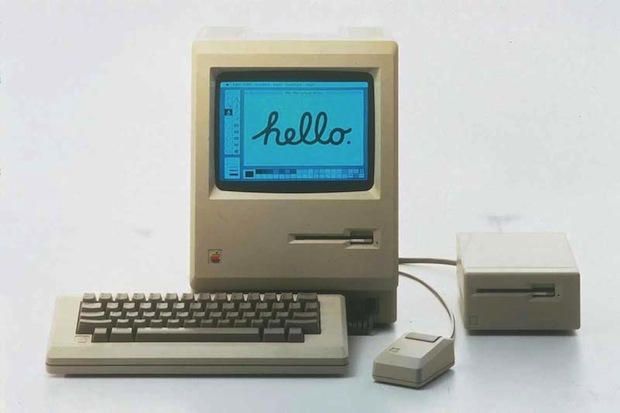
 January 24, 1984: Apple ships its first Mac, the mighty Macintosh 128K.
 January 17, 1984: A week before its famous airing during Super Bowl XVIII, Apple’s iconic “1984” commercial debuts as a trailer in movie theaters. To hype its revolutionary new Macintosh computer, Apple buys several months of promotion from theatrical ad distributor ScreenVision.
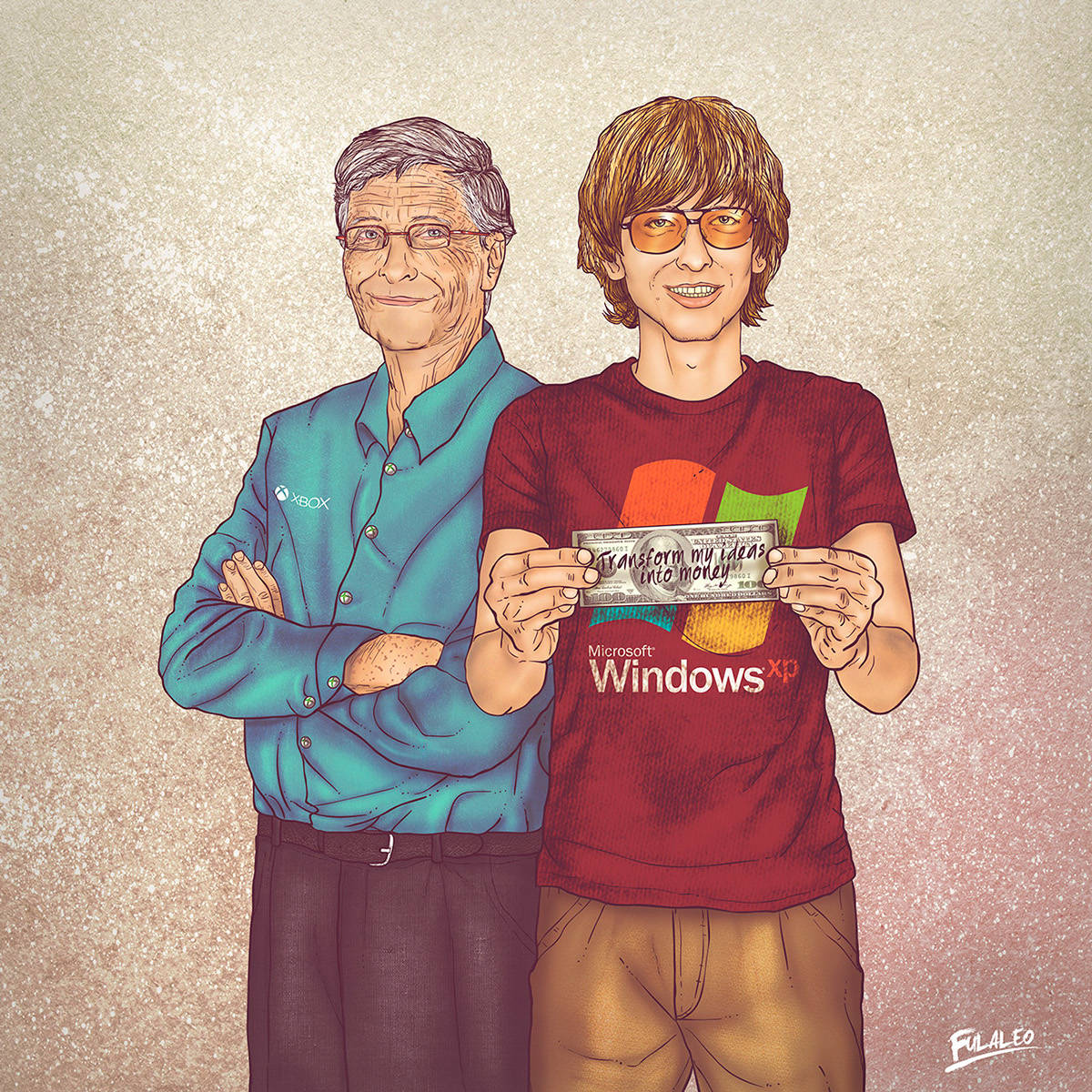
 November 26, 1984: Microsoft co-founder Bill Gates praises Apple’s newly arrived Macintosh as the future of personal computing.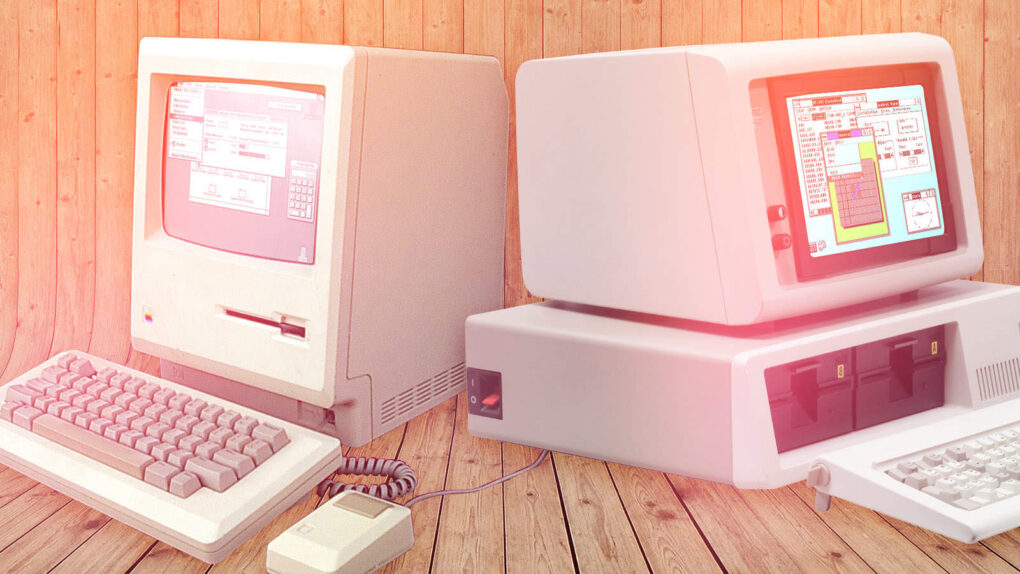
 November 21, 1985: Following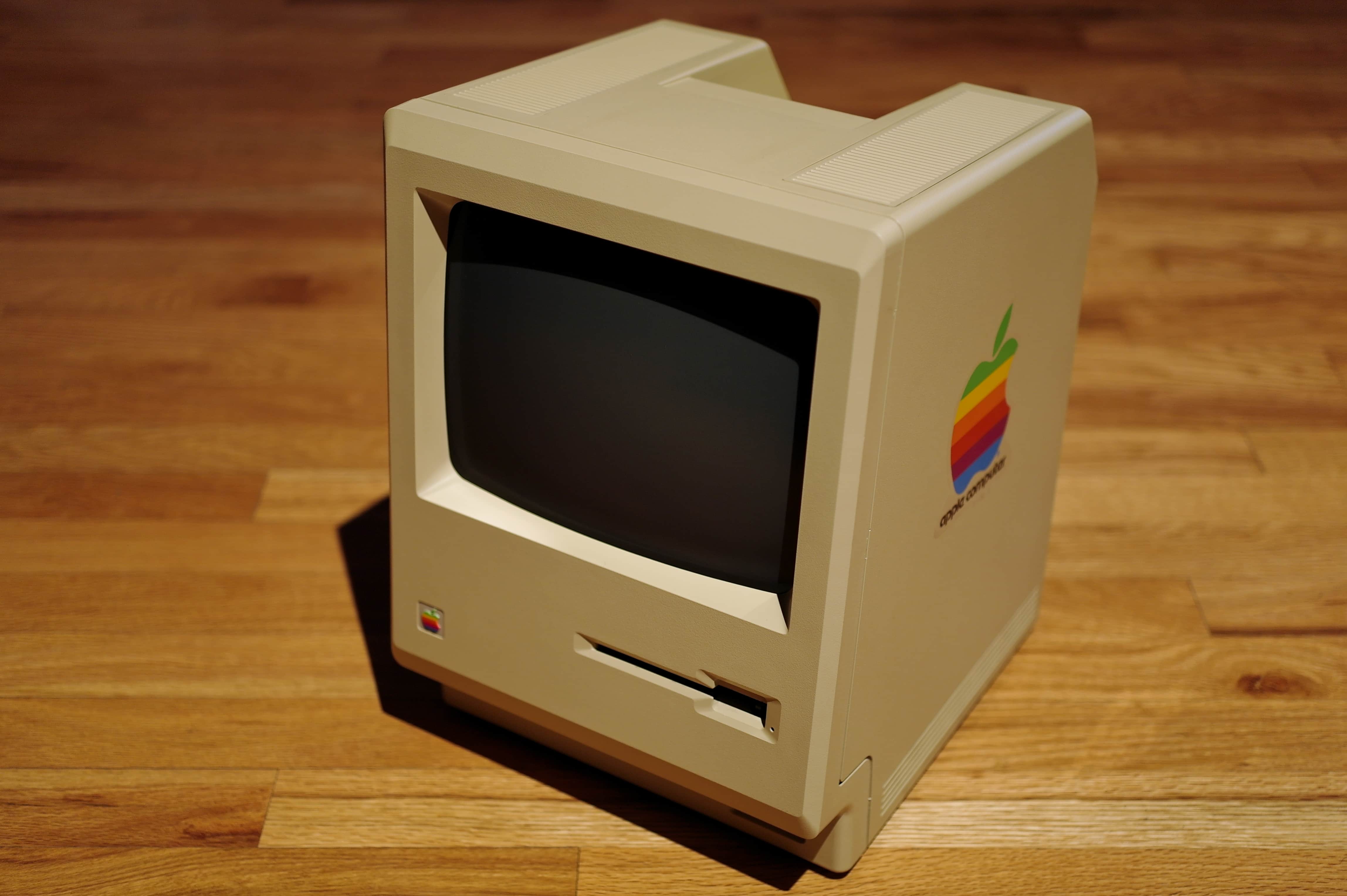
 November 16, 1982: Intent on giving his company’s upcoming personal computer a memorable name, Apple co-founder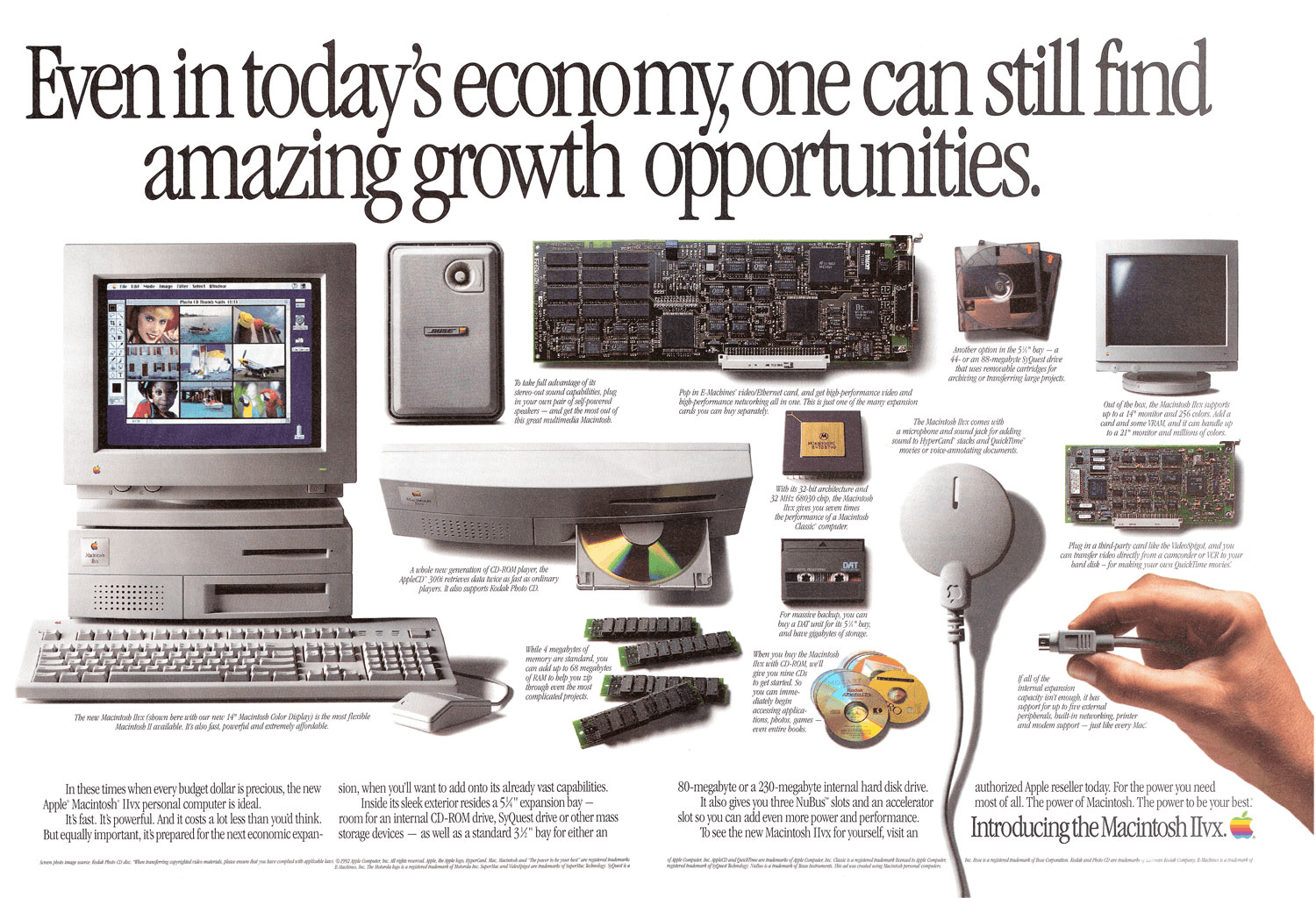
 October 19, 1992: Apple launches the Mac IIvx, the first Macintosh computer to ship with a metal case and, more importantly, an internal CD-ROM drive.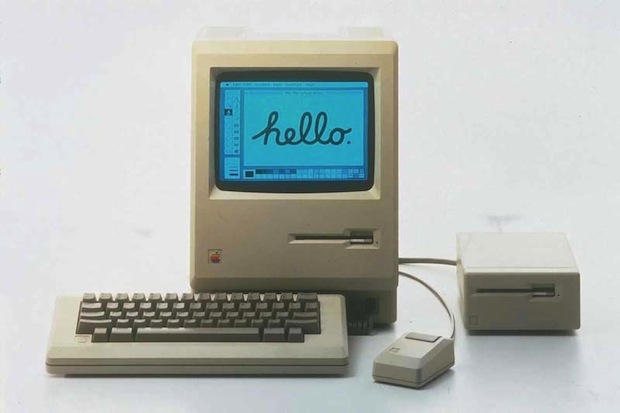
 September 27, 1979: Years before the Macintosh will ship, Steve Jobs and Jef Raskin clash for the first time over the direction of the R&D project to produce Apple’s revolutionary computer. Raskin, the founder of the Macintosh project, wants to produce a machine that’s affordable for everyone. Apple co-founder Jobs wants a computer that’s going to be the best, regardless of price.