Here's how iOS 7 (right) compared to iOS 6. Images: Apple
September 18, 2013: iOS 7 launches with a radical redesign that divides the tech world. The biggest overhaul Apple’s mobile operating system has seen in years, iOS 7 ditches the skeuomorphic objects, dials and textures of previous iterations.
Instead, it boasts stark patches of white space, simpler icons and more abstract controls for settings. The Jony Ive era of software design is truly underway.
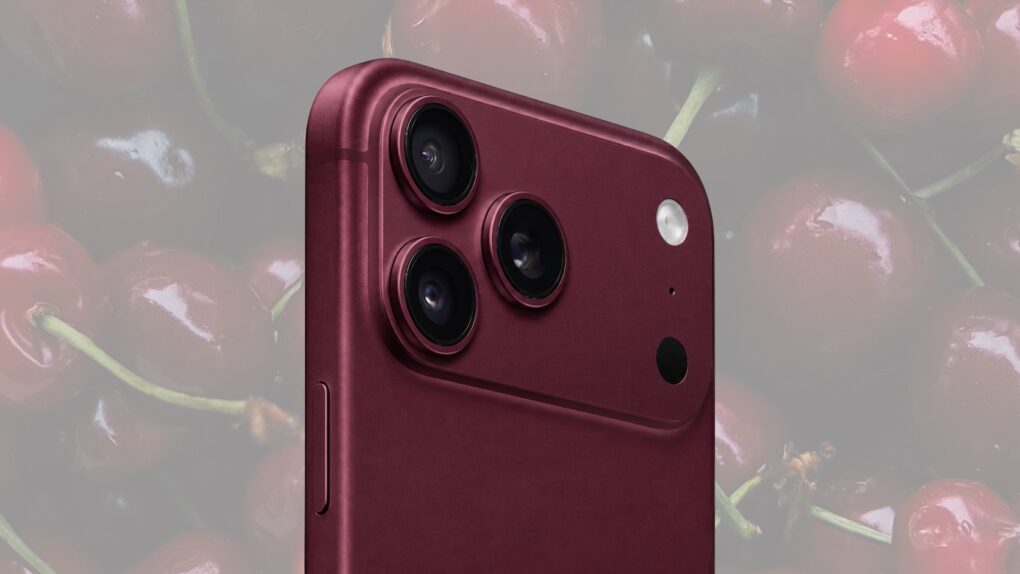
Will dark cherry be tech's hot new color? Concept image: Apple/Cult of Mac
When Apple released the cosmic orange iPhone 17 Pro last year, it did the unthinkable: It made the color orange both cool and commonplace.
Since then, a growing number of tech companies have embraced orange, producing a wide range of iPhone accessories and other gear in the surprisingly bold color. Now, the only question is, can Apple do it again … this time with dark cherry?
Even before Apple’s expected unveiling of the iPhone 18 Pro lineup during tomorrow’s Surprise and Shine event, it looks like the company might have another hit color on its hands.
On this day in 1999, Apple ditched its rainbow logo for something more subtle. Photo: Lyle Kahney/Cult of Mac
August 27, 1999: Apple Computer swaps out the striped, multicolored logo the company had used since 1977 for a new single-color version. The evolution of the iconic Apple logo from rainbow to monochrome shocks many longtime fans.
However, it is part of a sustained, company-wide overhaul led by Apple CEO Steve Jobs. The makeover includes new products, the “Think Different” ad campaign and, eventually, the removal of the word “Computer” from the company’s name.
On this day in 1998, the world said "hello" to the computer that would save Apple. Photo: Apple
August 15, 1998: The original iMac — Apple’s brightly colored, translucent Macintosh relaunch — goes on sale to a rabid audience. Apple co-founder Steve Jobs‘ first major new product since returning to Cupertino, the internet-ready iMac G3 line will cement his legacy as a forward-thinking tech visionary.
The all-in-one computer also introduces the world to the design talents of Jony Ive — and pretty much saves Apple in the process.
This Power Mac G4 blew people away. Image: Apple/Cult of Mac
August 13, 2002: Apple unveils the final face-lift for its Power Mac G4, the Mirrored Drive Doors model.
The distinctive-looking computer borrows visually from the previous QuickSilver G4, released a year earlier. However, it adds a different front panel, with a mirrorlike finish for the media drive doors. And the new computer’s powerful processors force an unfortunate compromise.
July 24, 2006: The world gets its first glimpse of Apple’s new wireless Mighty Mouse, a multibutton Bluetooth device with super-accurate laser tracking.
The iMac G4 brings a "breathtaking" giant screen to desktops everywhere. Photo: Apple
July 17, 2002: Apple ships a new super-sized iMac G4 with a 17-inch widescreen LCD display that becomes the envy of many computer users at the time.
“The best consumer desktop just got even better,” says Apple CEO Steve Jobs of the company’s new all-in-one computer in a press release. “Having this gorgeous 17-inch flat screen floating in mid-air right in front of you is simply breathtaking. There’s nothing like it in the PC world.”
The iPhone 3G brought major upgrades. Photo: Apple
July 11, 2008: The iPhone 3G goes on sale. Expectations for the smartphone sequel run high, and Apple delivers with the addition of GPS, faster 3G data and a higher-quality build. The iPhone 3G launch also brings a new mobile operating system packed with features.
Apple’s second smartphone runs iPhone OS 2, which introduces a better Mail app, turn-by-turn navigation and a little something called the App Store.
Apple put the Power Mac G4 Cube "on ice" in 2001 after disappointing sales. Photo: Apple
July 3, 2001: Apple suspends production of its Power Mac G4 Cube, one of the most notable busts in Apple history — and the first major flop following Steve Jobs’ glorious return to the company in 1997.
Although Apple leaves the door open to possibly reintroducing the remarkably clear G4 Cube at a later date, this never happens. The stylish computer is superseded by Apple’s upgrade to G5 processors and then to Intel Core-based Macs.
A 64-bit CPU powered Apple's stunning "cheese grater" Power Mac G5. Photo: Bernie Kohl/Wikipedia CC
June 23, 2003: Apple launches its gorgeous Power Mac G5, a powerhouse desktop computer with a perforated aluminum chassis that earns it the affectionate nickname “the cheese grater.”
Starting at an affordable $1,999 (over $3,600 in today’s money, adjusted for inflation), the Power Mac G5 is the world’s first 64-bit personal computer. It’s also Apple’s fastest machine yet.
Apple provides more options for tweaking Liquid Glass in iOS 27, macOS 27 and iPadOS 27. Image: Apple
Refinements to Apple’s divisive Liquid Glass user interface in iOS 27, iPadOS 27 and macOS 27 address many of the quirks that made some people despise the glossy new UI over the past year.
Apple straightforwardly addressed users’ concerns during Monday’s WWDC26 keynote. And Shubham Kedia, Apple’s human interface design director, said Apple updated “the foundations of how Liquid Glass is built” for this year’s new operating systems.
“Last year, we introduced our most ambitious cross-platform design update ever with Liquid Glass, which made apps and experiences even more expressive and delightful,” said Kedia. “Like with all major design updates, there’s a natural process where we take a bold leap forward and then we continue to iterate.”
Will the changes to Liquid Glass satisfy users who dislike the current state of affairs? The first developer betas are out, and early reactions seem mostly positive. Here are the biggest changes coming to Apple’s design language this year.
The PowerBook 2400c was Apple's ultra-thin laptop of the late '90s. Photo: Apple
May 8, 1997: Apple launches the PowerBook 2400c laptop, a 4.4-pound “subnotebook” that’s the MacBook Air of its day.
The PowerBook 2400c predicts the rise of speedy, lightweight notebooks, while also paying tribute to Apple’s past. Its design echoes the original PowerBook 100. Even years later, it remains a cult favorite among many Mac users.
The original iMac looked different from any other computer. Photo: Apple
May 6, 1998: Apple CEO Steve Jobs unveils the original iMac, a brightly colored, translucent computer that will help save the company.
Coming just 10 months after Jobs’ new management team took over the struggling company, the iMac loudly announces that the days of Apple quietly fading into the background are over. The colorful computer marks the start of a very successful run for Cupertino.
Can you leave Apple's ecosystem? AI image: ChatGPT/Cult of Mac
What makes the Apple ecosystem so alluring? Individually, the iPhone, iPad, Mac or Apple Watch might not be the best devices in their respective categories. Yet, when combined, they form one of the best ecosystems in the world.
It’s this Apple ecosystem — the so-called walled garden — that makes it almost impossible to ditch Apple devices. But what makes it so good?
No, you weren't holding your iPhone wrong. Photo: Apple
March 29, 2012: A settlement ends the “Antennagate” controversy, as Apple gives affected iPhone 4 owners the chance to claim a whopping $15 payout. The settlement covers customers whose phones dropped calls due to its cutting-edge design, but were unable to return their handsets (or didn’t want a free bumper case from Apple to mitigate against the problem).
While it’s arguable whether a $15 payout was worth filing all the paperwork necessary to claim the cash, the Antennagate story — and the resulting class-action lawsuit — generated big headlines at the time.
The Twentieth Anniversary Mac offered a glimpse of the future. Photo: Apple
March 20, 1997: Apple launches its Twentieth Anniversary Macintosh, a futuristic, special-edition Mac that’s ahead of its time in every way. Not part of any established Mac line, it brings a look (and a price!) unlike anything else available — and Apple delivers them to buyers in a limo!
And yet the Twentieth Anniversary Macintosh promptly bombs. Today, it’s a collector’s piece.
The IIfx was the fastest Mac of its day. Photo: Old Computr
March 19, 1990: The ultra-fast Macintosh IIfx makes its debut, sporting a hefty price tag appropriate for such a speedy machine.
The fastest Macintosh of its day, it boasts a CPU running at a “wicked fast” 40 MHz. It gains an additional speed bump from a pair of Apple-designed, application-specific integrated circuits. Prices start at $9,870 and run up to $12,000 — the equivalent of $24,561 to $29,862 in 2026 money!
These were two of the wackier Macs ever. Photo: Apple
February 22, 2001: The iMac Special Edition, sporting wild designs that would make a hippie happy, puts a wacky face on the colorful computer that saved Apple’s bacon at the turn of the century. The Flower Power iMac and Blue Dalmatian iMac evoke tie-dye shirts and other unconventional ’60s-era imagery.
A far cry from the super-serious, aluminum-heavy industrial design that will come to define Apple in subsequent years, these colorfully patterned iMacs stand out as some of the most irreverent computers Cupertino ever dreamed up. (C’mon, when was a real Dalmatian blue?)
Under the crazy-looking exteriors, a pretty darn great iMac G3 hums along.
The iPod mini quickly became a big hit for Apple. Photo: Apple
February 20, 2004: Music goes small as the iPod mini launch brings the reimagined digital audio player to Apple stores.
Released with 4GB of storage and in five colors, the diminutive device features a new “click wheel” that integrates control buttons into a solid-state, touch-sensitive scroll wheel. It also showcases Cupertino’s growing fascination with aluminum, which will become a hallmark of Apple design.
Despite its small size, the new music player’s market potential looms large. In fact, the iPod mini soon becomes Apple’s fastest-selling music player yet.
The glowing Apple logo was such an iconic look. Bring it back! AI image: ChatGPT/Cult of Mac
With Apple reportedly redesigning the MacBook Pro, it’s time to bring back the beloved glowing Apple logo on the back of the laptop.
Not only is it an iconic look, reviving a signature feature from the MacBooks of old would make a statement that Apple has returned to making laptops as good as the ones made back in the days when you could easily recognize a MacBook from across the room by its glowing Apple logo.
Why does Apple vary delete buttons so much? Image: [email protected]
Apple built a reputation for meticulous design consistency, but a growing number of users keep noticing cracks in that polished facade. A recent social media discussion highlights how longtime Apple fans wonder why delete buttons vary so much across iOS apps.
“Steve Jobs would be absolutely livid about the state of Apple UIs today,” wrote one irate user about the steadily less-consistent state of the iOS user interface.
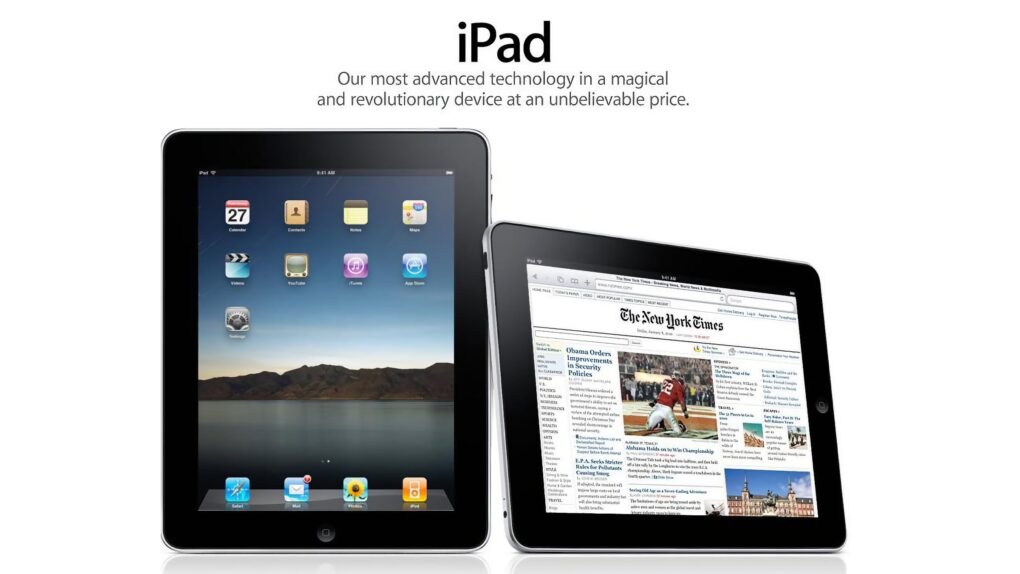
January 27, 2010: After months of rumors and speculation, Apple CEO Steve Jobs publicly shows off the iPad for the first time. Aside from the name, which some people joke sounds like a female sanitary product, the first-generation iPad immediately earns critical acclaim.
“The last time there was this much excitement over a tablet, it had some commandments written on it,” The Wall Street Journal quips.
The Mac Plus boasts an expandable 1MB of RAM and a double-sided 800KB floppy drive. And it’s the first Macintosh to include a SCSI port, which serves as the main way of attaching a Mac to other devices (at least until Apple abandons the tech on the original iMac G3 upon Jobs’ return).
A plain manila envelope became a key stage prop for selling the MacBook Air. Photo: Apple
January 15, 2008: Apple CEO Steve Jobs shows off the first MacBook Air at the Macworld conference in San Francisco, calling the revolutionary computer the “world’s thinnest notebook.”
The 13.3-inch laptop measures only 0.76 inches at its thickest point and 0.16 inches at its tapered thinnest. It also boasts a unibody aluminum design, thanks to an Apple engineering breakthrough that allows the crafting of a complicated computer case from a single block of finely machined metal.
In a brilliant piece of showmanship during the MacBook Air launch, Jobs pulls the super-slim laptop out of a standard interoffice envelope. (You can watch his keynote introducing the MacBook Air below.)
The Power Mac G3 brought a new look, and powerful new features, to Apple's pro computer line. Image: Ste Smith/Cult of Mac/Apple
January 5, 1999: Apple introduces a revised Power Mac G3 minitower, nicknamed the “Blue and White G3” or “Smurf Tower” to distinguish it from the earlier beige model.
The first new Power Mac since the original iMac shipped, the pro-level machine borrows the same transparent color scheme. Unfortunately, it doesn’t hang around too long.
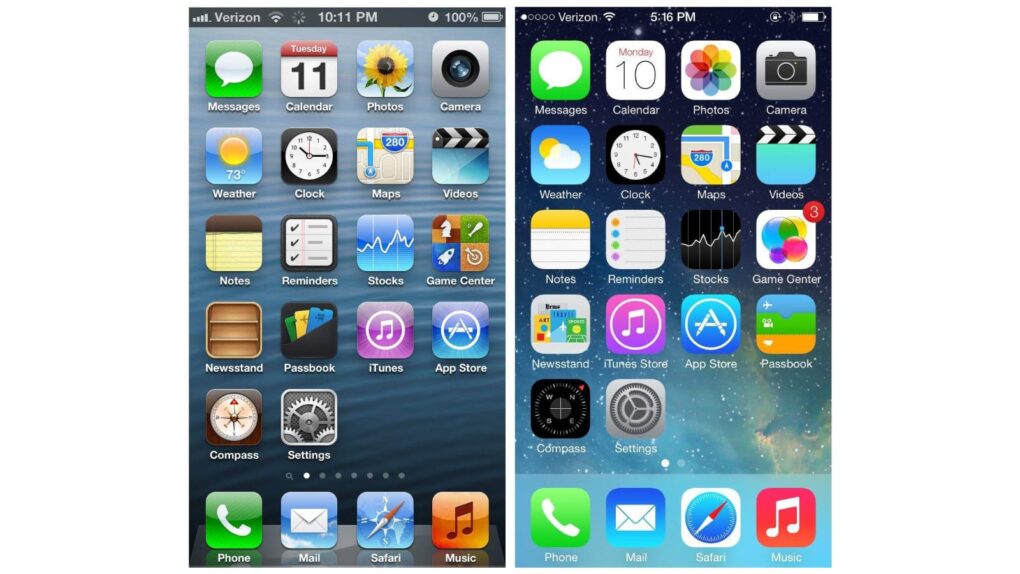
 September 18, 2013: iOS 7 launches with a radical redesign that divides the tech world. The biggest overhaul Apple’s mobile operating system has seen in years, iOS 7 ditches the skeuomorphic objects, dials and textures of previous iterations.
 August 27, 1999: Apple Computer swaps out the striped, multicolored logo the company had used since 1977 for a new single-color version. The evolution of the iconic Apple logo from rainbow to monochrome shocks many longtime fans.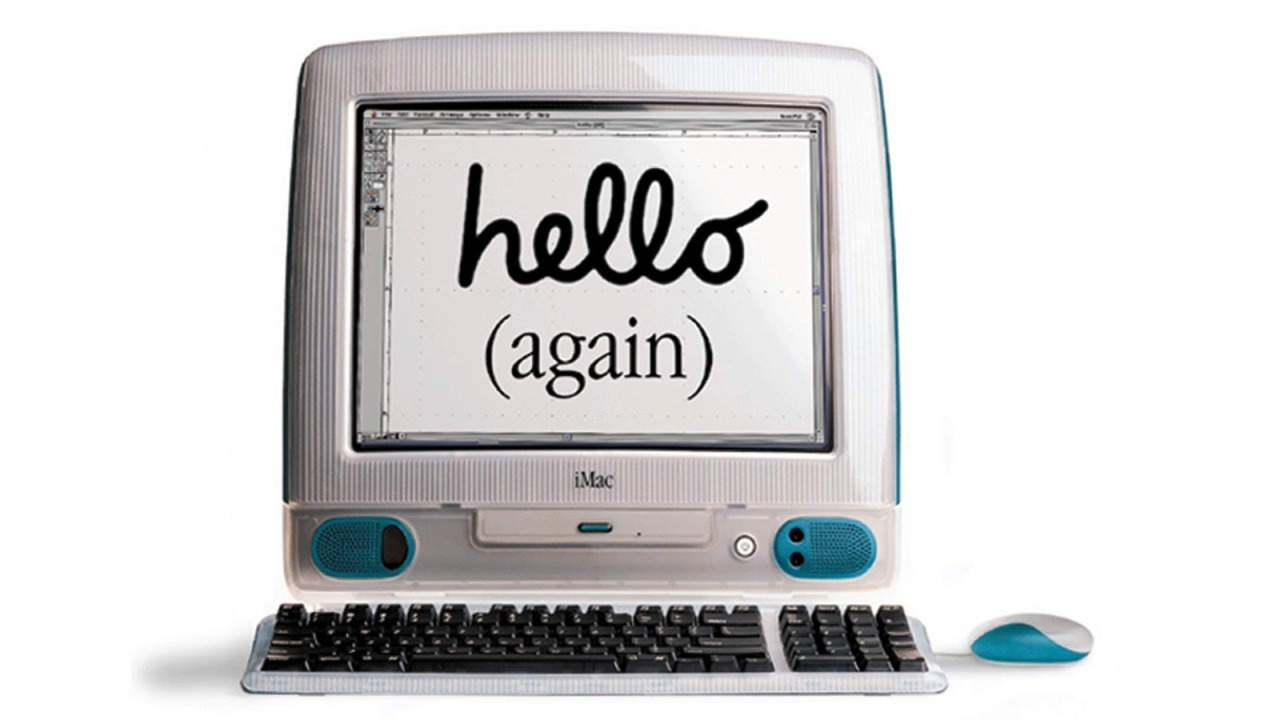
 August 15, 1998: The original iMac — Apple’s brightly colored, translucent Macintosh relaunch — goes on sale to a rabid audience. Apple co-founder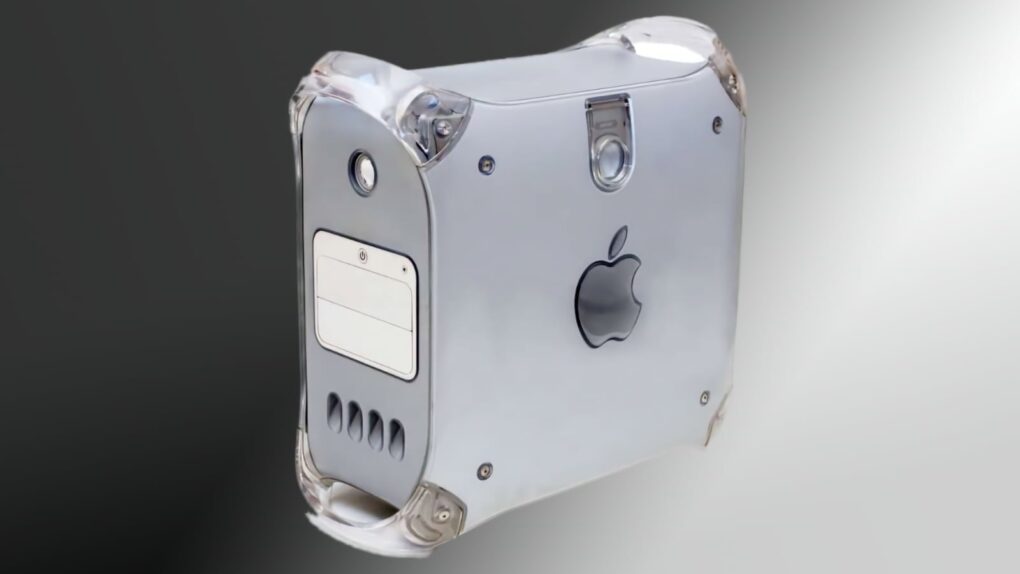
 August 13, 2002: Apple unveils the final face-lift for its Power Mac G4, the Mirrored Drive Doors model.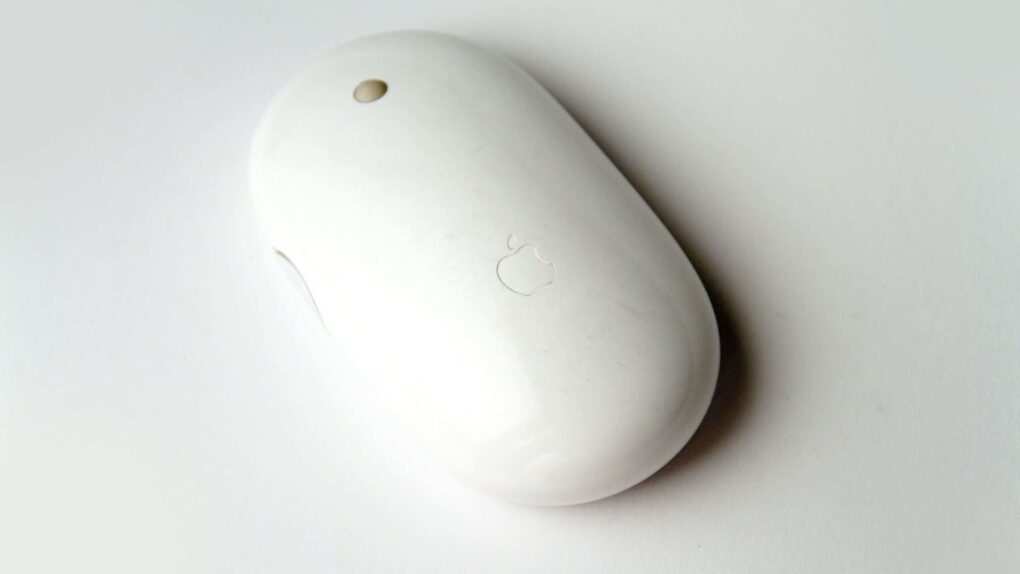
 July 24, 2006: The world gets its first glimpse of Apple’s new wireless Mighty Mouse, a multibutton Bluetooth device with super-accurate laser tracking.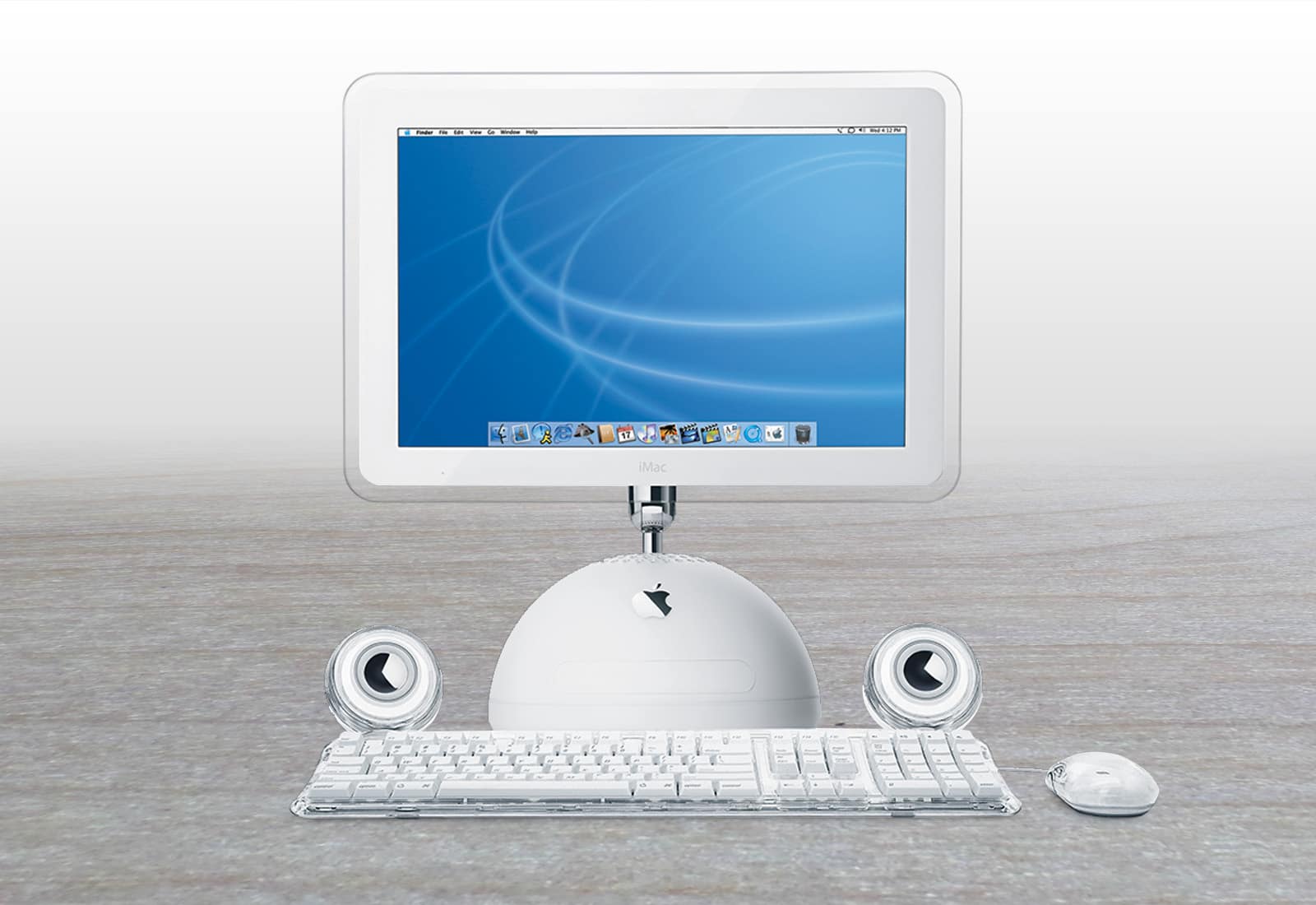
 July 17, 2002: Apple ships a new super-sized iMac G4 with a 17-inch widescreen LCD display that becomes the envy of many computer users at the time.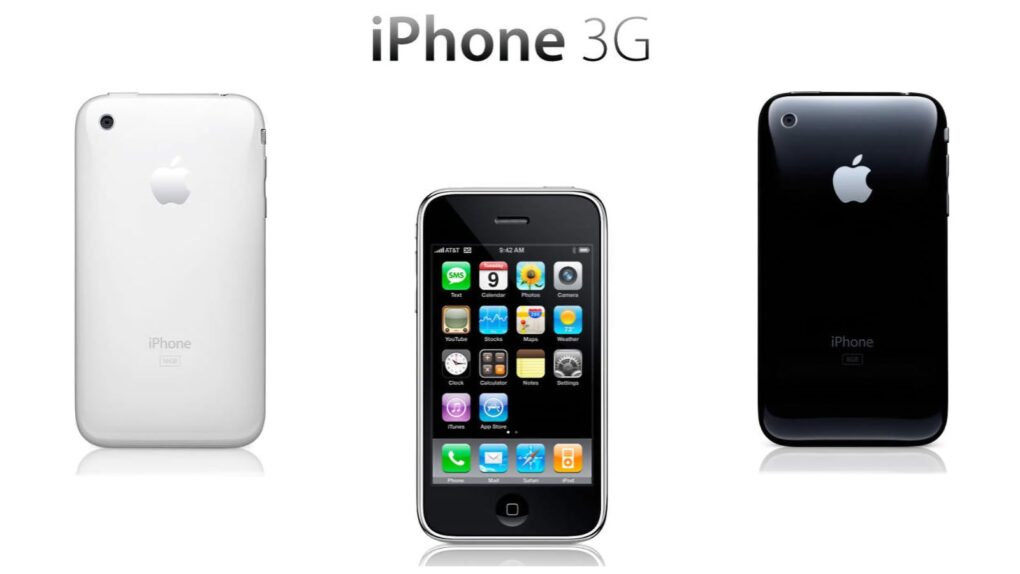
 July 11, 2008: The iPhone 3G goes on sale. Expectations for the smartphone sequel run high, and Apple delivers with the addition of GPS, faster 3G data and a higher-quality build. The iPhone 3G launch also brings a new mobile operating system packed with features.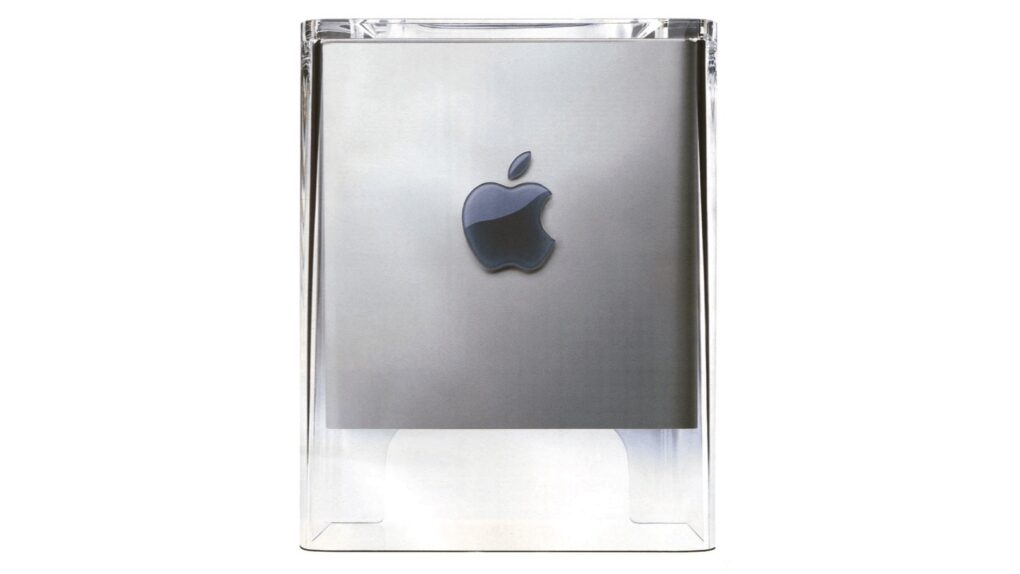
 July 3, 2001: Apple suspends production of its Power Mac G4 Cube, one of the most notable busts in Apple history — and the first major flop following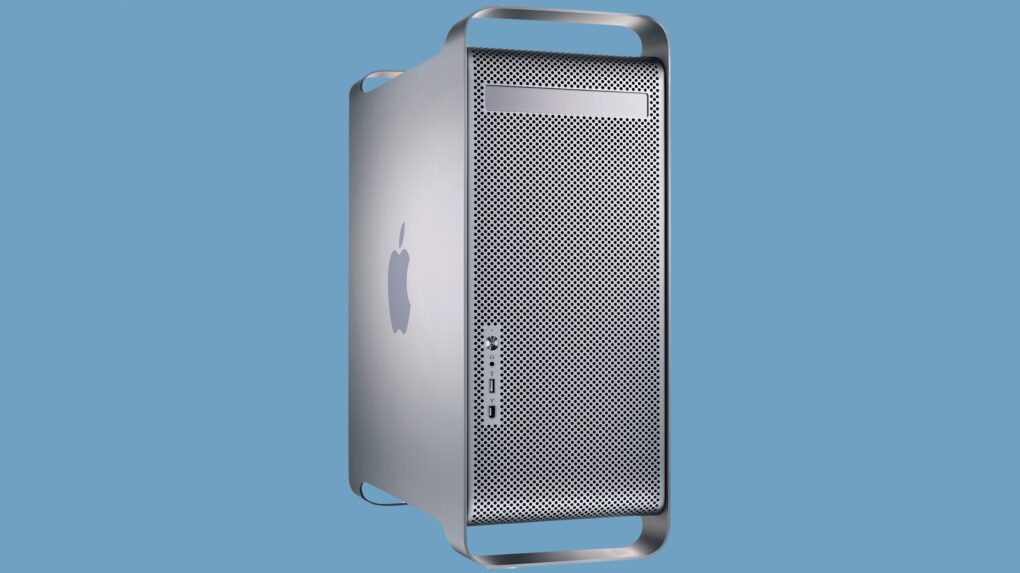
 June 23, 2003: Apple launches its gorgeous Power Mac G5, a powerhouse desktop computer with a perforated aluminum chassis that earns it the affectionate nickname “the cheese grater.”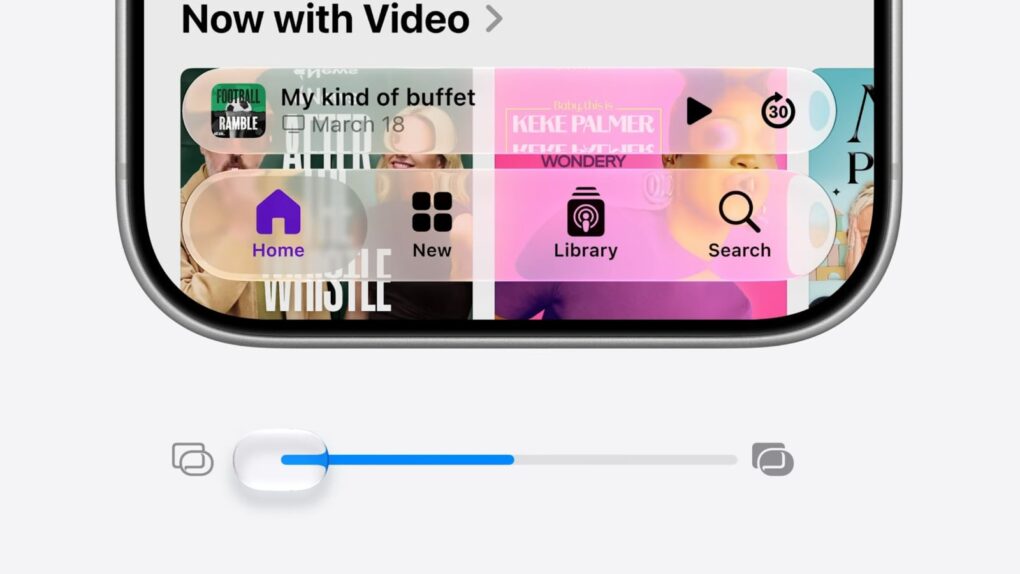
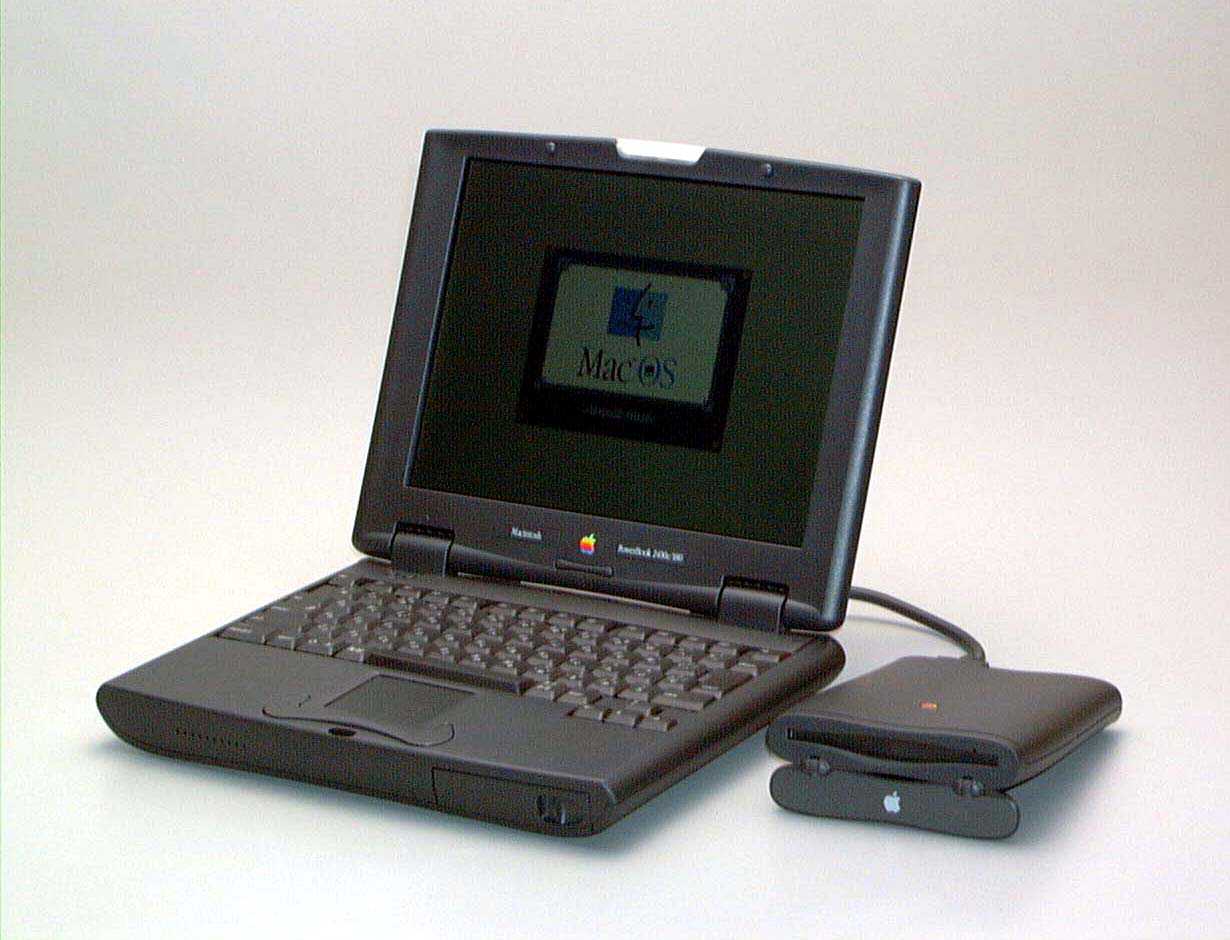
 May 8, 1997: Apple launches the PowerBook 2400c laptop, a 4.4-pound “subnotebook” that’s the MacBook Air of its day.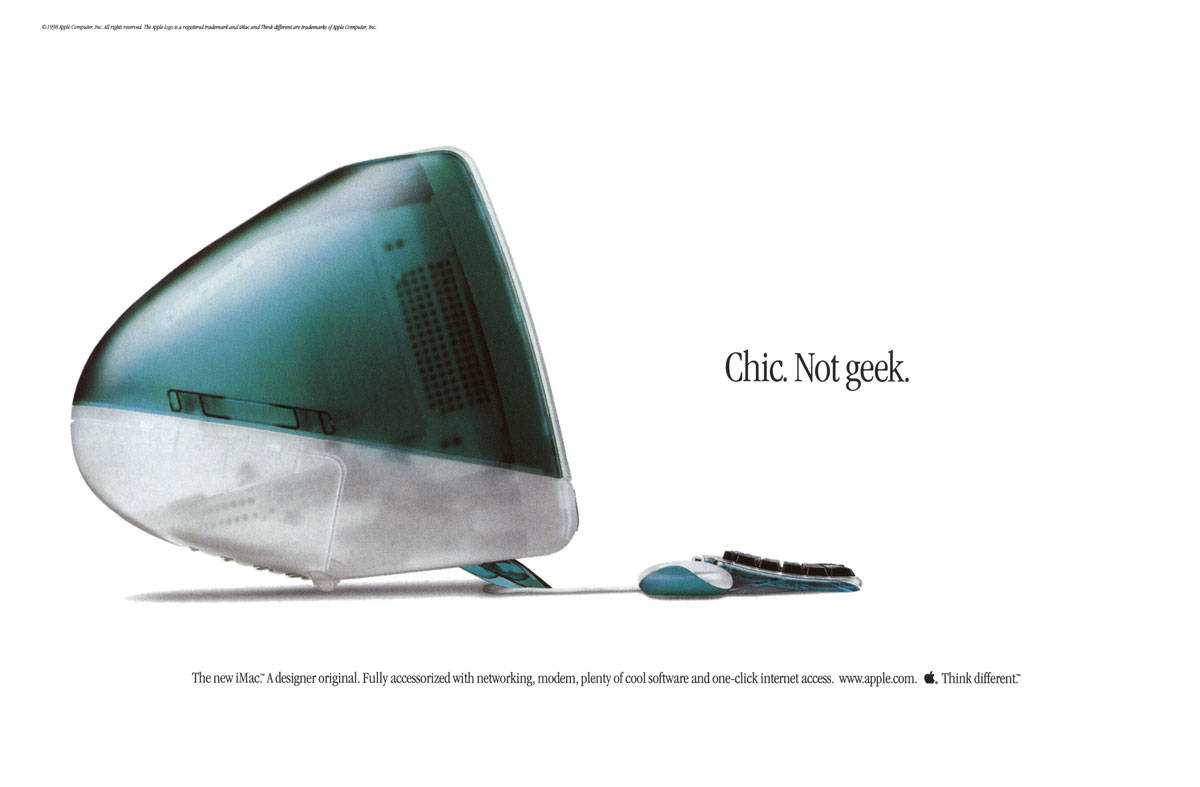
 May 6, 1998: Apple CEO Steve Jobs unveils the original iMac, a brightly colored, translucent computer that will help save the company.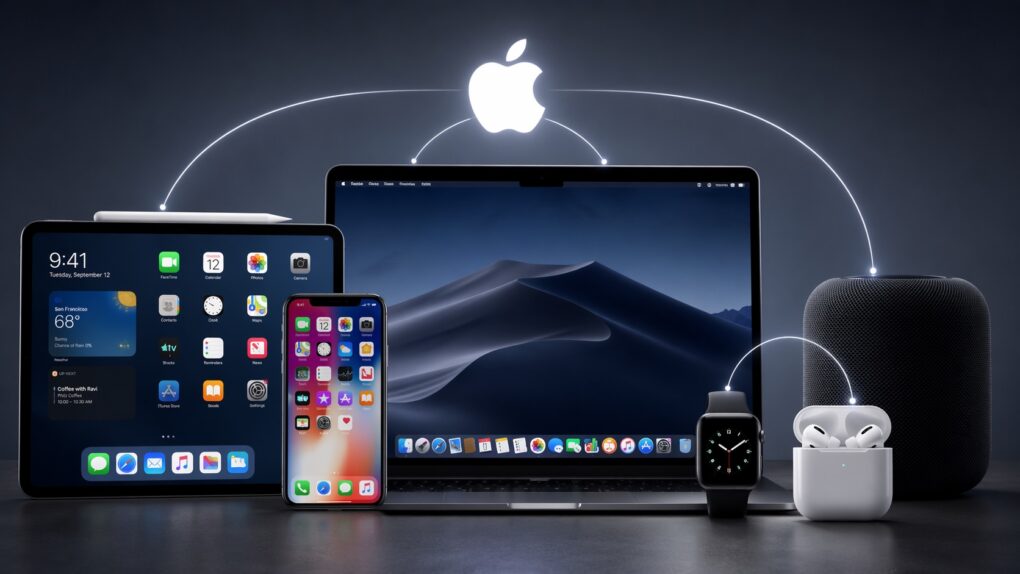
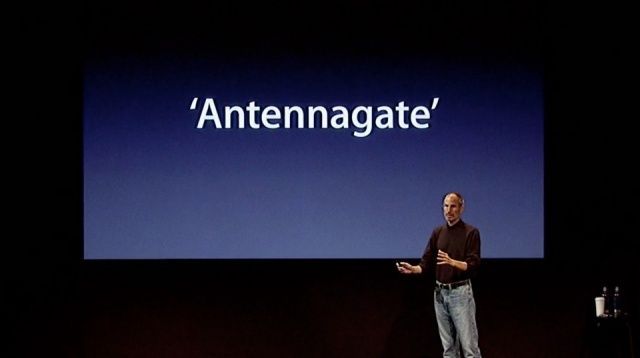
 March 29, 2012: A settlement ends the “Antennagate” controversy, as Apple gives affected iPhone 4 owners the chance to claim a whopping $15 payout. The settlement covers customers whose phones dropped calls due to its cutting-edge design, but were unable to return their handsets (or didn’t want a free bumper case from Apple to mitigate against the problem).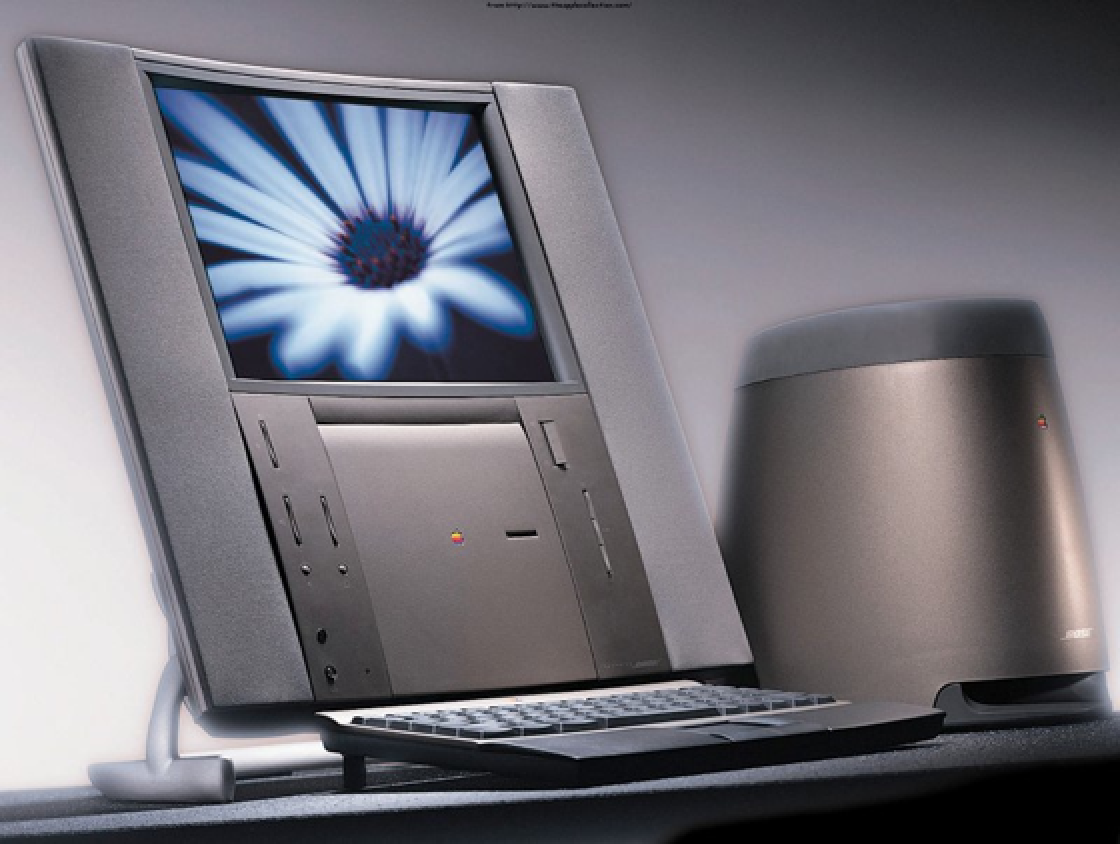
 March 20, 1997: Apple launches its Twentieth Anniversary Macintosh, a futuristic, special-edition Mac that’s ahead of its time in every way. Not part of any established Mac line, it brings a look (and a price!) unlike anything else available — and Apple delivers them to buyers in a limo!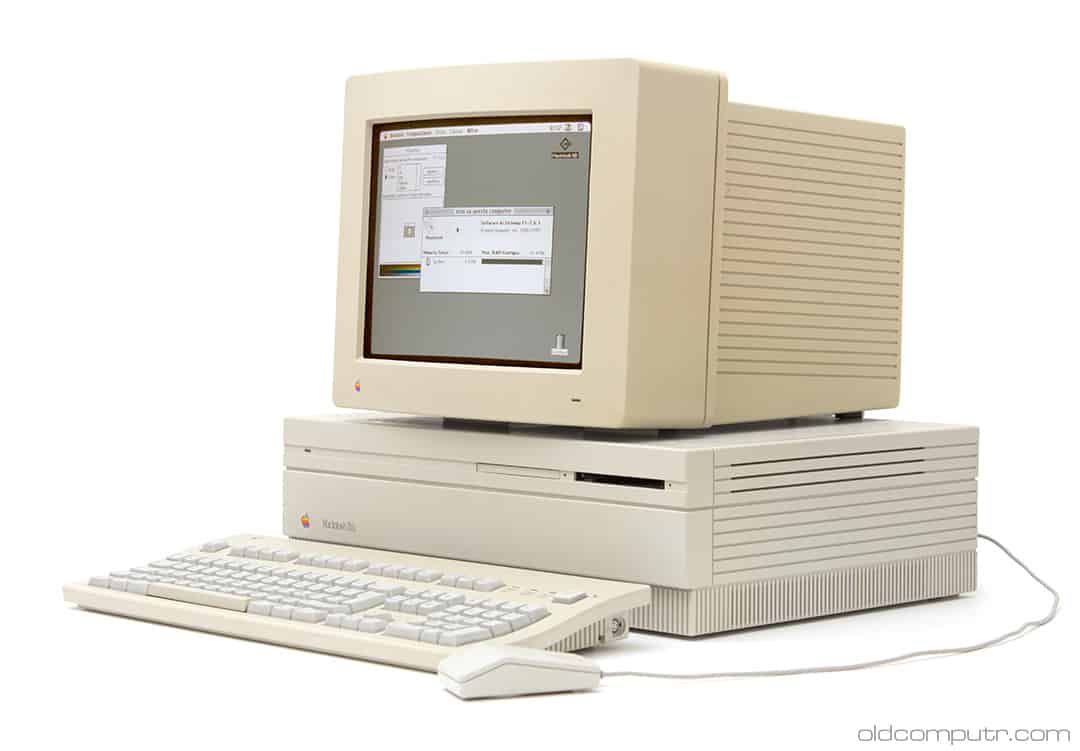
 March 19, 1990: The ultra-fast Macintosh IIfx makes its debut, sporting a hefty price tag appropriate for such a speedy machine.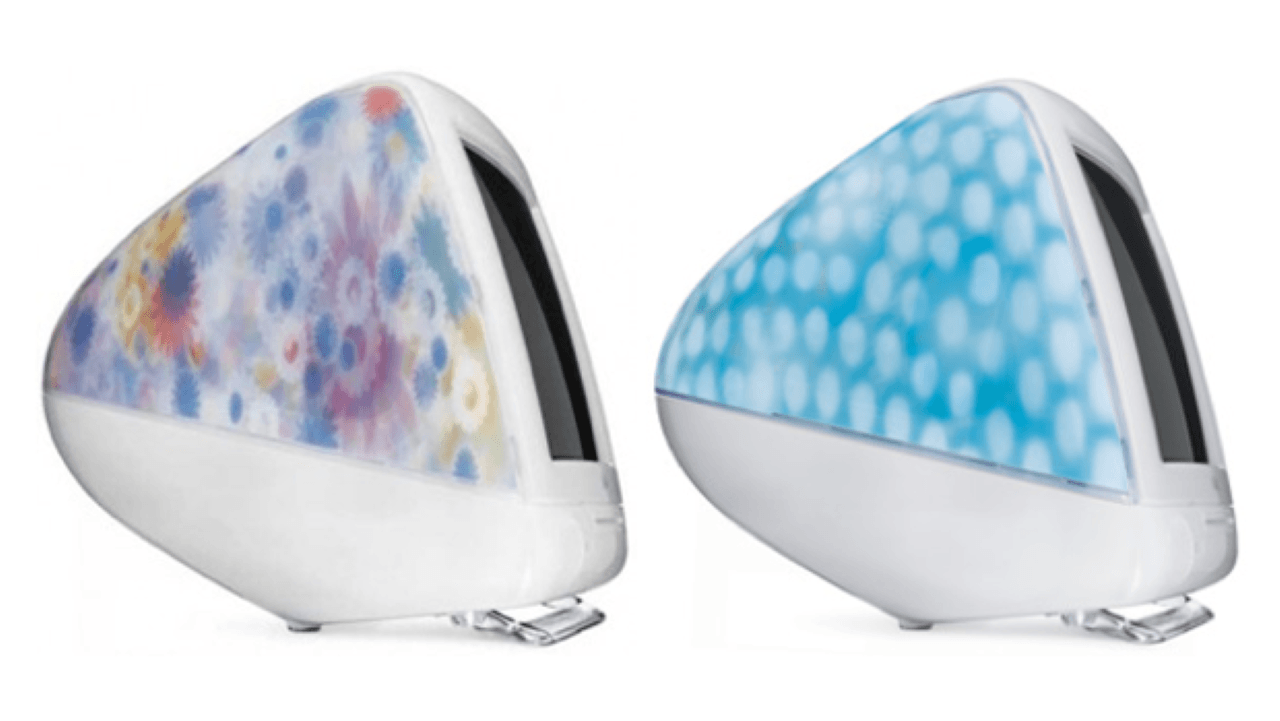
 February 22, 2001: The iMac Special Edition, sporting wild designs that would make a hippie happy, puts a wacky face on the colorful computer that saved Apple’s bacon at the turn of the century. The Flower Power iMac and Blue Dalmatian iMac evoke tie-dye shirts and other unconventional ’60s-era imagery.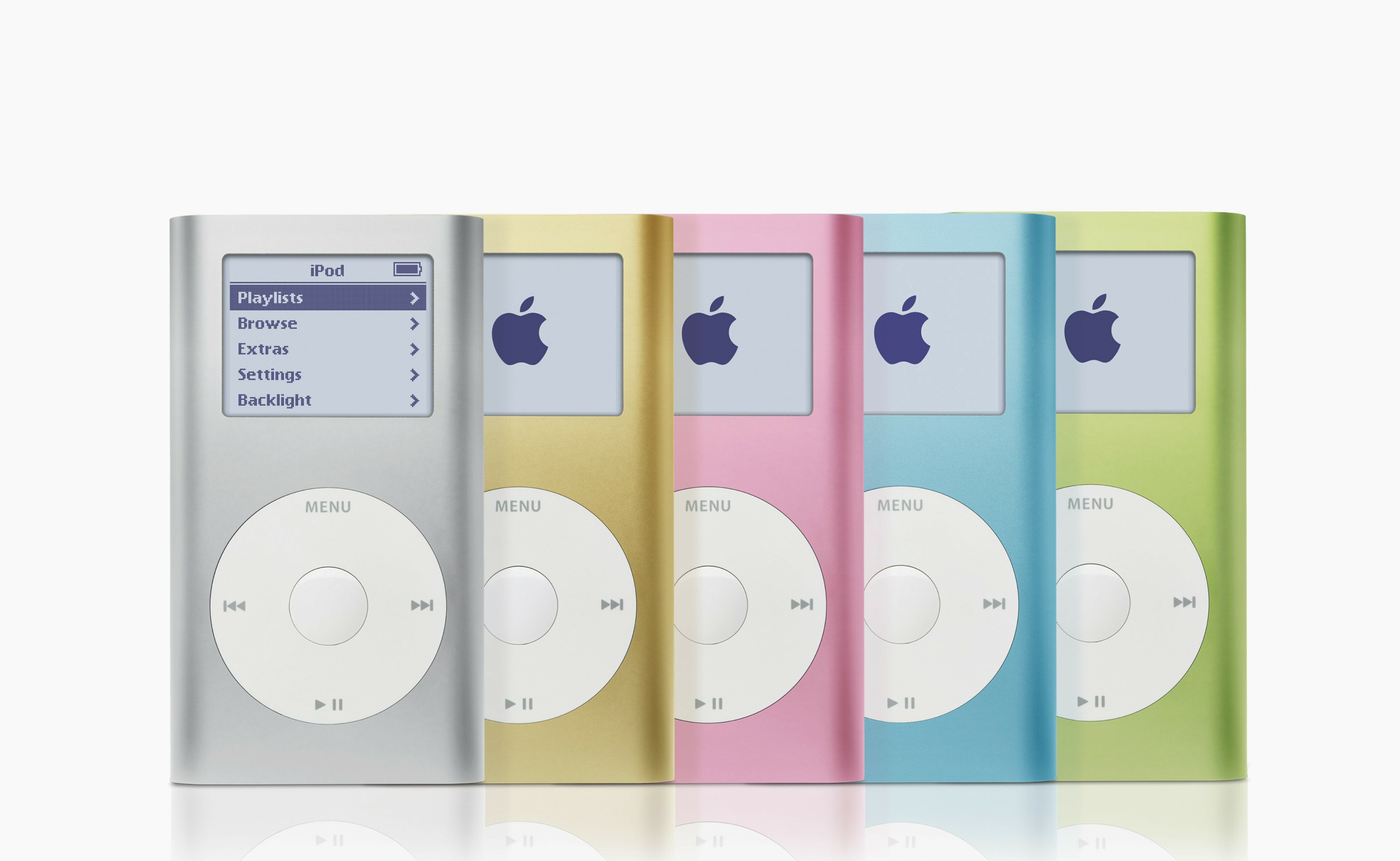
 February 20, 2004: Music goes small as the iPod mini launch brings the reimagined digital audio player to Apple stores.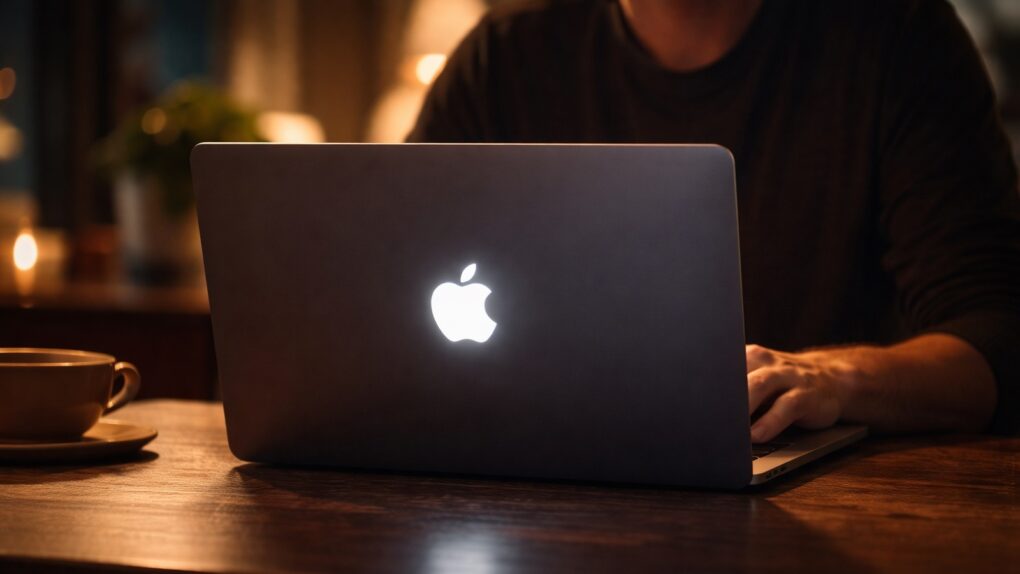

 January 27, 2010: After months of rumors and speculation, Apple CEO Steve Jobs publicly shows off the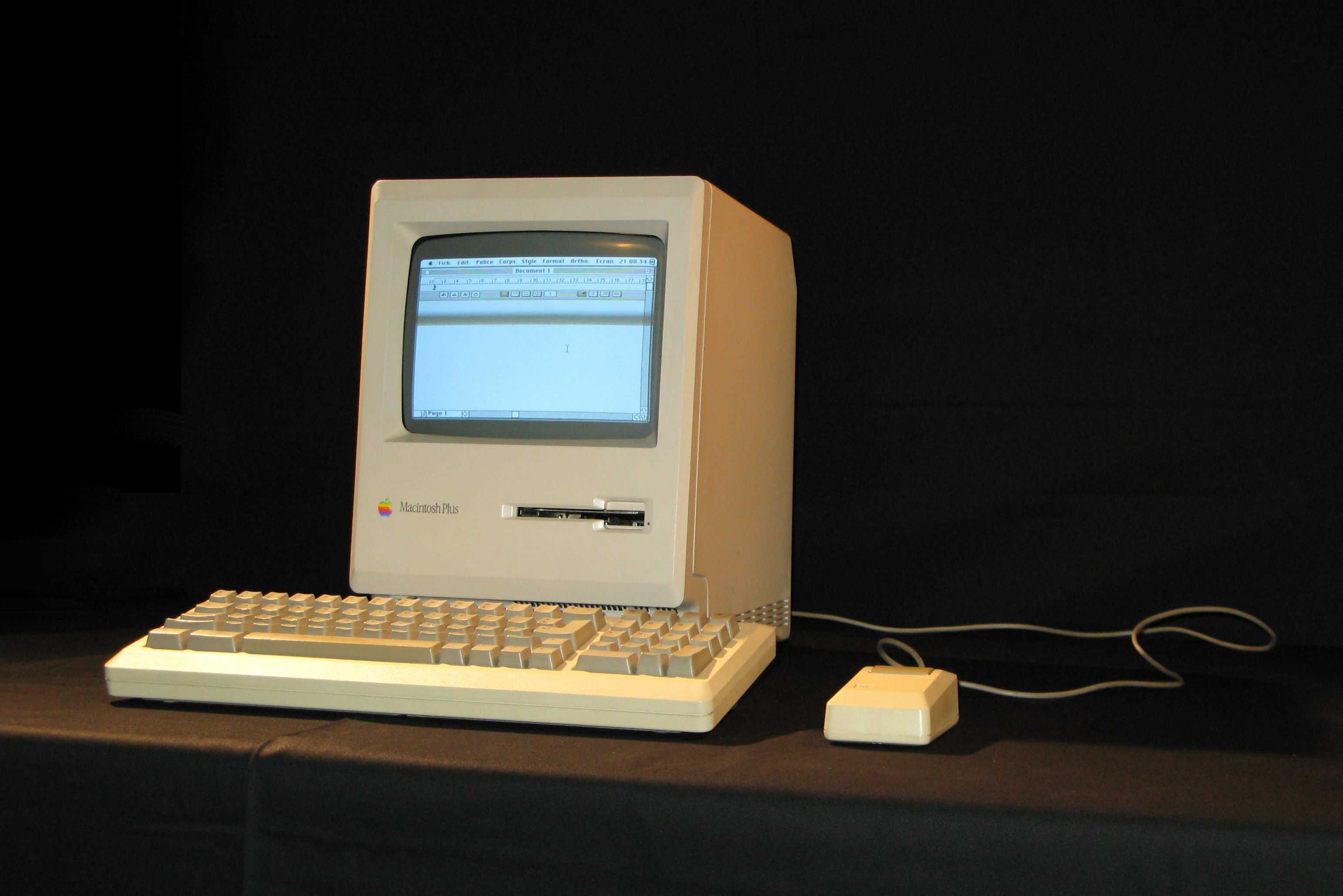
 January 16, 1986: Apple introduces the Macintosh Plus, its third Mac model and the first to be released after Steve Jobs was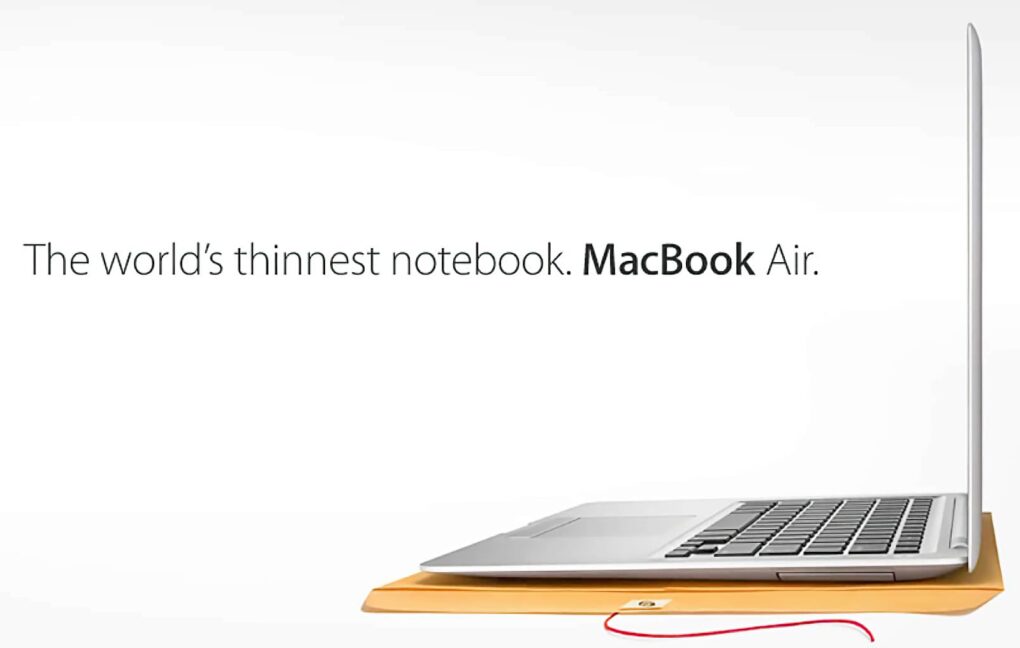
 January 15, 2008: Apple CEO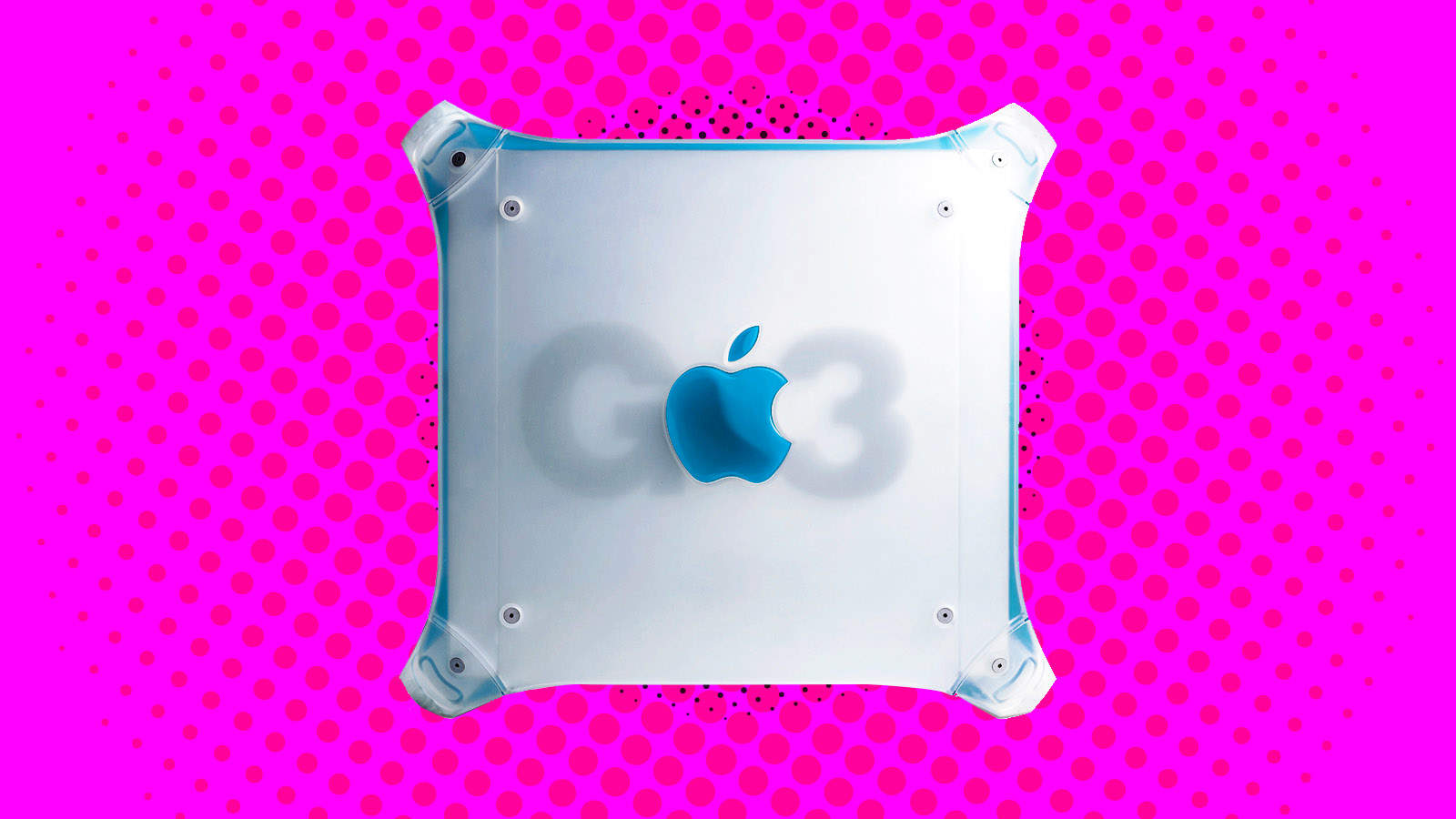
 January 5, 1999: Apple introduces a revised Power Mac G3 minitower, nicknamed the “Blue and White G3” or “Smurf Tower” to distinguish it from the earlier beige model.