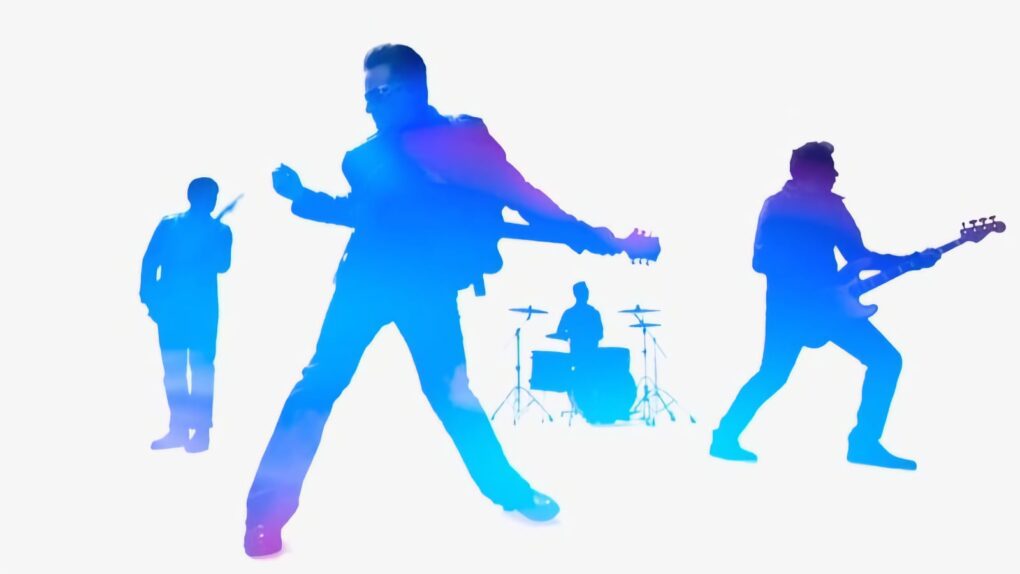
 September 15, 2014: Responding to its disastrous U2 album giveaway during the iPhone 6 launch event, Apple provides iPhone owners with a tool for wiping all signs of Songs of Innocence from their phones.
It comes after one of the strangest PR debacles in Apple history. After putting a free copy of U2’s latest release on every iPhone owner’s handset as a special promotion, millions find themselves with an album they didn’t order in their iTunes library. Many weren’t happy about it.


 September 8, 2003: Apple reveals that the
 May 24, 2013: Apple begins phasing out the option to download movie trailers from its once enormously popular iTunes Movie Trailers website.
 May 4, 2011: Reports circulate that Apple is negotiating with carriers to bring over-the-air updates to iOS, beginning with iOS 5.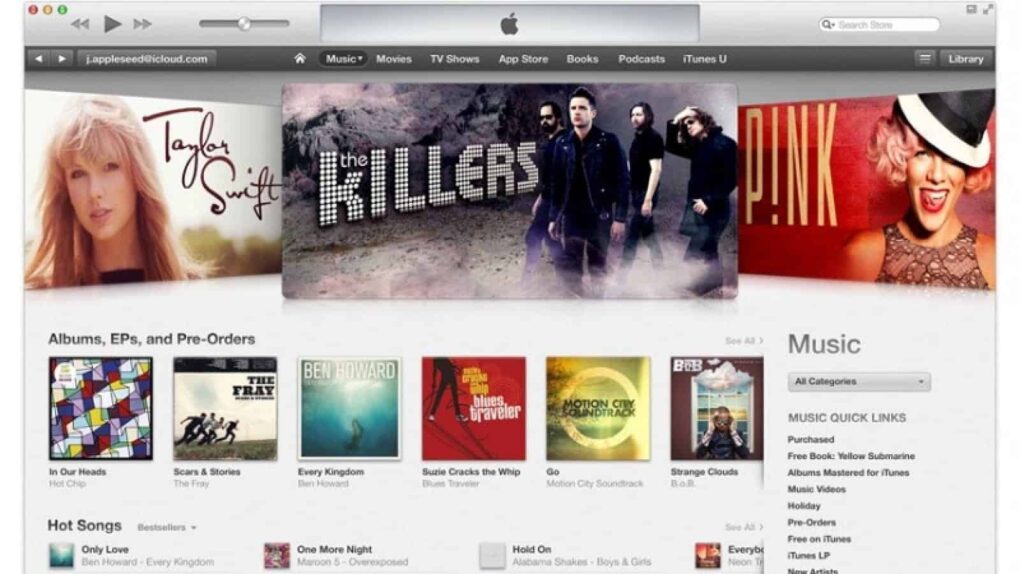
 April 28, 2003: Apple opens the
 March 21, 2007: Apple launches the Apple TV, a gleaming-white set-top box with a remote control, for bringing iTunes media to the living room.
 March 15, 2004: The iTunes Music Store hits a crucial milestone, having sold an astonishing 50 million songs in less than a year. The achievement cements Apple’s place at the center of the rapidly changing music business — at least for the moment.
 February 26, 2008: Less than five years after launching, the iTunes Music Store becomes the No. 2 music retailer in the United States, second only to Walmart.
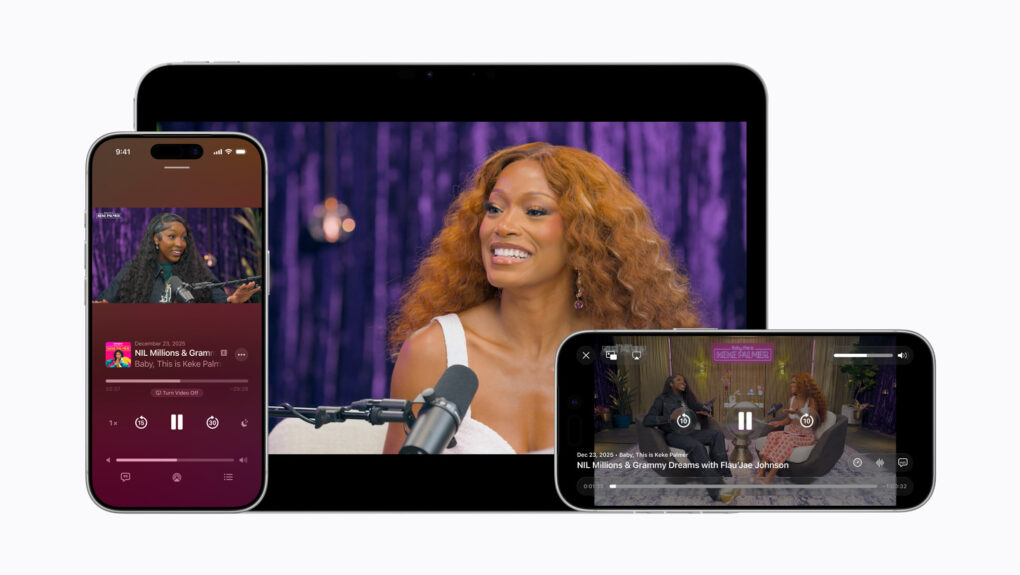
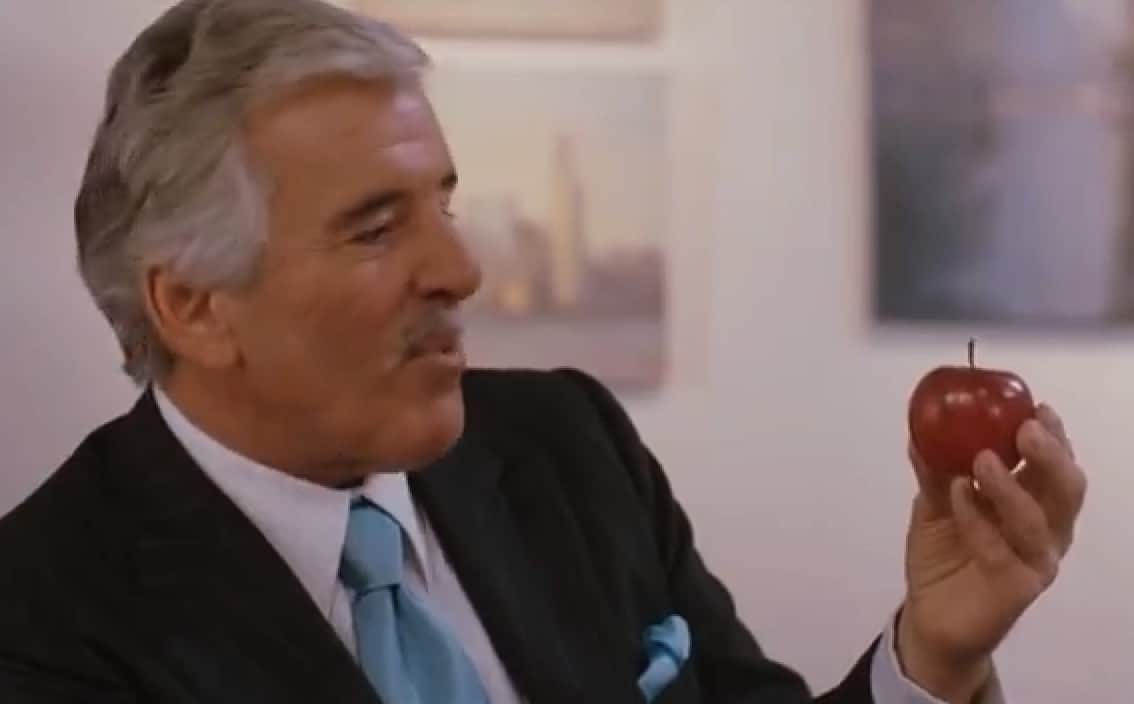
 November 20, 2007: In a milestone for iTunes movie distribution, Purple Violets becomes the first feature film to launch exclusively on Apple’s platform.
 November 6, 2003: After porting iTunes to Windows, Apple sets a new record for digital music sales: a massive 1.5 million downloads in one week.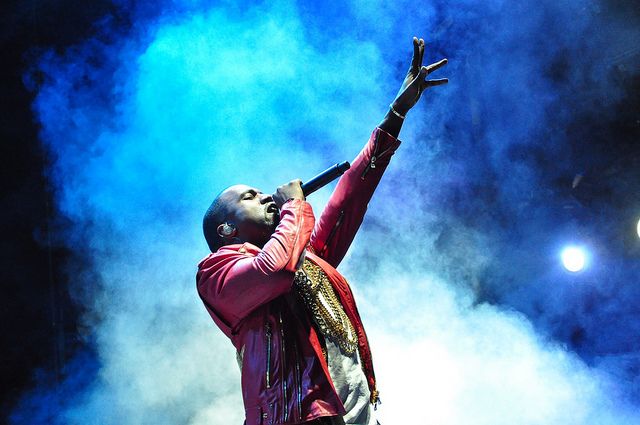
 October 31, 2005: Less than three weeks after launching video downloads with iTunes 6, Apple reveals that it has already sold more than 1 million music videos.
 October 16, 2003: Six months after opening the
 October 9, 1991: A court orders Apple to pay $26.5 million to Apple Corps, The Beatles’ record label and holding company, for trademark infringement. The end of this Beatles versus Apple lawsuit marks the second time Cupertino is forced to pay the English rock band.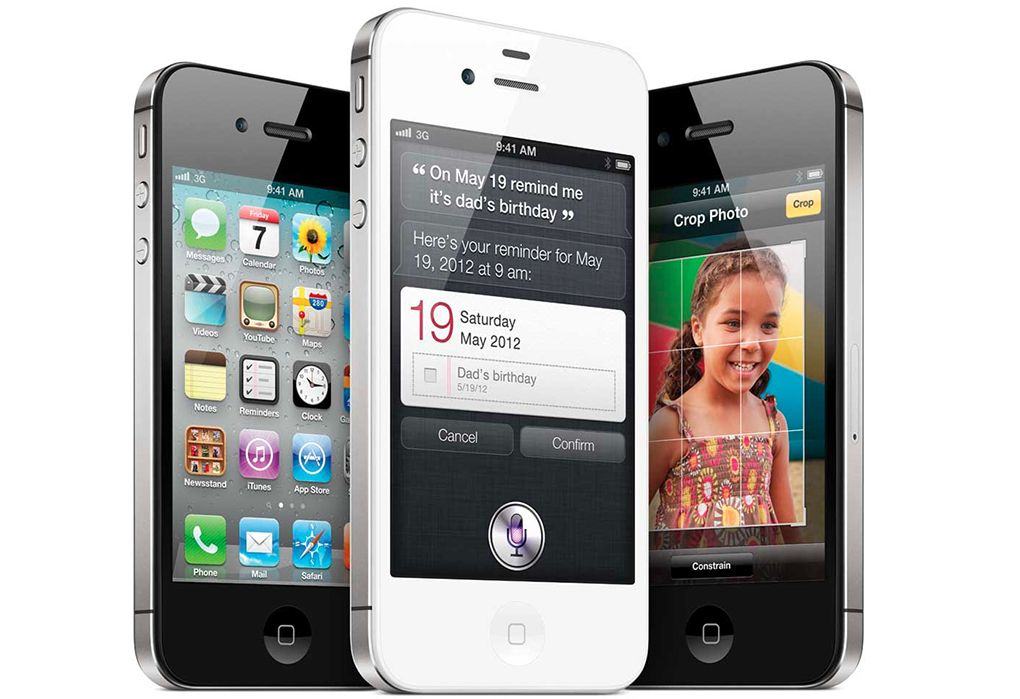
 October 1, 2011: Just days before Apple plans to unveil the iPhone 4s, the device’s name leaks after the latest iTunes beta inadvertently spills the beans.

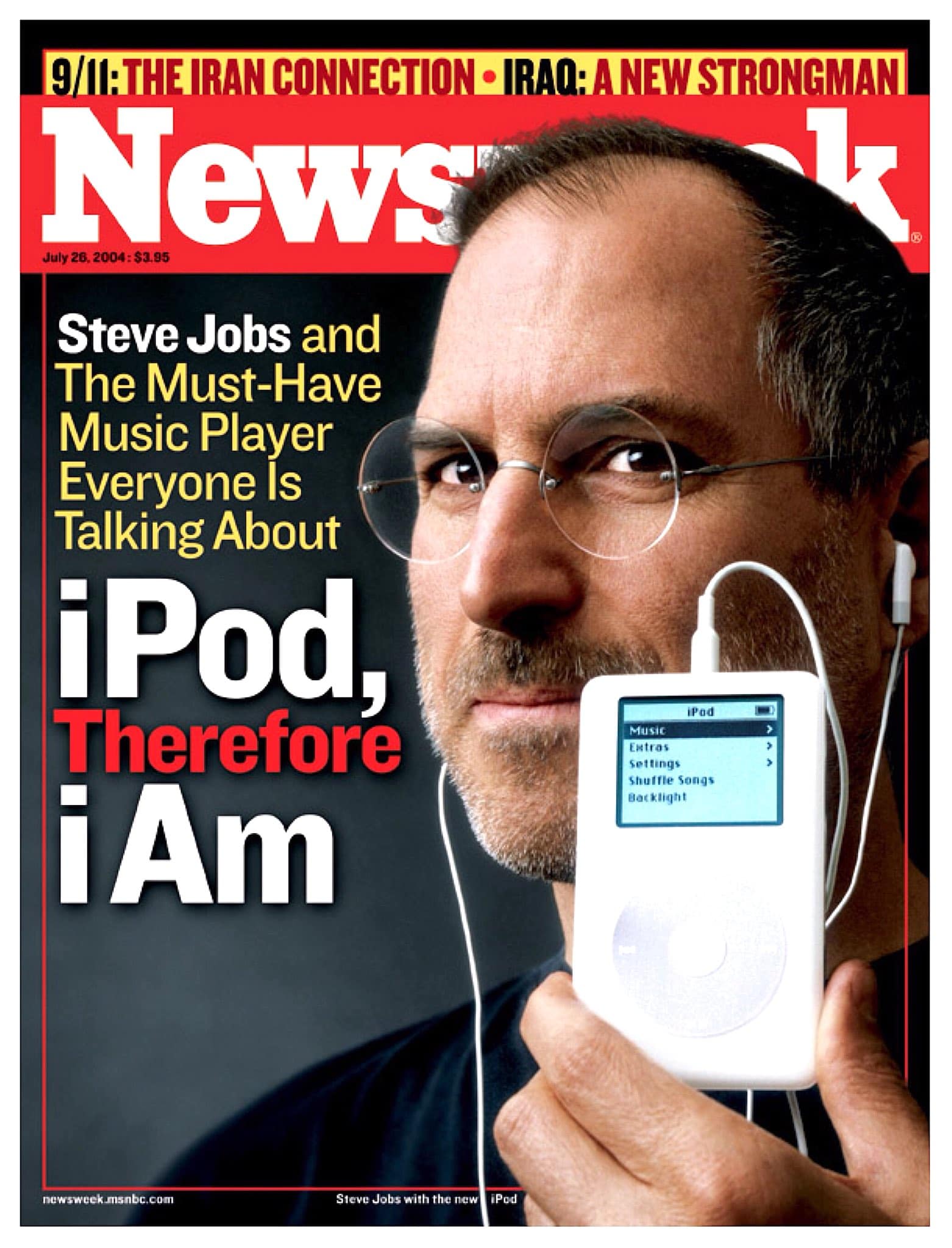
 The iPod grew out of Steve Jobs’ digital hub strategy. Life was going digital. People were plugging all kinds of devices into their computers: digital cameras, camcorders, MP3 players.