Apple CEO Tim Cook didn’t fly to Washington last summer to talk about Intel. He went there to keep Apple from getting hit with a 100% tariff on every chip the company imports. But somewhere in those meetings, the conversation shifted to an unexpected topic — Intel.
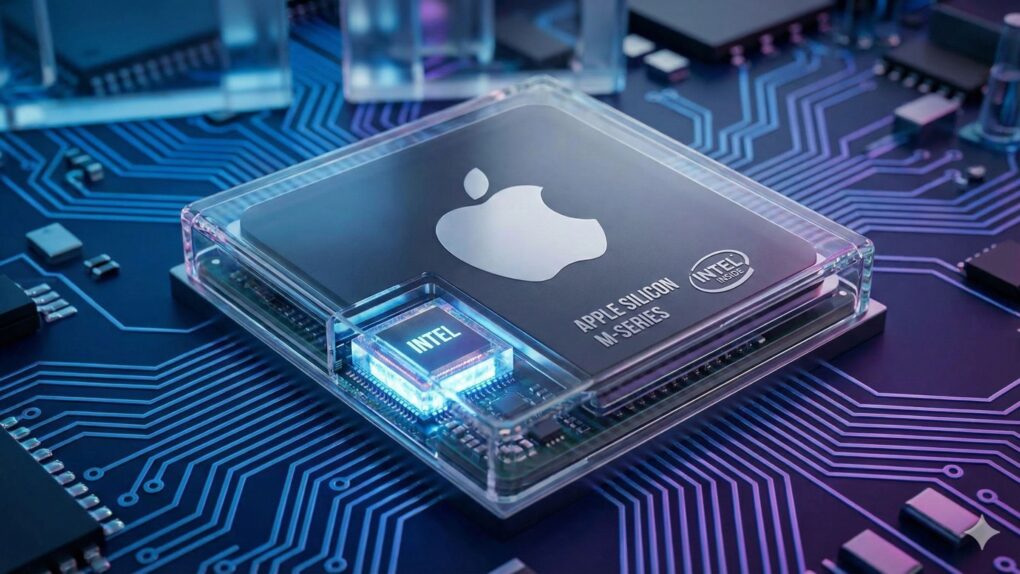
Fast forward a year, and Apple and Intel now have a manufacturing arrangement in the works. And according to a new report, the origin story is less about “engineering roadmap” and more about “the White House brought it up while Apple was trying to survive a tariff fight.”

 June 6, 2005: Steve Jobs reveals that Apple will switch the Mac from PowerPC processors to Intel.
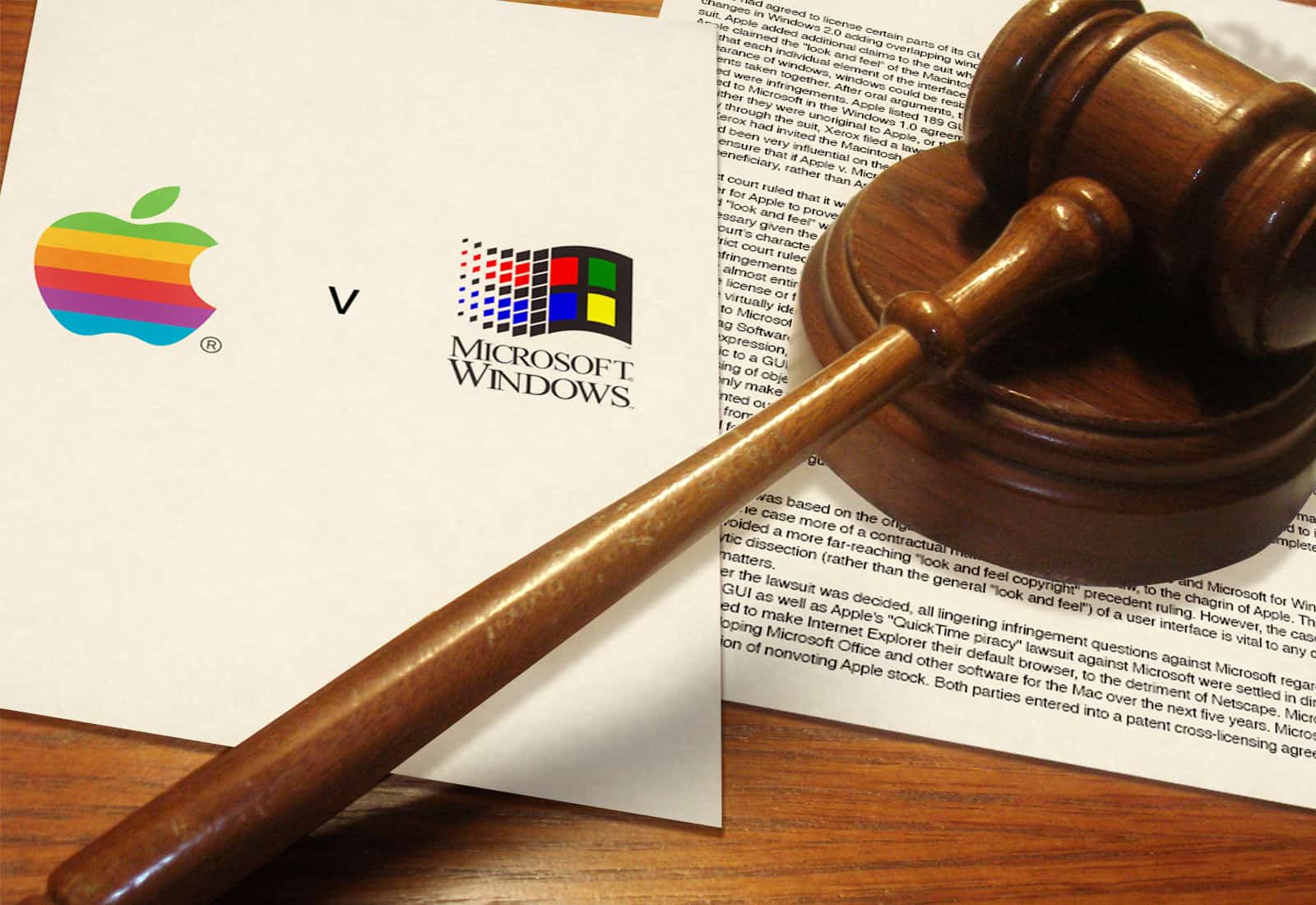
 February 14, 1995: Apple Computer extends a lawsuit against developer San Francisco Canyon Company to include Microsoft and Intel. The lawsuit concerns allegedly stolen Apple code that’s used to improve Microsoft’s Video for Windows technology.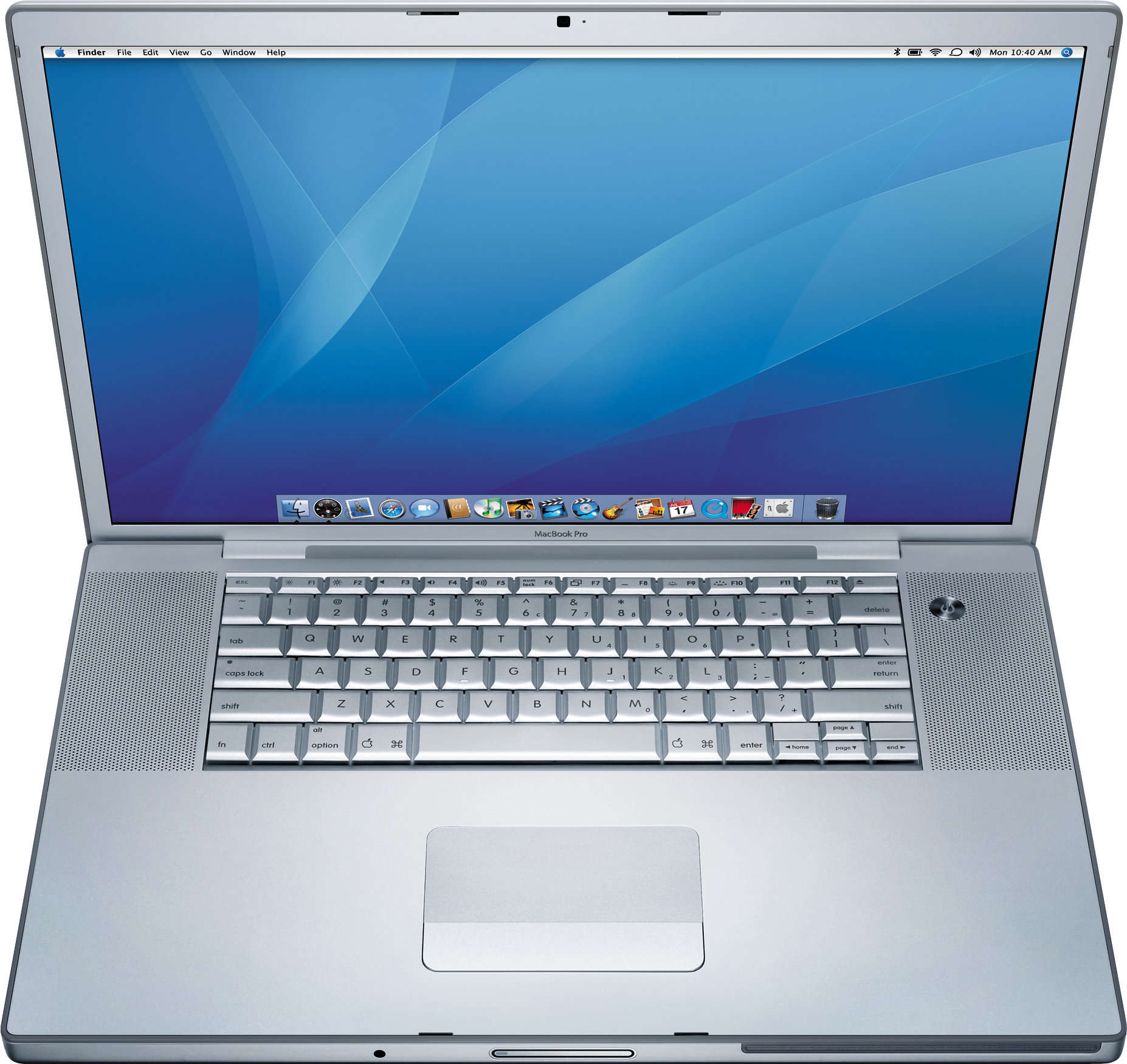
 January 10, 2006: Steve Jobs unveils the original 15-inch MacBook Pro, Apple’s thinnest, fastest and lightest laptop yet.
 December 4, 1992: Apple engineers demonstrate a “proof of concept” of the Mac operating system running on an Intel computer. More than a decade before