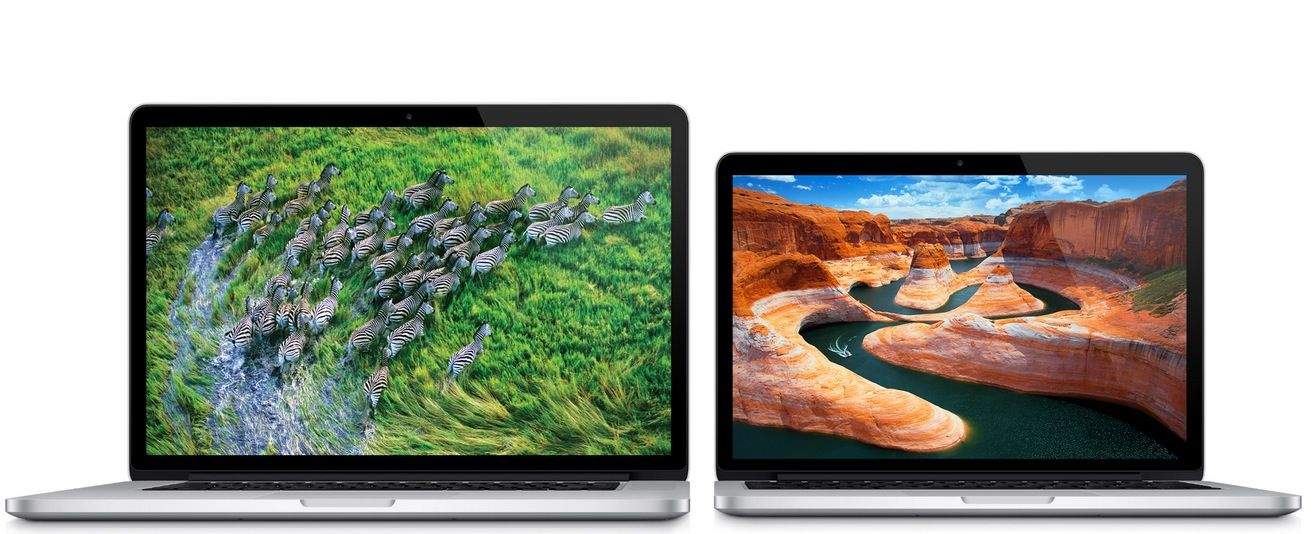
Apple’s next-generation Retina MacBook Pros, which will be equipped with Intel’s latest Haswell processor, may not arrive until October, according to a new report from China Times. The machines were expected to make their debut in September, but due to yield issues affecting its high-resolution Retina display, Apple has had to delay the launch.
The MacBook Pro already looks pretty stellar. But there are a few add-ons you can pick up that will add even more style to it, and this Cult of Mac Deals offer is a shining example of one of them.
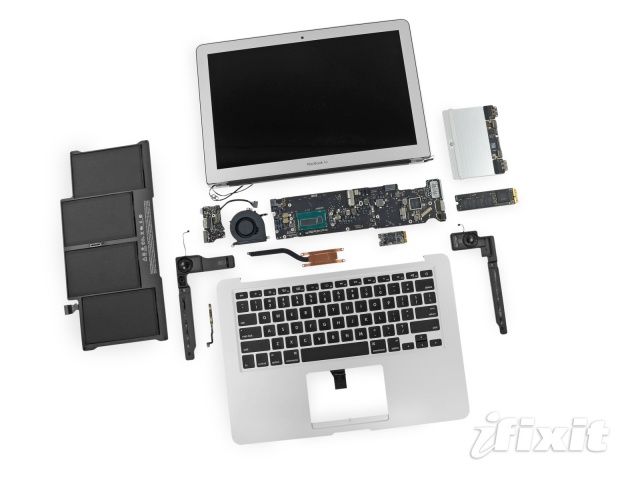
At a glance, Apple’s latest MacBook Air notebooks appear identical to their predecessors, but when you take a look under the hood, there are some obvious differences. Not only do they boast Intel’s latest Haswell processors, but they also have larger capacity batteries and smaller solid-state flash drives.
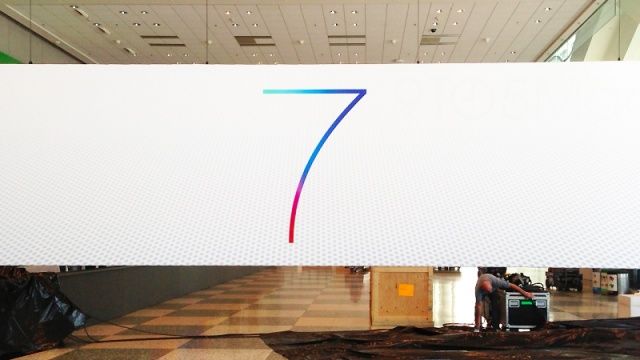
Today’s the day, folks! In just a few hours, Apple will kick off WWDC 2013 with a first look at its next-generation iOS 7 operating system. We’re expecting big changes with this update, and according to sources for The Wall Street Journal, those will include a brand new look, new ways to share your photos and videos, and a new music streaming service.
You can also expect to see a glimpse of OS X 10.9 and new notebooks at the event.
Apple’s Worldwide Developers conference is right around the corner, dear brethren, and on this episode of The CultCast, we’ll ponder the new hardware rumors surrounding the big event, like whispers of new MacBooks with dramatically extended battery life and even more power; Airs with retina displays, and why that’s now very possible; updates to the long-neglected Mac Pro; Intel’s powerful yet power-sipping Haswell chips; and soooo much more!
Join us and Gizmodo Chief New York Wired Editor Joe Brown for an extra long CultCast all about our WWDC expectations, hopes and dreams. Stream or download new and past episodes on your Mac or iDevice by subscribing now on iTunes, or hit play below and let the good times roll.
Thunderbolt really hasn’t taken off yet, even though Apple’s included the the tech in Macs since 2011. Intel is still plowing through with new updates for Thunderbolt though, and the company revealed some new details about the next generation of Thunderbolt.
Intel has officially named its next-gen high-speed data port ‘Thunderbolt 2’ and it will double the speed of first-gen Thunderbolt by supporting 20Gbps directionally on one connection. On a company blog post, Intel posted the following info on Thunderbolt 2:
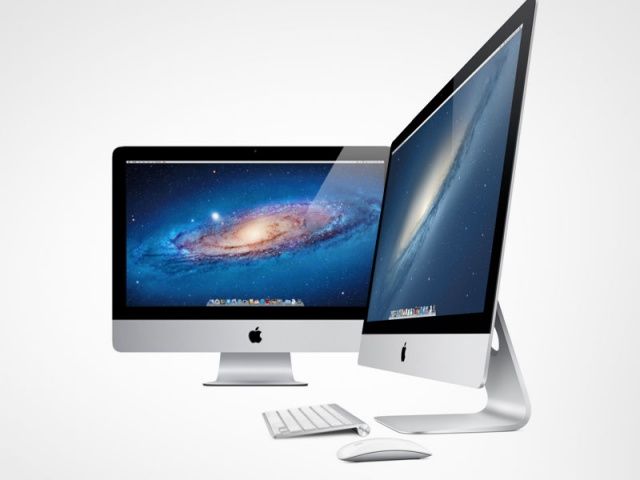
If history is indeed destined to repeat itself, Intel’s next-gen Haswell processors will power the 2013 gamut of Macs. Every year Apple typically puts the newest Intel silicon in its desktop and laptop models, and this year should be no exception. When Haswell desktop lineup specs leaked in December 2012, we got a peak at what will likely power the 2013 iMac.
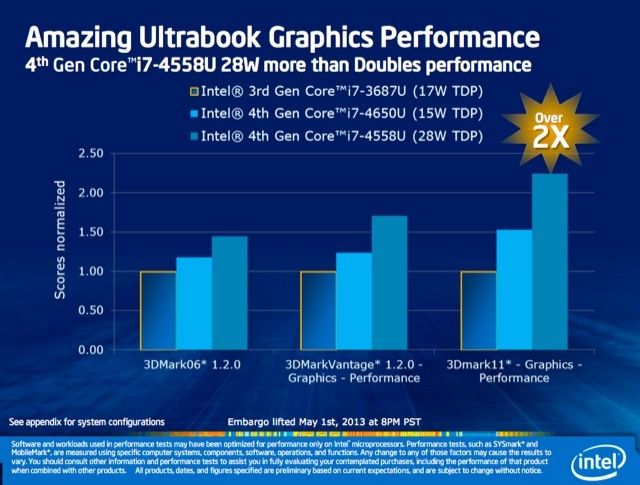
Intel has now said that Haswell chips will offer 50% more battery life for laptops than Ivy Bridge. The main focus of designing Haswell was to lower power consumption for laptops and tablets while also doubling graphics performance. Sounds great. Maybe we’ll see something with Haswell announced at WWDC!
One of Intel’s biggest mistakes in the last decade was being blind-sided by the rise of mobile devices. Intel should have seen it coming: Apple asked Intel to make chips for the original iPhone, only to be turned down. Simultaneously, Cupertino was pressuring Intel to get the power-management of their chips under control. It’s not too far-fetched to say that if Intel had been paying attention to all the signals, then today they could be as dominant in mobile chips as they are in PCs and servers.
But Intel under former CEO Paul Otellini turned a blind-eye to mobile until it was too late. It’s a mistake new Intel CEO Brian Krzanich is determined not to repeat, which is why he has created a brand new “New Devices” division within Intel to focus on emerging trends, including “ultra-mobile devices.”
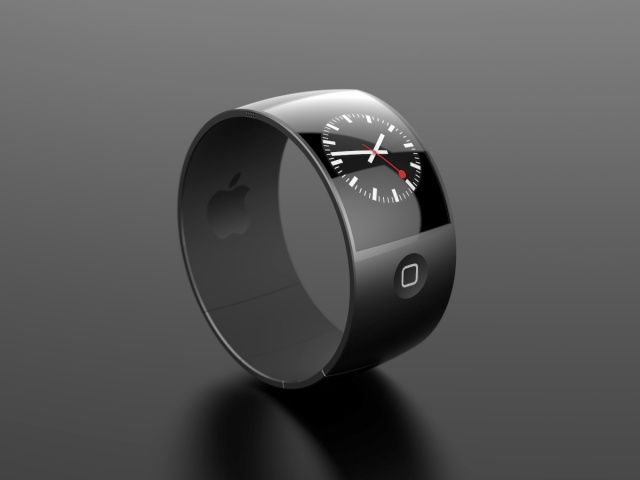
What’s an ultra-mobile device? Think wearable computing, like Google Glass or the iWatch.
Intel lost the opportunity to power the iPhone, but the company is hard at work to make sure they don’t get completely shut out of mobile hardware, and to do so they’re hiring some old Apple talent.
To lead the charge in its plans to build “smart devices” Intel has hired former Apple Vice President, Mike Bell, to head up Intel’s new Smart Devices Unit.
“Intel Inside.” It’s been called one of the best campaigns to ever come out of Silicon Valley’s Mad Men, and it turned a relatively unknown maker of microprocessors into a $100 billion dollar company, and a household name. All this, thanks to a blue sticker slapped on every Intel PC or laptop.
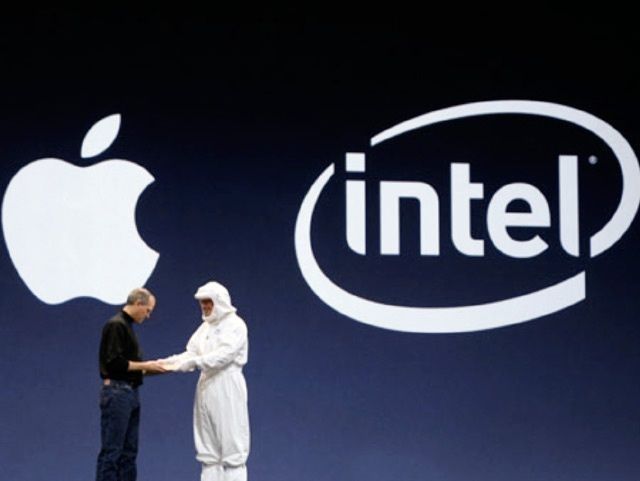
Every Intel PC or laptop except Apple’s, that is. Even when Cupertino transitioned to Intel processors in 2006, Apple refused to put ‘Intel Inside’ stickers on their new Macs and MacBooks. And with characteristic bluntness, Steve Jobs had no problem explaining why when asked about it back in August 2007, right after the first aluminum iMac was introduced. For the latest updates and insights, check out Intel news today.
The CEO of Intel stepped down today, and he has revealed a juicy factoid: Apple approached Intel to provide processors for the original iPhone some six years ago, and Intel said no.
A lot has been said and rumored lately about whether or not Intel would ever start making ARM-based chips. Current Intel CEO Paul Otellini was against it, but Otellini is stepping down this month, so ultimately the question was: “What would Intel’s next CEO think about making some ARM chips for partners like Apple?”
Ultimately, how the next CEO of Intel would feel about that prospect came down to whether or not he was promoted from within Intel (as all of Intel’s CEOs ever have been) or if he came from outside the company. What made the question of who Intel’s next CEO would be so interesting is that Intel’s board of directors was, for the first time ever, openly talking about looking outside of the company. Intel could have gained a much different perspective.
It’s no secret that new MacBooks are coming at WWDC in June, but they’ll just be spec bumps, featuring a small ~8% performance boost thanks to Intel’s new Haswell processors, and a gain to battery efficiency. Nothing to get excited about, right?
Actually, no. Haswell’s hiding one super beefy update in its silicon: Iris, Intel’s super-charged integrated graphics that will boost Haswell’s polygon by 200% compared to the last generation… not to mention make the MacBook Air’s graphics beefy enough to support a Retina Display.
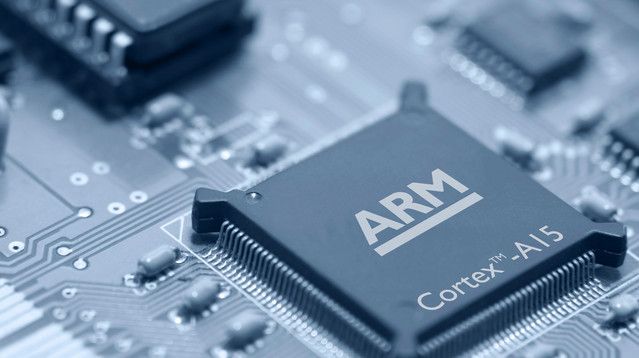
Although PC makers are feeling the pinch, Intel actually posted a surprisingly decent quarter yesterday. But Intel’s still feeling a big pinch from ARM, which is just showing explosive growth, shipping 35% more ARM-based chips (like, yes, Apple’s A-series SoCs) than it did a year ago.
A new survey conducted by ChangeWave Research has found that 19% of U.S. consumers say they’re likely to purchase Apple’s much-anticipated “iWatch” if and when it becomes available. The demand has been attributed to “Apple’s track record of delivering ultra-convenient, easy to use products with perceived ‘cool factor’.”
Apple is now offering its latest 27-inch iMac refurbished with up to 15% off via the Apple Online Store. Prices start at $1,529 as opposed to the normal $1,800 for the entry-level machine, which offers a 2.9GHz quad-core Intel Core i5 processor, 8GB of RAM, and a 1TB hard drive.
Even though Apple has included Thunderbolt ports on its Mac line since 2011, the technology hasn’t really taken off yet as a go-to connection for accessory makers. Despite that, Intel is making Thunderbolt even better by doubling its data-transfer rate.
Sonic & Sega All-Stars Racing is one of my favorite Sega games on iOS, and it’s making its way to the Mac thanks to Feral Interactive. The game will be available to download from the Mac App Store tomorrow, April 4, with support for Game Center and iCloud game syncing.
Warren East, who has spent the last 12 years as CEO of ARM, has announced that he will retire on July 1. During his time in charge, East has overseen ARM’s processor design powerhouse through some of its most explosive growth, thanks to lucrative deals with companies like Apple, AMD, and Qualcomm.
A questionable rumor from Digitimes suggests that Intel might make 10% of all of Apple’s A7 processors. If the rumor’s true, though, here’s how it would probably play out.
Intel and Apple, teaming up to make A-series chips for the iPhone and iPad? That’s what the rumors are saying, with a recent Reuters report going so far as to claim that executives from both companies have actually met to discuss the possibility of the x86 maker pumping out ARM chips custom designed by Apple!
“Intel Once Again Rumored To Be Working On iOS Device Chips With Apple,” read our headline this morning. But would Intel really cash in on its x86 heritage to make ARM chips? And if Apple did switch, would that really be a win for everyone?
The short answer? Yes, Intel would make ARM chips for Apple. But no, it probably wouldn’t be a win for either company. Here’s why.
Apple has been using Intel’s desktop processors in the Mac since 2005. The next-gen Haswell processor is expected to come in the next iteration of the iMac.
For years, a reoccurring rumor has been that Intel will eventually provide mobile processors for iOS devices. But Apple has been designing its own ‘A series’ of chips for the iPhone and iPad based on ARM. Would Apple really abandon what it’s doing on ARM for Intel, a chip maker that’s been really struggling on mobile?
Now another report claims that Apple and Intel have recently discussed a mobile partnership.
Will.i.am thinks he can predict the future of tech
SAN FRANCISCO, MACWORLD/iWORLD 2013 – Will.i.am showed up at Macworld today, and yep, he was wearing his stupidly expensive iPhone camera case that you will never want to own.
During his Futurehunting keynote, Will.i.am sat down with Intel’s futurist, Brian Johnson, to talk about where they think the next big changes in tech are going to come from. I came into the keynote thinking Will.i.am would just talk about his camera accessory, but the Black Eyed Peas star actually has some big plans for the world, and he’s enlisted Steve Jobs’ widow to help him out.
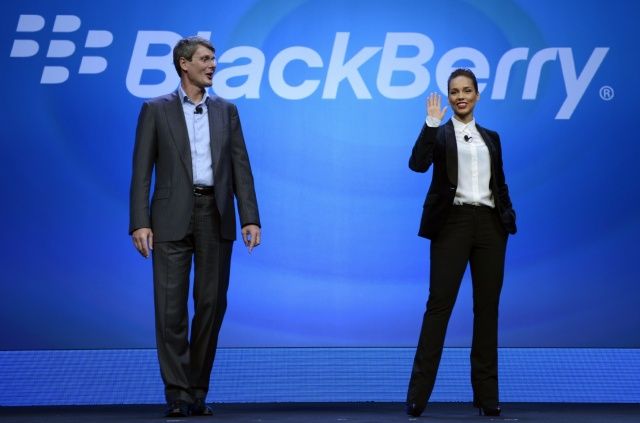
Despite the fact that she uses an iPhone, Alicia Keys joined BlackBerry’s CEO onstage today to announce her new position at the company as “Global Creative Director.” After giving a creepy analogy about her and BlackBerry “exclusively dating,” Keys skirted a question about what phone she used before her BlackBerry. That’s probably because she was a self-proclaimed “iPhone junky.”
The idea of a famous artist/non-technology expert like Alicia Keys getting in bed with BlackBerry may seem weird, but this isn’t something new. For years struggling tech companies have been using faux-celebrity partnerships and endorsements as a desperate plea for attention.