Mobile menu toggle

Luke Dormehl - page 5

Today in Apple history: App Store hits quarter-million apps for sale

By

Apple pays $467k for doing business with blacklisted app developer
Two years after launching, the App Store was officially a success.
Photo: Apple

August 30: Today in Apple history: App Store hits quarter-million apps for sale August 30, 2010: Just two years after opening its virtual doors, the iOS App Store passes a key milestone: one-quarter of a million apps for sale.

It’s a massive demonstration of success for a service Apple CEO Steve Jobs didn’t even initially want to offer.

Today in Apple history: Steve Jobs gets embroiled in stock-backdating scandal

By

Steve Jobs-inspired art
Steve Jobs' stock demands changed some people's view of the tech innovator.
Photo: Jason Mercier

August 29: Today in Apple history: Steve Jobs gets embroiled in Apple stock-backdating scandal August 29, 2001: During a meeting, Apple’s board of directors awards CEO Steve Jobs new stock options that will become part of a stock-backdating scandal several years later.

When the matter eventually ends up in court, Apple’s former general counsel pays $2.2 million to settle charges that she backdated stock options for Jobs, herself and others — and created fake paperwork to hide this fact.

Today in Apple history: Mac sends first email from space

By

A crew aboard the Atlantis space shuttle sent the world's first email from space.
This space shuttle crew sent the world's first email from space.
Photo: NASA

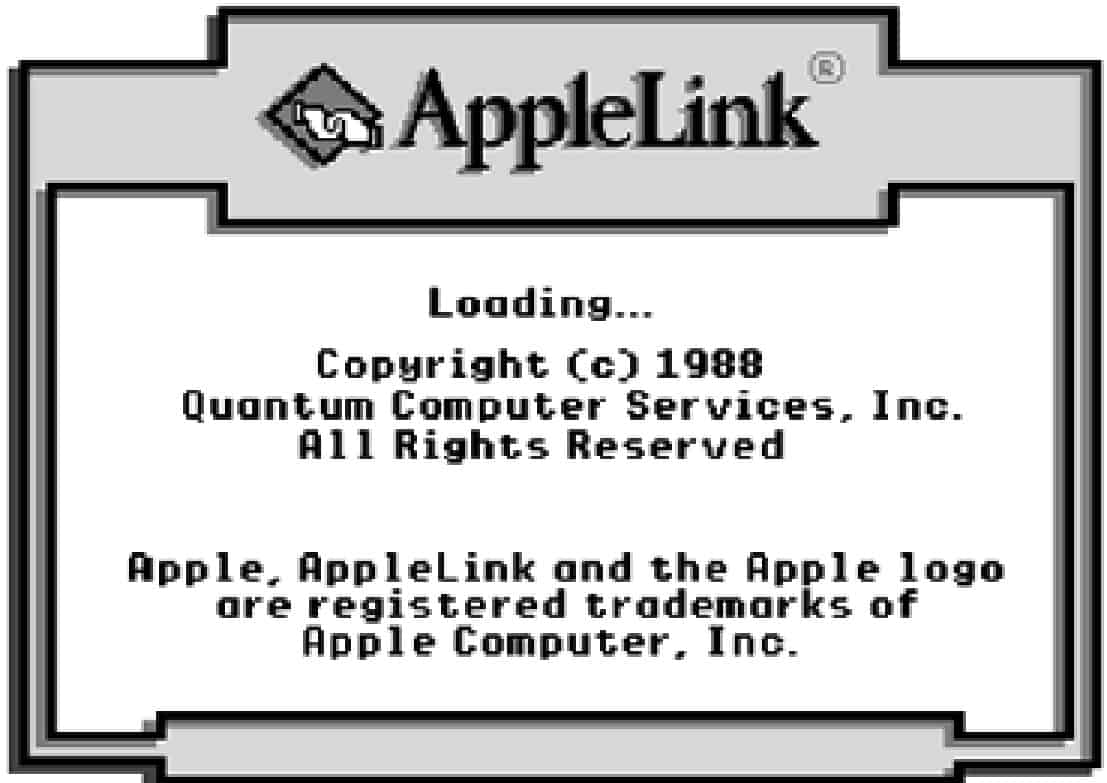
August 28: Today in Apple history: Mac sends first email from space August 28, 1991: Astronauts send the first email from space using a Macintosh Portable and AppleLink software.

Sent by the crew of the Atlantis space shuttle, the message reads, “Hello Earth! Greetings from the STS-43 Crew. This is the first AppleLink from space. Having a GREAT time, wish you were here,…send cryo and RCS! Hasta la vista, baby,…we’ll be back!”

Today in Apple history: Rainbow Apple logo gets a modern overhaul

By

Apple adds 5 new vice presidents to its executive lineup
On this day in 1999, Apple ditched its rainbow logo for something more subtle.
Photo: Lyle Kahney/Cult of Mac

August 27: Today in Apple history: Rainbow Apple logo gets a modern overhaul August 27, 1999: Apple Computer swaps out the striped, multicolored logo the company had used since 1977 for a new single-color version. The evolution of the iconic Apple logo from rainbow to monochrome shocks many longtime fans.

However, it is part of a sustained, company-wide overhaul led by Apple CEO Steve Jobs. The makeover includes new products, the “Think Different” ad campaign and, eventually, the removal of the word “Computer” from the company’s name.

Today in Apple history: Steve Jobs and Bill Gates talk ‘future of the PC’

By

In a rare joint interview, Steve Jobs and Bill Gates trade barbs and debate the
In a rare joint interview, Steve Jobs and Bill Gates discussed computing and traded barbs.
Photo: Cult of Mac (stock image from Reviewsapex)

August 26: Today in Apple historyAugust 26, 1991: In their first joint interview, Steve Jobs and Bill Gates trade barbs and debate “the future of the PC” in Fortune magazine.

The spirited discussion marks 10 years since the first IBM PC shipped. The piece also looks at what the future holds for both men — described as the former “boy wonders of computing, now thirtysomething.”

Today in Apple history: Meet the ‘world-saving’ PowerBook 5300

By

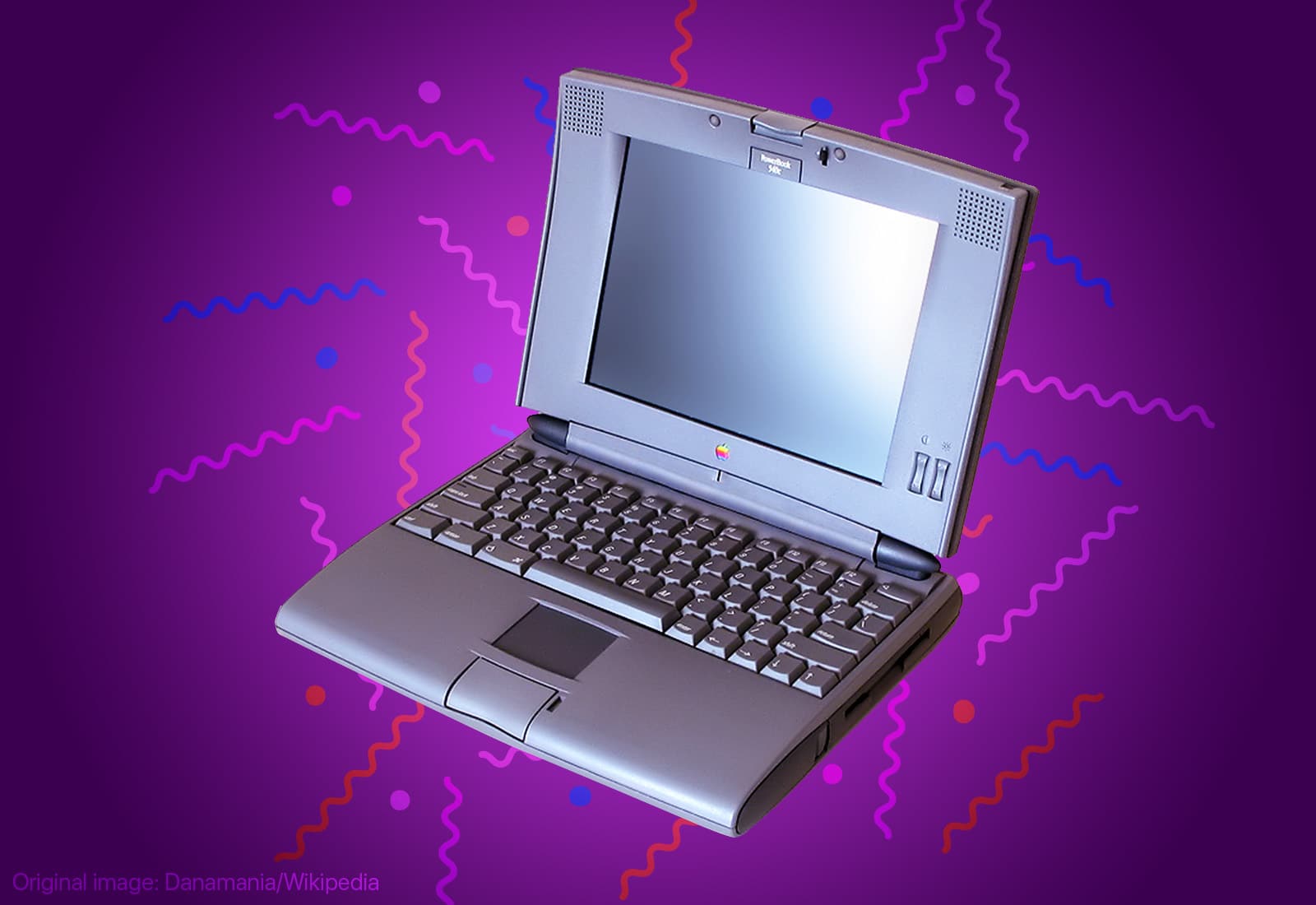
Today in Apple history: The top-spec PowerBook 5300 remains the priciest (and most famous) laptop in Apple history.
The top-spec PowerBook 5300 remains the priciest (and most famous) laptop in Apple history.
Photo illustration: Cult of Mac/Serged

Aug25August 25, 1995: Apple releases the PowerBook 5300, the Mac laptop that will save the world from alien invaders in the 1996 blockbuster movie Independence Day.

The computer will make many more big-screen appearances, too. See some of the laptop’s most high-profile Hollywood cameos below.

Today in Apple history: Steve Jobs resigns as Apple CEO

By

Why Salesforce chief gave up AppStore.com for Apple
Steve Jobs' health wouldn't allow him to continue as CEO.
Photo: Ben Stanfield/Flickr CC

August 24: Today in Apple history: Steve Jobs resigns as Apple CEO August 24, 2011: With his health worsening, a cancer-stricken Steve Jobs resigns from his role leading Apple. Tim Cook assumes the role of Apple’s seventh CEO.

“I have always said if there ever came a day when I could no longer meet my duties and expectations as Apple’s CEO, I would be the first to let you know,” Jobs writes in his retirement letter to the Apple board. “Unfortunately that day has come.”

Today in Apple history: iPad takes to the skies with United Airlines

By

United Airlines iPad
If only they had known about the iPad Air...
Photo: United Airlines

23 Today in Apple history: United Airlines will issue iPads to pilots August 23, 2011: United Airlines says it will hand out 11,000 iPads to its pilots as part of its “paperless flight deck” filled with essential data. It’s the largest rollout yet of Apple tablets as a replacement for the weighty flight bags previously carried by aircrews.

Going paperless saves around 16 million sheets of paper each year, the equivalent of 1,900 trees not cut down. Even better, the weight difference between the 1.5-pound iPad and the 40-pound flight bag saves 326,000 gallons of jet fuel per year!

Here’s how much you’ll save with Apple One bundles [Updated]

By

Apple One
Save up to $32 a month with an Apple One bundle.
Image: Apple/Cult of Mac

The Apple One subscription bundle lets users save money on Apple’s subscription services like Apple Music, Apple TV+ and iCloud+ storage. The company offers three Apple One configurations. Check pricing on Apple One’s three tiers — Individual, Family and Premier — and find out what you get for your money (and, most importantly, how much you can save).

With a recent price increase for Apple TV+, Apple One just became an even better deal!

Today in Apple history: FireWire wins Apple its first Emmy

By

FireWire lands Apple its first Emmy.
Image: The Academy of Television Arts & Sciences/Ste Smith/Cult of Mac

August 22: Today in Apple history: FireWire wins Apple its first Emmy August 22, 2001: Apple takes home a technical Emmy Award for developing FireWire, the high-speed serial port that allows users to transfer data quickly between a Macintosh and another device, such as a digital camera.

“Apple enabled the desktop video revolution with its invention of FireWire,” says Jon Rubinstein, Apple’s senior vice president of hardware engineering, in a press release about the Emmy win.

FireWire plays a key role in Apple CEO Steve Jobs‘ “digital hub” strategy for the company. However, the technology’s origins go back much further than that.

Today in Apple history: Apple fan Jerry Seinfeld joins the dark side

By

A still from a Microsoft ad shows Jerry Seinfeld eating a churro with Bill Gates outside a shoe store.
"What's the deal with bad advertising?"
Photo: Microsoft

August 21: Today in Apple history: Jerry Seinfeld appears in failed Microsoft ads August 21, 2008: Microsoft recruits comedian Jerry Seinfeld for a series of ads. It’s a naked attempt to shake the company’s reputation as a stodgy oldster (as opposed to Apple’s trendsetting hipster image).

Microsoft pays Seinfeld a reported $10 million for the ads. However, thanks to the Mac’s appearance in virtually every episode of Seinfeld over the years, the comedian remains the world’s most famous Apple fanboy.

Today in Apple history: Apple frenemy Google goes public

By

An image of the Google beta logo with the rainbow Apple logo in place of the first O
Relations between Apple and Google started strong, but quickly deteriorated.
Photo: Apple/Google logos

August 19: Today in Apple history: With Google IPO, an Apple frenemy goes public August 19, 2004: Google floats its initial public offering on the stock market. The Google IPO cements the company’s status as a tech giant, as founders Larry Page and Sergey Brin turn into instant billionaires.

Relations between Google and Apple are good at the time, with Apple CEO Steve Jobs serving as a mentor to the search company’s two young founders. Google’s Eric Schmidt soon will join Apple’s board of directors. However, the peace won’t last long.

Today in Apple history: iJustine’s 300-page iPhone bill shocks the internet

By

iJustine's reaction to her massive 300-page iPhone bill fueled one of the first iPhone
iJustine's reaction to her massive 300-page iPhone bill fueled one of the first iPhone "scandals."
Photo: iJustine

Aug 18: Today in Apple history: Apple's Christmas-themed 'Misunderstood' iPhone ad wins Emmy August 18, 2007: A video goes viral on YouTube when 23-year-old internet personality Justine Ezarik, aka iJustine, posts a 300-page iPhone bill mailed to her in a box by AT&T.

The bill — which lists every single action that consumed cellular data on Ezarik’s brand-new iPhone — is quickly viewed by 3 million people and receives extensive media coverage. (You can watch it below.)

Today in Apple history: Steve Jobs’ stolen iPad turns up in clown town

By

Kenny the clown
This man briefly owned Steve Jobs' iPad.
Photo: ABC News

August 17: Today in Apple history: Steve Jobs' stolen iPad turns up in hands of Kenneth 'Kenny the Clown' Kahn August 17, 2012: Apple CEO Steve Jobs’ stolen iPad winds up in the hands of a clown called Kenny, who performs kids’ shows in the San Francisco Bay Area.

It’s a bizarre story all around, and fortunately winds up with the iPad being returned.

Today in Apple history: PowerBook 165 becomes Apple’s most affordable laptop

By

Photo of a PowerBook 165, Apple's most affordable laptop in 1993.
A less-remembered PowerBook, but an important one.
Photo: Miguel Durán/Wikipedia CC

August 16: Today in Apple history: PowerBook 165 becomes Apple's most affordable laptop August 16, 1993: Apple ships the PowerBook 165, a lower-cost, grayscale version of the PowerBook 165c, which was the company’s first laptop to offer a color display.

The new model lacks the most attention-grabbing feature of the 165c, but it also brings its own claim to fame. The PowerBook 165 is Apple’s most affordable laptop yet.

Today in Apple history: Original iMac arrives to save Apple

By

On this day in 1998, the world says
On this day in 1998, the world said "hello" to the computer that would save Apple.
Photo: Apple

August 15: Today in Apple history: iMac G3 arrives to save Apple August 15, 1998: The original iMac — Apple’s brightly colored, translucent Macintosh relaunch — goes on sale to a rabid audience. Apple co-founder Steve Jobs‘ first major new product since returning to Cupertino, the internet-ready iMac G3 line will cement his legacy as a forward-thinking tech visionary.

The all-in-one computer also introduces the world to the design talents of Jony Ive — and pretty much saves Apple in the process.

Just another day at the office, eh?

Today in Apple history: Tide turns against Apple in war with Microsoft

By

Mac vs. PC
A judge's decision proves very damaging to Apple.
Image: Ste Smith/Cult of Mac

August 14: Today in Apple history: Tide turns against Apple in war with Microsoft August 14, 1991: As Apple and Microsoft head to court to battle each other, the tide begins to turn against Cupertino and its claims that Windows unlawfully copies the look and feel of Mac OS. A judge’s ruling calls into question the basic tenet of Apple’s copyright lawsuit against Microsoft over Windows 2.03.

The case concerns whether key elements of Apple’s operating system are original enough for copyright protection. The decision turns out to be a major blow against Apple — and the start of the company’s 1990s decline.

Today in Apple history: Power Mac G4 gets a mirrored redesign

By

Product shot of the Power Mac G4 Mirrored Drive Doors model.
This was the ultimate Mac power setup in 2002.
Photo: Apple

August 13: Today in Apple history: Power Mac G4 gets a Mirrored Drive Doors redesign August 13, 2002: Apple unveils the final face-lift for its Power Mac G4, the Mirrored Drive Doors model.

The distinctive-looking computer borrows visually from the previous QuickSilver G4, released a year earlier. However, it adds a different front panel, with a mirrorlike finish for the media drive doors. It’s the last visual redesign of Apple’s Power Mac G4.

Today in Apple history: Apple’s war with IBM commences

By

Photo of IBM PC 5150: The IBM Personal Computer
This unassuming IBM Personal Computer started the Apple-versus-PC feud.
Photo: Boffy B/Wikipedia CC

August 12: Today in Apple history: Apple's war with IBM commences with IBM Personal Computer launch August 12, 1981: The launch of the IBM Personal Computer ignites a long-running Apple-versus-PC rivalry.

Secure in the Apple II’s technical superiority over the new PC, Apple welcomes International Business Machines to the personal computing party in a full-page ad in The Wall Street Journal. Things won’t stay positive for long, though.

Today in Apple history: Dev defends I Am Rich, his totally useless $1,000 app

By

I Am Rich iPhone app cost $1,000 and was totally useless.
The I Am Rich app could be yours for the bargain price of $999.99.
Photo: Ste Smith/Cult of Mac

August 10 Today in Apple history: Dev defends I Am Rich, his totally useless $1,000 app August 10, 2008: The developer of I Am Rich, a pointless iPhone app that sold for a whopping $999.99, defends his notorious creation as “art.”

After Apple removed I Am Rich from the App Store in the wake of controversy over the app’s outrageous price and total lack of usefulness, its creator, German developer Armin Heinrich, says he made it as a sort of joke.

Today in Apple history: Apple becomes world’s most valuable company

By

money
This was a good day for Apple!
Photo: Ste Smith/Cult of Mac

August 9: Today in Apple history: Apple passes ExxonMobil to become world's most valuable company August 9, 2011: Apple overtakes oil giant ExxonMobil to become the world’s most valuable publicly traded company.

The milestone caps an astonishing turnaround for Cupertino. Just 15 years earlier, it looked like it was just about “game over” for Apple.

Today in Apple history: It’s time to ‘think different’

By

Image of a multicolored Apple logo with the phrase
And just like that, a catchy slogan turns into an earworm.
Image: Apple

August 8: Today in Apple history: Steve Jobs introduces new Apple new slogan, Think different August 8, 1997: At Macworld Expo, Apple co-founder Steve Jobs introduces the world to the company’s new slogan, “Think different.” The catchy marketing reassures fans that Apple is exiting its mid-1990s dark age and once again making products customers will love.

It’s the beginning of Apple’s most iconic advertising campaign since the original “1984” Macintosh ad.

Today in Apple history: Original Mac Pro packs serious Intel power

By

Mac Pro
The original Mac Pro took productivity to new levels.
Photo: Apple

August 7: Today in Apple history: Original Mac Pro packs serious Intel power August 7, 2006: Apple unleashes the first Mac Pro, a high-end desktop computer that completes the company’s transition from PowerPC to Intel processors.

Built for computation-heavy tasks like 3D rendering and professional audio and video editing, the quad-core, 64-bit Mac Pro serves as a replacement for the Power Mac G5 (from which it borrows its aluminum “cheese grater” design).

Today in Apple history: Microsoft throws Apple a $150 million lifeline

By

Bill Gates
Bill Gates looking like the cat that got the cream.
Photo: Apple

August 6: Today in Apple history: Microsoft investment helps save Apple from doom August 6, 1997: In one of the most famous moments in Apple history, Steve Jobs reveals a $150 million Microsoft investment that saved his company from ruin.

Although often presented as an inexplicable gesture of good faith on the part of Microsoft boss Bill Gates, the cash infusion into Apple actually benefits both companies.

Today in Apple history: Beginning of the end for clone Macs

By

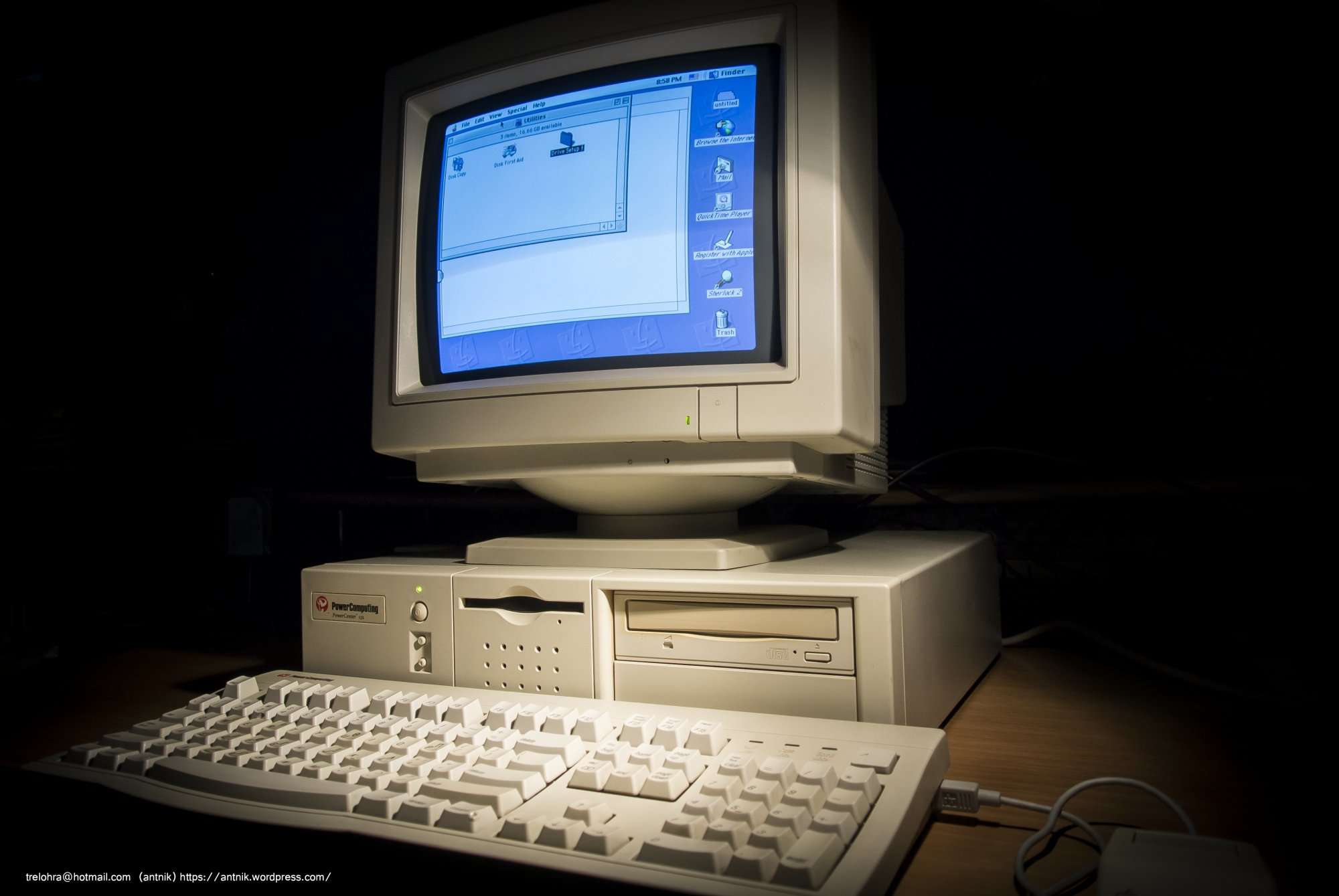
Power Computing clone Macs sounded like a good idea at first.
Clone Macs sounded like a good idea at first.
Photo: Antnik

August 5: Today in Apple history: Beginning of the end for Power Computing Mac clones August 5, 1997: Apple gets into a standoff with Power Computing, a maker of Macintosh clones. A very public clash at the Macworld Expo in Boston marks the beginning of the end for Apple’s mid-1990s strategy of licensing the Mac operating system.

“If the [Mac] platform goes closed, it is over,” predicts Power Computing CEO Joel J. Kocher of Apple’s strategy. “[It’s] total destruction. The kiss of death.” Of course, things don’t turn out exactly like that for Apple…