Luke Dormehl is a U.K.-based journalist and author, with a background working in documentary film for Channel 4 and the BBC. He is the author of The Apple Revolution and The Formula: How Algorithms Solve All Our Problems ... and Create More, both published by Penguin/Random House. His tech writing has also appeared in Wired, Fast Company, Techmeme and other publications.
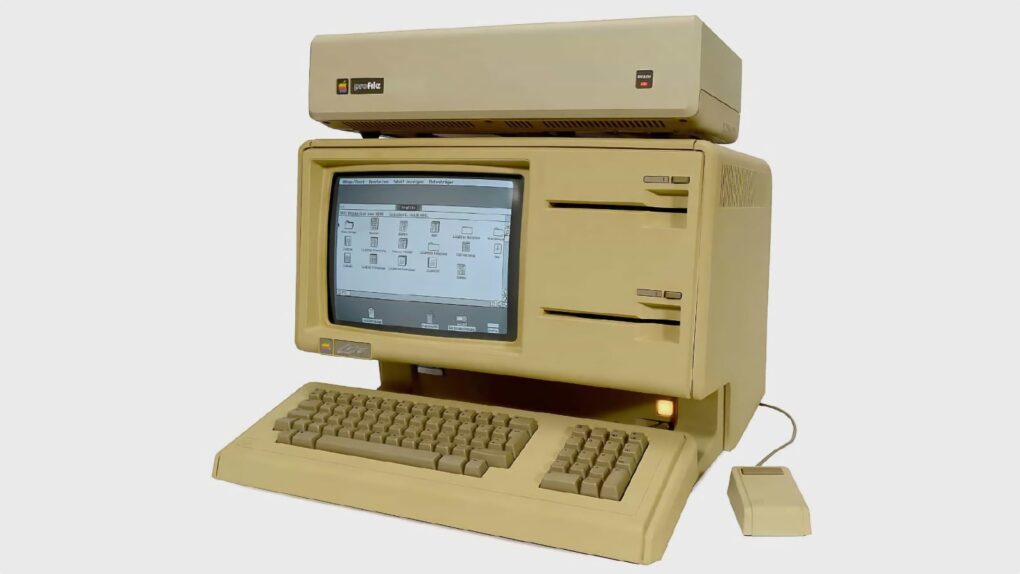
The Lisa became one of Apple's first flops. Photo: Auction Team Breker
July 30, 1979: Apple engineers begin work on the Lisa computer, the company’s first machine to come with a graphical user interface and mouse.
Incorporating technology that Apple co-founder Steve Jobs saw at Xerox PARC, the Lisa looks like a surefire hit. Things don’t turn out exactly like that, however.
The Macintosh Centris 660av was astonishingly ahead of most rival computers at the time. Image: Apple
July 29, 1993: Apple releases the Macintosh Centris 660av, a computer packed with innovative audiovisual features. These include an AppleVision monitor with microphone and speakers, and a port that can work as a modem with a telecom adapter. It also comes with PlainTalk, the first Apple software to recognize and synthesize speech.
At the relatively low price of $2,489, this was one of the first great affordable multimedia Macs.
Touch ID represented a massive step forward for Apple. Photo: Apple
July 28, 2012: Apple buys biometrics company AuthenTec, acquiring the technology that will power Touch ID for authentication and secure payments on the iPhone and other devices.
With a price tag of $356 million, the deal gives Apple the right to use AuthenTec hardware, software and patents. In the short term, Apple engineers start working to build Touch ID sensors into the iPhone 5s. In the longer term, AuthenTec’s mobile wallet tech paves the way for Apple Pay.
Joanna Hoffman, second from left, worked with the original Mac team to create the computer we all love. Photo: Folklore.org/Creative Commons/Modified by Cult of Mac
July 27, 1955: Joanna Hoffman, who will join the original Macintosh and NeXT teams and become Steve Jobs’ first right-hand woman, is born in Poland.
Six months younger than Jobs, the marketing executive is one of the few people willing and able to stand up to the oftentimes fierce Apple co-founder during the first part of his career.
Rugged and pearly white, the iBook G4 was the last of its line. Photo: Hannes Grobe/Wikipedia CC/Modified by Cult of Mac
July 26, 2005: Apple debuts the opaque white iBook G4, the last of its laptops to launch under the iBook name.
The portable computer adds Apple’s scrolling trackpad for the first time. It also incorporates Bluetooth 2.0 as a standard feature, and becomes the last Apple laptop with a PowerPC chip.
Windows used a number of elements of the Mac UI. Photo: Ste Smith/Cult of Mac
July 25, 1989: Apple suffers a major setback in its copyright-infringement lawsuit against Microsoft for allegedly stealing the Mac’s “look and feel” to create Windows.
Apple sued Microsoft on 189 counts of copyright infringement relating to Windows 2.0.3. The judge overseeing the case throws out 179 of them. This paves the way for Microsoft’s dominance over Apple in the coming decade.
July 24, 2006: The world gets its first glimpse of Apple’s new wireless Mighty Mouse, a multibutton Bluetooth device with super-accurate laser tracking.
"Hey Siri, am I here to f***ing amuse you?" Photo: Apple
July 23, 2012: Looking for the perfect spokesman for its new virtual assistant Siri, Apple turns to the director behind some of Hollywood’s most violent gangster movies. A new ad shows Martin Scorsese using Siri voice commands on his iPhone to juggle his busy schedule.
One in a string of celebrity-studded ads showcasing Apple’s recently released virtual assistant, it ranks among the best. However, it seriously oversells Siri’s skills.
Mac OS 8 gave Apple a much-needed revenue boost. Image: All About Apple Museum/Modified by Ste Smith/Cult of Mac
July 22, 1997: Apple launches Mac OS 8, its next-gen operating system for Macintosh computers. The OS introduces a new three-dimensional look and makes surfing the internet easier than ever.
The first major operating system refresh for Macs since System 7’s release in 1991, it gets great reviews and is destined to become a big hit with users. However, it arrives at a very challenging time for Apple.
An intrepid hacker gets the iPhone to say "hello." While the message is simple, the meaning is profound. Image: Ste Smith/Cult of Mac
July 20, 2007: Just a month after the original iPhone goes on sale, a hacker compiles the first third-party app and launches it for the new platform. The Hello World app serves more as a proof of concept than a serious tool. However, it clearly demonstrates that third-party apps will become a cornerstone of the new iPhone economy.
July 19, 2004: The fourth-generation iPod brings neat innovations to the popular audio device, including the Click Wheel interface recently introduced on the iPod mini.
“The best digital music player just got better,” says Steve Jobs in a press release on the day the product launches. And yet some people feel disappointed by the upgraded music player.
The 630 series Macs delivered multimedia capabilities at a reasonable price. Photo: Computers.popcorn/Cult of Mac
July 18, 1994: Apple launches the Quadra, LC and Performa 630 Macintoshes, three similar computers with slight differences tailored for the professional, educational and home markets. Aimed at multimedia use, the new 630 series Macs bring innovative hardware and software at a much more affordable price than previous Apple computers.
The iMac G4 brings a "breathtaking" giant screen to desktops everywhere. Photo: Apple
July 17, 2002: Apple ships a new super-sized iMac G4 with a 17-inch widescreen LCD display that becomes the envy of many computer users at the time.
“The best consumer desktop just got even better,” says Apple CEO Steve Jobs of the company’s new all-in-one computer in a press release. “Having this gorgeous 17-inch flat screen floating in mid-air right in front of you is simply breathtaking. There’s nothing like it in the PC world.”
The United States accused Apple of trying to hurt rival e-book sellers. Photo: Apple
July 16, 2014: Apple agrees to pay $450 million to resolve the Department of Justice’s antitrust case against the company over e-book pricing in the iBooks Store. In the e-books lawsuit, Apple stands accused of conspiring with five major book publishers to fix prices on digital books.
After all five publishers settle their claims outside of court, Apple becomes the only one to go to trial. The e-books lawsuit settlement closes the book on a bad chapter in Apple’s history.
The sixth-gen iPod touch packed big improvements into its incredibly slender case. Photo: Apple
July 15, 2015: Apple introduces the sixth-generation iPod touch, attempting to prove that there’s still a place for the humble music player in the crazy, crazy world of iPhones and Apple Watches.
Apple calls the device “the best iPod touch yet” in a press release, and touts “a new lineup of colors for all iPod models, including space gray, silver, gold, pink and blue.”
The MP3 made the iPod possible. Photo: Jim Merithew/Cult of Mac
July 14, 1995: The MP3 file format receives its official name as the new .bit file extension gets changed to .mp3. The technology allows the compression of a standard CD audio file to one-tenth its original size, courtesy of some smart algorithms. The format will revolutionize the music industry — and put Apple on the road to world dominance with the iPod.
The MP3 enables easy sharing of music tracks online and makes music more portable than ever. Within a few years, Apple’s iPod will become the world’s best-known MP3 player, quickly capitalizing on the new file format.
The Nike+iPod Sport Kit was a nifty innovation. Photo: Apple
July 13, 2006: Apple releases its first activity tracker, the Nike+iPod Sport Kit, which combines Cupertino’s popular music player with a smart pedometer that fits in a shoe.
The product marks Apple’s first step toward the kind of mobile health-tracking initiatives it will pursue in the following decade — most notably through its iOS Health app and the Apple Watch.
"Antennagate" caused big problems for Apple. Photo: Apple
July 12, 2010: The iPhone 4 suffers a major blow when respected trade publication Consumer Reports says it can’t, in good faith, recommend the new Apple smartphone.
The reason the magazine refuses to give its vaunted “recommended” label to the previously top-ranked device in its devastating iPhone 4 review? A little Apple scandal called “Antennagate.”
The iPhone 3G brought major upgrades. Photo: Apple
July 11, 2008: The iPhone 3G goes on sale. Expectations for the smartphone sequel run high, and Apple delivers with the addition of GPS, faster 3G data and a higher-quality build. The iPhone 3G launch also brings a new mobile operating system packed with features.
Apple’s second smartphone runs iPhone OS 2, which introduces a better Mail app, turn-by-turn navigation and a little something called the App Store.
What was the first app you ever downloaded? Photo: Graham Bower/Cult of Mac
July 10, 2008: Apple launches the App Store, an online hub that lets iPhone owners browse and download apps made by third-party developers. Transforming the iPhone from a locked-down platform to a generative one, the App Store means that every iPhone user can have his or her own “killer app” depending on the software they want — from social networking to composing music to playing games.
One of the most significant launches in Apple history, the App Store opens up a whole new revenue stream for Cupertino. It’s hard to believe that Steve Jobs was originally dead-set against it!
The easy-to-use iMac spurred Apple's return to dominance in schools. Photo: Apple
July 9, 2001: Apple earns the title of No. 1 computer manufacturer in the education market, with twice as many machines in schools as runner-up Dell Computer.
It marks a big turnaround from a couple of years earlier, when Dell overtook Apple and people accused Steve Jobs of abandoning this important market.
July 8, 1997:Steve Jobs begins his path to becoming chief executive officer of Apple, after former CEO Gil Amelio departs the company following a massive quarterly loss. Also leaving Apple is Ellen Hancock, executive vice president of technology.
What was the first app you ever downloaded? Image: Ste Smith/Cult of Mac
July 7, 2011: Three years after its launch, the App Store passes 15 billion downloads.
This represents a major milestone for Apple. The App Store offers more than 425,000 apps, which give the iPhone and iPad incredible capabilities and add to the devices’ wide appeal.
This was the end of Amelio's 500 days running Apple. Photo: Apple
July 6, 1997: Following a massive quarterly loss for Apple, board member Edgar S. Woolard Jr. calls CEO Gil Amelio and informs him that he needs to step down. “You’ve done a lot to help the company, but the sales haven’t rebounded,” Woolard says.
Steve Jobs, who recently returned to the company he co-founded, denies being responsible for Amelio’s ouster. However, the move results in Jobs becoming Apple CEO for the first time. Now it’s time for a real turnaround!

 July 30, 1979: Apple engineers begin work on the Lisa computer, the company’s first machine to come with a graphical user interface and mouse.

 July 29, 1993: Apple releases the Macintosh Centris 660av, a computer packed with innovative audiovisual features. These include an AppleVision monitor with microphone and speakers, and a port that can work as a modem with a telecom adapter. It also comes with PlainTalk, the first Apple software to recognize and synthesize speech.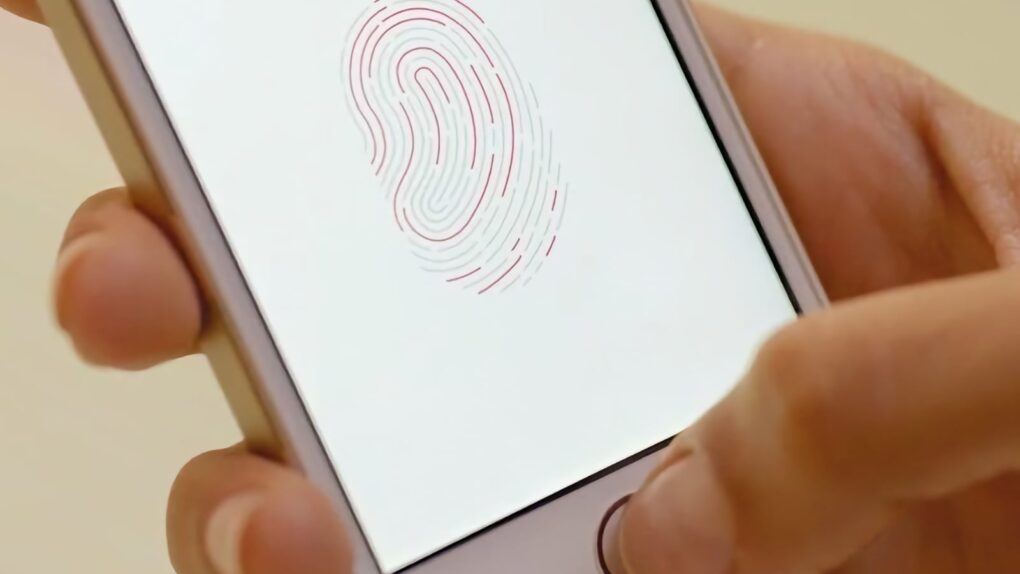
 July 28, 2012: Apple buys biometrics company AuthenTec, acquiring the technology that will power Touch ID for authentication and secure payments on the iPhone and other devices.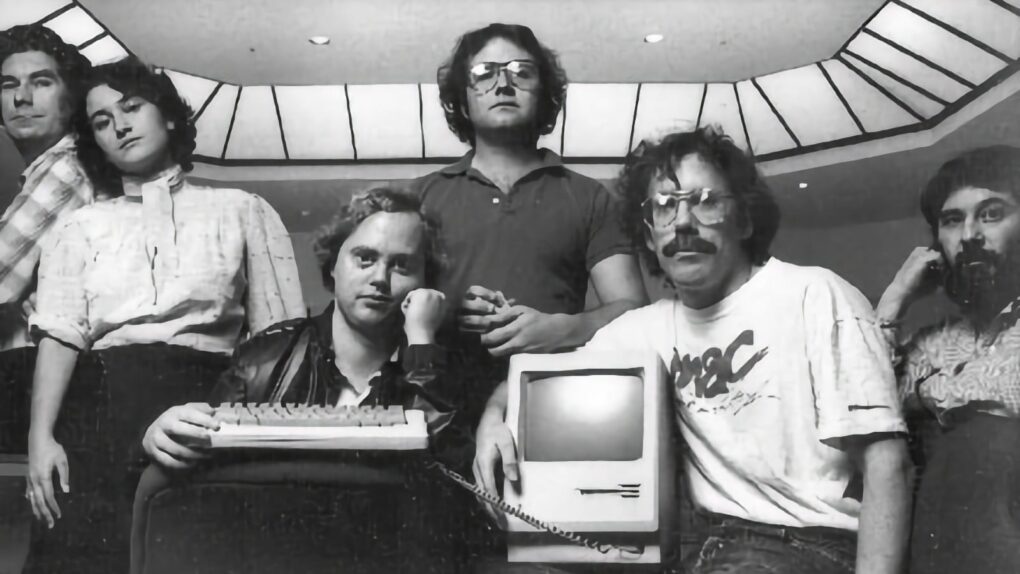
 July 27, 1955: Joanna Hoffman, who will join the original Macintosh and NeXT teams and become Steve Jobs’ first right-hand woman, is born in Poland.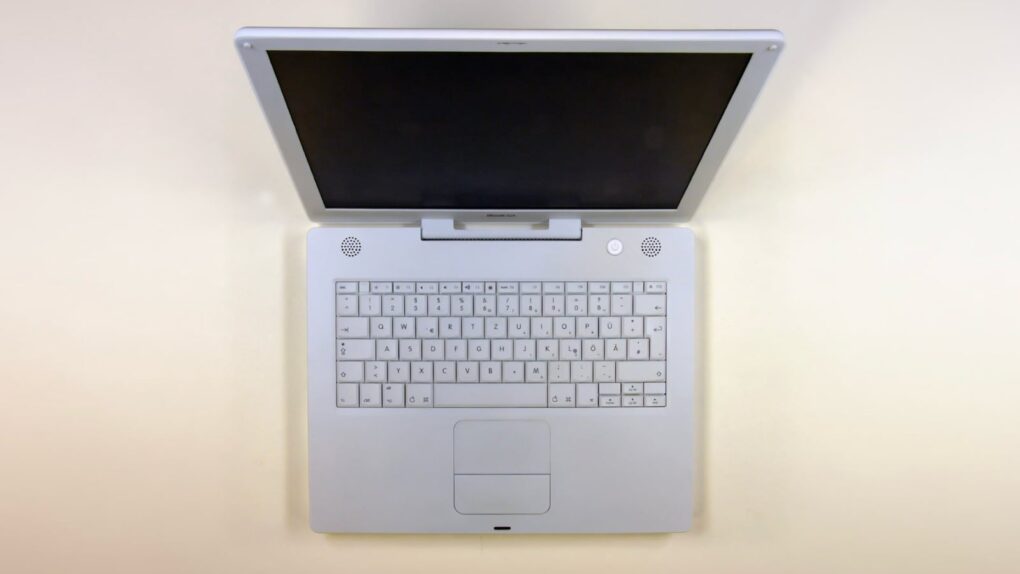
 July 26, 2005: Apple debuts the opaque white iBook G4, the last of its laptops to launch under the iBook name.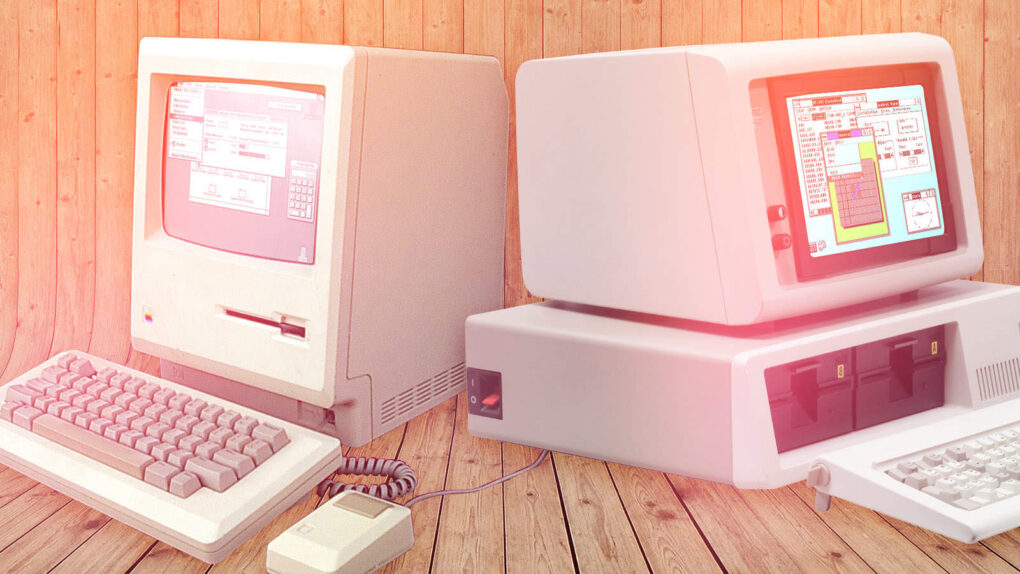
 July 25, 1989: Apple suffers a major setback in its copyright-infringement lawsuit against Microsoft for allegedly stealing the Mac’s “look and feel” to create Windows.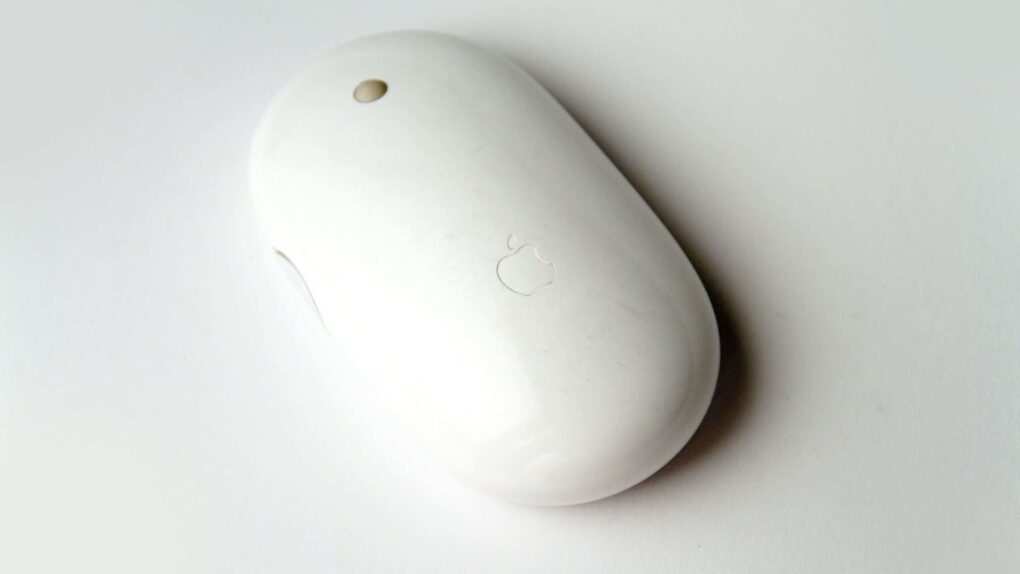
 July 24, 2006: The world gets its first glimpse of Apple’s new wireless Mighty Mouse, a multibutton Bluetooth device with super-accurate laser tracking.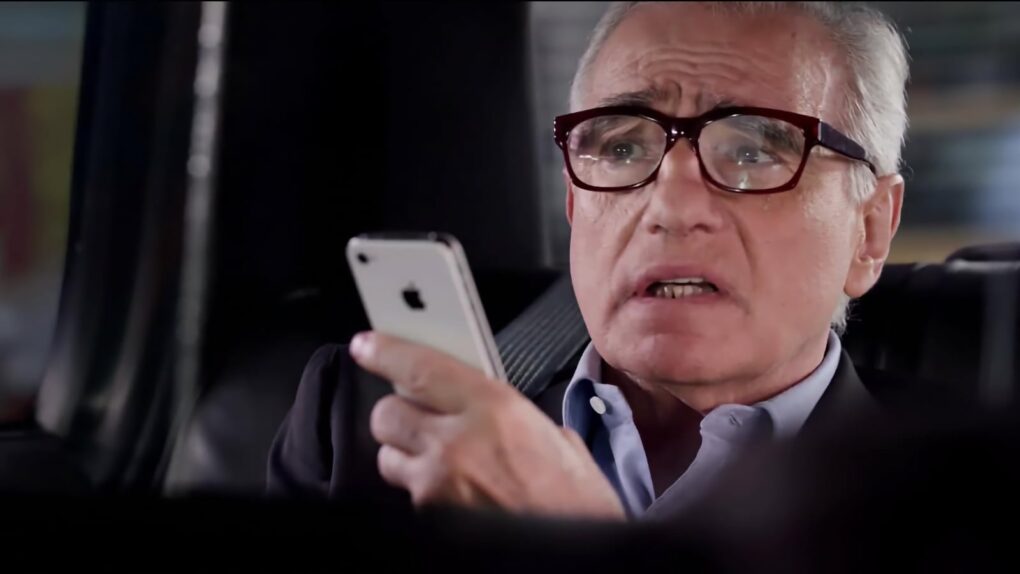
 July 23, 2012: Looking for the perfect spokesman for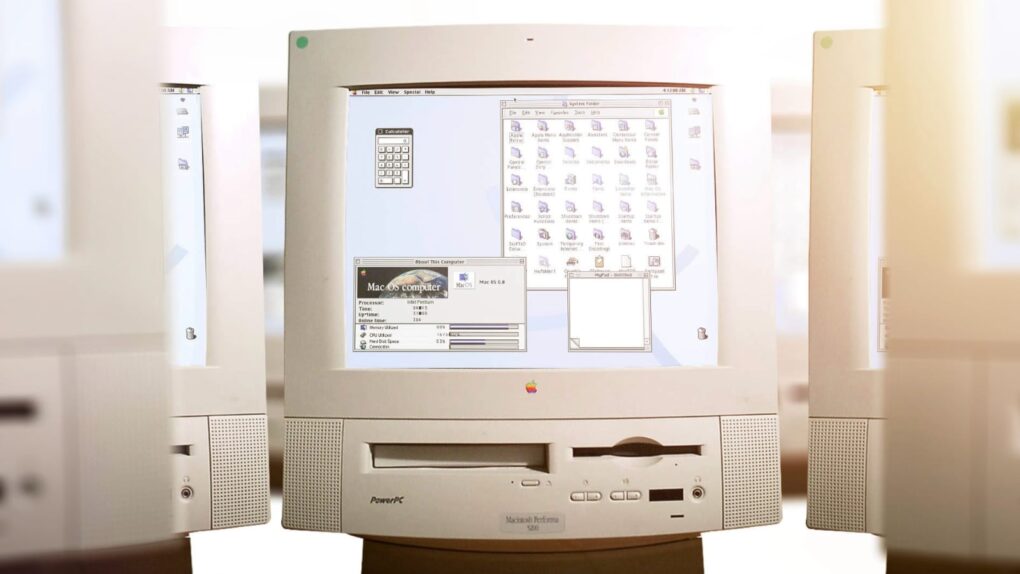
 July 22, 1997: Apple launches Mac OS 8, its next-gen operating system for Macintosh computers. The OS introduces a new three-dimensional look and makes surfing the internet easier than ever.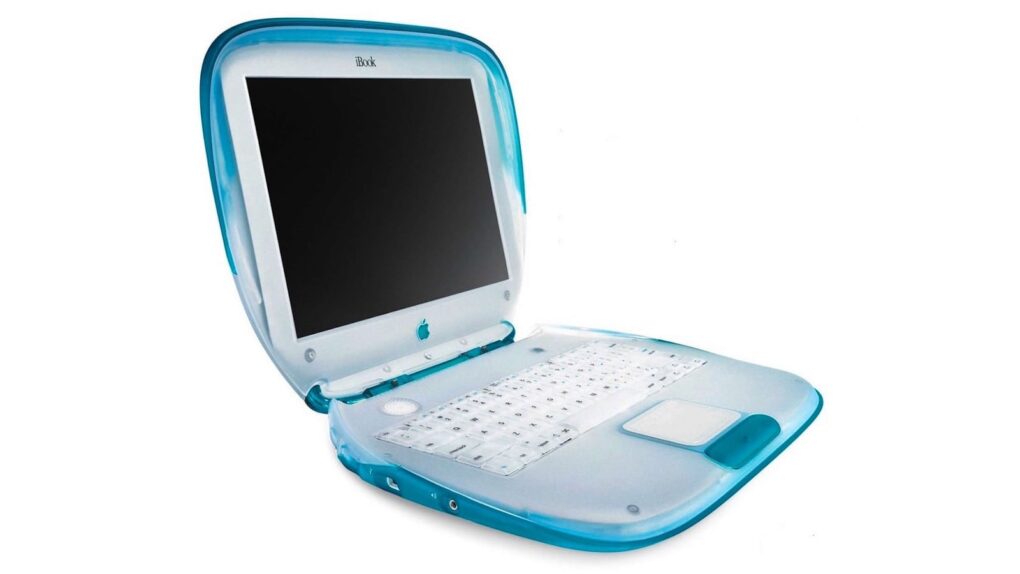
 July 21, 1999: The iBook, Apple’s colorful clamshell laptop that’s a hybrid of the iMac and the PowerBook, arrives and launches a Wi-Fi revolution.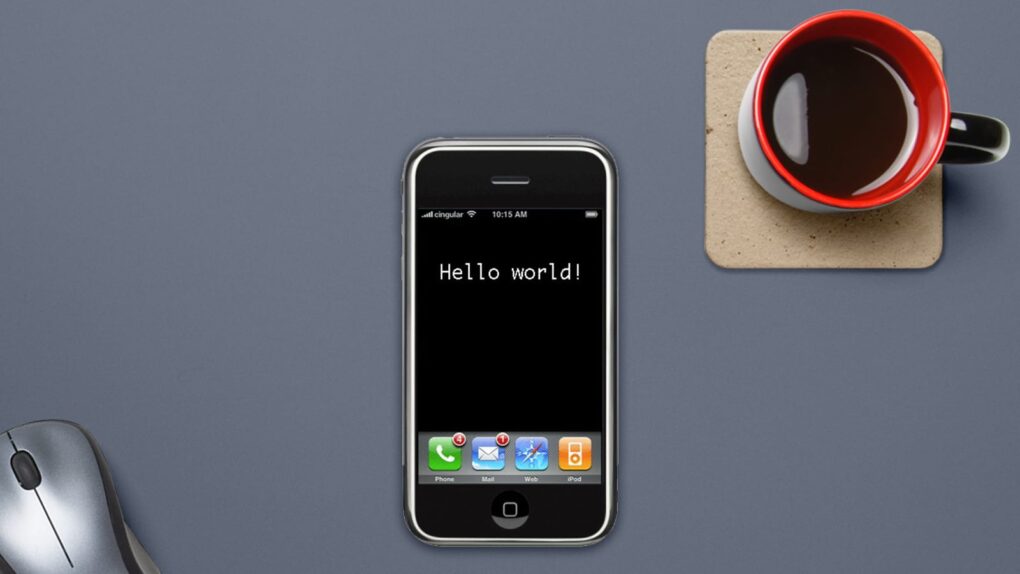
 July 20, 2007: Just a month after the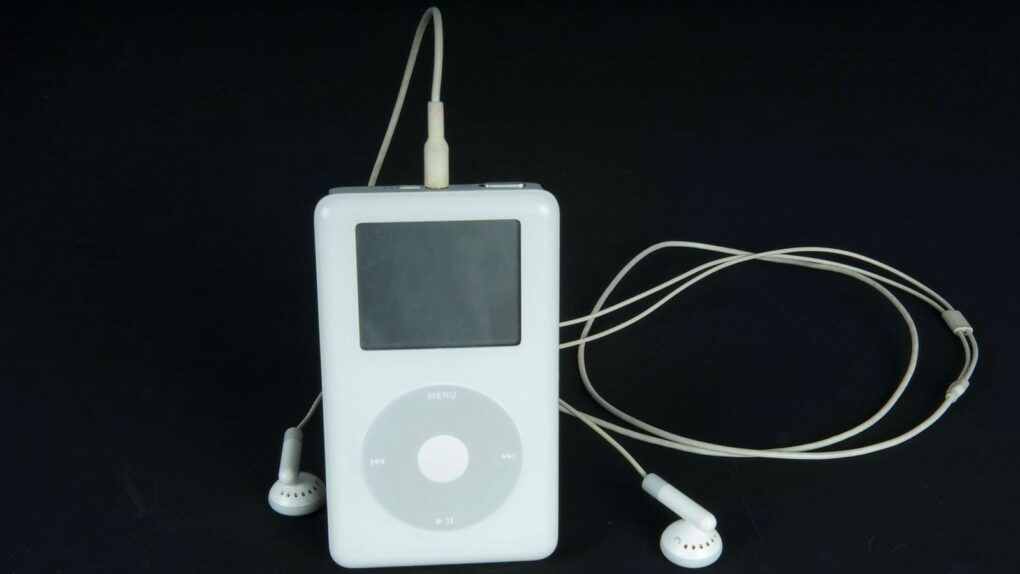
 July 19, 2004: The fourth-generation iPod brings neat innovations to the popular audio device, including the Click Wheel interface recently introduced on the iPod mini.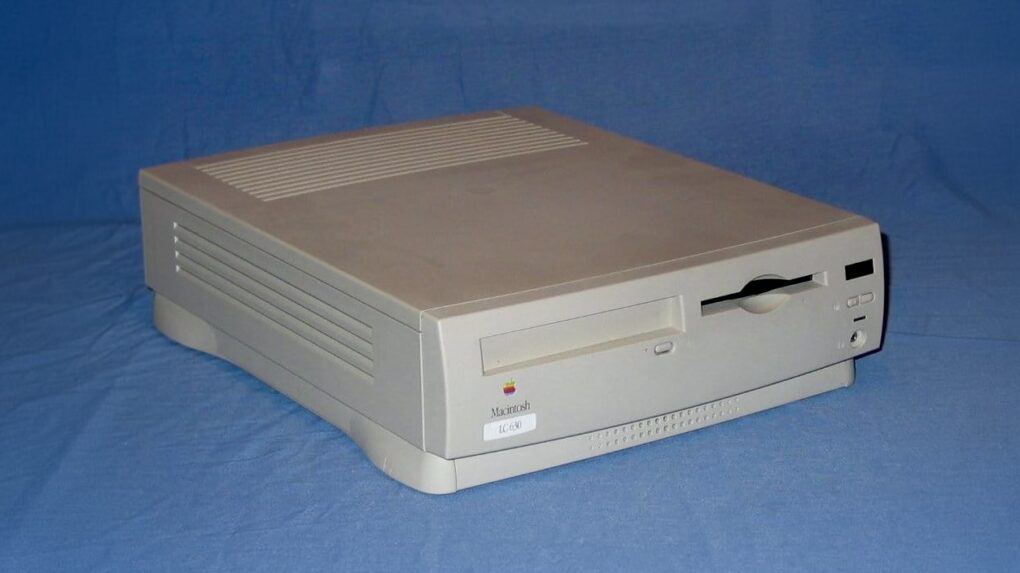
 July 18, 1994: Apple launches the Quadra, LC and Performa 630 Macintoshes, three similar computers with slight differences tailored for the professional, educational and home markets. Aimed at multimedia use, the new 630 series Macs bring innovative hardware and software at a much more affordable price than previous Apple computers.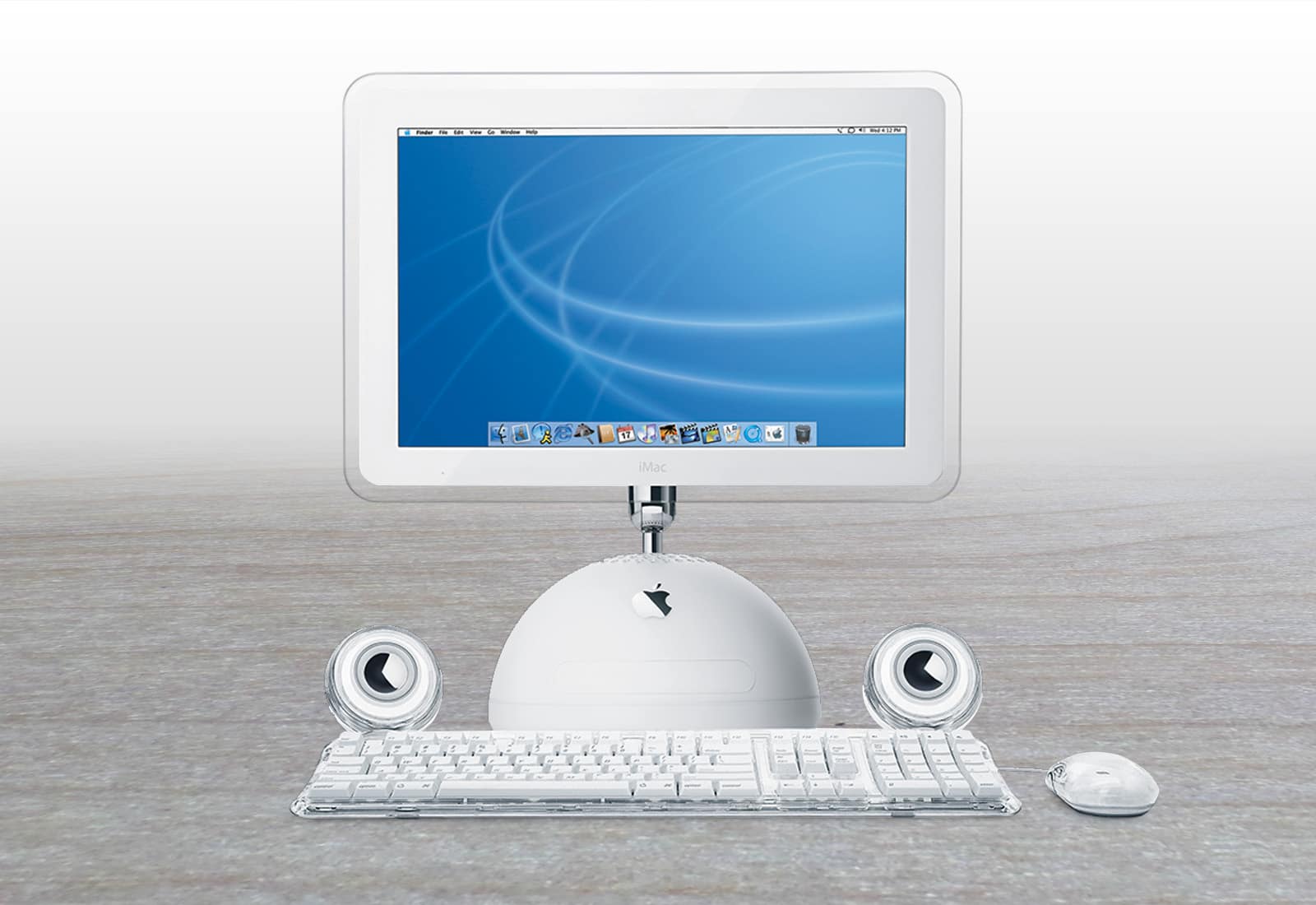
 July 17, 2002: Apple ships a new super-sized iMac G4 with a 17-inch widescreen LCD display that becomes the envy of many computer users at the time.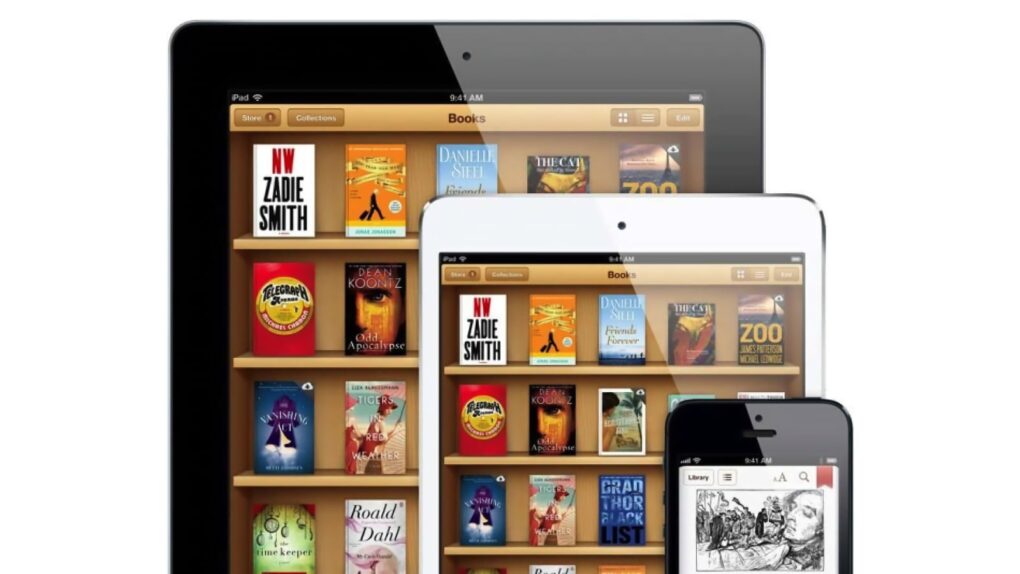
 July 16, 2014: Apple agrees to pay $450 million to resolve the Department of Justice’s antitrust case against the company over e-book pricing in the iBooks Store. In the e-books lawsuit, Apple stands accused of conspiring with five major book publishers to fix prices on digital books.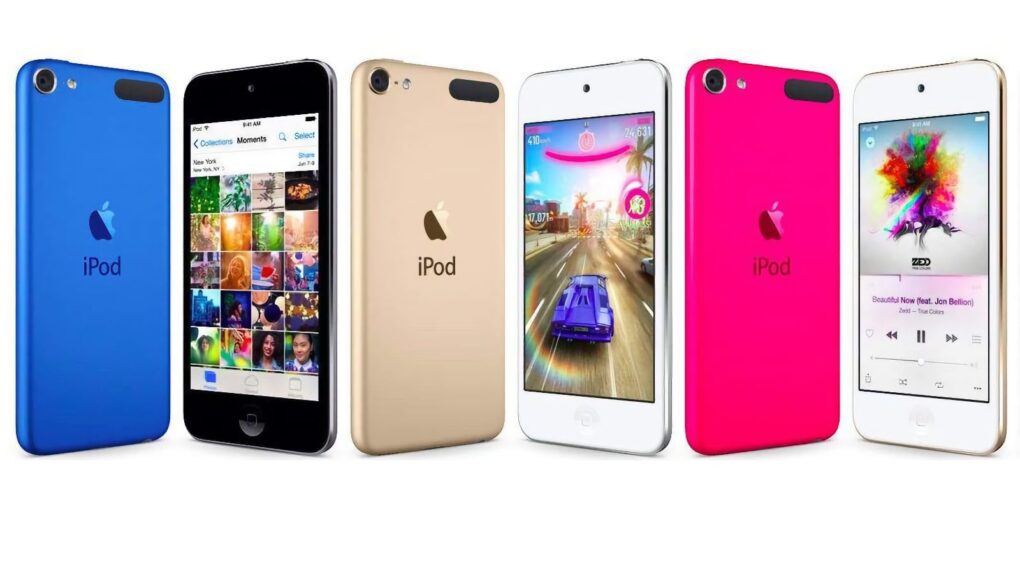
 July 15, 2015: Apple introduces the sixth-generation iPod touch, attempting to prove that there’s still a place for the humble music player in the crazy, crazy world of iPhones and Apple Watches.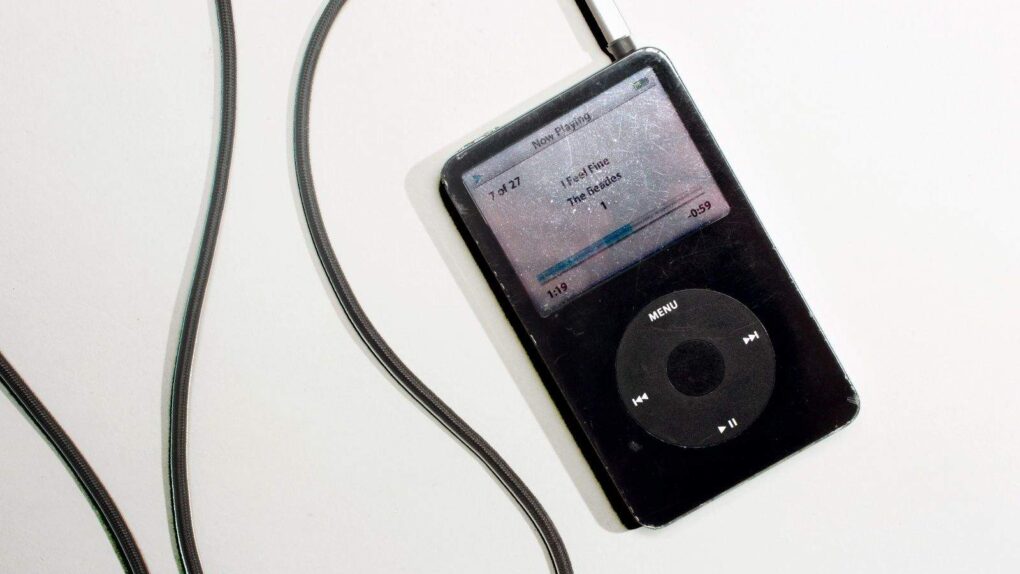
 July 14, 1995: The MP3 file format receives its official name as the new .bit file extension gets changed to .mp3. The technology allows the compression of a standard CD audio file to one-tenth its original size, courtesy of some smart algorithms. The format will revolutionize the music industry — and put Apple on the road to world dominance with the iPod.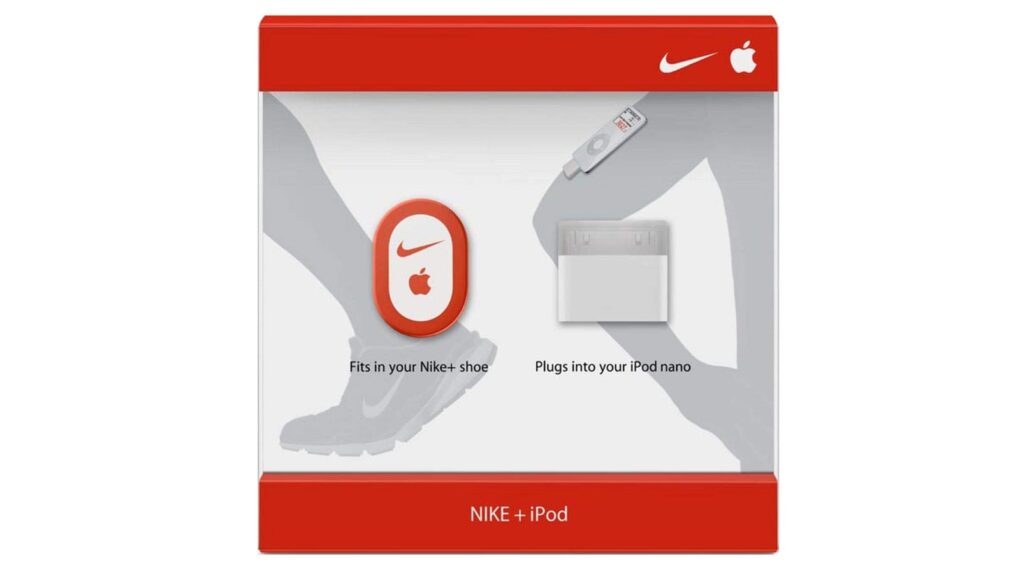
 July 13, 2006: Apple releases its first activity tracker, the Nike+iPod Sport Kit, which combines Cupertino’s popular music player with a smart pedometer that fits in a shoe.
 July 12, 2010: The iPhone 4 suffers a major blow when respected trade publication Consumer Reports says it can’t, in good faith, recommend the new Apple smartphone.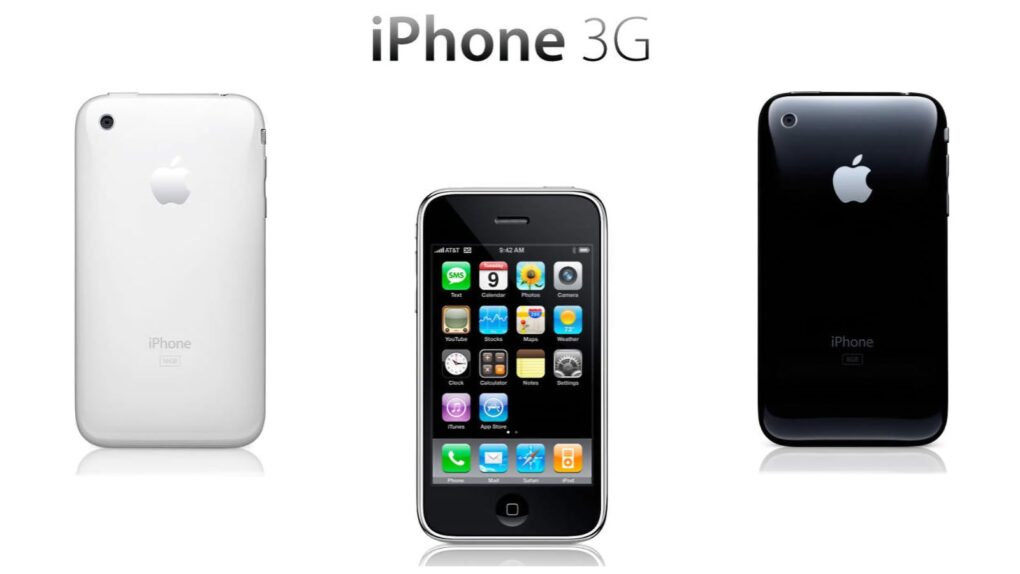
 July 11, 2008: The iPhone 3G goes on sale. Expectations for the smartphone sequel run high, and Apple delivers with the addition of GPS, faster 3G data and a higher-quality build. The iPhone 3G launch also brings a new mobile operating system packed with features.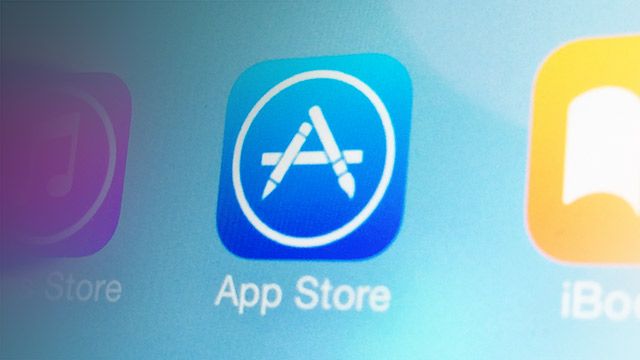
 July 10, 2008: Apple launches the App Store, an online hub that lets iPhone owners browse and download apps made by third-party developers. Transforming the iPhone from a locked-down platform to a generative one, the App Store means that every iPhone user can have his or her own “killer app” depending on the software they want — from social networking to composing music to playing games.
 July 9, 2001: Apple earns the title of No. 1 computer manufacturer in the education market, with twice as many machines in schools as runner-up Dell Computer.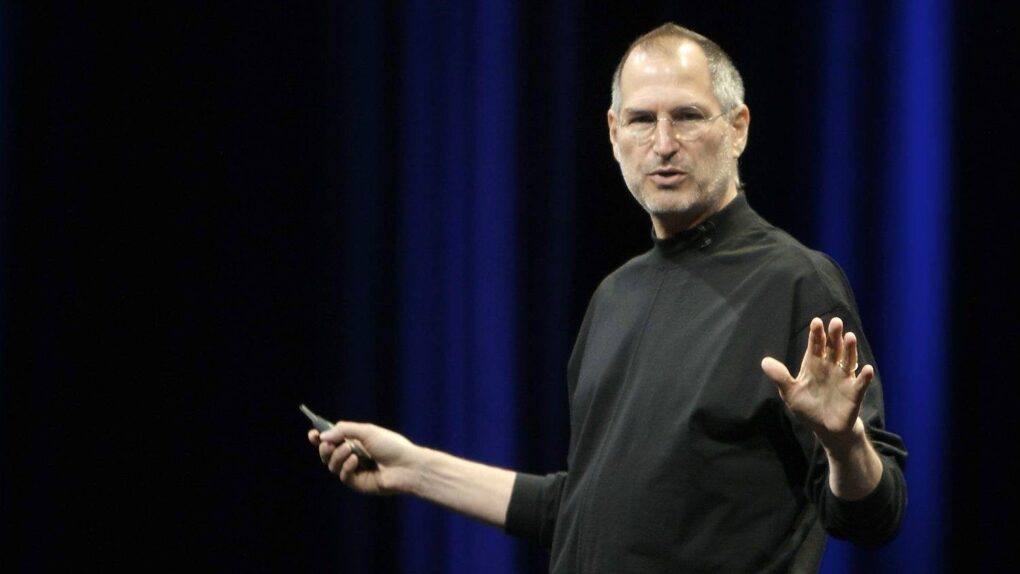
 July 8, 1997: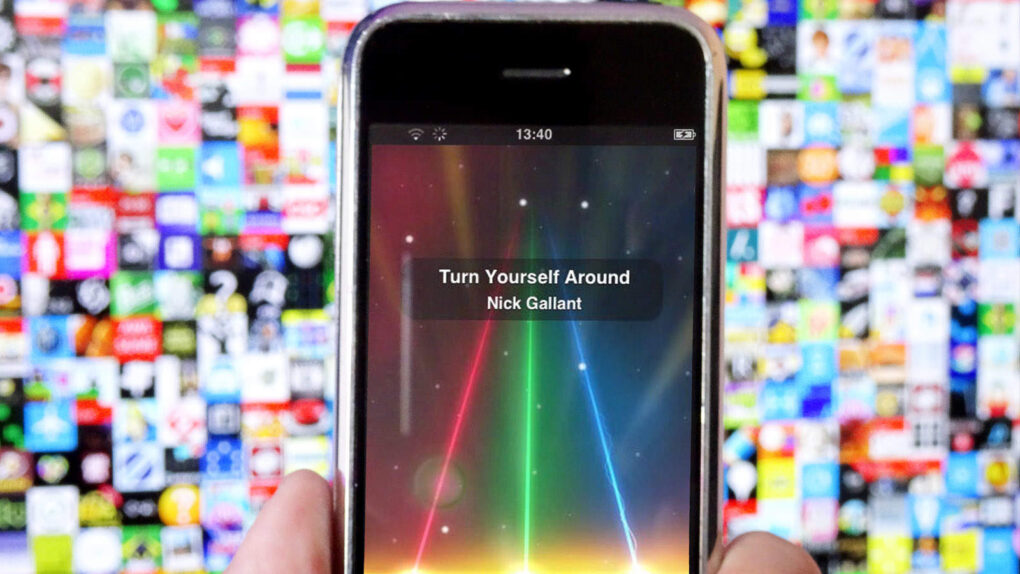
 July 7, 2011: Three years after its launch, the
 July 6, 1997: Following a massive quarterly loss for Apple, board member Edgar S. Woolard Jr. calls CEO