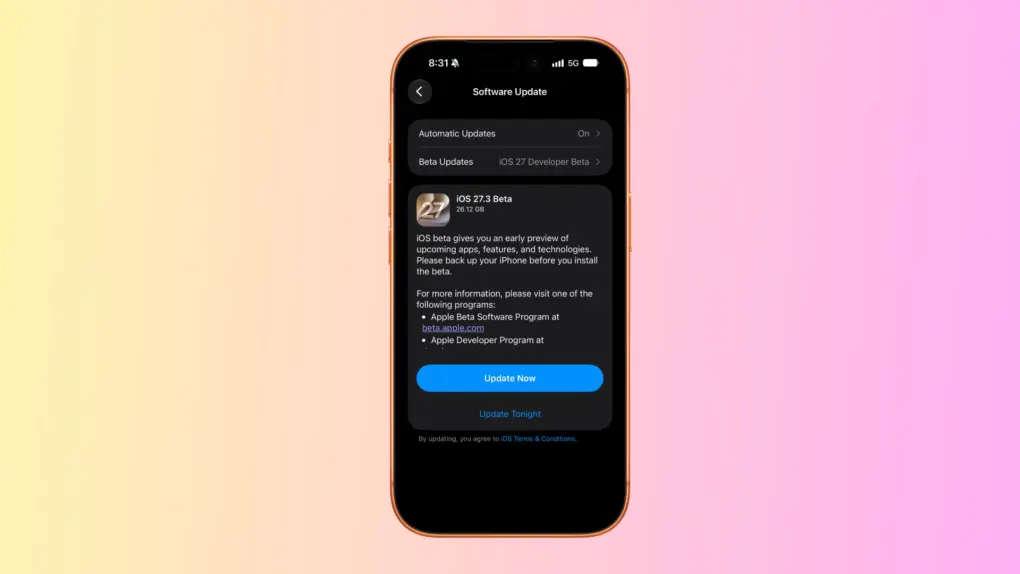
The first iOS 27.3 is here, and it is packed with new features. Photo: Apple/Rajesh Pandey/Cult of Mac
Following the release of the iPhone Duo and iOS 27.2, Apple is now beta testing iOS 27.3. The previous update brought several notable improvements, and iOS 27.3 builds on them with even more changes.
Here’s everything new in iOS 27.3, iPadOS 27.3 and watchOS 27.3 beta 1.
The Withings Apple Health sync now requires a Withings+ subscription for new accounts. Photo: Withings
New owners of Withings smart scales and other health devices must pay for a $9.99 Withings+ monthly subscription to sync their data with Apple Health. Previously, the data sync cost nothing — and many Withings fans are outraged over the change.
The subscription requirement covers automatic syncing to all third-party apps, not just Apple Health. While existing users’ data will continue to sync for free, anyone who created a Withings account after October 13 will need to pay or export their data manually.
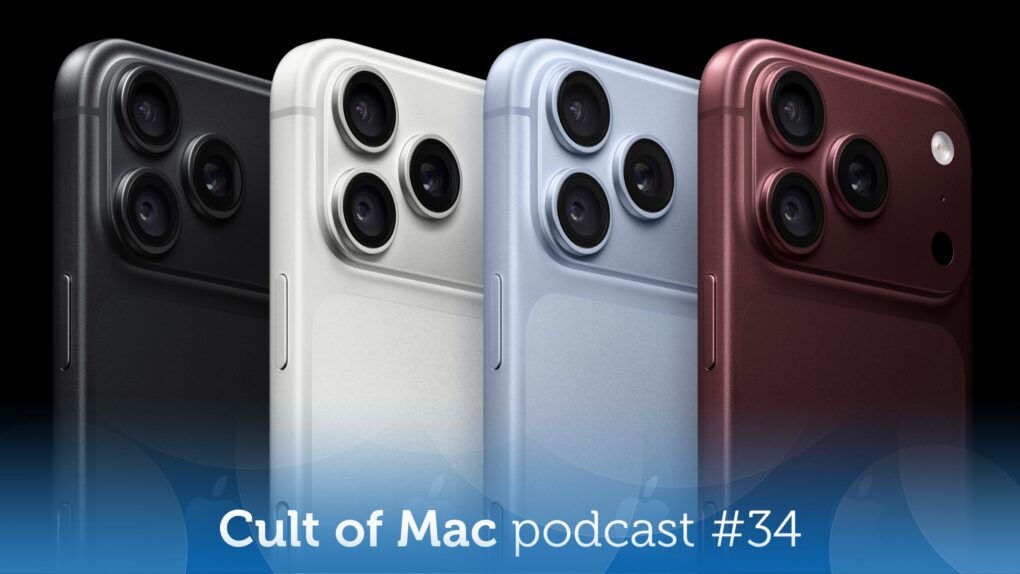
What's an iPhone launch without a weird controversy or two? Image: Cult of Mac
This week on the Cult of Mac podcast: That didn’t take long! The iPhone 18 Pro faces more than one problem right out of the gate. First there’s a controversial storage choice that seems to hamper performance of the highest-end models (at least in extreme testing). And then there’s a weird Face ID problem.
So far, no names have stuck for these “-gates” — and maybe there’s not that much to them. The storage problem might be mostly theoretical, and a software fix is on the way for the Face ID glitch. Still, there’s plenty to talk about!
Apple reportedly built prototypes of a screenless fitness tracker that would compete with Whoop’s fitness tracker and the Oura Ring. We discuss the pros and cons of the approach as well as Apple’s tweaks to its Health app, which is now available in the iOS 27.2 beta.
The latest Mac mini design makes it harder to upgrade internal storage, and we try to coax a repairability rant out of Charlie.
And finally, Graham describes the painstaking process of upgrading his strength-training app to get it ready for the iPhone Duo‘s folding screen.
Listen to this week’s episode of the Cult of Mac podcast in the Podcasts app or your favorite podcast app. Or watch the video version, embedded below. (Be sure to subscribe and leave us a review if you like it!)
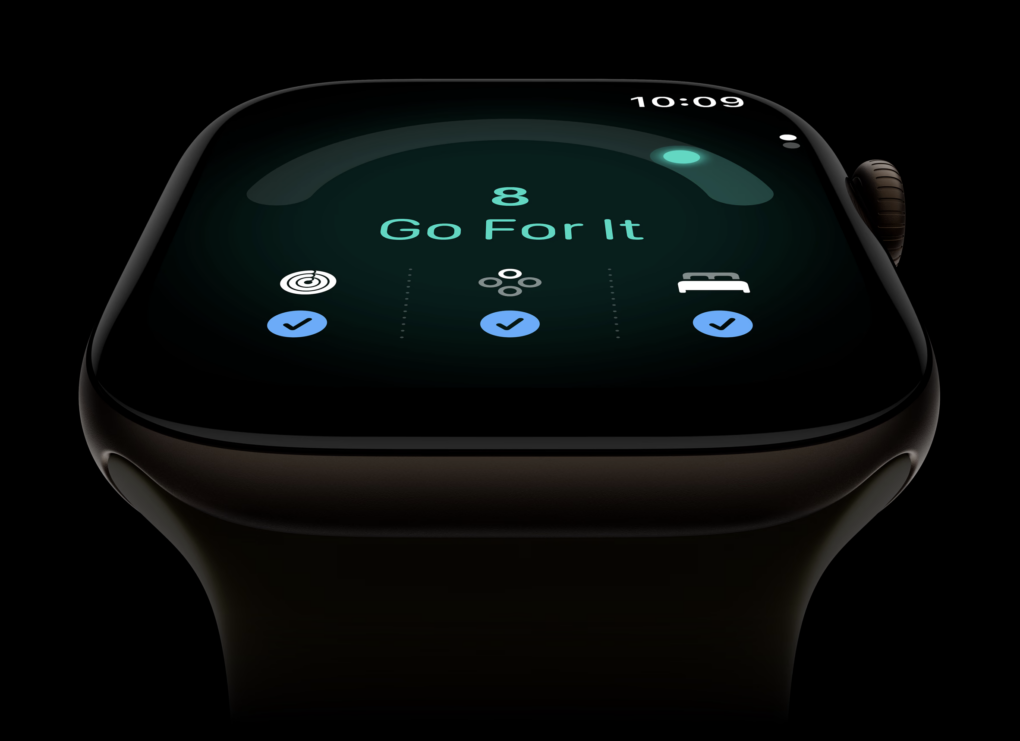
Should you ”go for it” just because your Apple Watch says you're ready? Photo: Apple
Apple introduced a new fitness feature for Apple Watch called “readiness” during its Surprise and Shine event today. Readiness gives you a score from zero to 10, along with recommendations like “recover,” “pace yourself,” “ready” or “go for it.”
But what exactly is it telling us we’re ready for? According to Apple, your readiness score “tells you when to rest or put yourself to the test.” But can a smartwatch really know that?
What happens when your Apple Watch tells you to “go for it,” but your body tells you otherwise? Most personal trainers will tell you that learning to listen to your body is an important part of training. So what should you do when your body and your Apple Watch disagree?
The Apple Watch Ultra 4 may take cardiovascular tracking a step further. Photo: Apple
Apple is reportedly developing an advanced high blood pressure notification feature for the Apple Watch. And the Apple Watch Ultra 4 might be the first to get the improved hypertension monitoring feature.
If true, it could turn the upcoming smartwatch into a serious cardiovascular health tool. Combined with a much-rumored hardware refresh, the Apple Watch Ultra 4 may be hard to resist for both new and existing users.
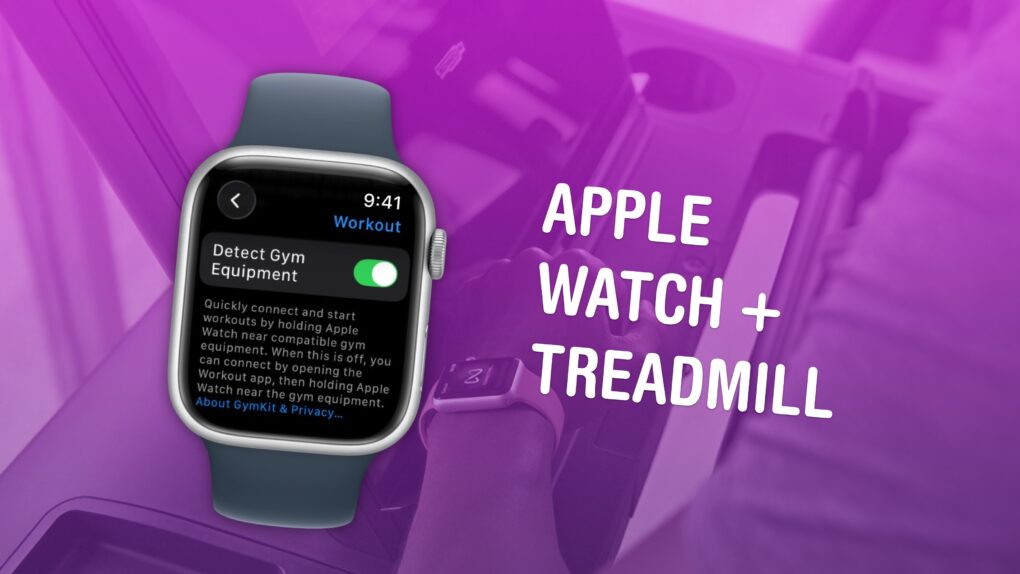
Available in certain gyms and equipment. Image: Apple/D. Griffin Jones/Cult of Mac
You can easily connect your Apple Watch to exercise equipment, like a treadmill at Planet Fitness, to record more accurate health data inside the Fitness and Health apps on your iPhone. After all, if you’re working out, you want to make sure your Apple Watch gives you credit for it.
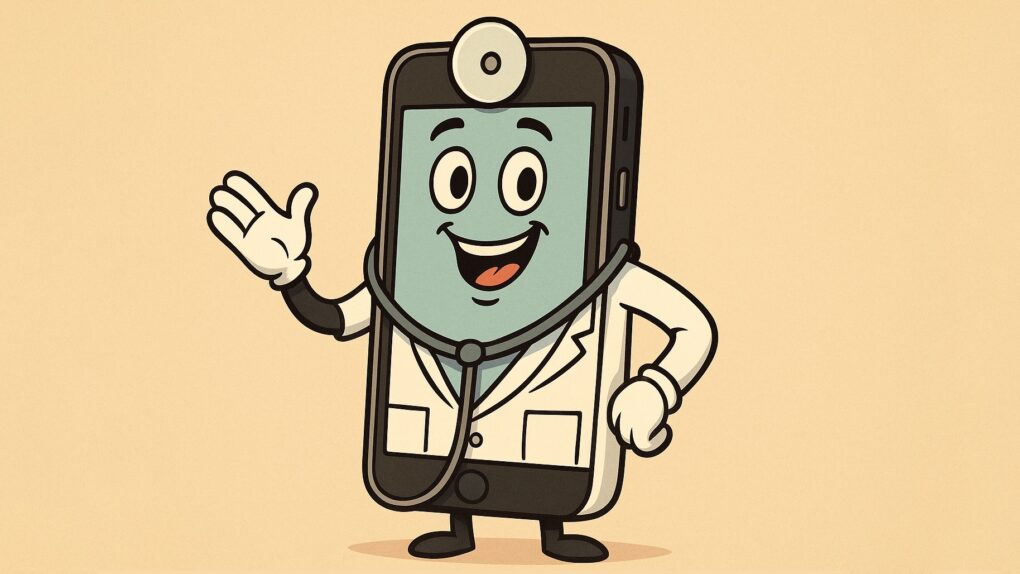
Instead of an AI health coach, Apple plans to focus on adding features to the Health app. AI image: ChatGPT/Cult of Mac
Apple pulled back on its ambitious plans for an AI-powered virtual health coach service, shifting focus to integrating planned features gradually into its existing Health app, according to a new report.
You might want to reconsider handing your health data to an AI bot. Photo: OpenAI
When Washington Post tech columnist Geoffrey A. Fowler gave ChatGPT access to a decade of his Apple Watch data, he expected useful insights. Instead, the AI delivered wildly inconsistent health assessments that left him questioning the readiness of AI-powered health tools.
ChatGPT Health will bring your health data under one roof. Photo: OpenAI
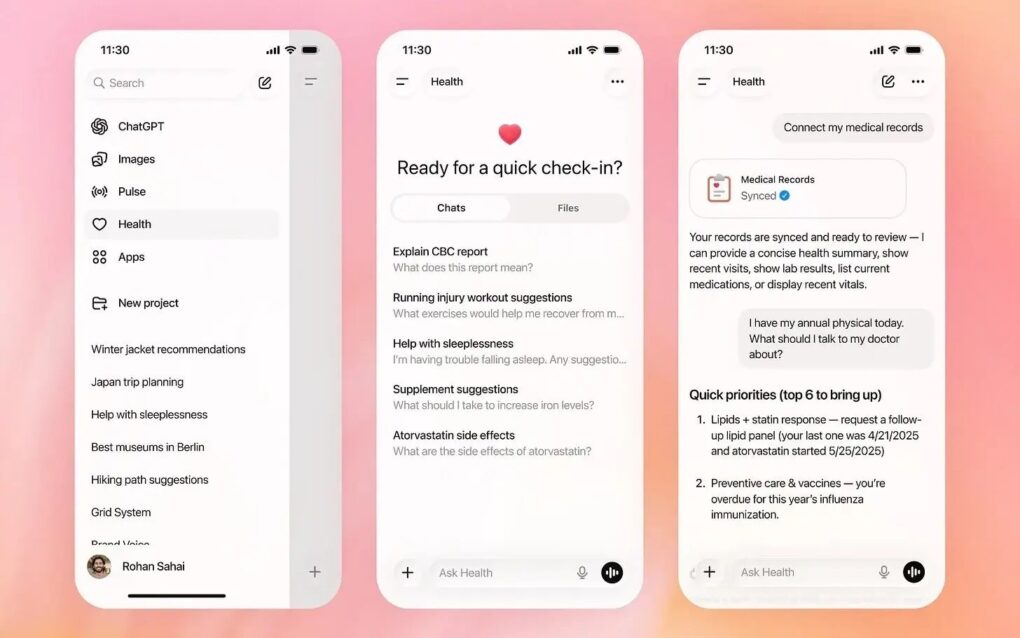
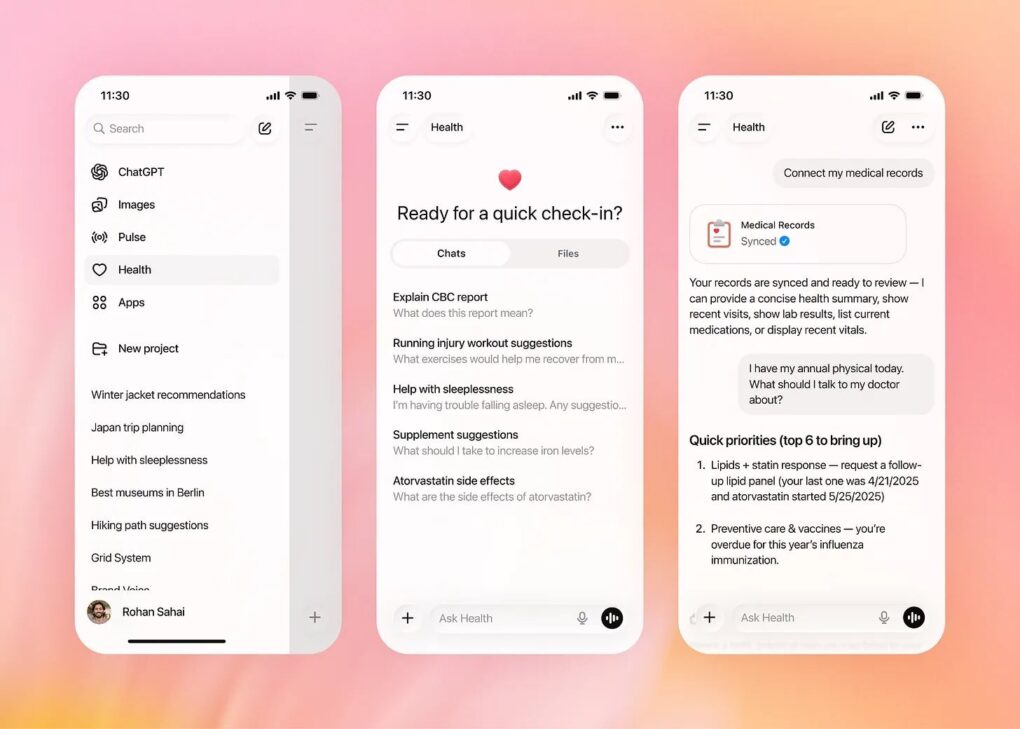
OpenAI is turning ChatGPT into a health companion with ChatGPT Health. This is a dedicated, privacy-focused experience designed to help you better understand your health and wellness data over time.
For iPhone users, ChatGPT Health can pull your health information from Apple Health to help make sense of your medical reports.
Your iPhone with Health+ could dispense advice to make you healthier. AI image: ChatGPT
An Apple each day becomes your doctor someday. That’s the rumor anyway: Apple is reportedly prepping a Health+ service for launch in 2026 that will use AI to dispense advice on nutrition, exercise and more.
Whether the service will someday give out medical diagnoses remains a much murkier question.
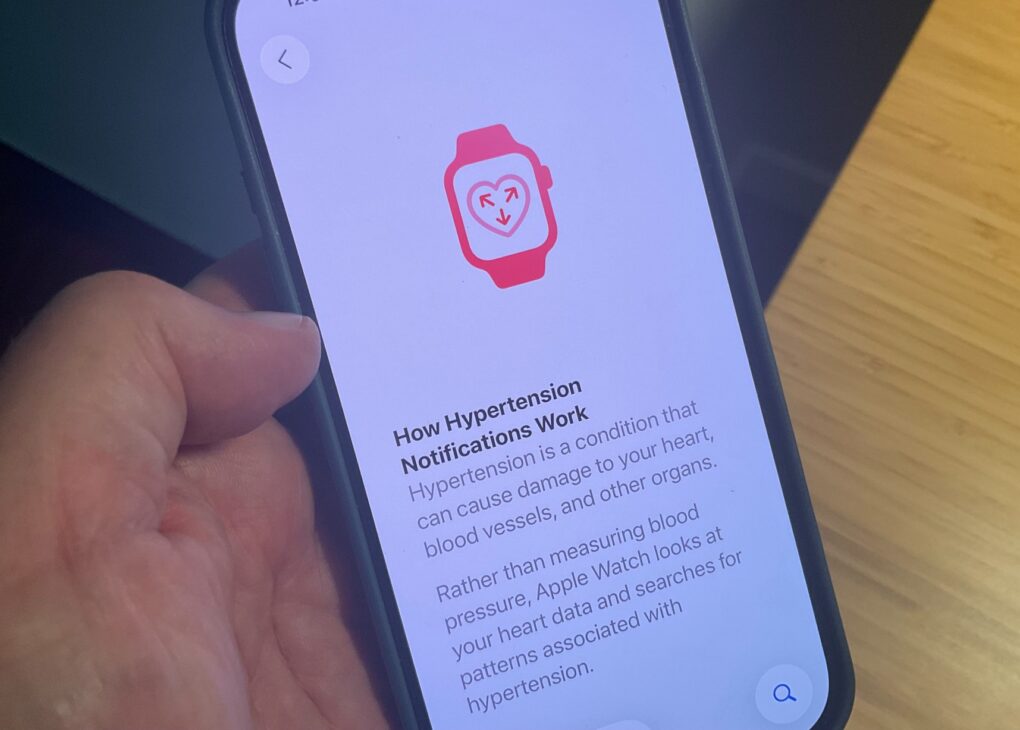
New Apple Watch Hypertension Notifications use existing sensors. Photo: David Snow/Cult of Mac
A major new health feature for recent Apple Watch models can alert users to possible hypertension (aka high blood pressure) by analyzing patterns in their heart data over time. Apple offered a document earlier this week explaining how the Hypertension Notifications feature works using existing sensors.
Available with watchOS 26, the feature works on Apple Watch Series 9 and later models, as well as the Apple Watch Ultra 2 and later.
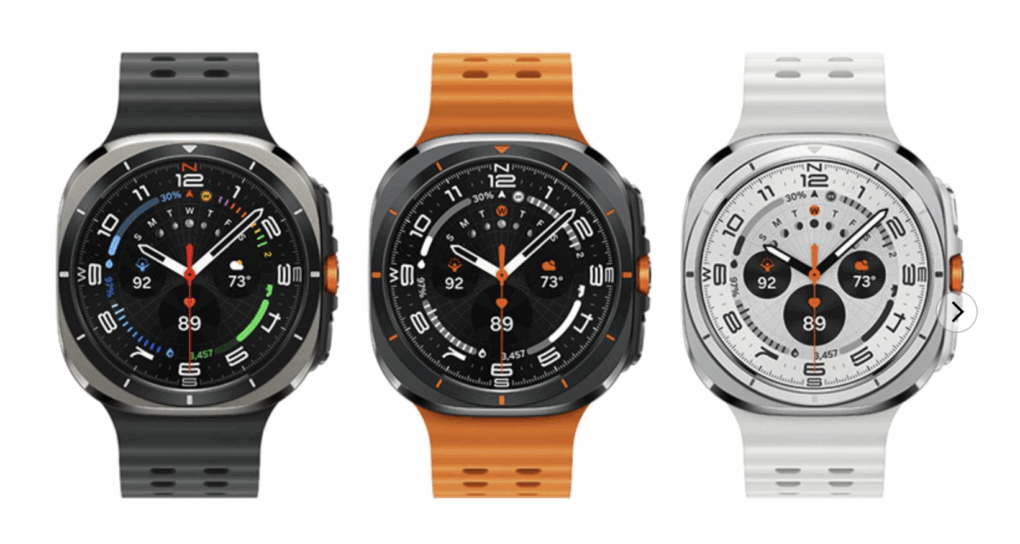
The upcoming Galaxy Watch Ultra (current model pictured) and other other models could bring some pretty impressive new health features. Apple should take notice. Photo: Samsung
Looks like Samsung might push the boundaries of wearable health technology with its upcoming Galaxy Watch, due in July. Its features go beyond what Apple Watch currently offers. Galaxy will include a groundbreaking, needle-free blood analysis tool among other intriguing features, according to a new report.
The new capabilities might offer a prescription of sorts for future Apple Watch upgrades.
Apple's Vitals app noticed the repeatedly elevated heart rate that sent her to the doctor, resulting in the alarming diagnosis. Photo: Apple
We hear plenty of stories about Apple Watch saving lives, but they rarely if ever involve cancer — until now. According to news from down under, Apple Watch’s persistent alerts about an elevated heart rate helped save a New Zealand psychiatrist’s life, leading to a diagnosis of acute myeloid leukemia just hours before potential organ failure.
The plan had called for an AI health coach to analyze your data and make recommendations. Photo: Ed Hardy/Cult of Mac
Apple may take a significant leap forward in its health initiatives within about a year, completely revamping its Health app and adding an Apple AI health coach, according to a new report.
With more resources trained on the goal, called Project Mulberry, the iPhone giant gets closer to delivering on CEO Tim Cook’s vision that Apple’s greatest contribution to society will be in health care.
It probably won’t, but it may. Image: Helitak430/Wikimedia Commons/D. Griffin Jones/Cult of Mac
It’s very important to set up your iPhone Medical ID so it’s ready in case you find yourself in an emergency situation. First responders can check your iPhone to get critical information about any allergies or preexisting conditions that could make a huge difference in their ability to help you.
It might be unpleasant to think about, but providing this vital information could prove lifesaving if an accident leaves you unconscious.
If you haven’t yet done so you’ll be happy to know it only takes a couple of minutes to update your medical records in the Health app on your iPhone. Here’s how to do it.
The app under development is separate from plans for a noninvasive blood sugar monitor. Photo: Pexels
Apple is secretly testing a new health app designed to help individuals with prediabetes manage their diet and lifestyle choices, according to a new report. The experimental app, tested with select employees earlier this year, focuses on helping users understand how different foods affect their blood sugar levels. That might help stave off Type 2 diabetes for some.
Some might use it just to marvel at how that cookie is spiking their blood sugar and choose an apple next time, instead.
The Apple Hearing Study's tinnitus update sounded off about the condition's prevalence and characteristics. Photo: Apple
In one of the largest surveys on tinnitus so far, University of Michigan researchers participating in the Apple Hearing Study released data and insights Tuesday that could help lead to future treatment.
Tinnitus is the perception of sound, often ringing, that others do not hear.
“The Apple Hearing Study gives us an opportunity that was not possible before to improve our understanding of tinnitus across demographics, aiding current scientific knowledge that can ultimately improve management of tinnitus,” said Rick Neitzel, a University of Michigan School of Public Health professor of environmental health sciences.
Cedars-Sinai’s Xaia app offers patients AI-enabled, conversational mental health support in relaxing spatial environments where they can also do deep breathing exercises and meditation. Photo: Apple
Powerful new health and wellness apps take advantage of visionOS’s “infinite canvas” to use spatial experiences to improve patient outcomes in clinical settings and at home, Apple said Monday. It seems that Vision Pro health apps are changing medical care.
“We’re thrilled to see the incredible apps that developers across the healthcare community are bringing to Apple Vision Pro,” said Susan Prescott, Apple’s vice president of Worldwide Developer Relations. “The imagination and drive of our developers, combined with the technical capabilities of visionOS, are igniting new possibilities for physicians, frontline workers, and even students, and we can’t wait to see what’s to come.”
Never heard of pickleball? Don't worry, Apple has tips for you. Photo: Apple
As the nascent sport of pickleball becomes more popular worldwide, new Apple research shows both it and its older sibling, tennis, pack big health benefits.
The Apple Heart and Movement Study tracked Apple Watch data from thousands of users to get the results.
Nate Gorby wrote to Tim Cook and tweeted his tale of life-changing fitness and weight loss. Photo: Nate Gorby
Apple CEO Tim Cook took a moment to congratulate a man who wrote to him and tweeted an inspiring story of using Apple Watch and Fitness+ to lose more than 100 pounds over several months.
Nate Gorby told his story in his tweet, below, saying Apple’s tools changed his life. Cook’s direct reply was just one of many responses.
New health features come to iOS 17, iPadOS 17 and watchOS 10. Photo: Apple
At WWDC23, Apple said it’s adding a slew of new health features in iOS 17, iPadOS 17 and watchOS 10 that will help you take care of yourself physically and emotionally.
And while new mental health and vision features are coming across platforms, the more-general Health app finally arrives on iPad, as well.
William Fryer, 83, said Apple Watch saved his life. Photo: WCPO ABC-9 Cincinnati
When an Ohio man went for his usual walk along the river recently and felt his knees turn to rubber, he had no idea what he was in for — other than he was “going down.”
But it turned out his Apple Watch and a health app had a few ideas, and they helped save the fallen 83-year-old’s life.
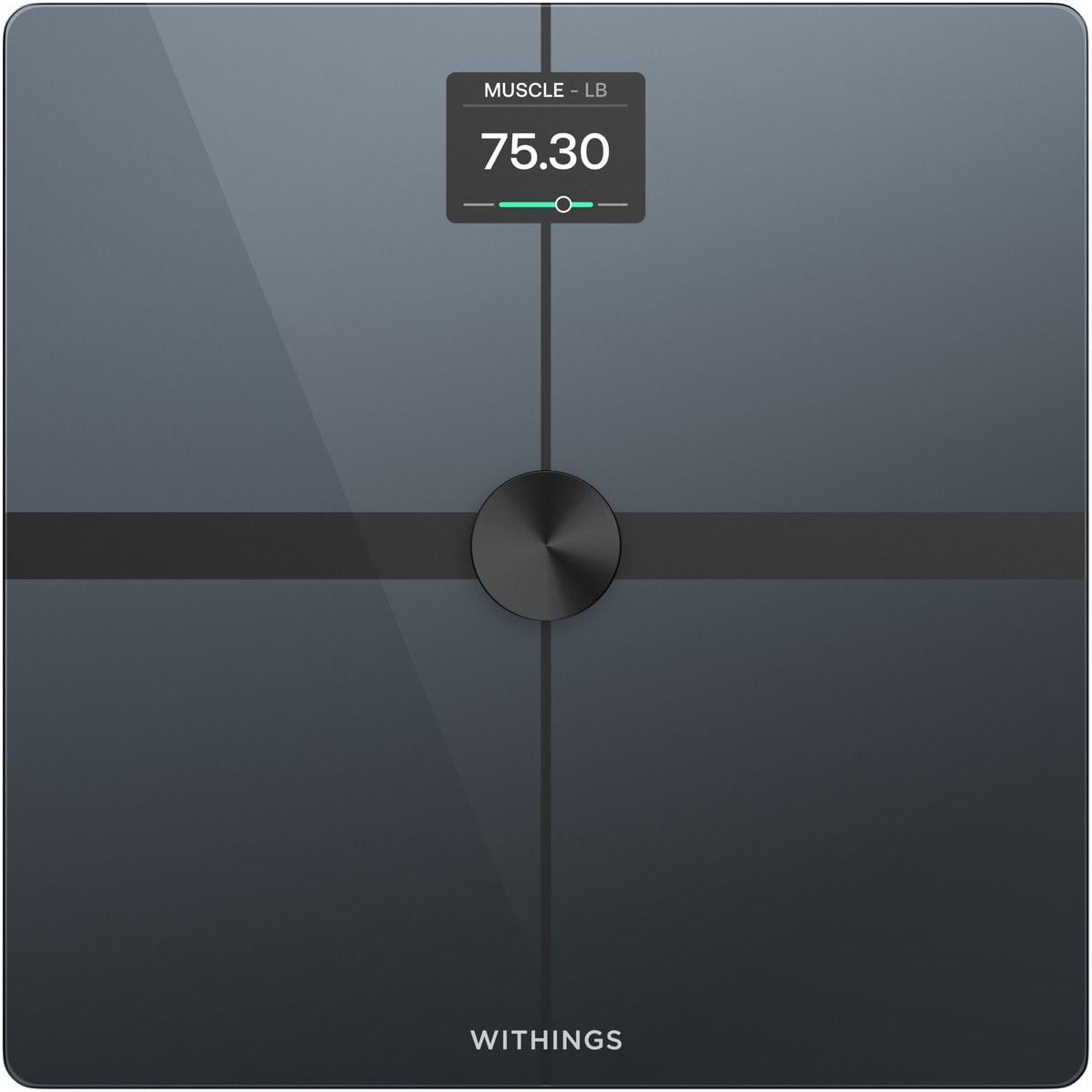
The new Withings Body Smart scale not only measures health metrics, it keeps them private if you like. Photo: Withings
Withings unveiled its newest smart scale Tuesday, the Body Smart. It provides precise weight, body composition and health measurements as well as an Eyes Closed Mode “for those that dare not look,” the company said.
Eyes Closed Mode instead shows encouraging statements on the scale and surfaces your actual stats in the Apple Health-connected app so others can’t see them.
Maybe, just maybe, you can use Apple Wallet. Image: Rwendland/Wikimedia Commons/D. Griffin Jones/Cult of Mac
Add your COVID-19 vaccine card to Apple Wallet on your iPhone, and you can leave your physical card safe at home. Some places may require proof of vaccination to enter, like international airports, concert venues and cruise ships.
If your health care provider can share data with the Apple Health app, and if digital cards are considered valid proof of vaccination where you’re going, and if the stars are in the right place, too, you just might be able to go all-in on Apple Wallet. Let me show you how.