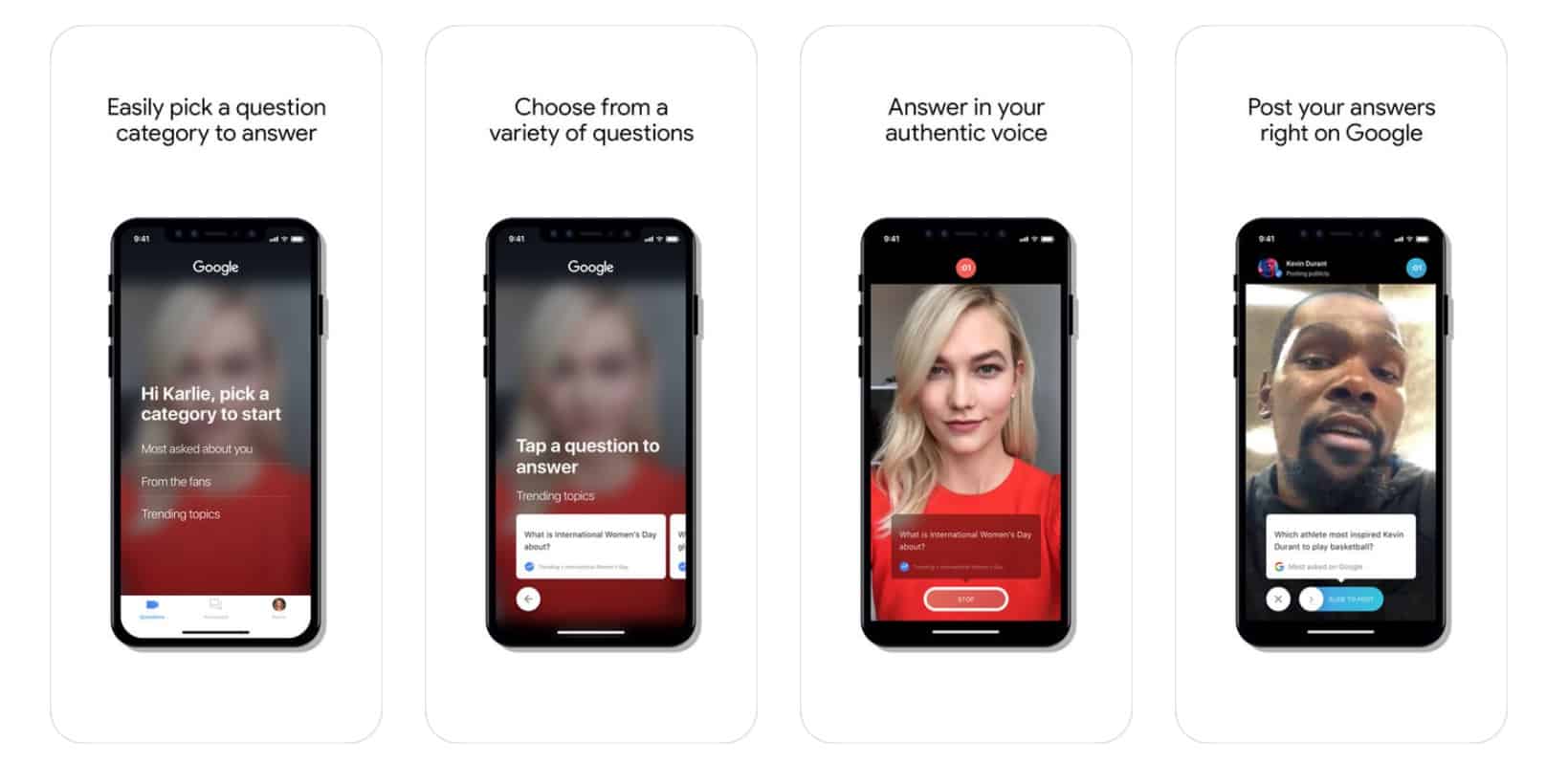
Google has brought the new voice search features announced at Google I/O last week to its Google Chrome web browser for desktops. The latest version of the app (version 27) puts a little microphone icon alongside the search bar on Google.com which lets you find the things you’re looking for without touching your keyboard.
iBooks is not only a fantastic e-reading app on your iPhone or iPad, but it’s also a fantastic study tool. If you need to read books for class or your own learning objectives, you can use iBooks to highlight words or passages, search the text for specific words or phrases, and make notes that appear in the margins as little colored sticky notes.
Using these tools could help you become a much more organized studier, letting you go back to a passage in a book to remember the important things with a couple of taps. Here’s how, using iBooks 3.1, the latest version of iBooks.
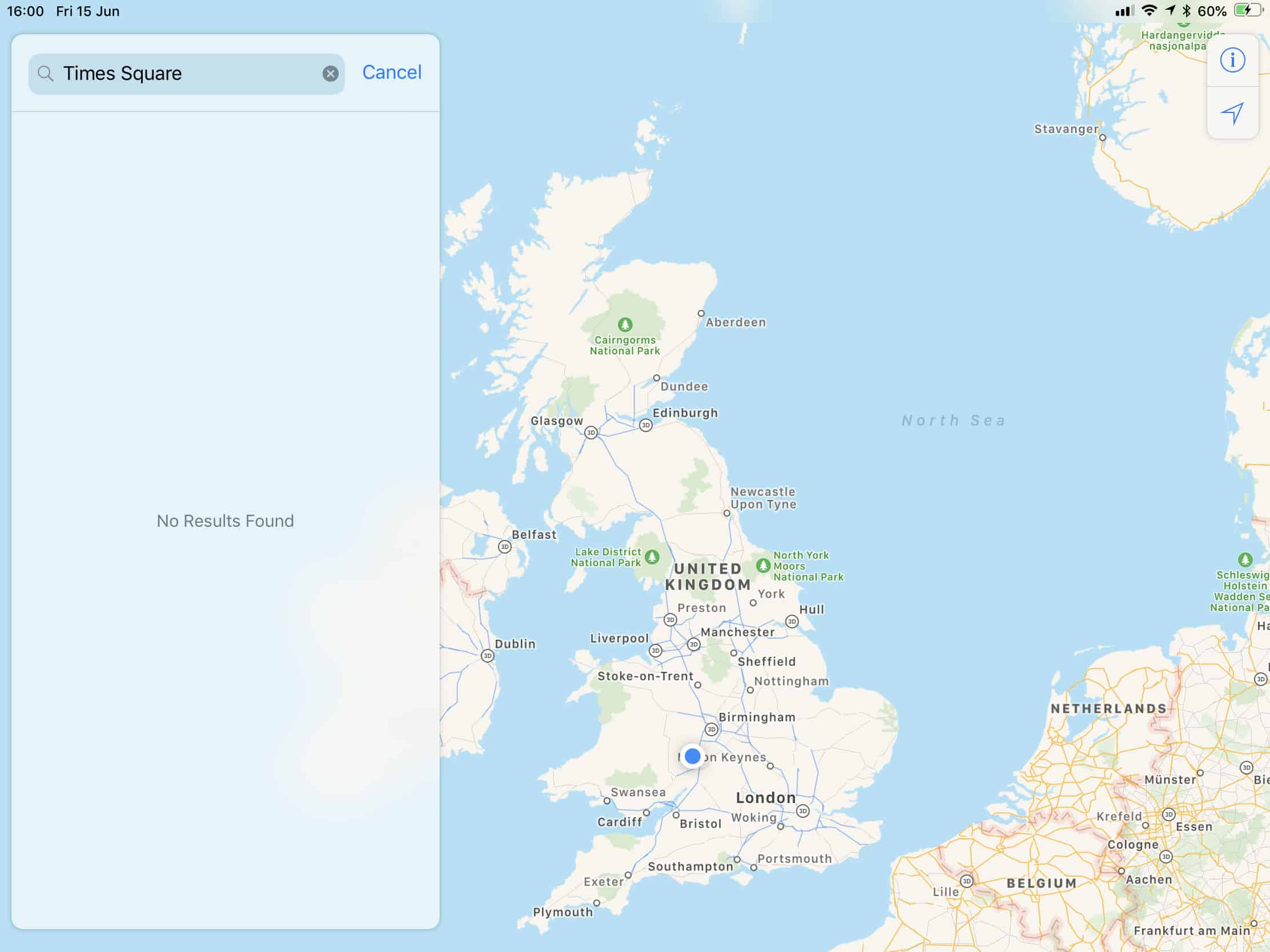
Google Maps is already one of the best mapping services on the planet, but Google isn’t content to rest on its laurels. At the Google I/O keynote this morning Google announced that it will launch a new version of Google Maps for iOS and Android later this year.
The new Google Maps will come with a simplified UI, as well as new features like real-time traffic, dynamic re-routing, reviews from Zagat and there will even be a dedicated Google Maps app for iPad.
Google updated its Google Search app earlier this week to introduce Google Now to iOS. The feature brings Android’s awesome digital assistant to your iPhone, iPad, and iPod touch, allowing you to get information like the weather, sports scores, and travel assistance all in one place.
But many users have found that it also has a significantly negative affect on battery life. Because many of Google Now’s “cards” rely on location data, the service constantly gets updates on its whereabouts from nearby cell towers and Wi-Fi hotspots, and this means it’s eating away at your battery all the time.
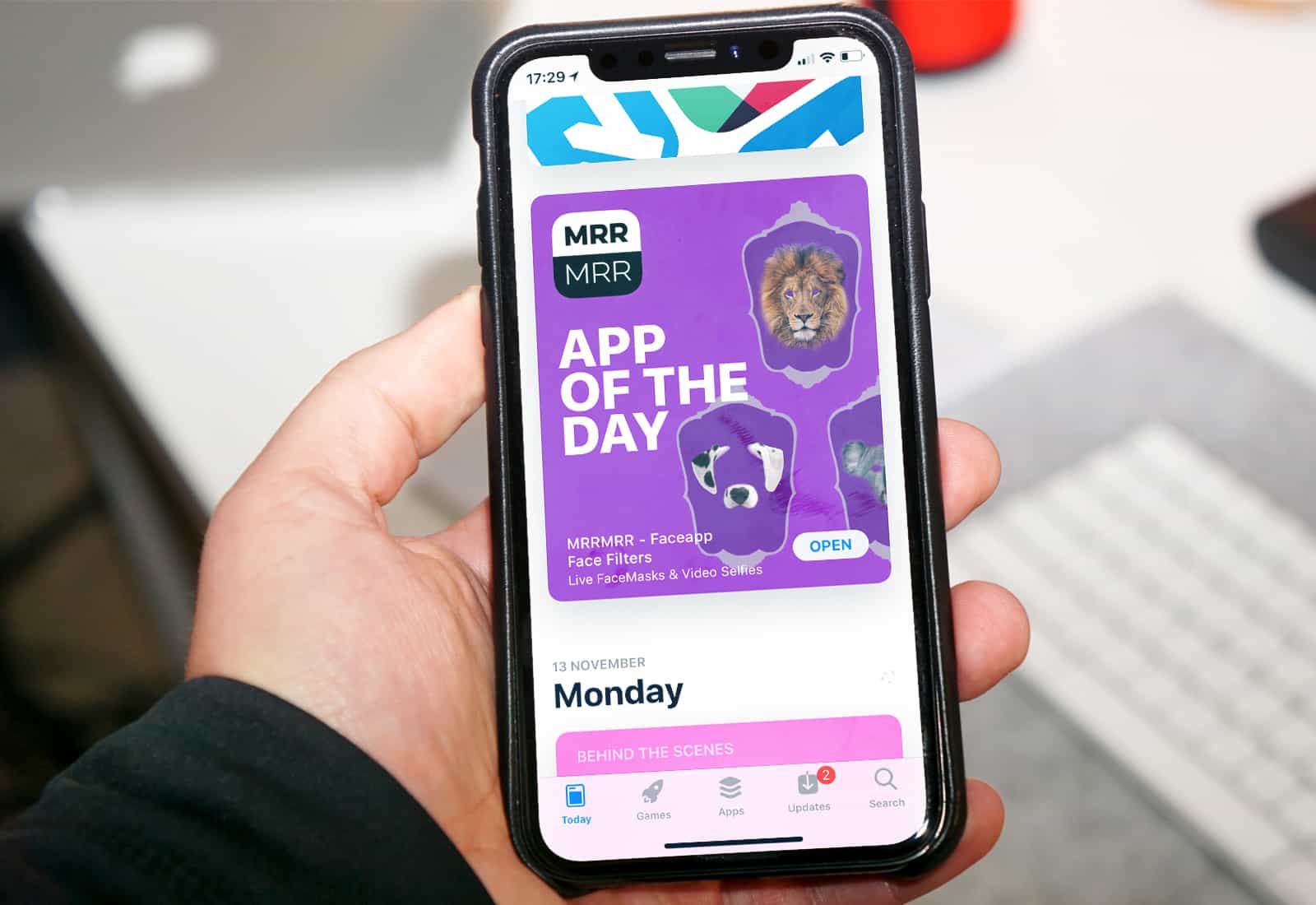
A common method for finding apps in the iTunes App Store is to do a quick search in Google. Searching the App Store for “Tweetbot” can take a lot longer than Googling “Tweetbot App Store” in a browser.
Links to iTunes have always been near the top of the first page when you search for an app, but iTunes results have recently started appearing lower in Google’s search results with no explanation.
With the new-ish integrated search function in OS X, I spend a lot of time clicking over from “This Mac” to “Documents” or “Dropbox,” since I typically start out in the folder I’m searching for anyway. I usually want to just search the folder I’m in, rather than the entire Mac, since that can be a lot of files to search through, especially if the search term I’m using is fairly generic (“I think it was something about kittens…”).
Yesterday, we dove into the Finder preferences to help you tell your Mac what folder to open new Finder windows with. Today, then, we’re gonna rush headlong back to those very same preferences to tell your Mac what to do when you’re searching for a file.
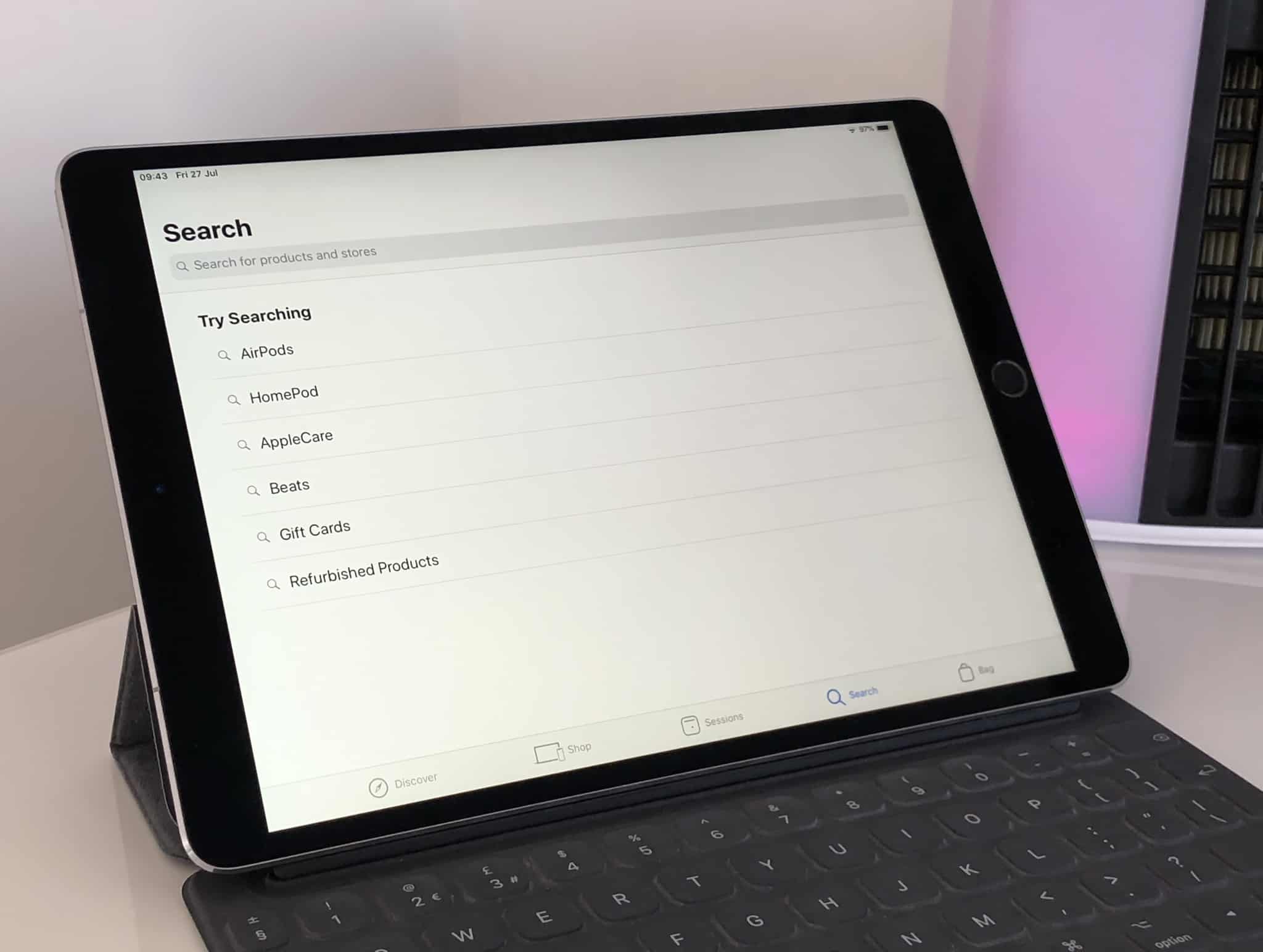
BARCELONA, MOBILE WORLD CONGRESS – I’m willing to bet that you have – at some point – been frustrated by the App Store. More specifically, you have been driven crazy trying to find apps via search. Even apps which you know are there, which you have used before, and about which you know almost everything but their names.
Quixey is a search engine for Apps, and it will ease your App Store pain.
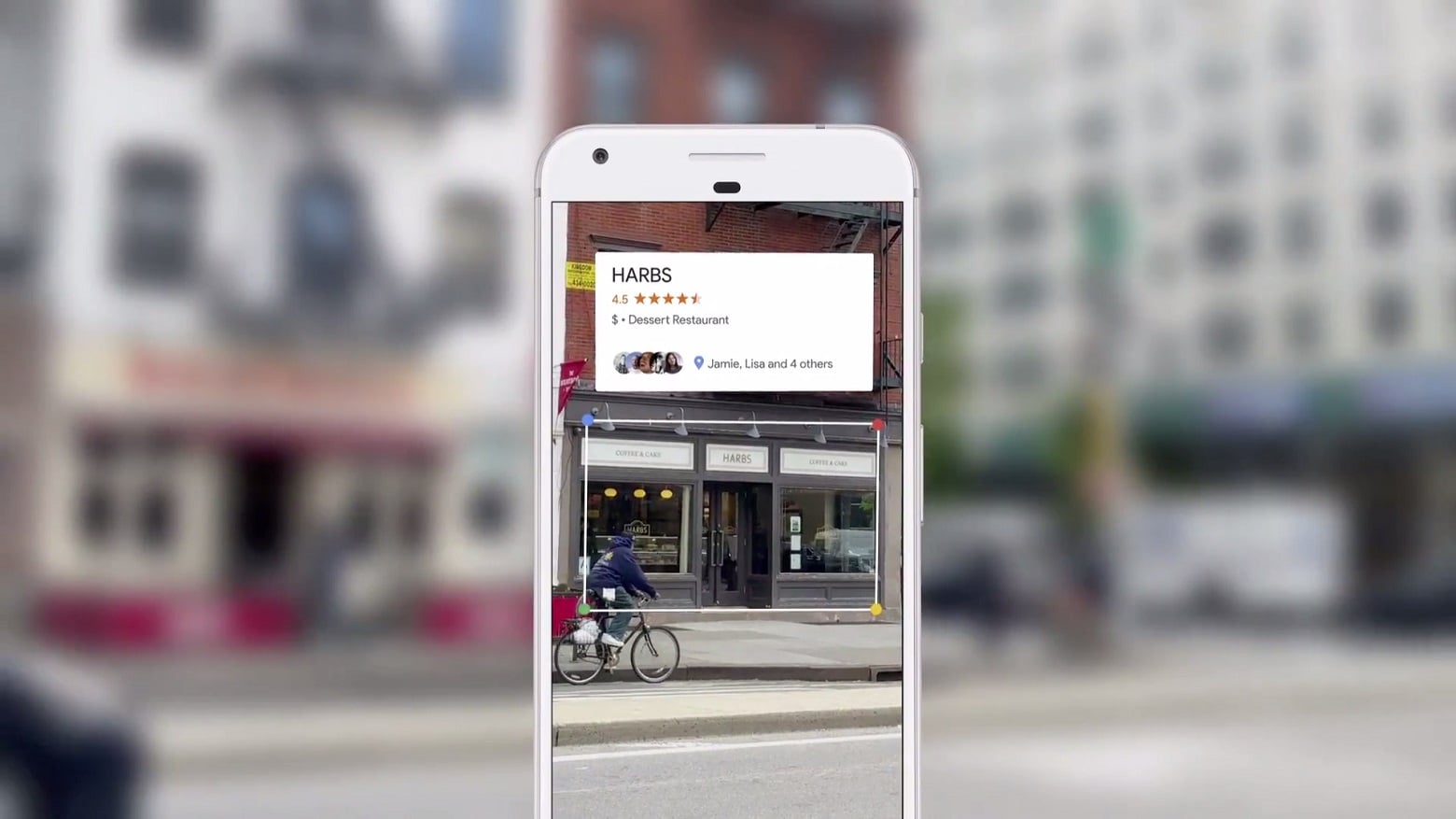
That’s what CamFind‘s developers are claiming — that the app is at least four times more accurate than Google Goggles at recognizing and then searching for the subject of a photo you’ve taken with your iPhone.
If you’re unfamiliar with the two-year-old Google Goggles function (integrated within the Google Search app) the idea is pretty simple. Just snap a photo with your iPhone, and the app tries to recognize what you’ve taken a photo of. Once identified, you can then initiate a Google search for that item.
The official Dropbox app for iOS has today been updated to add push notifications and an all-new PDF viewer. With version 2.1, users will now receive an alert when a folder has been shared with them. The update is available to download from the App Store now.