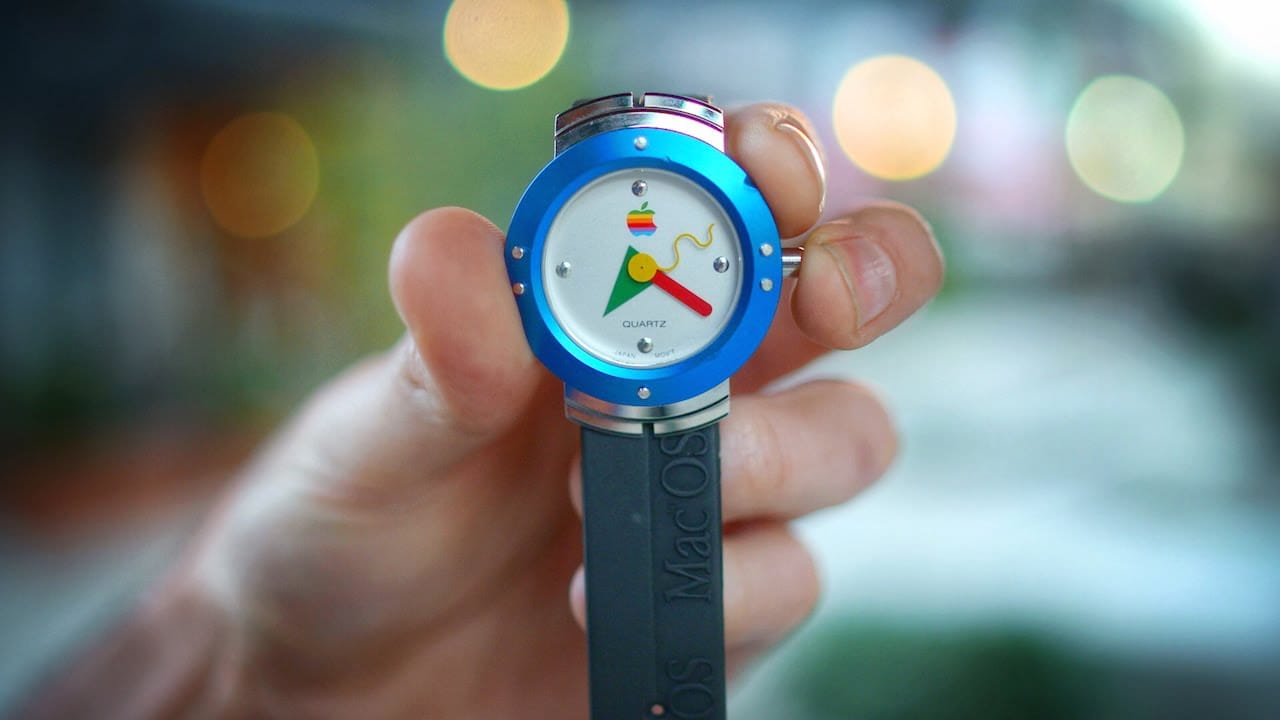
 May 2, 1995: Apple enters the wearables space with its first watch. However, the first Apple watch is a timepiece with no fitness-tracking tech, no on-screen notifications and a whole lot of 1990s styling.
The device comes two decades before wearables actually will become a thing. A regular wristwatch, the freebie gadget is available via a special mail-in offer to Mac OS upgraders.

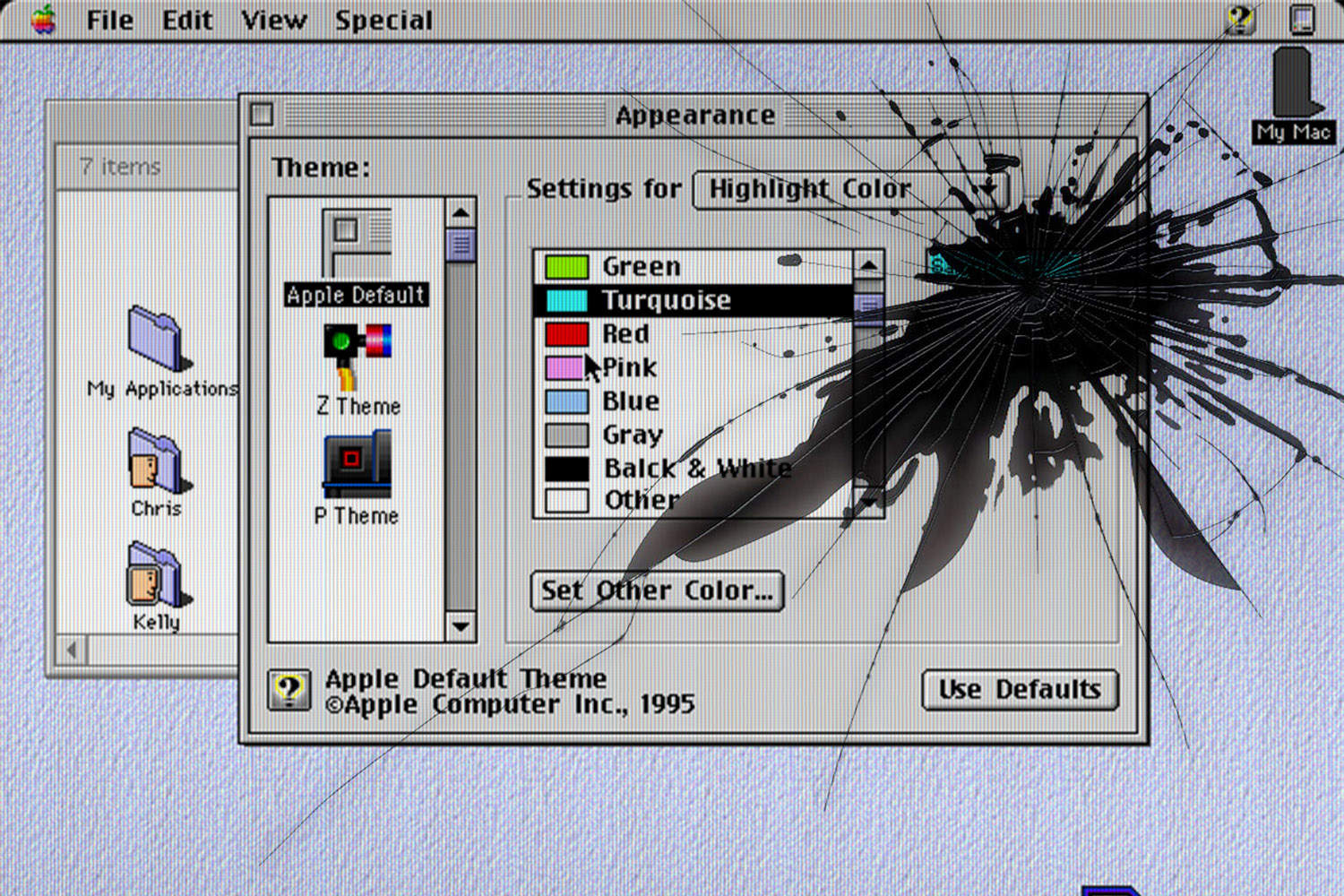
 April 26, 1996: Mac OS Copland, Apple’s eagerly anticipated but much-delayed operating system for the Macintosh, suffers a fatal blow when the senior VP in charge of the project leaves the company.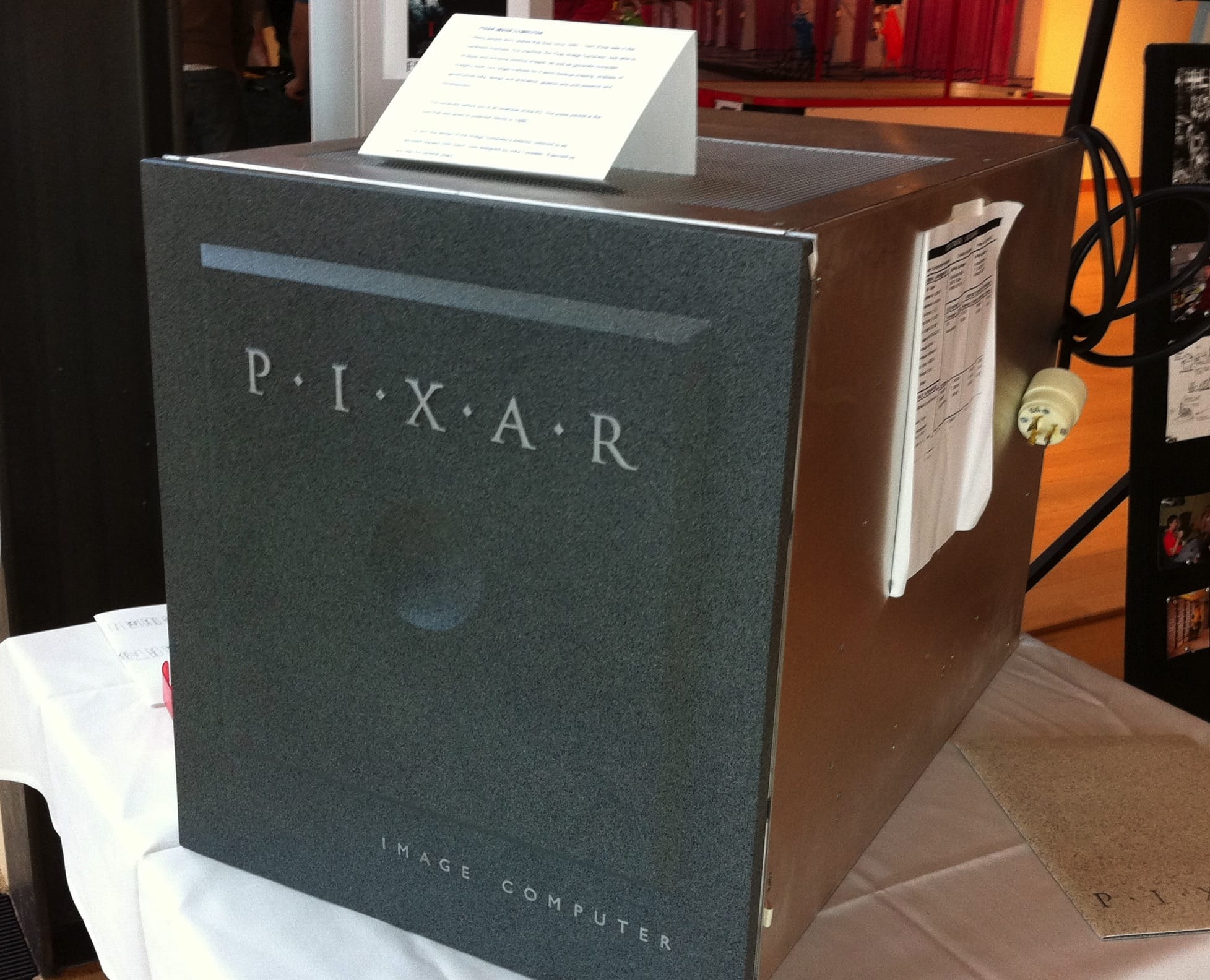
 April 25, 1990: Steve Jobs shuts down Pixar’s hardware division (yes, it used to have one!), ending production of the pricey Pixar Image Computer immediately.
 April 21, 1995: Rumors swirl that Japanese camera company Canon might take over Apple in either a partial or complete acquisition.
 April 19, 1994: Gaston Bastiaens, the executive in charge of Apple’s revolutionary new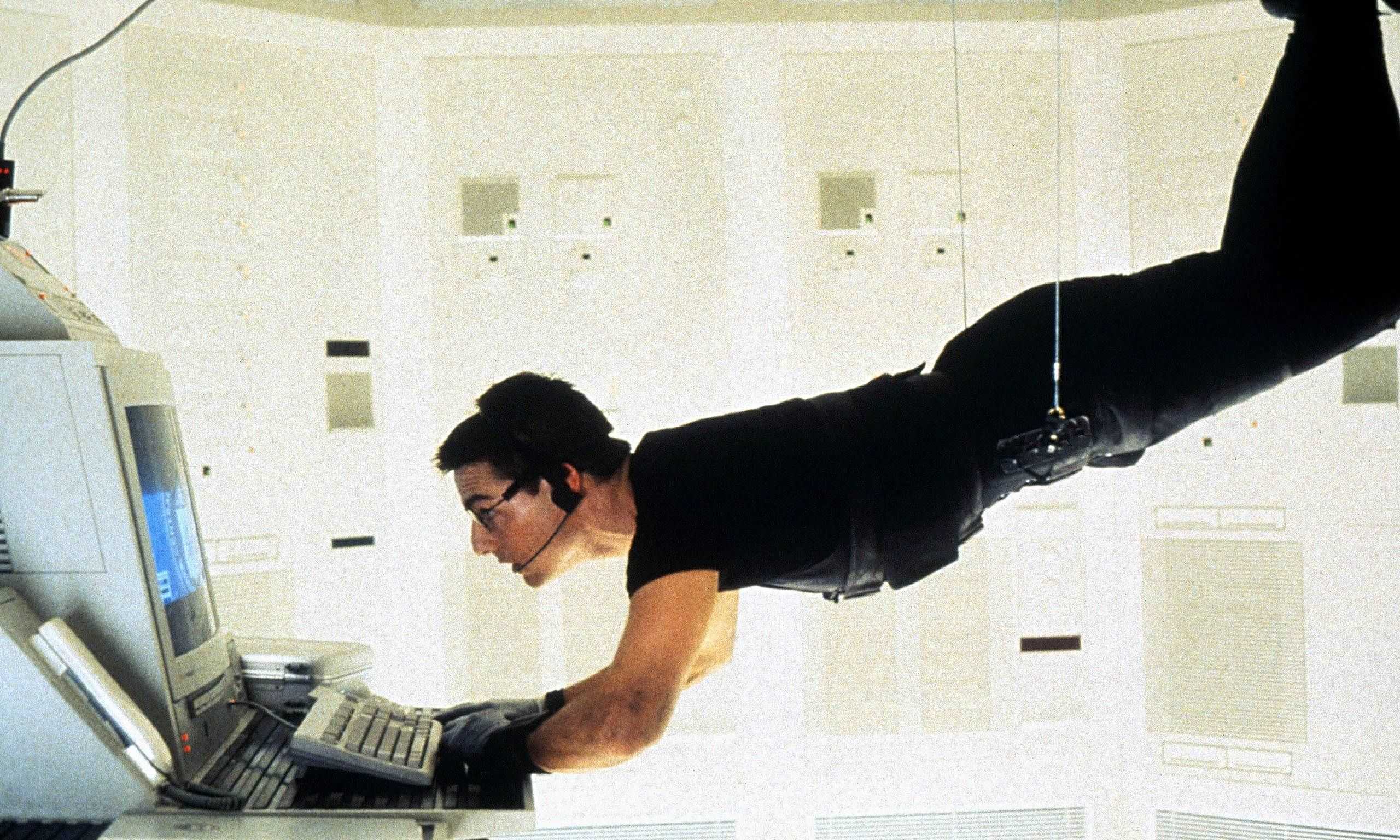
 April 18, 1996: Apple unveils a massive $15 million promotional tie-in for the Mission: Impossible movie starring Tom Cruise.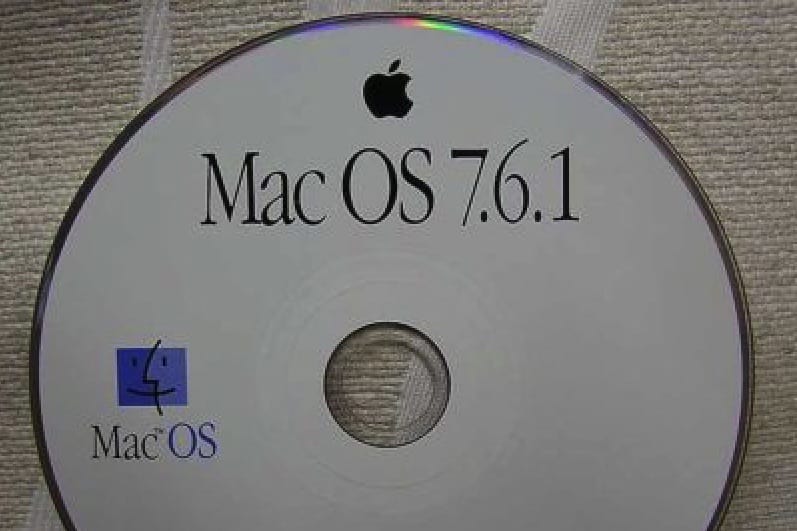
 April 7, 1997: Apple’s System 7 operating system receives its last update with the shipment of Mac OS 7.6.1.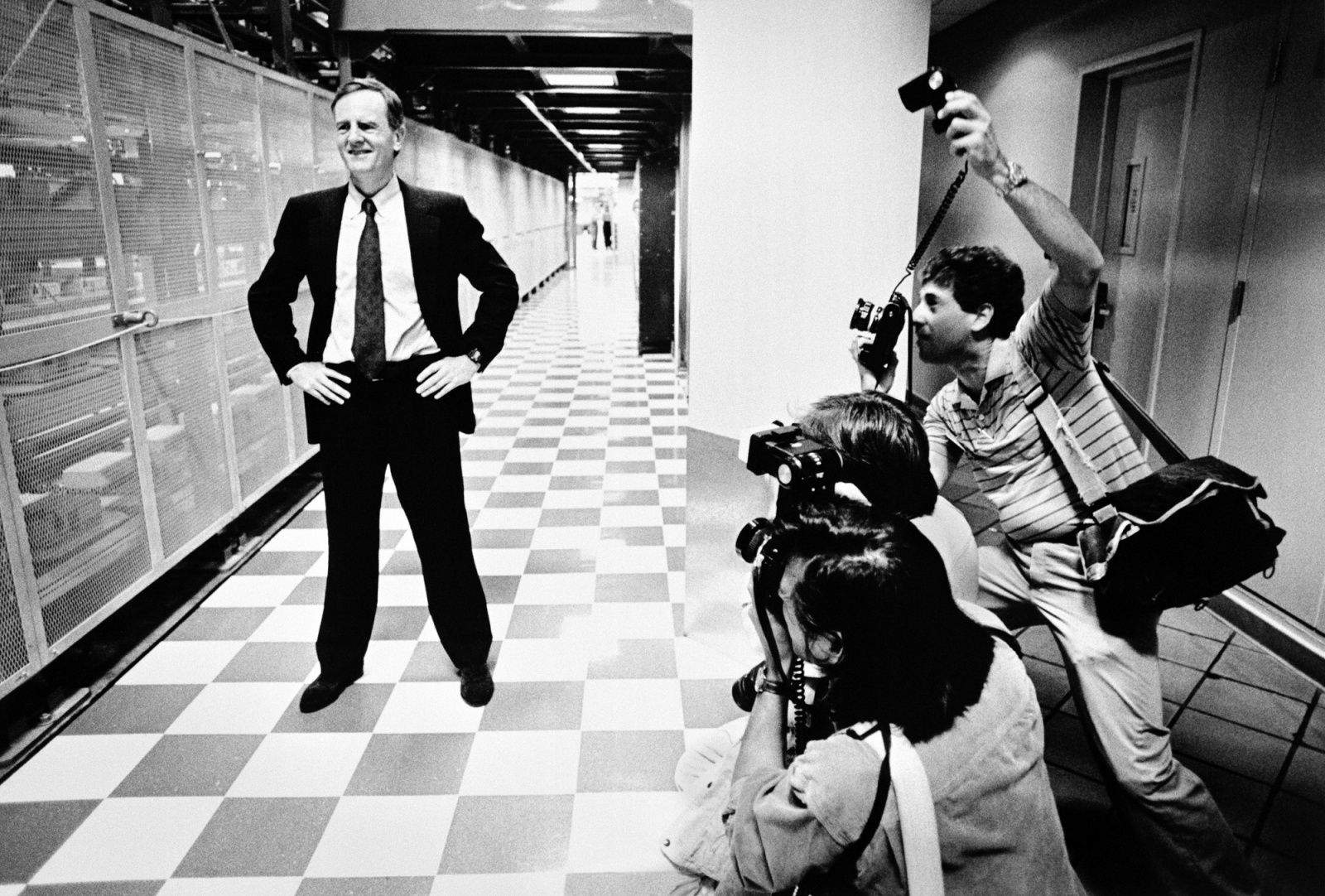
 April 6, 1939: John Sculley is born in New York City. He will grow up to be hailed as a business and marketing genius, eventually overseeing Apple’s transformation into the most profitable personal computer company in the world.
 March 28, 1996: In a dire message to Wall Street, Apple warns that it will report a $700 million after-tax loss for its most recent quarter.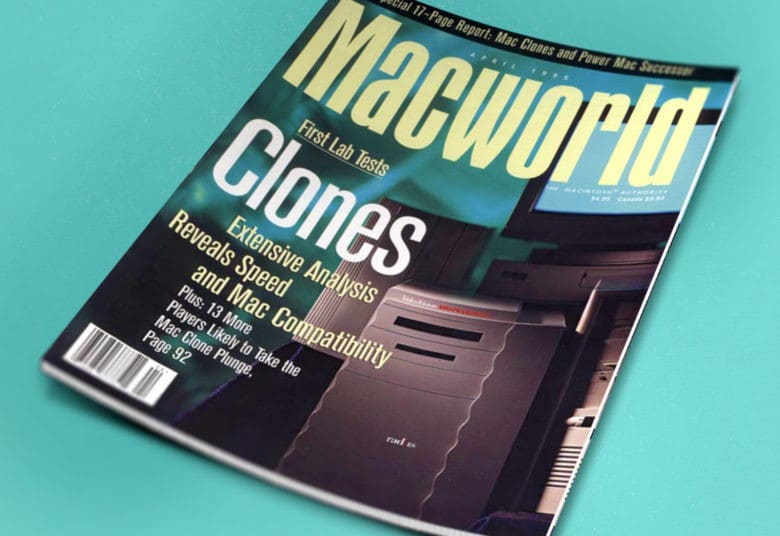
 March 27, 1995: The Radius System 100, the first official Macintosh clone, launches.
 March 25, 1993: Apple executive Gaston Bastiaens bets a journalist that the eagerly anticipated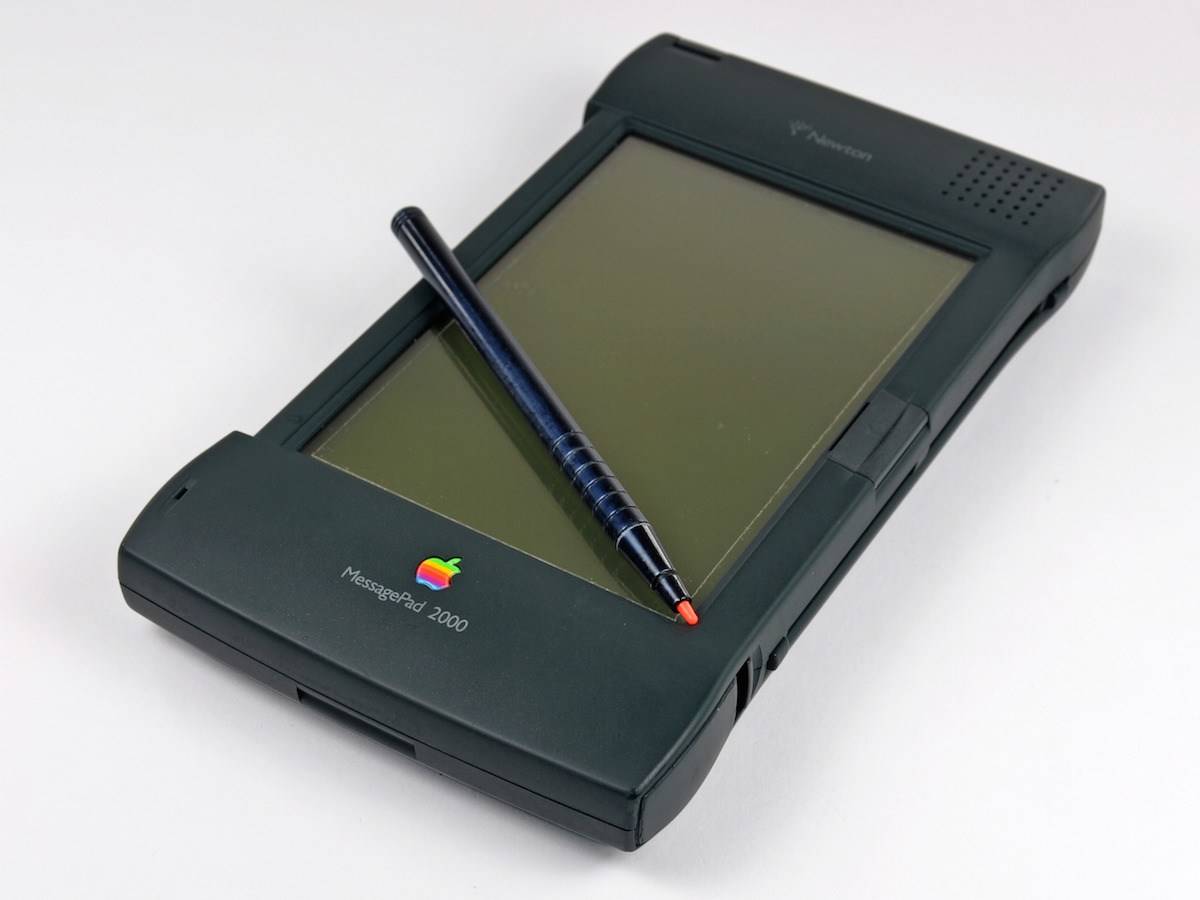
 March 24, 1997: The Newton MessagePad 2000 brings major upgrades to Apple’s PDA line, including a far better display and a much faster processor.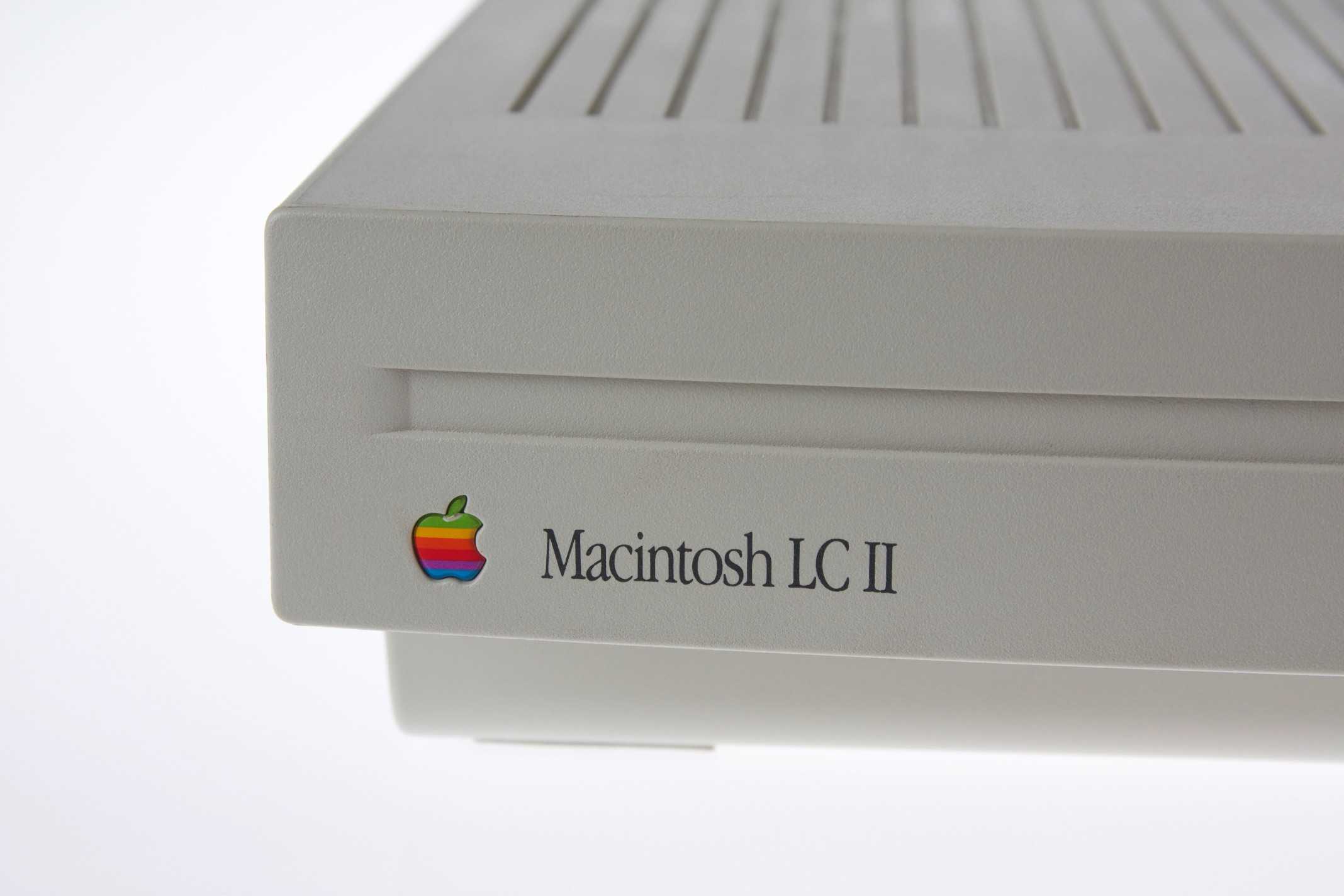
 March 23, 1992: The “headless” Macintosh LC II arrives, wooing value-oriented customers with a beguiling mix of updated internals and budget pricing.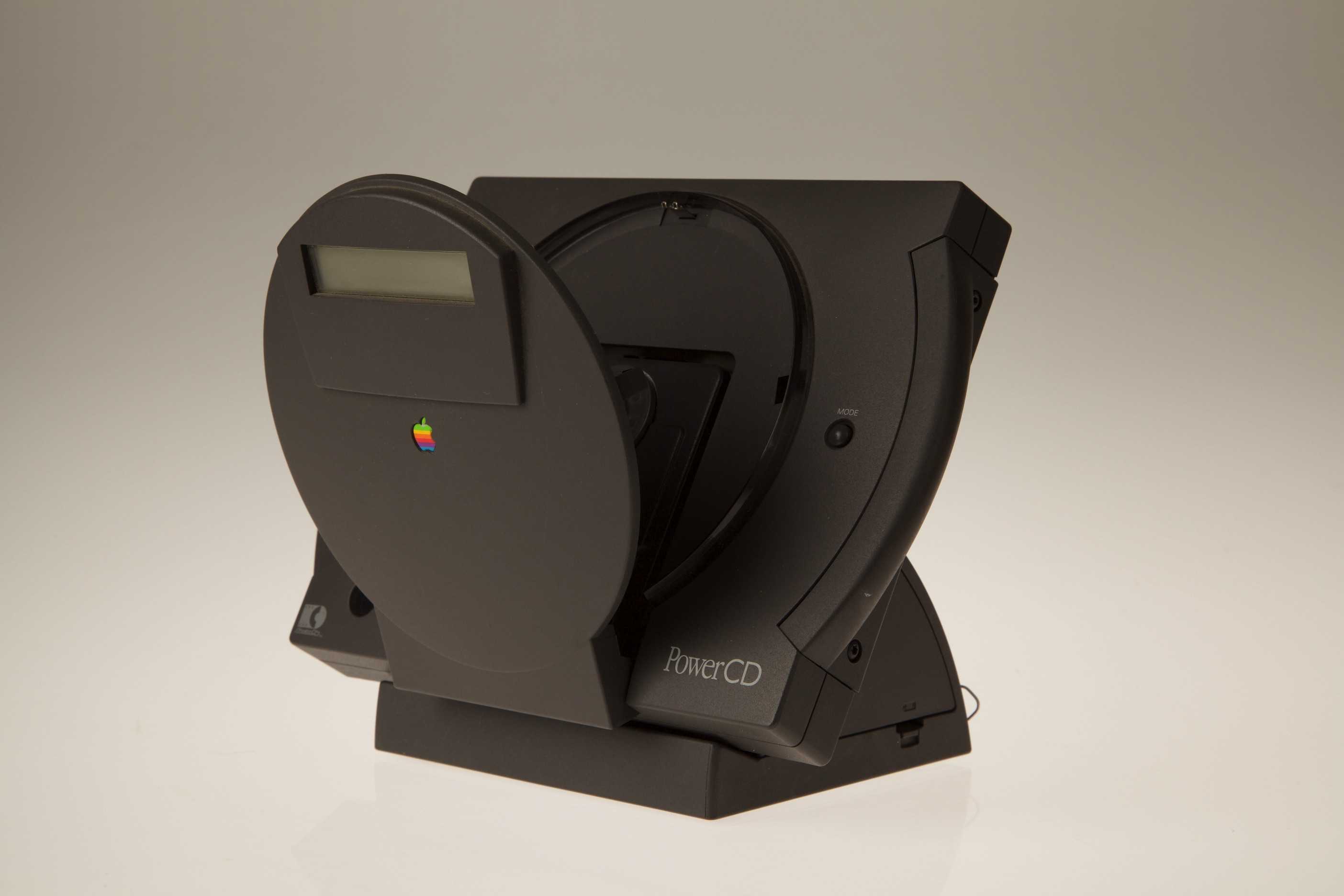
 March 22, 1993: Apple launches the PowerCD, the first device from the company that doesn’t require a computer to work.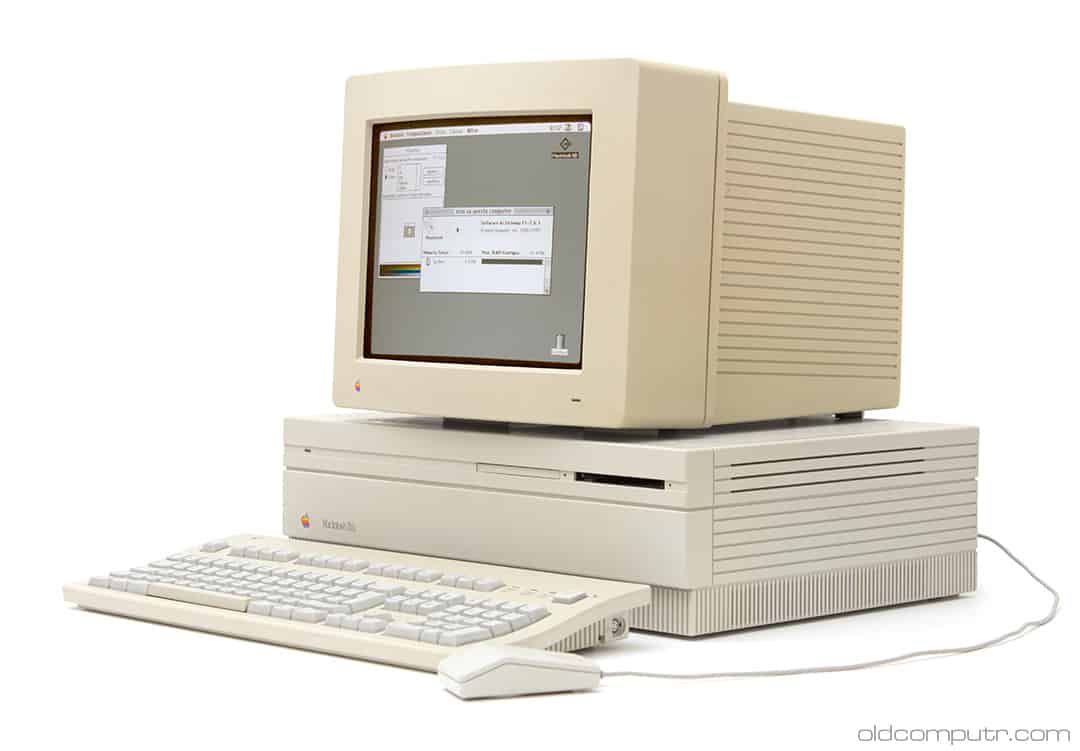
 March 19, 1990: The ultra-fast Macintosh IIfx makes its debut, sporting a hefty price tag appropriate for such a speedy machine.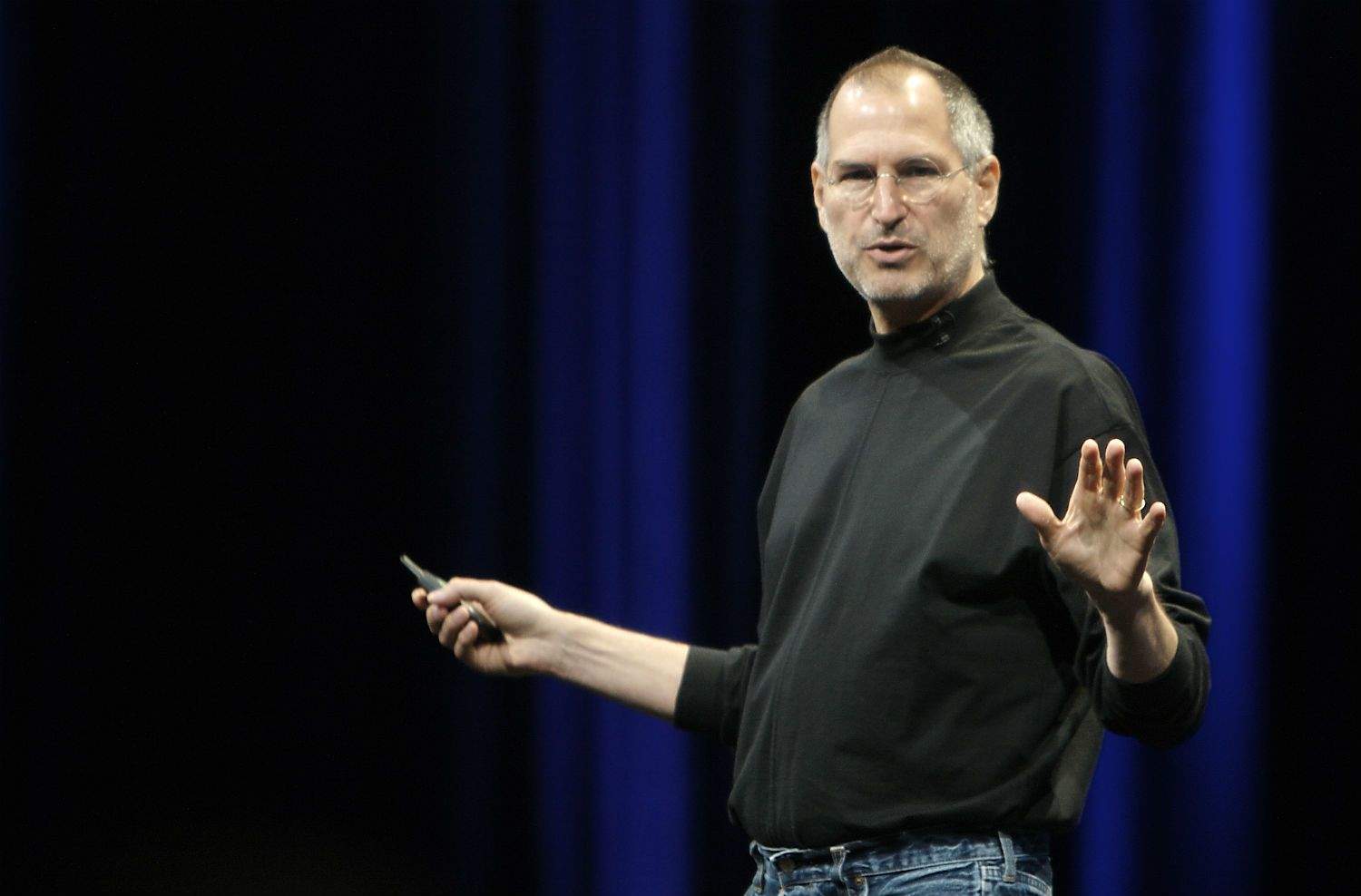
 March 18, 1991: Steve Jobs marries 27-year-old Stanford MBA Laurene Powell.
 March 14, 1994: Apple introduces the Power Macintosh 7100, a midrange Mac that will become memorable for two reasons.
 March 13, 1997: With Apple preparing to cut thousands of jobs, CNN reports that “the coffin door is closing” on Cupertino. Apple is doomed! Doomed!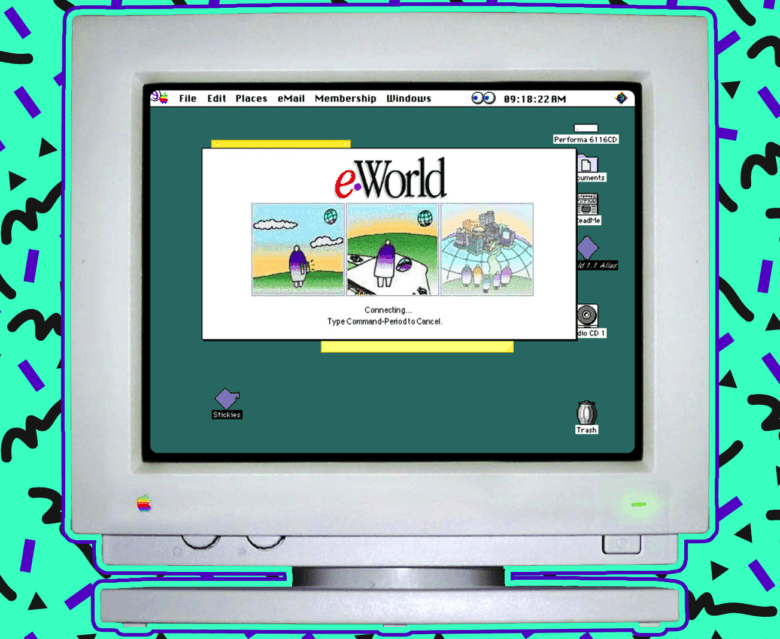
 March 9, 1996: Apple confirms that it will shut down its eWorld online service at the end of the month.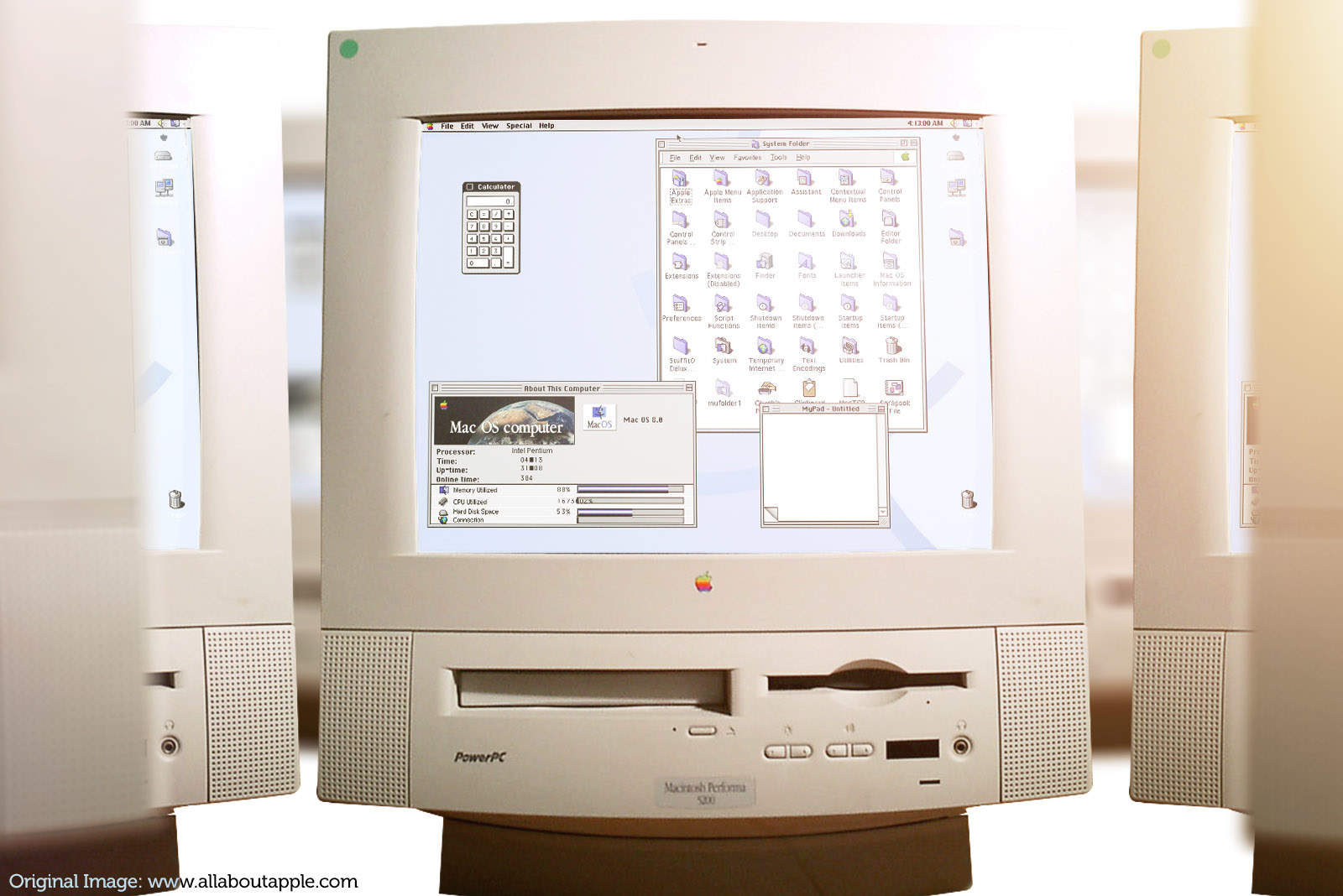
 March 8, 1997: Apple renames the forthcoming Mac OS 7.7 update, calling it “Mac OS 8.” It’s more than just a name change, though: It’s a sneaky sucker punch that ultimately knocks out Mac clones.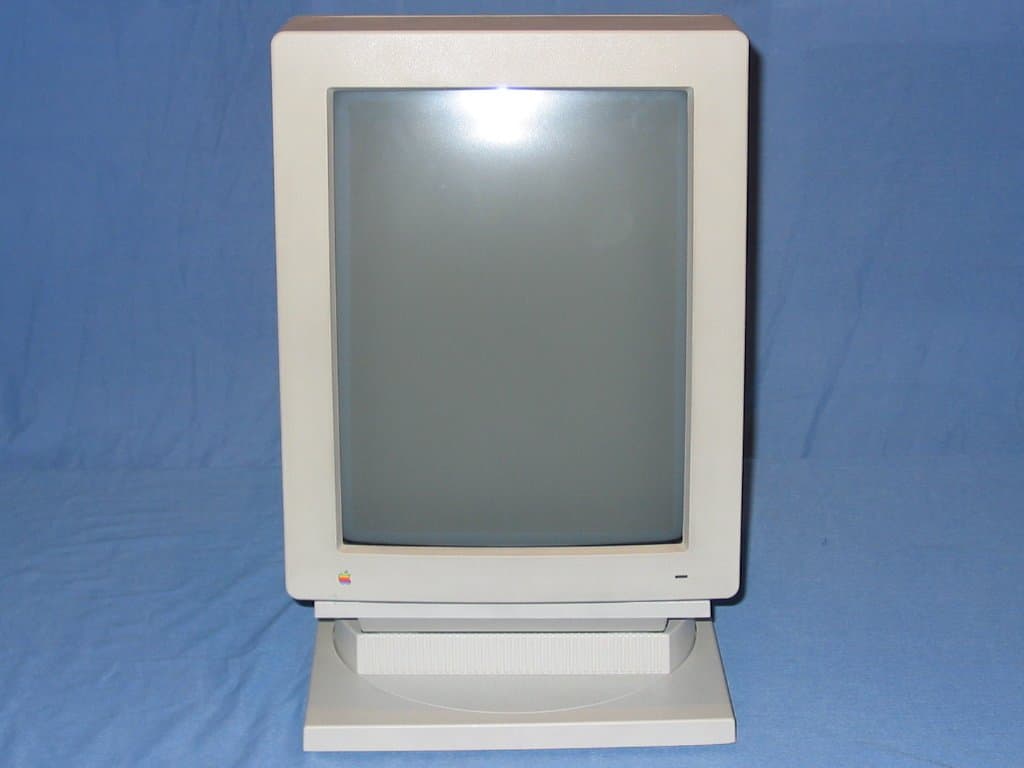
 March 7, 1989: Apple introduces the Macintosh Portrait Display, a 15-inch vertical grayscale monitor designed to show full pages on a single screen. Intended for word processing and desktop publishing, the $1,099 monitor (plus $599 for an additional video card to run it) works with any Macintosh.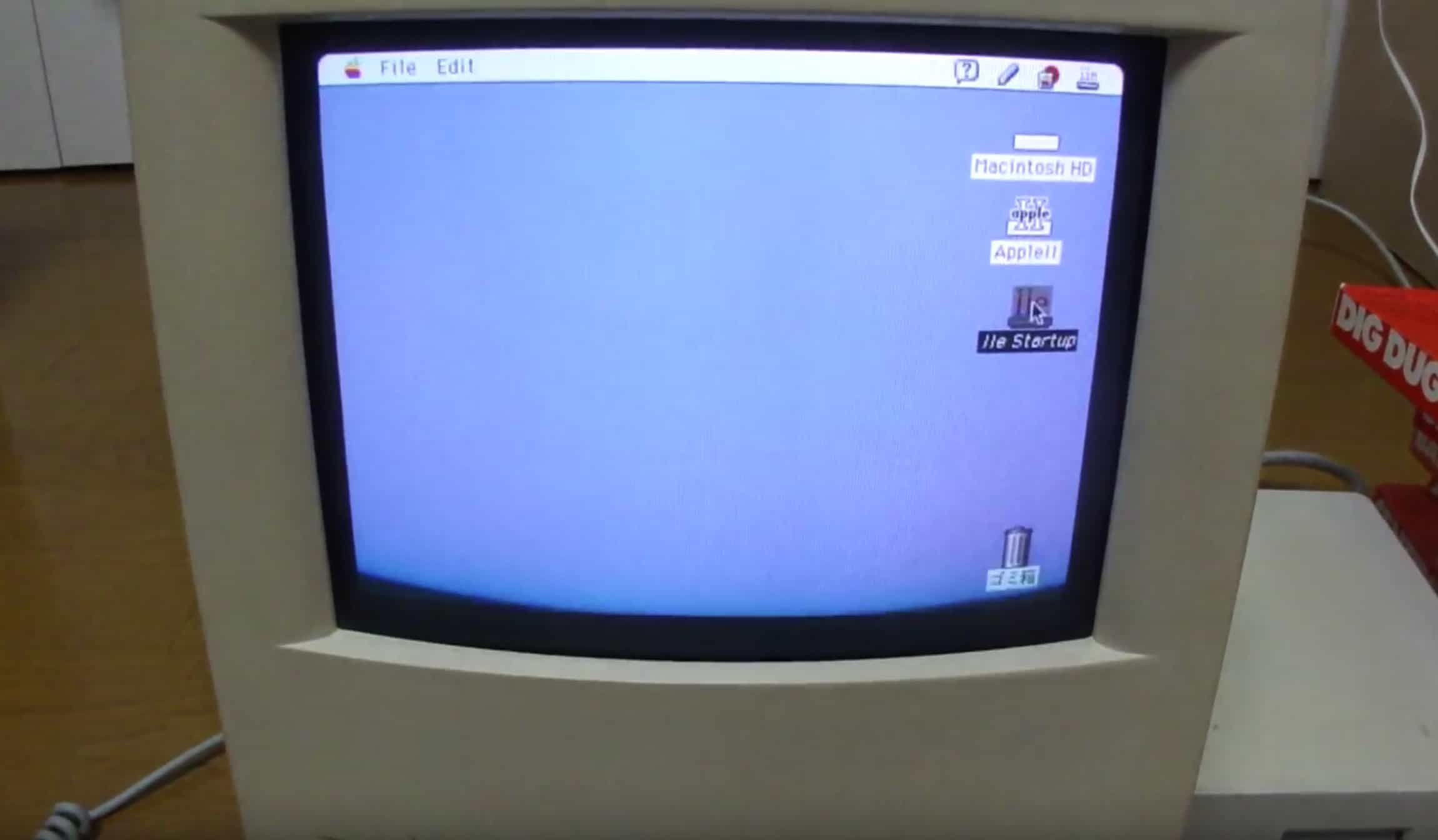
 March 1, 1991: Apple introduces the Apple IIe Card, a $199 peripheral that lets users turn Macs into fully functioning Apple IIe computers.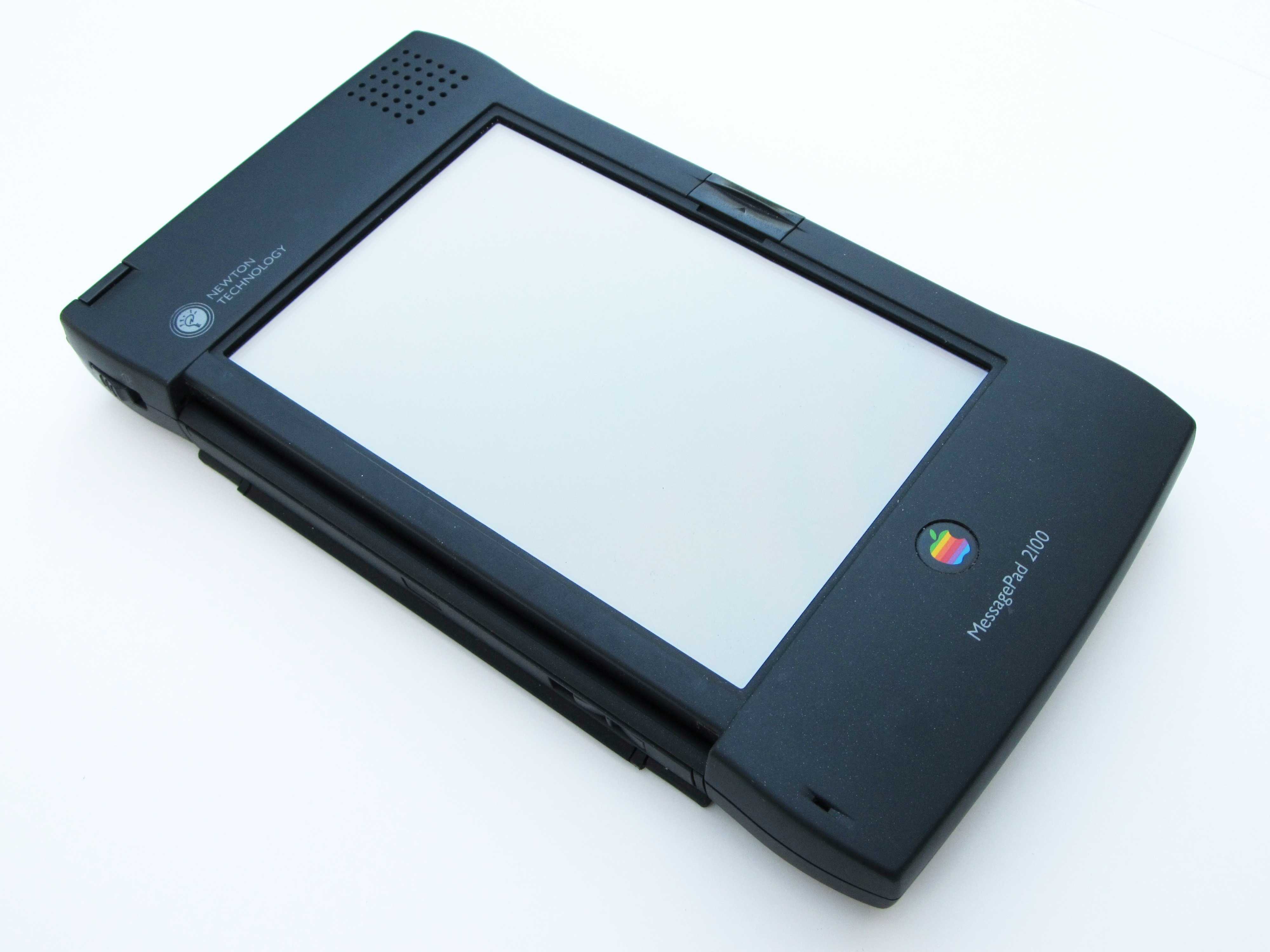
 February 27, 1998: Apple discontinues work on the Newton MessagePad product line, the series of personal digital assistants the company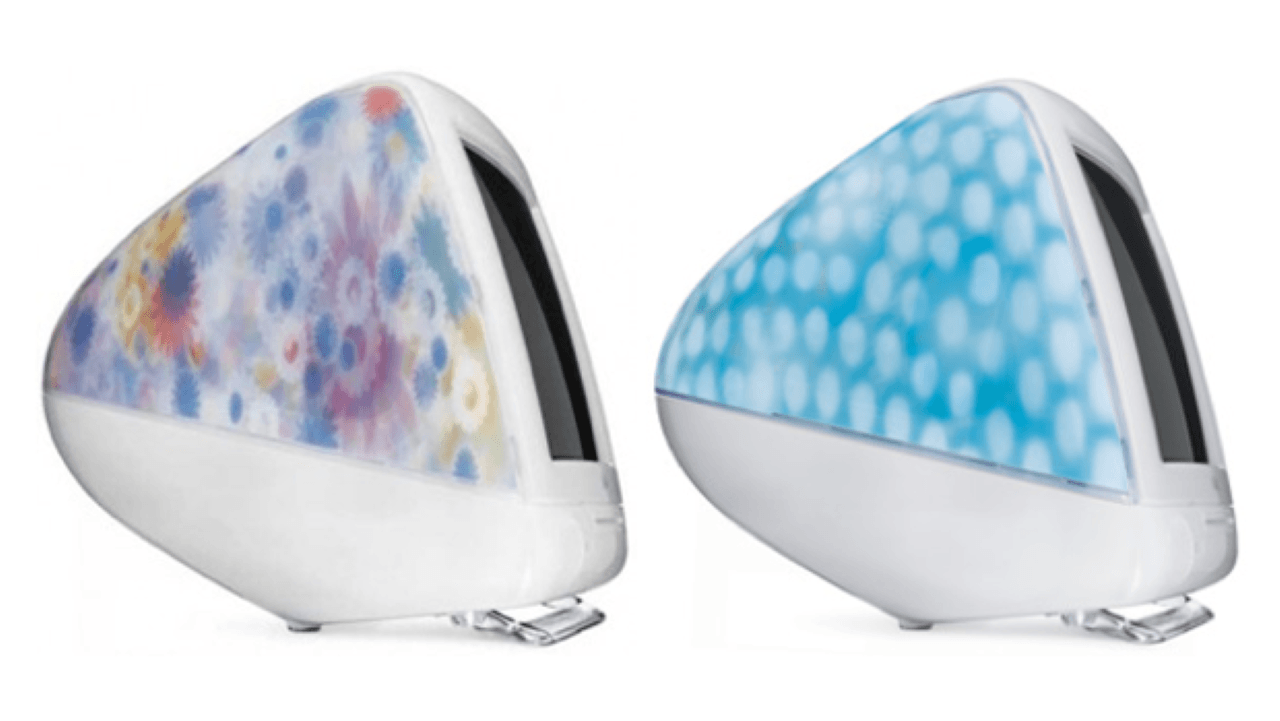
 February 22, 2001: The iMac Special Edition, sporting wild designs that would make a hippie happy, puts a wacky face on the computer that saved Apple’s bacon at the turn of the century. The Flower Power iMac and Blue Dalmatian iMac evoke tie-dye shirts or other unconventional ’60s-era imagery.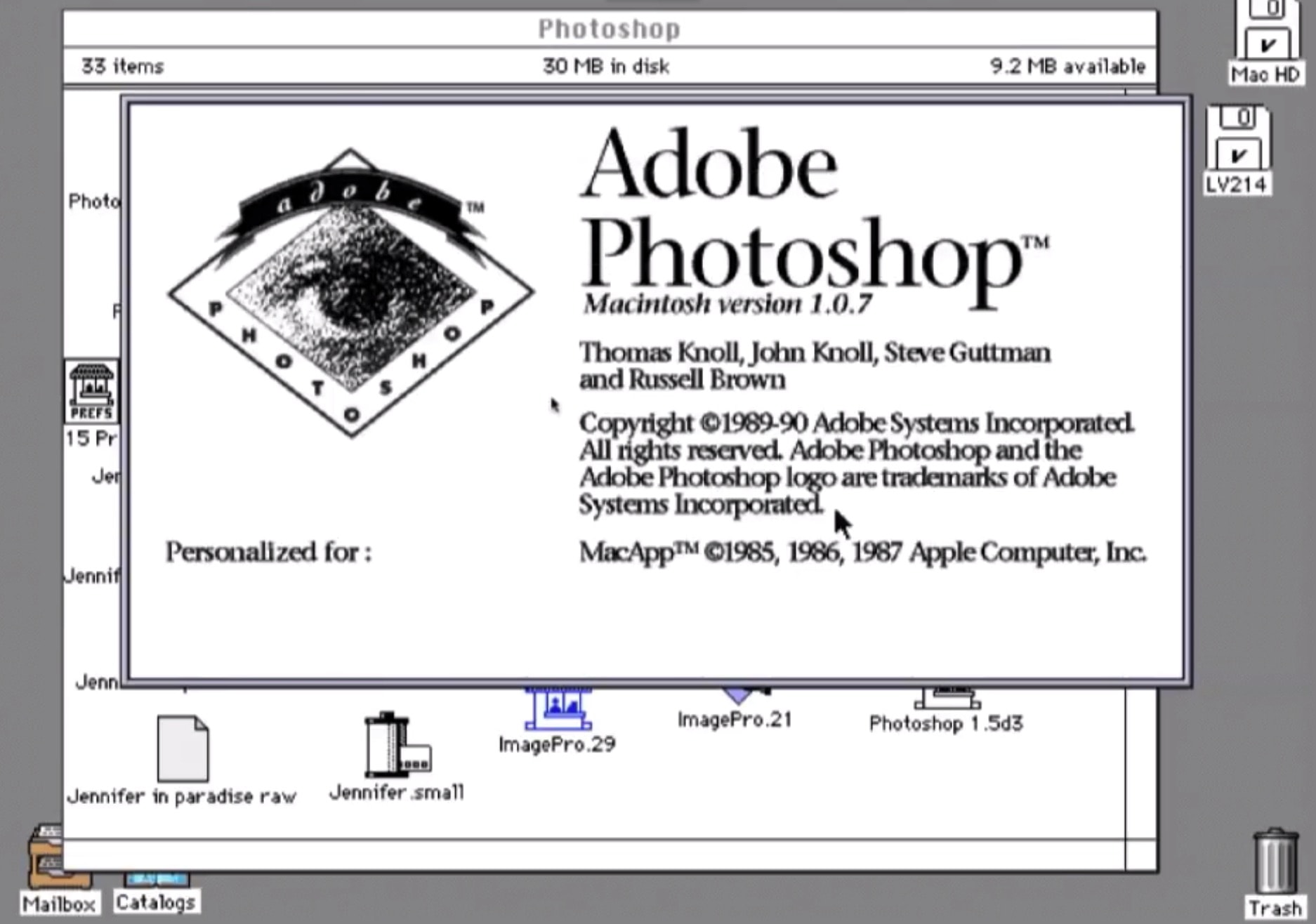
 February 19, 1990: Adobe ships the first commercial version of its soon-to-be-iconic Photoshop photo editing software. The Photoshop launch, exclusively on the Macintosh, gives users powerful new tools for tweaking digital images.