Bill Gates looking like the cat that got the cream. Photo: Apple
August 6, 1997: In one of the most famous moments in Apple history, Steve Jobs reveals a $150 million Microsoft investment that saved his company from ruin.
Although often presented as an inexplicable gesture of good faith on the part of Microsoft boss Bill Gates, the cash infusion into Apple actually benefits both companies.
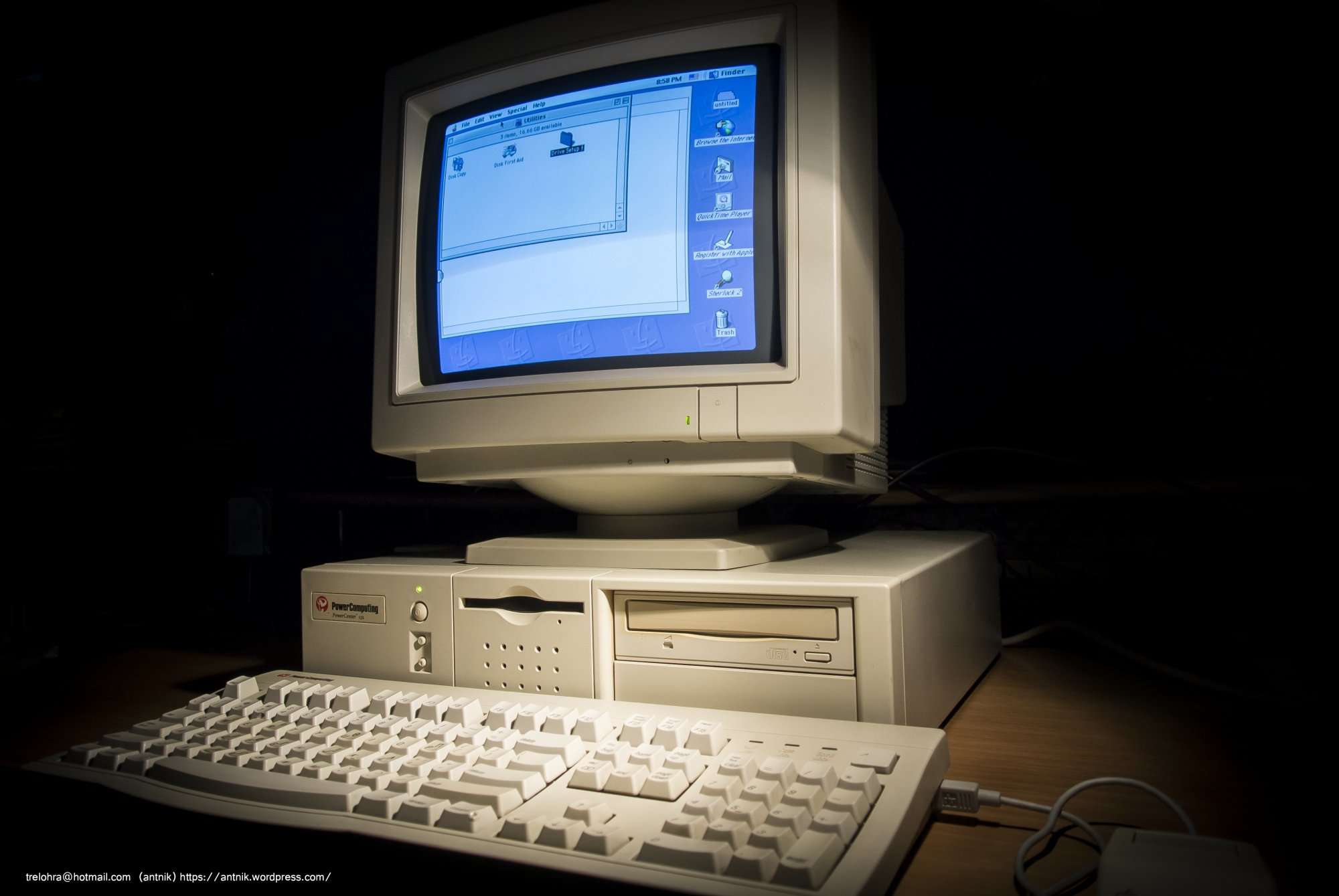
Clone Macs sounded like a good idea at first. Photo: Antnik
August 5, 1997: Apple gets into a standoff with Power Computing, a maker of Macintosh clones. A very public clash at the Macworld Expo in Boston marks the beginning of the end for Apple’s mid-1990s strategy of licensing the Mac operating system.
“If the [Mac] platform goes closed, it is over,” predicts Power Computing CEO Joel J. Kocher of Apple’s strategy. “[It’s] total destruction. The kiss of death.” Of course, things don’t turn out exactly like that for Apple…
August 2, 1993: Apple launches the Newton MessagePad, the first product in its line of handheld personal digital assistants. While it will become the most unfairly maligned product in Apple history, the Newton is a revolutionary device.
It predates Apple’s push toward app-based mobile devices 14 years later. And, while often dismissed as a failure, the Newton ranks near the top of the list of Apple’s most influential creations.
The Macintosh Centris 660av was astonishingly ahead of most rival computers at the time. Image: Apple
July 29, 1993: Apple releases the Macintosh Centris 660av, a computer packed with innovative audiovisual features. These include an AppleVision monitor with microphone and speakers, and a port that can work as a modem with a telecom adapter. It also comes with PlainTalk, the first Apple software to recognize and synthesize speech.
At the relatively low price of $2,489, this was one of the first great affordable multimedia Macs.
Did you own one of the 630 series Macintoshes? Photo: Computers.popcorn
July 18, 1994: Apple launches the Quadra, LC and Performa 630 Macintoshes, three similar computers with slight differences tailored for the professional, educational and home markets. Aimed at multimedia use, the new 630 series Macs bring innovative hardware and software at a much more affordable price than previous Apple computers.
The MP3 made the iPod possible. Photo: Jim Merithew/Cult of Mac
July 14, 1995: The MP3 file format receives its official name as the new .bit file extension gets changed to .mp3. The technology allows the compression of a standard CD .wav file to one-tenth its original size, courtesy of some smart algorithms. The format will revolutionize the music industry — and put Apple on the road to world dominance with the iPod.
The MP3 enables easy sharing of music tracks online and makes music more portable than ever. Within a few years, Apple’s iPod will become the world’s best-known MP3 player, quickly capitalizing on the new format.
July 8, 1997:Steve Jobs begins his path to becoming chief executive officer of Apple, after former CEO Gil Amelio departs the company following a massive quarterly loss. Also leaving Apple is Ellen Hancock, executive vice president of technology.
This was the end of Amelio's 500 days running Apple. Photo: Apple
July 6, 1997: Following a massive quarterly loss for Apple, board member Edgar S. Woolard Jr. calls CEO Gil Amelio and informs him that he needs to step down. “You’ve done a lot to help the company, but the sales haven’t rebounded,” Woolard says.
Steve Jobs, who recently returned to the company he co-founded, denies being responsible for Amelio’s ouster. However, the move results in Jobs becoming Apple CEO for the first time. Now it’s time for a real turnaround!
The Macintosh LC 520 became the face of classroom Macs three decades ago. Photo: Ste Smith/Cult of Mac
June 28, 1993: Apple ships the Macintosh LC 520, an “all-in-one” Mac targeted primarily at the education market.
The first Macintosh ever shipped with a non-optional 2x CD-ROM drive, it is designed to capitalize on schools’ growing multimedia requirements. For more insights into Apple’s journey, check outapple news today and explore the history of iconic Mac launches like the Macintosh LC II.
Apple wasn't always a global behemoth. Image: Ste Smith/Cult of Mac
June 27, 1997: The last day of another disappointing quarter brings an end to CEO Gil Amelio’s 500 days running Apple.
The $56 million quarterly loss contributes to an overall deficit of $1.6 billion during Amelio’s reign. The slump effectively wipes out every cent of profit Cupertino earned since fiscal 1991. After losing money for six out of the last seven quarters, Apple seems past the point of no return.
It doesn't get more 1990s than this! Image: Ste Smith/Cult of Mac
June 20, 1994: Apple launches eWorld, a subscription service for Mac owners that’s designed to compete with America Online and other nascent online properties. Part messaging service and part news aggregator, the early internet service gives customers access to email, a bulletin board, and software downloads and support.
Apple envisions eWorld, which runs on Macs and Apple IIGS computers, competing with heavy hitters like AOL, Delphi, CompuServe and Prodigy. Unfortunately, Apple’s online service is doomed from the start.
The Power Macintosh 9500 was the iMac Pro of its day. Photo: Übernommen/Wikipedia CC
June 19, 1995: Apple releases the Power Macintosh 9500, a high-end Mac that boasts a second-generation PowerPC chip that’s much faster than its predecessor.
The Power Mac 9500 is also significant for having six Peripheral Component Interconnect, or PCI, slots. They allow owners to attach hardware using Intel’s industry-standard connection. Along with seven bays for internal drives and a swappable daughterboard, this makes the 9500 the most expandable Power Mac ever produced.
June 18, 1993:John Sculley steps down as Apple CEO after a 10-year run. The Apple board asks Sculley to leave after AAPL shares collapse from a high of $4.33 in 1992 to a measly 73 cents.
Sculley hands over the CEO role to Michael Spindler before briefly taking the role of Apple chairman, prior to departing altogether.
Inside its beefy chassis, the PowerBook 180c packed a beautiful color screen. Photo: Wikipedia CC
June 7, 1993: Apple debuts the PowerBook 180c, a solid upgrade that brings a world of dazzling colors to the company’s laptop line.
The 180c’s big improvement over the grayscale PowerBook 180, which launched the previous October, is its active-matrix, 256-color screen. Such a screen is something of a novelty for laptops in the early 1990s.
Power Computing's clone Macs were built for speed. Photo: Antnik
June 4, 1997: Mac clone-maker Power Computing hits its high point as the company’s top exec reaches an agreement with Apple concerning the forthcoming Mac OS 8.
The deal allows the company to start making moves toward an IPO as the fastest-growing PC company of the decade. Things don’t turn out well, though.
The Newton MessagePad was truly a device ahead of its time. Photo: Grant Hutchinson/Flickr CC
May 29, 1992: Apple demonstrates its Newton MessagePad for the first time, showing how the upcoming PDA can be used to order a pizza and pull off other time-saving tricks.
Hailed by Apple CEO John Sculley as “nothing less than a revolution,” the Newton is Apple’s first major new product since the original Macintosh shipped eight years earlier. During the first Newton demo at the Consumer Electronics Show in Chicago, Apple shows how people can customize a pizza by moving topping icons on a symbolic pie. Then they can fax the order straight from the device.
Things were looking up for the Newton MessagePad. Until they weren't. Photo: iFixit
May 22, 1997: Apple spins off its Newton division, creating an independent company to manage the line of personal digital assistants. Newton Inc.’s first job? Selling the MessagePad 2000 PDA, the best Newton device yet.
Apple also gave Newton Inc. a mandate to develop new technologies and market existing ones. “We have a solid business plan and a strong management team in place to optimize the value of Newton technology for corporate users and take Newton technology into a new era,” says Sandy Benett, former vice president of Apple’s Newton Systems Group and chief operating officer of the new venture.
Instead, it turns out to be the beginning of the end for the ahead-of-its-time Apple PDA.
With impressive specs and a fancy screen, the PowerBook 540c took Apple laptops up a notch. Image: Ste Smith/Cult of Mac
May 16, 1994: Apple launches the PowerBook 540c, one of the best laptops in the company’s history.
Part of the innovative 500 series of PowerBooks, the 540c is the laptop to own in 1994. Blisteringly fast, packed with innovative features, and offering the best notebook display on the market, it’s a triumph on every level. Although for $5,539 (over $11,900 in today’s money), it had better be…
May 14, 1992: Apple co-founder Steve Jobs‘ company NeXT runs into trouble as it loses a crucial deal with Businessland after the computer retailer closes its stores.
It comes at a time when NeXT’s luck is going from bad to worse. The Businessland closure marks one of the lowest points in Jobs’ career — before everything starts to turn around again.
Bold new features in System 7 made the Mac even more impressive. Photo: Apple
May 13, 1991: Apple releases System 7, the biggest upgrade to the Mac operating system since the original Mac shipped in 1984. The new Mac OS is whip-fast, beautiful to look at, and boasts a bevy of innovative features.
The longest-lasting of Apple’s classic Mac operating systems, it will remain current until System 8 replaces it in 1997.
Steve Jobs introduced the world to OS X. Photo: Ben Stanfield/Flickr CC
May 11, 1998: As part of his mission to turn Apple around, CEO Steve Jobs spells out the company’s strategy for the Mac operating system going forward. The big news is that Apple is hard at work creating a major new operating system called OS X, he says at Apple’s Worldwide Developers Conference in San Jose, California.
However, first the company will ship Mac OS 8.5 and the first customer release of an OS called Rhapsody that fall.
The PowerBook G3 Lombard brought a "bronze" keyboard and some real enhancements. Image: Ste Smith/Cult of Mac
May 10, 1999: The third-generation PowerBook G3 comes in 20% slimmer and 2 pounds lighter than its predecessor, but most people remember the laptop for its glowing Apple logo and the “bronze” keyboard.
Although it doesn’t get a new name to distinguish it from previous laptops in the lineup, fans call it “Lombard” after Apple’s internal code name (or simply the “PowerBook G3 Bronze Keyboard”).
The PowerBook 2400c was Apple's ultra-thin laptop of the late '90s. Photo: Apple
May 8, 1997: Apple launches the PowerBook 2400c laptop, a 4.4-pound “subnotebook” that’s the MacBook Air of its day.
The PowerBook 2400c predicts the rise of speedy, lightweight notebooks, while also paying tribute to Apple’s past. Its design echoes the original PowerBook 100. Even years later, it remains a cult favorite among many Mac users.
The iMac G3 looked different from any other computer. Photo: Apple
May 6, 1998: Apple CEO Steve Jobs unveils the original iMac, a brightly colored, translucent computer that will help save the company. Coming just 10 months after Jobs’ new management team takes over, the iMac G3 loudly announces that the days of Apple quietly fading into the background are over.
The colorful computer marks the start of a very successful run for Cupertino.

 August 6, 1997: In one of the most famous moments in Apple history, Steve Jobs reveals a $150 million Microsoft investment that saved his company from ruin.
 August 5, 1997: Apple gets into a standoff with Power Computing, a maker of Macintosh clones. A very public clash at the Macworld Expo in Boston marks the beginning of the end for Apple’s mid-1990s strategy of licensing the Mac operating system.
 August 2, 1993: Apple launches the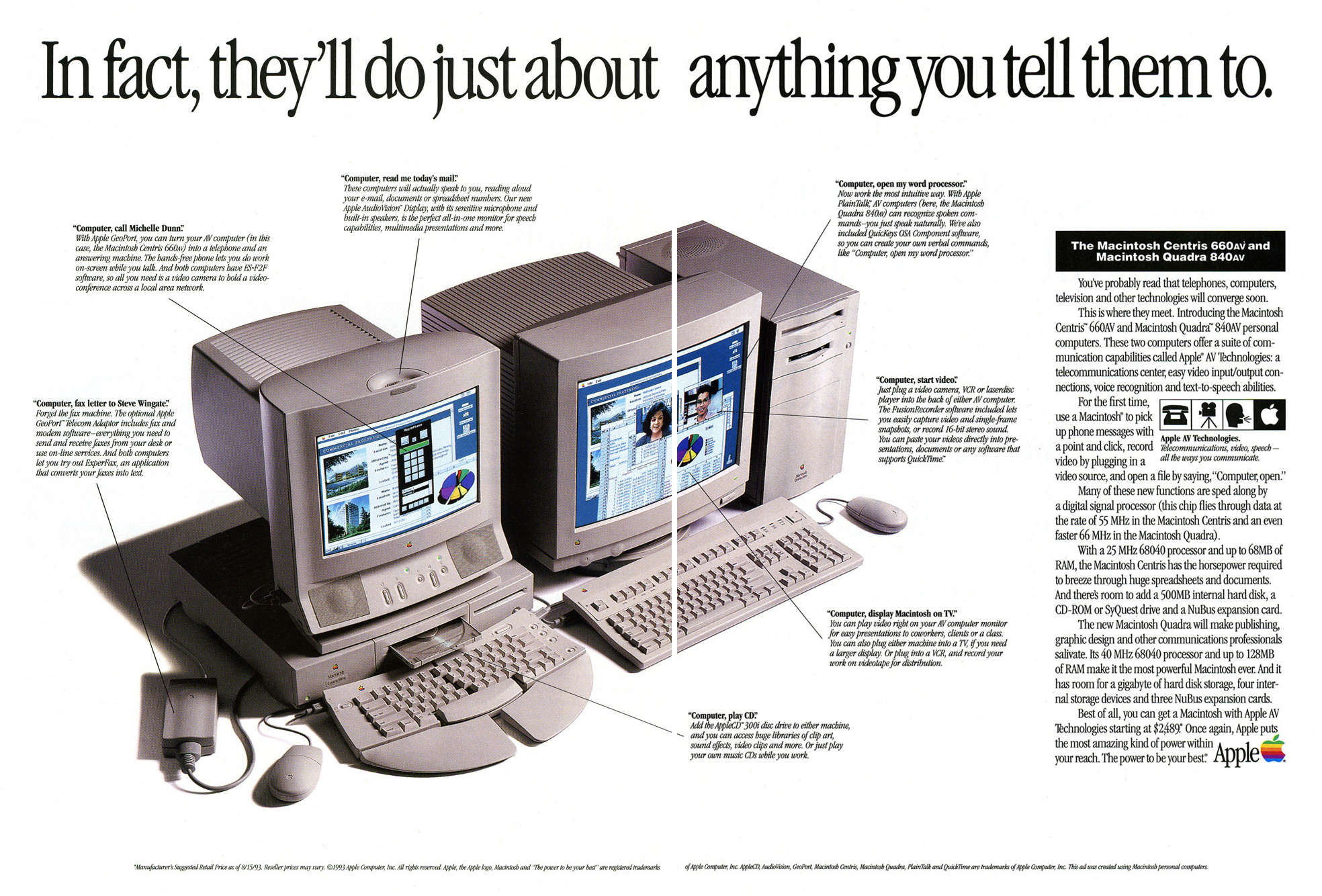
 July 29, 1993: Apple releases the Macintosh Centris 660av, a computer packed with innovative audiovisual features. These include an AppleVision monitor with microphone and speakers, and a port that can work as a modem with a telecom adapter. It also comes with PlainTalk, the first Apple software to recognize and synthesize speech.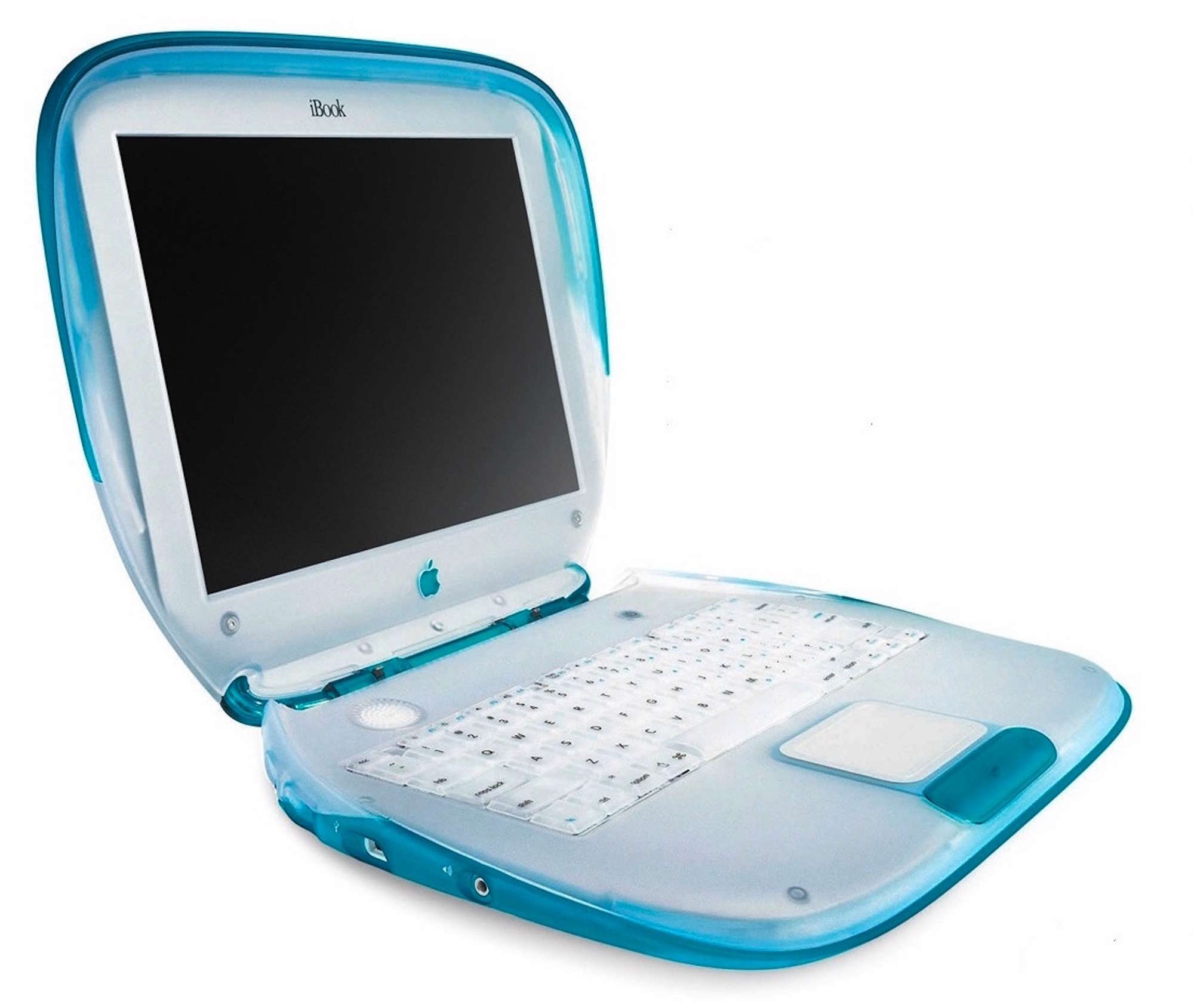
 July 21, 1999: The iBook, Apple’s colorful clamshell laptop that’s a hybrid of the iMac and the PowerBook, arrives and launches a Wi-Fi revolution.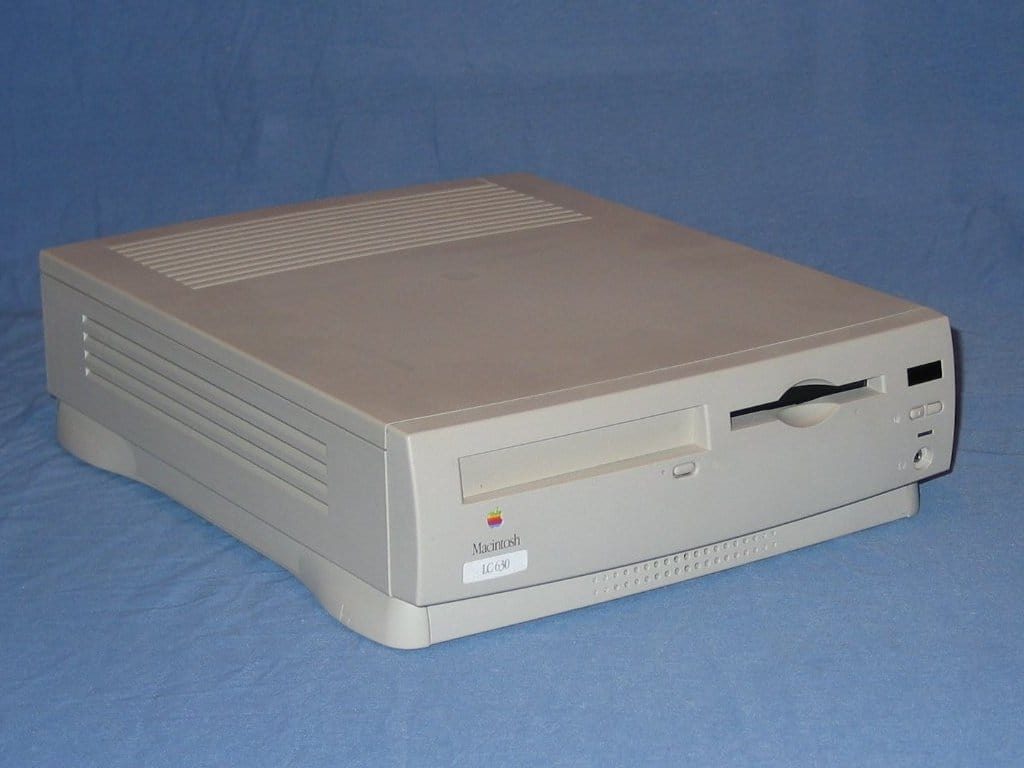
 July 18, 1994: Apple launches the Quadra, LC and Performa 630 Macintoshes, three similar computers with slight differences tailored for the professional, educational and home markets. Aimed at multimedia use, the new 630 series Macs bring innovative hardware and software at a much more affordable price than previous Apple computers.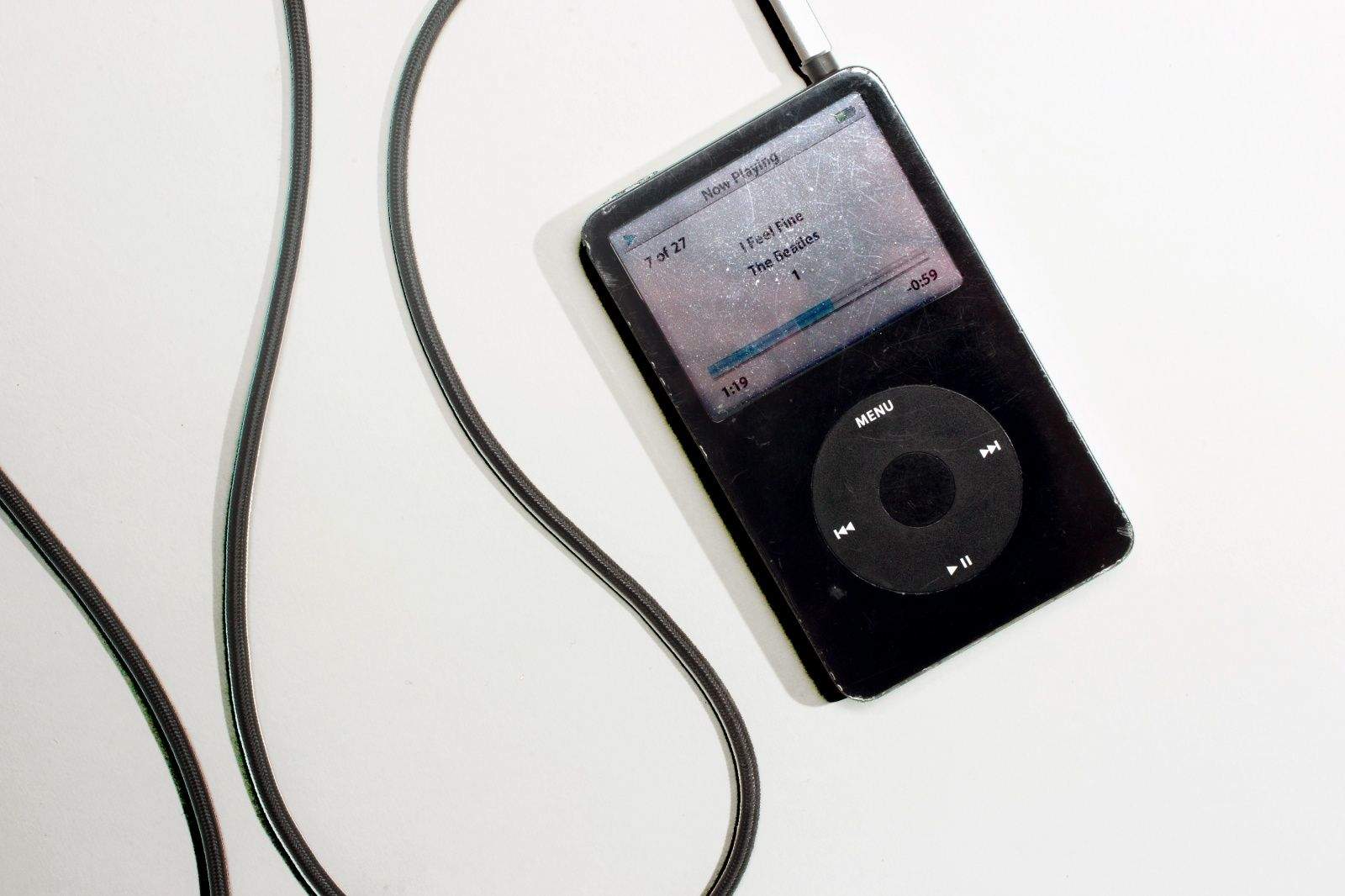
 July 14, 1995: The MP3 file format receives its official name as the new .bit file extension gets changed to .mp3. The technology allows the compression of a standard CD .wav file to one-tenth its original size, courtesy of some smart algorithms. The format will revolutionize the music industry — and put Apple on the road to world dominance with the iPod.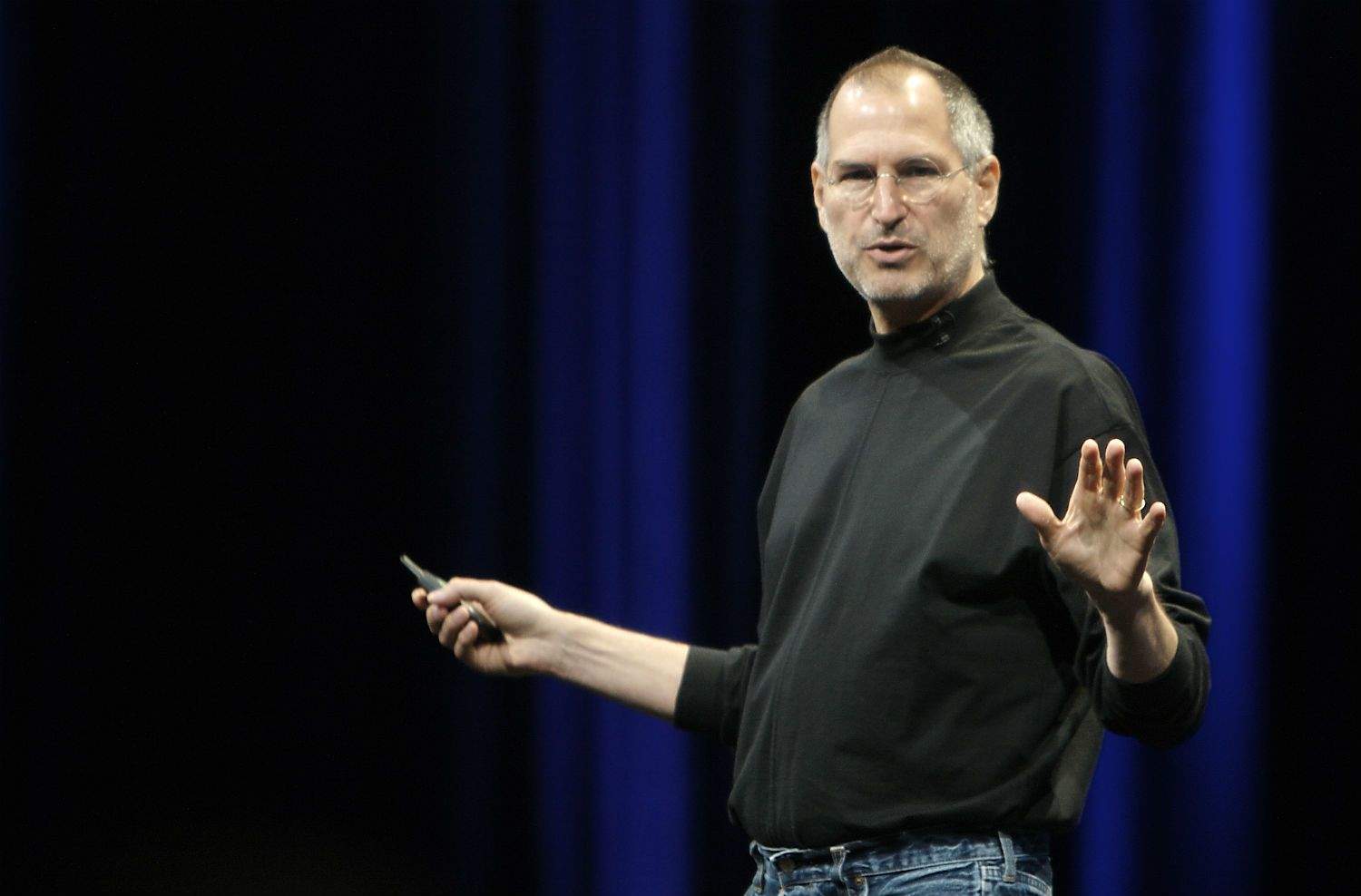
 July 8, 1997:
 July 6, 1997: Following a massive quarterly loss for Apple, board member Edgar S. Woolard Jr. calls CEO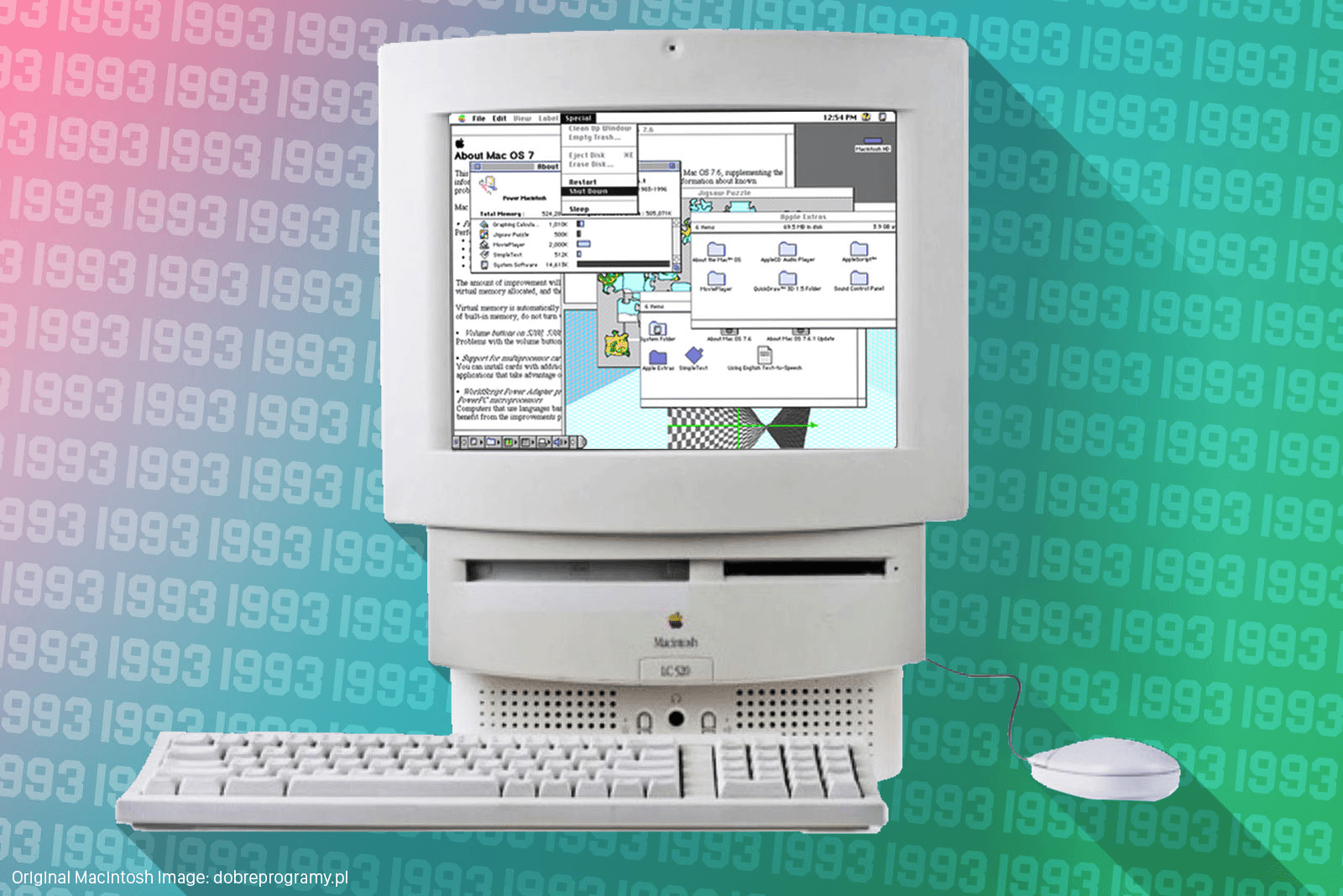
 June 28, 1993: Apple ships the Macintosh LC 520, an “all-in-one” Mac targeted primarily at the education market.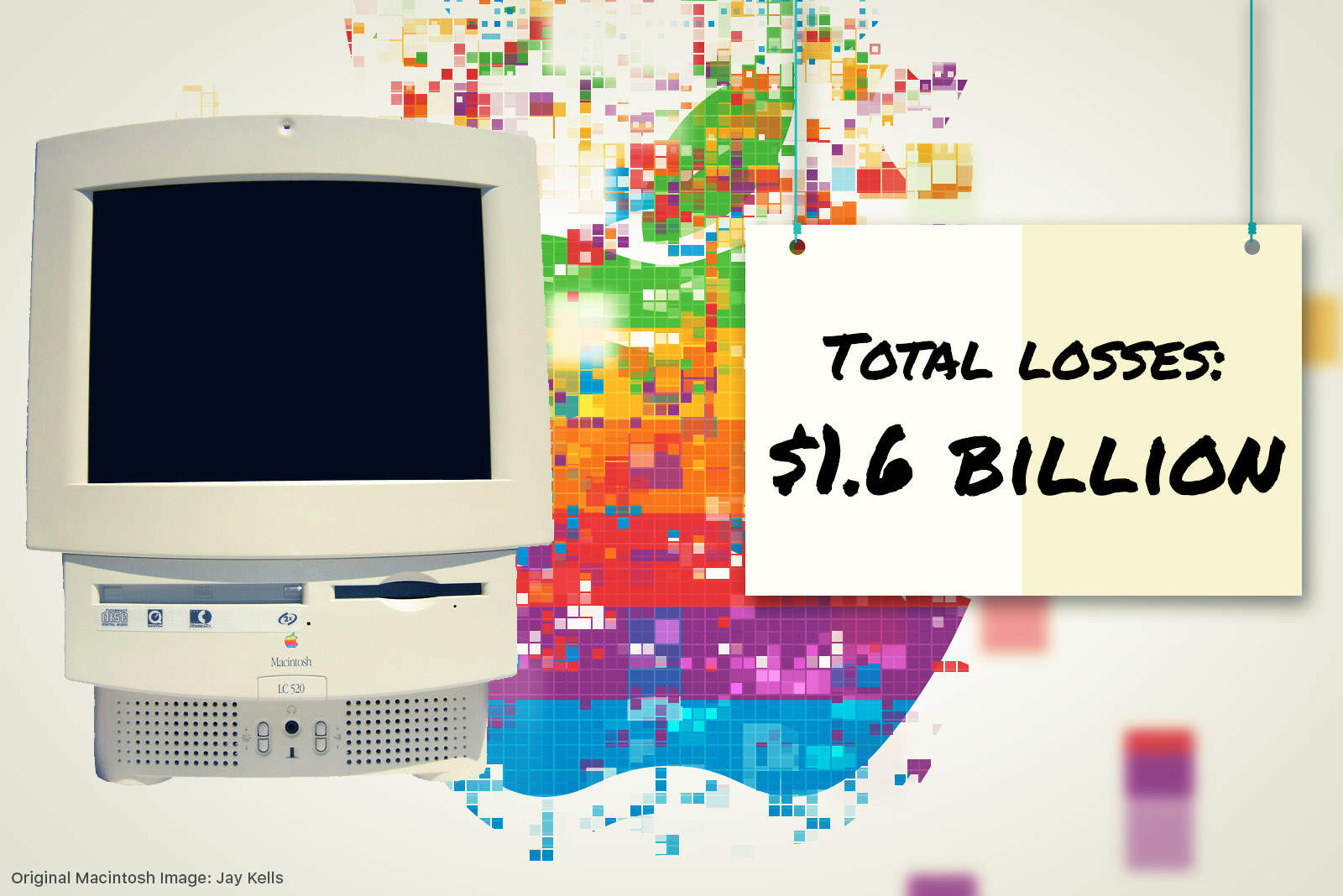
 June 27, 1997: The last day of another disappointing quarter brings an end to CEO Gil Amelio’s 500 days running Apple.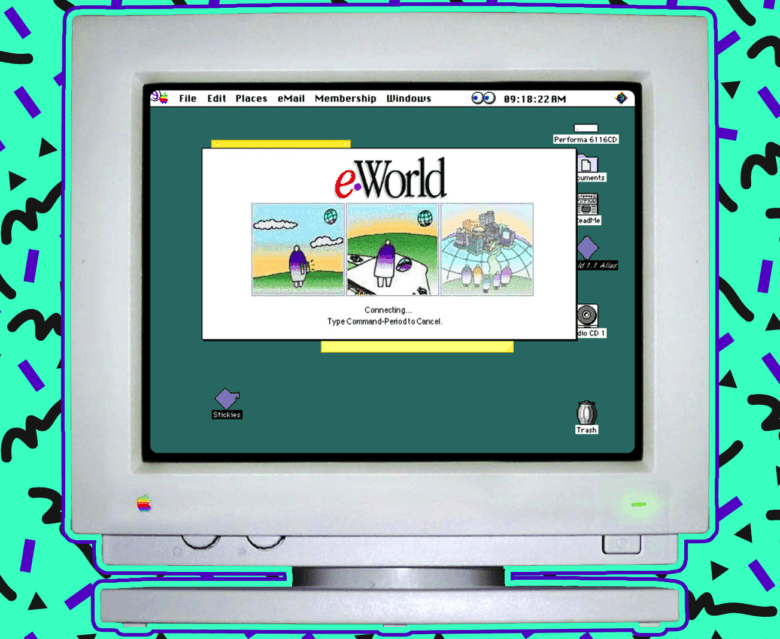
 June 20, 1994: Apple launches eWorld, a subscription service for Mac owners that’s designed to compete with America Online and other nascent online properties. Part messaging service and part news aggregator, the early internet service gives customers access to email, a bulletin board, and software downloads and support.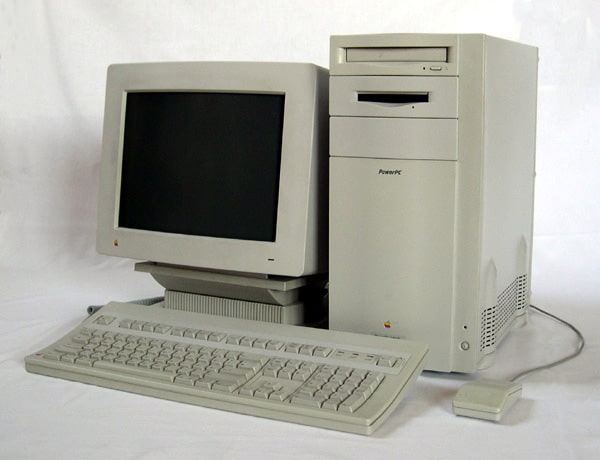
 June 19, 1995: Apple releases the Power Macintosh 9500, a high-end Mac that boasts a second-generation PowerPC chip that’s much faster than its predecessor.
 June 18, 1993: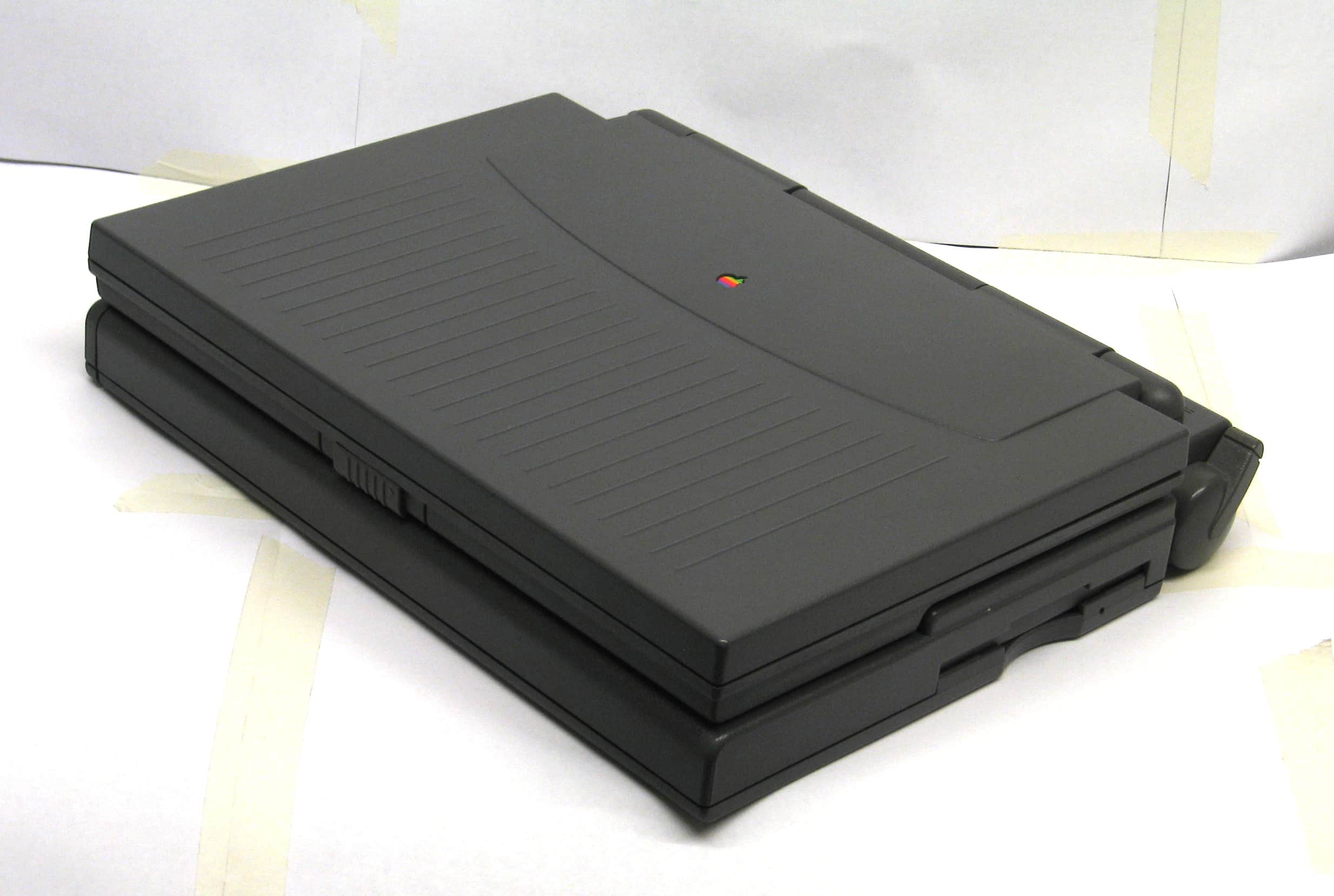
 June 7, 1993: Apple debuts the PowerBook 180c, a solid upgrade that brings a world of dazzling colors to the company’s laptop line.
 June 4, 1997: Mac clone-maker Power Computing hits its high point as the company’s top exec reaches an agreement with Apple concerning the forthcoming
 May 29, 1992: Apple demonstrates its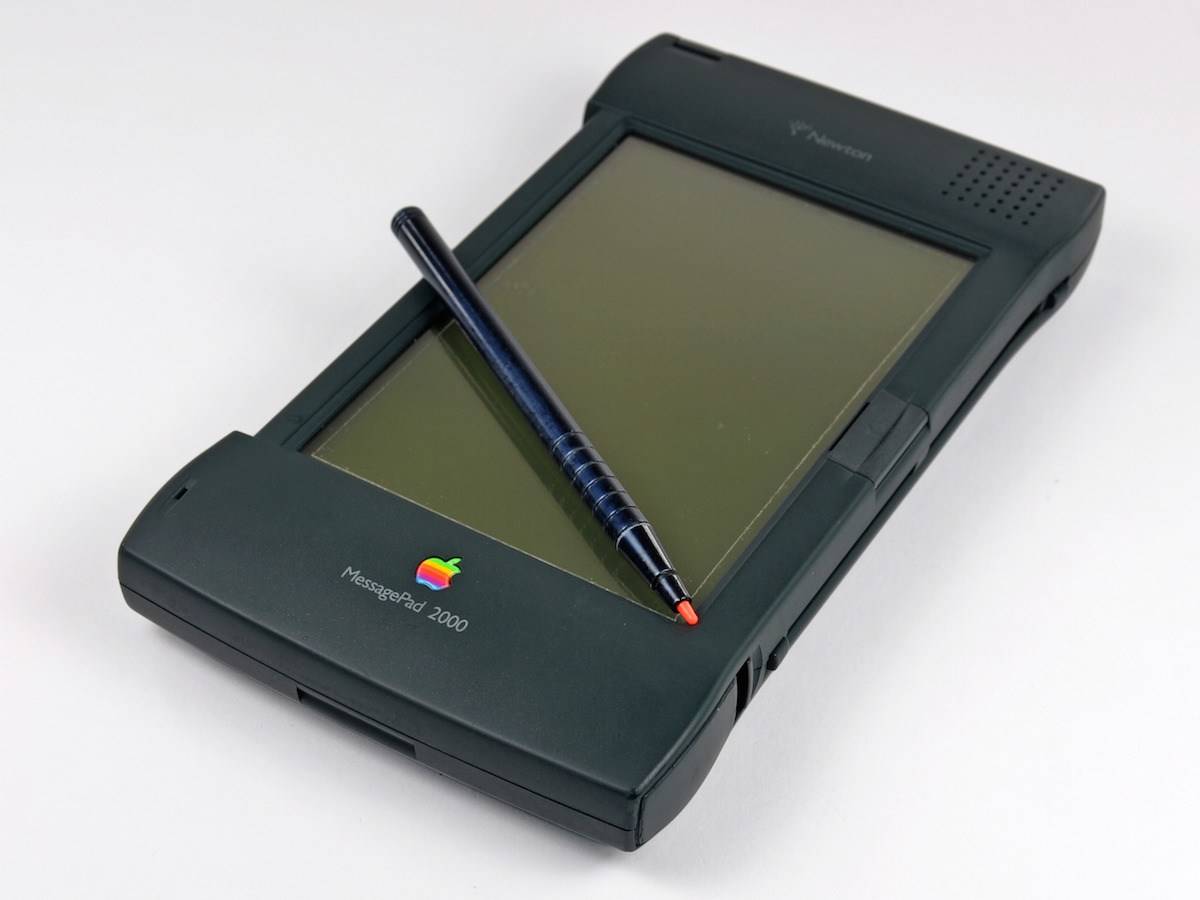
 May 22, 1997: Apple spins off its Newton division, creating an independent company to manage the line of personal digital assistants. Newton Inc.’s first job? Selling the MessagePad 2000 PDA, the best Newton device yet.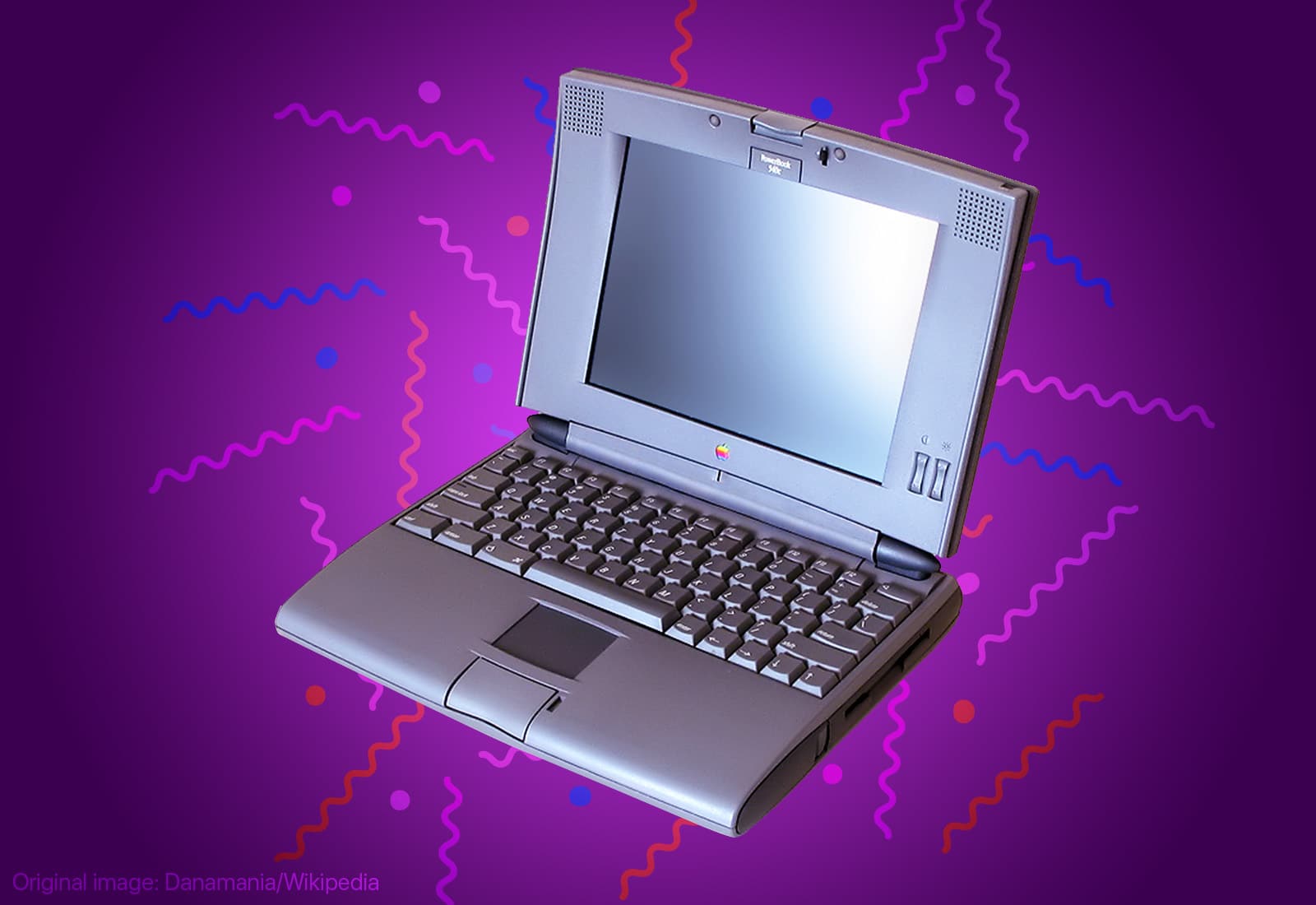
 May 16, 1994: Apple launches the PowerBook 540c, one of the best laptops in the company’s history.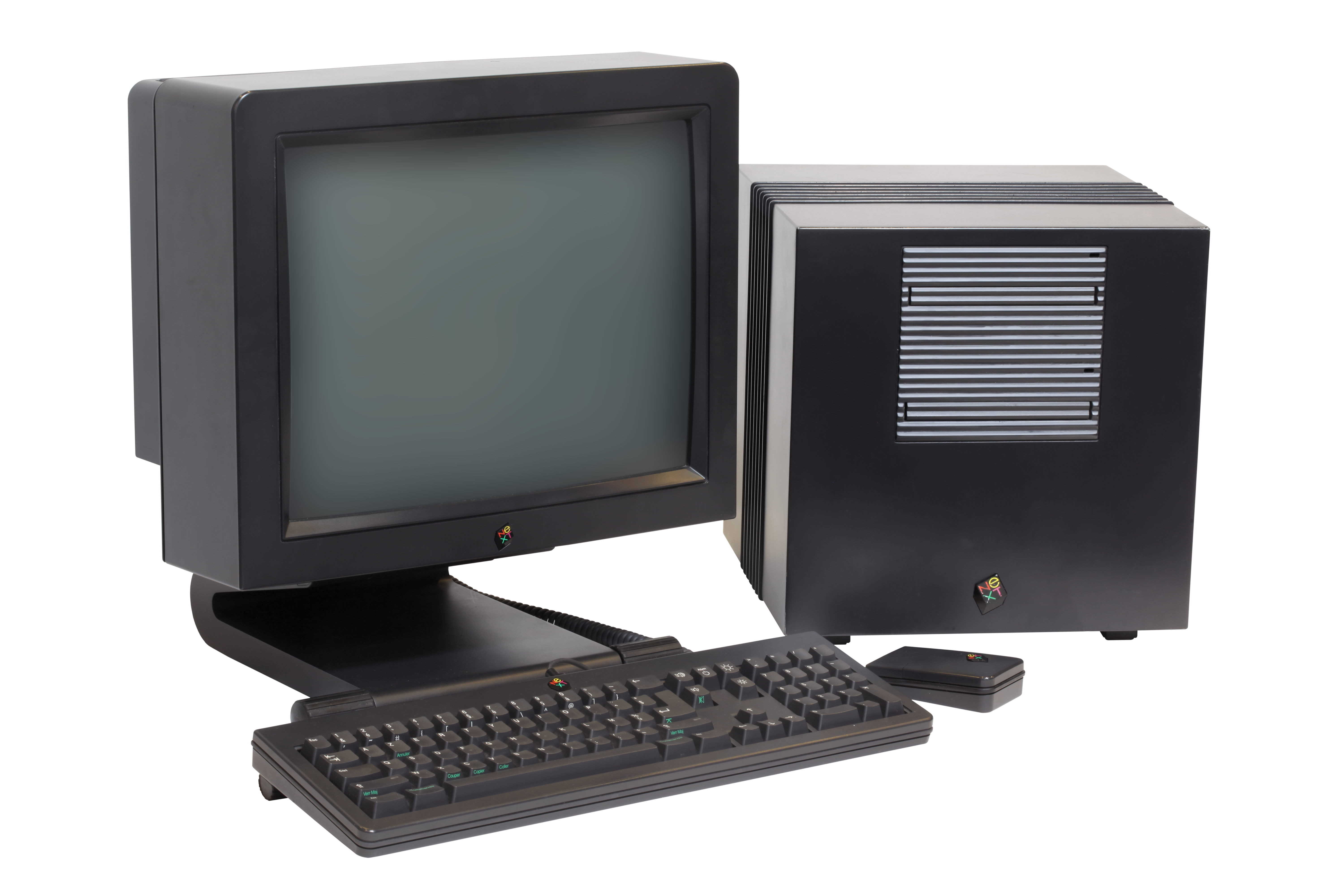
 May 14, 1992: Apple co-founder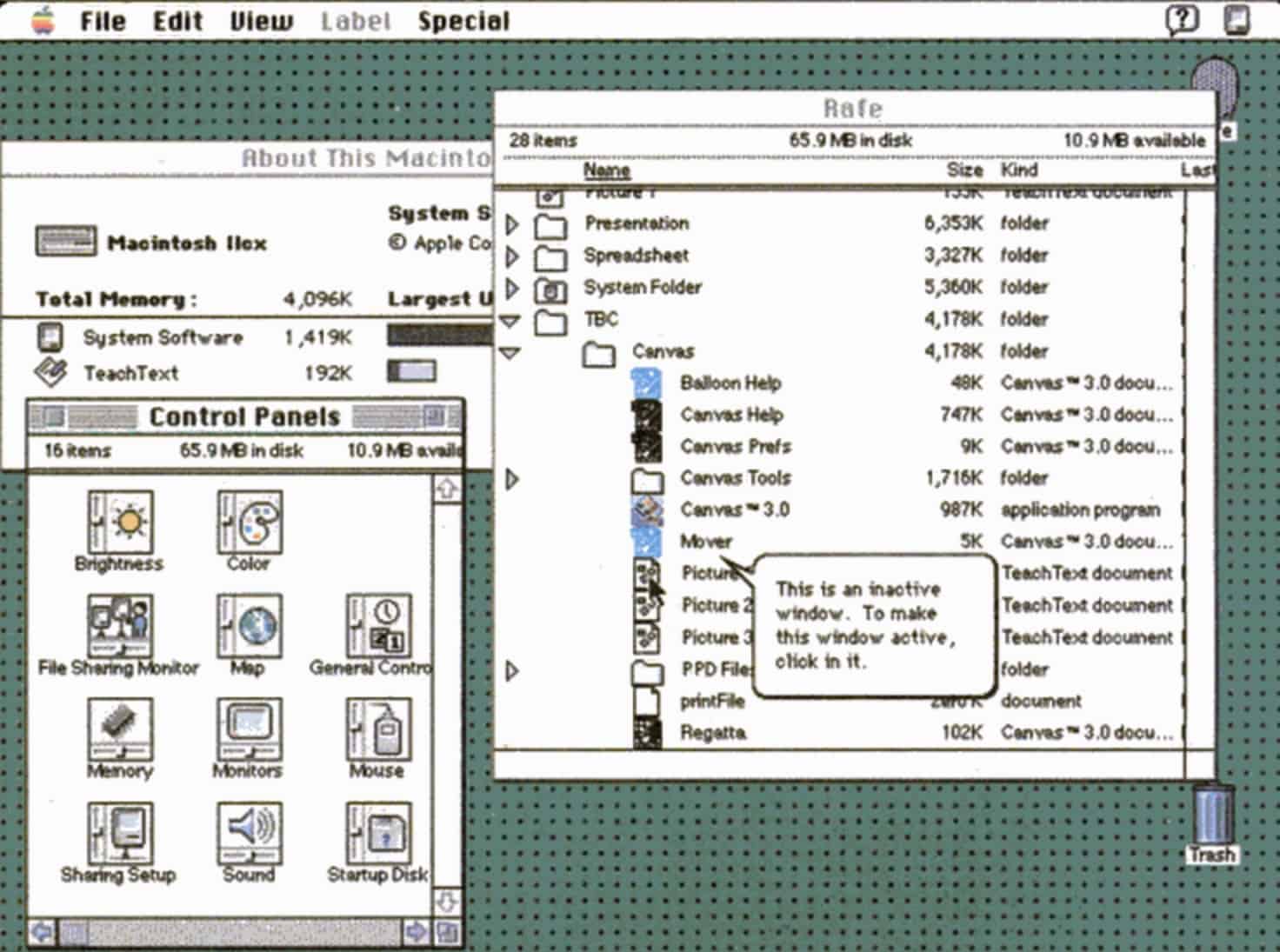
 May 13, 1991: Apple releases System 7, the biggest upgrade to the Mac operating system since the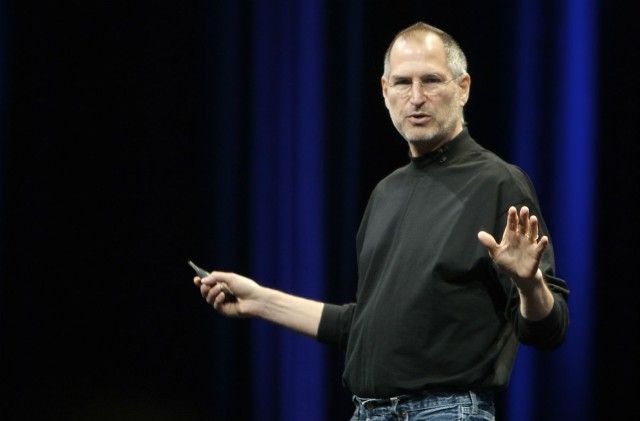
 May 11, 1998: As part of his mission to turn Apple around, CEO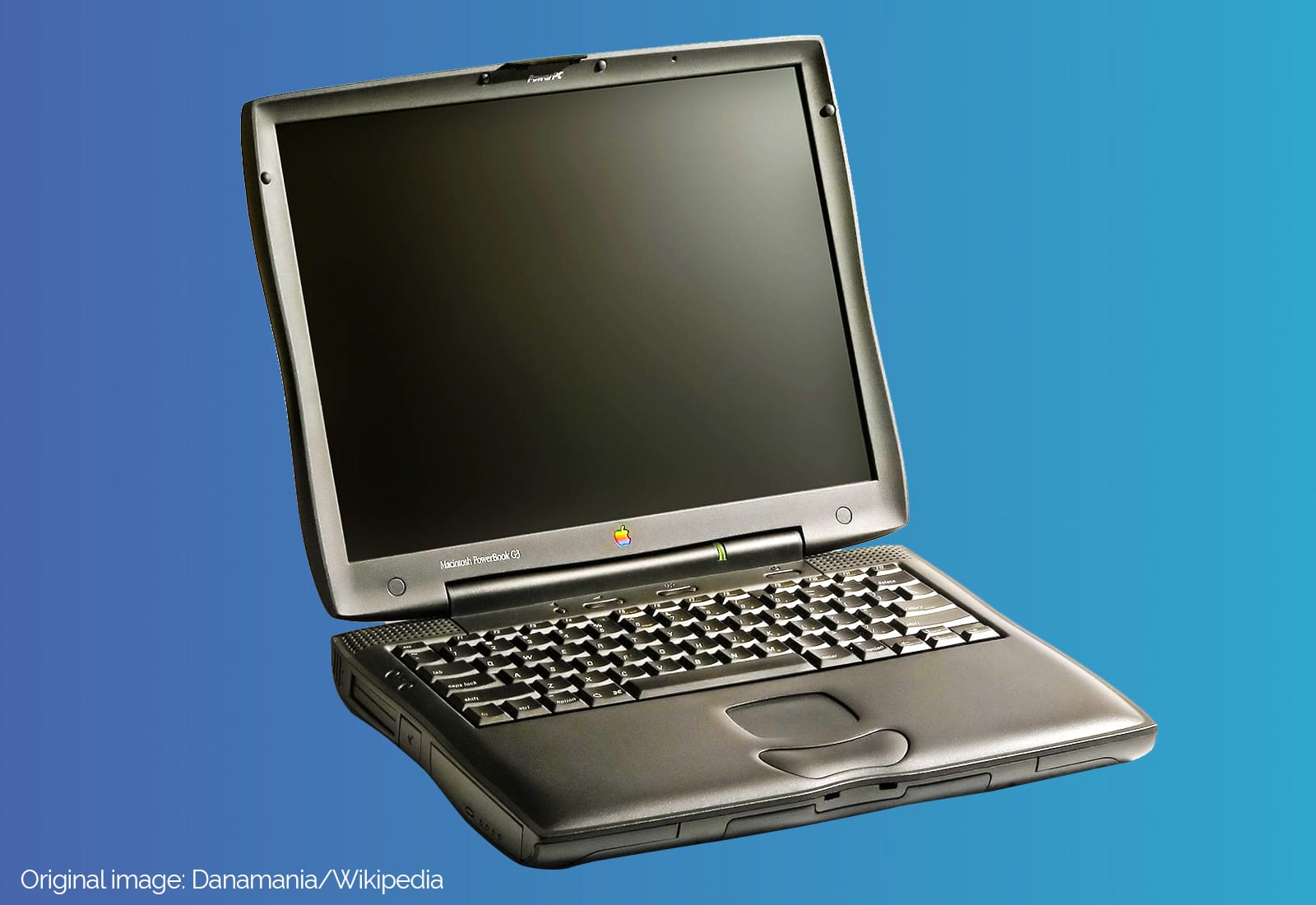
 May 10, 1999: The third-generation PowerBook G3 comes in 20% slimmer and 2 pounds lighter than its predecessor, but most people remember the laptop for its glowing Apple logo and the “bronze” keyboard.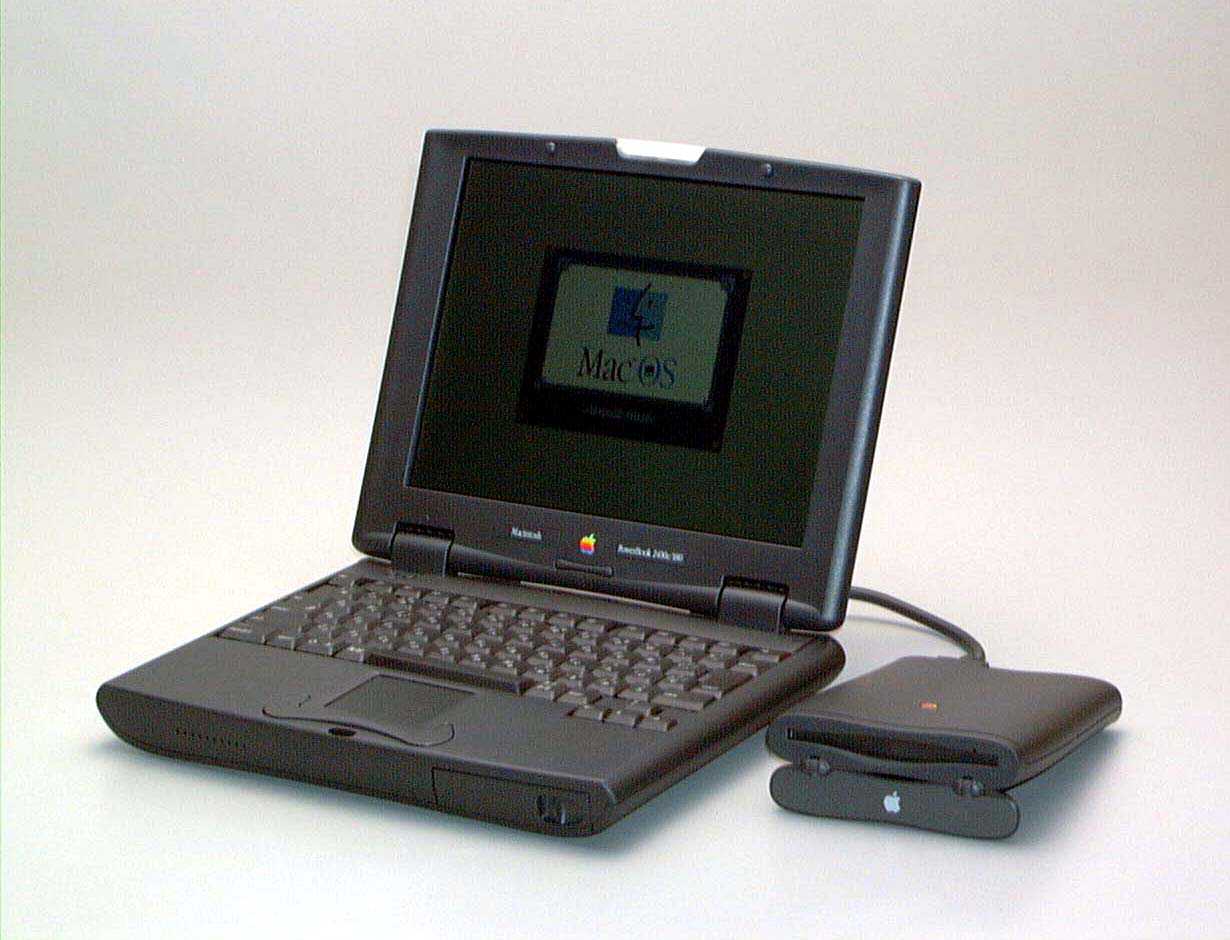
 May 8, 1997: Apple launches the PowerBook 2400c laptop, a 4.4-pound “subnotebook” that’s the MacBook Air of its day.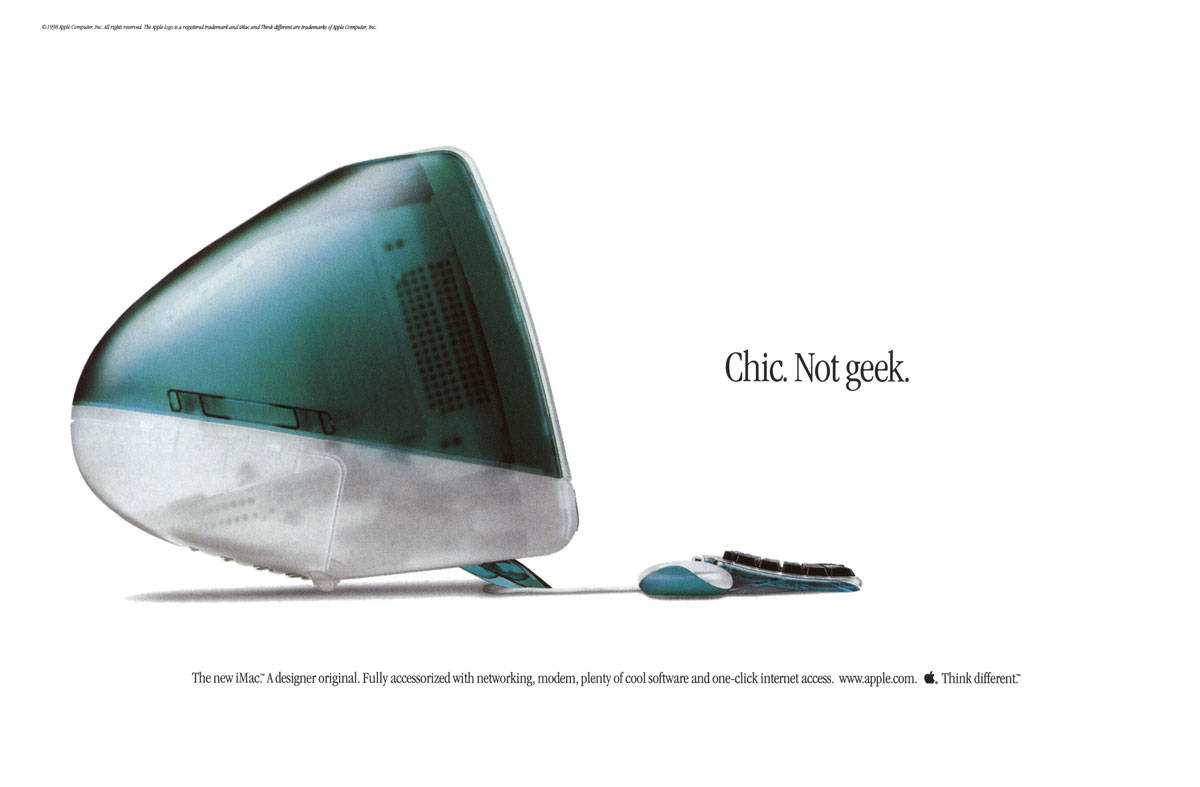
 May 6, 1998: Apple CEO Steve Jobs unveils the original iMac, a brightly colored, translucent computer that will help save the company. Coming just 10 months after Jobs’ new management team takes over, the iMac G3 loudly announces that the days of Apple quietly fading into the background are over.