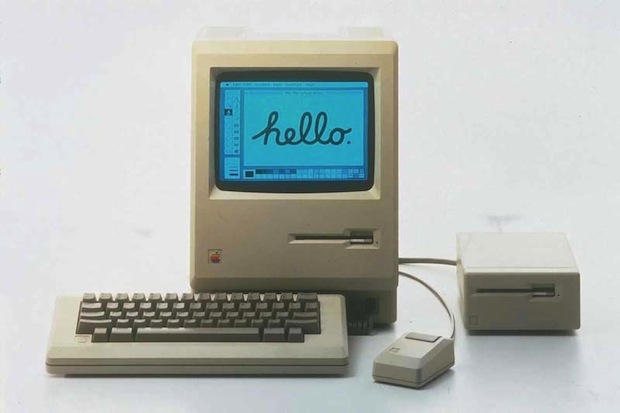
The "Fat Mac" solved one of the original Mac's biggest problems. Photo: Apple
September 10, 1984: Apple ships the Macintosh 512K, the first upgrade to the first-gen Macintosh 128K.
Coming less than eight months after the original Macintosh, the 512K Mac makes no sweeping changes to the computer’s form factor. Instead, the big upgrade is quadrupling the RAM. This leads Apple fans to refer to the computer as the “Fat Mac.”
The Us Festival was Steve Wozniak's first venture outside Apple. Photo: Glenn Aveni/Kickstarter
September 3, 1982: The US Festival, an extravagant music and technology event staged by Apple co-founder Steve Wozniak, kicks off in California. The festival costs $8 million to stage, and boasts appearances from some of the biggest musical acts of the day.
1985 marked a major turning point in Steve Jobs' life as he prepared to leave Apple. Photo: ABC
September 2, 1985: Reports claim Apple co-founder Steve Jobs is on the verge of setting up a new company to compete with Cupertino. The rumors fly after Jobs sells Apple stock holdings worth $21.43 million.
For anyone who thinks speculation about Apple’s future is an invention of the blog era, today’s edition of “Today in Apple history” is a reminder that the tech rumor mill was alive and well in 1985.
This unassuming IBM Personal Computer started the Apple-versus-PC feud. Photo: Boffy B/Wikipedia CC
August 12, 1981: The launch of the IBM Personal Computer ignites a long-running Apple-versus-PC rivalry.
Secure in the Apple II’s technical superiority over the new PC, Apple welcomes International Business Machines to the personal computing party in a full-page ad in The Wall Street Journal. Things won’t stay positive for long, though.
MultiFinder let you switch between running applications from the Apple menu — you could even see two apps side by side on your desktop! Screenshot: D. Griffin Jones/Cult of Mac
August 11, 1987: The MultiFinder app brings the biggest software update to the Mac since the computer’s launch. Baked into Macintosh System Software 5, MultiFinder allows multitasking with two apps on screen for the first time.
While MultiFinder brings an undeniable boost to the Macintosh’s technical capabilities, it is built on a shaky foundation that soon begins to show its age.
The Mac SE FDHD was a mouthful to say -- but what a computer! Photo: Vetronic's Apple World
August 1, 1989: Apple gives the Macintosh SE a storage bump, courtesy of the new SuperDrive in the new Mac SE FDHD. The high-density floppy disks the SuperDrive uses offer an astonishing 1.4MB of storage.
In terms of portable storage, it’s a big step up for most Mac owners. The HD floppy disks compare very favorably to the 400KB single side double density (SSDD) disks and 800KB double side double density (DDSD) disks in use at the time.
Kate Winslet (left) played Mac marketing guru Joanna Hoffman in Danny Boyle's Steve Jobs biopic. Photos: Kate Winslet/Apple
July 27, 1955: Joanna Hoffman, who will join the original Macintosh and NeXT teams and become Steve Jobs’ first right-hand woman, is born in Poland.
Six months younger than Jobs, the marketing executive is one of the few people willing and able to stand up to the oftentimes-fierce Apple co-founder during the first part of his career.
Windows used a number of elements of the Mac UI. Photo: Ste Smith/Cult of Mac
July 25, 1989: Apple suffers a major setback in its copyright-infringement lawsuit against Microsoft for allegedly stealing the Mac’s “look and feel” to create Windows.
Apple sued Microsoft on 189 counts of copyright infringement relating to Windows 2.0.3. The judge overseeing the case throws out 179 of them. This paves the way for Microsoft’s dominance over Apple in the coming decade.
Steve Jobs' one and only trip to the Soviet Union yielded lots of intrigue. Image: Ste Smith/Cult of Mac
July 4, 1985: Apple co-founder Steve Jobs visits Moscow for the first time, with the aim of selling Macs to the Russians. During his two-day trip to the Soviet Union, Jobs lectures computer science students, attends a Fourth of July party at the American embassy and discusses opening a Mac factory in Russia.
He also reportedly almost runs afoul of the KGB by praising assassinated Marxist revolutionary Leon Trotsky.
Bill Gates took this strategy and made himself a multibillionaire. Photo: Fulvio Obregon
June 25, 1985: Microsoft co-founder Bill Gates sends a memo to Apple execs suggesting that Cupertino should license its Mac operating system and additional technology to other companies.
Apple CEO John Sculley and Macintosh boss Jean Louis Gassée ignore the advice of the 30-year-old Gates, who at the time is best known as a Mac developer. Five months later, Microsoft releases Windows 1.0.
Steve Jobs thought ditching ad agency Chiat/Day proved Apple had lost its creative mojo. Photo: Apple and Chiat/Day
May 27, 1986: An exiled Steve Jobs takes a shot at Apple after the company ditches Chiat/Day, the ad agency that created the iconic “1984” Macintosh ad. In a full-page ad published in The Wall Street Journal, Jobs says the move to competing ad agency BBDO shows that “caretakers” rather than “builders” now run Apple.
From his perspective, it confirms that the company he co-founded has lost its revolutionary spirit.
May 23, 1985: Bitter about being ousted from his position running the Macintosh division, Steve Jobs attempts to stage a boardroom coup to seize control of Apple from CEO John Sculley.
The 30-year-old Apple co-founder plans to overthrow Sculley while the CEO is away on a business trip in China. Unfortunately for Jobs, he makes a critical mistake when he tries to recruit the support of Apple executive Jean-Louis Gassée, who informs Sculley of the plot.
It’s the beginning of the end for Jobs’ first tenure at Apple.
With AppleLink Personal Edition, Cupertino tried its hand at bringing the internet to the masses. Photo: Apple Confidential
May 20, 1988: Apple launches AppleLink Personal Edition, a user-facing online service that lets customers connect using a Mac-style user interface.
Years before Apple will get serious about its internet efforts, AppleLink offered a glimpse of things to come. Unfortunately for Apple, it did not become quite the hit many hoped!
John Sculley served as Apple's third president and CEO. Photo: Web Summit/Flickr CC
May 17, 1983: John Sculley takes the helm as Apple’s third president and CEO. The former Pepsi-Cola boss is short on tech experience but long on marketing, which will become increasingly important as the personal computer revolution ramps up.
Steve Jobs personally lured Sculley to Apple using one of the most famous lines in the history of business. “Do you want to spend the rest of your life selling sugared water,” Jobs asked Sculley, “or do you want a chance to change the world?”
The original Mac was a smash hit. Sort of. Photo: iFixit
May 3, 1984: Apple marks the all-important first 100 days of Mac sales, signaling whether the product launch is a hit with customers.
The results outstrip even Steve Jobs’ most optimistic targets. Unfortunately, not everything is as positive as it seems following the successful Mac launch.
The problems encountered by the Apple III sound strangely familiar. Photo: Alker33/YouTube
April 15, 1981: Apple CEO Mike Markkula defends the struggling Apple III computer with a surprisingly straightforward admission. The comment comes even as the company pushes an unorthodox “fix” for the Apple III motherboard, which tends to overheat due to a questionable design.
“It would be dishonest for me to sit here and say that it’s perfect,” Markkula tells The Wall Street Journal, after critics blast the new computer for its overheating motherboard. Apple’s official solution to the problem? Ask users to drop their Apple III from a height of 6 inches to reseat the chips.
April 14, 1986: The “low-cost” Macintosh 512Ke brings hardware upgrades — and a bit of confusion — to the low end of the Mac lineup.
The Mac 512Ke is an “enhanced” (hence the “e”) model of the Mac 512K. The upgrade addresses complaints that the original Mac lacked enough memory. The 512Ke adds a double-density 800KB floppy drive and a 128KB ROM to the Mac 512K formula.
Steve Jobs was distraught at being removed as general manager of the Mac division. Photo: iFixit
April 10, 1985: During a fateful meeting, Apple CEO John Sculley threatens to resign unless the company’s board of directors removes Steve Jobs as executive VP and general manager of the Macintosh division.
Sculley’s threat triggers a series of events that ultimately will result in Jobs’ exit. The marathon board meeting — which continues for several hours the next day — leads to Jobs losing his operating role within the company. However, the Apple board allows him to stay on as chairman. Things won’t exactly play out like that.
John Sculley goes from pushing Pepsi to running Apple. Photo: Web Summit/Flickr CC
April 8, 1983:John Sculley, former president of PepsiCo, takes charge as Apple’s third CEO.
Despite a total lack of experience selling tech products, Sculley is lured to Apple by Steve Jobs himself. The Apple co-founder famously pitched the Pepsi exec with the line, “Do you want to spend the rest of your life selling sugared water or do you want a chance to change the world?”
April 6, 1939: John Sculley is born in New York City. He will grow up to be hailed as a business and marketing genius, eventually overseeing Apple’s transformation into the most profitable personal computer company in the world.
After a remarkable stint as president of Pepsi-Cola, Sculley will take over as Apple’s third CEO in 1983. He will run Apple for a 10-year period, guiding the creation of the revolutionary Newton MessagePad.
During Sculley’s decade at the helm, Apple will sell more personal computers than any other company. But most people still remember him for his role in kicking Apple co-founder Steve Jobs out of Cupertino.
The original ad for the Z-80 SoftCard. Photo: Microsoft
April 2, 1980: Microsoft releases its first hardware product, the Z-80 SoftCard. A microprocessor card that plugs into the Apple II, it allows the computer to run programs designed for the CP/M operating system, a popular OS for business software.
Arriving several years before the first version of Windows, the Z-80 SoftCard quickly becomes a big hit for Microsoft.
Windows 2.0 borrowed several elements from the Mac user interface. Photo illustration: Ste Smith/Cult of Mac
March 17, 1988: Apple sues Microsoft for allegedly stealing 189 different elements of its Macintosh operating system to create Windows 2.0.
The incident, which causes a deep rift between Apple and one of its top developers, paves the way for an epic battle between the two companies that will rage for years.
Although four Mac models already have been released, the definitive, full-number name of the Macintosh II makes clear that this is a major upgrade for the product line. With a massive hardware boost, optional color display (!) and a new open architecture, it does not disappoint!
This was one of the worst (and one of the most significant) days in Apple history. Photo: Bonhams
February 25, 1981: Apple CEO Michael Scott oversees a mass firing of employees, then holds a massive party. The Apple layoffs follow a hiring boom that led to what Scott called a “bozo explosion” at the company. They also stand as an early sign that the fun startup culture of Apple’s early days are gone forever.
“I used to say that when being CEO at Apple wasn’t fun anymore, I’d quit,” he tells a crowd of Apple staffers. “But now I’ve changed my mind — when being CEO isn’t fun anymore, I’ll just fire people until it is fun again.”
For many people at Apple, the day is the worst in company history.
 September 10, 1984: Apple ships the Macintosh 512K, the first upgrade to the first-gen Macintosh 128K.

 September 3, 1982: The US Festival, an extravagant music and technology event staged by Apple co-founder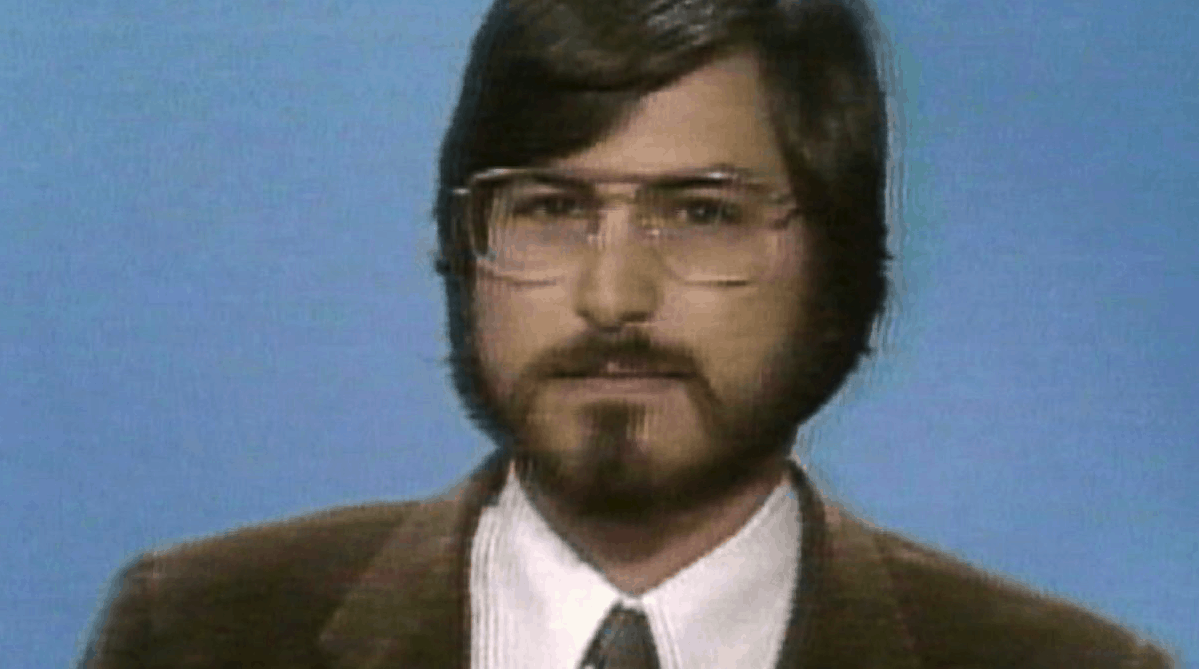
 September 2, 1985: Reports claim Apple co-founder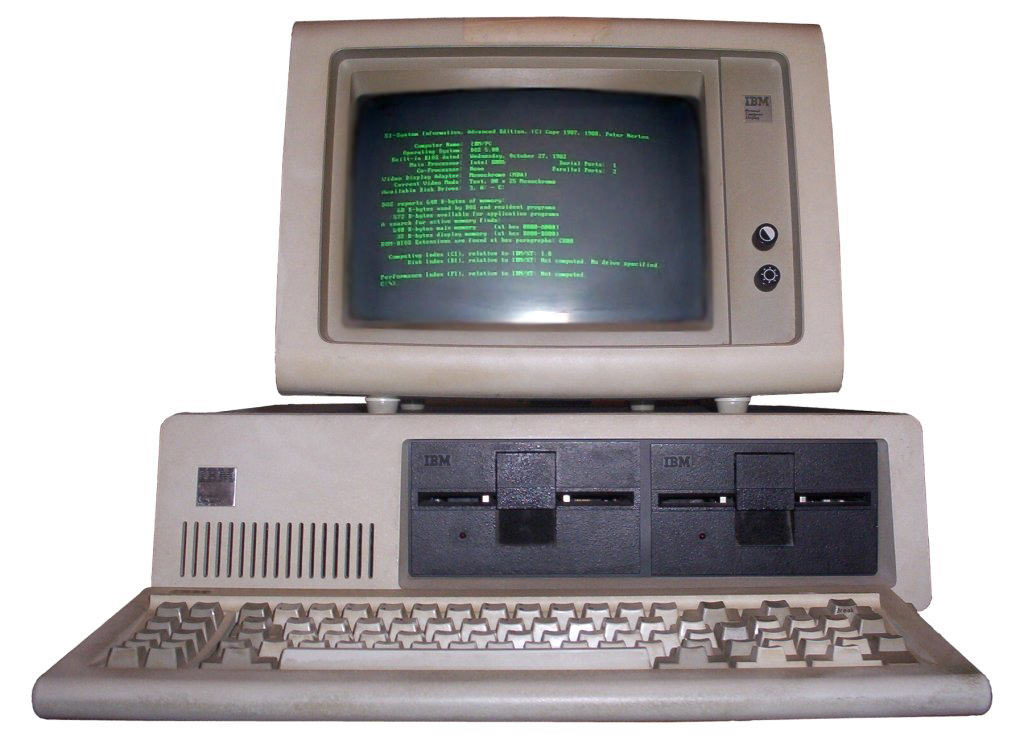
 August 12, 1981: The launch of the IBM Personal Computer ignites a long-running Apple-versus-PC rivalry.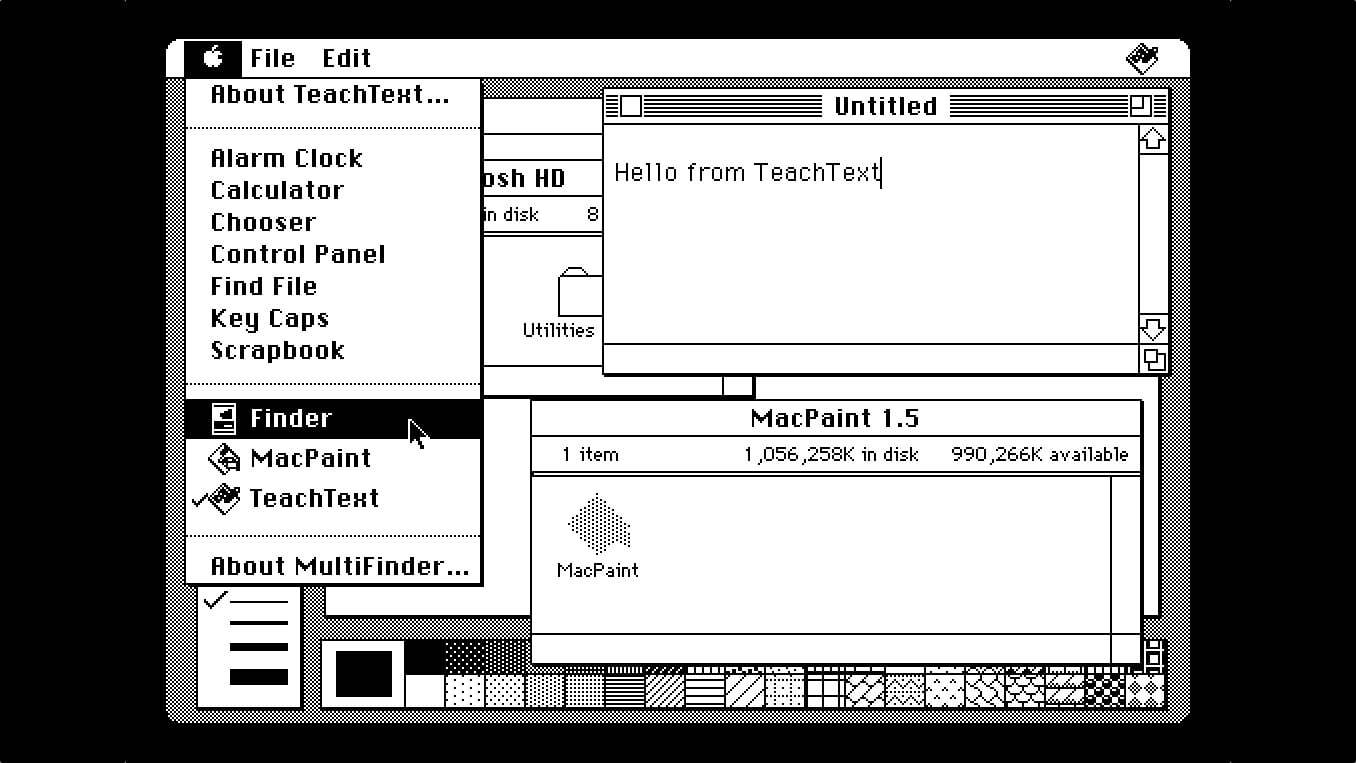
 August 11, 1987: The MultiFinder app brings the biggest software update to the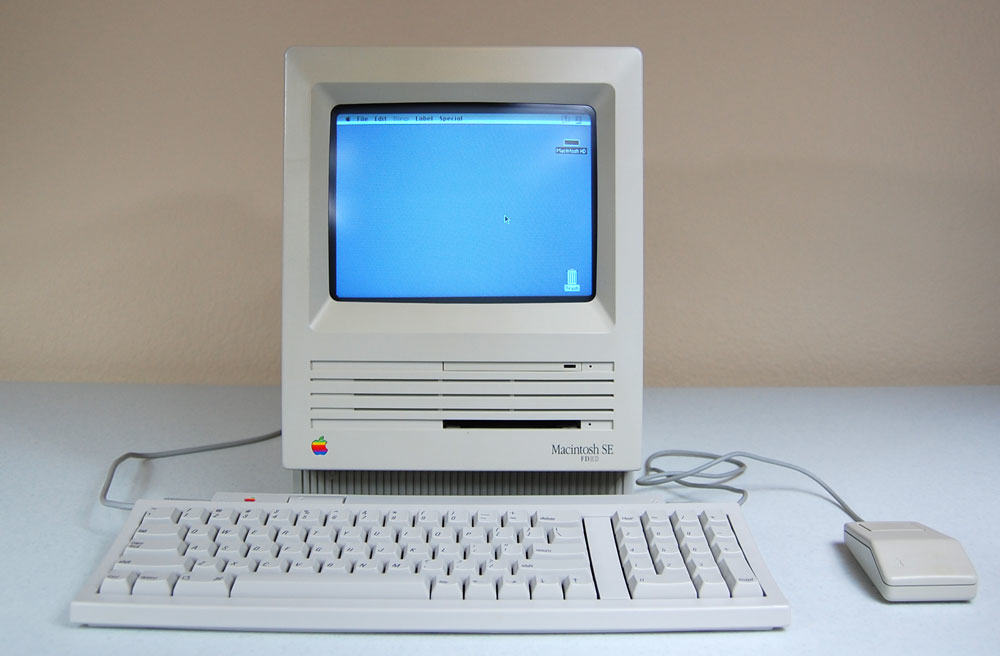
 August 1, 1989: Apple gives the Macintosh SE a storage bump, courtesy of the new SuperDrive in the new Mac SE FDHD. The high-density floppy disks the SuperDrive uses offer an astonishing 1.4MB of storage.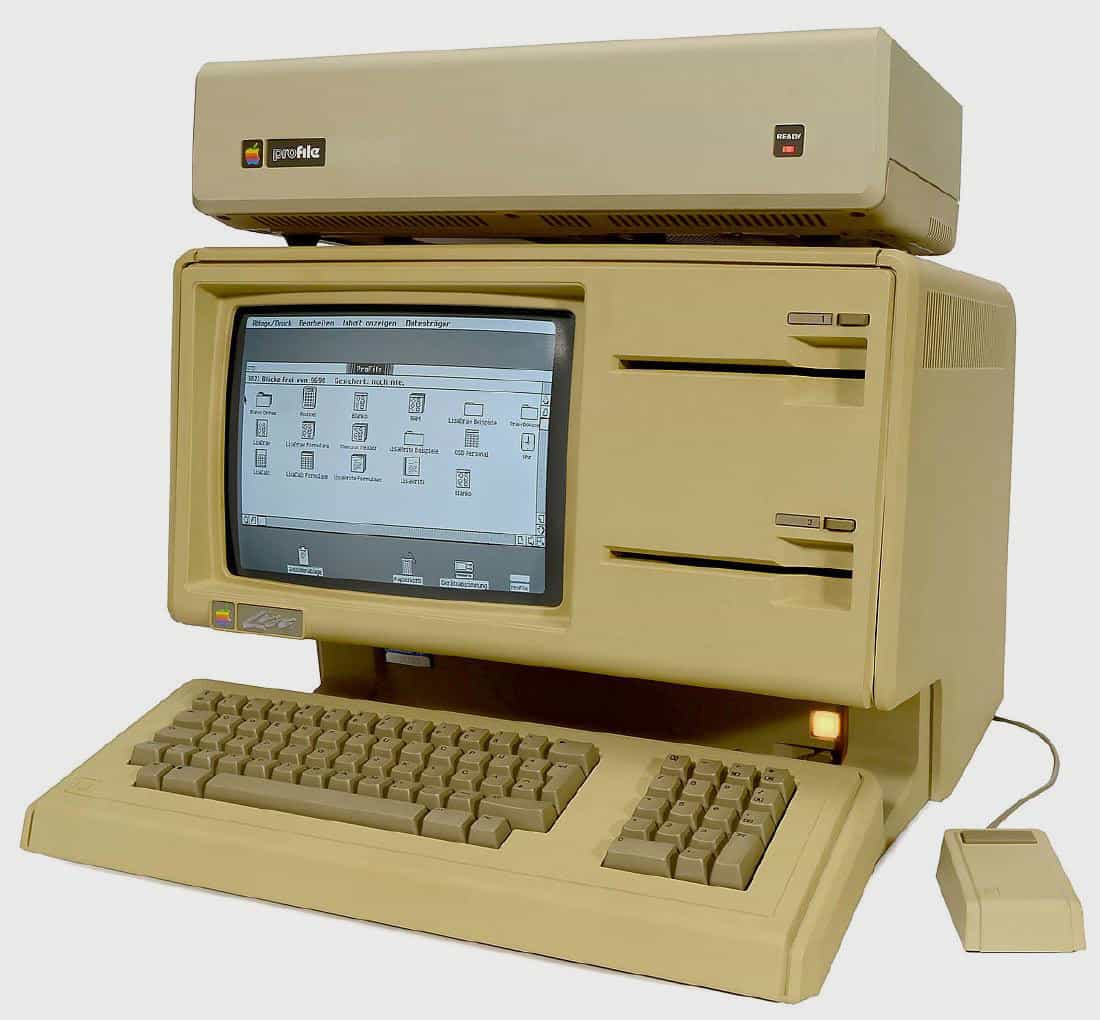
 July 30, 1979: Apple engineers begin work on the Lisa computer, the company’s first machine to come with a graphical user interface and mouse.
 July 27, 1955: Joanna Hoffman, who will join the original Macintosh and NeXT teams and become Steve Jobs’ first right-hand woman, is born in Poland.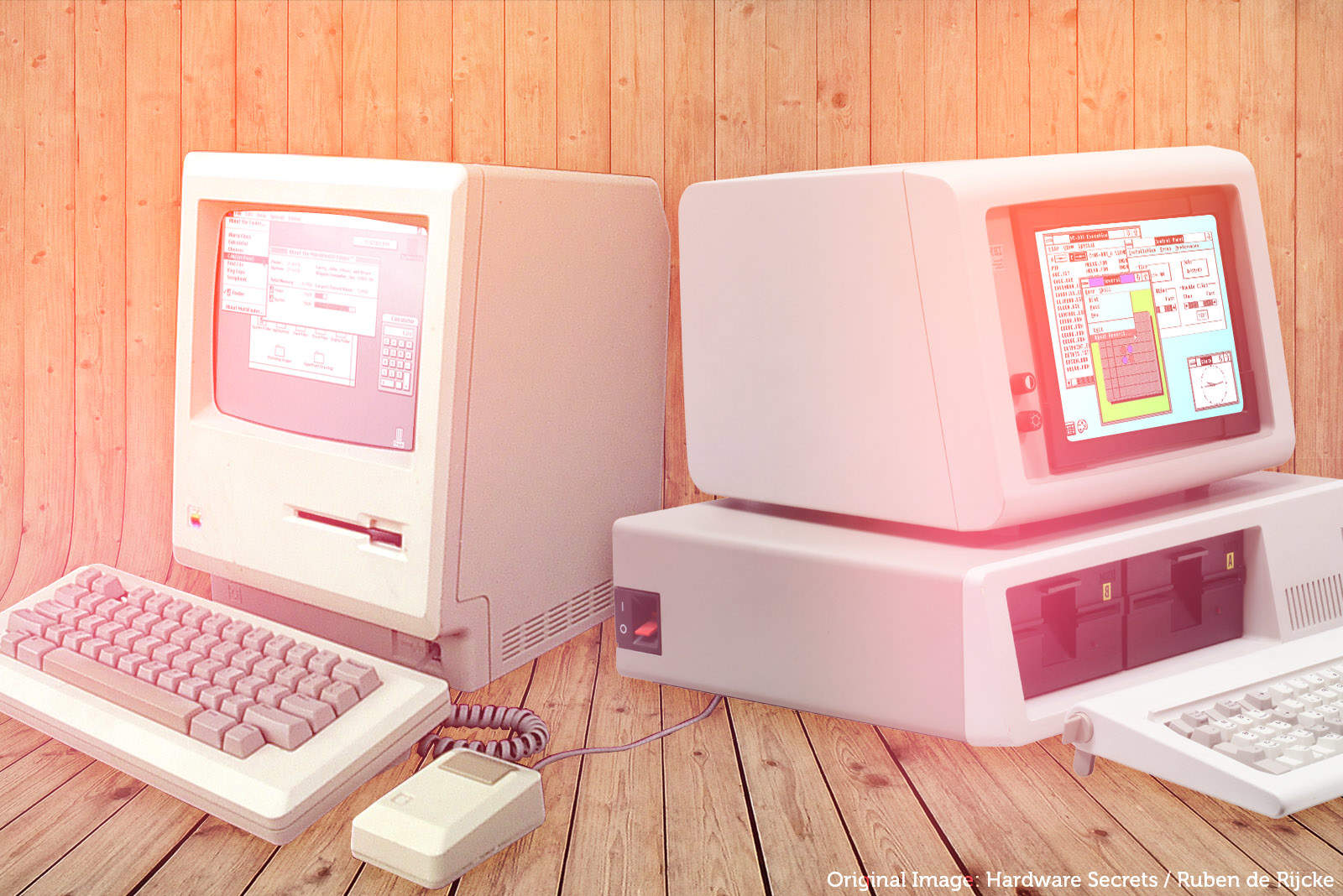
 July 25, 1989: Apple suffers a major setback in its copyright-infringement lawsuit against Microsoft for allegedly stealing the Mac’s “look and feel” to create Windows.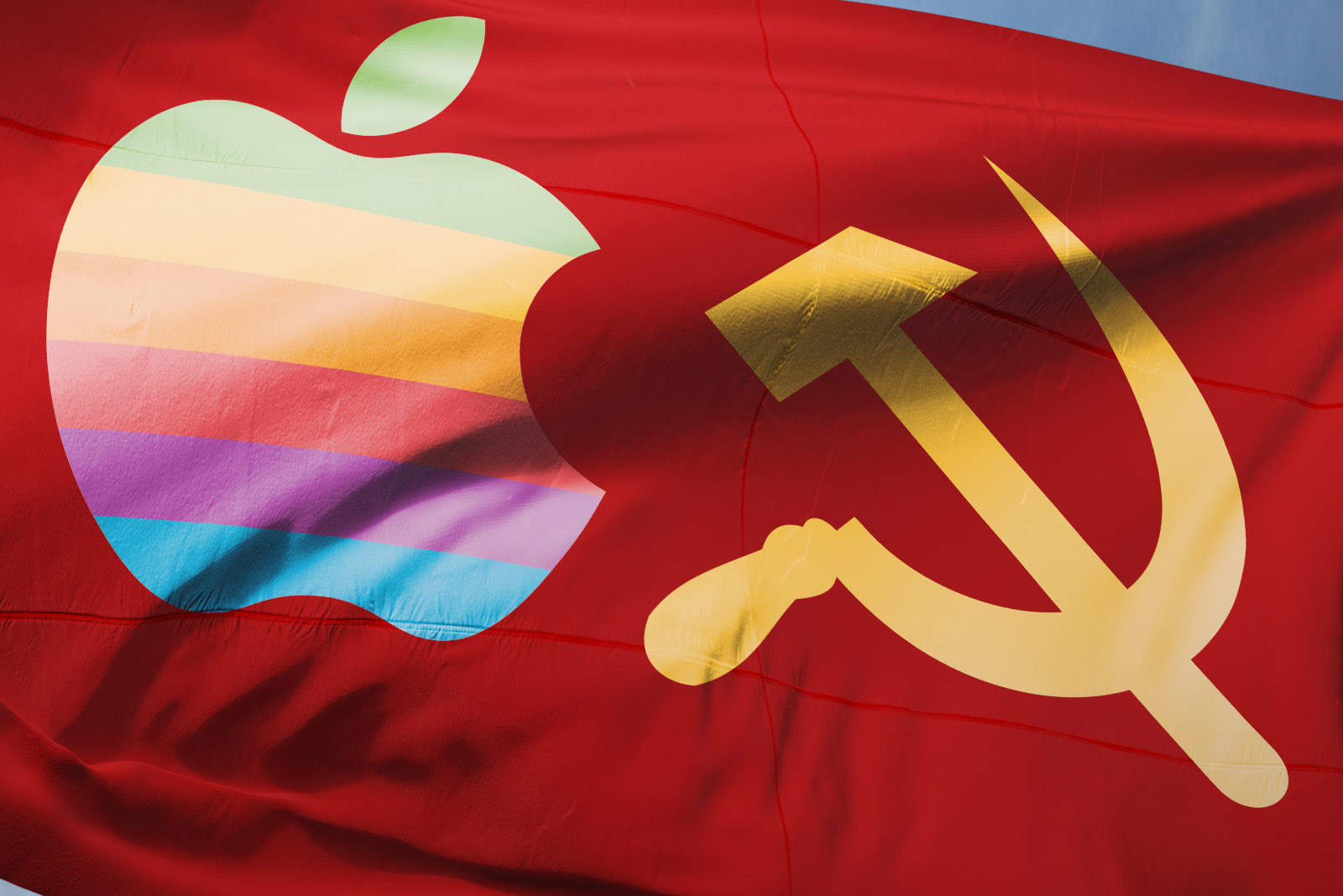
 July 4, 1985: Apple co-founder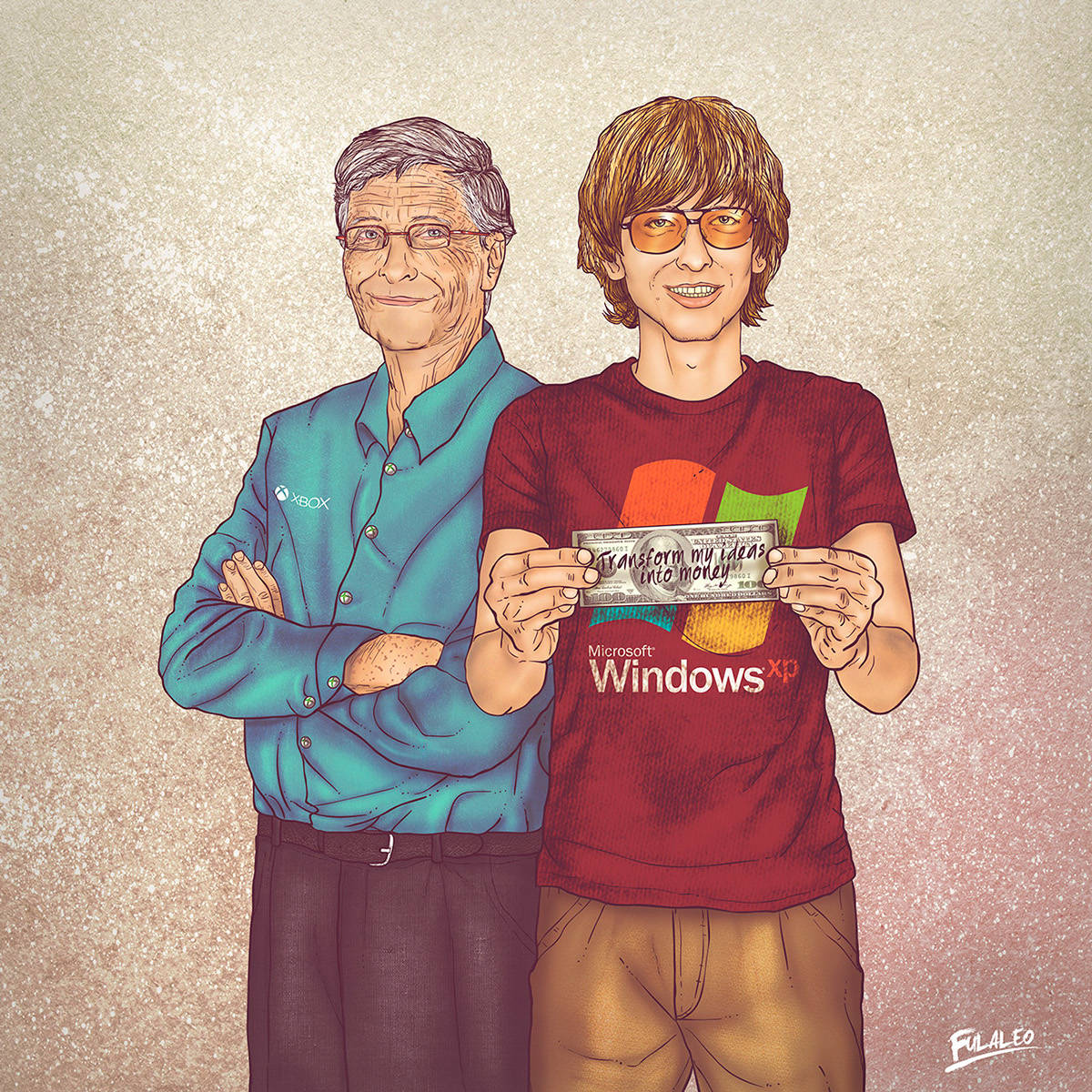
 June 25, 1985: Microsoft co-founder Bill Gates sends a memo to Apple execs suggesting that Cupertino should license its Mac operating system and additional technology to other companies.
 May 27, 1986: An exiled Steve Jobs takes a shot at Apple after the company ditches Chiat/Day, the ad agency that created the iconic “1984” Macintosh ad. In a full-page ad published in The Wall Street Journal, Jobs says the move to competing ad agency BBDO shows that “caretakers” rather than “builders” now run Apple.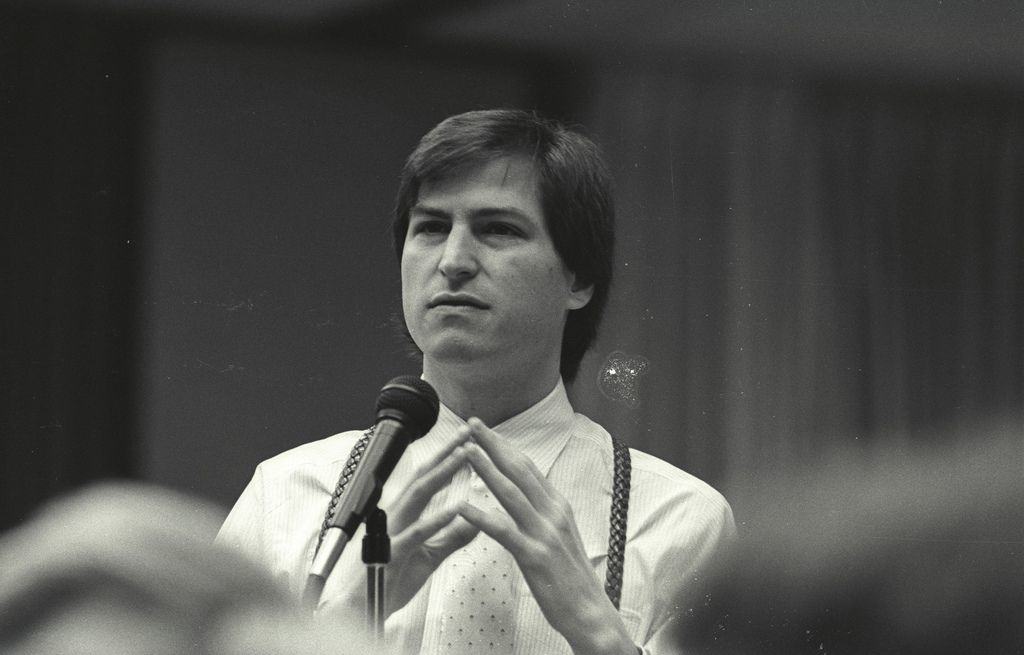
 May 23, 1985: Bitter about being ousted from his position running the Macintosh division,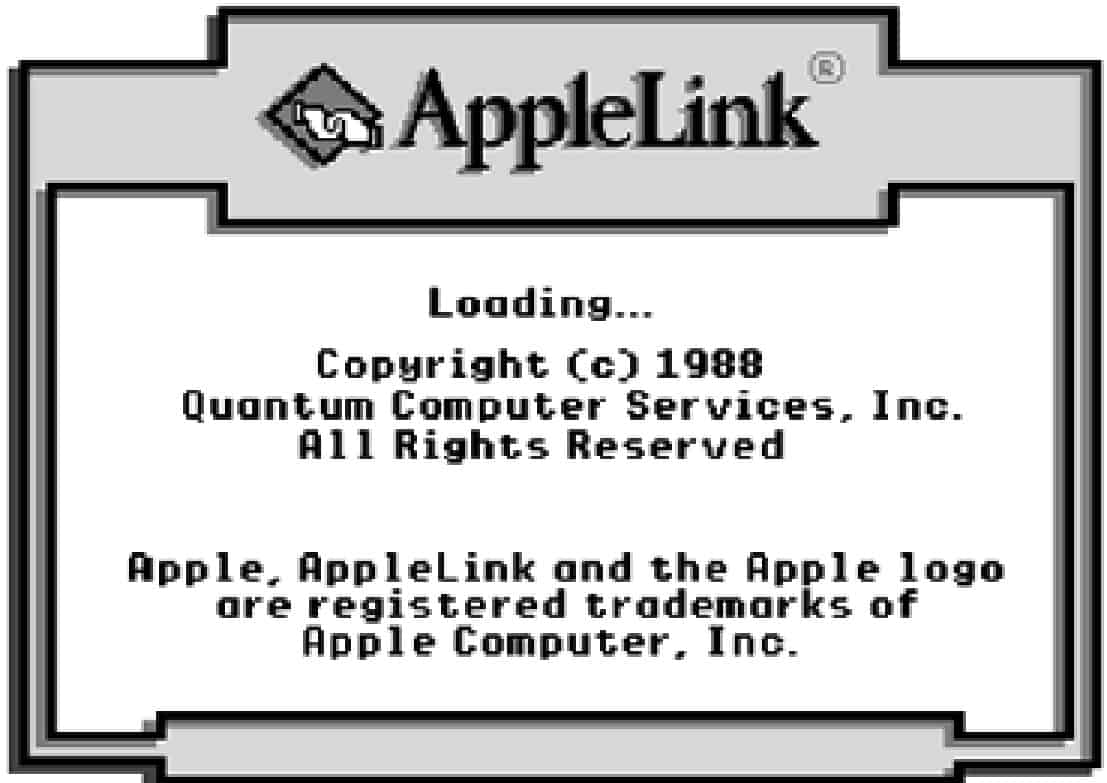
 May 20, 1988: Apple launches AppleLink Personal Edition, a user-facing online service that lets customers connect using a Mac-style user interface.
 May 17, 1983: John Sculley takes the helm as Apple’s third president and CEO. The former Pepsi-Cola boss is short on tech experience but long on marketing, which will become increasingly important as the personal computer revolution ramps up.
 May 3, 1984: Apple marks the all-important first 100 days of Mac sales, signaling whether the product launch is a hit with customers.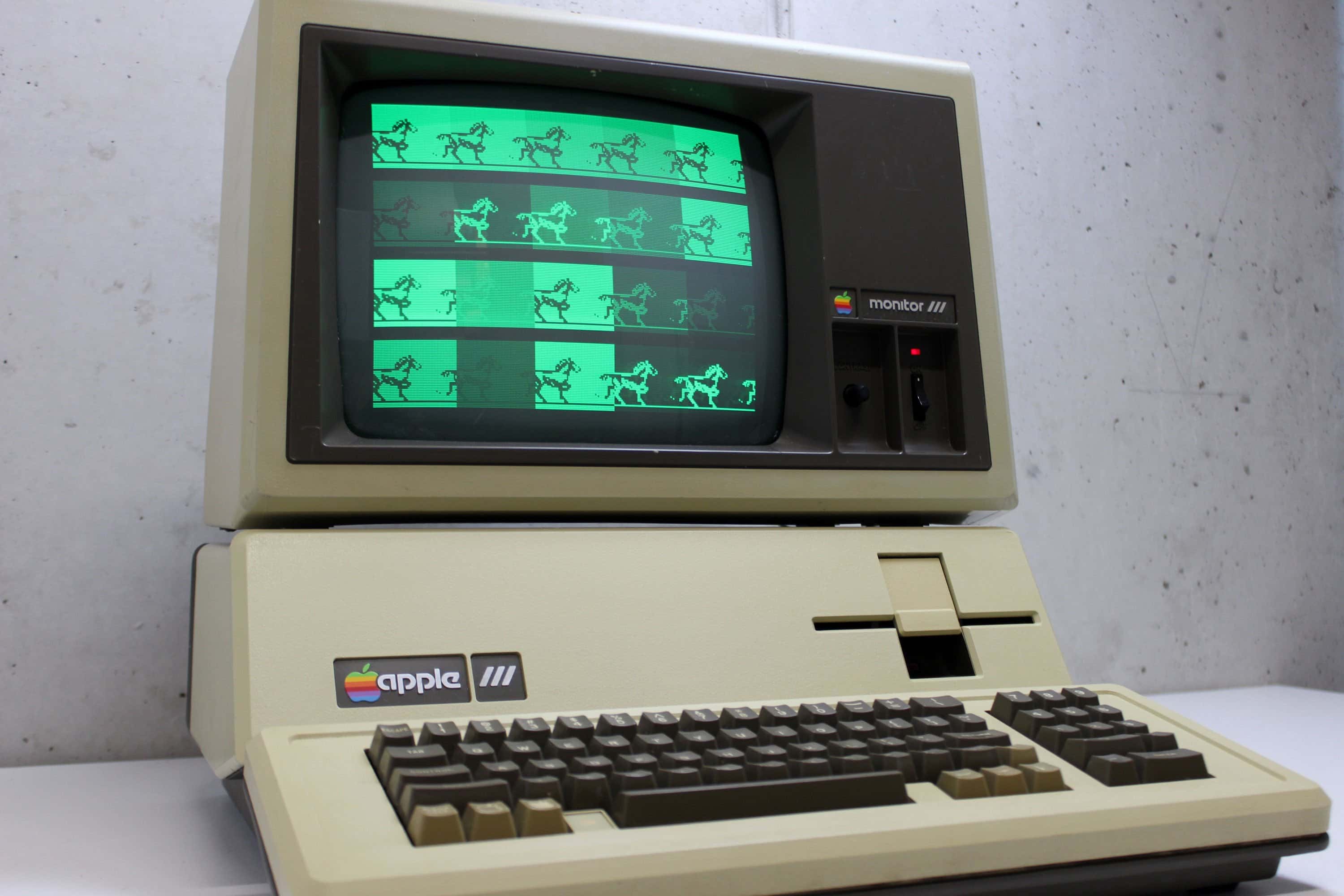
 April 15, 1981: Apple CEO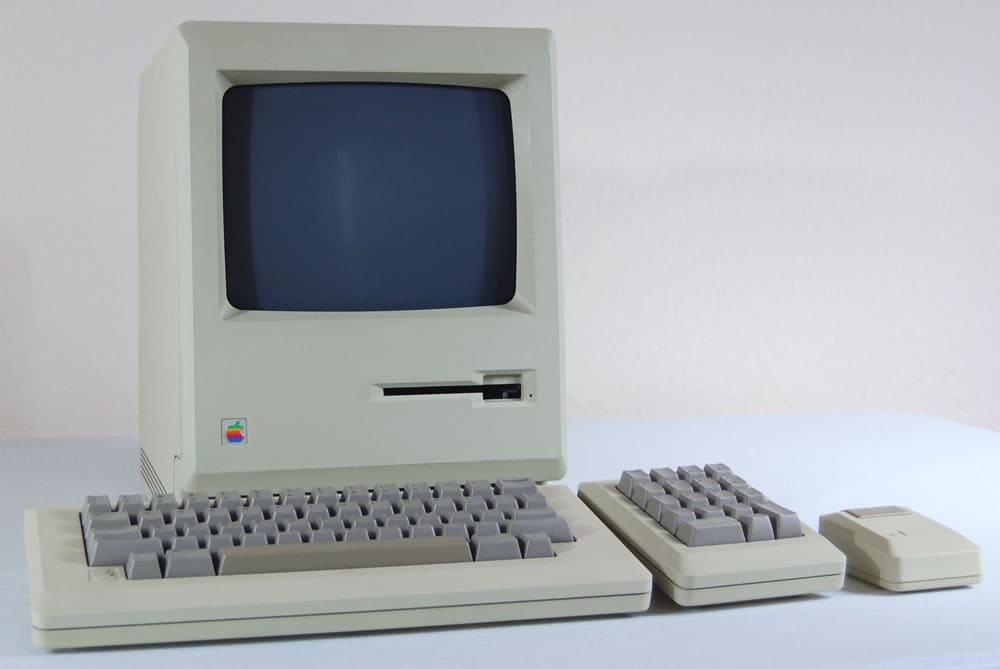
 April 14, 1986: The “low-cost” Macintosh 512Ke brings hardware upgrades — and a bit of confusion — to the low end of the Mac lineup.
 April 10, 1985: During a fateful meeting, Apple CEO John Sculley threatens to resign unless the company’s board of directors removes Steve Jobs as executive VP and general manager of the Macintosh division.
 April 8, 1983: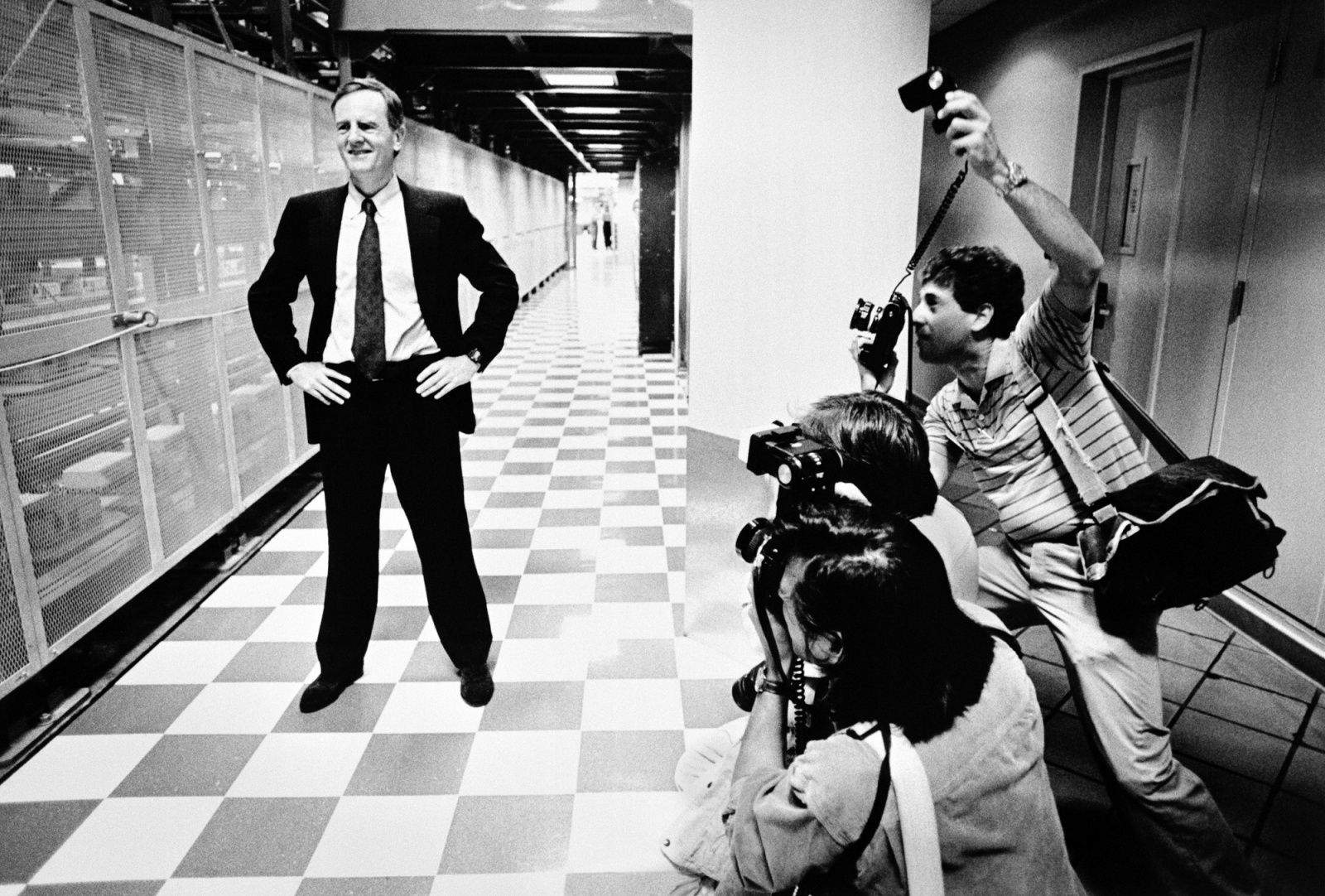
 April 6, 1939: John Sculley is born in New York City. He will grow up to be hailed as a business and marketing genius, eventually overseeing Apple’s transformation into the most profitable personal computer company in the world.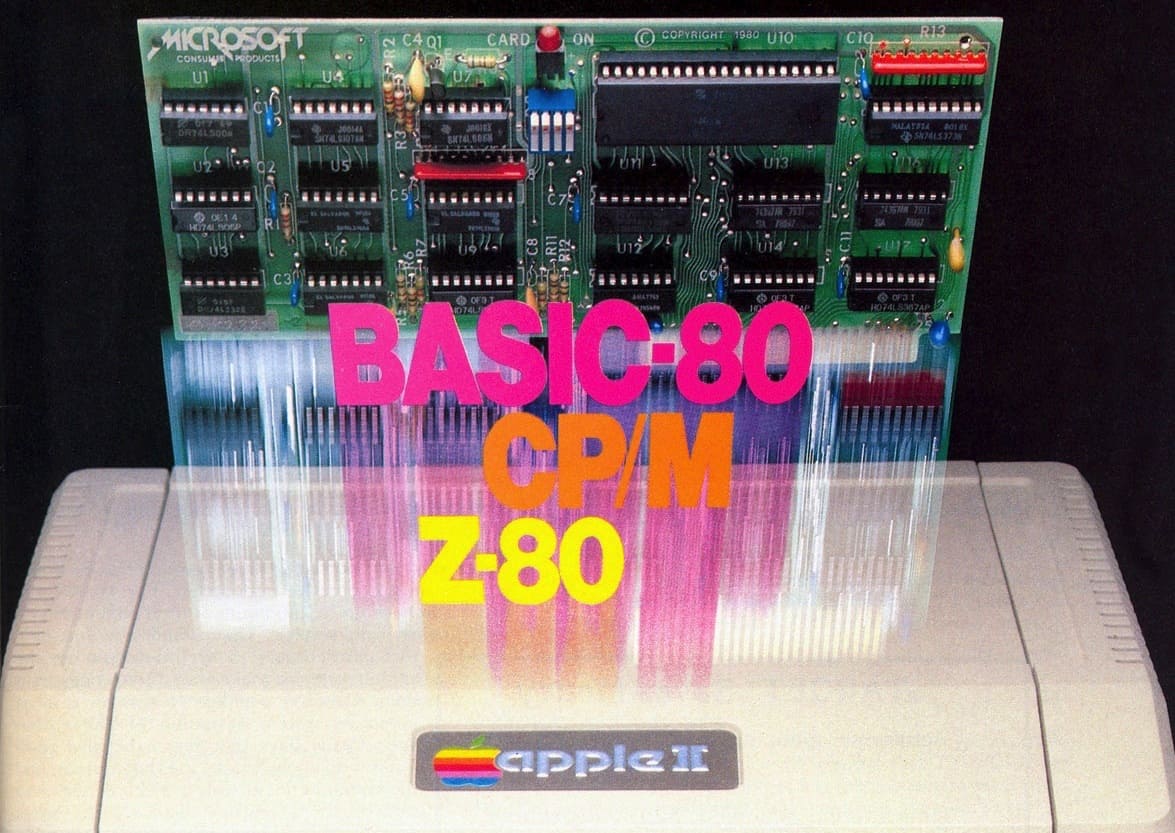
 April 2, 1980: Microsoft releases its first hardware product, the Z-80 SoftCard. A microprocessor card that plugs into the
  March 17, 1988: Apple sues Microsoft for allegedly stealing 189 different elements of its Macintosh operating system to create Windows 2.0.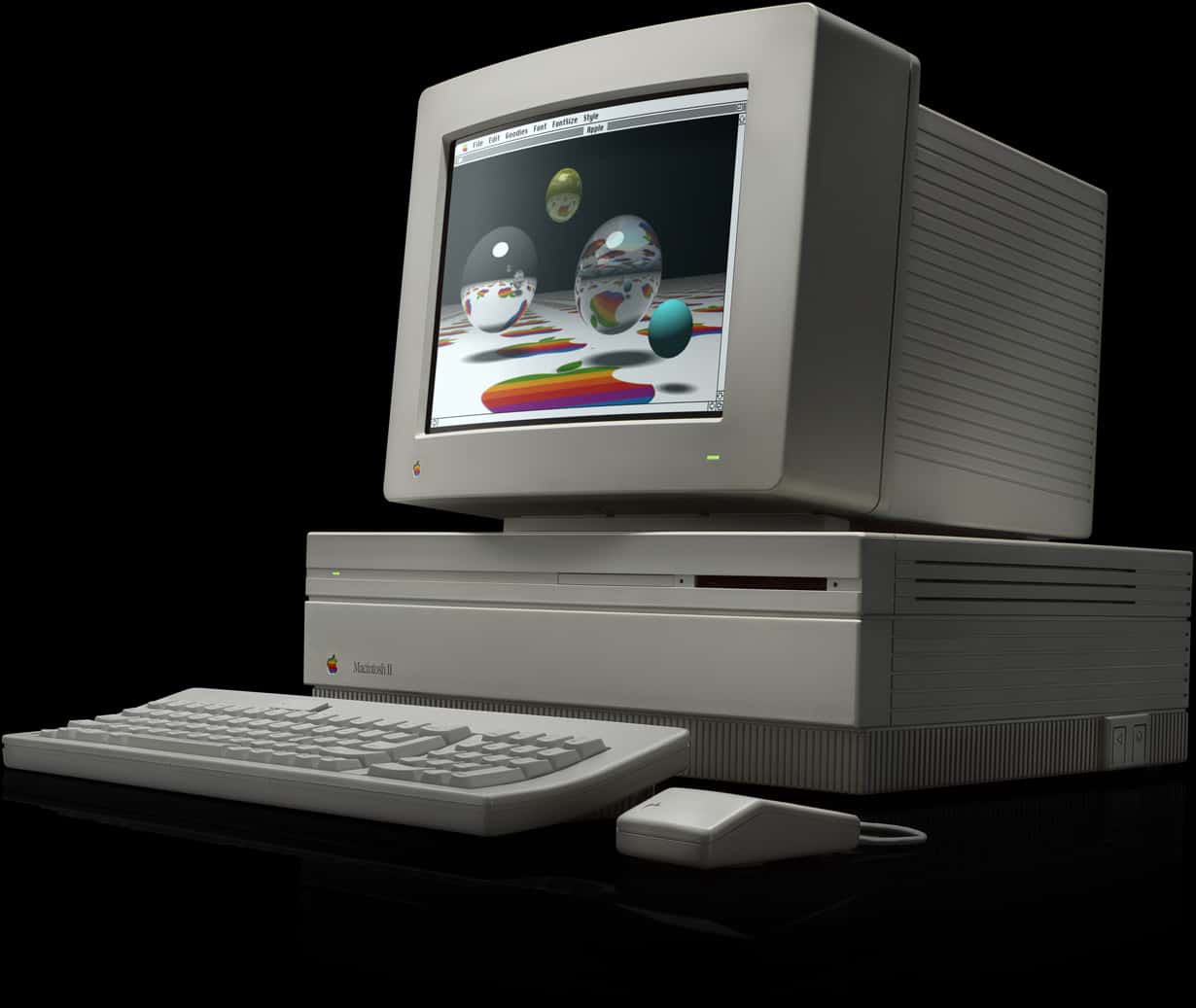
 March 2, 1987: Three years after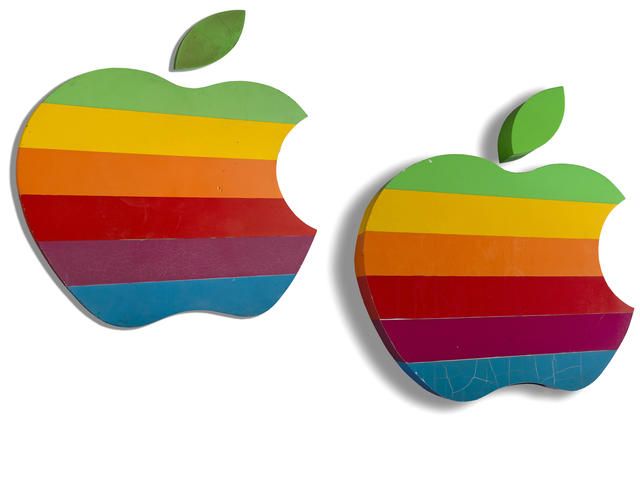
 February 25, 1981: Apple CEO Michael Scott oversees a mass firing of employees, then holds a massive party. The Apple layoffs follow a hiring boom that led to what Scott called a “bozo explosion” at the company. They also stand as an early sign that the fun startup culture of Apple’s early days are gone forever.