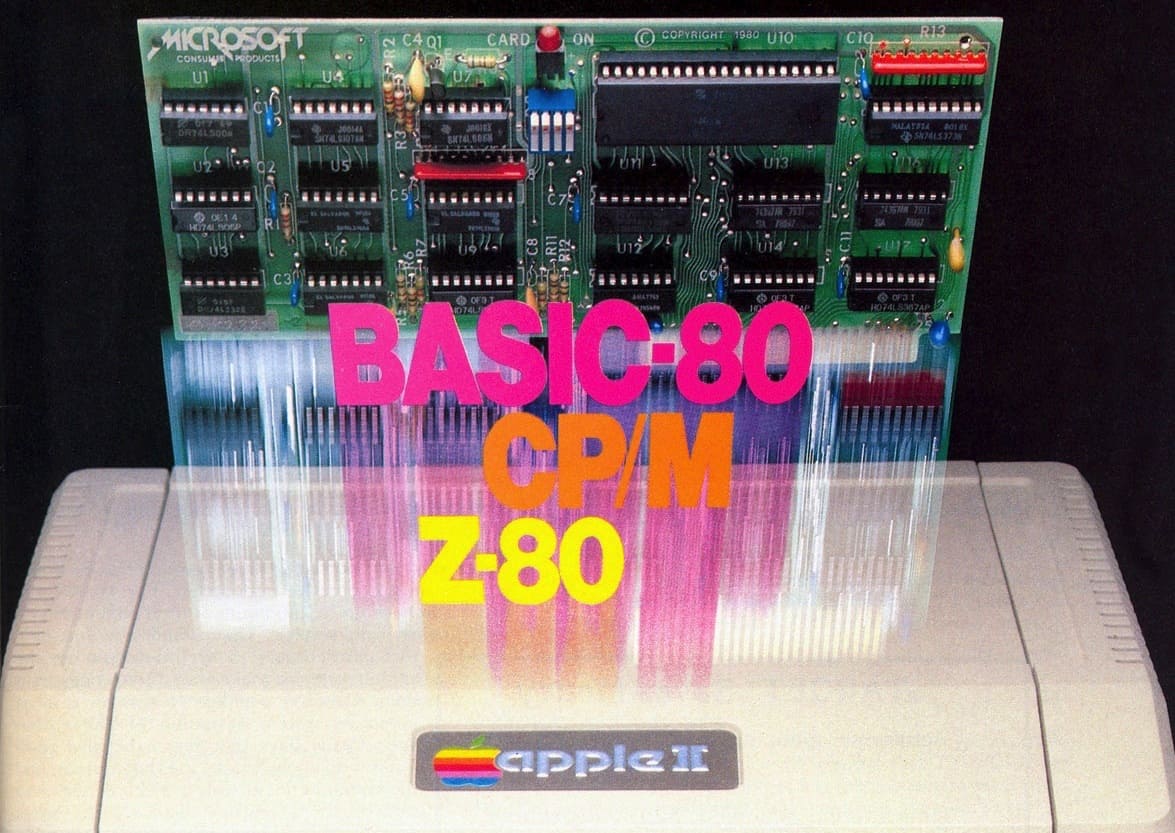
 April 2, 1980: Microsoft releases its first hardware product, the Z-80 SoftCard. A microprocessor card that plugs into the Apple II, it allows the computer to run programs designed for the CP/M, a popular operating system for business software.
Arriving several years before the first version of Windows, the Z-80 SoftCard quickly becomes a big hit for Microsoft.

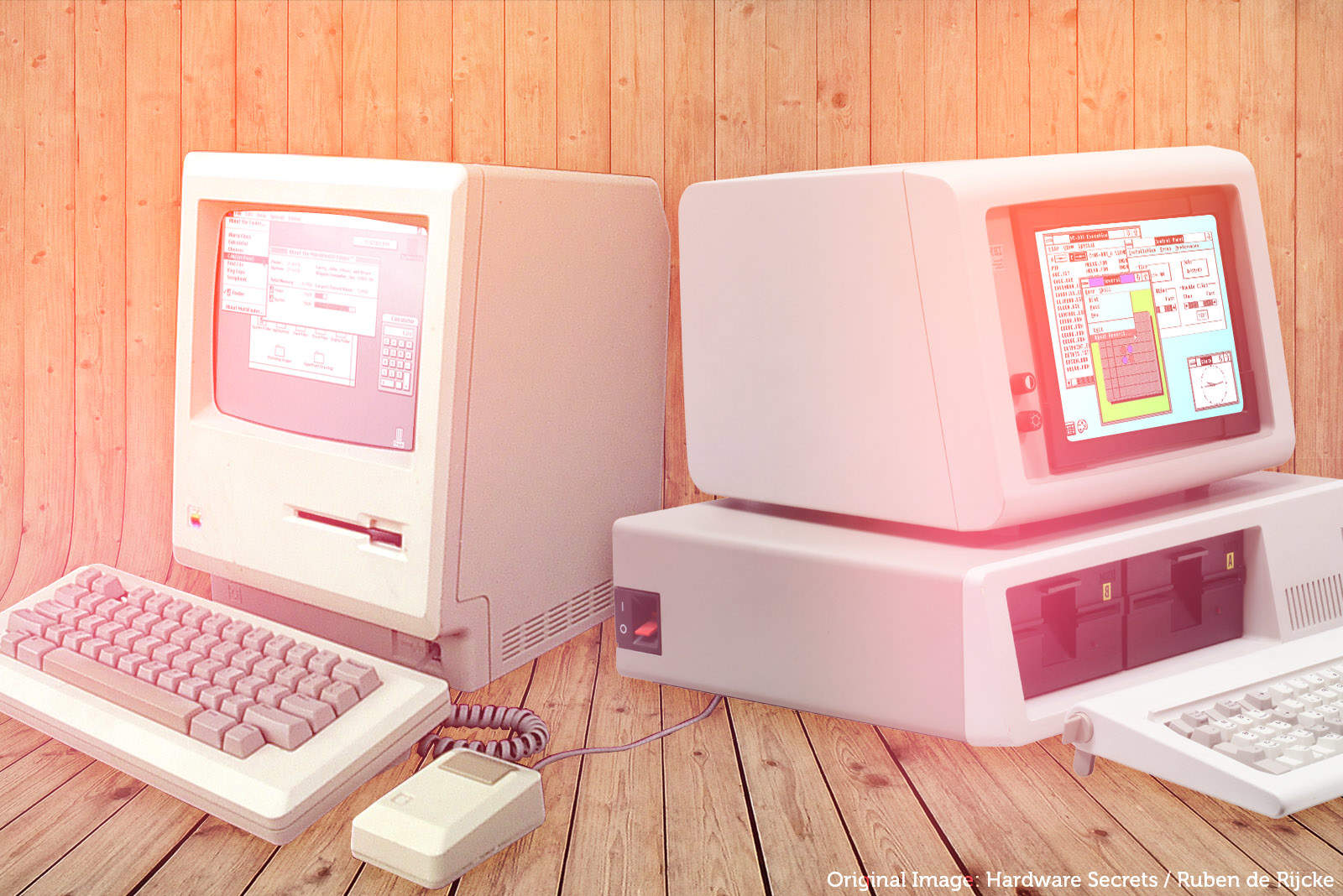
 March 17, 1988: Apple sues Microsoft for allegedly stealing 189 different elements of its Macintosh operating system to create Windows 2.0.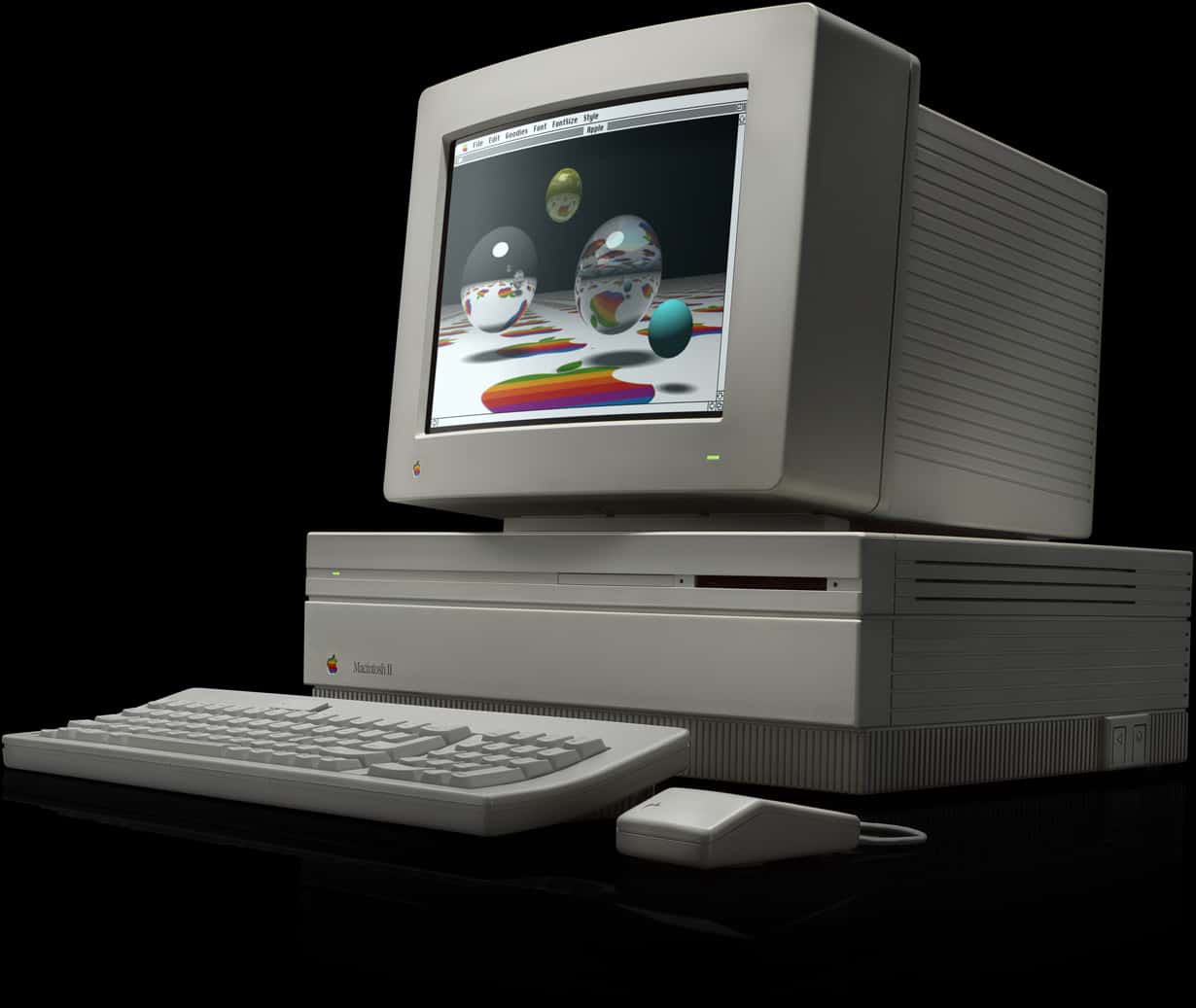
 March 2, 1987: Three years after releasing the original Macintosh 128K, Apple launches a proper sequel, the almighty Macintosh II.
 February 25, 1981: Original Apple CEO Michael Scott oversees a mass firing of employees, then holds a massive party. The Apple layoffs follow a hiring boom that led to what Scott called a “bozo explosion” at the company. They also stand as an early sign that the fun startup culture of Apple’s early days are gone forever.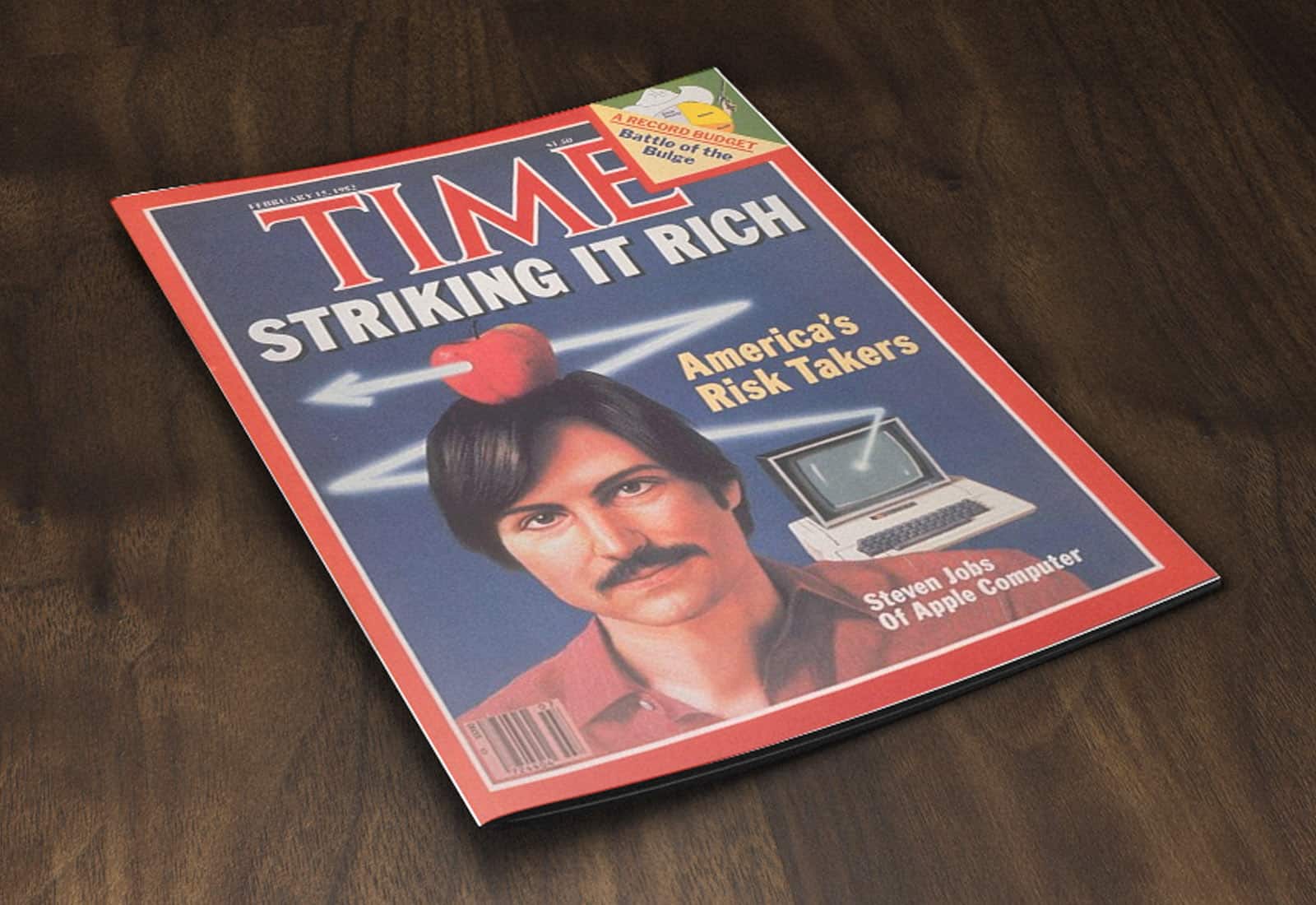
 February 15, 1982: Apple co-founder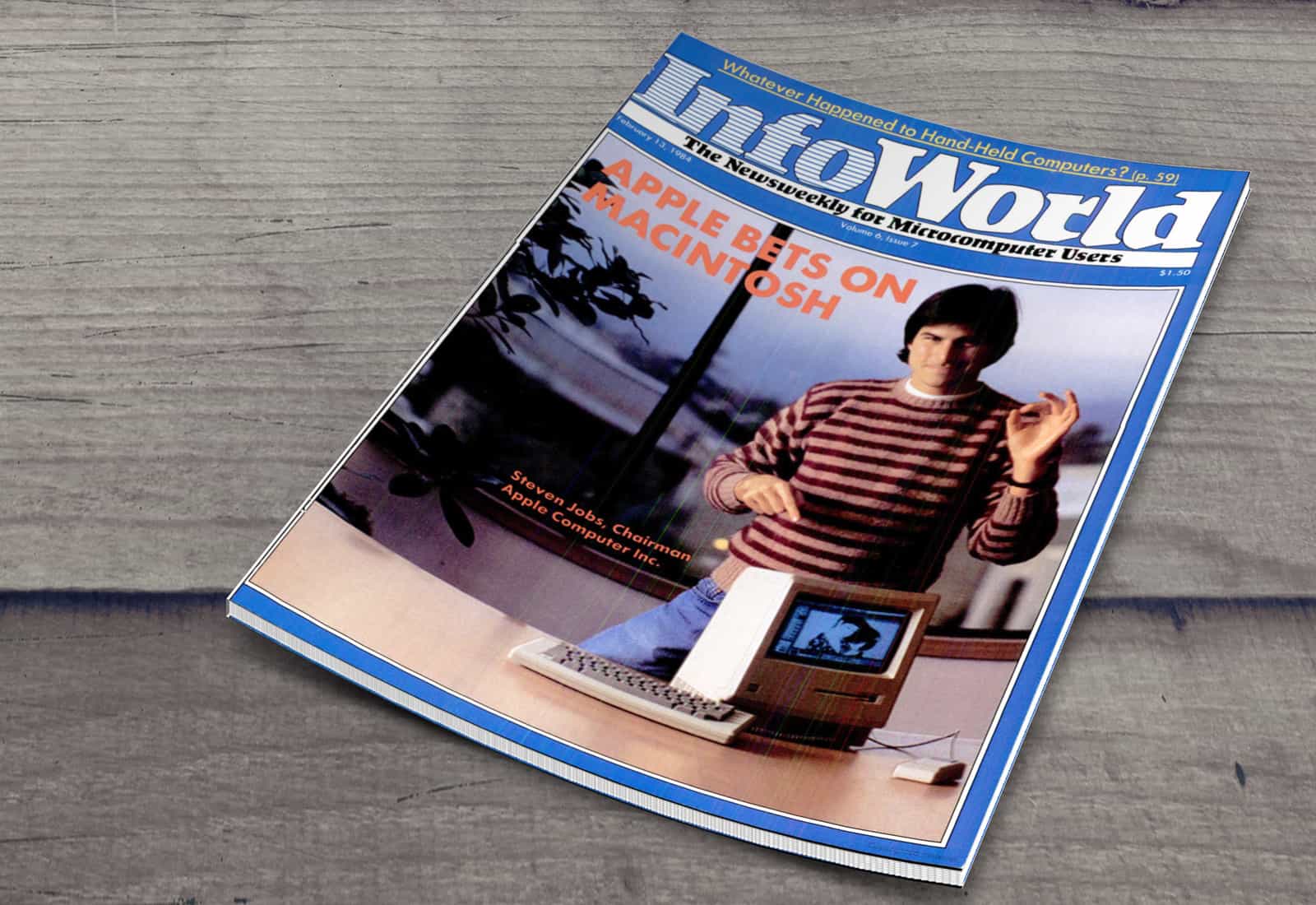
 February 13, 1984: The first Mac’s launch generates enormous excitement from the tech press, as epitomized by an InfoWorld cover story about the Macintosh 128K.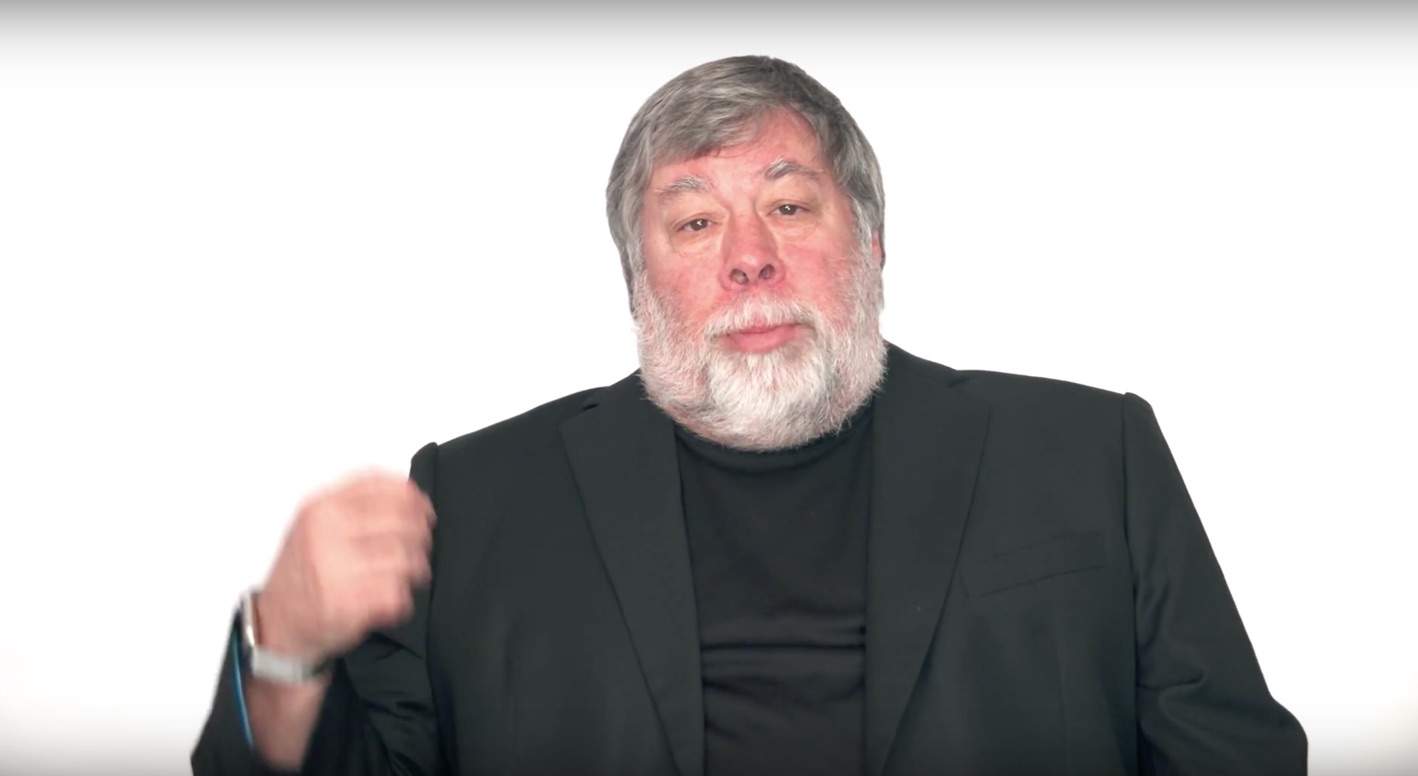
 February 7, 1981: Apple co-founder Steve Wozniak is involved in a serious plane crash in California, resulting in his first lengthy leave of absence from the company.
 February 6, 1985: Frustrated by Apple’s shifting priorities, co-founder Steve Wozniak leaves the company to pursue outside interests.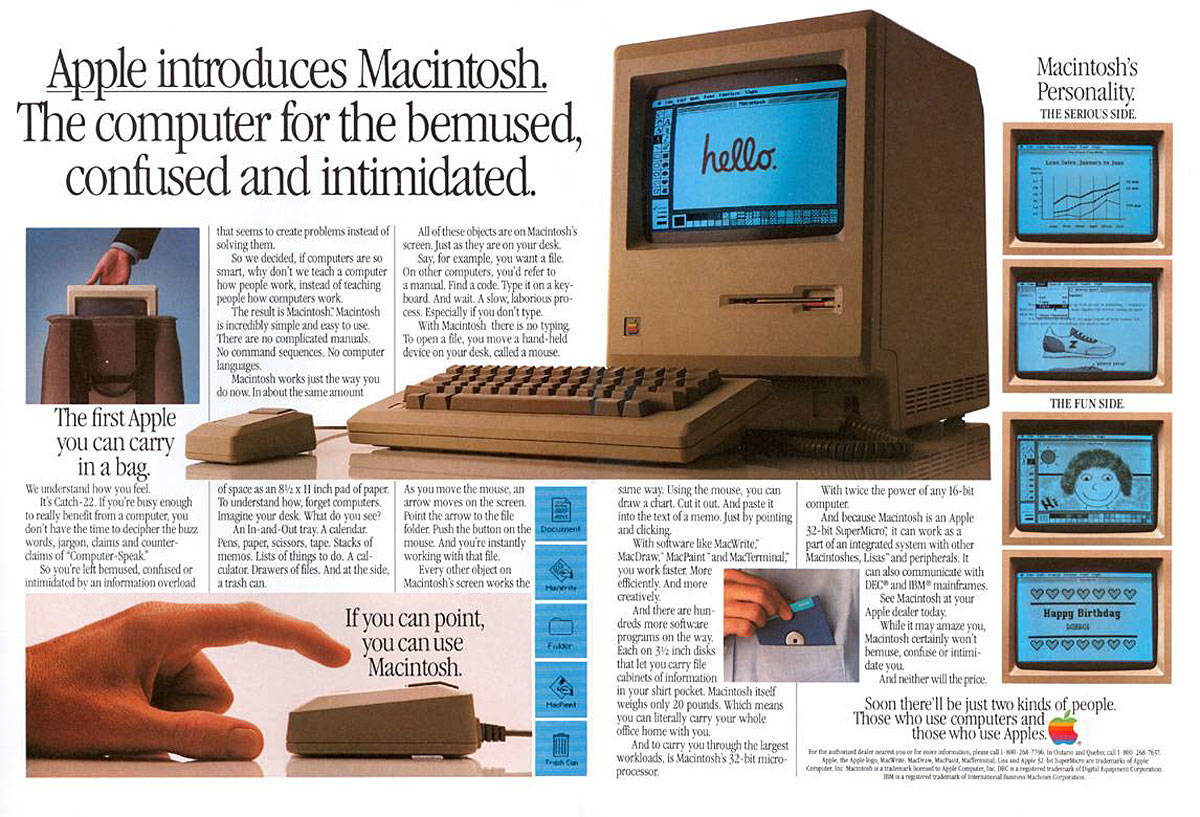
 January 24, 1984: Apple ships its first Mac, the mighty Macintosh 128K.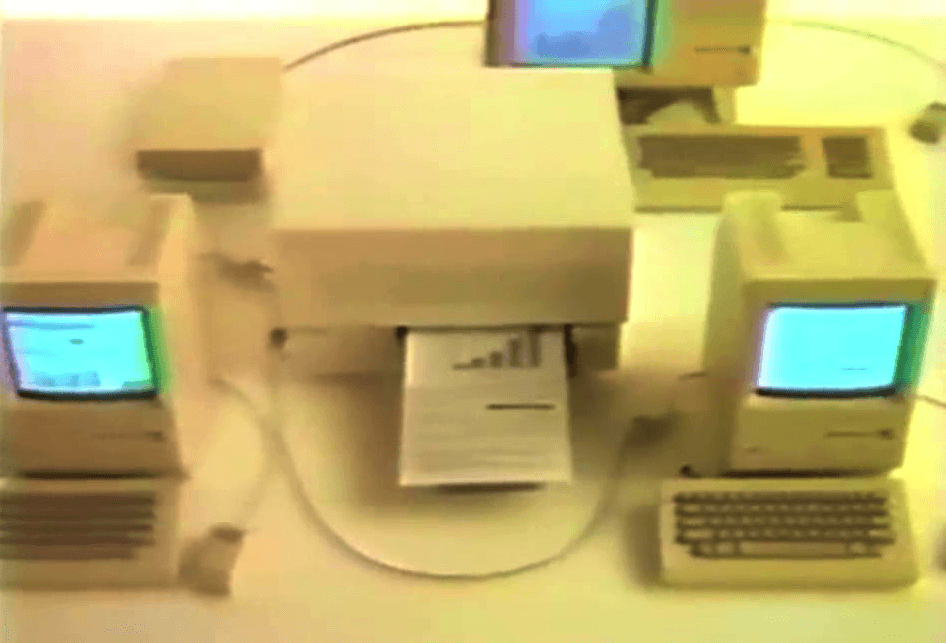
 January 23, 1985: Apple introduces The Macintosh Office, a combination of hardware and software that represents the company’s first real attempt at cracking the business market dominated by IBM.
 January 22, 1984: Apple’s stunning “1984” commercial for the original Mac airs on CBS during the third quarter of Super Bowl XVIII. Its dystopian theme and epic visuals pitch the Macintosh 128K as a revolutionary computer coming to smash the status quo.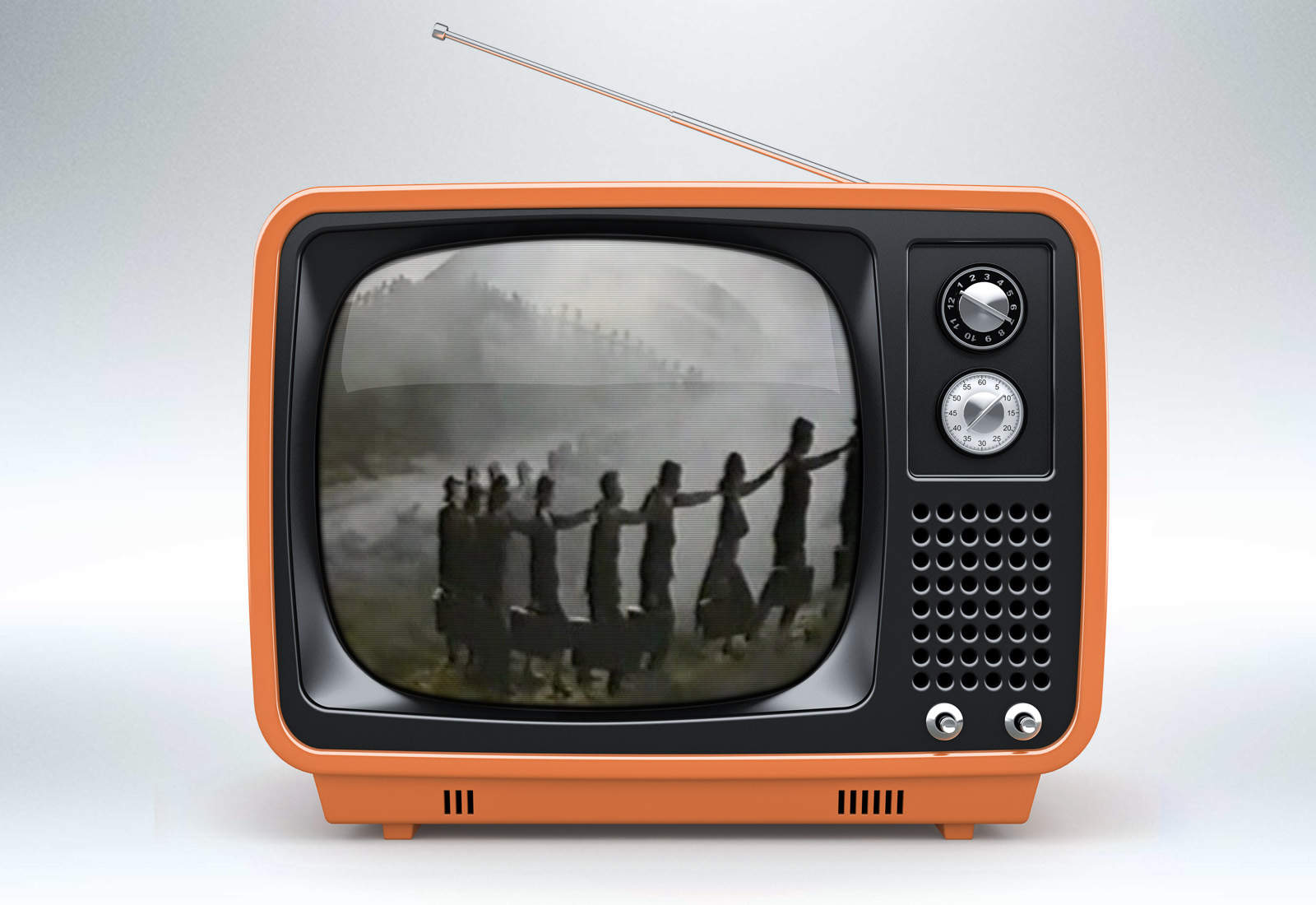
 January 20, 1985: Attempting to build on the triumph of the previous year’s “1984” Macintosh commercial, Apple deploys another dystopian Super Bowl commercial. The new Apple ad, titled “Lemmings,” promotes the company’s upcoming business platform, called The Macintosh Office.
 January 19, 1989: Apple introduces the Macintosh SE/30, arguably the greatest of the classic compact Macs with black-and-white screens.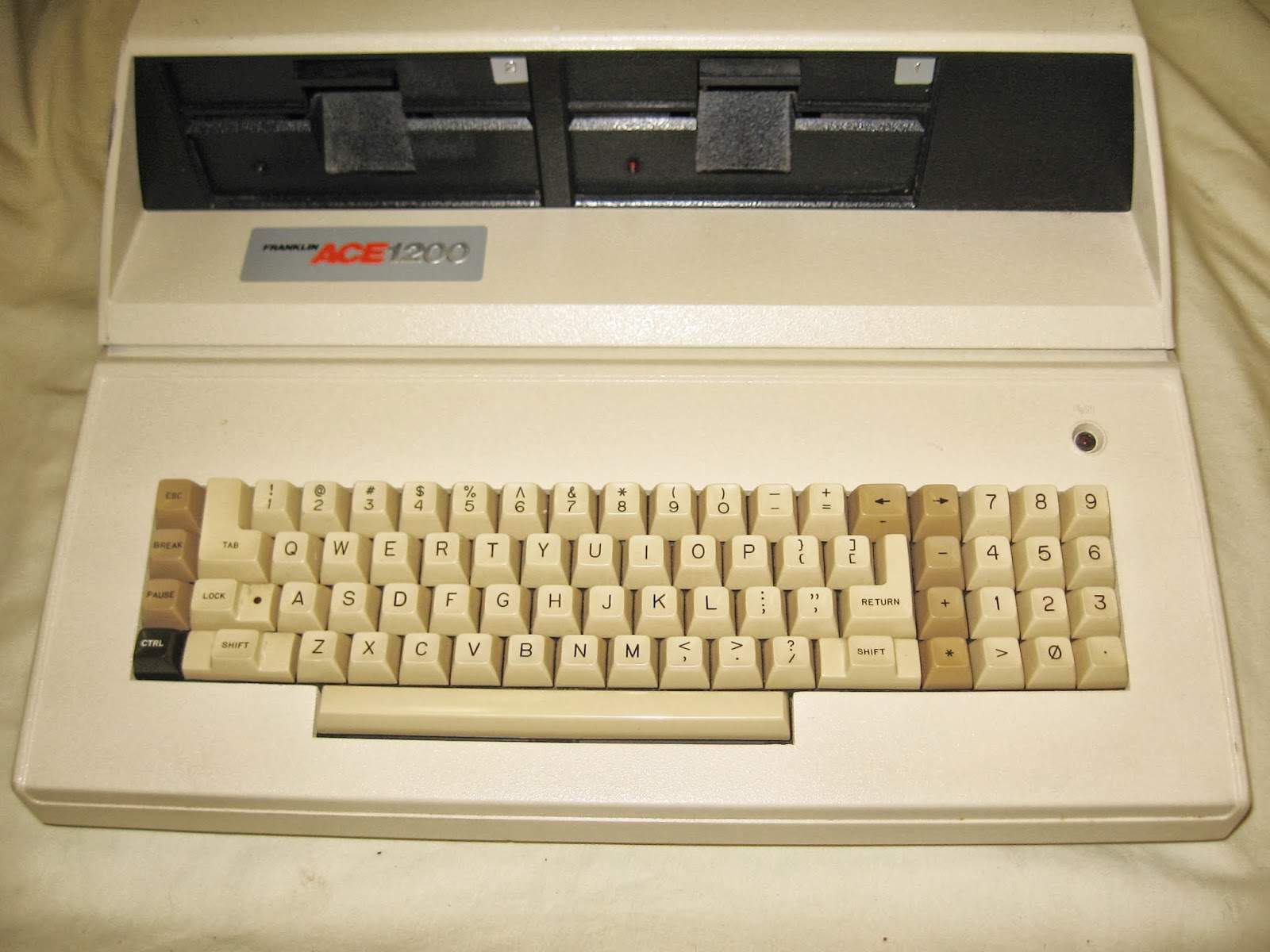
 January 18, 1983: Computer manufacturer Franklin Electronic Publishers takes the wraps off its Franklin Ace 1200 computer, an uxtnauthorized Apple II clone that triggers an important legal battle.
 January 17, 1984: A week before its famous airing during Super Bowl XVIII, Apple’s iconic “1984” commercial debuts as a trailer in movie theaters. To hype its revolutionary new Macintosh computer, Apple buys several months of promotion from theatrical ad distributor ScreenVision.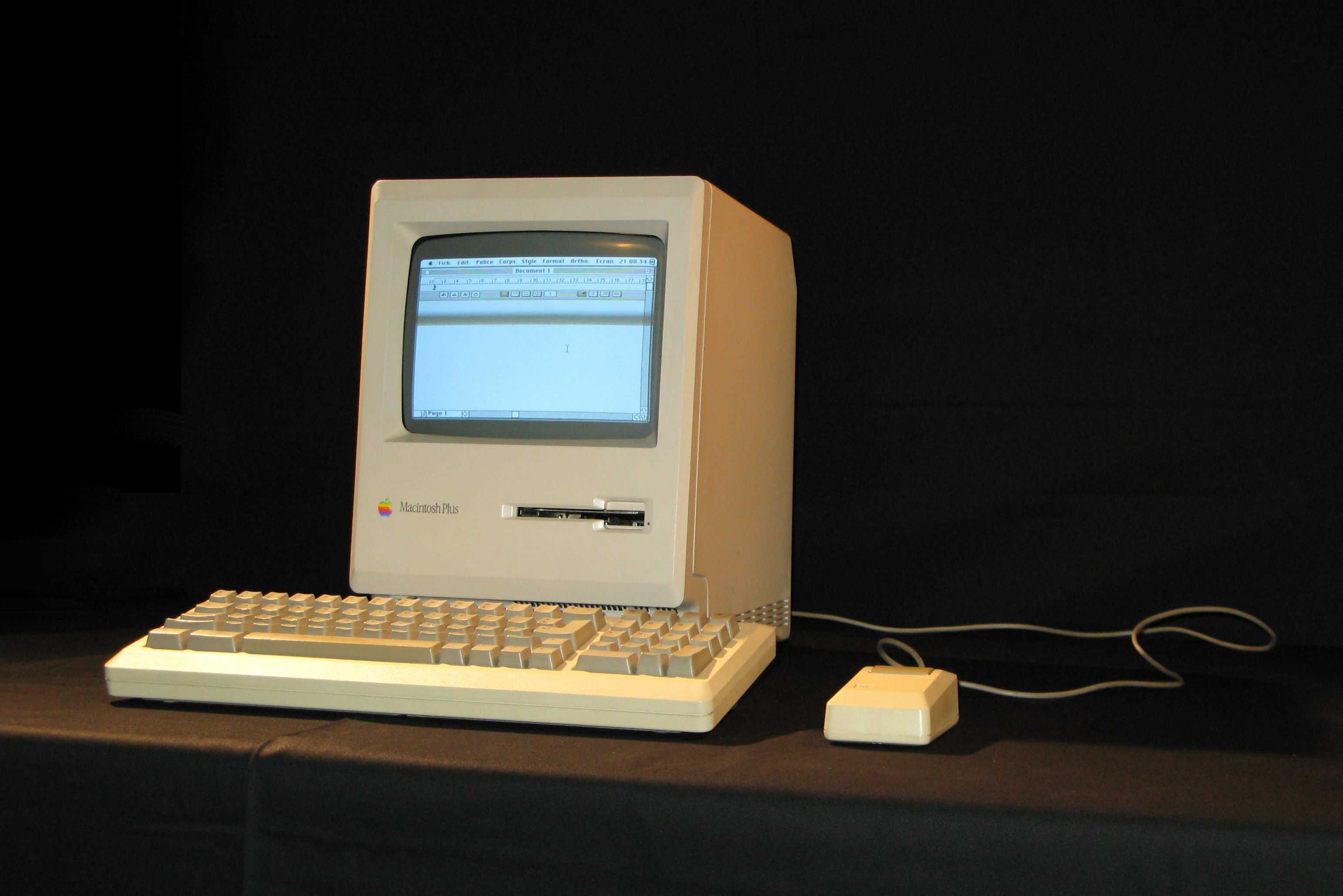
 January 16, 1986: Apple introduces the Macintosh Plus, its third Mac model and the first to be released after Steve Jobs was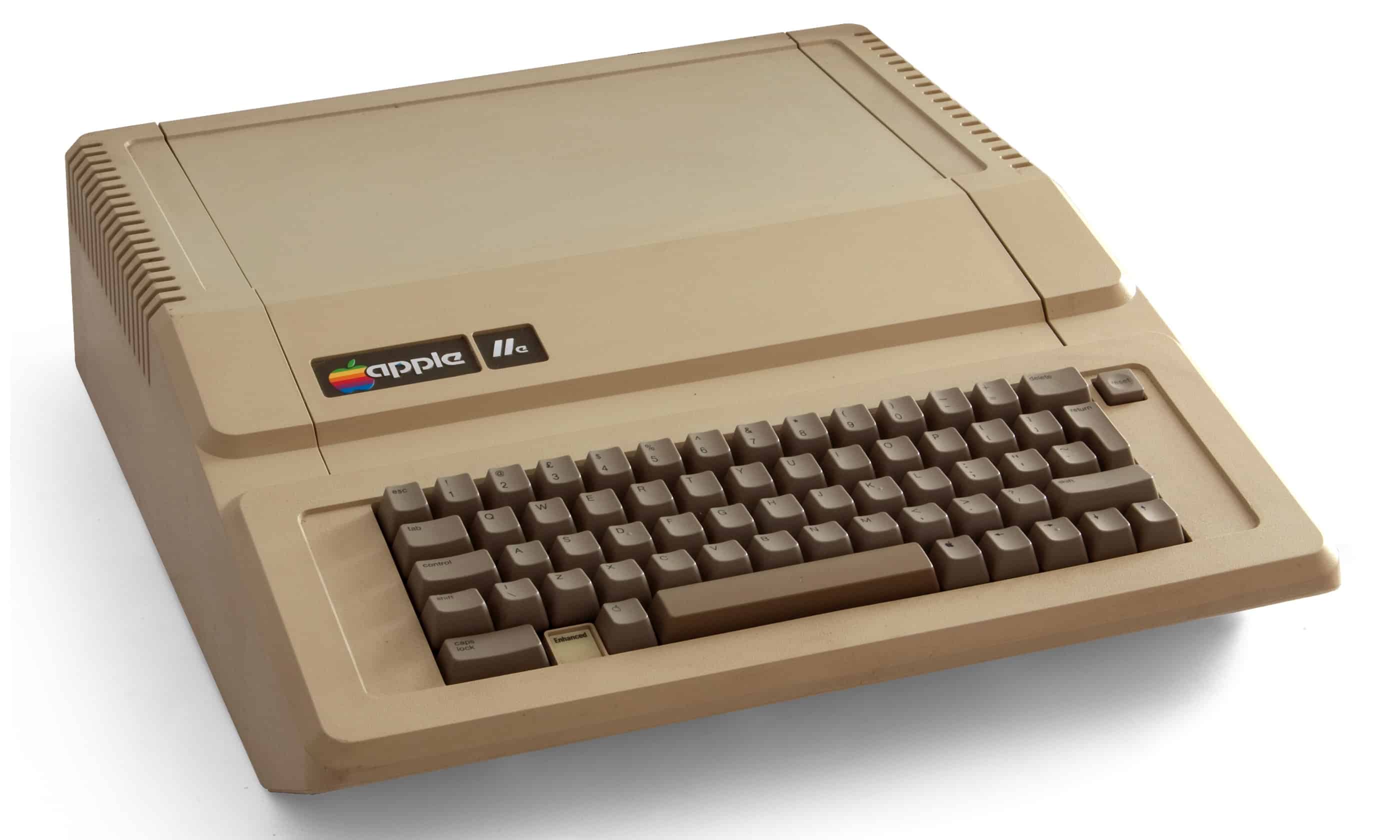
 January 1, 1983: Apple launches the Apple IIe, the third model in the Apple II series — and the last before the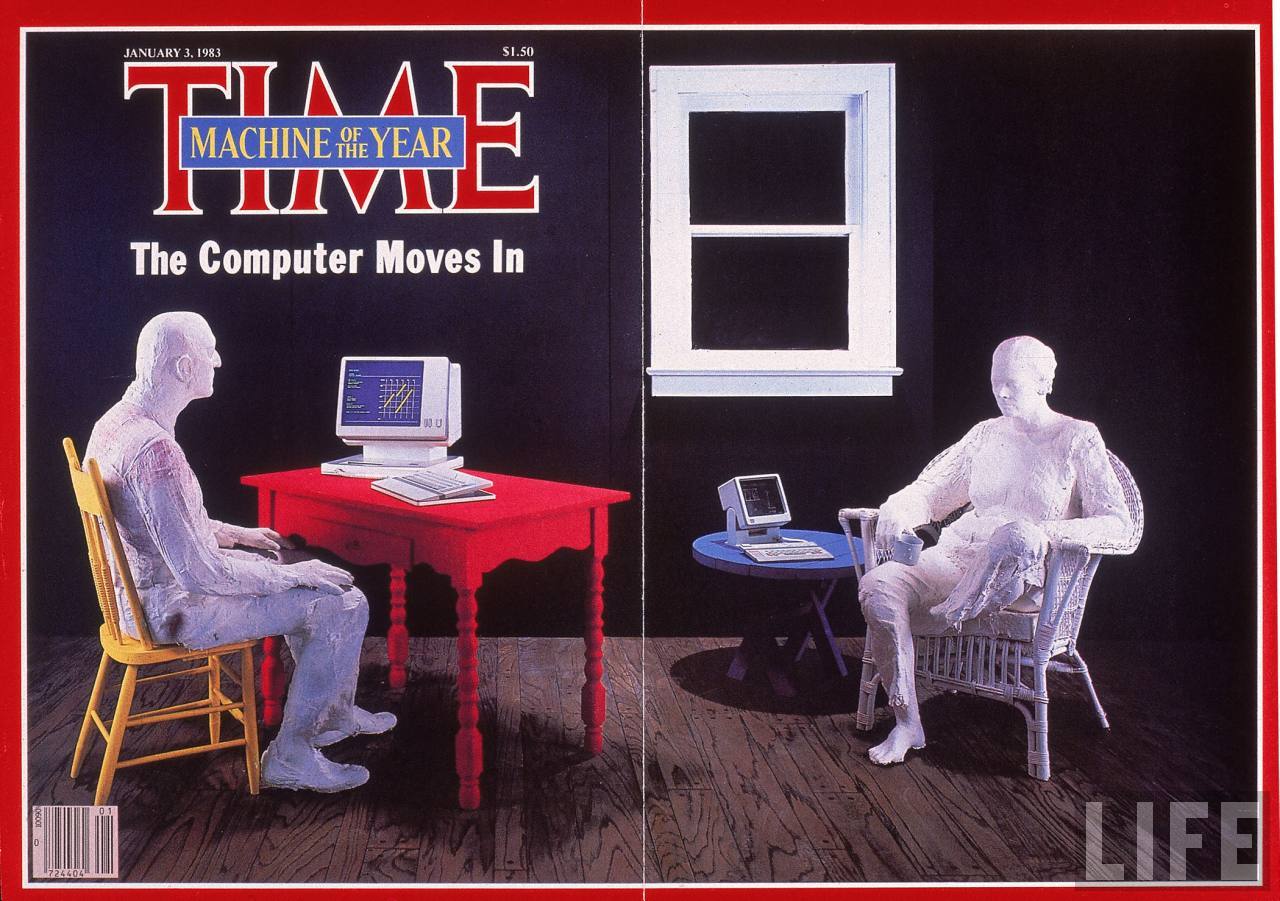
 December 26, 1982: Time magazine names the personal computer its “Man of the Year.”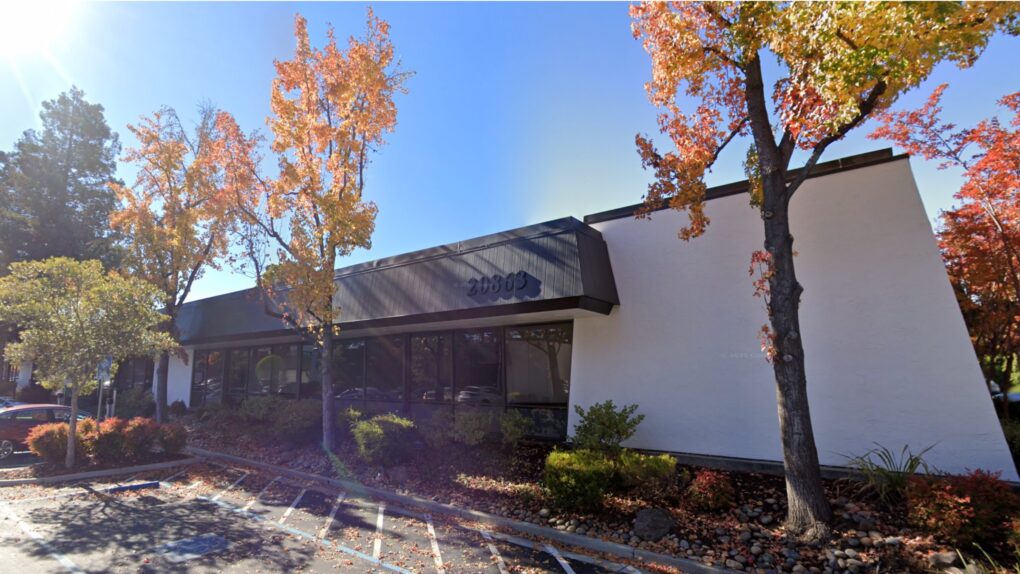
 December 12, 1980: Apple goes public, floating 4.6 million shares on the stock market at $22 per share. The Apple IPO becomes the biggest tech public offering of its day. And more than 40 out of 1,000 Apple employees become instant millionaires.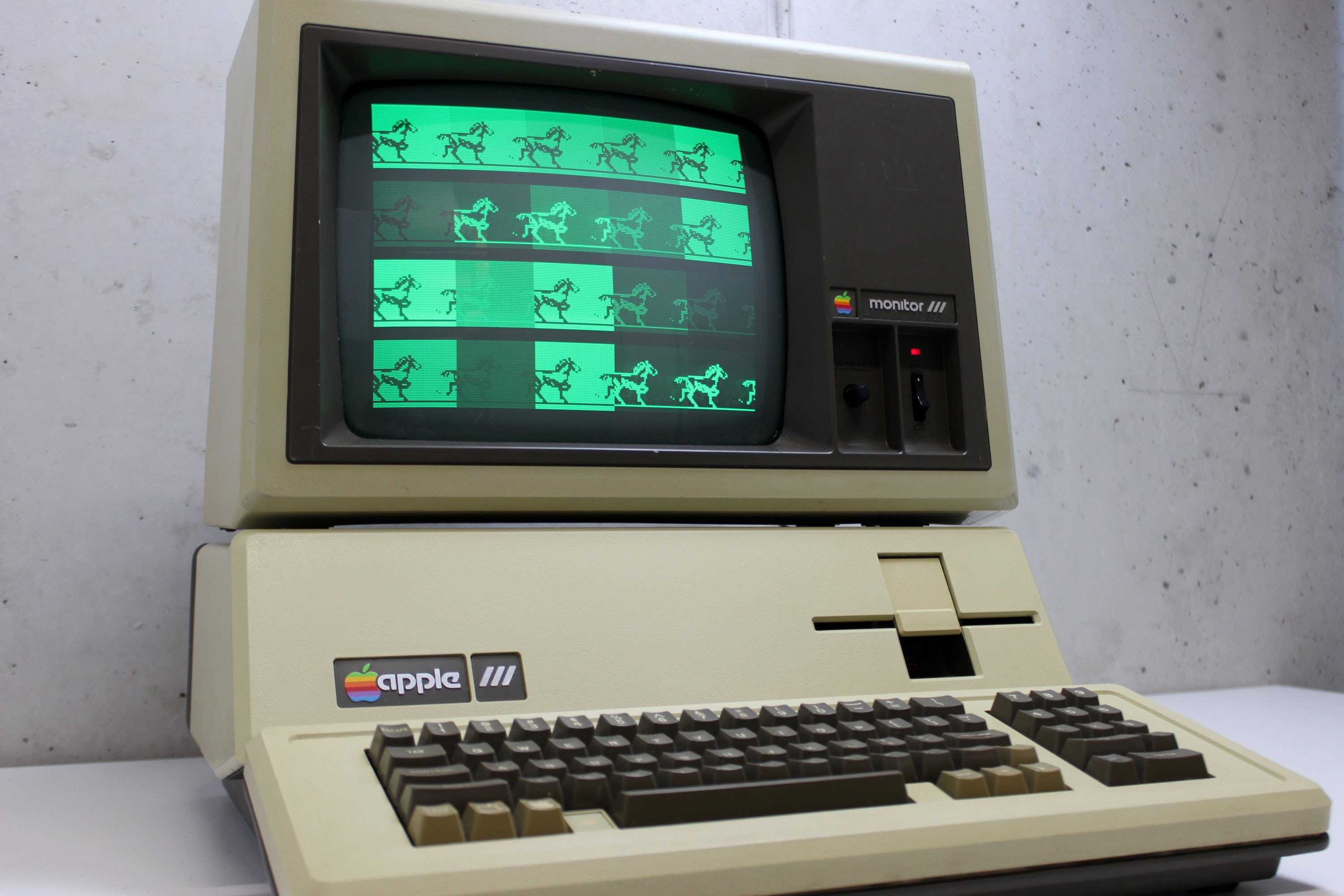
 December 1, 1981: After the disastrous rollout of the “next-gen” Apple III in 1980, Apple releases a revised edition of the computer that corrects most of its glaring hardware faults.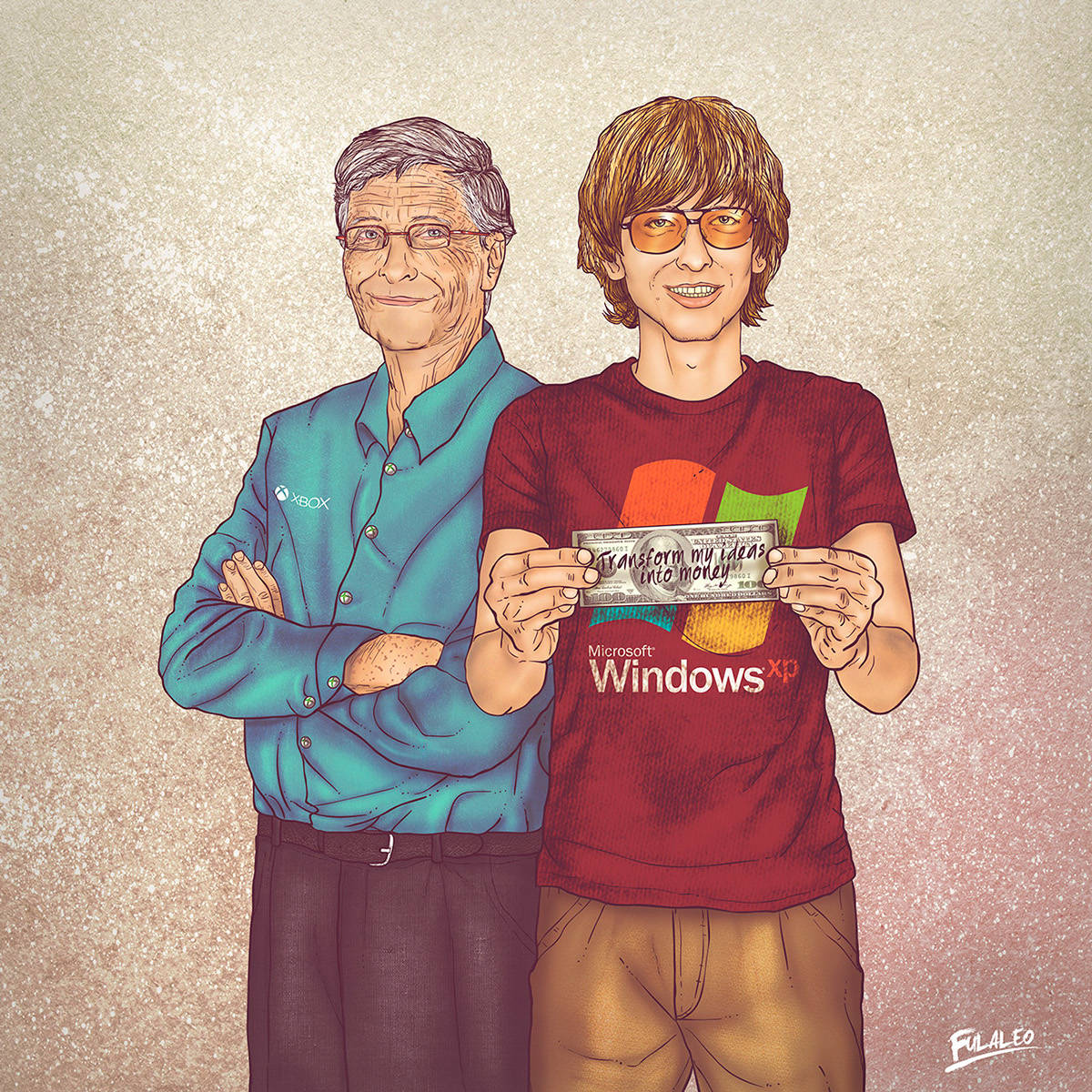
 November 26, 1984: Microsoft co-founder Bill Gates praises Apple’s newly arrived Macintosh as the future of personal computing.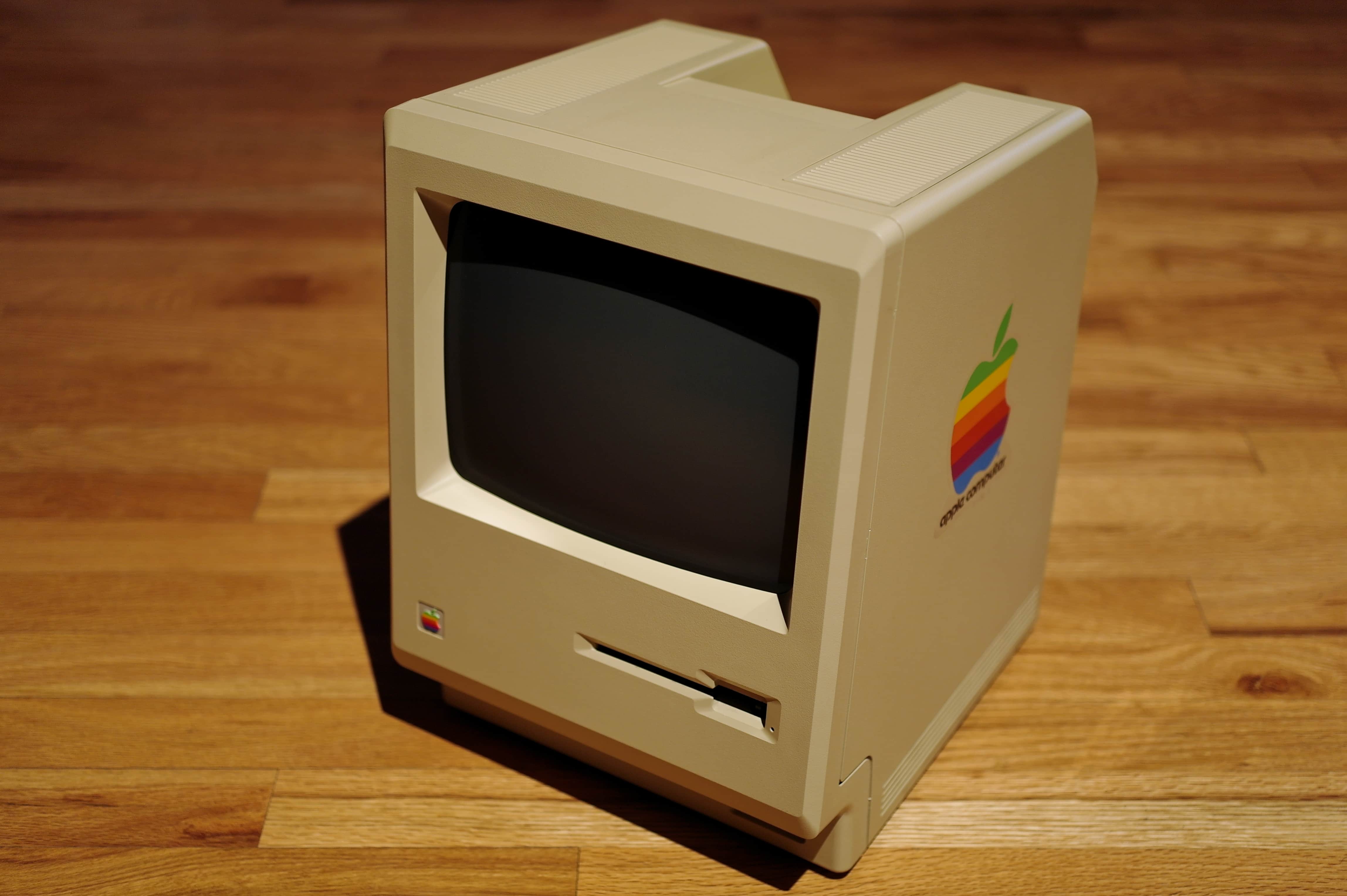
 November 16, 1982: Intent on giving his company’s upcoming personal computer a memorable name, Apple co-founder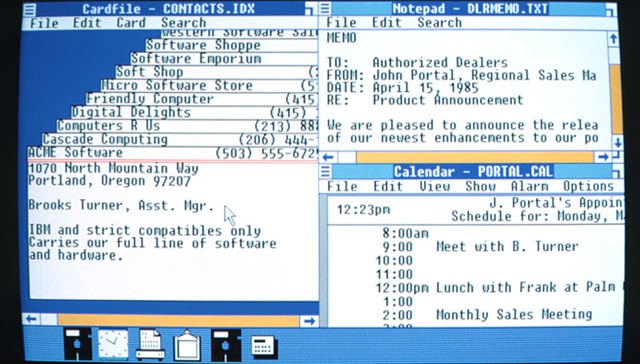
 November 10, 1983: Microsoft tells the world about an upcoming product called Windows that will bring the graphical user interface to IBM PCs. Although Microsoft’s announcement about the new operating system comes shortly before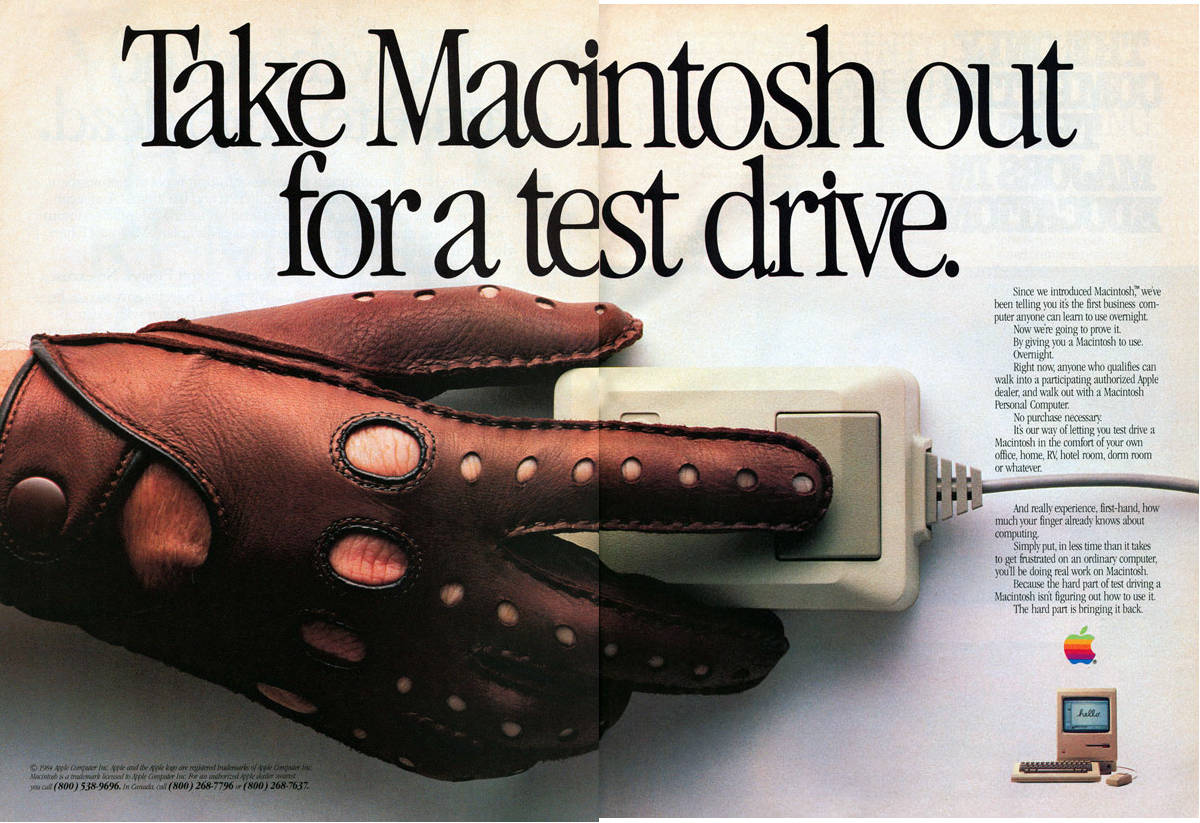
 November 8, 1984: After initial Mac sales prove disappointing, Apple CEO
 October 24, 1988: Three years