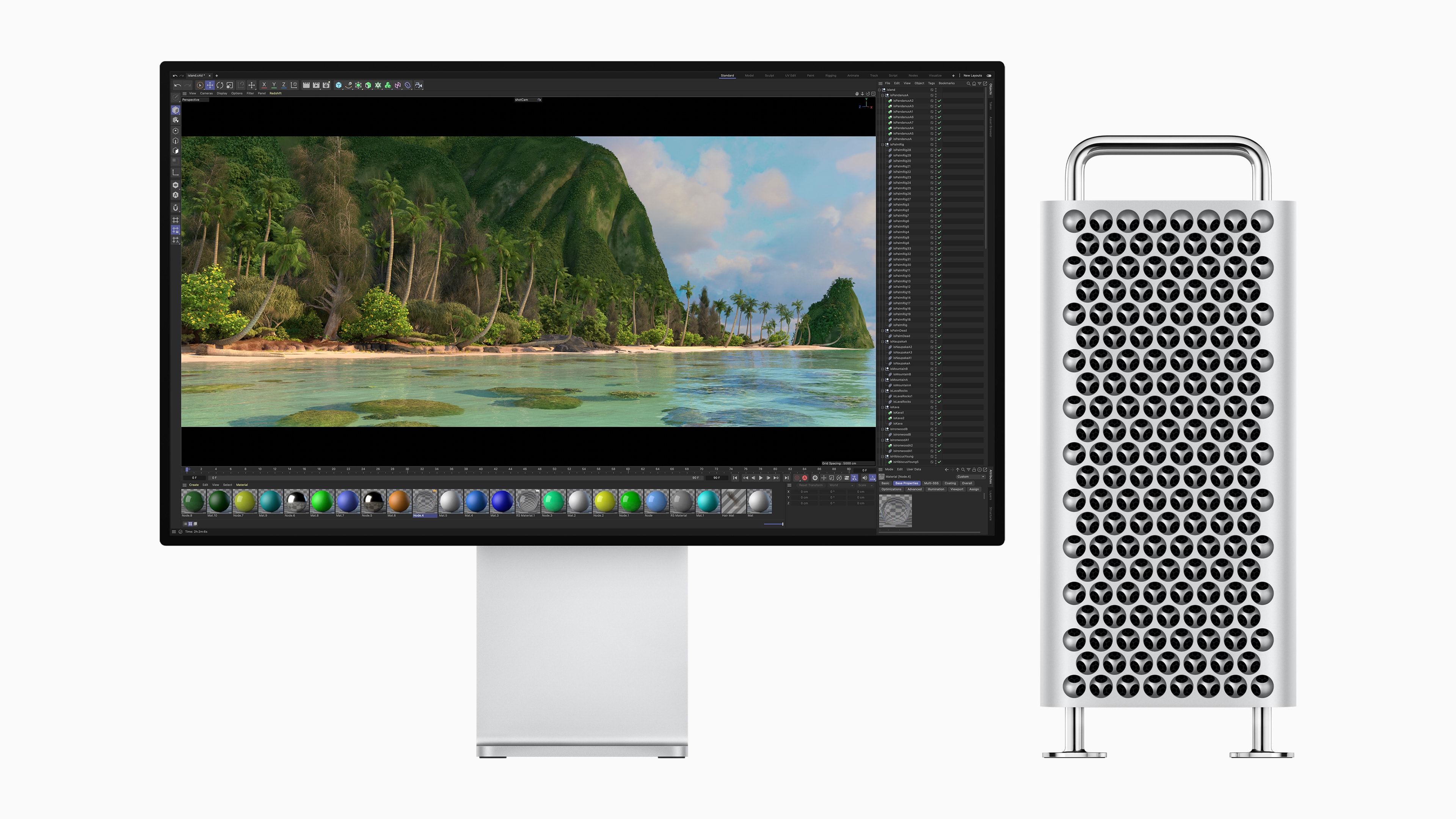
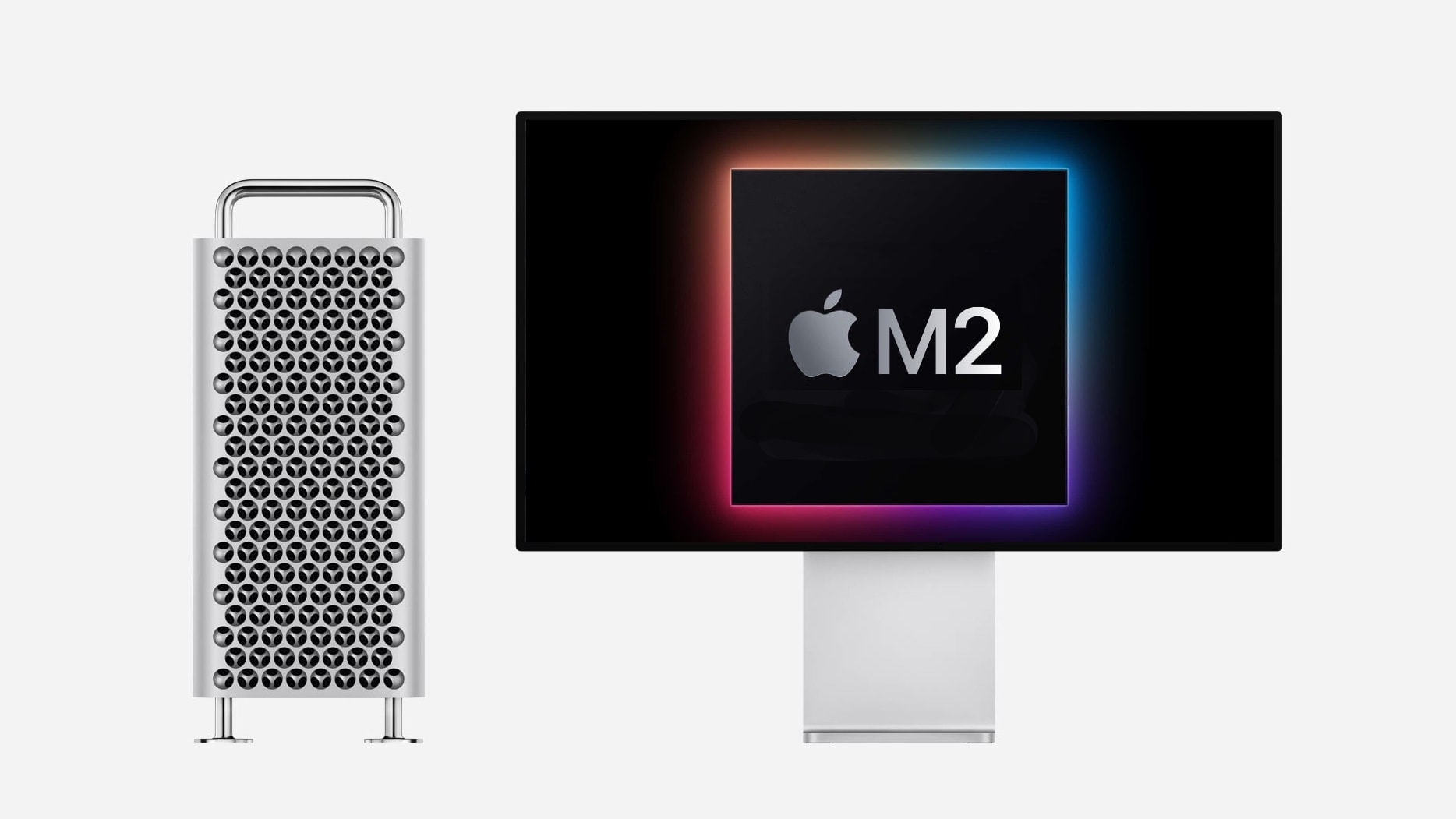
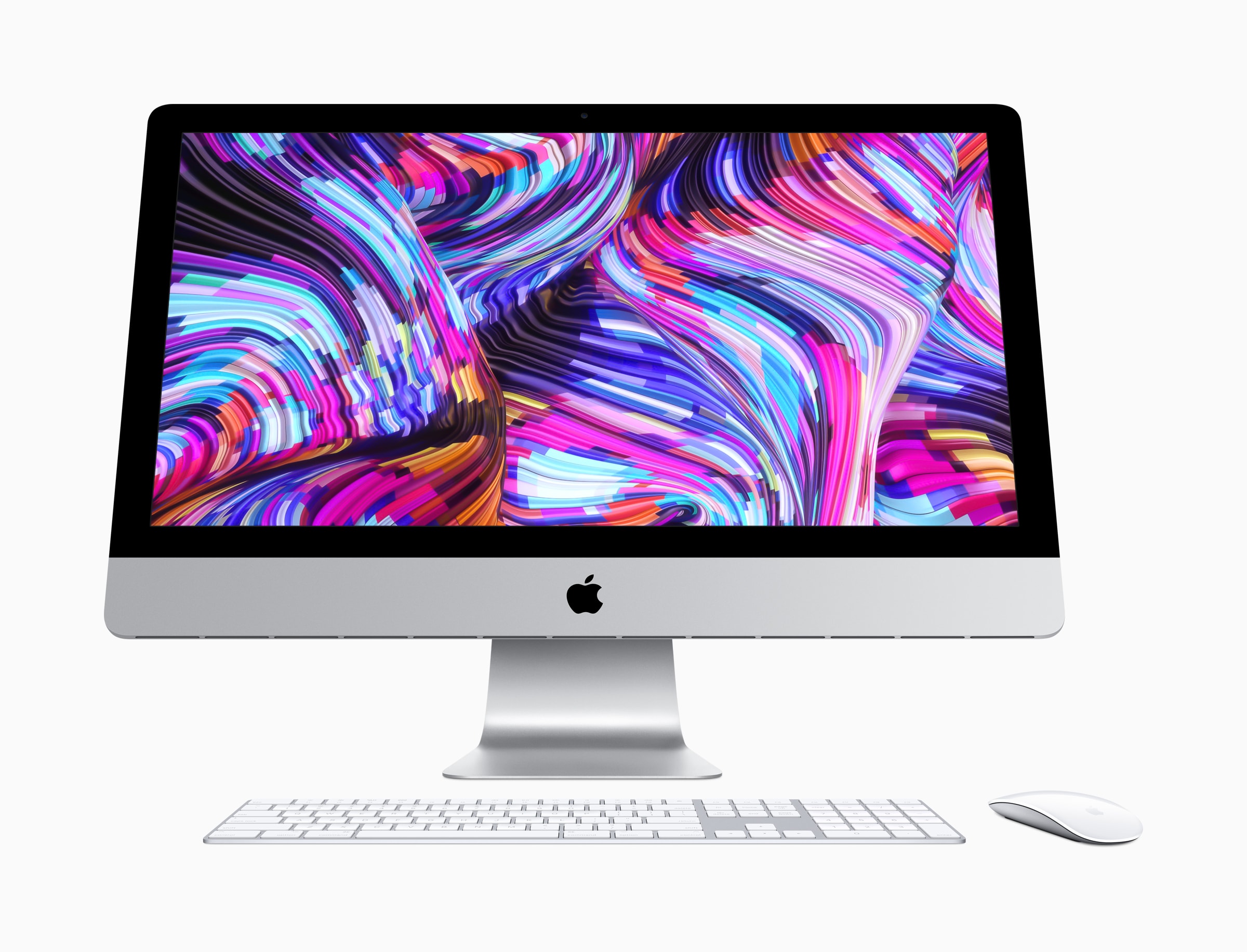
A vulnerability in M series processors could lead to unauthorized access of encrypted data. Photo: Apple/Cult of Mac
Security researchers have found a serious exploit in all Apple M-series processors. The hard-wired flaw could potentially could be used by hackers to get user credit card information or read encrypted messages.
The flaw exposes precious encryption keys, and it’s baked into the hardware — so it can’t easily be patched without a performance penalty. Here’s what you need to know.
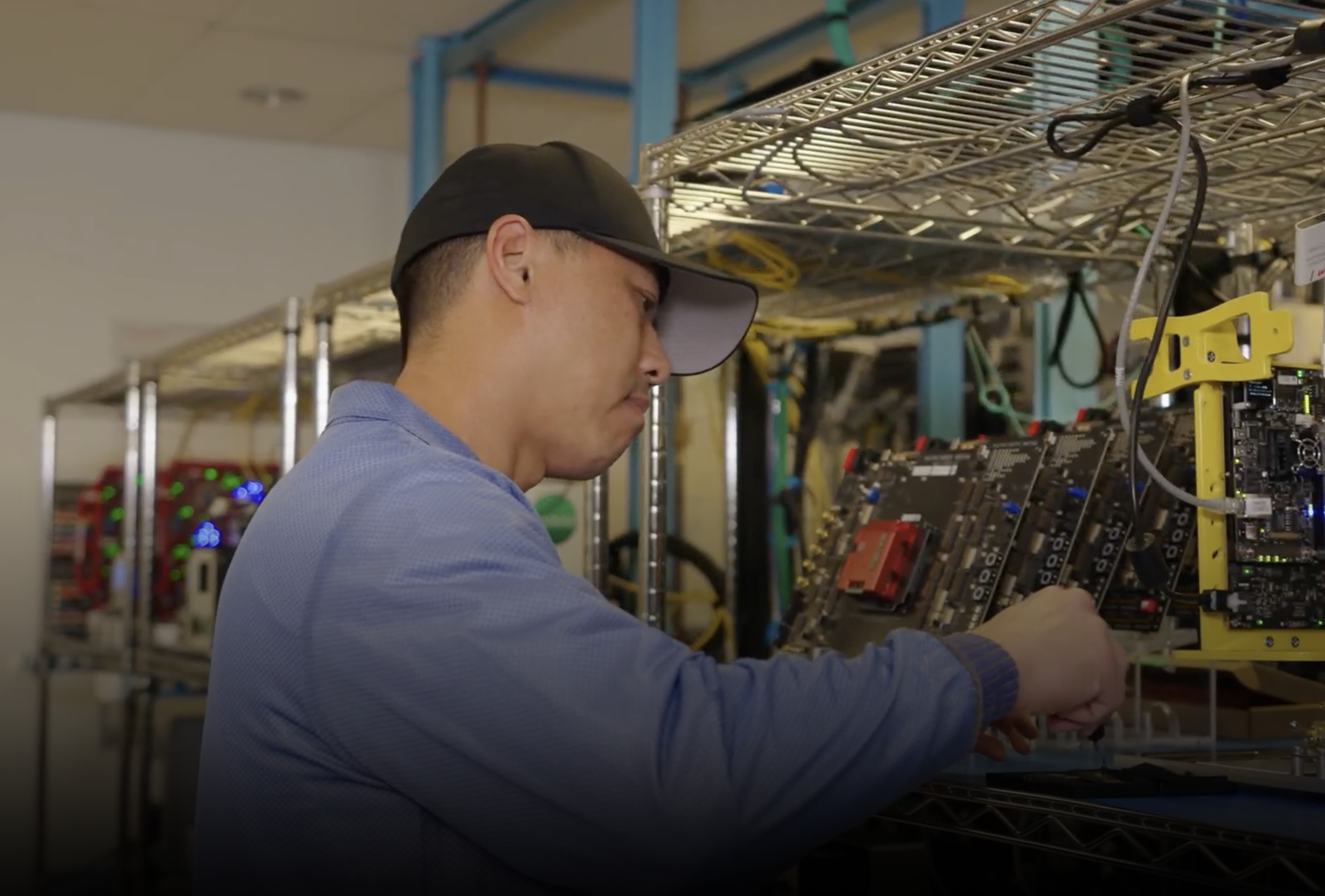
A technician works in the Apple silicon lab in Cupertino. Photo: CNBC
Apple showed off its Apple silicon lab to media for the first time recently, allowing unusual access along with video interviews with executives about Cupertino’s major chipmaking strides in recent years, culminating in the current M3 series.
“One of the most, if not the most, profound change at Apple, certainly in our products over the last 20 years, is how we now do so many of those technologies in-house,” Apple’s Senior Vice President of Hardware Engineering John Ternus said in one interview.
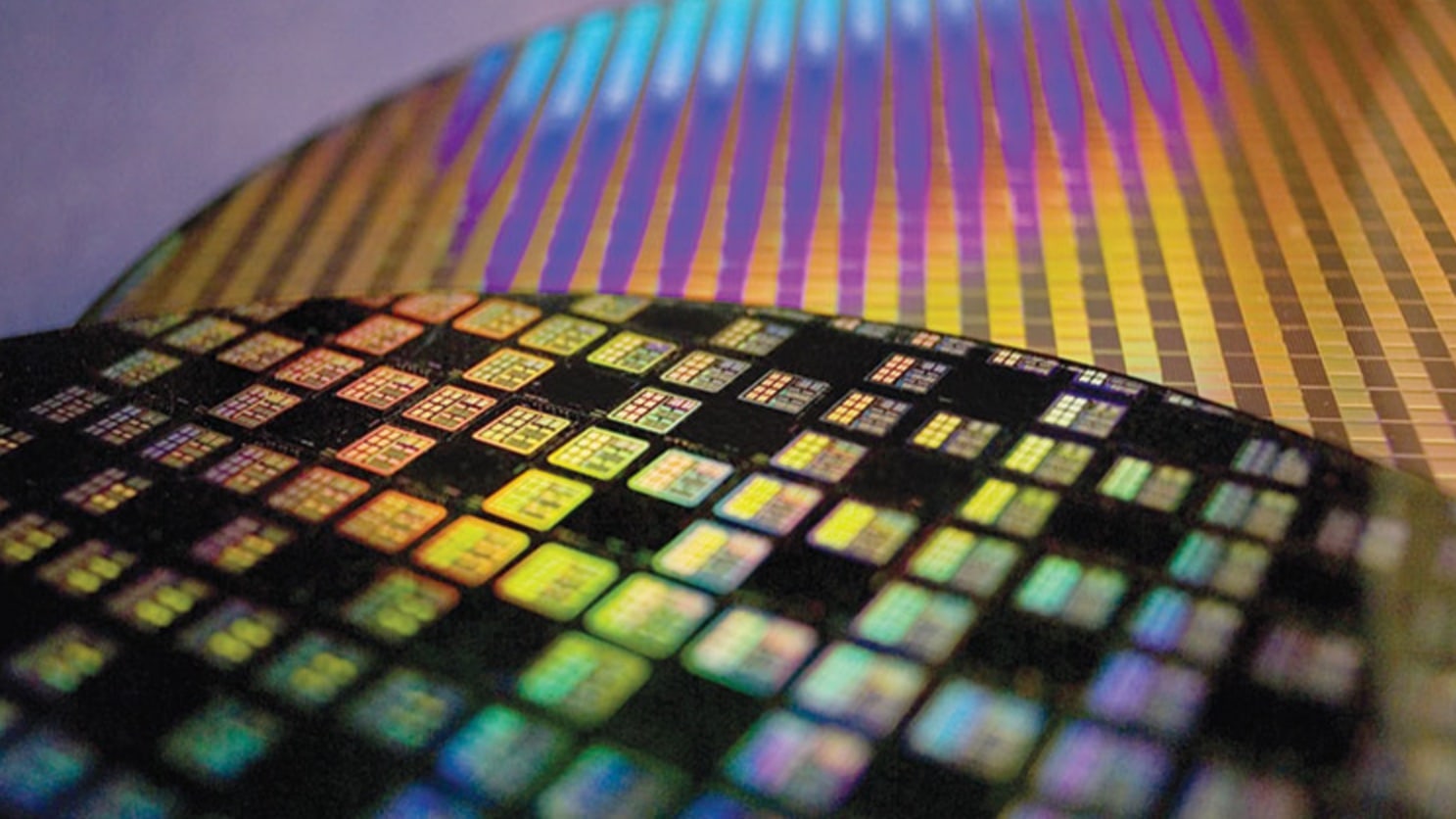
Chip wafers can't simply be plugged into a computer. They must be packaged first. Photo: TSMC
Apple silicon processors that TSMC makes at its Arizona plant will be packaged by Amkor at a nearby facility. This will save them from having to be shipped to Taiwan before going into iPhone, Mac, etc.
“Apple is deeply committed to the future of American manufacturing, and we’ll continue to expand our investment here in the United States,” said Jeff Williams, Apple’s COO. “Apple silicon has unlocked new levels of performance for our users, enabling them to do things they could never do before, and we are thrilled that Apple silicon will soon be produced and packaged in Arizona.”
Whatever you think Apple pays Arm to license its technology, the real number is probably less. Photo: Arm/Cult of Mac
All Apple computers run on chips based on technology licensed from Arm. And it turns out the licensing fee is surprisingly low. Pennies per device.
Apple is one of Arm’s most important customers, and the two have a relationship that goes back to the early 1990s. That’s turned into a sweet deal for the iPhone-maker.
Not every M3 MacBook Pro is created equal. Image: Cult of Mac
This week on Cult of Mac’s podcast: Erfon breaks down the specs/performance of Apple’s recently released MacBook Pro lineup, and he’s convinced there are only two models any sane person would buy. Listen to found out which models make the grade!
Also on The CultCast:
Apple reportedly slammed the breaks on the development of next year’s iPhone and Mac operating systems to concentrate on busting bugs. But was the pause really that big of a deal?
Elgato made a simple, smart change to its USB-C cables — and every manufacturer should follow suit.
An intriguing rumor indicates Apple might have a battery breakthrough in the works.
Listen to this week’s episode of The CultCast in the Podcasts app or your favorite podcast app. (Be sure to subscribe and leave us a review if you like it!) Or watch the video live stream, embedded below.
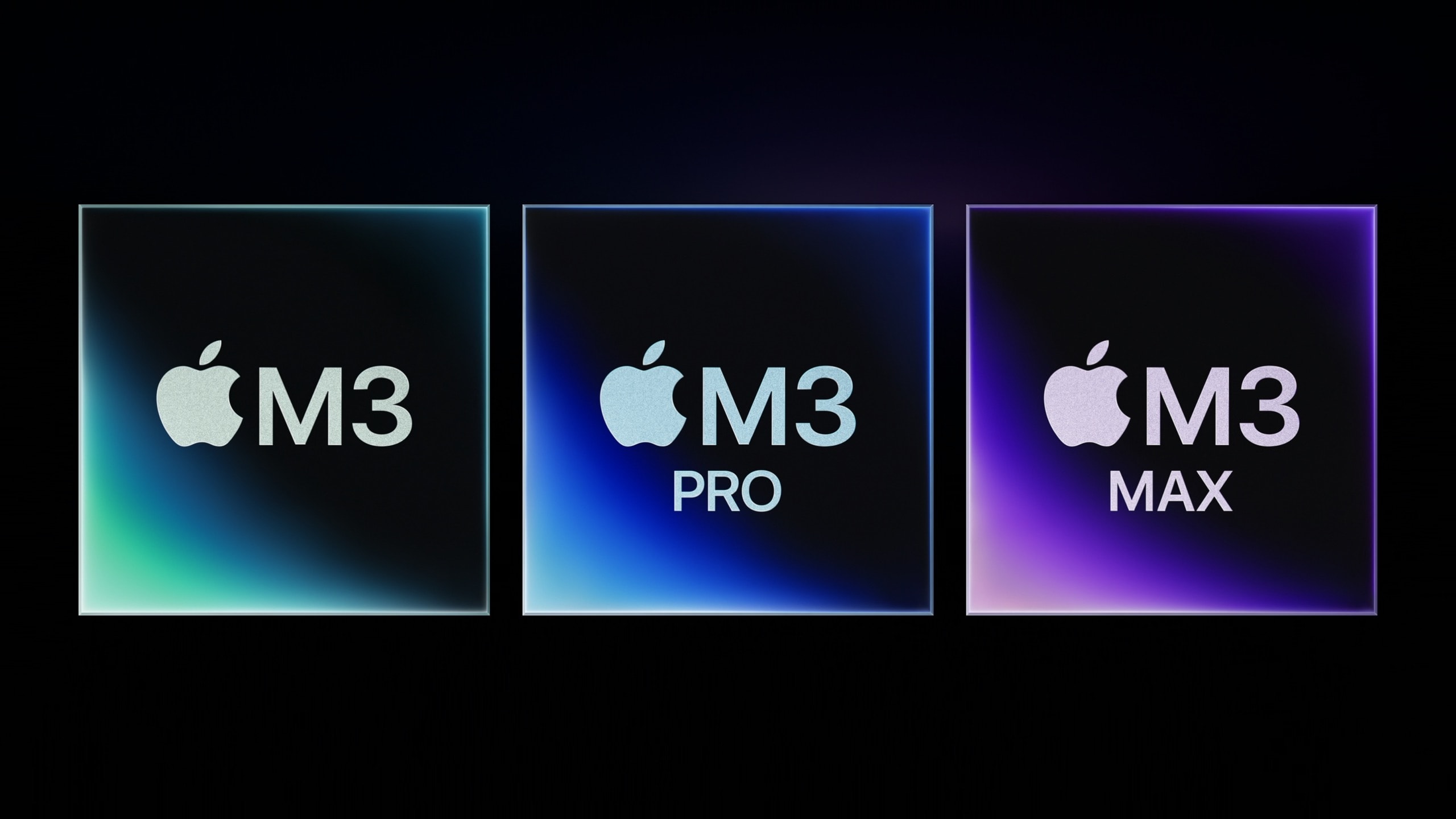
Apple unveiled the M3 and didn't make Mac users wait for the M3 Pro and M3 Max. Image: Apple
Apple broke with tradition and unveiled the M3, M3 Pro and M3 Max processors all at once on Monday, rather than stringing the releases out. The performance cores in the new chips are up to 30% faster than M1, and the efficiency cores are up to 50% faster.
“Apple silicon has completely redefined the Mac experience. Every aspect of its architecture is designed for performance and power efficiency,” said Johny Srouji, Apple’s SVP of Hardware Technologies. “With 3-nanometer technology, a next-generation GPU architecture, a higher-performance CPU, faster Neural Engine, and support for even more unified memory, M3, M3 Pro, and M3 Max are the most advanced chips ever built for a personal computer.”
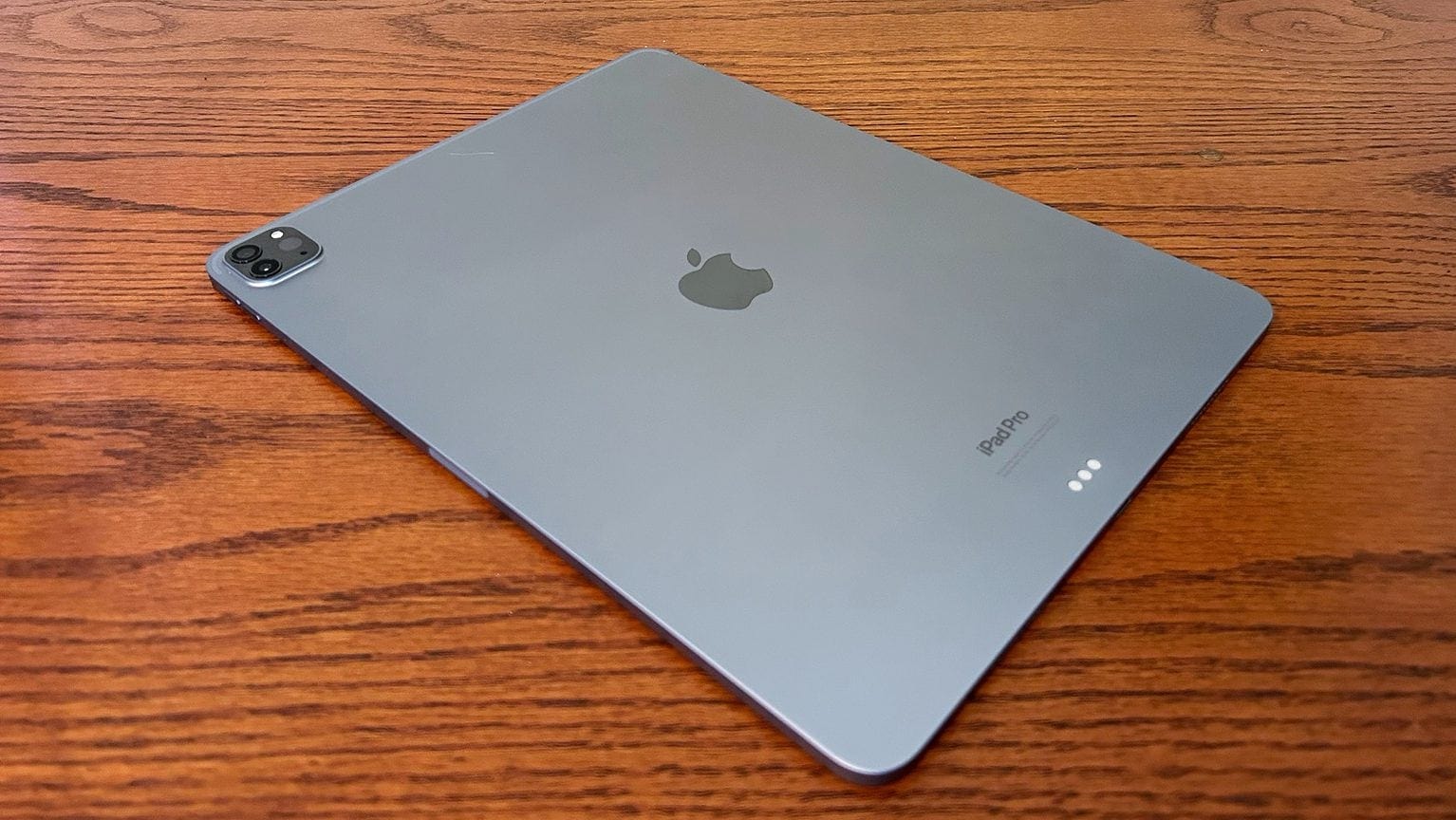
The next generation of iPads and MacBooks might see lower demand. Photo: Ed Hardy/Cult of Mac
Conditions over the past few years that led to robust sales of early Apple silicon Macs may not be there for 2024 MacBooks and iPads despite their advanced new 3nm chips, an analyst said Wednesday.
An anonymous tipster has bad news for the Mac Pro: Apple apparently has no plans to keep working on the scrapped chip that would have doubled the machine’s power. Development on Apple silicon is reportedly set all the way through the M5 generation.
There’s a beacon of hope, though. Multi-die packaging — technology being developed that could see the light of day around the M8 chip — eventually might give the Mac Pro the power it deserves. However, at Apple’s current pace, that’s at least six years away.
The wait for the Apple M3 processor could be shorter than expected. Image: Ed Hardy/Cult of Mac
Apple reportedly began internal testing of Macs powered by next-generation M3 chips. At least one of the variants could feature a 12-core CPU, an 18-core GPU and 36GB of system memory.
The next-generation Apple silicon remains a few months away from release, however. Rumors suggest it could debut at the end of this year or early 2024.
How far can you get without Rosetta 2? Image: Apple
Is it possible to get work done on an Apple silicon Mac without ever installing Rosetta 2, the compatibility layer for running old Intel apps? In short, yes.
After buying my first Apple silicon Mac earlier this year, I was curious if I could get settled into my new computer without Rosetta. And I was successful. I’ve been writing articles, making videos and recording podcasts for more than a month, and I haven’t yet come across a mission-critical app that’s Intel-exclusive.
While some of the work in the Asahi Linux project has been worked into Linux Kernel 6.2, and while Linux 6.2 will be adopted by the next major versions of Ubuntu and Fedora, this does not mean that Apple silicon Macs will be able to boot into these desktop environments.
The 2023 Mac Pro won't be simply the 2019 model with an M-series processor. But it is expected soon. Image: Cult of Mac
A high-level Apple executive says an upgraded Mac Pro is on the way, even if he did so in a backhanded way.
The company’s VP of Worldwide Product Marketing said in an interview that his company has “a clear goal to transition fully to Apple silicon.” That’s an oblique reference to the Mac Pro, the only macOS computer still running an Intel processor. A replacement with an Apple M-series chip could be out in mere weeks.
Tim Millet, Apple's vice president of platform architecture and hardware technologies, introduces the new MacBook Pro with M2 Pro and M2 Max chips. Photo: Apple
What pulled Apple away from Intel? In a new interview, Apple executives Tim Millet and Bob Borchers reveal why the company shifted to making its own Mac chips.
Plus, they shed light on what they’re doing to make the Mac a gaming platform once again, how the Apple silicon architecture can make it happen, and when the best time is to buy a new Mac.
The upcoming Mac Pro could look like this. Photo: Unsplash
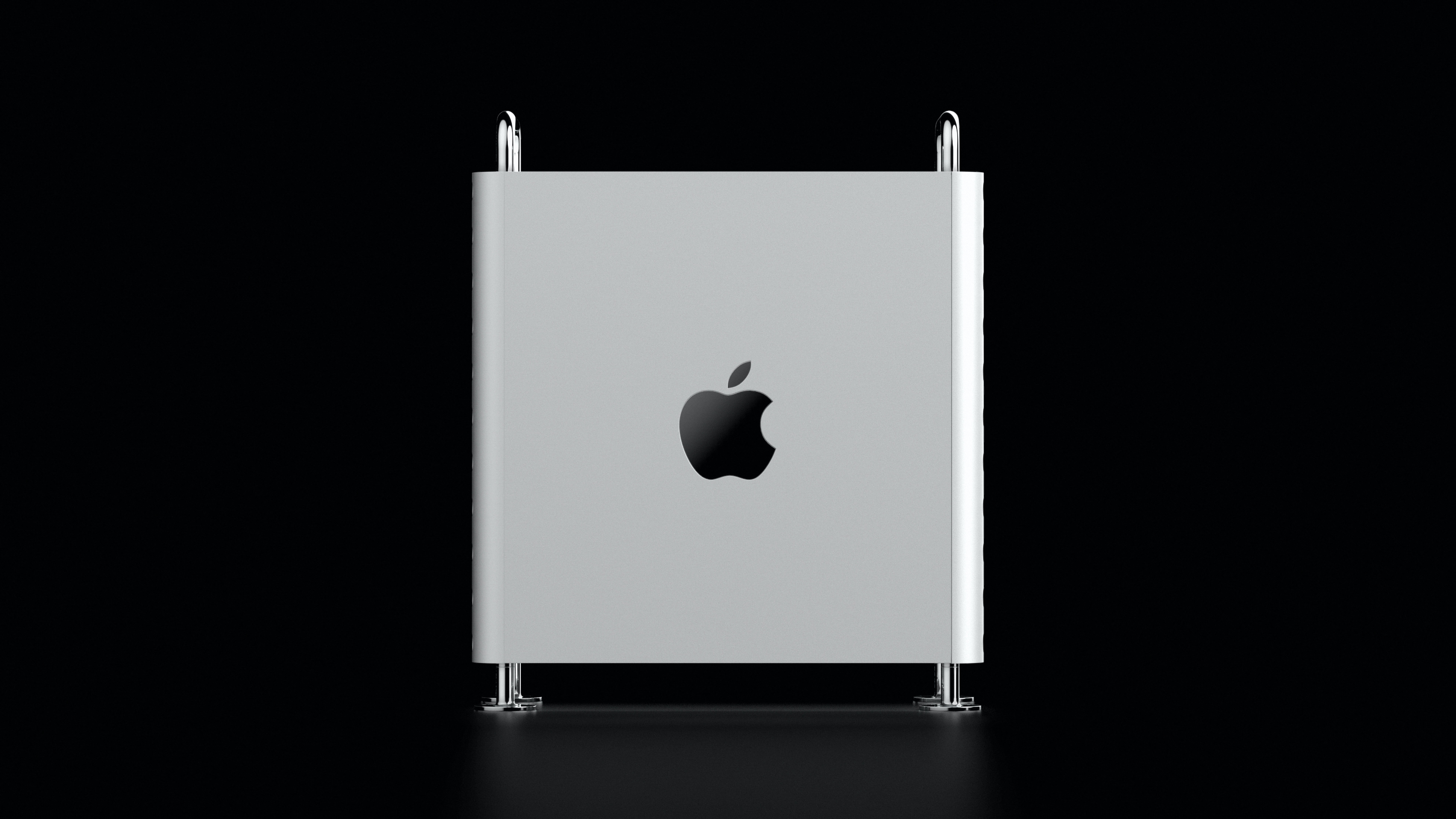
Contrary to rumors, the upcoming Apple silicon Mac Pro might disappoint many in the design department. A new report suggests the forthcoming Mac Pro refresh will have the same design as the 2019 Intel-based model.
The Apple silicon Mac Pro is widely expected to launch later this year. It would stand out in the Mac lineup by offering a certain degree of user upgradability but come with non-upgradeable system memory.
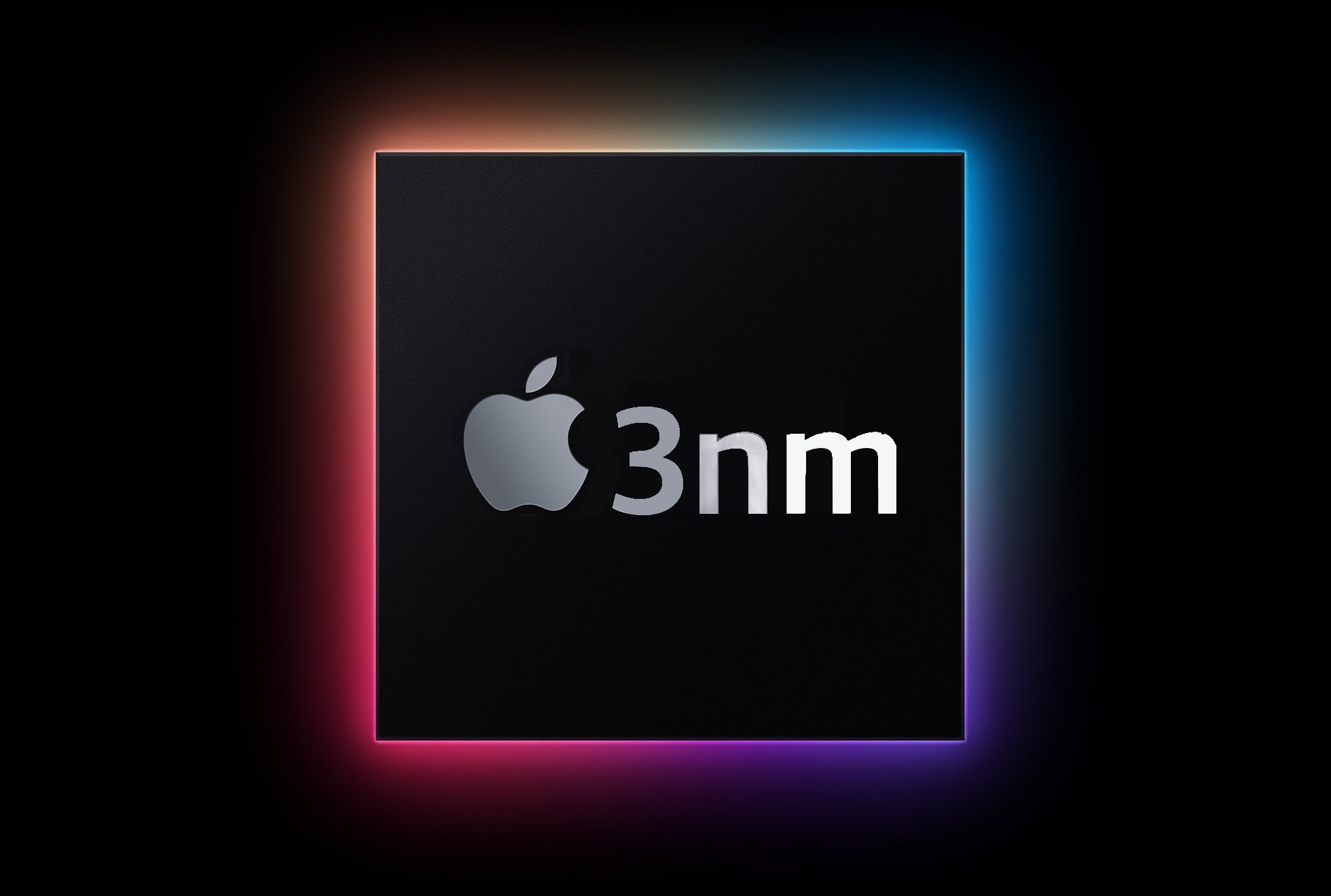
Apple will reportedly be one of the first companies in the world able to offer processors made with a 3nm process. Photo: Apple/Cult of Mac
3 nanometer chip production is about to begin at Taiwan Semiconductor Manufacturing Company. This is important news for Apple, as TSMC makes the CPUs for Mac, iPhone, iPad, etc.
Apple is expected to use 3nm processors in products launching in 2023, making the devices faster and more efficient.
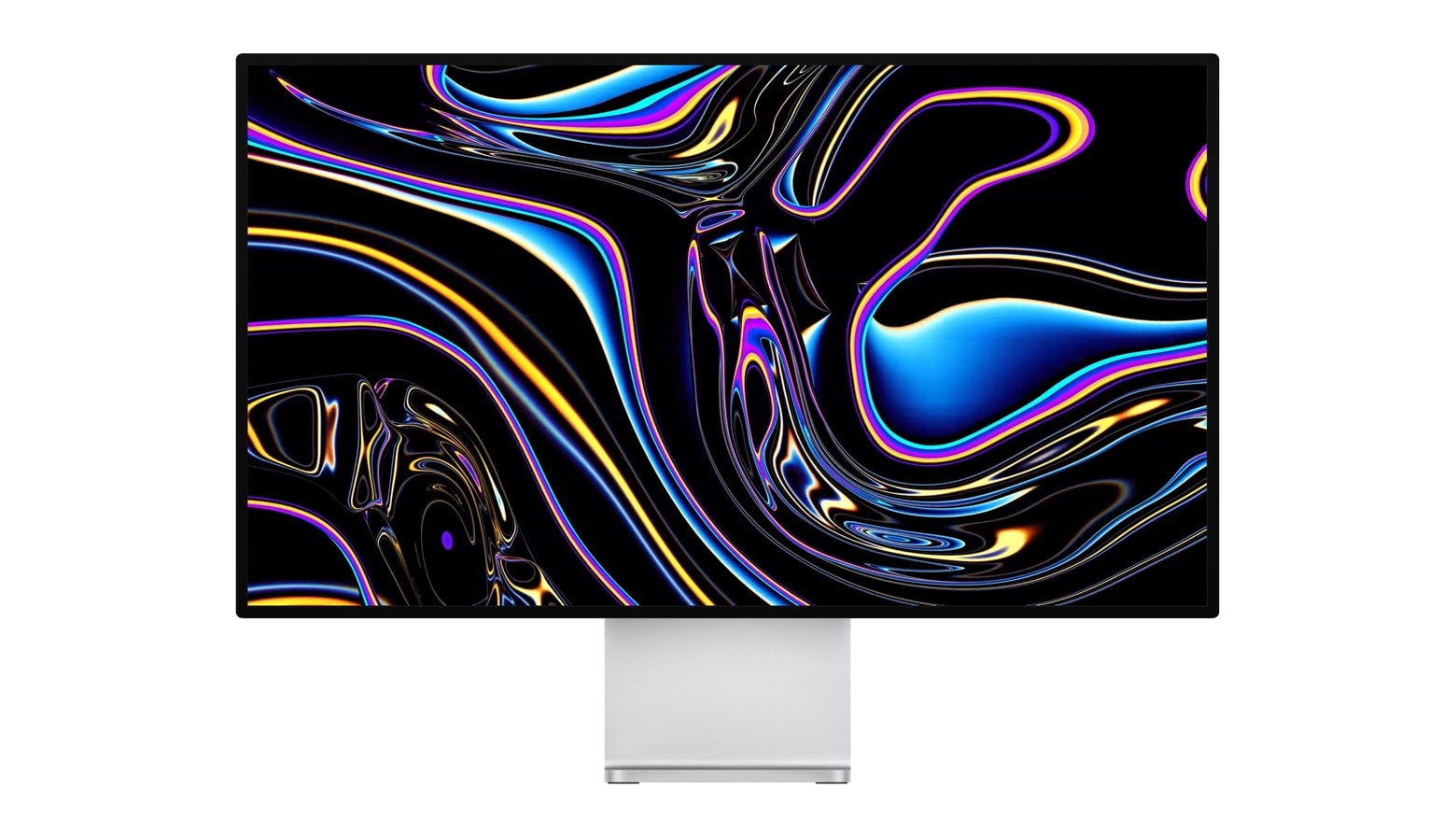
Apple has multiple external monitors under development. Photo: Apple
Apple is currently working on multiple new external monitors powered by Apple silicon. This includes a replacement for the Pro Display XDR that launched in 2019.
There’s no confirmed timeline for the launch of the new monitors.
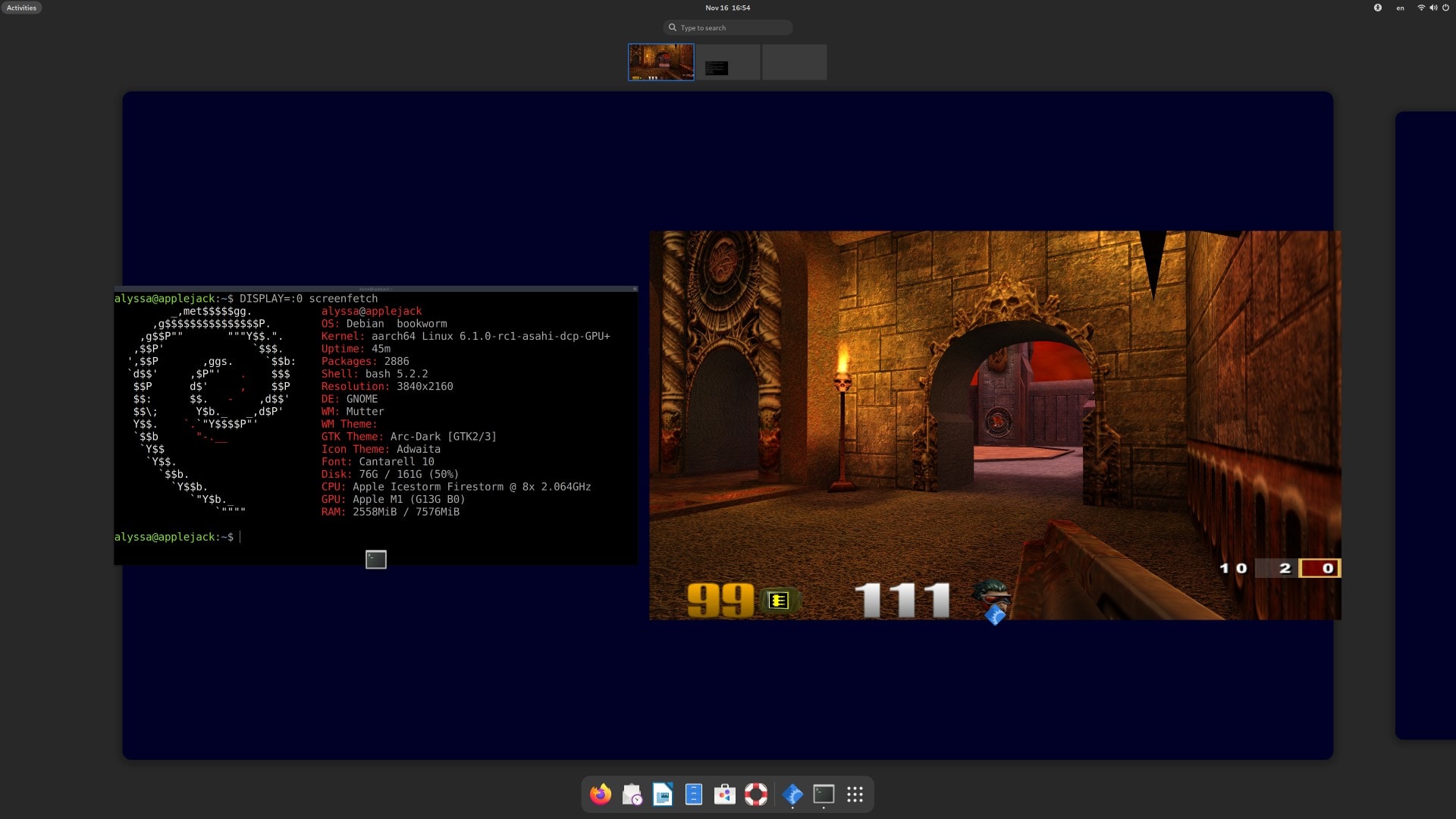
3D first-person shooter Quake 3 can run in Linux on an M1 Mac with the new graphics driver. Screenshot: Alyssa Rosenzweig & Asahi Lina/Asahi Linux Blog
Independent developers working to get Linux running on Apple silicon have made a significant breakthrough — the release of the first graphics driver. This is an important step toward running operating systems other than macOS on Apple’s powerful new computers.
“We’ve been working hard over the past two years to bring this new driver to everyone, and we’re really proud to finally be here,” wrote developers Alyssa Rosenzweig and Asahi Lina in a Wednesday blog post announcing the GPU driver release. “This is still an alpha driver, but it’s already good enough to run a smooth desktop experience and some games.”
The Mac was neglected today, but there's still some exciting stuff in the works. Photo: Apple
Apple’s “Take Note” product blitz on Tuesday did not include any Mac news. Instead, iPad stole the spotlight: a new iPad Pro with M2, a new entry-level iPad that isn’t actually priced at the entry level, a new Magic Keyboard Folio and yet another lease on life for the original Apple Pencil (now with a dongle!). A surprise entry is a new Apple TV 4K at a lower price with a USB-C Siri Remote.
But according to Bloomberg, new Macs are “highly likely to launch before the calendar turns into 2023.” What can we expect soon — and what’s on the roadmap?
Microsoft Teams is getting native support for M1 and M2 Macs ... pretty soon. Photo: Microsoft
Apple first said it would transition from Intel chips to Apple silicon more than 2 years ago. Then Cupertino launched the first M1 Mac in November 2020. And, finally, today Microsoft said its Teams app will now run natively on M1 and M2 Macs.
So it’s about time.
But don’t get greedy and expect the upgrade immediately. The Redmond tech giant said the rollout to users will be incremental.
Meet the chip powering Apple's new MacBook Air. Photo: Apple
Apple unveiled the next-generation of Apple silicon during the WWDC22 keynote Monday. This new M2 chip, which is launching in a redesigned MacBook Air and as an under-the-hood addition to the 13-inch MacBook Pro, offers even more power and efficiency than the previous-generation M1 processor.
“Today we begin our second generation of Apple silicon designed specifically for the Mac,” said Johny Srouji, Apple’s SVP of hardware technologies, during the live-streamed keynote.
The new M2 chip “goes beyond the remarkable features of M1,” he said. “Unlike others in the industry who significantly increase power to gain performance, our approach is different. We continue to have a relentless focus on power-efficient performance. In other words, maximizing performance while minimizing power consumption.”
Apple's lawsuit against Rivos alleges recruited engineers stole proprietary M1 chip information. Photo: Apple
Apple filed a lawsuit Friday against a “stealth mode” startup known as Rivos, saying it poached engineers who stole proprietary information as part of the recruitment process.
Cupertino said Rivos plans to design chips that will compete with its own — and starting with Apple’s own technology.
The M1 iMac is the perfect machine for your home office at its discounted price Photo: Apple
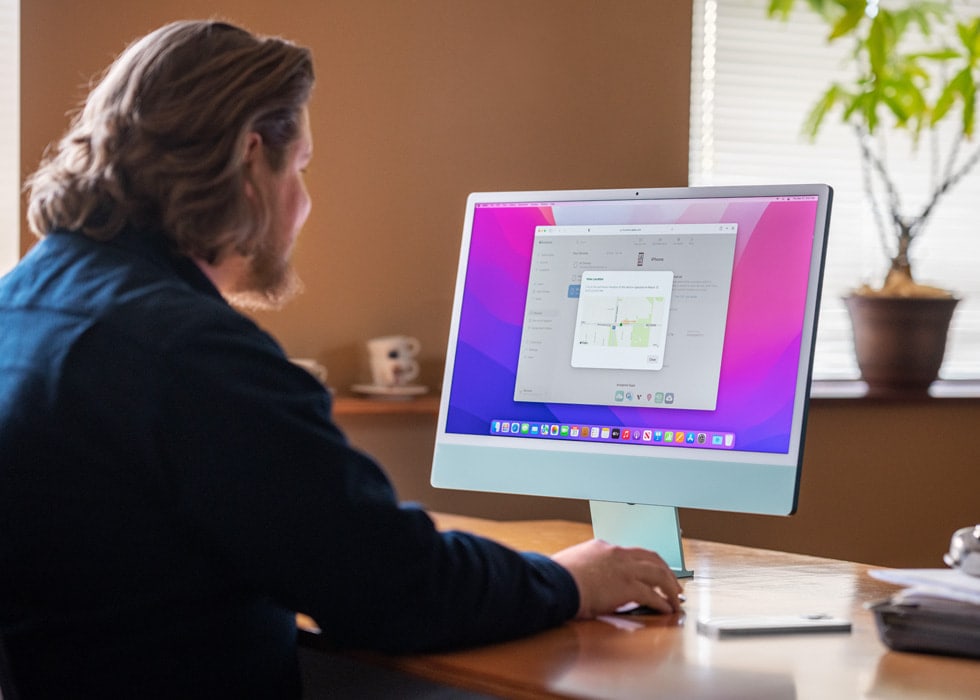
Apple’s excellent 24-inch M1 iMac is cheaper than ever on Amazon right now. The base model with 7-core GPU and 256GB storage is available for $1,199 after a $100 discount.
The more powerful model with 8-core GPU sees an even more attractive discount of $150.
Apple's new M1 Ultra chip is the most powerful one ever in a personal computer. Photo: Apple
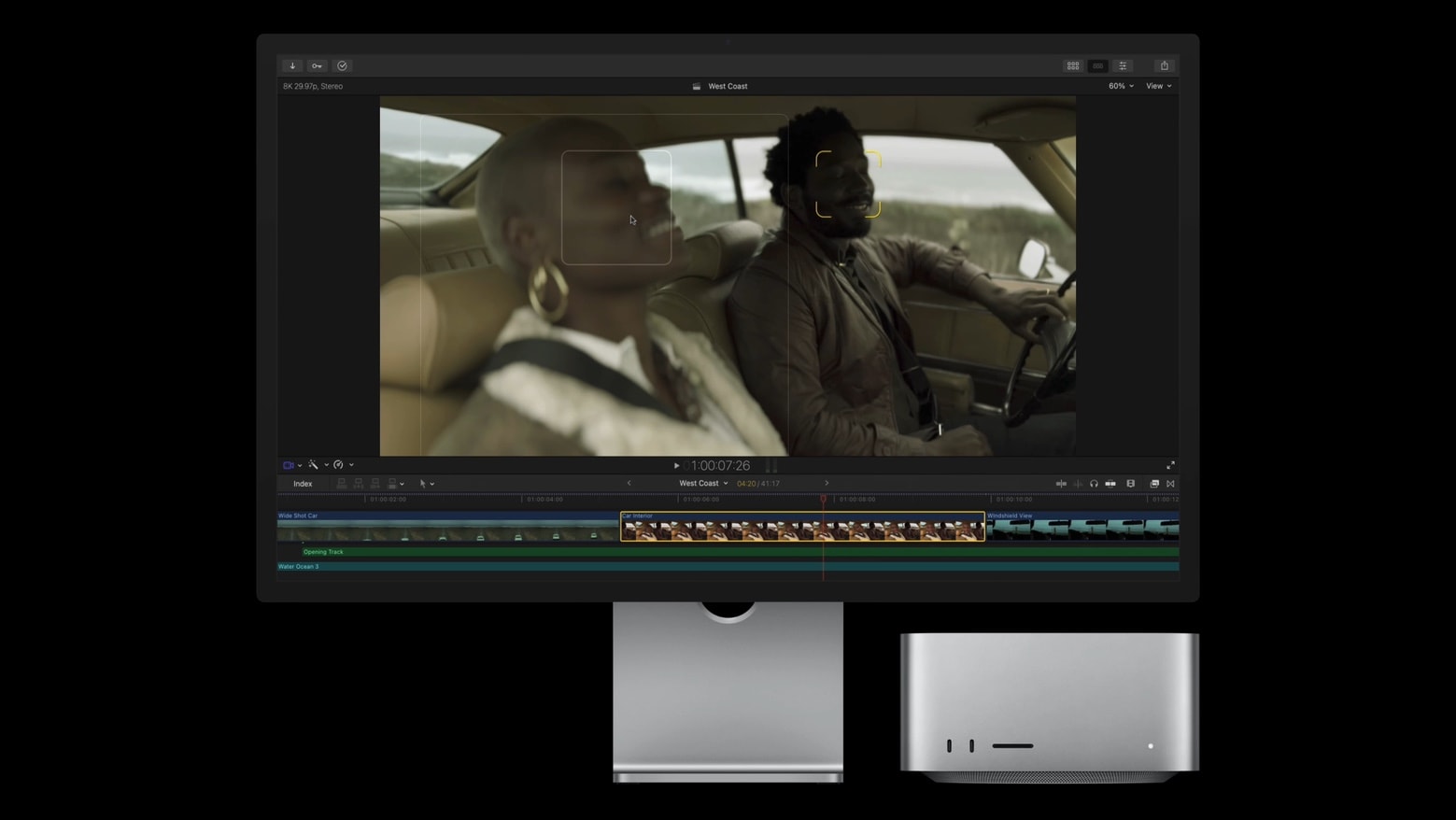
When Apple rolled out the first M1 chip in late 2020, it seemed like a pretty big jump forward. Then the new M1 Pro and M1 Max in MacBook Pro models blew people away in October 2021. Now the Cupertino tech giant calls its latest M1 Ultra chip in the new Mac Studio desktop computer “the next giant leap for Apple silicon and the Mac.”
It’s almost like when Neil Armstrong got back from taking “one giant leap for mankind” on the moon in 1969 — if someone had told him, “you can toss that jalopy you went up in. Now we’ve got a real spaceship for ya.”
Apple said at its “Peek Performance” event Tuesday that the M1 Ultra is “the world’s most powerful chip for a personal computer.”
A larger iMac with Apple silicon is expected later this year. Photo: Apple
After gracing us with its jaw-dropping Mac Studio and 27-inch Studio Display on Tuesday, Apple finally discontinued the aging 27-inch iMac. The machine is no longer available to purchase through official Apple retail channels.
It’s probably not gone for good, however. Cupertino is rumored to be working on a larger iMac model that could appear alongside other new Mac models — including a new MacBook Air and MacBook Pro — later this year.