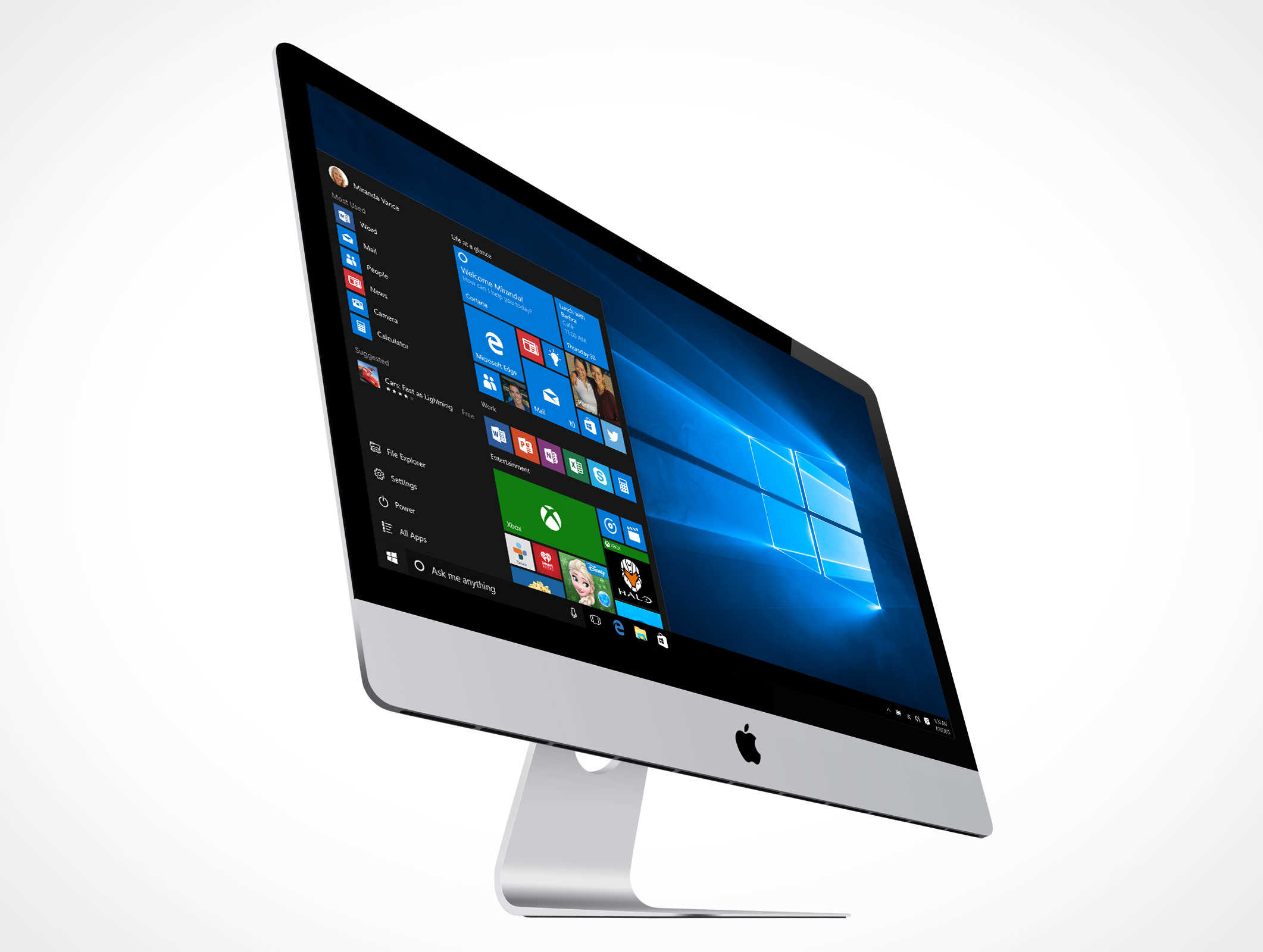
Here come those Apple Silicon Macs. Graphic: Apple
Apple sent out invites on Monday to an unprecedented third product launch event. This will almost certainly be the debut of Macs running Apple Silicon, the company’s own processors.
Titled “One More Thing,” the November event is scheduled for 10 a.m. PST on Tuesday, November 10.
Apple announced the transition to Apple Silicon at this year's WWDC. Photo: Apple
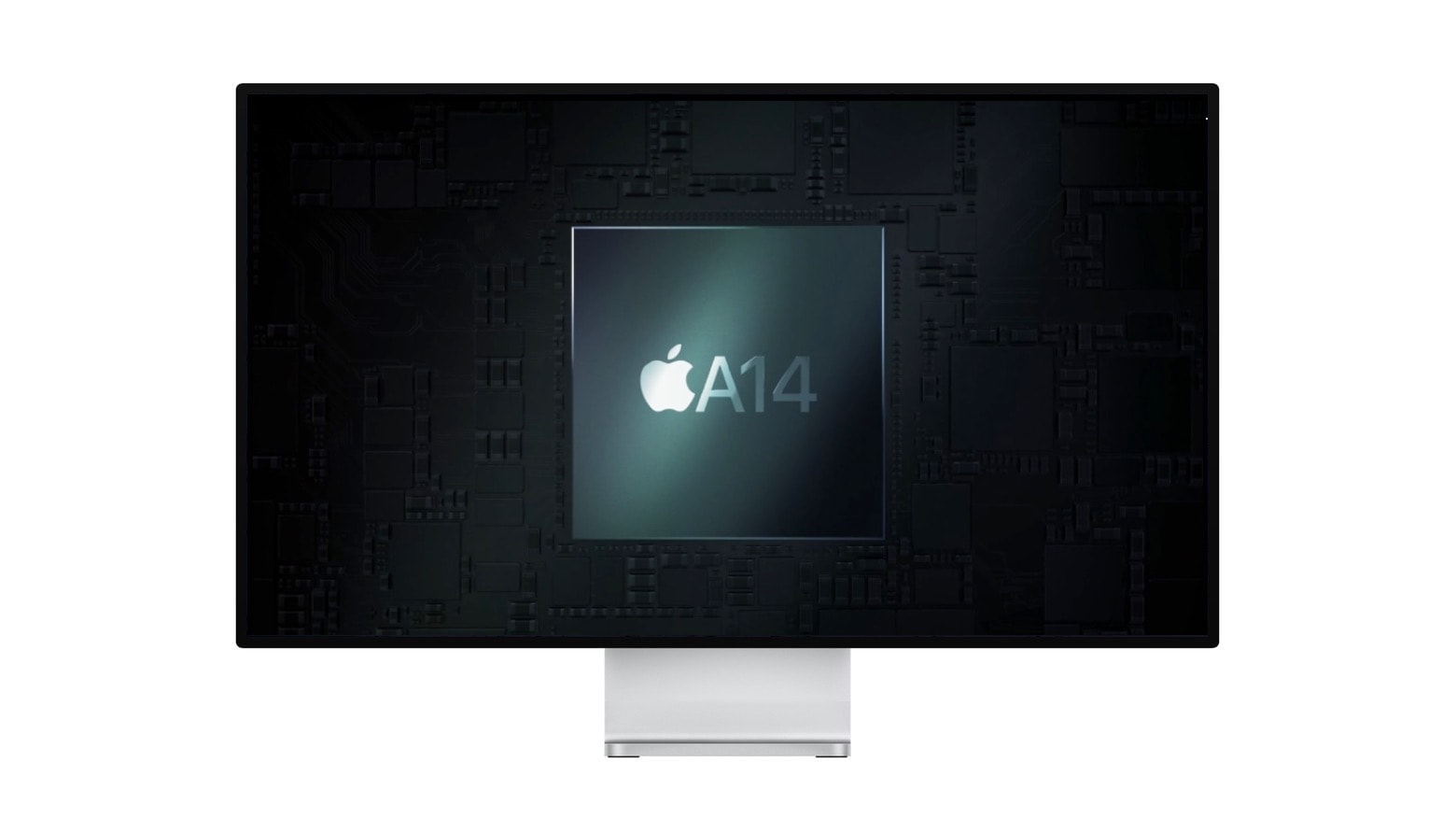
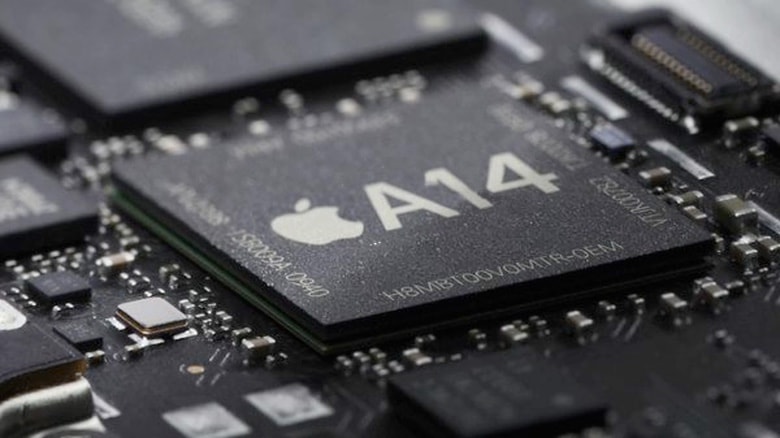
A version of the A14 processor in the new iPhone 12 handsets and iPad Air 4 could power the upcoming Apple Silicon iMac, a report published Tuesday claims.
The so-called A14T chip is reportedly code-named “Mt. Jade.” Like Apple’s other A14 processors, it will be made using the 5-nanometer process. Apple is also developing its own self-contained GPU, which is known inside the company as “Lifuka.”
Apple's "Hi, Speed" event offered up some nice updates to the iPhone 12 and HomePod, but left some boxes on the wishlist unchecked. Photo: Ian Fuchs/Cult of Mac
It happens before every Apple event. The rumor mill, tech blogs (hello), and iPhone-obsessed nerds pin every hope, dream and desire on the next version of Apple’s devices.
More often than not, those desires are dashed, pushing those wants off to another event. While Apple’s iPhone 12 event showed the steps the company is taking toward iterating on its most popular device, there were also some things left on the wish list.
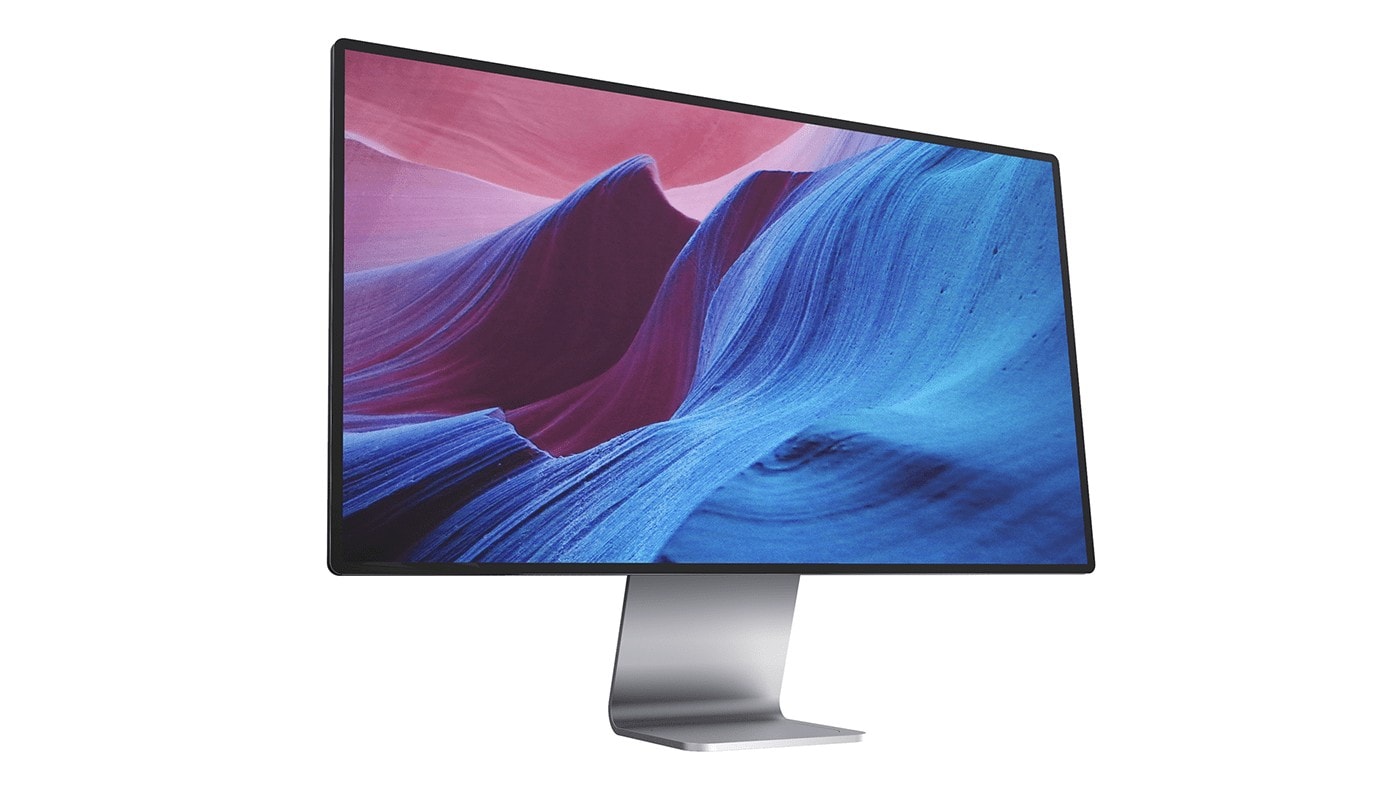
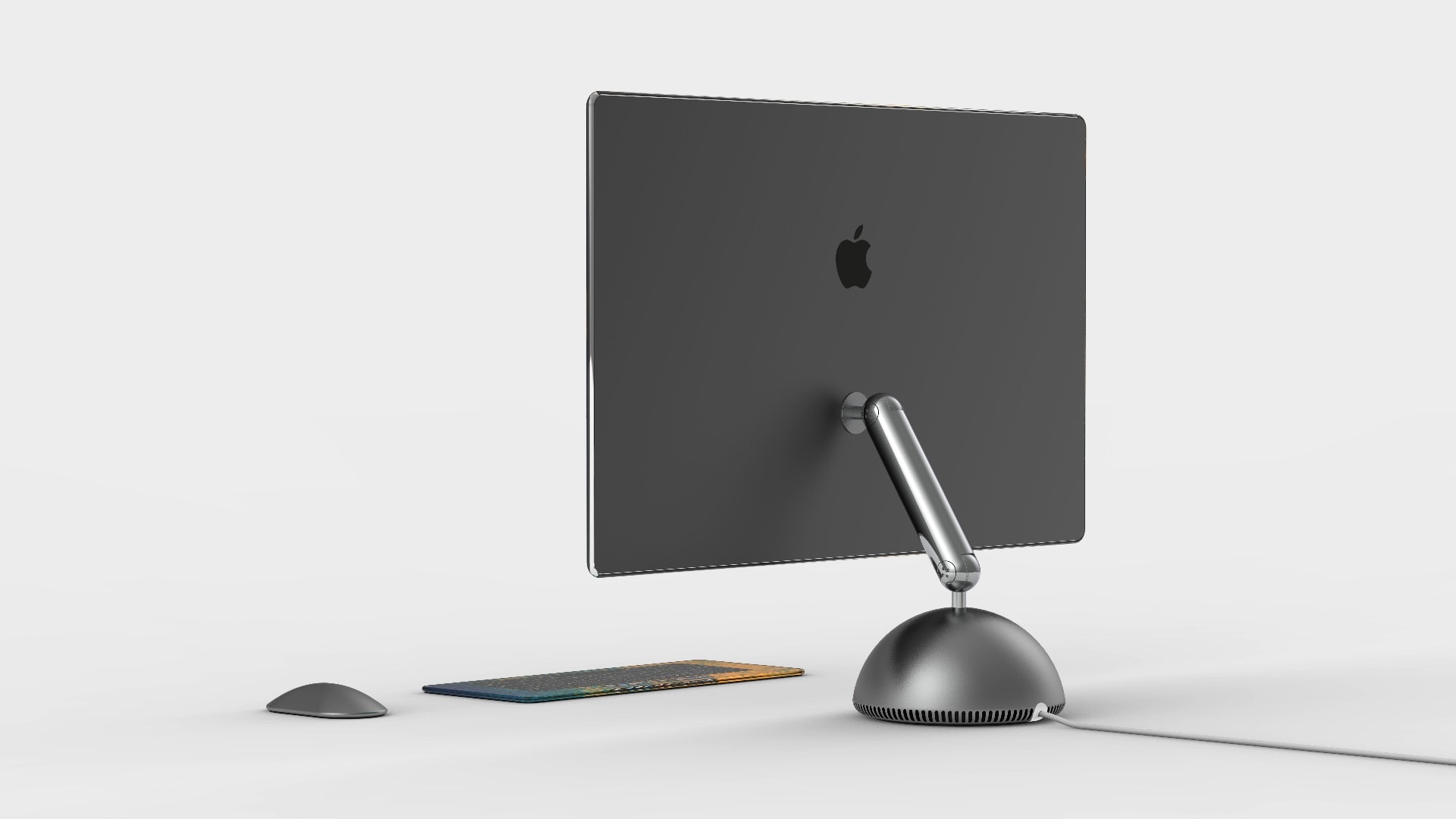
This concept iMac with an A14 processor might really be on the way. Concept: Ed Hardy/Cult of Mac
Apple is prepping the first laptops and desktops to launch with macOS Big Sur 11, according to the Eurasian Economic Commission. It’s possible these will be the initial models running Apple Silicon, as this company’s switch away from Intel chips is scheduled to begin soon.
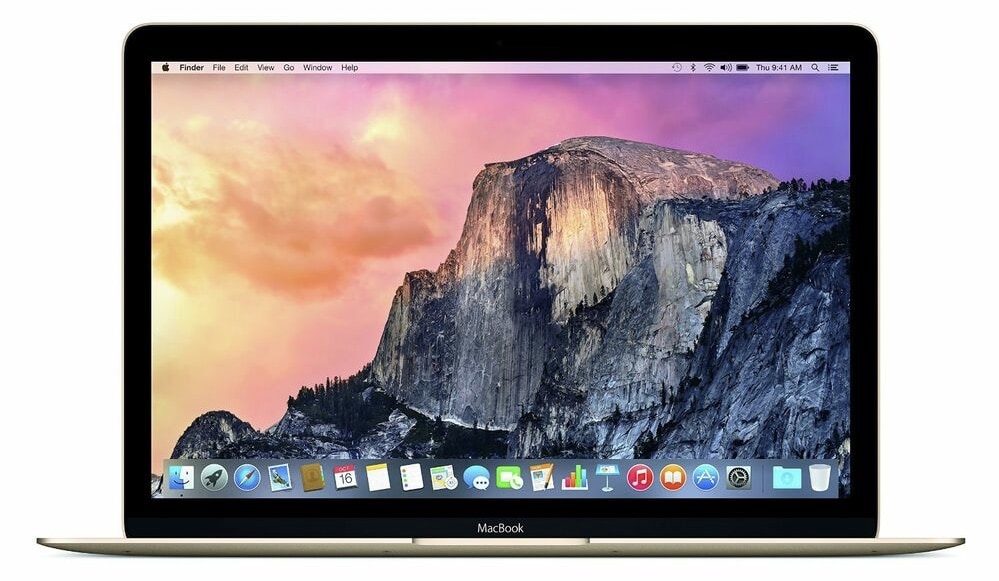
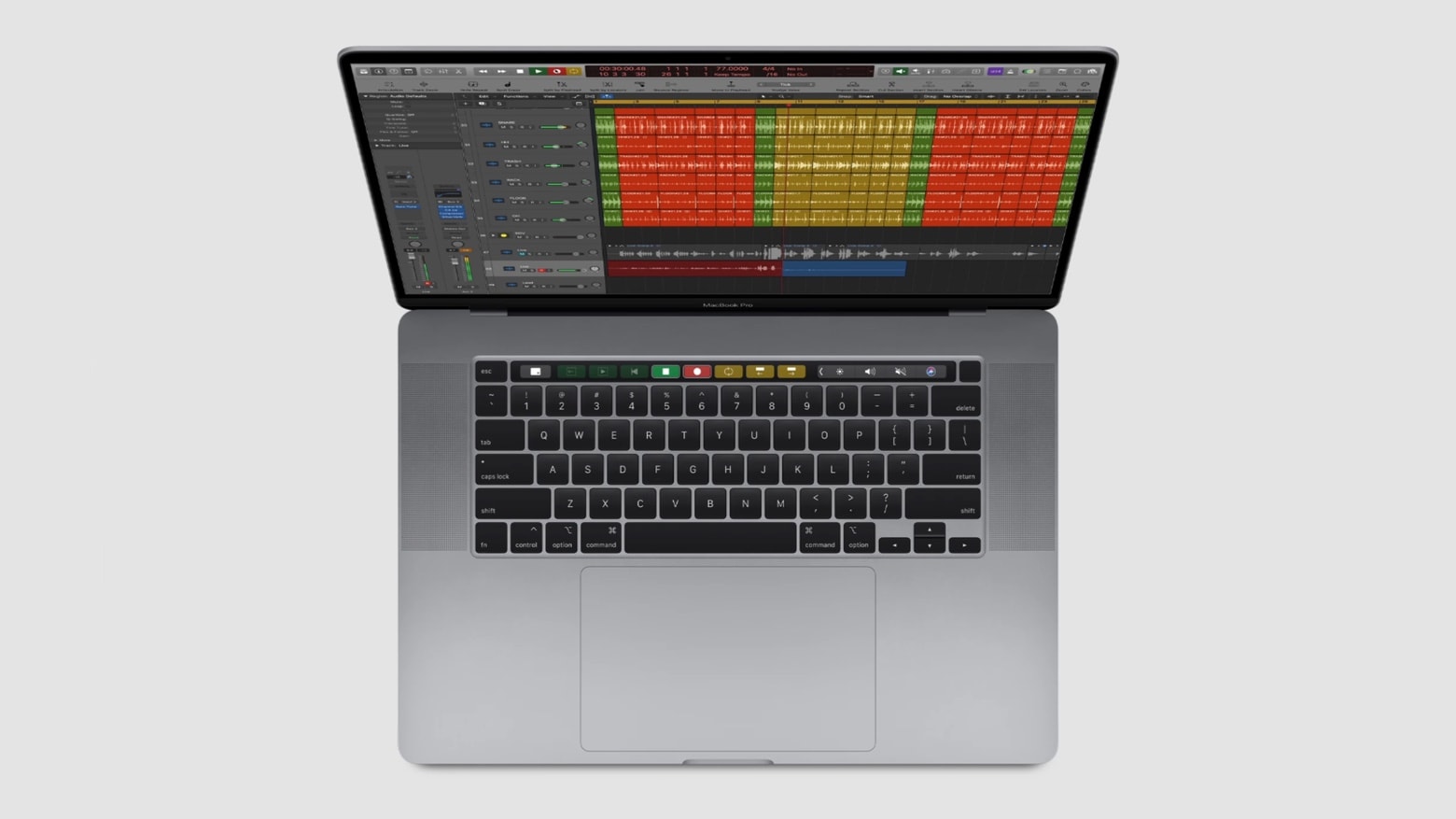
A MacBook with Apple Silicon might be in the offing, but not in October. Photo: Cult of Mac
The first Mac running an Apple processor reportedly won’t take the stage at Apple’s big product event next Tuesday. Instead, the initial macOS computer with Apple Silicon supposedly won‘t see the light of day until November.
The theme of the 2020 Apple October event is “Hi, Speed.” Photo: Apple
Apple just invited the world to an event on October 13. No agenda was announced, but there’s little doubt the star will be the iPhone 12, the first iOS device with 5G wireless networking. Apple hinted at the coming upgrade with the title of the event: “Hi, Speed.”
But a handful of other products might also be on the docket, including the first MacBook built around Apple Silicon rather than an Intel processor.
The Apple A14 processor is at the heart of the new iPad Air, and likely the iPhone 12 too. Screenshot: Apple
During Apple’s “Time Flies” event, CEO Tim Cook took the wraps off a brand-new, totally redesigned fourth-generation iPad Air. Packed inside the device is Apple’s latest iteration of its custom silicon, the all-new A14 Bionic processor.
Mass production on the 5-nanometer chips that will be used in the next-gen iPad Pro and the inaugural Apple Silicon Mac will supposedly kick off in the fourth quarter of 2020, Digitimes reported Wednesday.
According to the report, TSMC will be turning out around 5,000-6,000 Apple Silicon wafers per month. This is rumored to be the A14X chip, which is a more powerful version of the A14 expected with this year’s iPhone 12.
Could it look something like this? Photo: Daniel Bautista
A brand-new iMac, powered by Apple Silicon combined with a custom Apple GPU, will land during the second half of 2021, according to a new report.
Codenamed “Lifuka,” the all-in-one is expected to use 5-nanometer chips manufactured by Taiwan Semiconductor Manufacturing Company — like those destined for iPhone 12 and other Apple Silicon machines later this year.
One of Apple’s first ARM-powered notebooks could be a 12-inch MacBook with butterfly keyboard, according to one tipster. The entry-level machine could sell for just $849 with 256GB storage as standard.
Other specifications are said to include up to 20 hours of battery life in between charges, up to 16GB of RAM, and a single USB-C port.
A less-expensive Apple Watch is just one of the predictions made today by a serial leaker. Illustration: Ed Hardy/Cult of Mac
A regular source of Apple leaks said on Thursday that a less expensive version of the Apple Watch is in the offing.
This was just one of multiple tidbits Jon Prosser dropped during a public Q&A session. He mentioned the first MacBook with Apple silicon, talked a bit about the company’s game controller, and more.
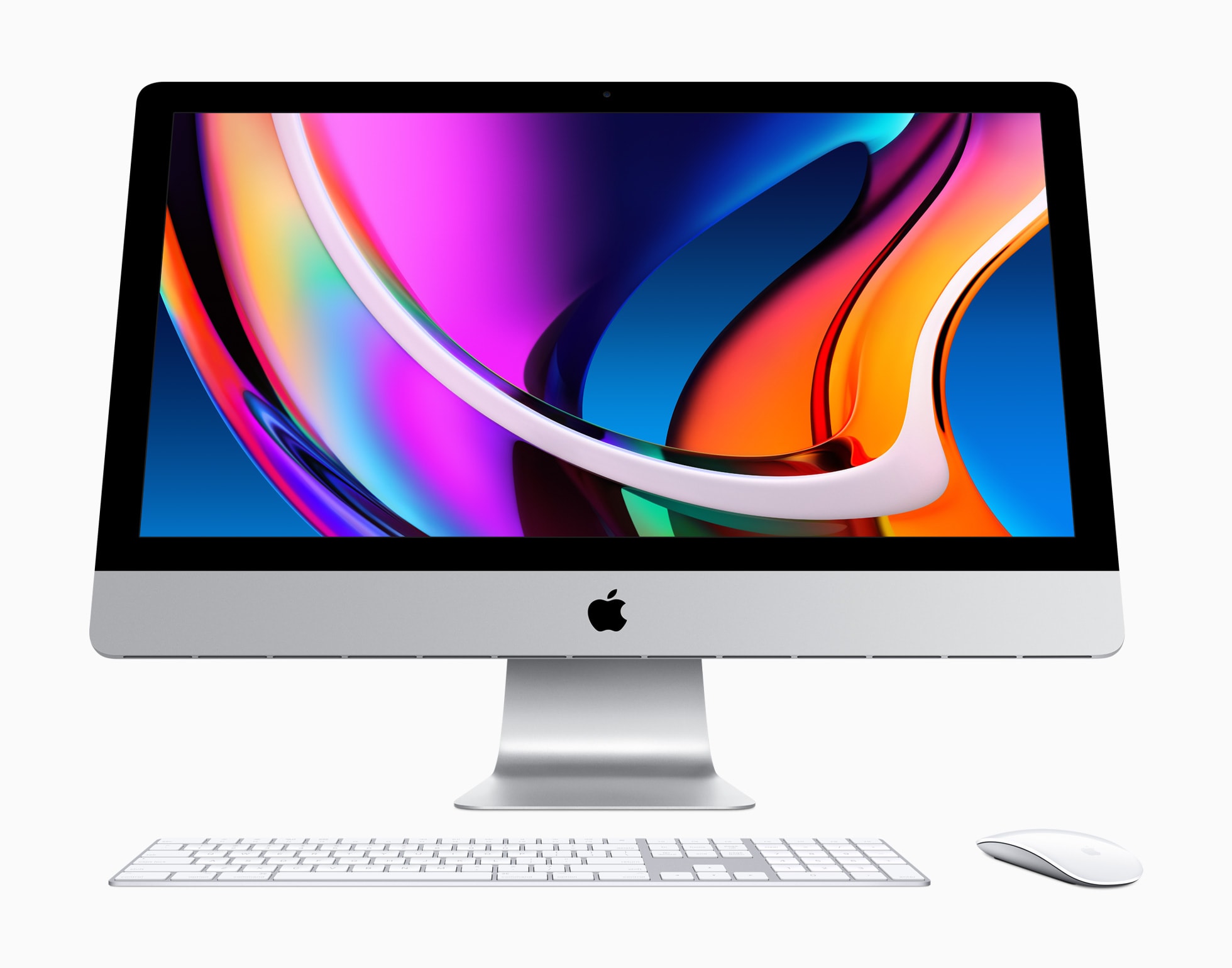
The 2020 iMac is certainly worth your cash. Photo: Apple
Apple’s newest iMac is by far the fastest yet, with huge increases in both CPU and GPU performance. It also ships with improved speakers and microphones. And yet, it seems a lot of Apple fans don’t care.
The reason? The new iMac is powered by Intel processors, like all its predecessors since 2006, instead of Apple Silicon. Since Apple revealed its plan to switch to its own custom chips at the Worldwide Developers Conference in June, Intel processors just don’t hold the same appeal.
But there are some great reasons to continue buying Intel-powered Macs in 2020. Here are a few.
Don't expect a futuristic redesign just yet. Photo: Xhakomo Doda
Apple could (possibly) debut its iMac refresh as soon as this week. But those hoping for the much-rumored iMac redesign and Apple Silicon integration likely will need to wait a bit longer.
The suggestion that Apple will update the iMac was first mentioned in a tweet by leaker @Soybeys that has since been deleted. Apple leaker Jon Prosser, who also has been known to be pretty accurate in the past, said new iMacs are on the way, but suggested they will debut in August instead.
Prosser also said not to expect a major iMac redesign until the first Apple Silicon Macs arrive further down the line.
Are you excited about the first Apple Silicon MacBooks? Photo: Apple
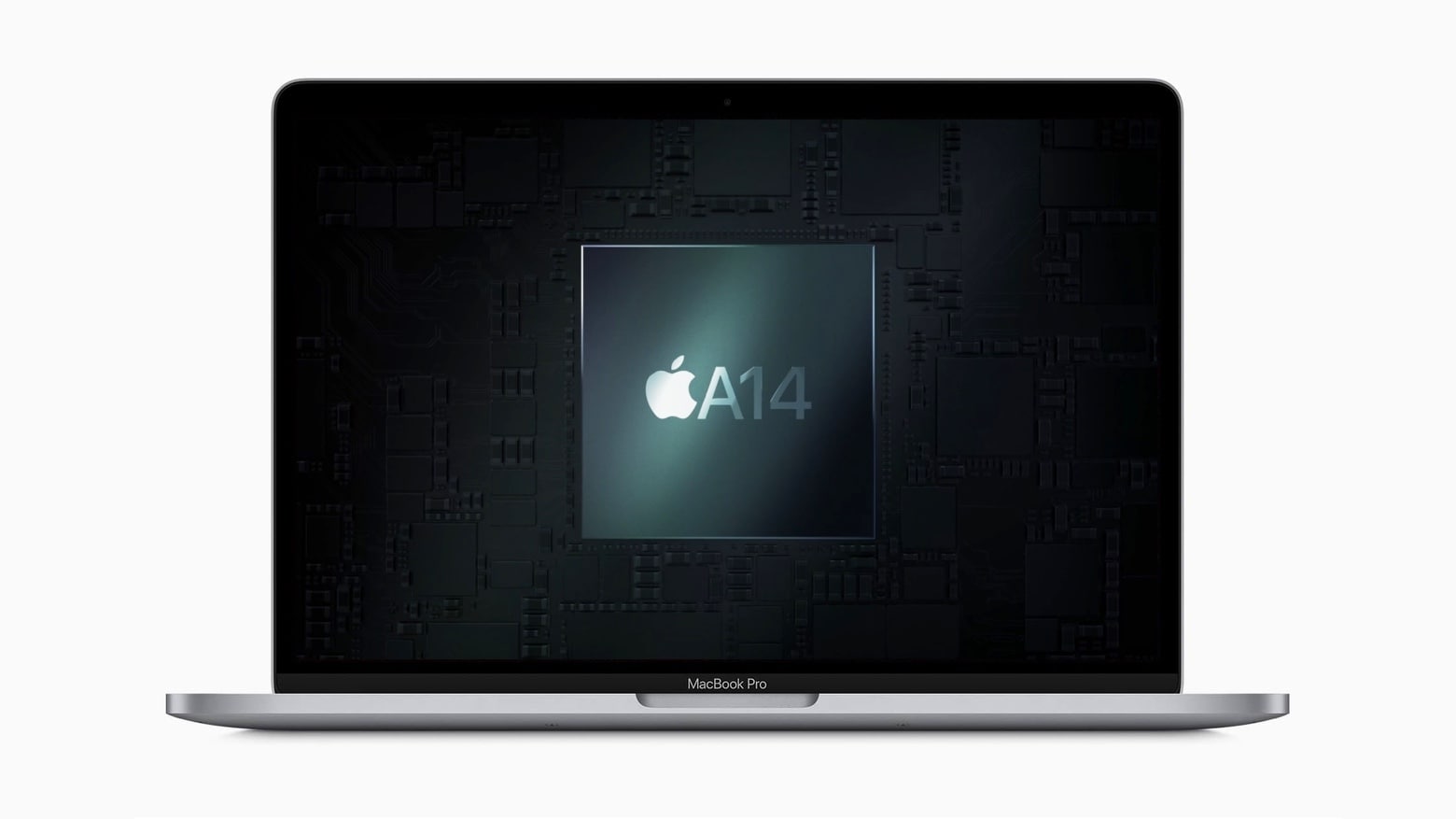
Apple will release its first MacBook Pro and MacBook Air powered by Apple Silicon by the end of 2020, a report published Thursday claims.
According to Digitimes, Apple manufacturers will start shipping components such as backlit units (BLUs) for the next-gen MacBooks in the third quarter of 2020. That could be any time between now and September.
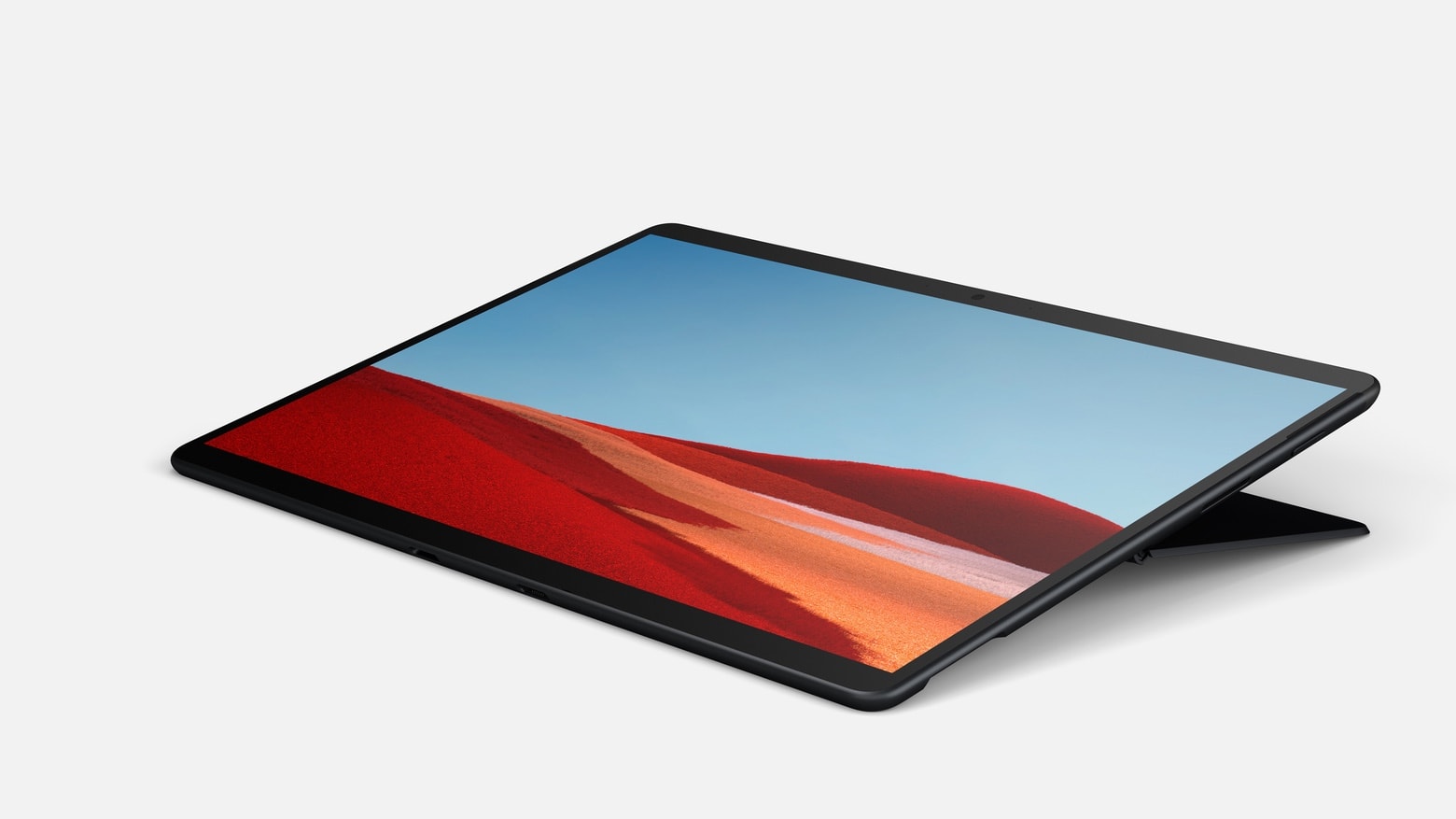
Now that Apple is giving up Intel, and Surface Pro X shows Microsoft is considering it, the future could be grim for Intel. Photo: Microsoft
Macs moving from Intel to Apple Silicon could cause Windows computer-makers to dump Intel as well, according to Jean-Louis Gassée, the former head of Mac development back in the 1980s. He thinks the move could be led by Microsoft.
Apple will ship its first Apple Silicon-based MacBook Air late 2020 or early 2021, reliable Apple analyst Ming-Chi Kuo claimed in a note published Friday.
Kuo has previously said a 13.3-inch Apple Silicon MacBook Pro will ship before the end of the year. However, this is the first time he has talked about the future of the MacBook Air line.
The (potentially) best news of all? Kuo thinks the switch from Intel CPUs could make the MacBook Air even cheaper than current models.
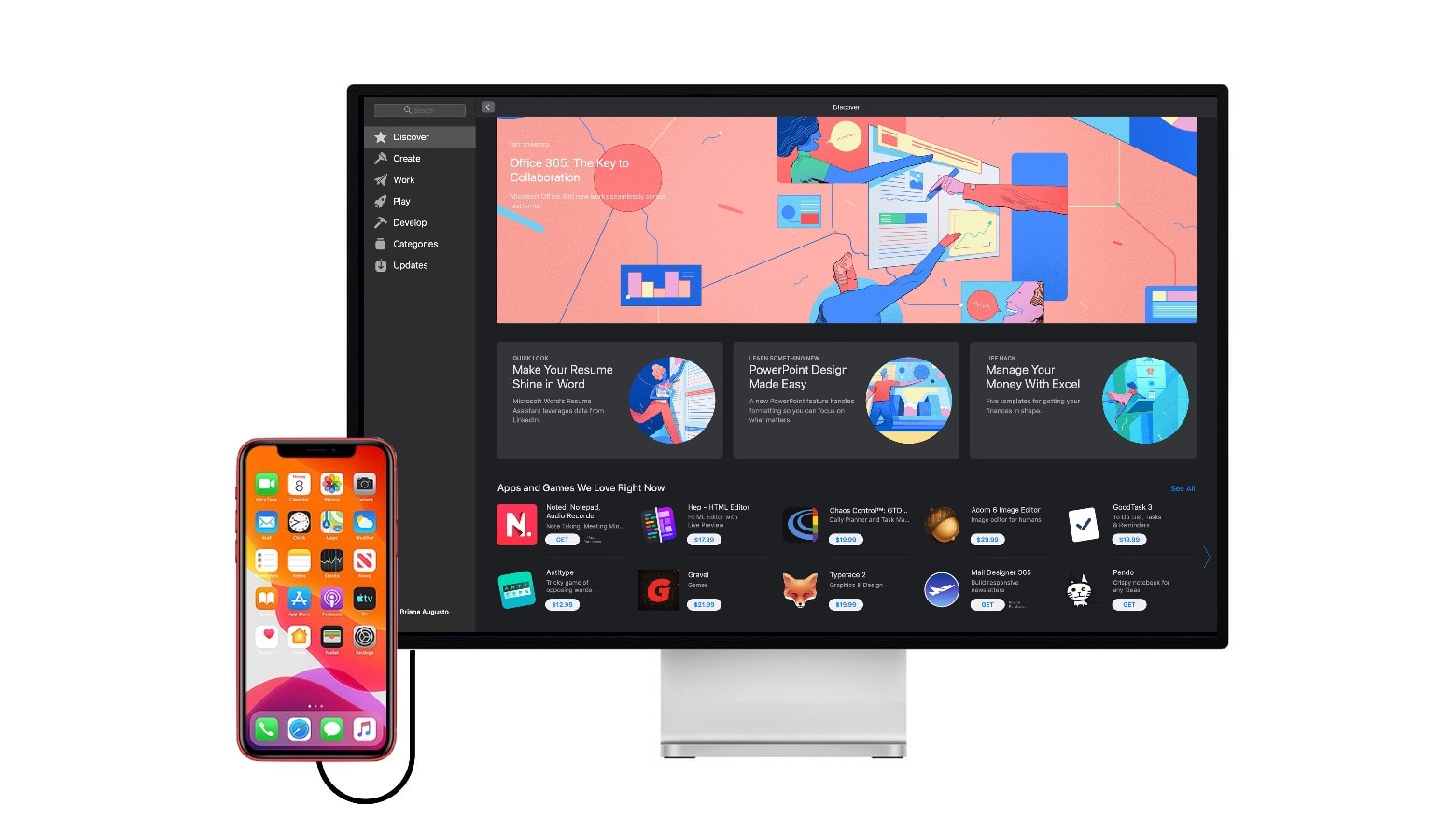
An iPhone capable of running macOS software on an external display would be a game changer. Concept: Ed Hardy/Cult of Mac
Macs will soon use Apple Silicon, the same type of proprietary processors found in iPhones. And an unconfirmed report indicates that Apple is exploring ways to let iPhones run Mac apps on an external display.
If true, an iOS handset could be all the computer many consumers need. They’d never have to buy a Mac again.
Apple Silicon looks to be be at least as powerful as Intel processors. CGI: Ed Hardy/Cult of Mac
A benchmark done on a Mac mini running Apple Silicon hints that these processors will live up to the promise that they’ll offer performance comparable to Intel chips.
It's the end of the line (almost) for Boot Camp. Photo: Apple
Apple has confirmed that Boot Camp, the tool that allows Mac users to boot into Windows, will not be available on upcoming machines powered by custom ARM chips. Users will need to rely on virtualization software instead.
Apple announced ARM-based Apple Silicon at WWDC. Screenshot: Apple
The “abnormally bad” quality of Intel’s Skylake architecture may have been what pushed Apple to make the jump to its own ARM-based Apple Silicon processors, claims a former Intel principal engineer in a report published by PC Gamer.
The virtual WWDC 2020 keynote packed in loads of exciting revelations. Breeze through all the highlights in these very visual sketchnotes!
Photo: Apple
Monday’s WWDC 2020 keynote was very polished and a little fast-paced for me. This year, the entire Worldwide Developers Conference is virtual due to COVID-19, and the presentations flowed seamlessly from presenter to presenter, leaving little time for someone drawing to catch a breath. I ended up with five pages of drawings in my notebook.
I sketched out the important new features coming in iOS 14, iPadOS 14, macOS Big Sur, watchOS 7 and more. For a quick visual recap of the highlights of the WWDC 2020 keynote, check out my sketchnotes below.
Yesterday's Apple keynote was one of the best in years. And not just because it had great products announced. Screenshot: Apple
In a dramatic shift, Apple is giving up Intel chips. Instead, future Macs will run Apple silicon — processors engineered by Apple based on ARM designs.
While Apple revealed a general timeline for the transition at its developers conference on Monday, and unveiled software developers will need to get their applications ready, the first ARM Macs are still months away.