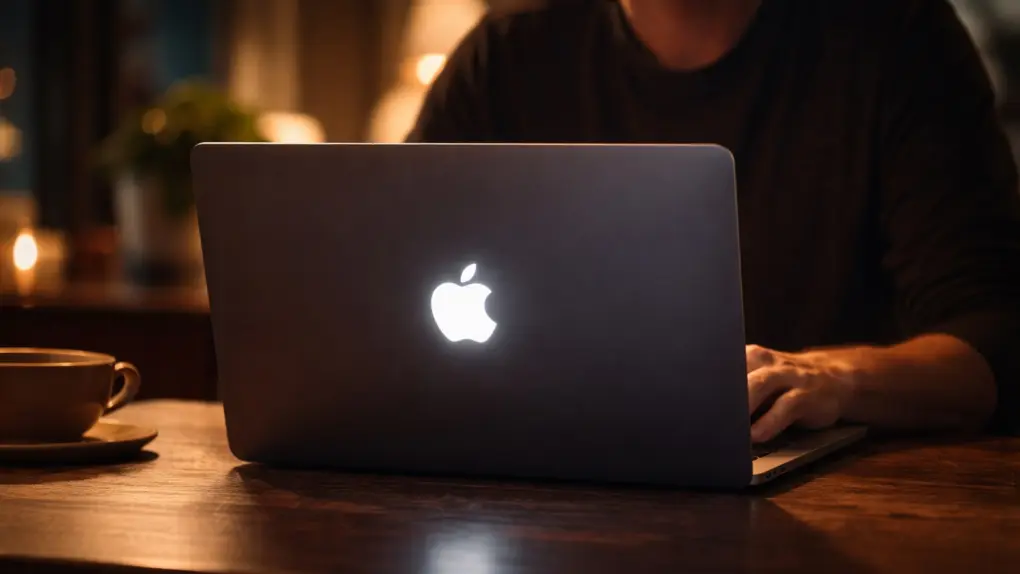
The glowing Apple logo was such an iconic look. Bring it back! AI image: ChatGPT/Cult of Mac
With Apple reportedly redesigning the MacBook Pro, it’s time to bring back the beloved glowing Apple logo on the back of the laptop.
Not only is it an iconic look, reviving a signature feature from the MacBooks of old would make a statement that Apple has returned to making laptops as good as the ones made back in the days when you could easily recognize a MacBook from across the room by its glowing Apple logo.
Why does Apple vary delete buttons so much? Image: [email protected]
Apple built a reputation for meticulous design consistency, but a growing number of users keep noticing cracks in that polished facade. A recent social media discussion highlights how longtime Apple fans wonder why delete buttons vary so much across iOS apps.
“Steve Jobs would be absolutely livid about the state of Apple UIs today,” wrote one irate user about the steadily less-consistent state of the iOS user interface.
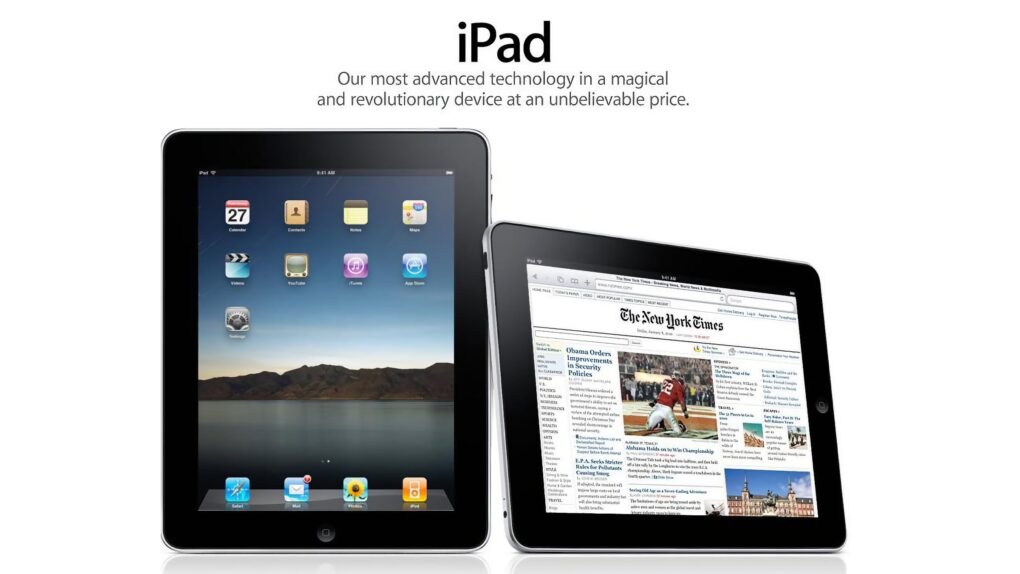
January 27, 2010: After months of rumors and speculation, Apple CEO Steve Jobs publicly shows off the iPad for the first time. Aside from the name, which some people joke sounds like a female sanitary product, the first-generation iPad immediately earns critical acclaim.
“The last time there was this much excitement over a tablet, it had some commandments written on it,” The Wall Street Journal quips.
The Mac Plus boasts an expandable 1MB of RAM and a double-sided 800KB floppy drive. And it’s the first Macintosh to include a SCSI port, which serves as the main way of attaching a Mac to other devices (at least until Apple abandons the tech on the original iMac G3 upon Jobs’ return).
A plain manila envelope became a key stage prop for selling the MacBook Air. Photo: Apple
January 15, 2008: Apple CEO Steve Jobs shows off the first MacBook Air at the Macworld conference in San Francisco, calling the revolutionary computer the “world’s thinnest notebook.”
The 13.3-inch laptop measures only 0.76 inches at its thickest point and 0.16 inches at its tapered thinnest. It also boasts a unibody aluminum design, thanks to an Apple engineering breakthrough that allows the crafting of a complicated computer case from a single block of finely machined metal.
In a brilliant piece of showmanship during the MacBook Air launch, Jobs pulls the super-slim laptop out of a standard interoffice envelope. (You can watch his keynote introducing the MacBook Air below.)
The Power Mac G3 brought a new look, and powerful new features, to Apple's pro computer line. Image: Ste Smith/Cult of Mac/Apple
January 5, 1999: Apple introduces a revised Power Mac G3 minitower, nicknamed the “Blue and White G3” or “Smurf Tower” to distinguish it from the earlier beige model.
The first new Power Mac since the original iMac shipped, the pro-level machine borrows the same transparent color scheme. Unfortunately, it doesn’t hang around too long.
"Slide to unlock" drew audible gasps from the audience when Steve Jobs first showed it off. Photo: Jared Earle/Flickr CC
December 23, 2005: Apple files a patent application for its iconic “slide to unlock” gesture for the iPhone.
At this point, the iPhone remains a secret research project. However, the ability to unlock the device by sliding your finger across it signifies Apple’s big ambitions for its smartphone. Cupertino wants the iPhone that it’s racing to develop to be easy to use, intuitive and miles ahead of the competition technologically.
Lots of Apple fans are saying good riddance to Alan Dye, but they're overlooking his best work. Screenshot: D&AD
Alan Dye, the former chief of Apple’s user interface design, has done brilliant, groundbreaking work — but almost no one is getting to experience it.
Dye just got poached by Meta, and the majority opinion among Apple fans seems to be “don’t let the door hit you on the way out.”
Some of Dye’s critics, like John “King of the Apple nerds” Gruber, are scathing. “His tenure is considered a disaster by actual designers inside and outside the company,” Gruber wrote after Dye’s departure from Apple became public Wednesday.
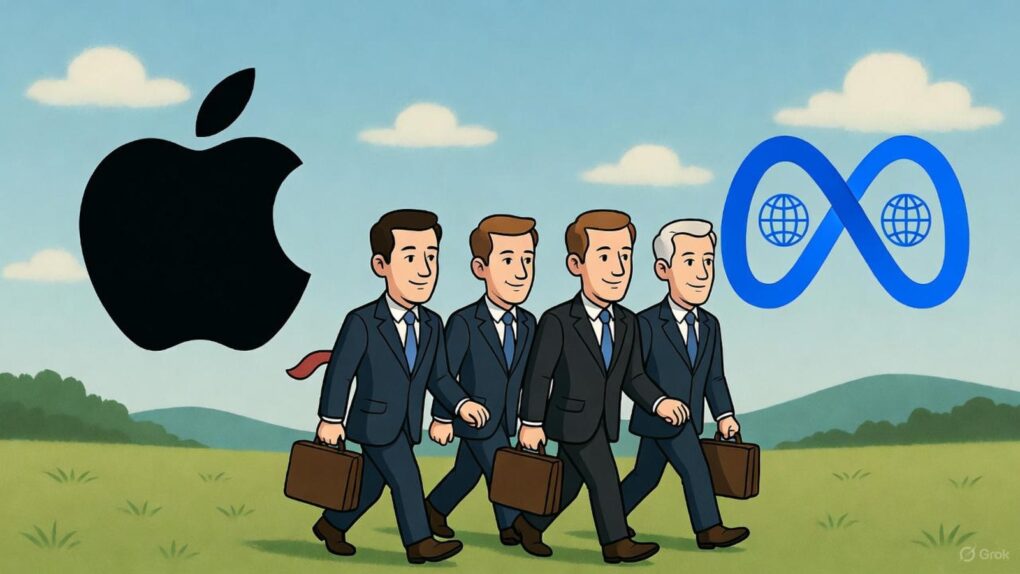
Four top executives migrated from Apple to Meta in 2025 -- part of a larger exodus. AI image: Grok/Cult of Mac
In 2025 an unprecedented talent exodus decimated Apple’s leadership ranks, with Meta Platforms emerging as the primary beneficiary of the iPhone maker’s retention struggles. The social media giant has successfully lured away four high-profile executives from Apple’s artificial intelligence and design divisions, raising serious questions about the Cupertino company’s competitive position in the rapidly evolving AI landscape. Find out more about the top executives left Apple for Meta below.
Stephen Lemay will step into the shoes of the departing Alan Dye as Apple's new lead UI designer. Photo: LinkedIn
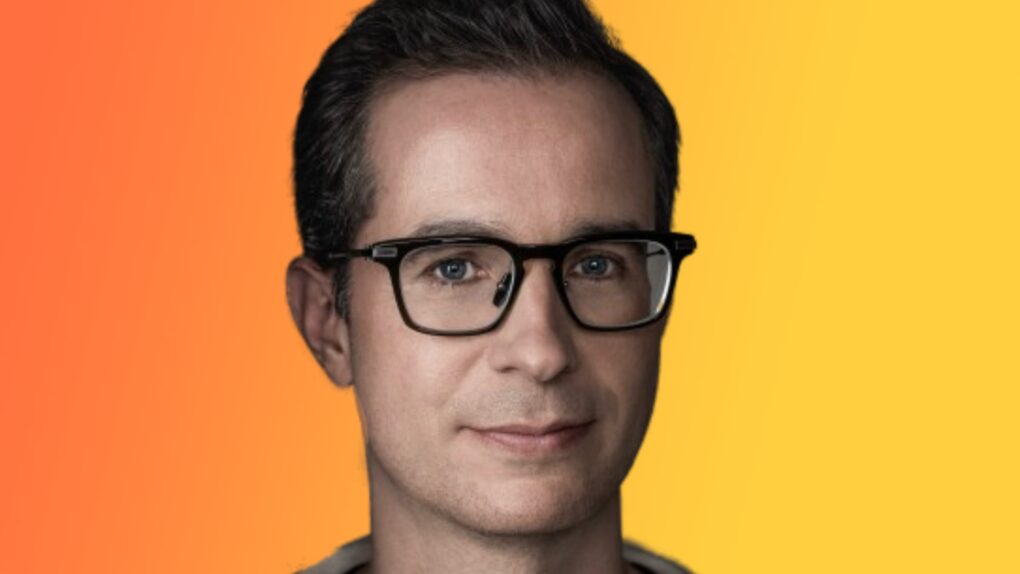
Meet Steve Lemay, the new head of user interface design at Apple — the highest-profile software design job at the giant company, and possibly the world.
Unfortunately for Lemay, who has worked at Apple since 1999, he shares the same first name as the late Steve Jobs, who nicknamed him “Margaret” — a name that reportedly stuck.
Aside from being called “Margaret” internally at Apple, Lemay has a long and stellar design record at the company. He’s helped shape everything from OS X to visionOS. He is named on hundreds of patents and helped develop one of Apple’s most highly celebrated UI tricks.
Apple's spectacular new campus gained city approval on this day in 2013. Photo: Matthew Roberts
November 19, 2013: Apple gets final approval from the Cupertino City Council to proceed with building a massive second campus to house the iPhone-maker’s growing army of workers in California. Regarding the new Apple headquarters, Cupertino Mayor Orrin Mahoney issues a simple message: “Go for it.”
However, the massive structure — with an innovative circular design that will earn it the nickname “the spaceship” — remains years away from opening, despite Apple’s ambitious schedule.
Apple's 20-inch iMac G4 in all its glory. Photo: Wikipedia CC
November 18, 2003: Apple debuts a new iMac G4 sporting a 20-inch screen, the company’s biggest flat-panel all-in-one computer ever.
The introduction makes an already superb Mac even better. Somehow, though, the additional screen real estate makes the new Mac weigh twice as much as the 17-inch model.
November 15, 1990: Cupertino wins a design patent for the Apple Extended Keyboard II, arguably the greatest computer keyboard of all time.
Delivering the perfect combination of durability, feel and a pleasing click-clack sound, the Extended Keyboard II will become a mainstay of pro-grade Apple setups during the early 1990s — and perhaps the best-loved keyboard in Apple history. Courtesy of an ADB-to-USB adapter, some people continue to use these input devices today.
September 25, 2006: Apple ships its second-generation iPod nano, offering a fancy redesign of the pocket-size original.
“iPod nano is the world’s most popular digital music player, and we’ve completely redesigned it to make it even better,” said Apple CEO Steve Jobs in a press release. “The all-new iPod nano gives music fans more of what they love in their iPods.”
Among the new iPod nano’s improvements are a slimmer, anodized aluminum casing; a brighter screen; longer battery life; and a wide range of colors. And, oh yes, it also includes gapless music playback for the first time!
In the sunlight, the cosmic orange iPhone 17 Pro looks positively vivid! Photo: Lewis Wallace/Cult of Mac
The new cosmic orange iPhone 17 Pro is undeniably orange. It’s not bronze, it’s not burnt umber, it’s not sepia or some other subdued shade that fades into the background.
No, Apple finally — after years of begging and pleading — produced a pro-level iPhone in an unapologetically bold color.
As a man in a loincloth once screamed while staring at something unfathomable: “Oh my god … [you] finally, really did it. You maniacs!”
To be fair, in that instance, the bare-chested man was ranting about something horrific. With the cosmic orange iPhone 17 Pro, Apple did something previously unthinkable — and totally welcome.
The iPhone 6 and 6 Plus were massive upgrades for Apple. Photo: Jim Merithew
September 19, 2014: The iPhone undergoes its biggest upgrade — both figuratively and literally — since the original, with the release date of the iPhone 6 and iPhone 6 Plus handsets. The iPhone 6 design brings a new 4.7-inch form factor, while the iPhone 6 Plus expands to a massive 5.5 inches.
The previous-generation iPhone 5 measured only slightly taller than its 3.5-inch predecessors. But with the iPhone 6, Apple abandons the small smartphone form factor to take on big-screen Android “phablets.”
Here's how iOS 7 (right) compared to iOS 6. Images: Apple
September 18, 2013: iOS 7 launches with a radical redesign that divides the tech world. The biggest overhaul Apple’s mobile operating system has seen in years, iOS 7 ditches the skeuomorphic objects, dials and textures of previous iterations.
Instead, it boasts stark patches of white space, simpler icons and more abstract controls for settings. The Jony Ive era of software design is truly underway.
On this day in 1999, Apple ditched its rainbow logo for something more subtle. Photo: Lyle Kahney/Cult of Mac
August 27, 1999: Apple Computer swaps out the striped, multicolored logo the company had used since 1977 for a new single-color version. The evolution of the iconic Apple logo from rainbow to monochrome shocks many longtime fans.
However, it is part of a sustained, company-wide overhaul led by Apple CEO Steve Jobs. The makeover includes new products, the “Think Different” ad campaign and, eventually, the removal of the word “Computer” from the company’s name.
On this day in 1998, the world said "hello" to the computer that would save Apple. Photo: Apple
August 15, 1998: The original iMac — Apple’s brightly colored, translucent Macintosh relaunch — goes on sale to a rabid audience. Apple co-founder Steve Jobs‘ first major new product since returning to Cupertino, the internet-ready iMac G3 line will cement his legacy as a forward-thinking tech visionary.
The all-in-one computer also introduces the world to the design talents of Jony Ive — and pretty much saves Apple in the process.
This was the ultimate Mac power setup in 2002. Photo: Apple
August 13, 2002: Apple unveils the final face-lift for its Power Mac G4, the Mirrored Drive Doors model.
The distinctive-looking computer borrows visually from the previous QuickSilver G4, released a year earlier. However, it adds a different front panel, with a mirrorlike finish for the media drive doors. It’s the last visual redesign of Apple’s Power Mac G4.
The images Apple submitted to the FCC of its new mouse. Photo: Federal Communications Commission/Apple
July 24, 2006: The world gets its first glimpse of Apple’s new wireless Mighty Mouse, a multibutton Bluetooth device with super-accurate laser tracking.
The iMac G4 brings a "breathtaking" giant screen to desktops everywhere. Photo: Apple
July 17, 2002: Apple ships a new super-sized iMac G4 with a 17-inch widescreen LCD display that becomes the envy of most computer users at the time.
“The best consumer desktop just got even better,” says Apple CEO Steve Jobs of the company’s new all-in-one computer in a press release. “Having this gorgeous 17-inch flat screen floating in mid-air right in front of you is simply breathtaking. There’s nothing like it in the PC world.”
July 11, 2008: The iPhone 3G goes on sale. Expectations for the smartphone sequel run high, and Apple delivers with the addition of GPS, faster 3G data and a higher-quality build. The iPhone 3G launch also brings a new mobile operating system packed with features.
Apple’s second smartphone runs iPhone OS 2, which introduces a better Mail app, turn-by-turn navigation and a little something called the App Store.


 January 27, 2010: After months of rumors and speculation, Apple CEO Steve Jobs publicly shows off the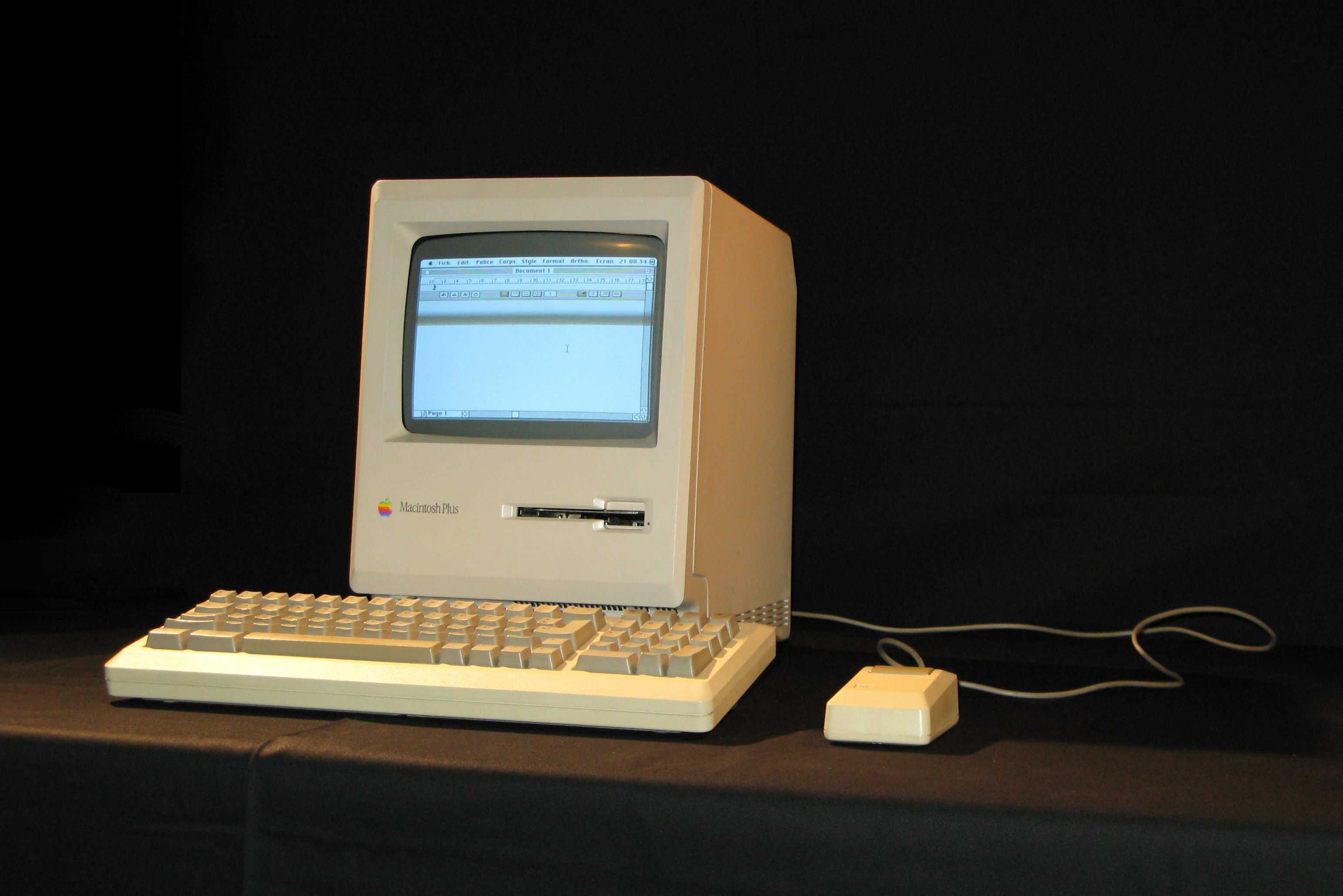
 January 16, 1986: Apple introduces the Macintosh Plus, its third Mac model and the first to be released after Steve Jobs was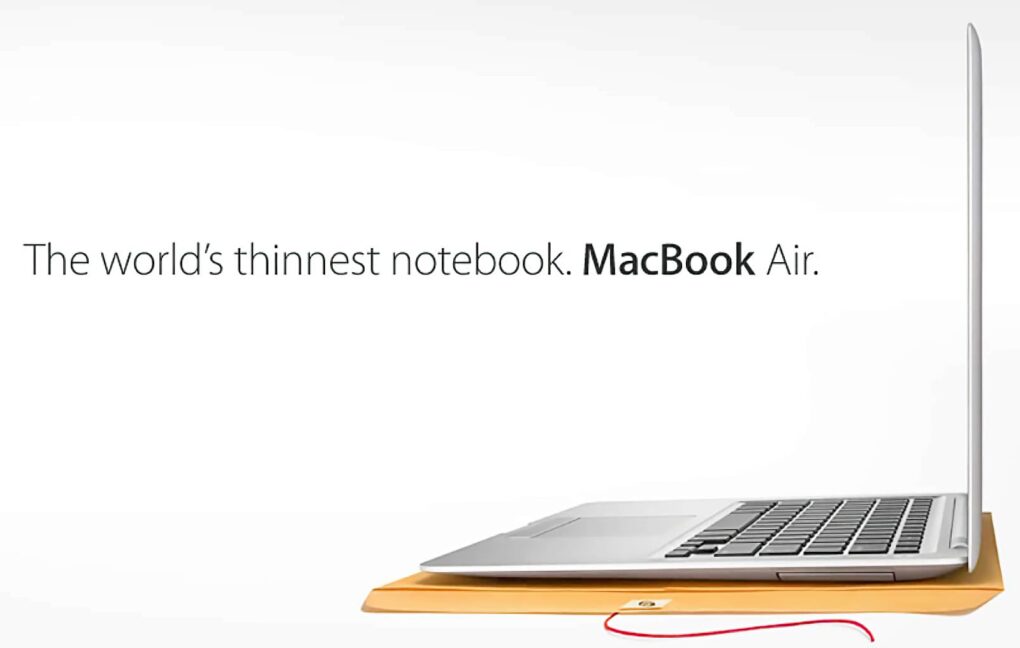
 January 15, 2008: Apple CEO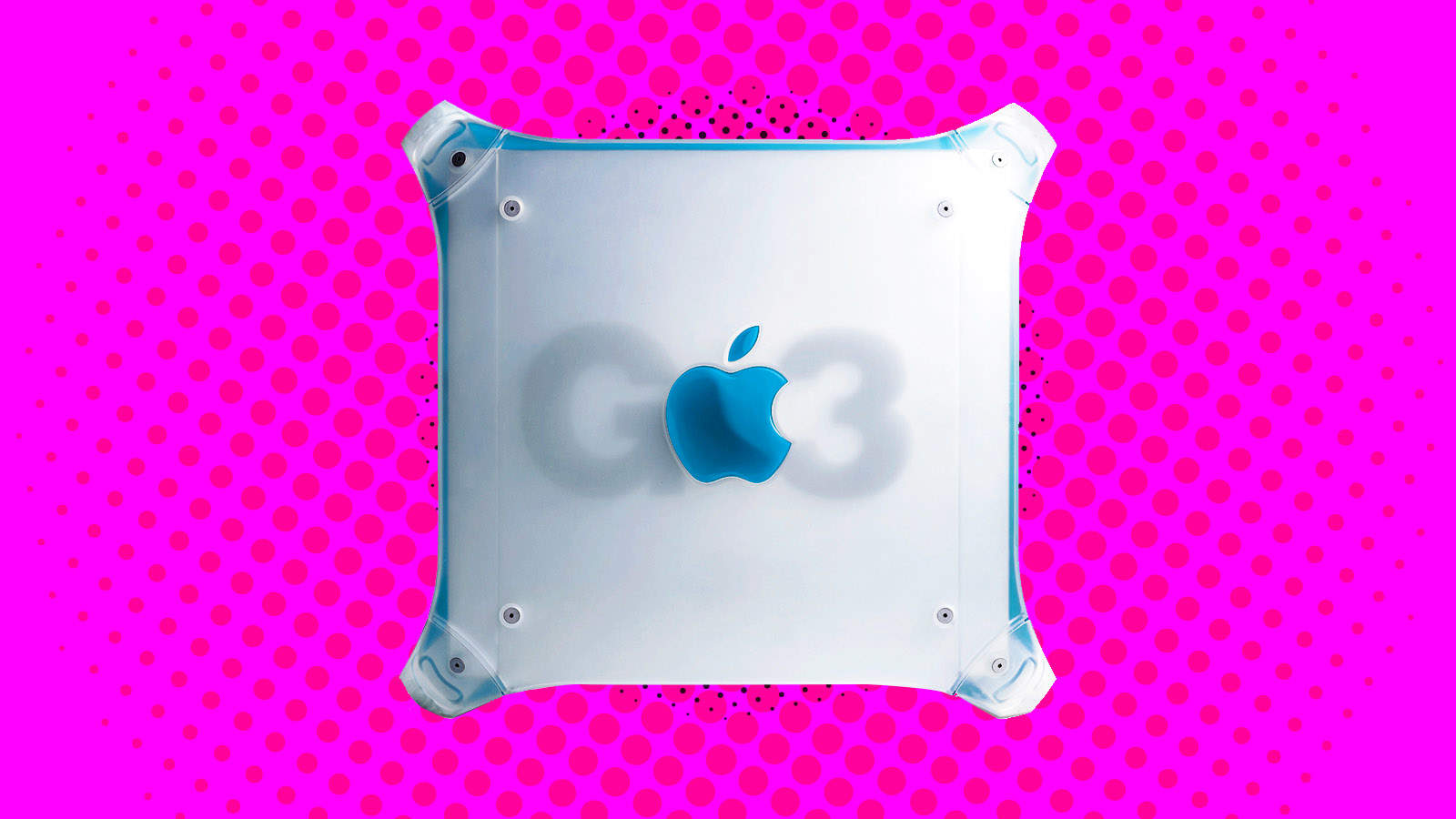
 January 5, 1999: Apple introduces a revised Power Mac G3 minitower, nicknamed the “Blue and White G3” or “Smurf Tower” to distinguish it from the earlier beige model.
 December 23, 2005: Apple files a patent application for its iconic “slide to unlock” gesture for the iPhone.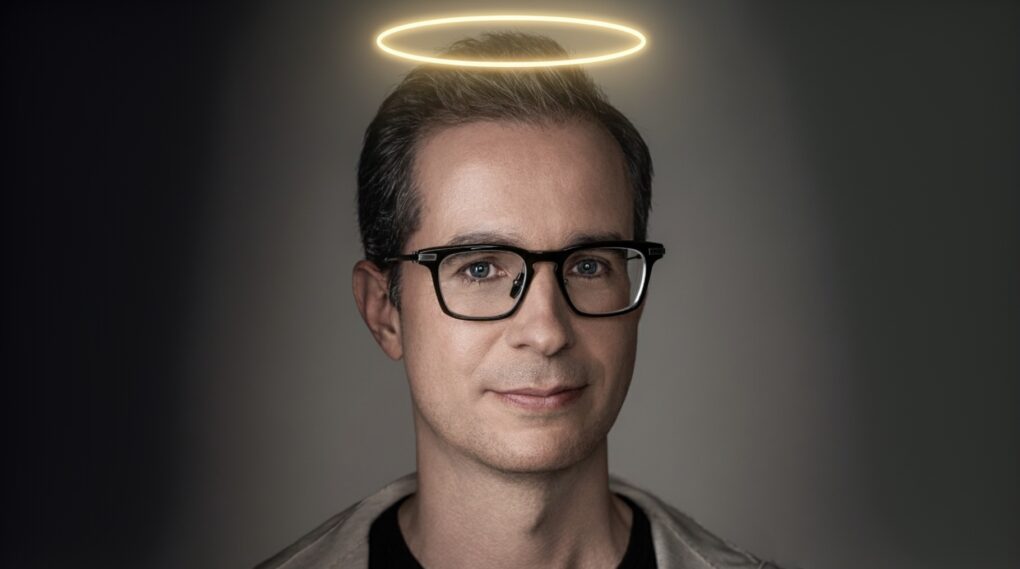

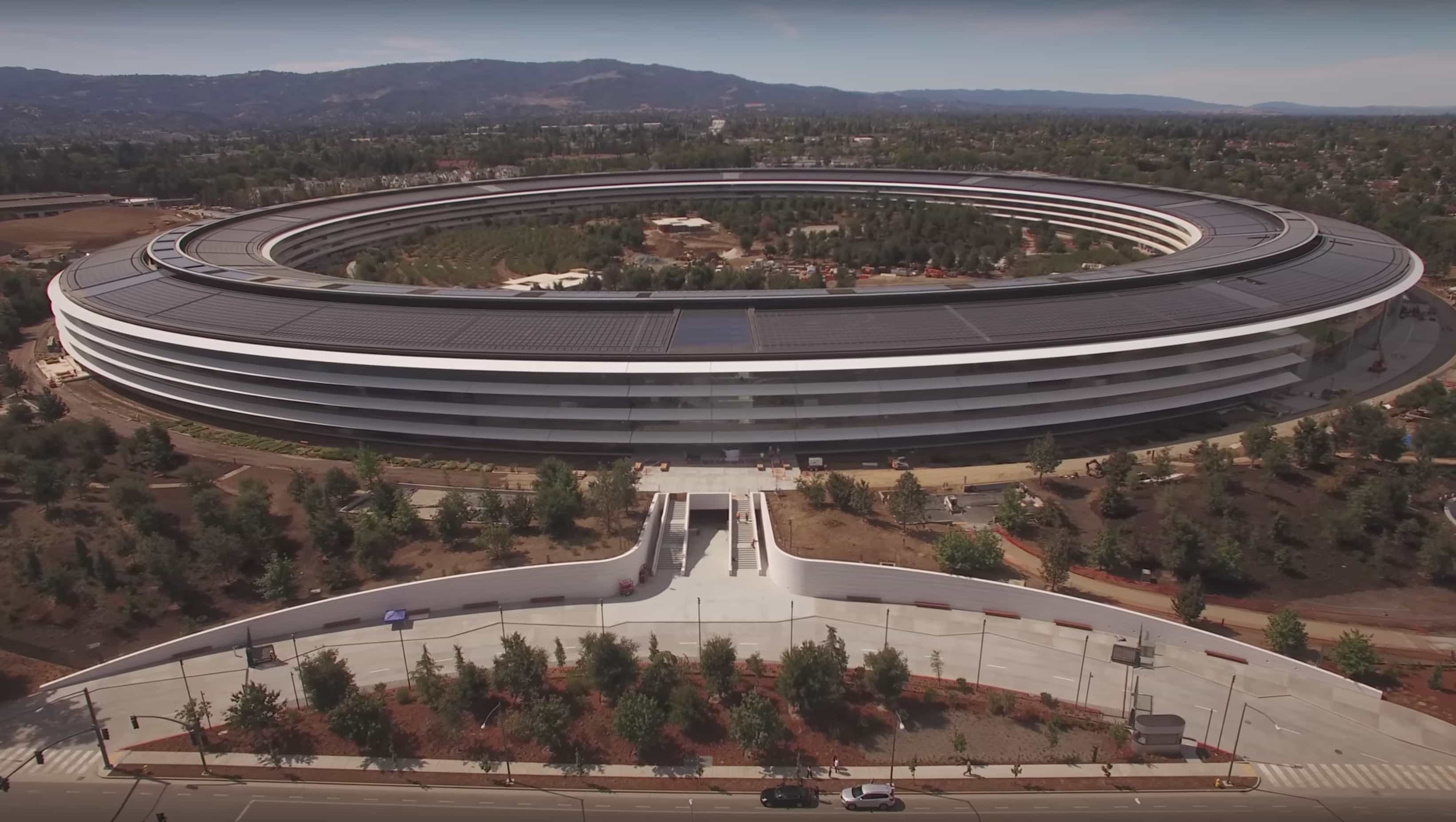
 November 19, 2013: Apple gets final approval from the Cupertino City Council to proceed with building a massive second campus to house the iPhone-maker’s growing army of workers in California. Regarding the new Apple headquarters, Cupertino Mayor Orrin Mahoney issues a simple message: “Go for it.”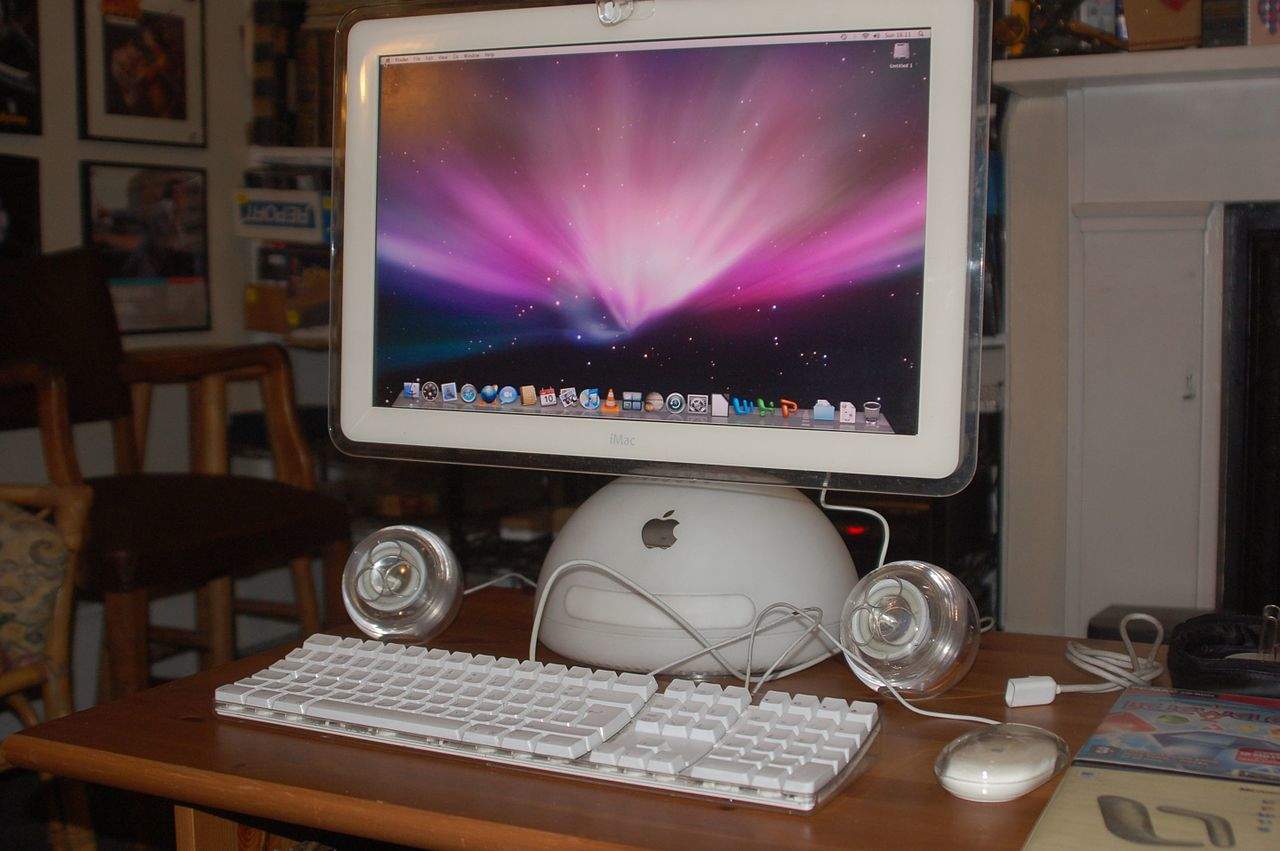
 November 18, 2003: Apple debuts a new iMac G4 sporting a 20-inch screen, the company’s biggest flat-panel all-in-one computer ever.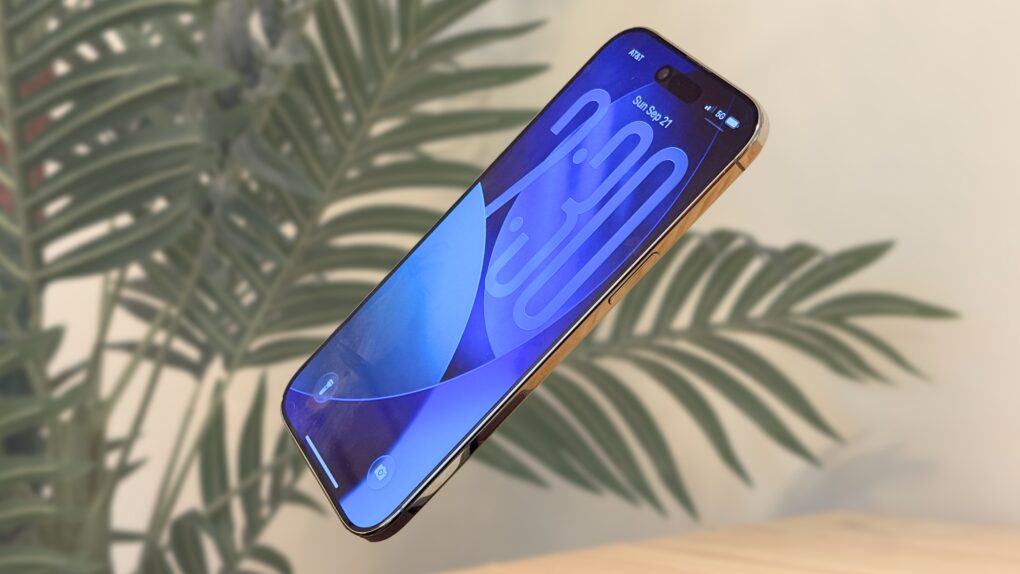
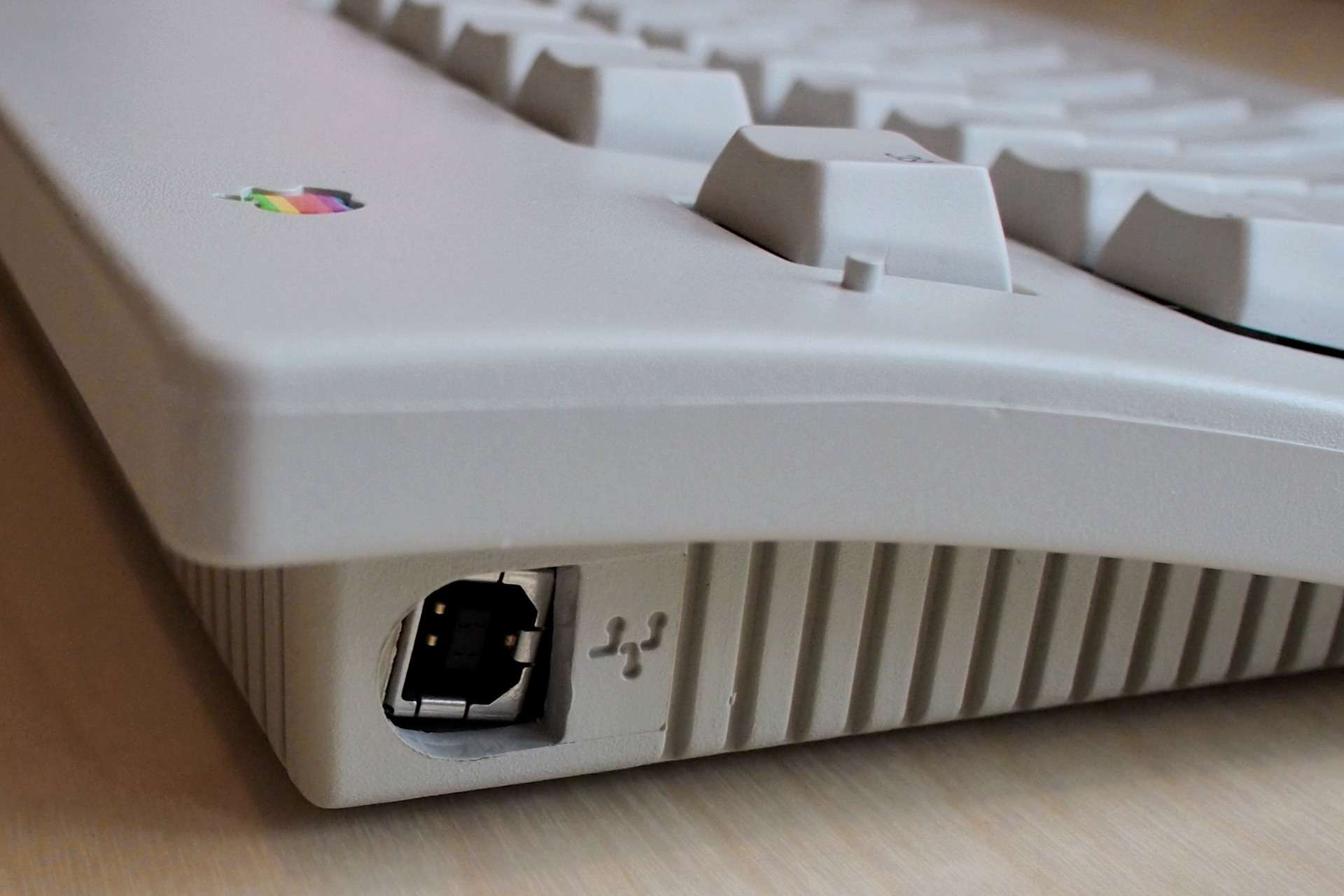
 November 15, 1990: Cupertino wins a design patent for the Apple Extended Keyboard II, arguably the greatest computer keyboard of all time.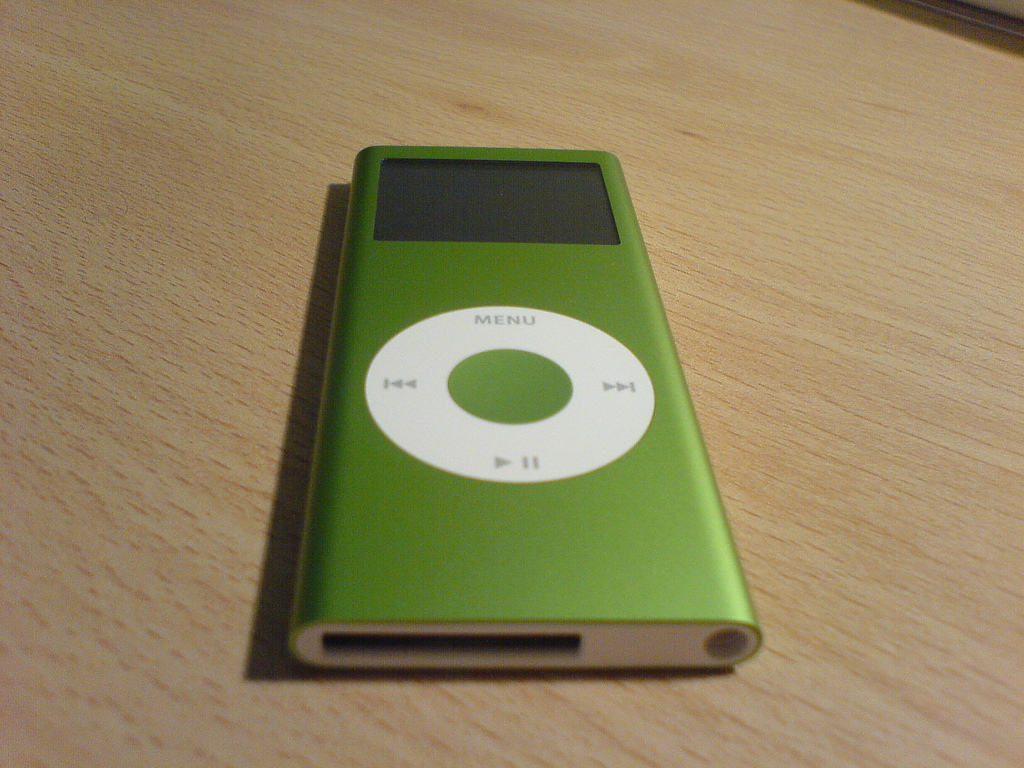
 September 25, 2006: Apple ships its second-generation iPod nano, offering a fancy redesign of the pocket-size original.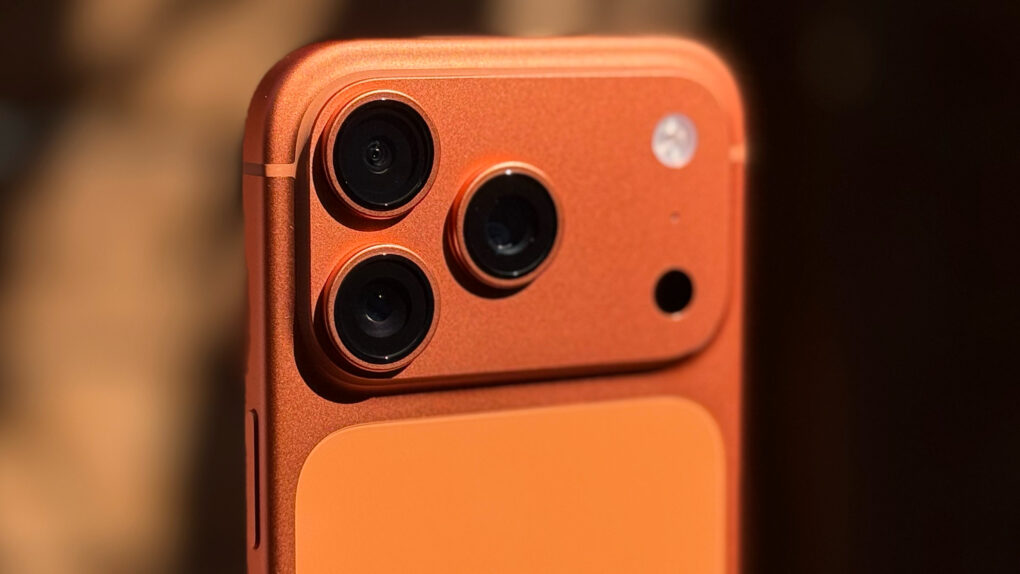

 September 19, 2014: The iPhone undergoes its biggest upgrade — both figuratively and literally — since the original, with the release date of the iPhone 6 and iPhone 6 Plus handsets. The iPhone 6 design brings a new 4.7-inch form factor, while the iPhone 6 Plus expands to a massive 5.5 inches.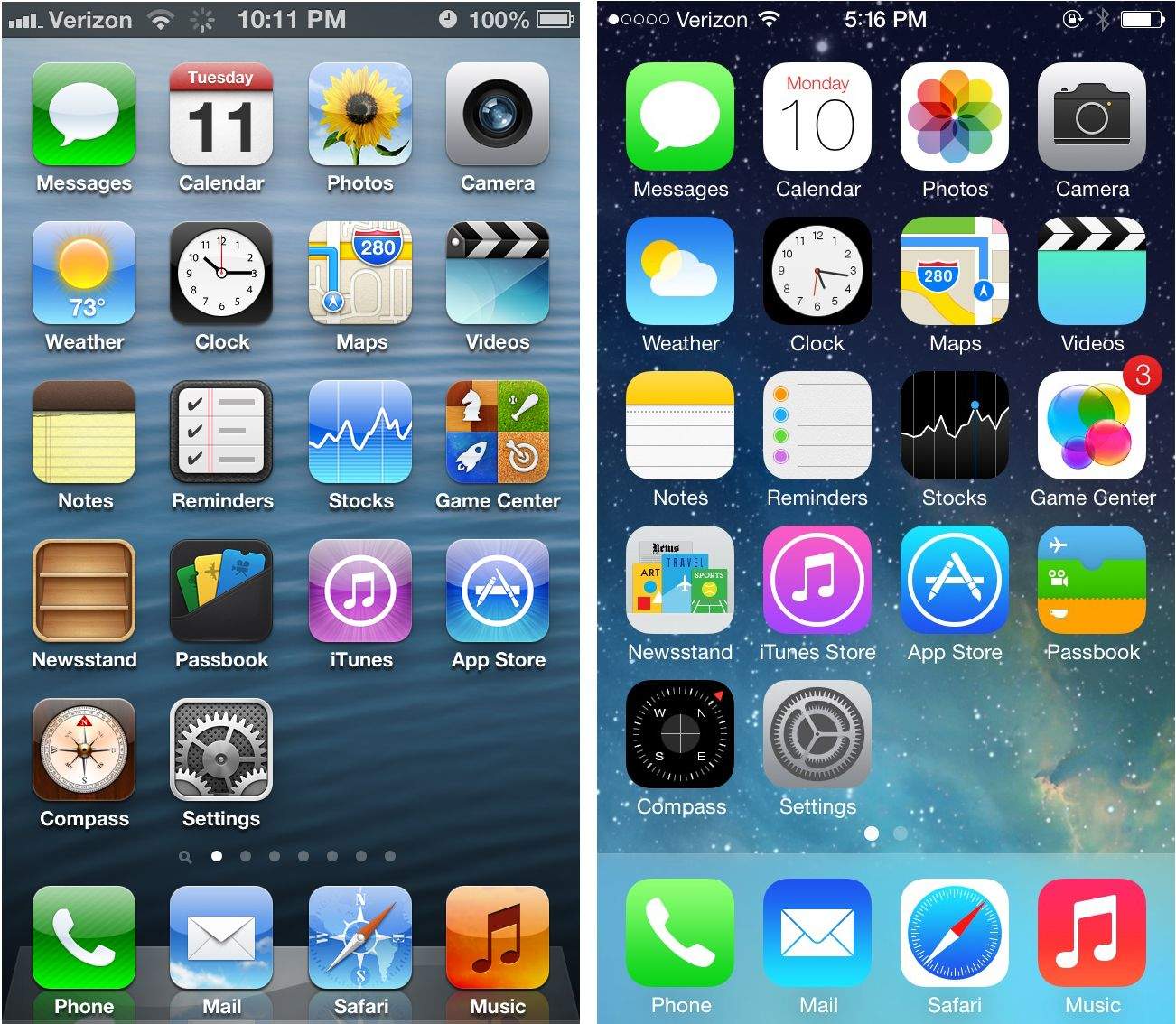
 September 18, 2013: iOS 7 launches with a radical redesign that divides the tech world. The biggest overhaul Apple’s mobile operating system has seen in years, iOS 7 ditches the skeuomorphic objects, dials and textures of previous iterations.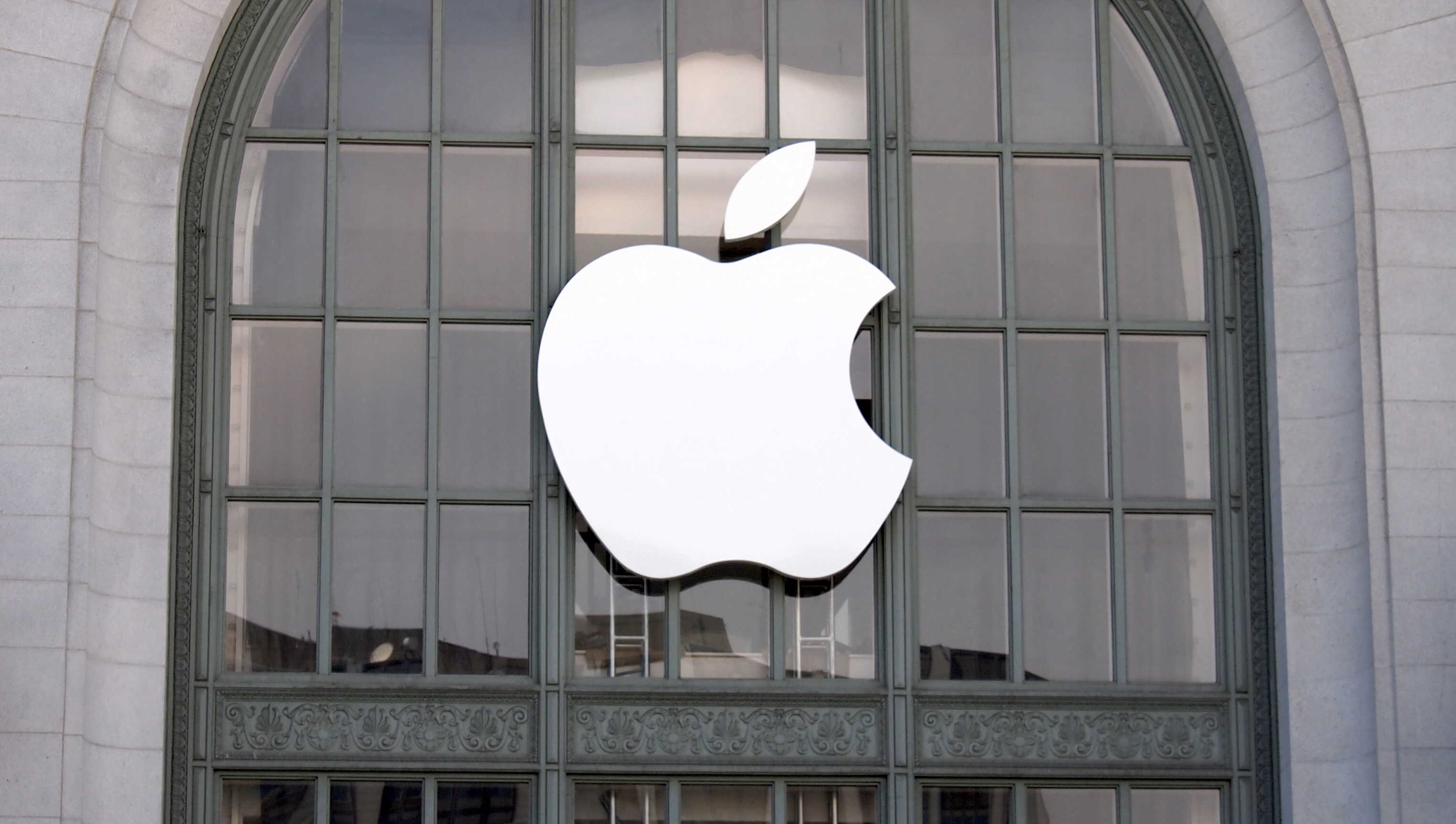
 August 27, 1999: Apple Computer swaps out the striped, multicolored logo the company had used since 1977 for a new single-color version. The evolution of the iconic Apple logo from rainbow to monochrome shocks many longtime fans.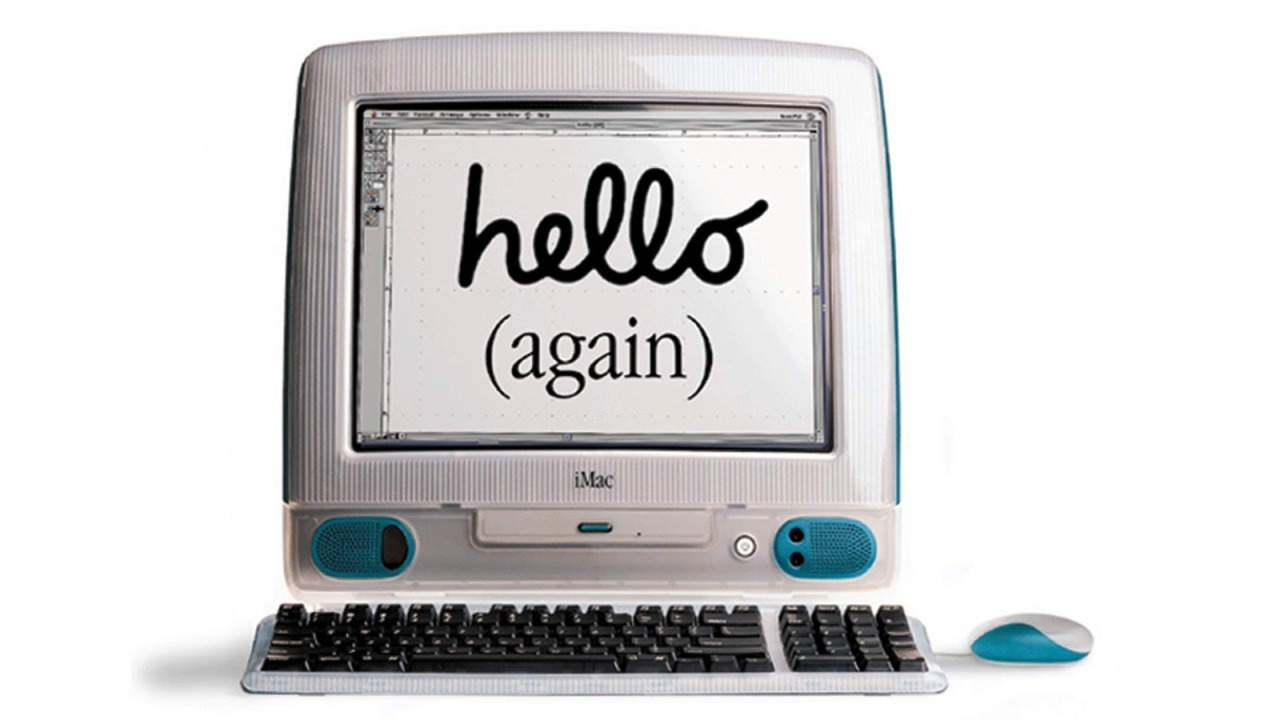
 August 15, 1998: The original iMac — Apple’s brightly colored, translucent Macintosh relaunch — goes on sale to a rabid audience. Apple co-founder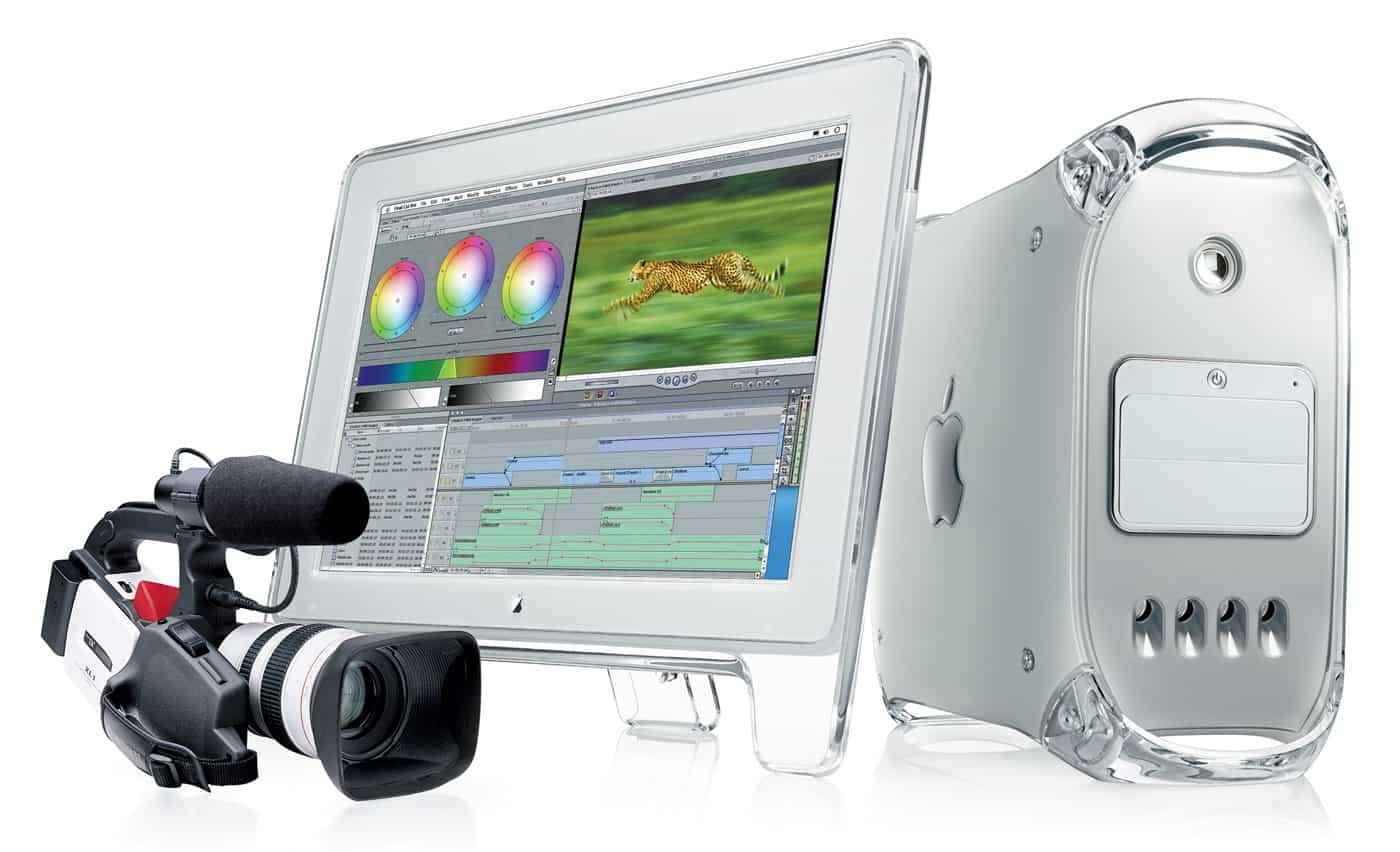
 August 13, 2002: Apple unveils the final face-lift for its Power Mac G4, the Mirrored Drive Doors model.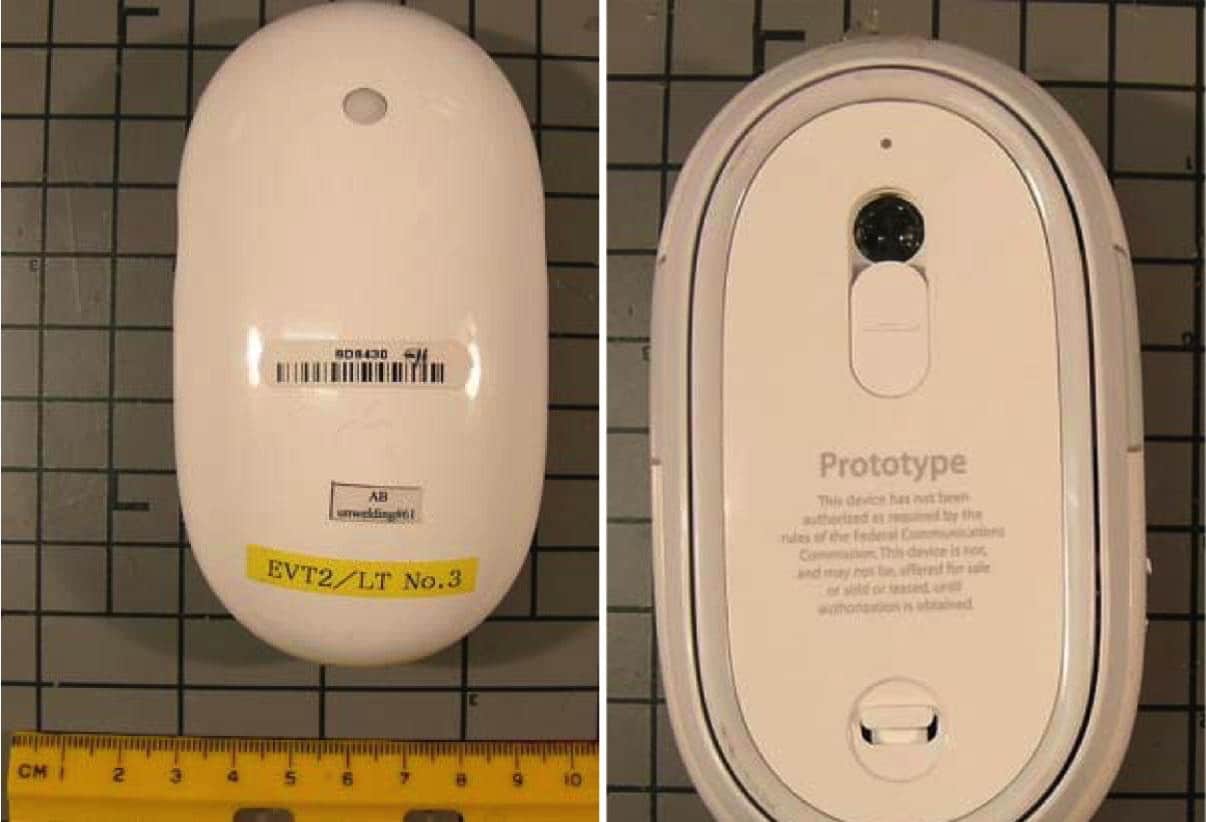
 July 24, 2006: The world gets its first glimpse of Apple’s new wireless Mighty Mouse, a multibutton Bluetooth device with super-accurate laser tracking.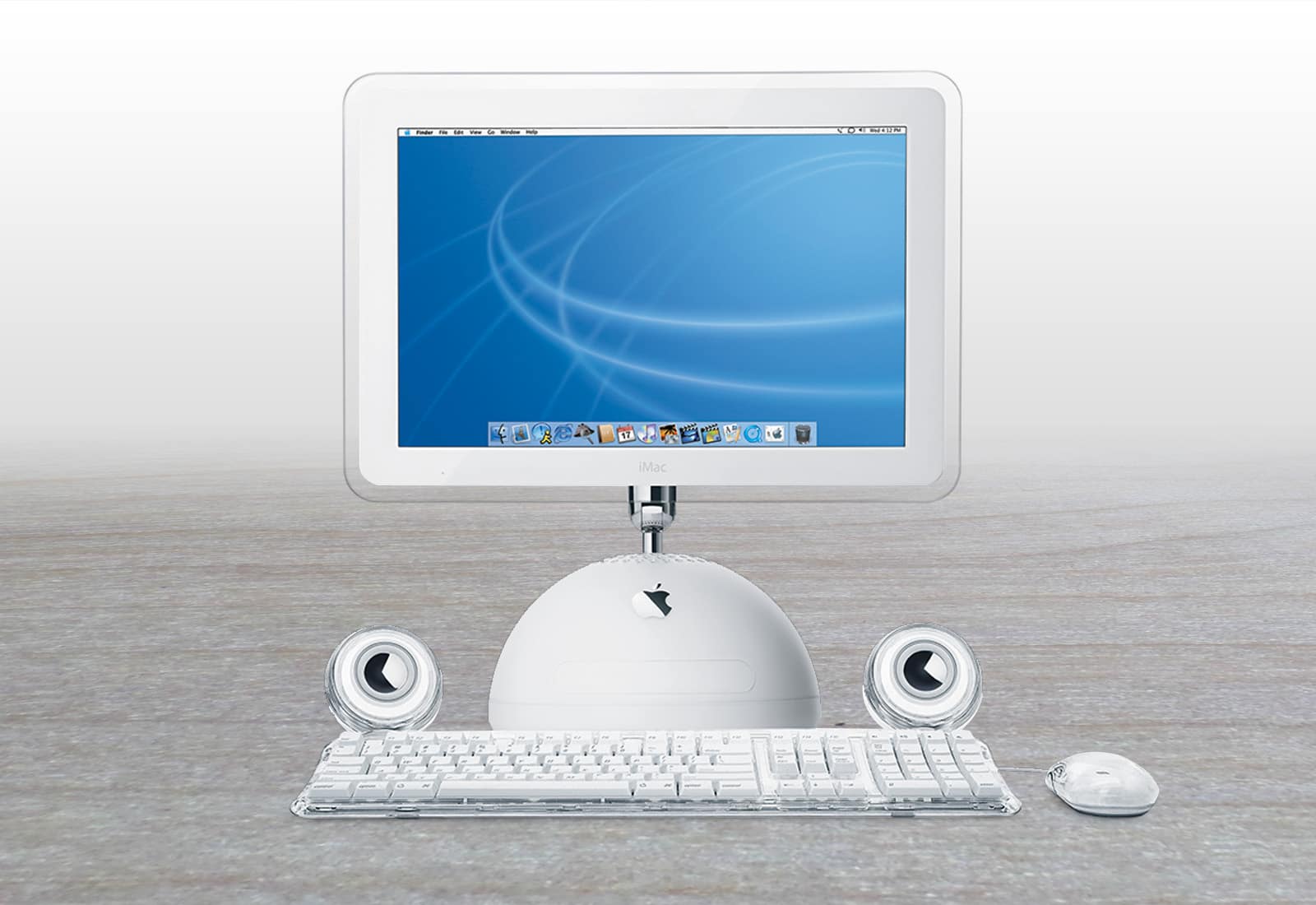
 July 17, 2002: Apple ships a new super-sized iMac G4 with a 17-inch widescreen LCD display that becomes the envy of most computer users at the time.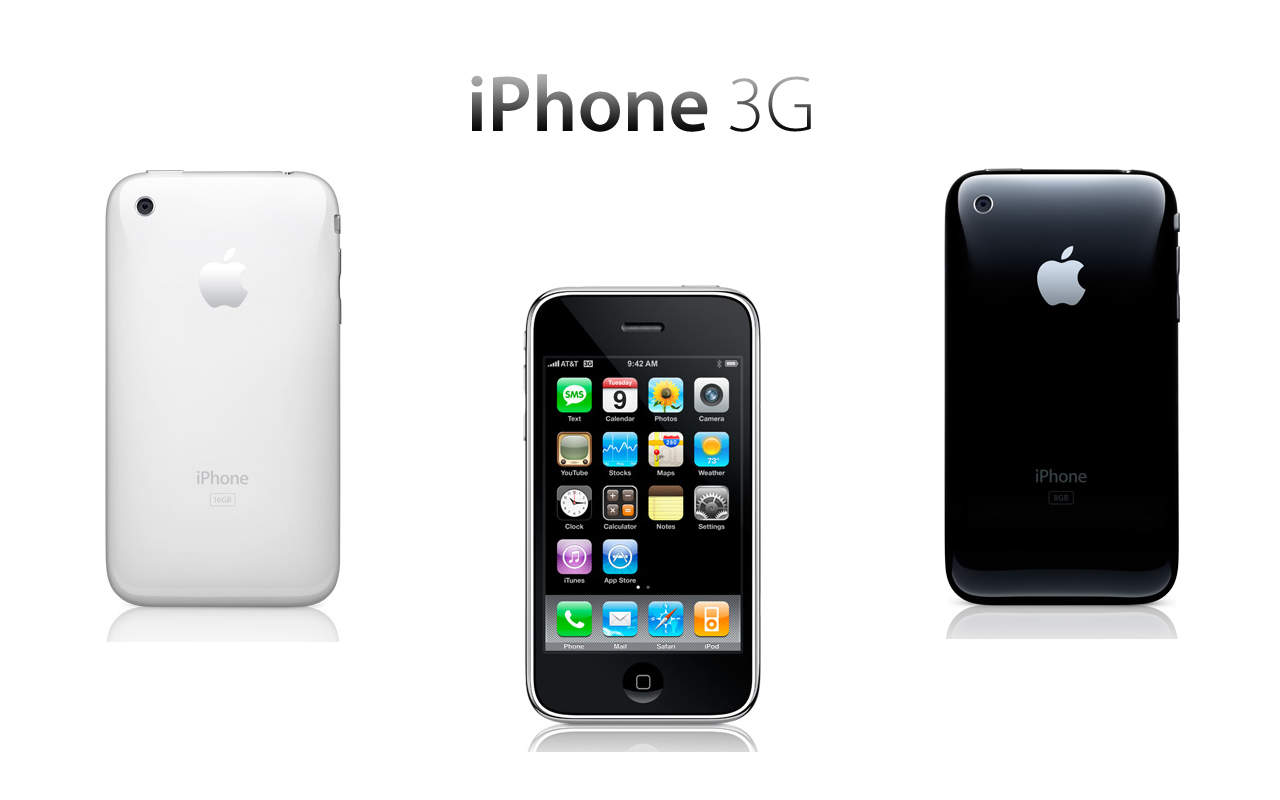
 July 11, 2008: The iPhone 3G goes on sale. Expectations for the smartphone sequel run high, and Apple delivers with the addition of GPS, faster 3G data and a higher-quality build. The iPhone 3G launch also brings a new mobile operating system packed with features.