With OS X Lion, Apple announced a new file sharing feature called AirDrop. While the concept of AirDrop is great, it’s lack of support on older Macs cripples it’s functionality for some users. In this video, I’ll show you how to enable AirDrop on your older Mac as well as use some of AirDrop’s lesser known functionality.
The MacLegion 2011 Fall Bundle consists of 10 great Mac apps for only $49.99. Valued at over $630, this bundle is a huge deal.
This year’s line of Mac apps has been hand-picked to ensure you get quality titles for your purchase. The bundle is only offered for 9 more days, so now is the time to buy!
This news item has a few “lost in translation,” issues but is still interesting: some people in China are apparently complaining that Apple is promulgating pornography there.
According to Communist Party of China mouthpiece People’s Daily Online, a man rang up China National Radio to complain that he downloaded an app that contained “sexually explicit written material.”
Apple has partnered with the Teach for America program and donated 9,000 first gen iPads to teachers that work in impoverished and dangerous schools. The donated iPads come from customers that gave to Apple’s public service program during the iPad 2 launch.
Many consumers opt to resale their used Apple devices when a new generation is released, but the people that gave to Apple’s public service program have helped to give iPads to teachers working in low-income communities throughout the US.
Legacy School in Colorado. Courtesy @Brayden Wardrop, iSchool
iPads are the new no. 2 pencil, heading out in droves to teach everyone from kindergarteners to college students what’s what. (Minor drawbacks compared to the pencil: you can’t chew on the magical device and need more skill to launch it at fellow pupils).
Cult of Mac wanted to know how those iPads get into schools – which ones want them, how they get paid for, what schools are doing with them – so we caught up with Brayden Wardrop.
Wardrop is a CTO for Utah-based company called iSchool (yeah, iKnow!), currently getting those tablet computers to schools in Texas, Colorado, Utah, Minesota and Nevada.
Wardrop manages around 500 iPad2s, 50 Macbook Pros and 75 iMacs for Colorado school Legacy Academy, the kind of deployment that costs around a million dollars “for a total technology overhaul.”
If you love the convenience of your iPhone but miss having a large slab of bakelite on your shoulder while gabbing, your angst is over. This retro-style dock marries a polished oak and brass base, an iPhone dock, and a bluetooth-equipped handset to allow you to experience a century of telecommunications in one fell swoop.
Rovio’s Angry Birds franchise is by far the most successful game title to make it in the App Store. The game has been downloaded in its various forms over 350 million times, and there’s all kinds of Angry Birds merchandise out there to buy.
So, what’s next for the money makers at Rovio? You guessed it: Halloween costumes.
Adobe has released the latest version of Photoshop Elements and Premiere Elements for the Mac.
Both programs have reached version 10 and are available for a bundled price of only $149.99 to new customers. Photoshop Elements 10 allows users to “continue to expand the possibilities for organizing, editing and sharing photo creations.” Premiere Elements 10 continues to “deliver innovative new features” to those interested in consumer-level video editing.
Generally speaking, there are three things in life that make everything better: LEGOs, robots and iPads. Here’s a video that combines all three things. It’s the blogging equivalent of eating bacon, drinking a beer and having sex all at the same time.
If you’re a Skype user on the iPhone or iPod Touch, be warned: a new cross-site scripting vulnerability has been discovered in version 3.0.1 that allows attackers to execute malicious JavaScript code just by sending you a chat message.
Great news, photo bugs! Instagram has finally released the official 2.0 version of their social networking photo app, and it adds some seriously rad enhancements to what is already one of the greatest apps on the iOS platform. Here’s what is news.
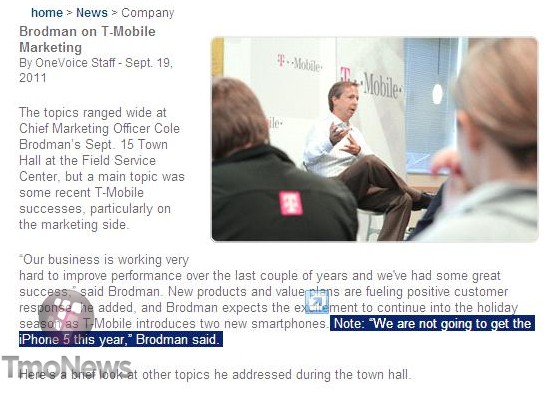
If you’re a T-Mobile customer assuming that the big pink T will be getting the iPhone 5 this year just by dint of it being in bed with AT&T over a possible merger, think again.
Photographer Chase Jarvis is one of those photographers who employs staff. Yeah, that’s when you know you’ve arrived.
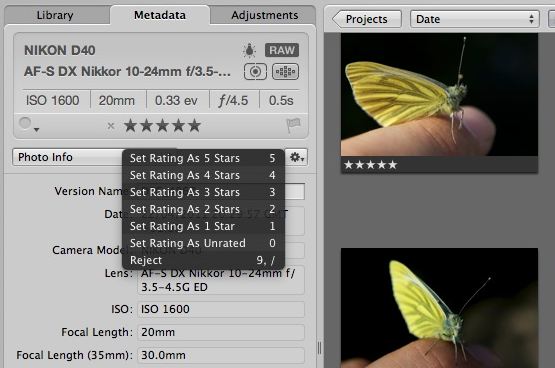
Anyway his lead assistant Scott Rinckenberger wrote a great blog post back in March, explaining how the pros in an office like his plough through many thousands of images to pluck out the best stuff.
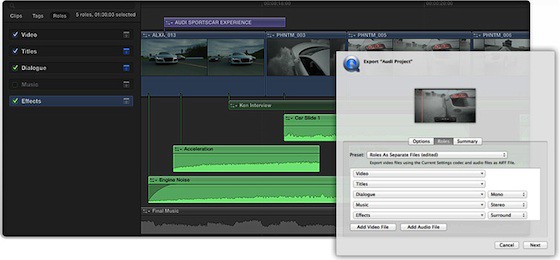
Responding to mass rioting amongst its users, Apple promised as far back as July that they would eventually be restoring XML support in Final Cut Pro X. Now it’s finally here, along with numerous other improvements… but will this update finally drown out all the criticism?
Maybe not, but at least the addition of a 30-day free trial means no more users will drop $300 on Apple’s pro video editing software and be caught unaware by its omissions.
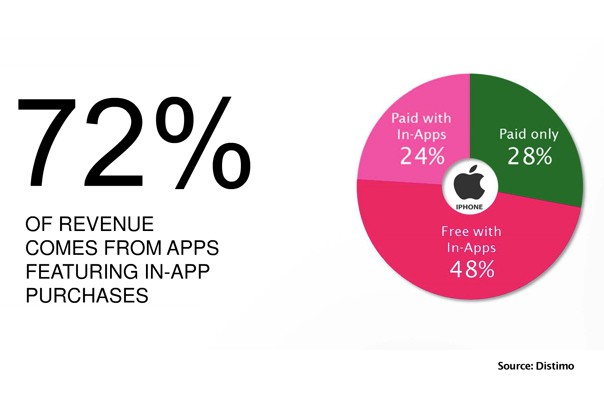
Apple users love downloading free apps that include the option to buy a premium version. The rise of so-called “fremium” apps now accounts for nearly three of every four App Store downloads, finds new research. Downloads that include in-app purchases grew 34 percent since 2010 compared to just 7 percent for paid apps.
In a bit of Silicon Alley schizophrenia, Apple is both suing Samsung in court and relying upon the South Korean chipmaker for the core of its upcoming iPhone 5 handset. Despite well-publicized flirtations with other chipmakers, the tech giant is tied to its rival — for now.
Intel’s upcoming Ivy Bridge processor could finally bring Retina displays to our Macs, after the company announced support for ‘4K displays’ last week. That’s a display with a staggering resolution of 4096×4096 pixels.
A security research firm claims to have discovered a serious flaw in Apple’s latest Mac OS X operating system which allows attackers to change your system password without any knowledge of its existing password. One researcher says that a change to Lion’s authentication system has somehow allowed non-root users to view password hash data.
PC makers hoping to compete with Apple’s lightweight MacBook Air laptop want chipmaking giant Intel to cut prices in order to produce “Ultrabook” alternatives costing under $1,000. So far, the company has balked at any discounts, yet still seeks to capture 40 percent of the notebook market.
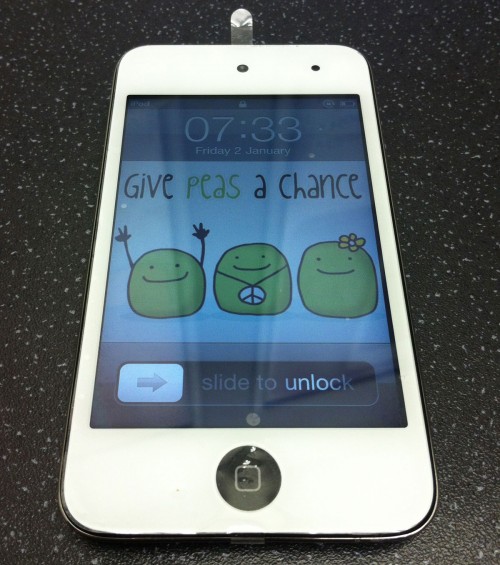
We’ve heard before that while Apple will steroid charge the iPhone 5 in October, the iPod Touch isn’t likely to see a serious update. After all, short of doubling its storage space (an idea obviated by iCloud) or 3G support (which would make the iPod Touch more expensive and — yep — about as thick as an iPhone), the iPod Touch is pretty much a perfect product for the money. What more can you do to it?
The answer: not much. You just make it white and pretty much call it a day.
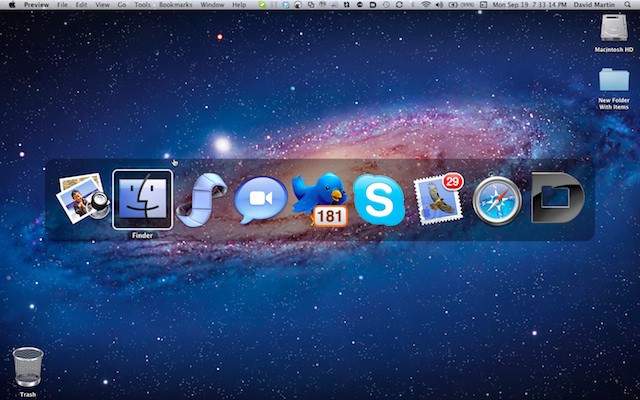
I was reading your article and noticed the picture of the task switcher in Lion. How do I access that? I hate how they got rid of the swipe function for it. Thanks!
– Justin
Accessing the Task Switcher in Mac OS X Lion is easy and I’ll show you how to do that today. Plus we’ll look at using swiping gestures while the Task Switcher is active.
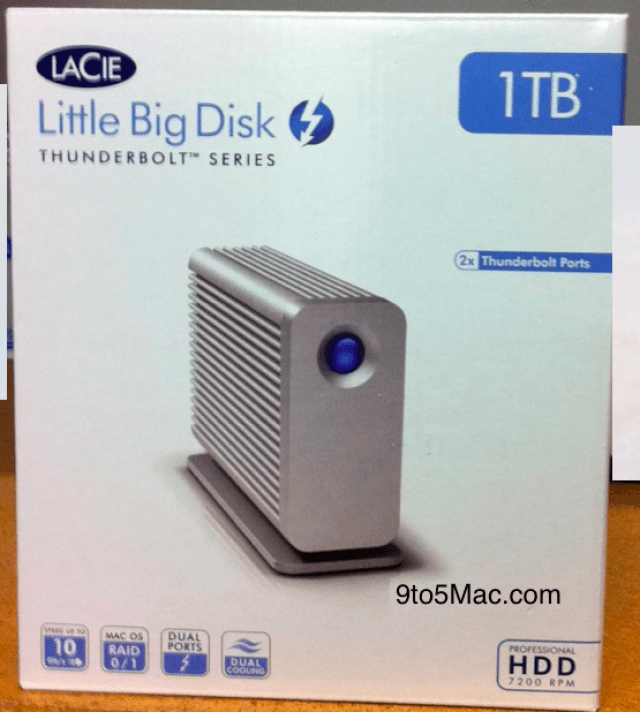
We’ve been anticipating an entire range of new Thunderbolt-equipped gadgets since Apple announced the technology with its latest line of MacBook Pros, and today, the first high-speed external hard drive featuring Thunderbolt technology has hit the Apple Store.
U.K.-based iPhone app developer Candid Innovations Ltd. has buried £2000 worth of gold sovereigns somewhere in the U.K. The secret location of this treasure is hidden inside an iPhone app — all you have to do is solve the clues to locate the gold.
Following that questionable leak from Case-Mate last week, another iPhone 5 case has emerged that reinforces rumors of a device with a significantly larger display than that of the iPhone 4, coupled with a thinner, tapered design.