You could soon be buying these cases for your new iPhone.
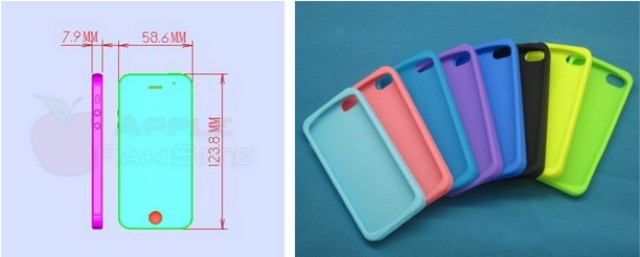
We already know that Chinese manufacturers are hard at work producing all kinds of cases for Apple’s new iPhone, a device which isn’t expected to make its public debut for at least another three months. And despite plenty of competition, it seems some of them are more than happy to hand over the specifications they’re using for their products.
According to the drawing you see above, some manufacturers are expecting the sixth-generation iPhone to measure just 7.9mm thin, 58.6mm wide, and 123.8mm tall. That’s 1.4mm thinner and 8.6mm taller than the iPhone 4S.
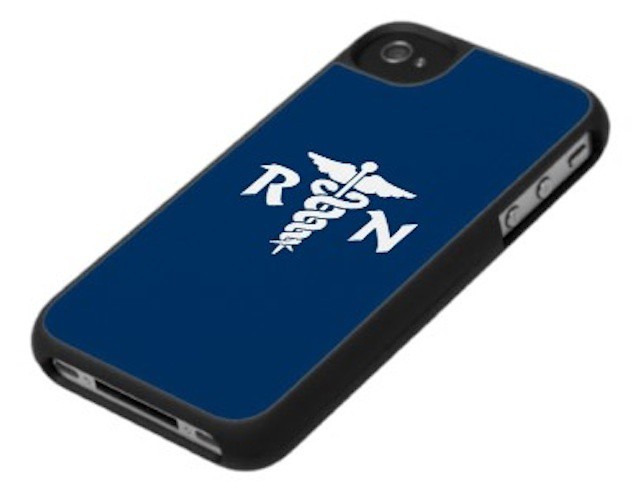
Nurses embrace iPhones/smartphones for somewhat different uses than doctors.
When it comes to talking about iOS devices in healthcare, most of think of doctors carrying iPads the way that they used to carry lengthy paper charts or clipboards. We think about doctors looking at X-rays and other diagnostic tests on an iPad, perhaps even using the iPad to illustrate a broken bone, illness, or surgical procedure.
Doctors, however, aren’t the only healthcare professionals to be embracing mobile technology. A new study shows that the vast majority of nurses have also embraced mobile devices, particularly the iPhone and other smartphones. It also highlights that differing needs of healthcare professionals when it comes to mobile technology.
Bongo's Simpsons Comics make their debut on iOS, NASA teaches us about spacecraft, Apple lets us manage our torrent downloads, and more.
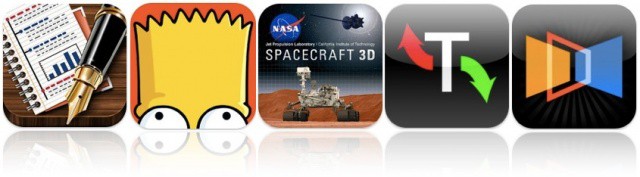
Kicking off this week’s must-have apps roundup is an incredible word processor called UX Write, which makes working with large, complex documents on the go a breeze. You’ll also find Simpsons Comics, the latest app from comiXology that brings Bongo’s Simpsons library to iOS; a wonderful app from NASA that allows you to get up close and personal with the spacecraft used to explore our solar system, and more.
Tiny Wings finally comes to the iPad, and Rovio finally releases a game that isn't called Angry Birds.
Kicking off this week’s must-have games roundup is a massive update to Tiny Wings — one of my favorite iOS games — which adds a brand new game mode with 15 levels, Retina visuals, and more. You’ll also find Amazing Alex, the latest game from Angry Birds creator Rovio; a wonderful multiplayer RPG; a retro Neo-Geo shooter, and more.
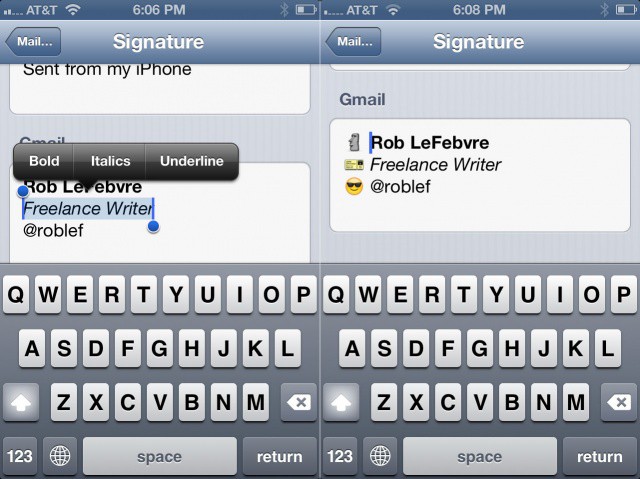
Getting tired of “Sent from my iPhone” as your mail signature on your iPhone? What about “Sent from my iPad?” Still bored? Yeah, me, too. I’ve changed my signature to something a bit more magical on the iPad, but I really didn’t think about adding some basic rich text formatting and some images in to really spice it up.
Lucky for me (and now you), Greg Sargent, student web engineer, has. Here’s how.
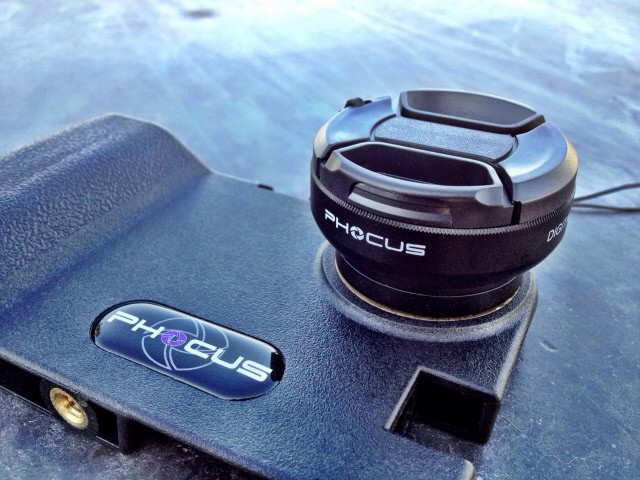
Another day, another iPhone camera lens case and adapter. This one is called the Phocus and manages to distinguish itself both by its angular, military-look styling, and by the fact that you can (with a further adapter) stick your SLR lenses on the front.
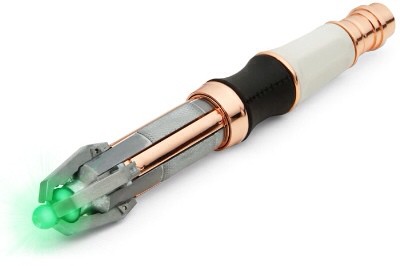
Hopefully this universal remote will be more reliable than the real Sonic Screwdriver.
This replica is probably the closest you’ll ever get to having a real Doctor Who Sonic Screwdriver. What does it have to do with Apple, you ask? After all, this is the Cult of Mac.
The Screwdriver is also a universal remote, which means that it will not only control your TV and VHS VCR, but also you Apple TV and – via the Universal Dock – your iPhone or iPod.
Toys are just lifeless pieces of plastic completely devoid of feelings – orarethey? It’s not like they could just walk around with an iPhone taking pictures of pretty sunsets and duckface self portraits for Instagram, right? Since science has yet to prove that toys are just just like us, Instagrammer Santlov provides fantastic images of toys playing with their iPhone, iPad, and Macs. Want to know what Scarface or Boba Fett would look like snapping Instagram pics? Take a look –
There’s no way to be nice about it: Microsoft is not cool. Their products aren’t cool (sans Xbox!). Their logo isn’t cool. And then there’s their dancing, prancing, screaming, bear of a man slash CEO: Steve Ballmer. And on our brand new CultCast, we have to ask: could Microsoft bring their sexy back with a CEO who isn’t the official jester of the tech community?
And then, don’t miss our discussion on how one simple hardware upgrade can transform your aged Macbook Pro into an unholy speed demon! That’s right, you don’t need a Retina Macbook, just $200 and ten minutes can bring you a renewed computing power that would make even Tim Cook’s glasses start to fog!
Subscribe to The CultCast now on iTunes, or easily stream new episodes right on your iPhone or iPad with Apple’s brand new Podcasts App.
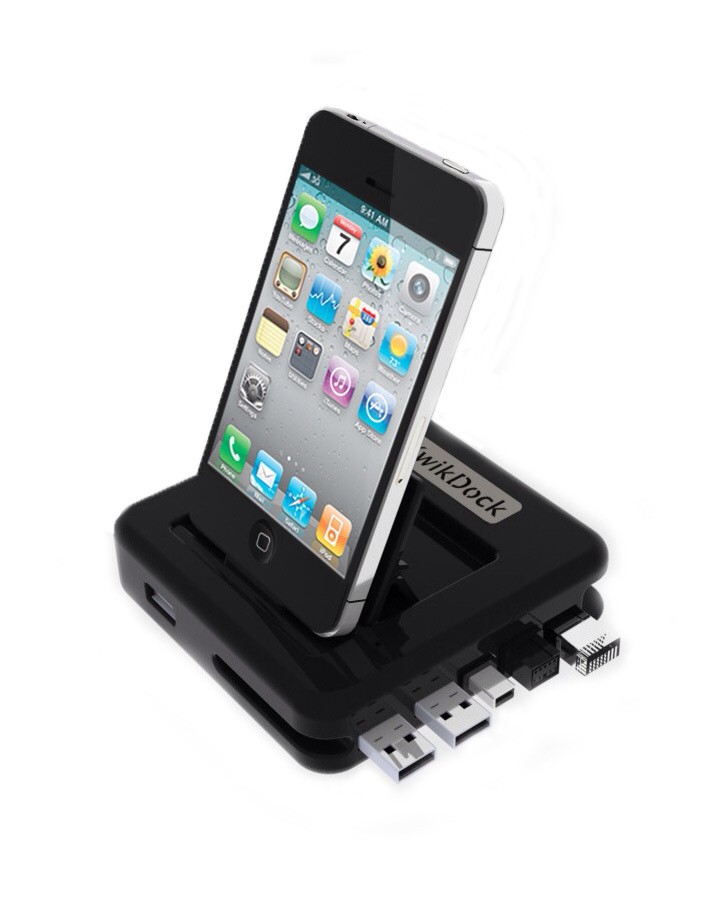
Sick of plugging and unplugging cables from your MacBook Pro every time you get back to your desk? Hate wasting one of the two USB ports just to keep your iPhone connected? And finally: don’t want to spring for a $1,000 Thunderbolt Display?
Then the KwikDock might be right up your alley: It’s a simple (and cheapish) pass-through dock with some handy extras.
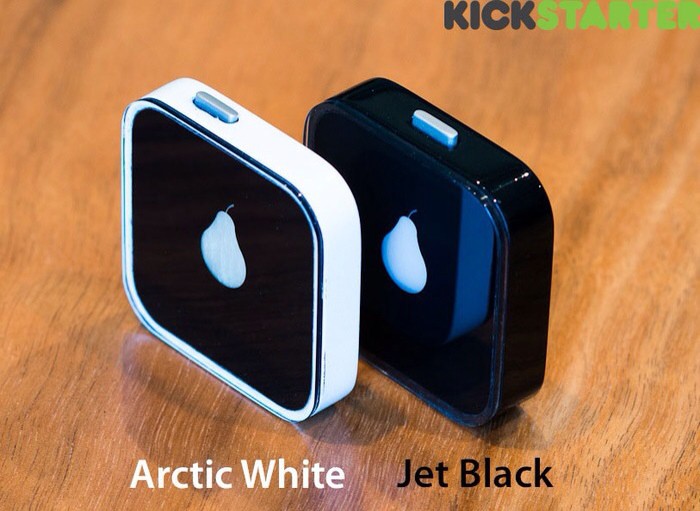
This is the Pear, and it might just be one of the most useful iPhone accessories yet devised. It’s a little, puck-like Bluetooth receiver that is designed to slot into any speaker dock and free your iOS device from its needy clutches.
Your iPhone is more than a phone, it’s part of your life. It knows what you’re doing now (putting out fires with your boss? planning for drinks?), where you’re going for lunch and where you wish you were.
Even if you’re an open book — frequent Foursquare check-ins, Instagramming dinner, Spotifying all over the place — you probably wouldn’t broadcast every single thing you do with your iPhone, right?
Jawbone's iconic Jambox speaker gets yet more new features.
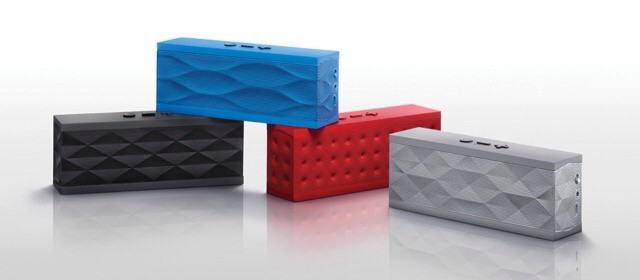
The big advantage Jambone’s Jambox has over its competitors is upgradeable firmware. The speaker is in fact a tiny computer which can be updated from time to time. Previous additions have been the spookily excellent surround-sound simulation called Live Audio, and you can also install one of many apps which add new voices, or let you access third-party services.
The Jambox might not be the loudest or even the best-sounding speaker out there, but it is certainly the most future-proof. And now another update adds yet more new features.
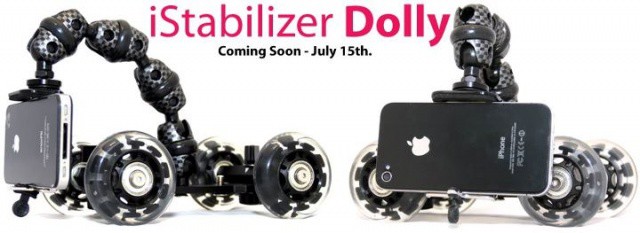
The iPhone 4S has a great 1080p camera, but unfortunately, getting great video with it is still a challenge, due to the lack of stabilization options available for it. Tripod accessories have become more widespread within the last year, but there’s still been no good way to get creative, professional looking shots with the iPhone. With the iStabilizer dolly, all that changes.
I wouldn't pay $8,600 for an iPhone if it was delivered by Tim Cook himself.
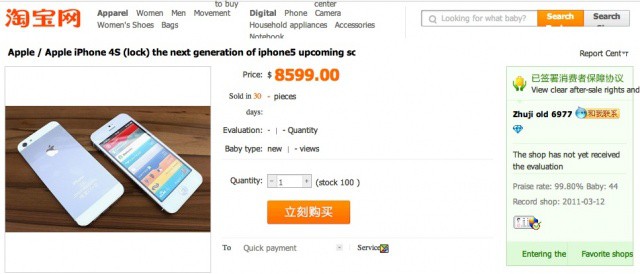
We’re still a few months away from Apple’s new iPhone unveiling, but that hasn’t stopped a number of Chinese retailers from selling the device in advance. They’re using the mockup pictures that have been circulating for weeks to make a quick buck from the hotly-anticipated handset, with some asking for as much as $8,600 a piece.
Using personal iPhones and iPads in the office leads many people to work from them while on vacation.
Our iPhones and iPads, which enable us to work and be on call virtually anywhere at any time, will lead to more than half of us working while on vacation. That’s the result of a new study that looked at how technology impacts the work/life balance. iOS devices are common players in the bring your own device (BYOD) era. As BYOD programs lead many of us to use our personal iOS devices and other mobile technology for work-related tasks, they also encourage an “always on” attitude from employers and employees alike.
The study, commissioned by enterprise remote access vendor TeamViewer, shows that just over half (52%) of professionals expect to work while on vacation in one capacity or another.
It also comes on the heels of a similar study that we reported last week. That study showed that always-connected devices like the iPhone and iPad lead most of us to work well past the end of the business day. A practice so common, in fact, that many of us will work an extra seven hours outside of normal business hours and outside of the office each week.
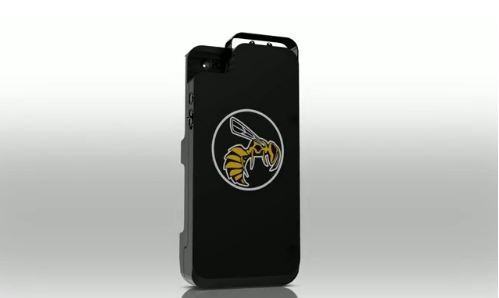
A new iPhone case called the Yellow Jacket protects your phone — and your ass! It’s actually a powerful stun gun. Best of all, it adds about 20 hours of battery life to your iPhone!
In the office or on the road, iOS business users have high expectations for IT and internal business apps.
One of the unique traits around iOS devices used in business and enterprise environments is that users have much higher expectations for mobile tools and processes than they do for traditional PC applications, processes, and user experiences. That’s true whether the device is employee-owned or provided by an employer.
It’s easy to see why most iPhone and iPad users have these higher standards. With iOS, Apple has created a platform that is app-driven and offers an incredible selection of apps to users. Apple, and many iOS developers, have done an amazing job of getting rid of anything that stands between the iOS user and the experience of content that they are watching, reading, or creating. That delivers an immersive experience that is unlike the vast majority business or productivity tools loaded on workplace PCs.
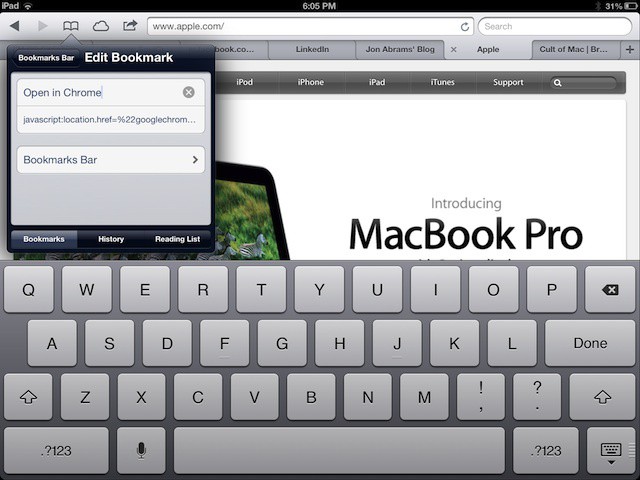
I don’t know about you, but I’m a huge fan of the mobile version of Chrome on my iPhone and iPad. I use Chrome for Mac almost exclusively, and having all my bookmarks and browsing history available to me on the go is really the killer feature.
Alex has already shown you how to set Chrome as the default browser if you have a jailbroken iOS device, but what about those of you (like me) who don’t want the hassle of a jailbreak? How can we quickly hop over to Chrome on our iPhone? Turns out, it’s pretty easy.
Tapbots has just launched an alpha version of Tweetbot for Mac, and we’ve been eagerly testing it out. Want to see it for yourself? We’ve put together a video walkthrough of it, which you can check out after the break.
The cost of supporting BYOD programs and employee-owned devices is rising.
Bring your own device (BYOD) programs that let employees use their personal iPhones, iPads, and other devices for work purposes are becoming increasingly common. No one doubts that there are advantages to these programs in terms of employee productivity and satisfaction. That said, whether they actually save businesses money or incur outrageous new costs has been a matter of debate in the business and IT circles.
Based on a survey conducted by Osterman Research, such programs do have significant costs associated with them. On average, the study indicates that they will raise IT expenses by 48% between 2011 and 2013. Those costs, while real, may not always be easily seen or quantified in many companies.
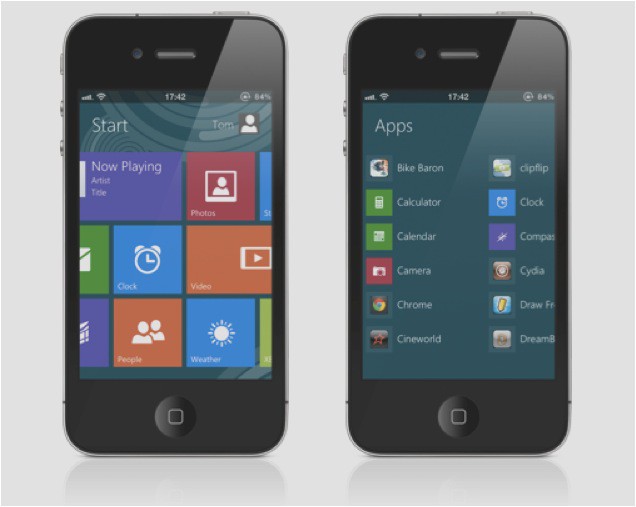
When you’re getting a little bored of looking at the same old home screen, the DreamBoard app for iOS can completely revamp your device with a whole new look. Couple that with a new tweak called Metroon and you have yourself an iPhone that runs Windows 8 (well… almost) — complete with a Metro user interface, live tiles, and even the “Charms” bar.
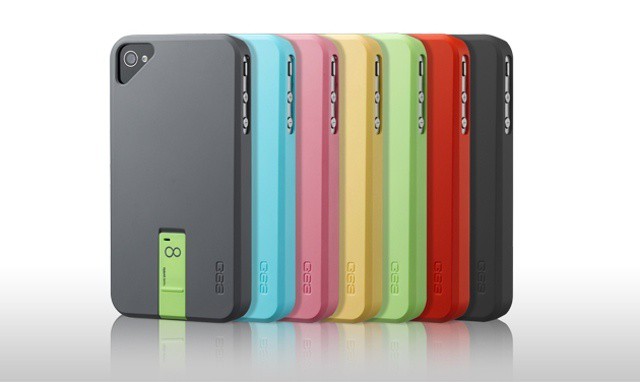
What if I told you there was a case that adds up to 16GB storage to your iPhone? And further, that this case costs just $50. You’d be pretty interested, right? Well, it’s kind of true. You can indeed buy a 16GB case, but sadly that memory can’t actually be used with the iPhone.
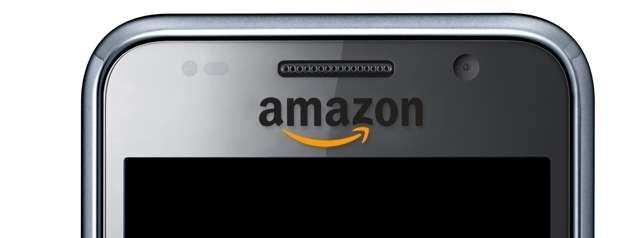
Amazon hopes to expand its mobile reach with a new smartphone.
Following earlier rumors that claimed Amazon is gearing up to launch a smartphone that will rival Apple’s iPhone, TheWall Street Journal has confirmed with sources that the retail giant is currently testing the device with its suppliers, and that it could enter production as early as the end of this year.
It seems like every couple weeks now, we get new rumors that the iPad is about to get all mini-me on us. But does anyone really want a smaller iPad? We’ll tell you what we think on our latest CultCast.
Then, Raves and Faves! The segment where we pitch our favorite tech and then vote on which is best — only one gadget may live!