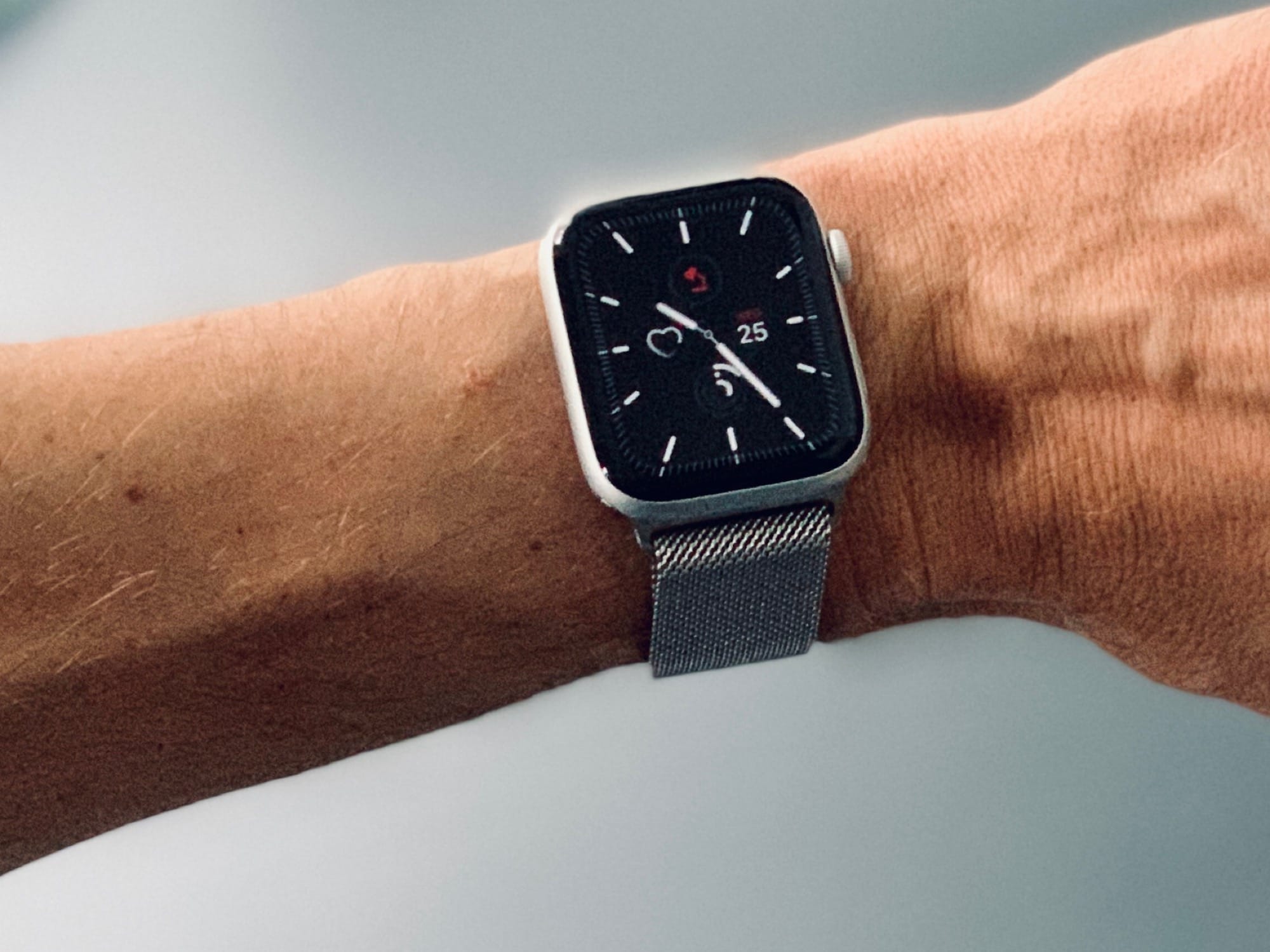
The new Apple Watch series 5, running watchOS 6, can track just about any kind of activity. But one thing it doesn’t track is your sleep. Or at least, it doesn’t offer sleep-tracking in a native form. That’s left to third-party app makers. Today we’ll see two great apps to do just that. One is ultra-simple, and the other is super deep. Let’s take a look.
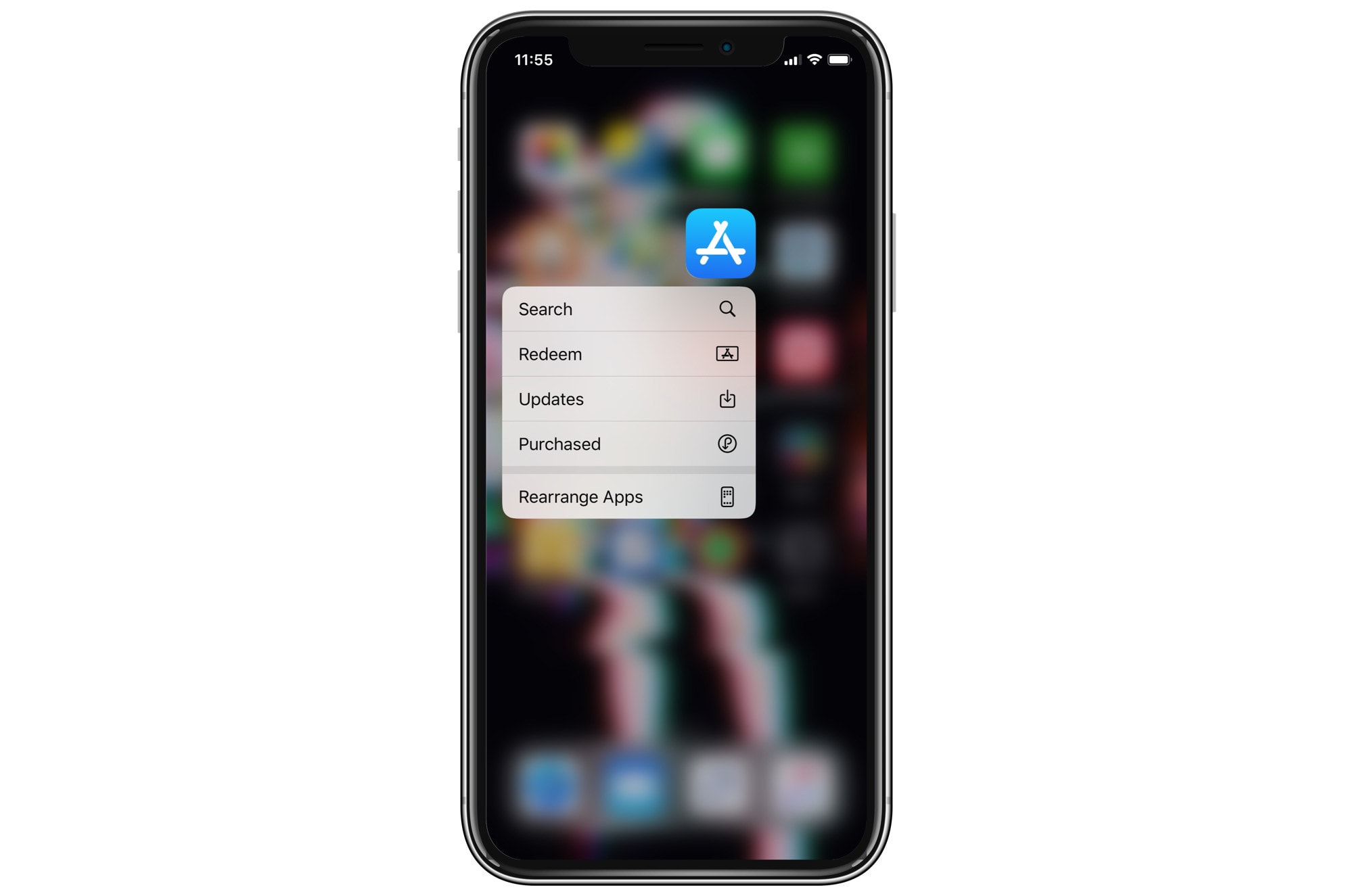
The quickest way to see your app updates in iOS 13. Photo: Cult of Mac
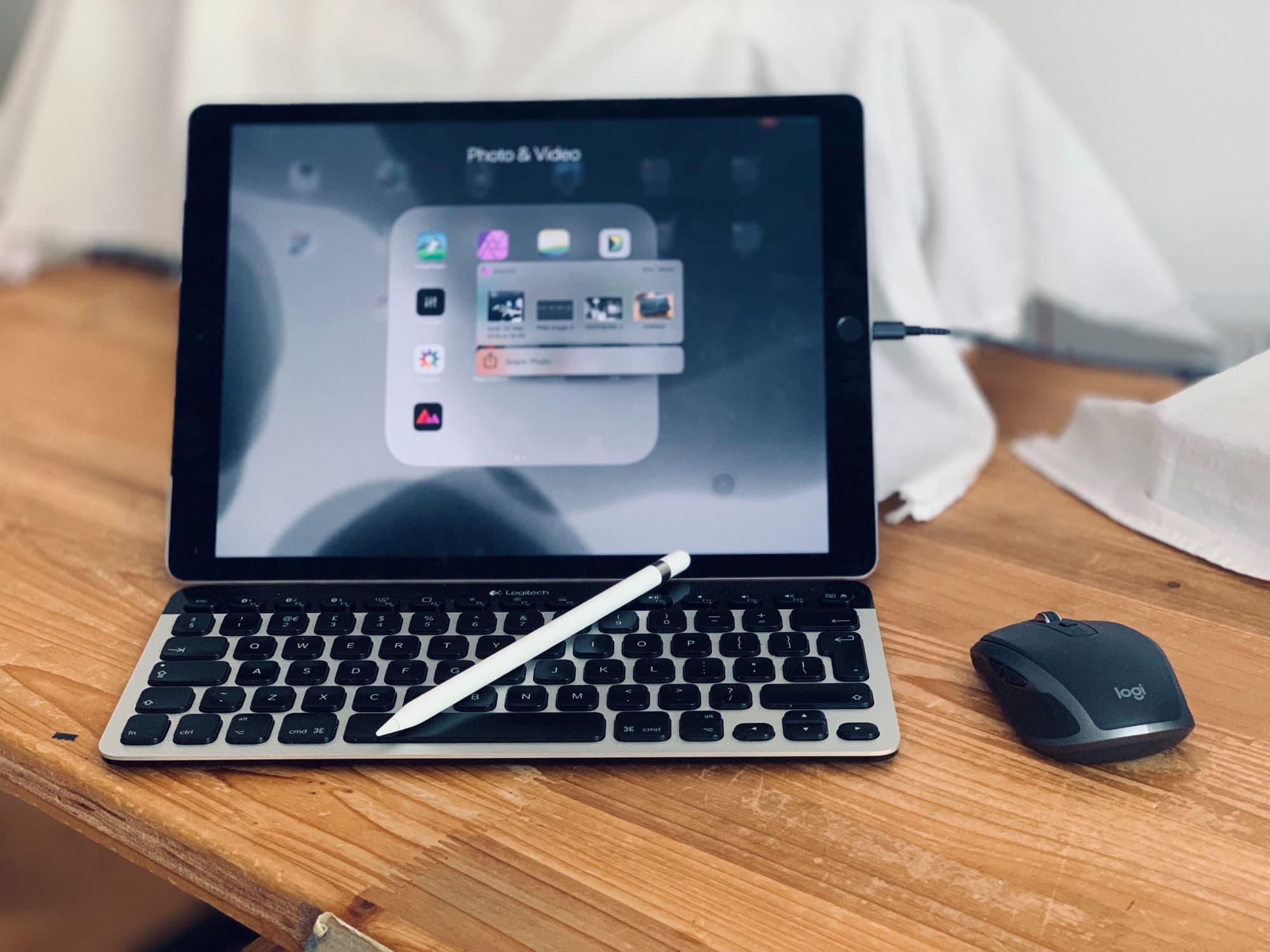
iOS 13 did away with the old Updates tab in the App Store, and replaced it with Apple Arcade. That’s pretty bad news if you don’t want to use Apple Arcade. But on the plus side, you can access your app updates from the Home screen using 3D Touch. And the good news is that, in iOS 13, you can also use this trick on the iPad.
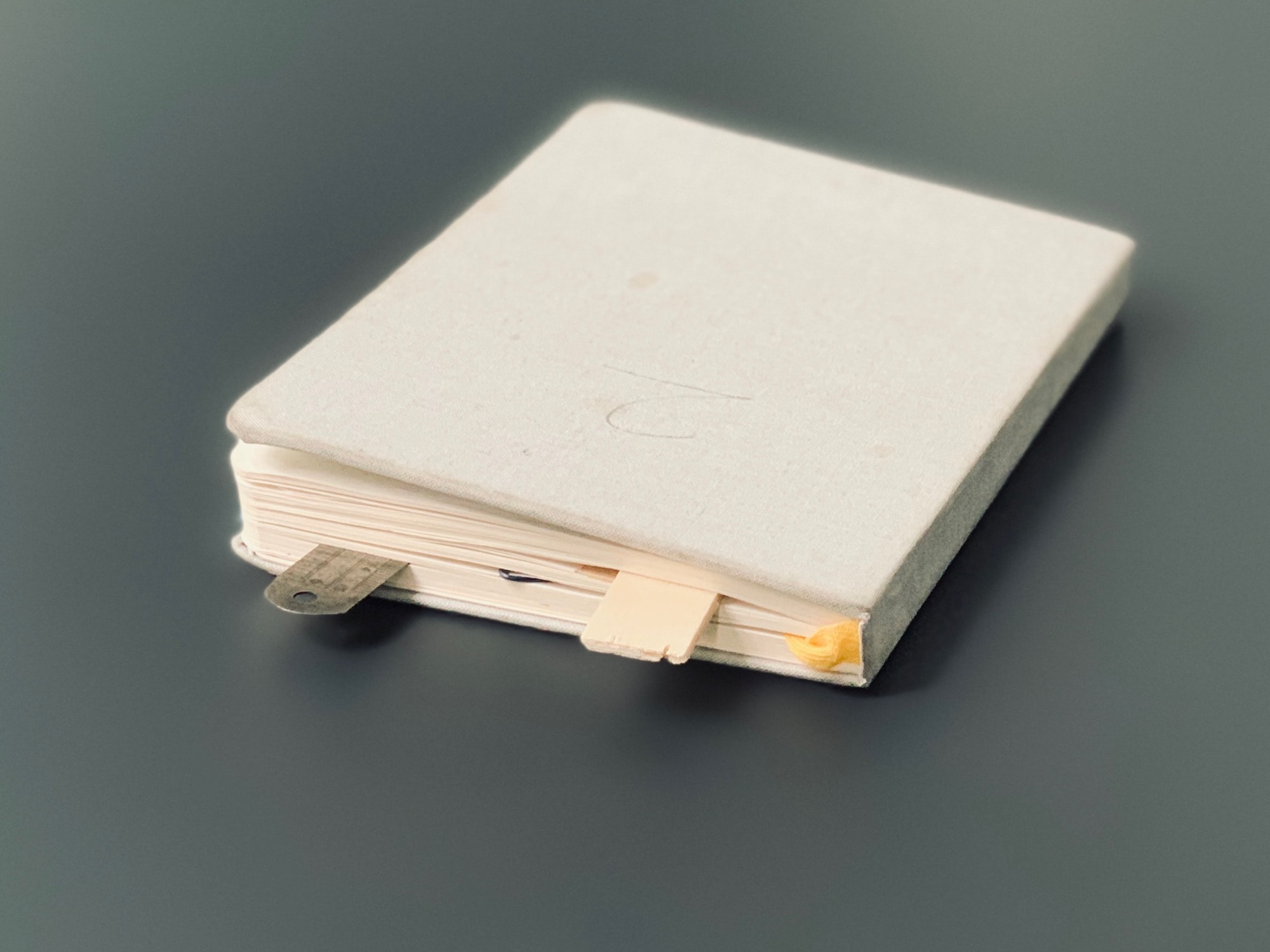
Bookmarklets IRL. Photo: Charlie Sorrel/Cult of Mac
Every time I’ve written about bookmarklets, I’ve had to add a section on how to add them to Safari in iOS. On the Mac, you just drag them up to the bookmark bar, and you’re done. On iOS, the situation was so complex that I wrote a whole how-to just so I could link to that, instead of writing several paragraphs every time. But there is a way to drag and drop bookmarklets on iOS.
I’ve tested it on iOS 12 and iOS 13, and it’s amazing.
When dimmed, the Series 5 can be set to hide sensitive information. Photo: Charlie Sorrel/Cult of Mac
The one huge new feature in the Apple Watch Series 5 is the always-on display. Day or night, the screen never shuts off. It dims as soon as you stop using it, and all animations stop, but the face stands ready for your curious glance at any time.
However, if you wear your Apple Watch in bed, or you don’t like the idea of the watch showing your info to anybody who cares to look at the device, then there are a few settings that can help. Let’s take a look.
Files can be stored in drawers. Photo: Charlie Sorrel/Cult of Mac
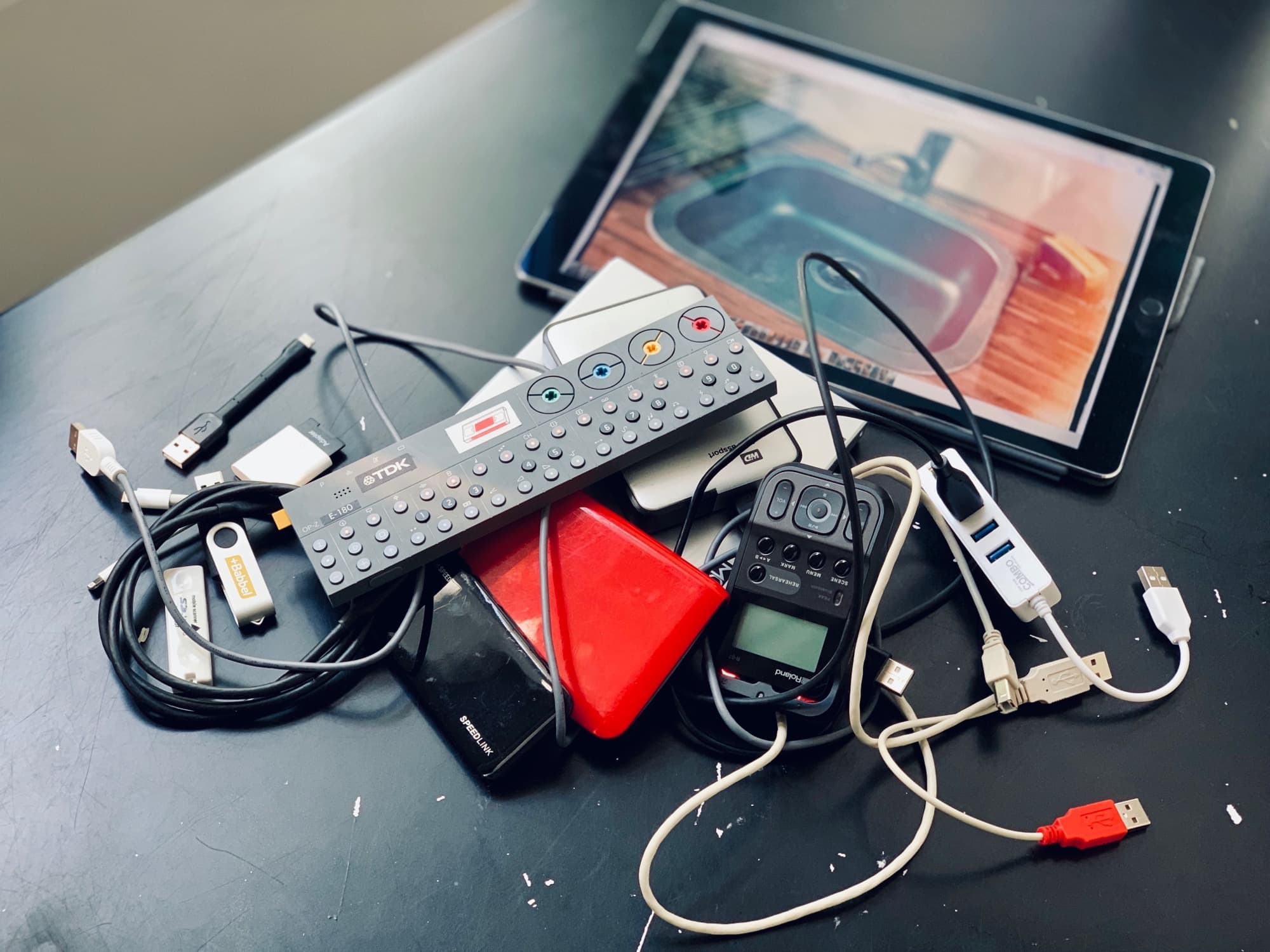
The Files app is waaaaay better in iOS 13 and iPadOS. It adds external USB storage support, so you can plug in anything from a hard drive or USB-C stick to a synthesizer that can mount as a USB drive to load samples and presets.
Apple’s built-in file-management app adds column view (with a handy preview) and all the metadata you want to know about a given file. And it also benefits from a massively upgraded search feature.
The screenshot tool gets a radical makeover in iOS 13, and I’m not even talking about the fancy new toolbar for Apple Pencil markup. You can take advantage of two cool new features when you snap a screenshot in the upcoming version of iOS.
One, you can capture the entirety of a web page — not just what you can see on the screen right now, but all of it, from top to bottom, as if you’d stitched together lots of screenshots. Two, you can save these all-page screenshots as PDFs with active, selectable text and links.
Here’s how to make the most out of PDF screenshots in iOS 13.
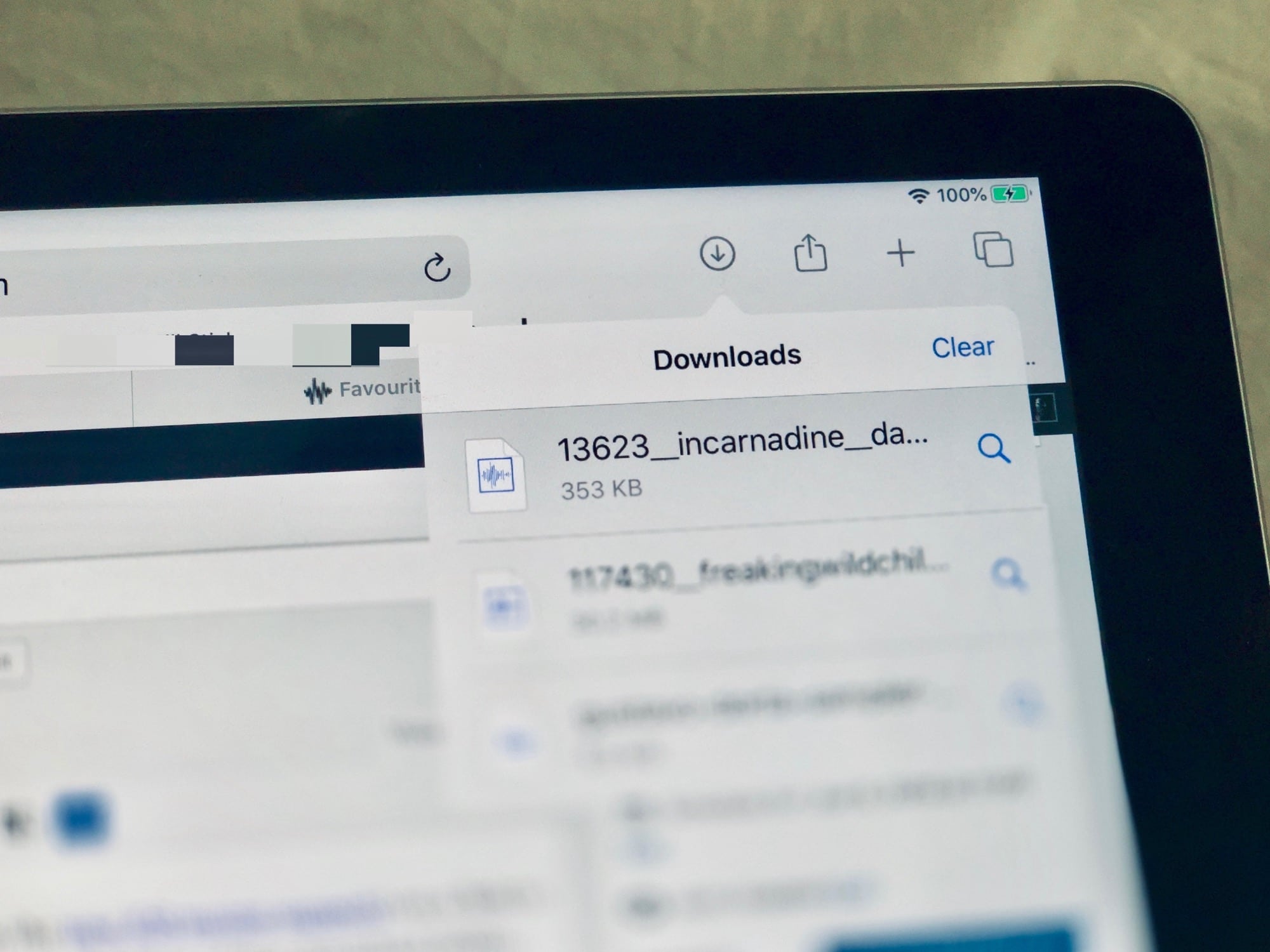
Safari's new download manager in iOS 13. Photo: Charlie Sorrel/Cult of Mac
In iOS 13 and iPadOS, Safari gets a download manager. If you tap (or click, with the new iOS mouse support) on a link to a file, that file will now get downloaded to a folder. What’s more, you can change the location of that download folder.
This is one of the small but essential new features in iPadOS that really turns the iPad into a viable MacBook replacement, even for those who aren’t yet used to the arcane ways of iOS. Let’s check it out.
After using Dark Mode, I don’t think I’ll be going back to the bright white iOS interface anytime soon. Apple poured a bunch of thought into Dark Mode so that it does more than just make everything black.
3D Touch shortcuts now work on the iPad. Photo: Charlie Sorrel/Cult of Mac
3D Touch is dead. Long live 3D Touch! Even though Apple removed the 3D Touch hardware from iPhone 11, the company resurrected the feature via Haptic Touch on its latest devices (just the way it mimicked it with iPhone XR). And now that iPadOS is here, that means 3D Touch is coming to iPads (in the form of a medium-long press).
In the new iPad version of iOS, you can long-ish press on an app icon, and it will pop up the same 3D Touch menu as you would find on an iPhone. Let’s see how it looks.
Now you can capture an entire web page as a single, long, PDF. Photo: Charlie Sorrel/Cult of Mac
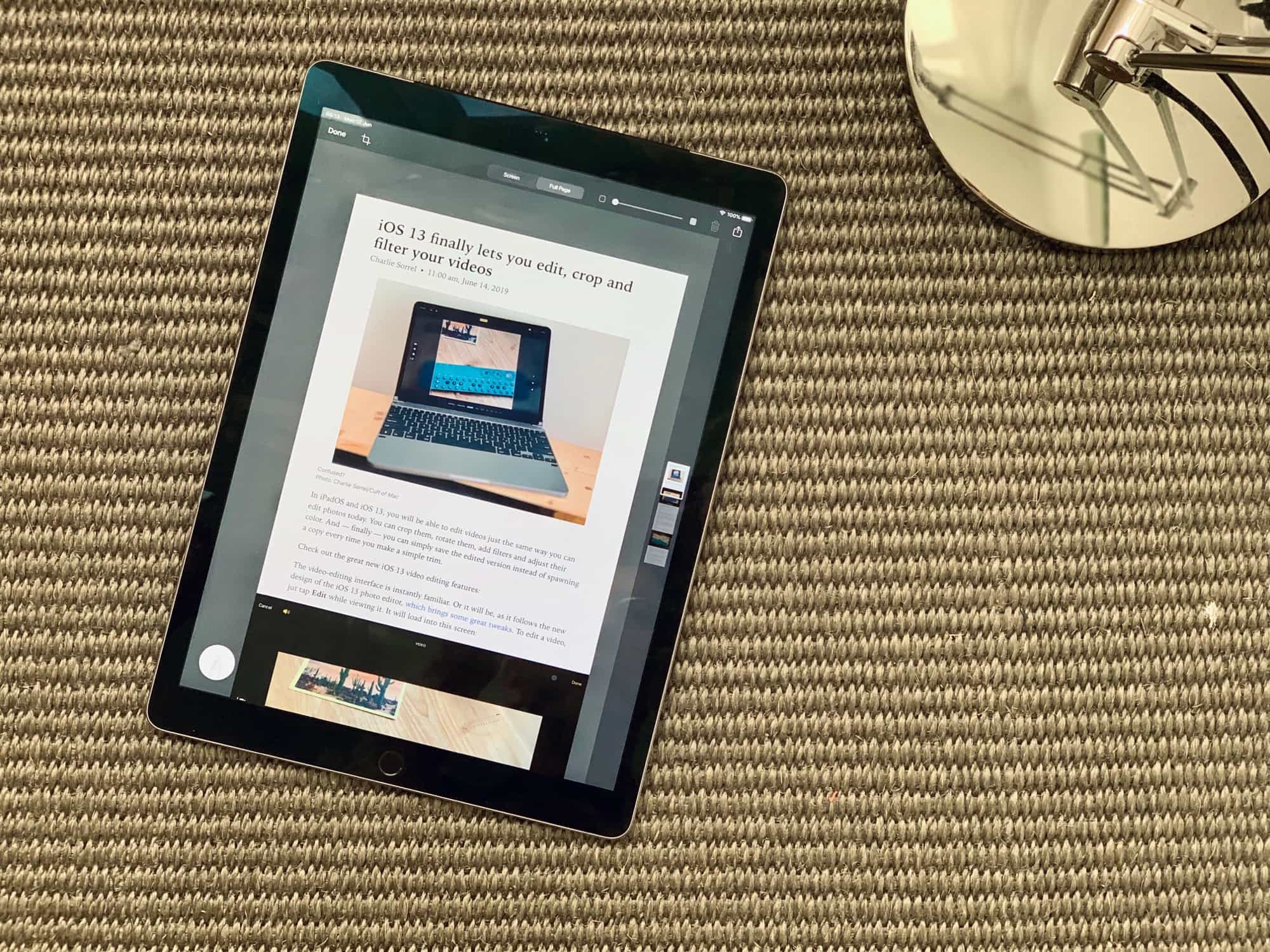
iPadOS 13 soups up its screenshot tool with the ability to capture an entire webpage as a PDF. That means it doesn’t just grab what you can see on the screen right now. If you’re viewing a webpage that’s really, really long, it will capture the whole thing, and turn it into a very tall PDF.
You can also mark up the resulting PDF before you save it to the Files app. This is a fantastic way to save a webpage, especially when you combine it with Reader View to remove the ads, sidebars and other junk first.
Not all text is equal. Photo: Charlie Sorrel/Cult of Mac
In iOS 13 and iPadOS, Apple rejigged the text-selection engine and the cut/copy/paste tools. And they’re amazing. For the last 10 years, selecting and manipulating text has been a frustrating nightmare on the iPad. Try to select a couple of words in Safari, for instance — a package delivery tracking number, for instance — and the selection would bounce back and forth between a few characters and the entire page.
It was enough to drive you back to the comfort of the Mac’s mouse pointer.
In iOS 13, though, this all changes. Text selection is accurate and predictable. And the new copy/paste gesture shortcuts become second nature almost immediately.
The iPad now has app windows. Photo: Charlie Sorrel/Cult of Mac
In the next version of iOS, the iPad will be able to open several “copies” of the same app. You can then switch between them, treating them just like any other individual apps, or you can combine these instances with other apps.
For example: You could have one “space” with your Mail app and your to-do app in a 50:50 Split View. And then you can have another space with a different instance of your Mail app and, for instance, the Notes app. Each version of the Mail app can show a different folder or message.
You can even have two versions of, say, the Maps app, sharing the same screen, showing totally different places. It’s a powerful addition to iPad multitasking. Let’s see it in action.
If your Infograph complications went a ghostly white, there's a quick fix. Photo: Lewis Wallace/Cult of Mac
Did your Apple Watch’s Infograph face go monochromatic for seemingly no reason at all? If upgrading to watchOS 6 sapped your Apple Watch Series 4 of all its multicolored complications, there’s an quick way to bring back the glory … mostly.
It’s easy, but it’s not as obvious as it could be. Plus, some people aren’t happy about the way Apple changed the Infograph face’s customization options.
These little NFC tags are discreet enough to stick anywhere. Photo: Cult of Mac
Shortcuts has gotten so many amazing new tricks in iOS 13 that it’s going to take a while for us to cover them all. So, how about starting with the new NFC automations? This lets you tap your sleeping iPhone onto an NFC sticker or tag, and your iPhone will run a shortcut. This is pretty amazing, because you can walk around you home (or office), and just tap your iPhone onto objects to perform tasks: open apps, set timers, play music, dim the lights — in fact, you can do anything a regular shortcut can do.
Here are two great examples of using NFC shortcuts in iOS 13.
App Store updates are still open for business. Photo: Charlie Sorrel/Cult of Mac
In all versions of the App Store up until iOS 13, there has been an Update tab — a whole page of the store dedicated to showing you the latest updates to your installed apps. In iOS 13, that’s gone, replaced by Apple Arcade, whether you subscribe to the new gaming service or not.
So, how do you update your apps in iOS 13? And if you have auto-update switched on, then how do you even see which apps have been updated, and read their release notes? Fear not. Manual update is still there. It’s just hidden.
Look how friendly these people are. Just look. Photo: Apple
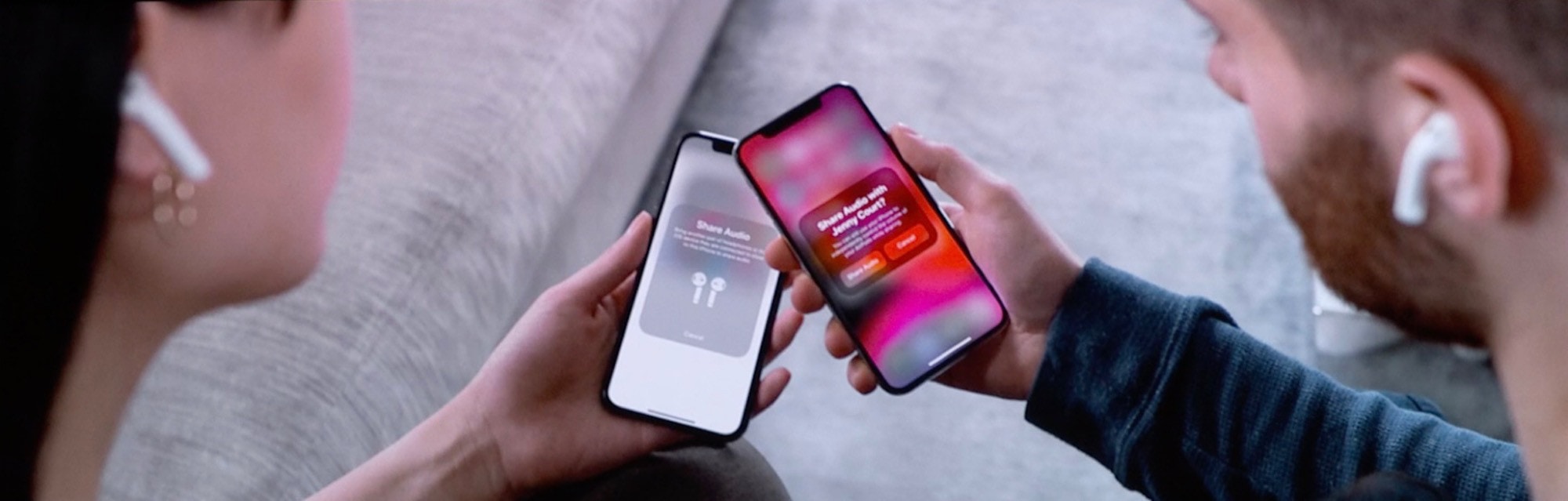
In iOS 13, you can share songs and watch movies with a friend, with each of you using your own AirPods. The new feature is called Audio Sharing, and it lets you instantly — and temporarily — pair a second set of AirPods to your iPhone or iPad. It’s like the olde schoole method of using a headphone splitter to plug two sets of headphones into one jack socket, only way more expensive and fancy.
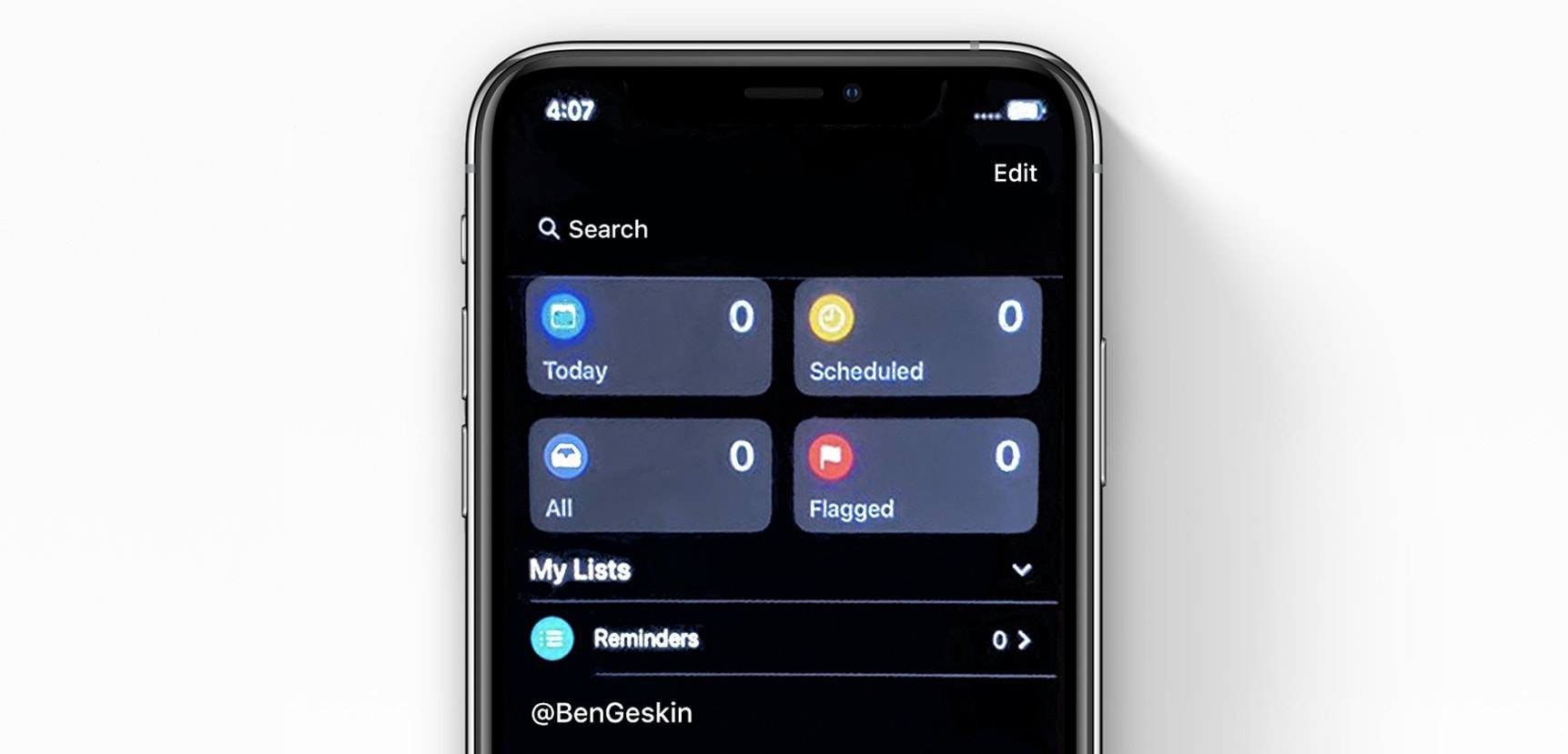
Apple’s Reminders app gets a massive update in iPadOS and iOS 13. It’s no longer a joke app that needs a million taps just to set a notification time on your action item. We already know about the new layout, which splits tasks into Today, Scheduled, All and Lists, and we also know about the excellent new natural-language input, which makes typing a reminder as easy as dictating it to Siri.
But the big update also brings some other new features you likely haven’t heard about yet: Today Notifications and Type to Siri (right there in the Spotlight screen).
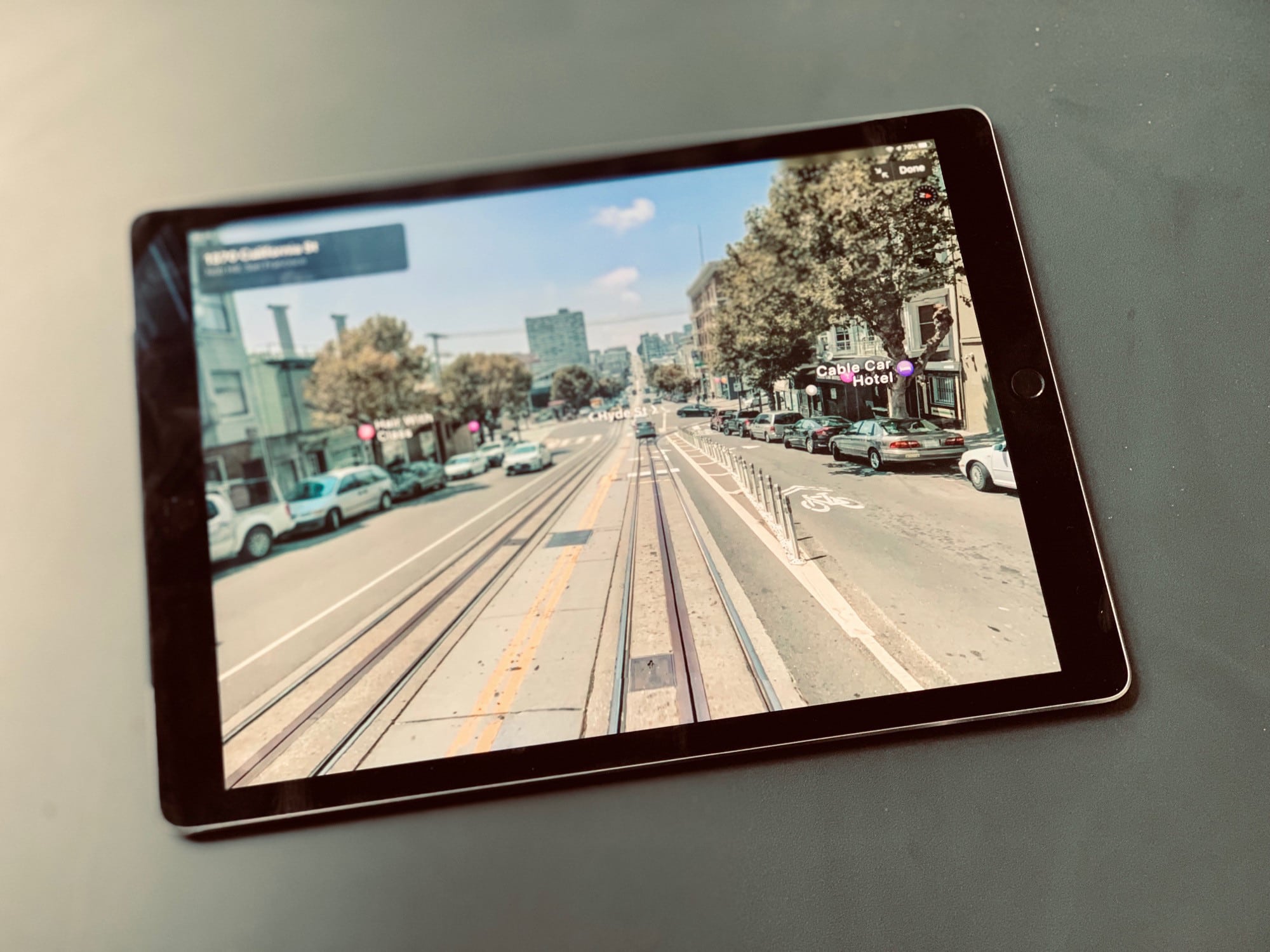
Look Around is like GTA, only you can't steal cars or murder people. Photo: Charlie Sorrel/Cult of Mac
Look Around is Apple’s answer to Google’s Street View, and it’s about a zillion times better — if your area has coverage, that is. Look Around is just getting started, and covers very few places. Street View, on the other hand, is available for pretty much anywhere, including underwater, up mountains and on hiking trails.
Why is Look Around better? Well, it’s faster, for one. And it just looks nicer. The images are super-high-resolution and full-screen. Using it on a 13-inch iPad Pro feels like taking a virtual street tour of a neighborhood.
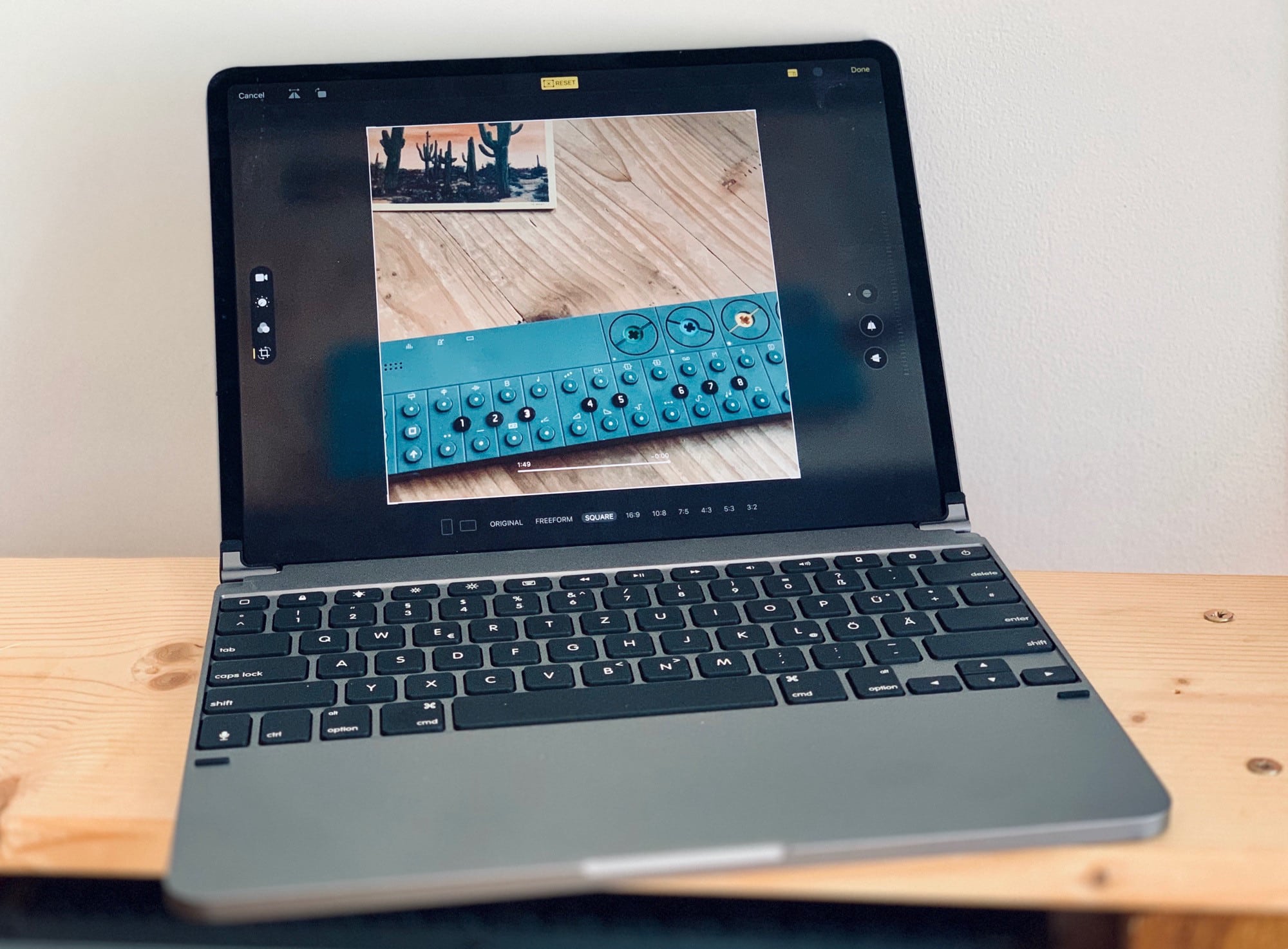
In iPadOS and iOS 13, you can edit videos just the same way you’ve always ben able to edit photos. You can crop them, rotate them, add filters and adjust their color. And — finally — you can simply save the edited version instead of spawning a copy every time you make a simple trim. No need for iMovie — the iOS Photos app can now perform radical edits to videos. This isn’t limited to the iPhones 11, either. You can do all this on any iPhone or iPad running iOS 13.
Check out the great new iOS 13 video editing features:
It's even simpler to block email, messages and unknown callers in iOS 13. Photo: Charlie Sorrel/Cult of Mac
The trouble with modern technology is that anyone can try to reach you, at any time. Your boss can leave a passive aggressive email at the top of your inbox overnight, so you see it when you want to check personal mail. Anyone can send you an SMS or iMessage. And anyone with your phone number can spam you, any time.
Currently in iOS, you can block iMessage senders. But in iOS 13, you gain two new ways to keep stalkers, weird friends and over-sharing co-workers out of your digital life. Now you can block unknown phone callers and email senders.
In iOS 13, Photos is now an image-editing powerhouse Photo: Charlie Sorrel/Cult of Mac
The Photos app in iOS 13 is now good enough that you may never need another app to edit your photos, for regular edits at least. Somehow Apple made the app even easier to use, and added some new features, while making existing features far easier to find.
For instance, Portrait Mode now gets its own tab; the automatic magic wand tool can now be fine-tuned (as can the built-in filters); and the crop tool now fixes perspective, and mirror-flips your photos.
Not this kind of safari. Photo: Cult of Mac/Charlie Sorrel
Safari’s new “desktop-class” features are getting all the press in iPadOS, but the new download folder, and better website support aren’t everything. There’s also a new in-app settings panels with a ton of options — per-site text size, for example — and even a new font in the Safari Reader View. Let’s check it out.
It wasn’t until I installed iPadOS on my regular iPad that I realized how great iOS 13 is. It’s one thing to run it on an old, battered test unit, but a whole other thing to use it day to day. And, surprisingly, it’s the small features that make the biggest difference. The per-page view setting in Safari, for example. Or the new multi-app Slide Over panel. And, more than anything else, the new text-editing gestures, which are finally good enough to replace a mouse and a Mac.
Let’s take a look at how to use iPadOS 13’s new copy, paste, undo and redo gestures, plus text selection in general.
iOS 13 lets you plug almost any USB device into your iPhone or iPad. Photo: Charlie Sorrel/Cult of Mac
iOS 13, which launches today, focuses more on adding a range of incredibly useful features and tweaks rather than pursuing a bold, overarching new direction. For instance, Safari on iPad now functions as a full desktop browser, just like on your Mac. Another great addition is the redesigned share sheet, which includes a top row of one-tap buttons for easily sharing with friends via iMessage. If you’re curious about when someone shares their location how do you see it, iOS also introduces enhancements to location-sharing features, which you can learn more abouthere.
Or, in iPadOS 13, which ships at the end of the month, you can plug in pretty much any USB device and it will work. Hard drives, SD cards full of movies, anything.
So, while you’re waiting for the new version of iOS to install on your device(s), check out all the new iOS 13 features right here.
Say Sayonara to arguments with your kids. Photo: Charlie Sorrel/Cult of Mac
New subscription gaming service Apple Arcade is here1, and it looks like an incredible deal. For just $5 per month, everyone in your family gets unlimited access to dozens of exclusive games (with a free month-long trial to check it out). Even better for parents, there are no in-app purchases in Apple Arcade, so your kids won’t be begging you to buy more coins or whatever every five minutes.
However, they can still spend way too much time on games when they should be out playing with kilometer-zero, organic wooden toys, or pretending that old washing machine delivery box is a panic room. Thankfully, Apple’s own Screen Time feature already works with Apple Arcade, so you can restrict access to any and all games.