Luke Dormehl is a U.K.-based journalist and author, with a background working in documentary film for Channel 4 and the BBC. He is the author of The Apple Revolution and The Formula: How Algorithms Solve All Our Problems ... and Create More, both published by Penguin/Random House. His tech writing has also appeared in Wired, Fast Company, Techmeme and other publications.
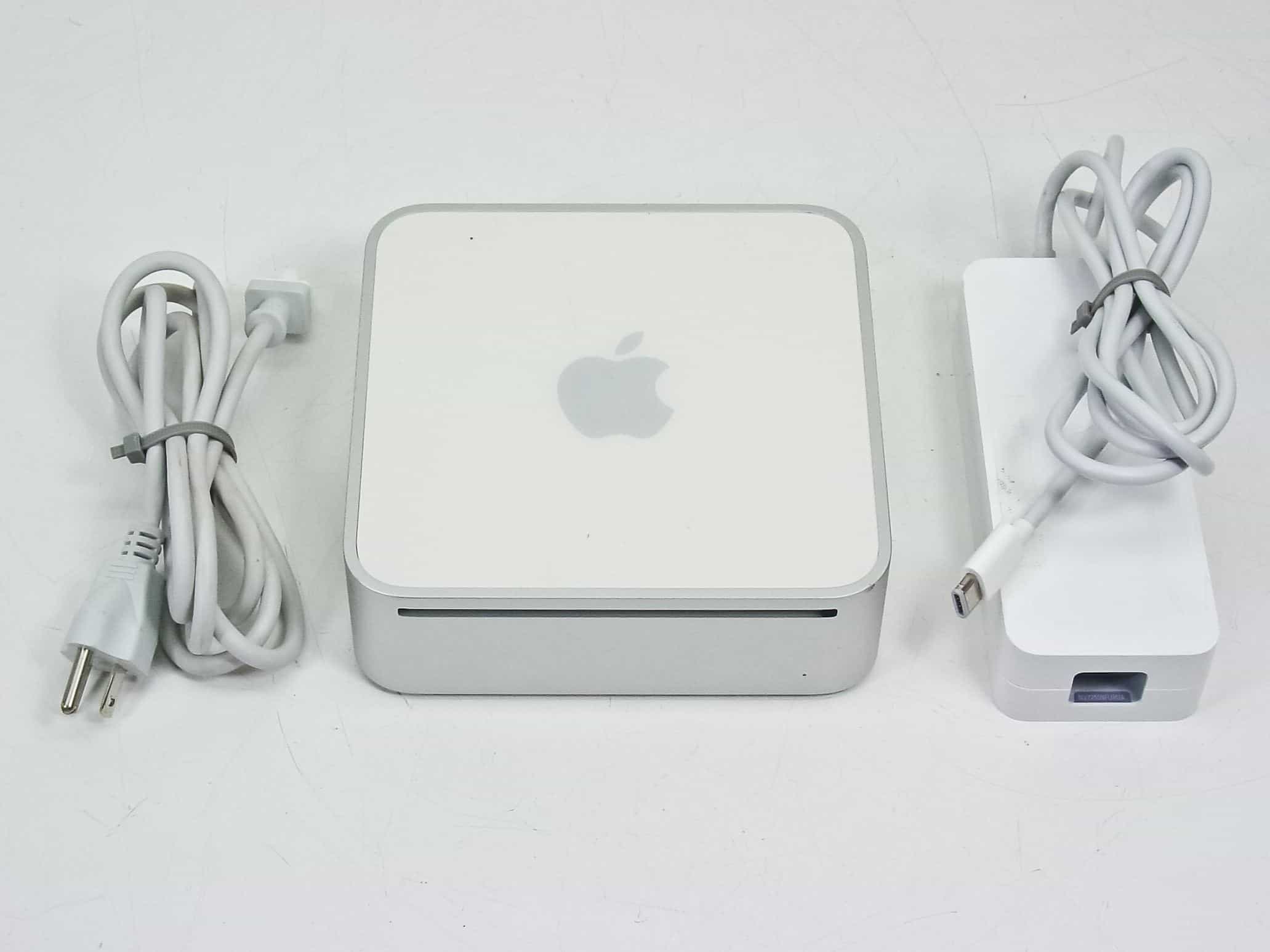
With a powerful Intel chip inside, the 2006 Mac mini made big waves. Photo: RecycledGoods
February 28, 2006: Apple introduces an upgraded Mac mini, an affordable computer powered by an Intel processor.
A “headless” Mac for entry-level users, it’s the third Apple computer to switch to Intel chips. Oh, and it makes one heckuva media player when plugged into a television set.
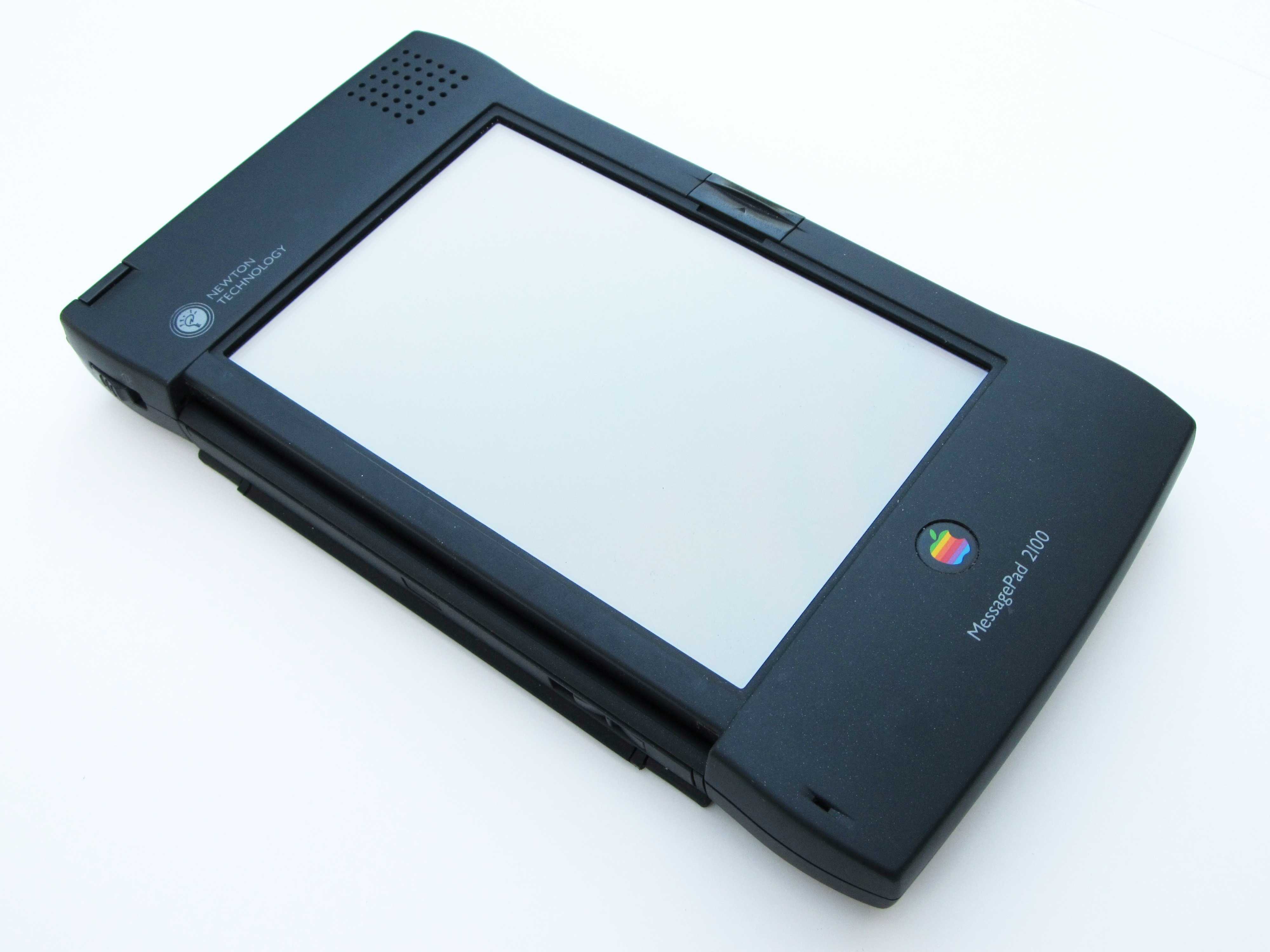
The MessagePad was a product ahead of its time. Photo: Moparx
February 27, 1998: Apple discontinues work on the Newton MessagePad product line, the series of personal digital assistants the company launched five years earlier. It also stops development work on Newton OS, the operating system that the devices run upon.
“This decision is consistent with our strategy to focus all our software development resources on extending the Macintosh operating system,” Apple’s interim CEO Steve Jobs says in a press release. “To realize our ambitious plans we must focus all of our efforts in one direction.”
In the early 2000s, the iTunes Music Store went from strength to strength. Photo: Apple
February 26, 2008: Less than five years after launching, the iTunes Music Store becomes the No. 2 music retailer in the United States, second only to Walmart.
In that relatively short period, iTunes sells more than 4 billion songs to more than 50 million customers. The rapid rise to prominence stands as a massive achievement for Apple — and for the revolutionary digital distribution model Cupertino helped pioneer.
This was one of the worst (and one of the most significant) days in Apple history. Photo: Bonhams
February 25, 1981: Original Apple CEO Michael Scott oversees a mass firing of employees, then holds a massive party. The Apple layoffs follow a hiring boom that led to what Scott called a “bozo explosion” at the company. They also stand as an early sign that the fun startup culture of Apple’s early days are gone forever.
“I used to say that when being CEO at Apple wasn’t fun anymore, I’d quit,” he tells a crowd of Apple staffers. “But now I’ve changed my mind — when being CEO isn’t fun anymore, I’ll just fire people until it is fun again.”
For many people at Apple, the day is the worst in the company’s history.
Steve Jobs was born on this day in 1955. Photo: Jason Mercier
February 24, 1955: Steve Jobs is born in San Francisco. He will go on to co-found Apple and become one of the most important figures in the history of consumer technology. He’s also probably a big part of why you’re reading this website right now.
Happy birthday, Steve! Let’s take a moment to reflect on your innovation, artistry and overall brilliance.
Apple becomes the world's biggest music vendor. Photo: Ste Smith/Cult of Mac
February 23, 2010: The iTunes Store officially passes the 10 billion music downloads mark, reaching a major milestone. The 10 billionth purchase? “Guess Things Happen That Way” by Johnny Cash.
The buyer of the song in question is Louie Sulcer of Woodstock, Georgia. As part of a “Countdown to 10 Billion Songs” promotion by Apple, Sulcer wins a massive $10,000 iTunes Store gift card. He also receives a personal phone call from Apple CEO Steve Jobs for good measure!
These were two of the wackier Macs ever. Photo: Apple
February 22, 2001: The iMac Special Edition, sporting wild designs that would make a hippie happy, puts a wacky face on the colorful computer that saved Apple’s bacon at the turn of the century. The Flower Power iMac and Blue Dalmatian iMac evoke tie-dye shirts and other unconventional ’60s-era imagery.
A far cry from the super-serious, aluminum-heavy industrial design that will come to define Apple in subsequent years, these colorfully patterned iMacs stand out as some of the most irreverent computers Cupertino ever dreamed up. (C’mon, when was a real Dalmatian blue?)
Under the crazy-looking exteriors, a pretty darn great iMac G3 hums along.
The first iPhone was definitely a bit ... different from current models. Photo: Bob Ackerman/Wikipedia CC
February 21, 2007: Apple comes to an agreement with Cisco over the iPhone trademark, which Cisco legally owns but Apple wants to use.
Under the agreement, both companies get to use the iPhone trademark on products throughout the world. The two businesses also dismiss outstanding lawsuits against one another, and agree to “explore opportunities for interoperability in the areas of security, and consumer and enterprise communications.”
It’s a classic bit of Apple CEO Steve Jobs steamrolling the opposition.
The iPod mini quickly became a big hit for Apple. Photo: Apple
February 20, 2004: Music goes small as the iPod mini launch brings the reimagined digital audio player to Apple stores.
Released with 4GB of storage and in five colors, the diminutive device features a new “click wheel” that integrates control buttons into a solid-state, touch-sensitive scroll wheel. It also showcases Cupertino’s growing fascination with aluminum, which will become a hallmark of Apple design.
Despite its small size, the new music player’s market potential looms large. In fact, the iPod mini soon becomes Apple’s fastest-selling music player yet.
Photoshop changed the game for image editing. Photo: Adobe Systems
February 19, 1990: Adobe Systems ships the first commercial version of its soon-to-be-iconic Photoshop photo editing software. The Photoshop launch, exclusively on the Macintosh, gives users powerful new tools for tweaking digital images.
The groundbreaking software debuts for Mac System 6.0.3. Priced at $895, Photoshop will quickly become the standard editing tool for graphics professionals. Whether they work for advertising agencies, news organizations — or, frankly, anywhere else — Photoshop users take advantage of the program’s digital darkroom tools to seamlessly manipulate images.
This marked a significant moment in Apple's turnaround. Photo: Ste Smith/Cult of Mac
February 18, 2004: Apple CEO Steve Jobs sends an internal memo to employees revealing that the company is, for the first time in years, totally debt-free.
“Today is a historic day of sorts for our company,” he writes. It’s a big turnaround from the bad old days of the 1990s, when Apple carried more than $1 billion in debt — and faced the danger of bankruptcy.
The PowerBook 3400 certainly lived up to its name. Photo: Apple
February 17, 1997: Apple launches the PowerBook 3400, a laptop the company calls the fastest portable computer in the world.
After a rough few years for the PowerBook, this model throws down the gauntlet to rivals. It packs a PowerPC 603e processor capable of running at speeds up to 240MHz. While speedier Apple laptops will quickly overtake the PowerBook 3400, at the time, it can keep up with some impressive desktop Macs.
The "Pismo" PowerBook was a brilliant early Steve Jobs-era laptop. Photo: CG Hughes/Flickr CC
February 16, 2000: Apple introduces the “Pismo” PowerBook, the finest of its G3 laptops. In the view of many, it’s one of the best Apple laptops ever.
The Pismo PowerBook is the first model without either SCSI or an Apple Desktop Bus connector. Instead, it utilizes a USB port and Apple’s Emmy Award-winning FireWire. Optional AirPort wireless support, tremendous battery life, and a gorgeous, curvy design make this laptop even better.
Steve Jobs becomes the face of the 1980s tech boom. Photo illustration: Ste Smith/Cult of Mac
February 15, 1982: Apple co-founder Steve Jobs appears on the front cover of Time magazine for the first time. The lengthy cover story makes Jobs the public face of successful tech entrepreneurship.
The first of many Time covers for Jobs, the article — titled “Striking It Rich: America’s Risk Takers” — casts him as the prototypical young upstart benefiting from the burgeoning personal computing revolution. It also identifies him as part of a surge of freshly minted millionaires running their own businesses.
February 14, 1995: Apple Computer extends a lawsuit against developer San Francisco Canyon Company to include Microsoft and Intel. The lawsuit concerns allegedly stolen Apple code that’s used to improve Microsoft’s Video for Windows technology.
The lawsuit comes to a head with Apple threatening a multibillion-dollar lawsuit against Microsoft. Meanwhile, Microsoft CEO Bill Gates threatens to cancel Office for Mac.
The Macintosh? It'll never catch on! Image: Cult of Mac/Ste Smith
February 13, 1984: The first Mac’s launch generates enormous excitement from the tech press, as epitomized by an InfoWorld cover story about the Macintosh 128K.
The wave of coverage comes a few weeks after the January 24 release of the Macintosh. But when the press blitz finally arrives, it becomes clear the Mac is a hit.
Steve Jobs' death caused an outpouring of support. Photo: Grammys
February 12, 2012: Months after his untimely death, Apple co-founder Steve Jobs is honored with a Special Merit Grammy Award in recognition of his contributions to the field of music with the iPod and iTunes Music Store.
Eddy Cue, Apple’s senior vice president of internet software and services, collects the Grammy on behalf of Jobs’ family and “everyone at Apple.”
Bill Gates definitely doesn't wish Microsoft invented the iPad. Photo: Fox News
February 11, 2010: With iPad excitement reaching a fever pitch, Microsoft co-founder Bill Gates wades in with his opinion of Apple’s tablet. His view? Apple’s upcoming device is kinda meh.
“There’s nothing on the iPad I look at and say, ‘Oh, I wish Microsoft had done it,'” Gates tells one interviewer.
The Macintosh Color Classic was the Mac the world had been waiting for. Photo: Chung Chu/Flickr CC
February 10, 1993: Apple launches the Macintosh Color Classic, the company’s first compact Mac with a color screen.
As the first all-in-one Mac with an integrated color display, and the last U.S. Mac to offer the original model’s compact form factor, this model represents a landmark in the evolution of the Macintosh. A Color Classic unit also happens to become the 10 millionth Macintosh that Apple ships.
February 9, 1993: NeXT Inc., the company Steve Jobs founded after being pushed out of Apple, quits making computers. The company changes its name to NeXT Software and focuses its efforts entirely on producing code for other platforms.
In a mass layoff, 330 of NeXT’s 500 employees lose their jobs in an event known internally as “Black Tuesday.” Cruelly, many people hear of their fate on the radio.
Steve Jobs did not like losing control of the iPad narrative. Photo: Apple
February 8, 2010: Apple CEO Steve Jobs reportedly flips out over a tweet sent from an iPad by an editor at The Wall Street Journal.
The reason? Apple showed the iPad to top staffers at the news outlet months ahead of its official release. While Jobs already unveiled the device to the public a couple of weeks before, the suggestion that people outside Apple gained early access to the tablet apparently upset him.
A plane crash marked the beginning of a leave of absence for Woz. Photo: Universal Pictures
February 7, 1981: Apple co-founder Steve Wozniak is involved in a serious plane crash in California, resulting in his first lengthy leave of absence from the company.
At the time, Wozniak is flying a turbocharged, single-engine, six-seat Beechcraft Bonanza A36TC. In the plane with Woz is his fiancé, Candi Clark, her brother and her brother’s girlfriend. Fortunately, nobody dies in the crash, although Woz suffers minor head injuries.
A lack of respect for the Apple II leads to Steve Wozniak's departure from the company he founded. Photo: Anirudh Koul/Flickr CC
February 6, 1985: Frustrated by Apple’s shifting priorities, co-founder Steve Wozniak leaves the company to pursue outside interests.
His departure — which comes the same year that Steve Jobs leaves Apple to form NeXT — represents yet another big change for the company. The move mostly stems from Woz’s dissatisfaction with how management treated the Apple II division. However, his desire to start a new company also plays a role.
The O.G. iPhone was a thing of beauty. Photo: Traci Dauphin/Cult of Mac
February 5, 2008: Six months after the first-gen iPhone went on sale, Apple releases a new version with a whopping 16GB of storage.
“For some users, there’s never enough memory,” says Greg Joswiak, Apple’s vice president of worldwide iPod and iPhone product marketing, in a statement. “Now people can enjoy even more of their music, photos and videos on the most revolutionary mobile phone and best Wi-Fi mobile device in the world.”
Apple could have teamed up with Disney to make an offer. Photo: Yahoo
February 4, 2008: Apple CEO Steve Jobs reportedly considers buying the search engine Yahoo. Apple is one of several interested companies, following reports that Microsoft offered $44.6 billion for the web portal the previous week.
Nothing ultimately comes of it, but Apple’s interest is later confirmed in an authorized biography of Jobs.

 February 28, 2006: Apple introduces an upgraded Mac mini, an affordable computer powered by an Intel processor.
 February 27, 1998: Apple discontinues work on the Newton MessagePad product line, the series of personal digital assistants the company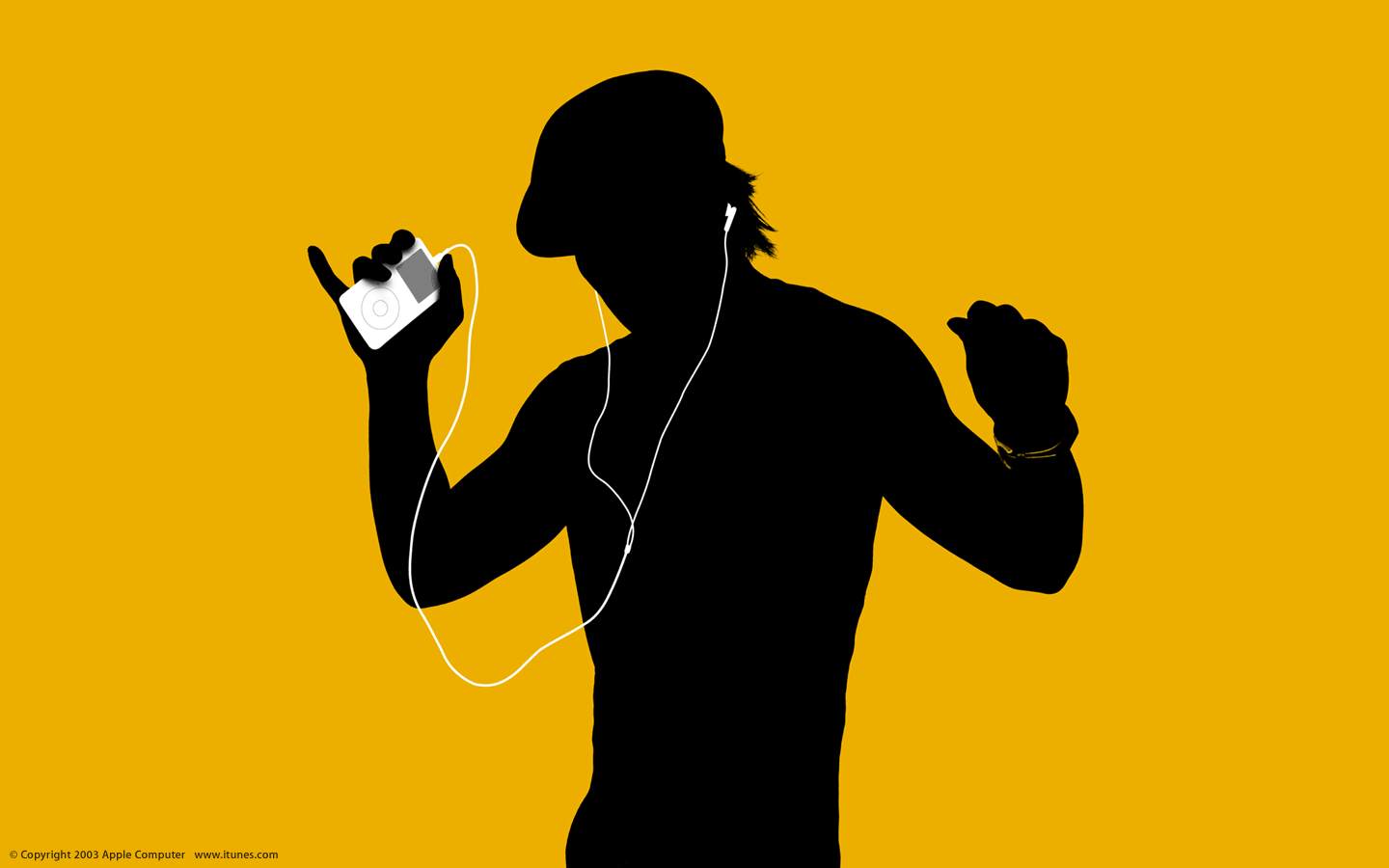
 February 26, 2008: Less than five years after launching, the iTunes Music Store becomes the No. 2 music retailer in the United States, second only to Walmart.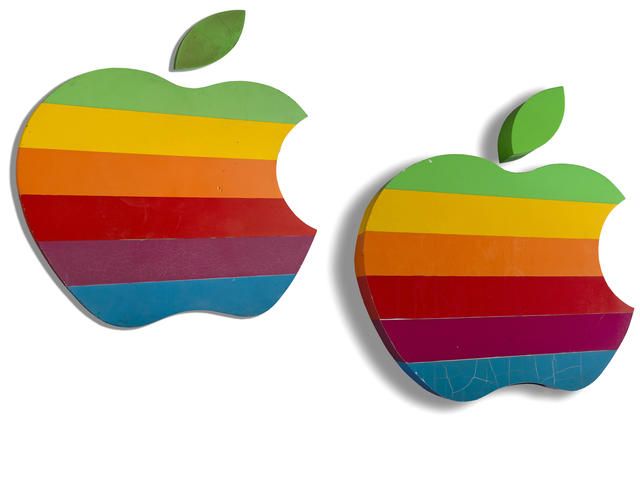
 February 25, 1981: Original Apple CEO Michael Scott oversees a mass firing of employees, then holds a massive party. The Apple layoffs follow a hiring boom that led to what Scott called a “bozo explosion” at the company. They also stand as an early sign that the fun startup culture of Apple’s early days are gone forever.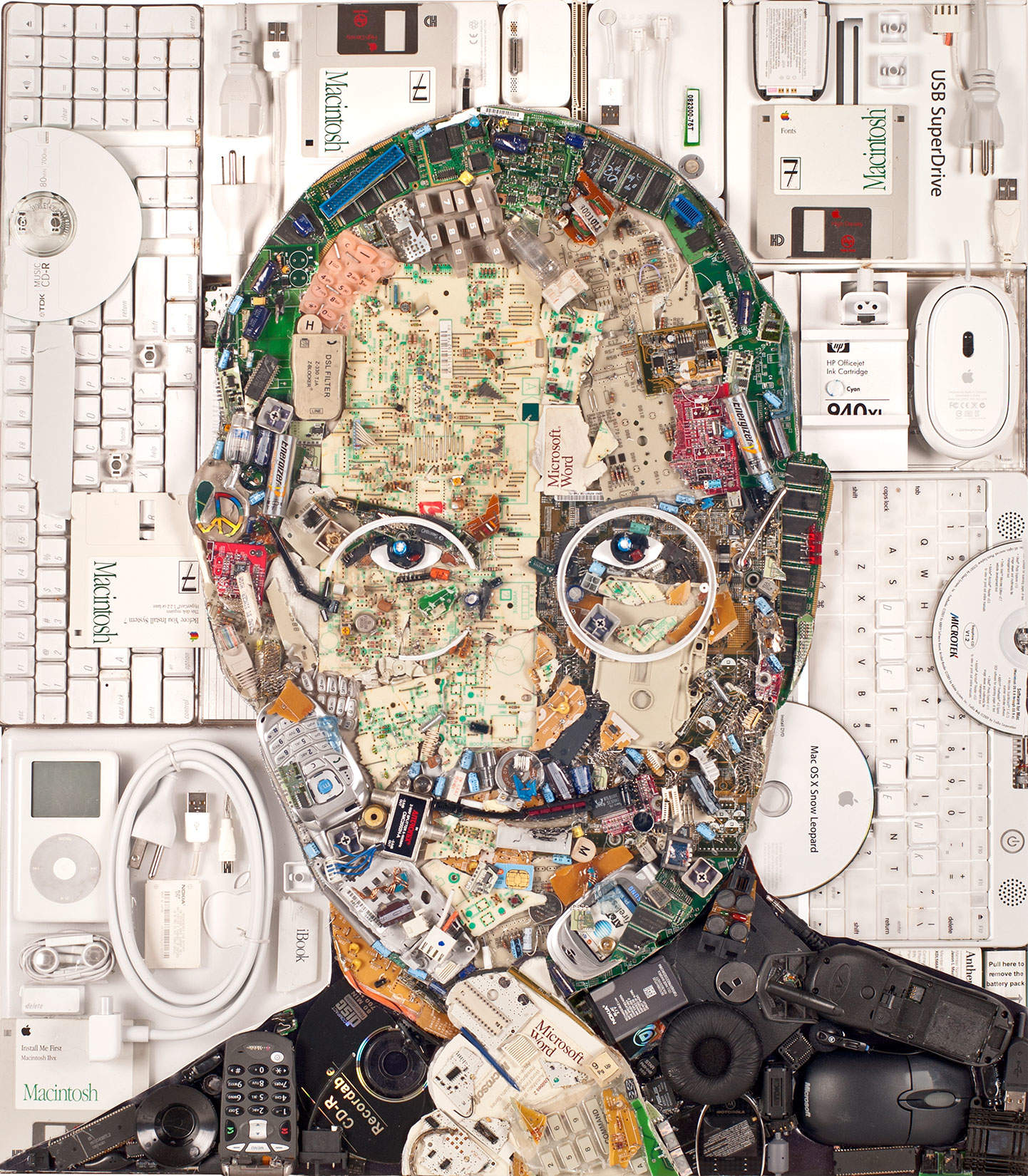
 February 24, 1955: Steve Jobs is born in San Francisco. He will go on to co-found Apple and become one of the most important figures in the history of consumer technology. He’s also probably a big part of why you’re reading this website right now.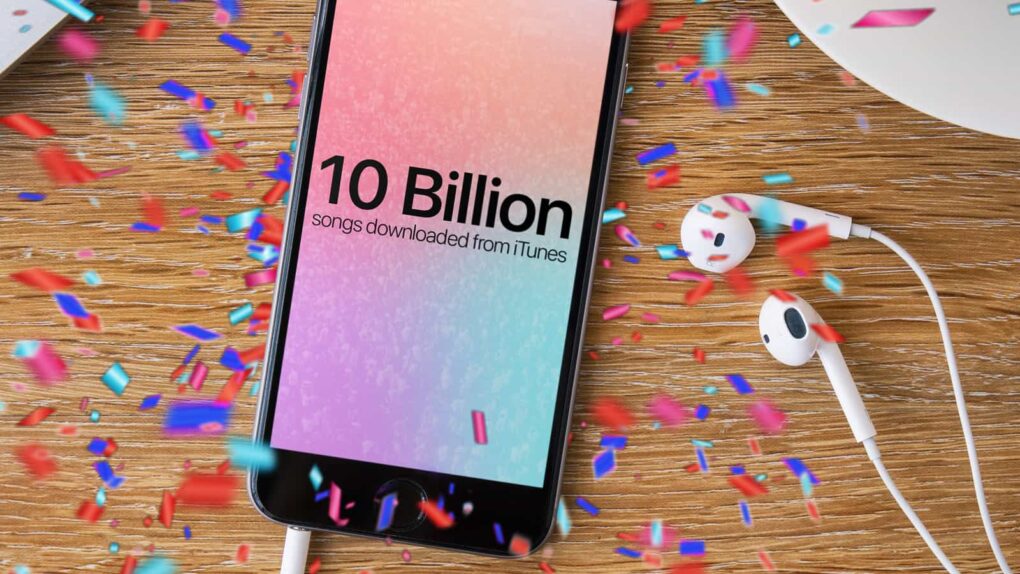
 February 23, 2010: The iTunes Store officially passes the 10 billion music downloads mark, reaching a major milestone. The 10 billionth purchase? “Guess Things Happen That Way” by Johnny Cash.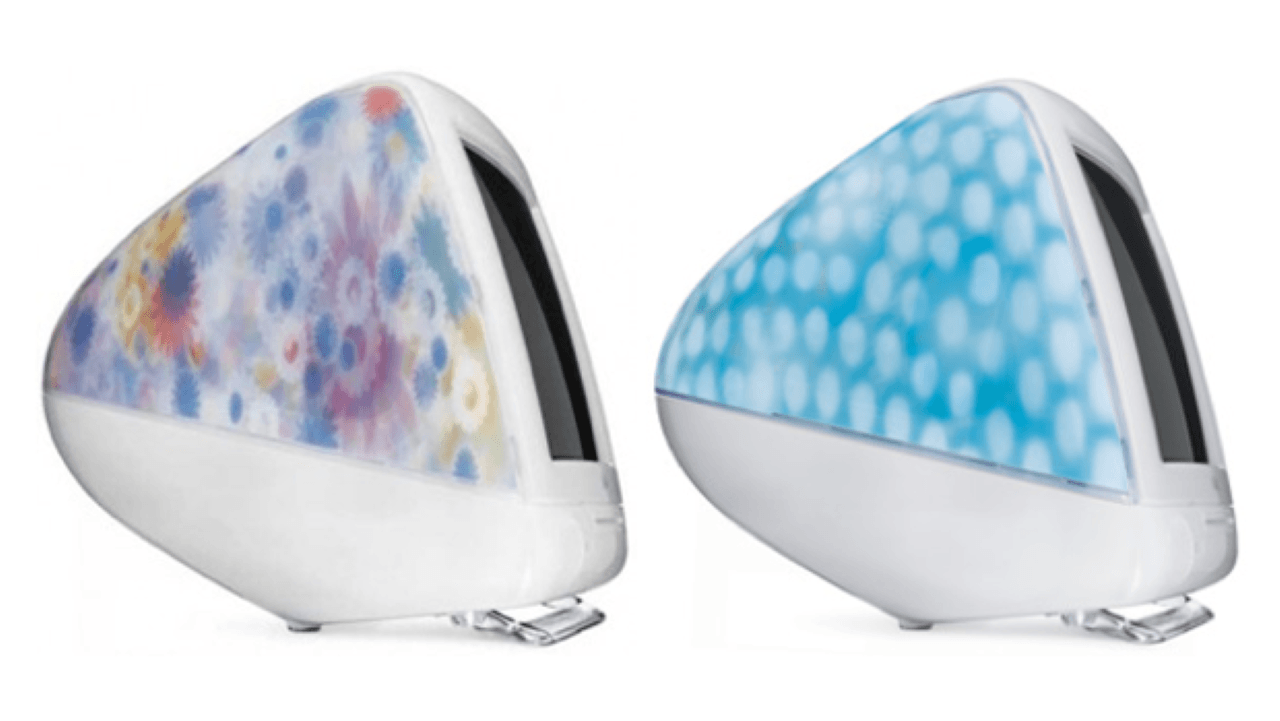
 February 22, 2001: The iMac Special Edition, sporting wild designs that would make a hippie happy, puts a wacky face on the colorful computer that saved Apple’s bacon at the turn of the century. The Flower Power iMac and Blue Dalmatian iMac evoke tie-dye shirts and other unconventional ’60s-era imagery.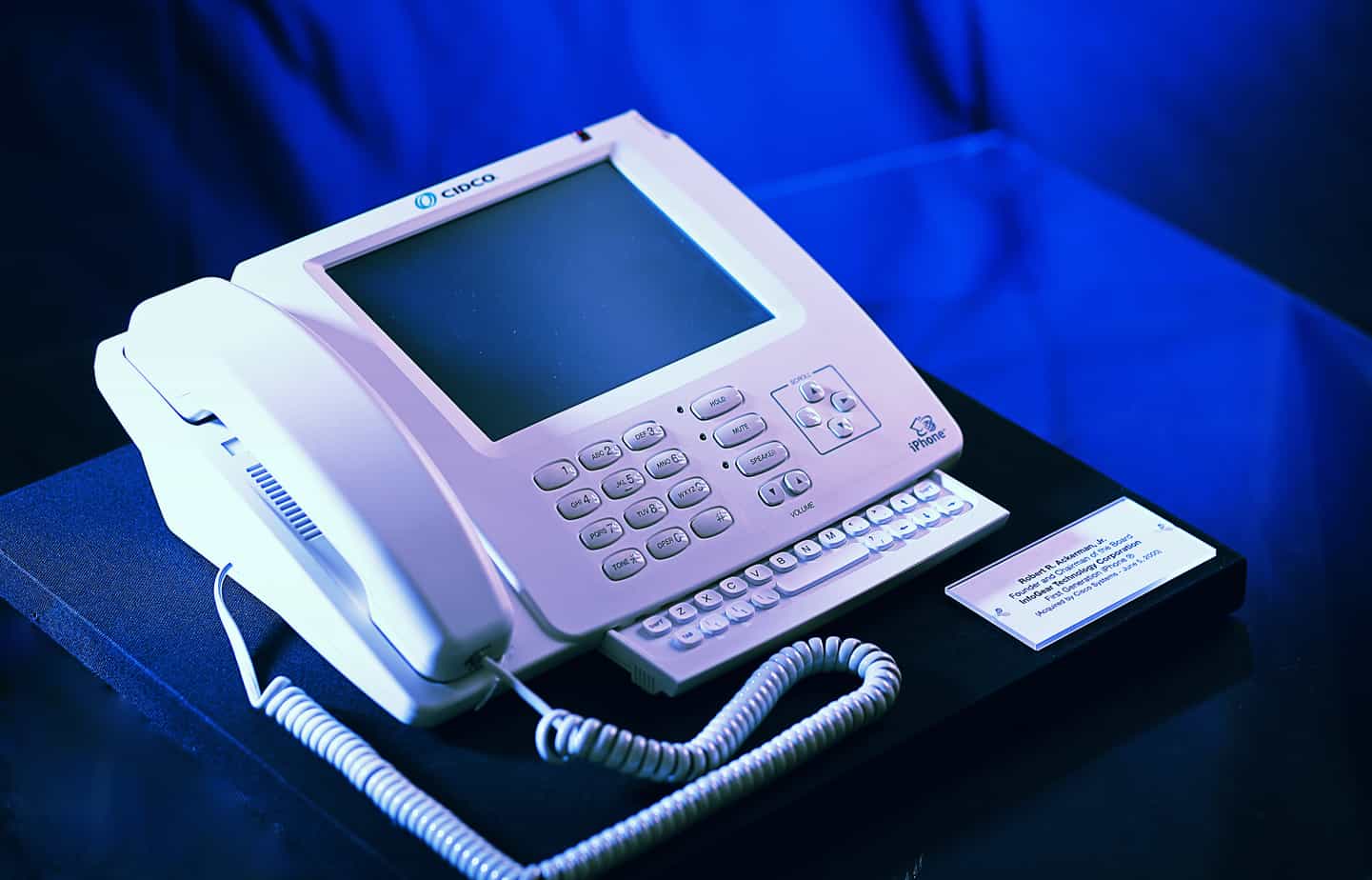
 February 21, 2007: Apple comes to an agreement with Cisco over the iPhone trademark, which Cisco legally owns but Apple wants to use.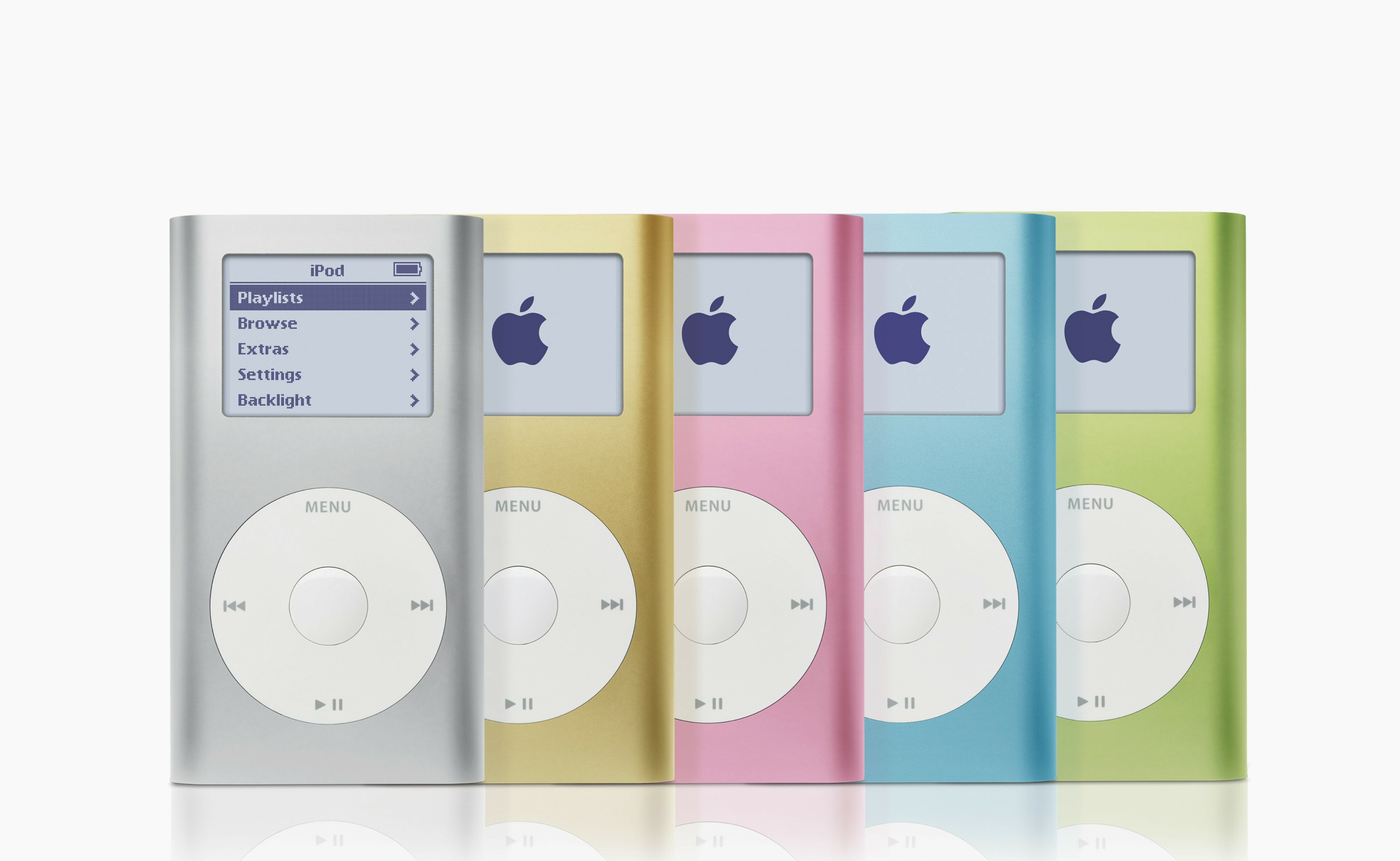
 February 20, 2004: Music goes small as the iPod mini launch brings the reimagined digital audio player to Apple stores.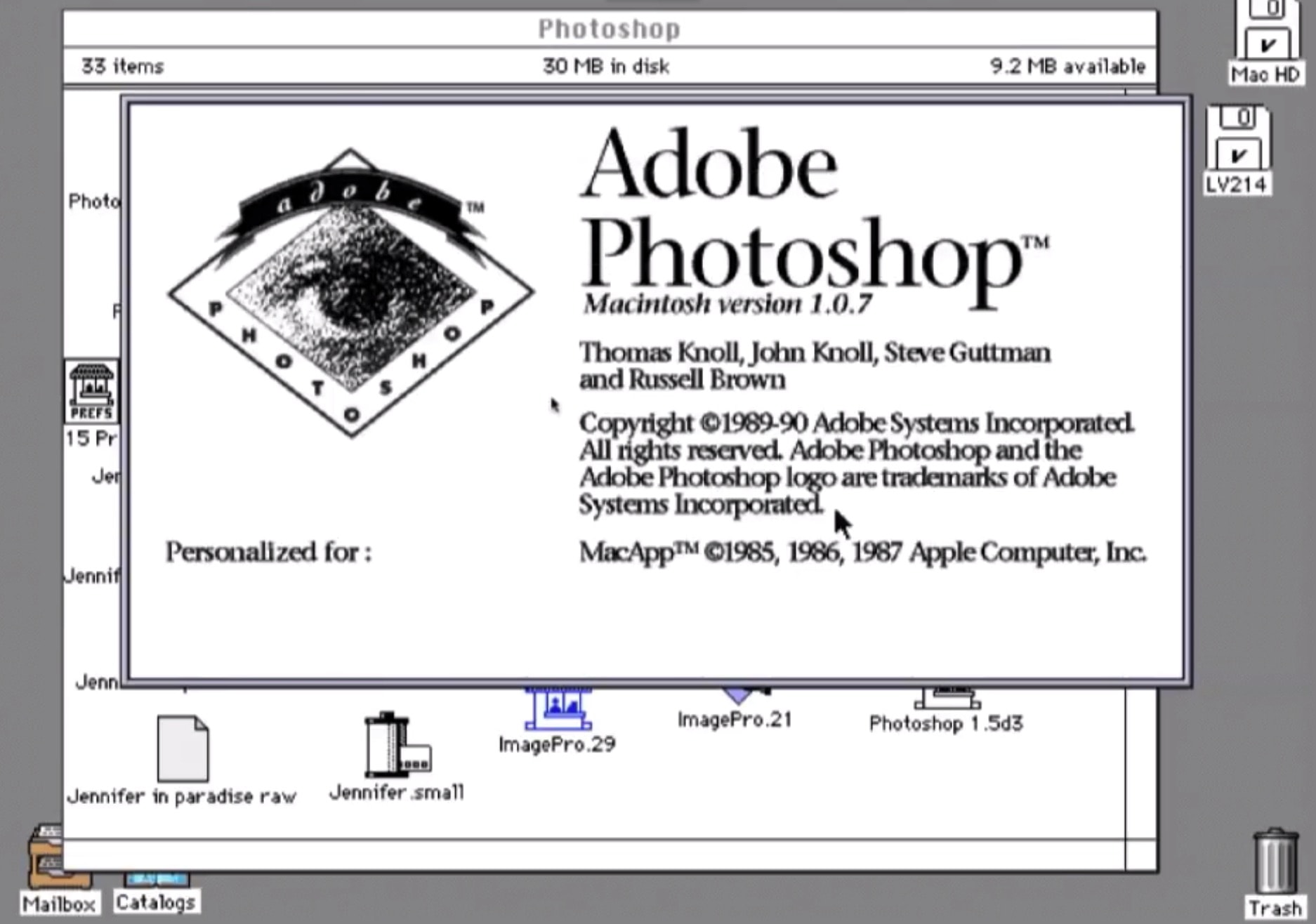
 February 19, 1990: Adobe Systems ships the first commercial version of its soon-to-be-iconic Photoshop photo editing software. The Photoshop launch, exclusively on the Macintosh, gives users powerful new tools for tweaking digital images.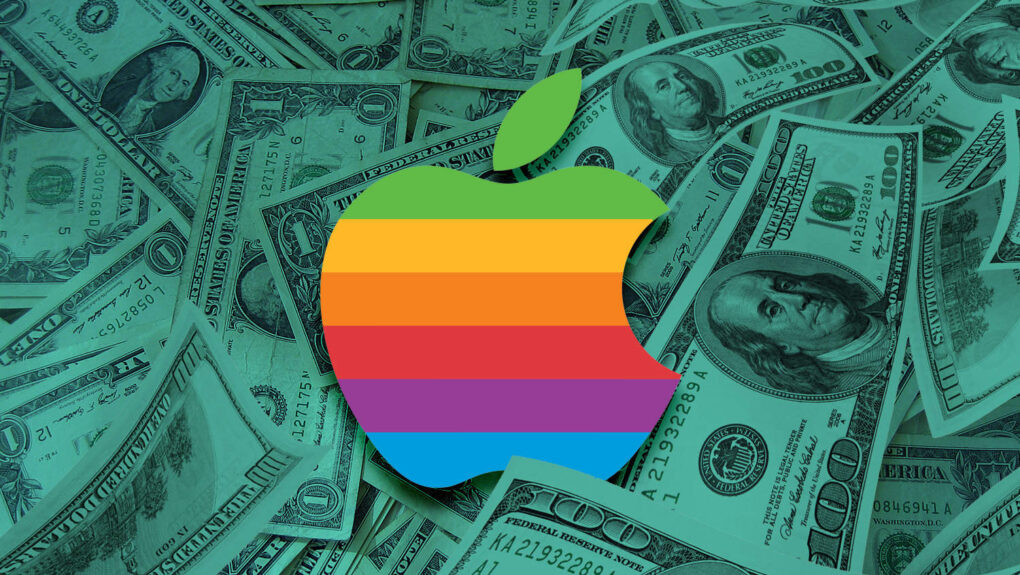
 February 18, 2004: Apple CEO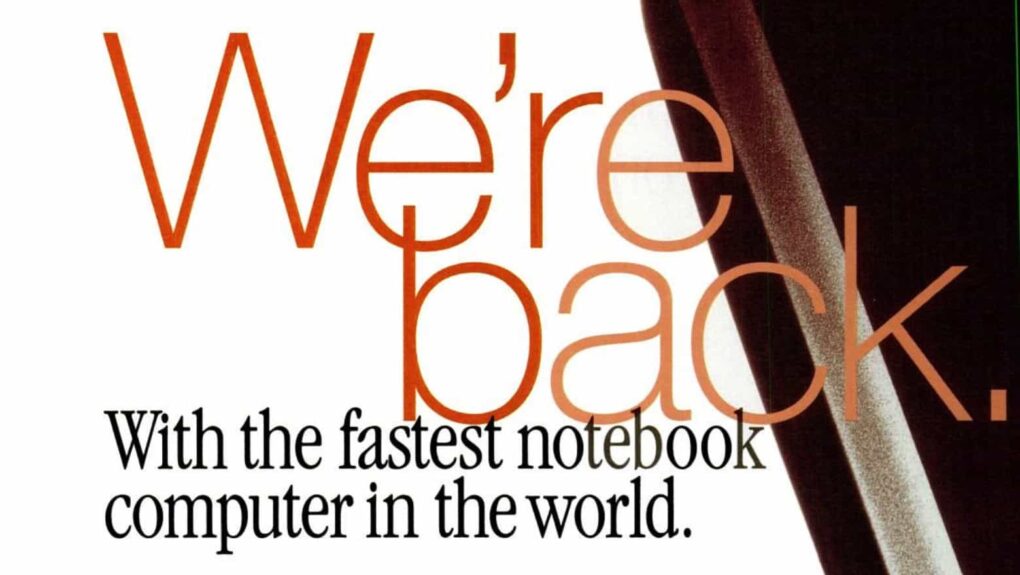
 February 17, 1997: Apple launches the PowerBook 3400, a laptop the company calls the fastest portable computer in the world.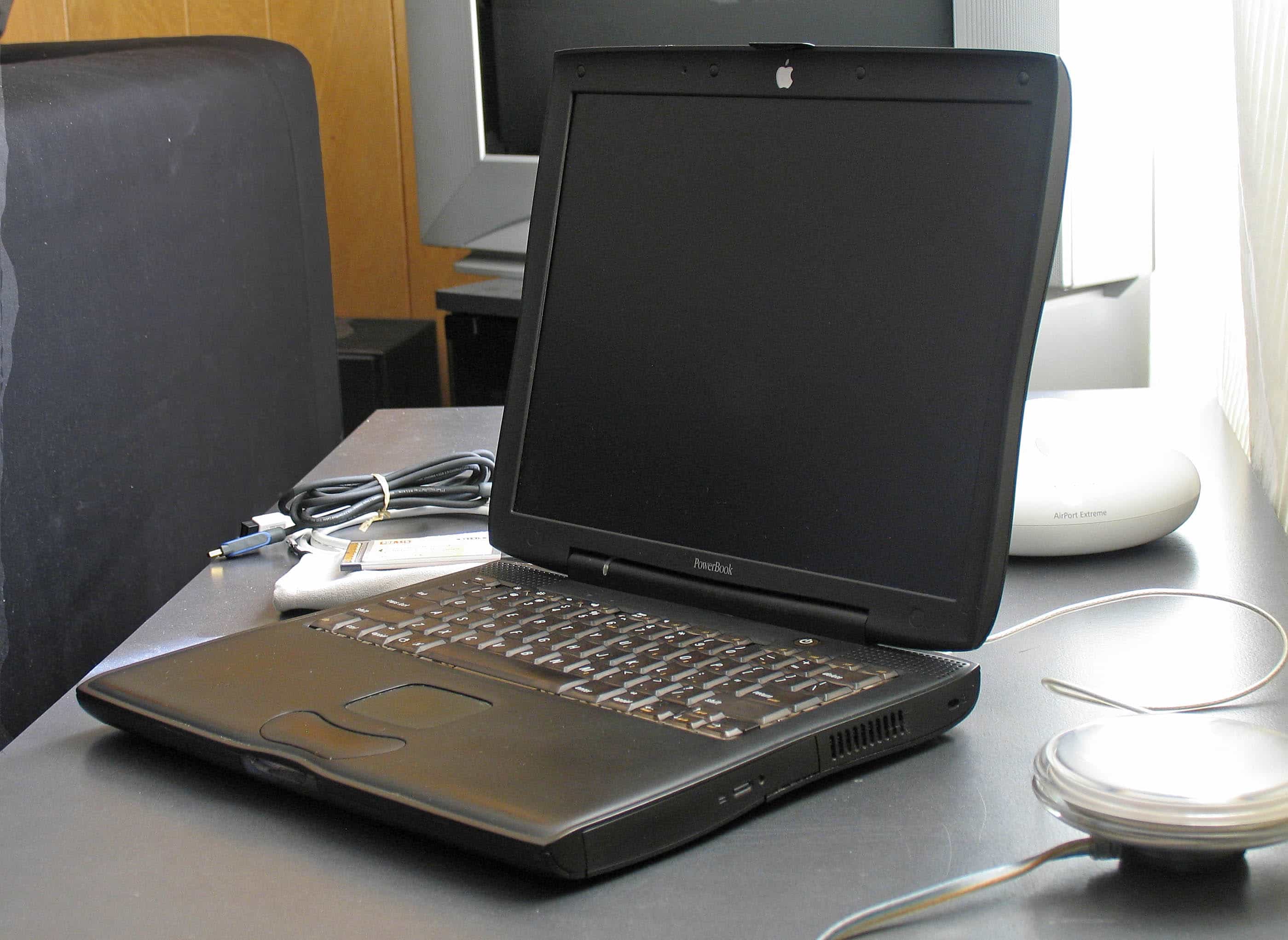
 February 16, 2000: Apple introduces the “Pismo” PowerBook, the finest of its G3 laptops. In the view of many, it’s one of the best Apple laptops ever.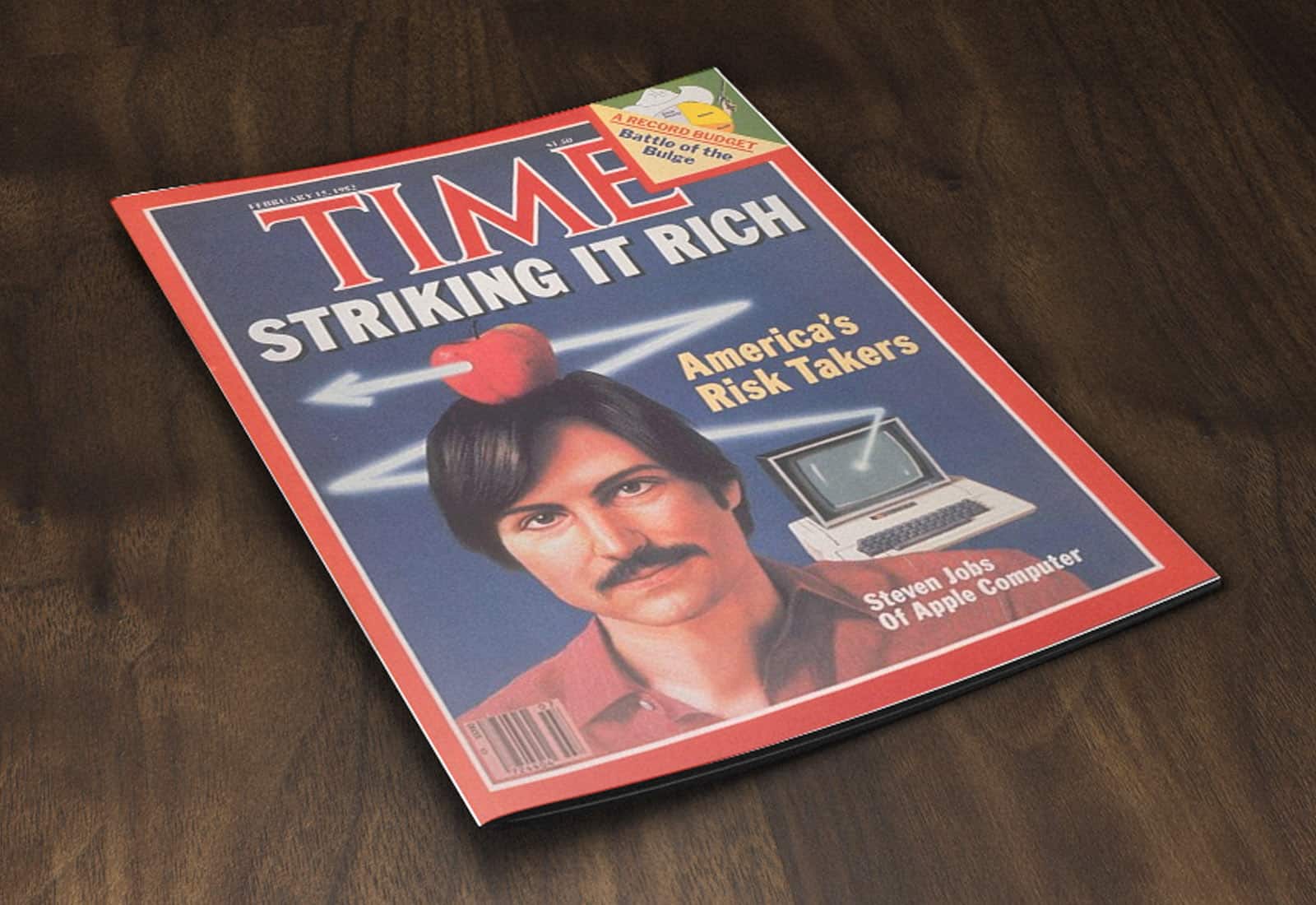
 February 15, 1982: Apple co-founder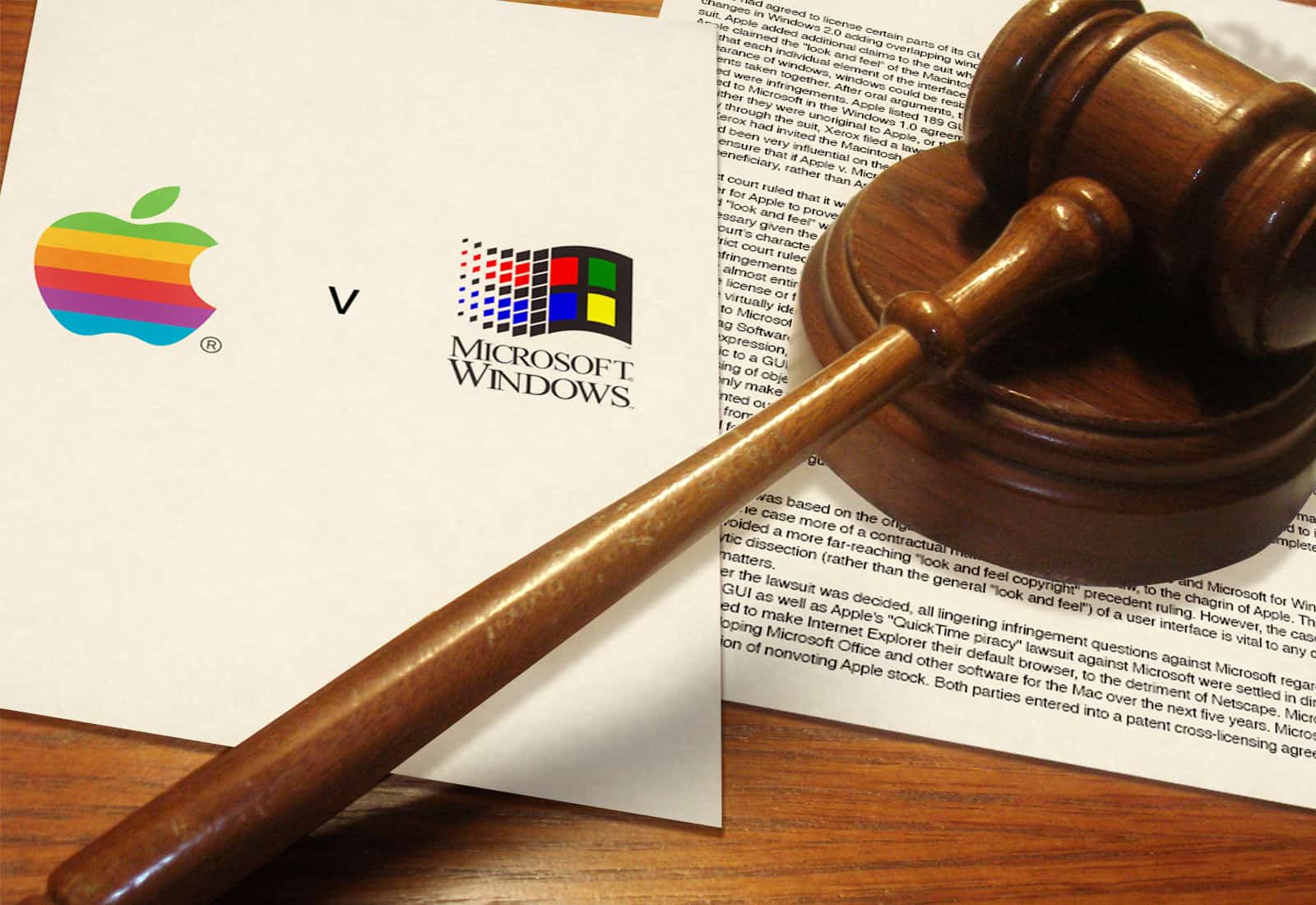
 February 14, 1995: Apple Computer extends a lawsuit against developer San Francisco Canyon Company to include Microsoft and Intel. The lawsuit concerns allegedly stolen Apple code that’s used to improve Microsoft’s Video for Windows technology.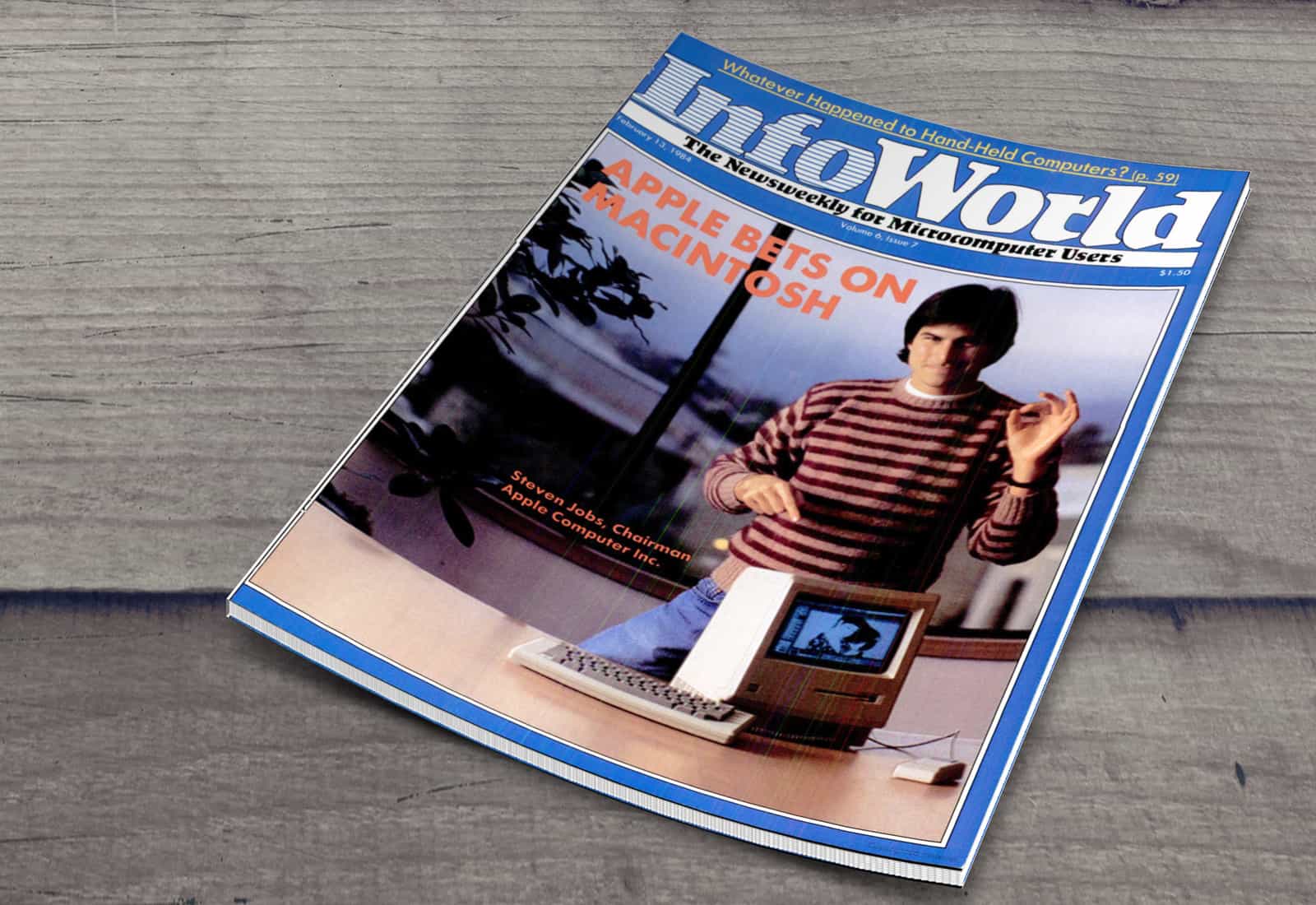
 February 13, 1984: The first Mac’s launch generates enormous excitement from the tech press, as epitomized by an InfoWorld cover story about the Macintosh 128K.
 February 12, 2012: Months after his untimely death, Apple co-founder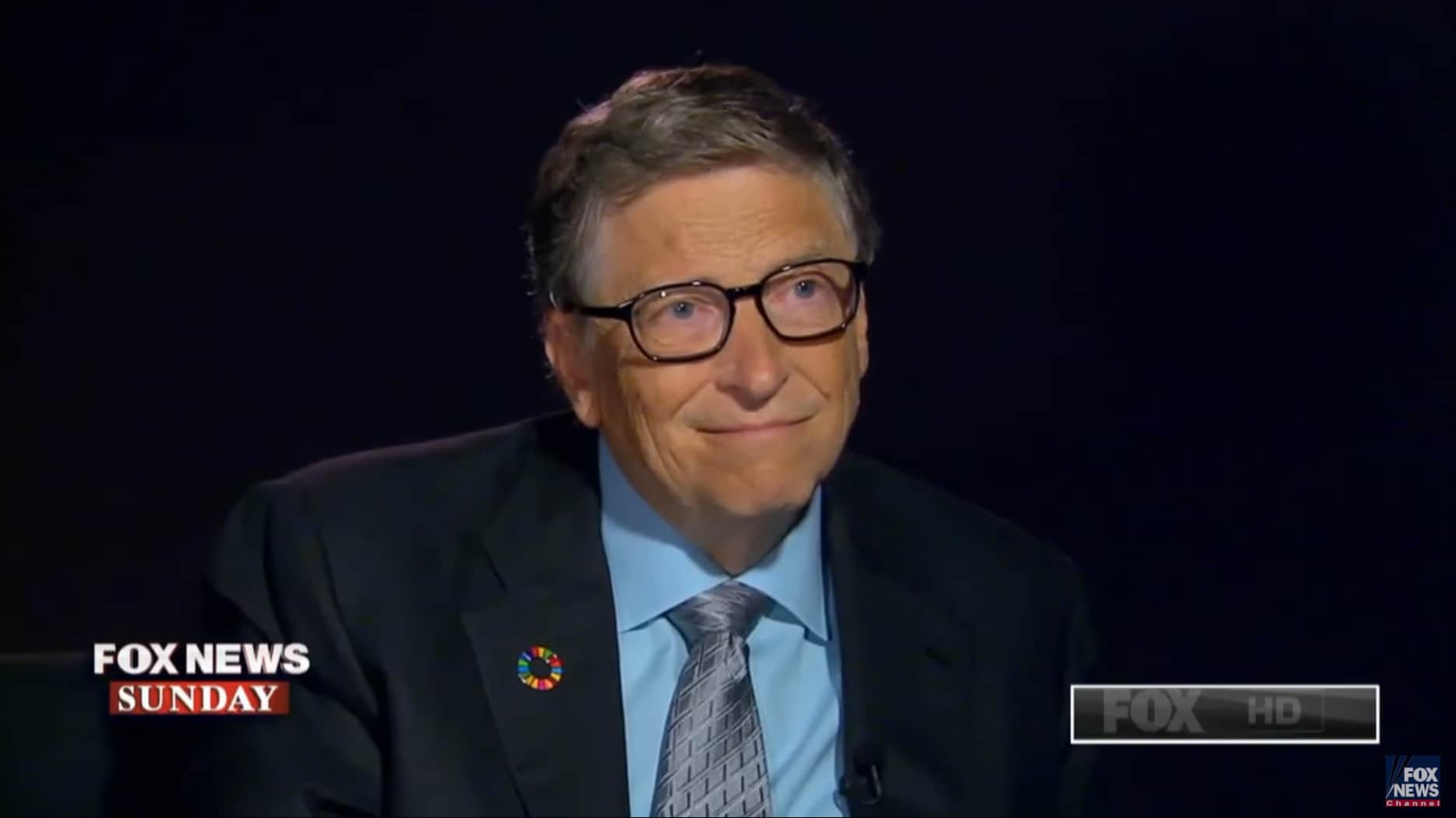
 February 11, 2010: With iPad excitement reaching a fever pitch, Microsoft co-founder Bill Gates wades in with his opinion of Apple’s tablet. His view? Apple’s upcoming device is kinda meh.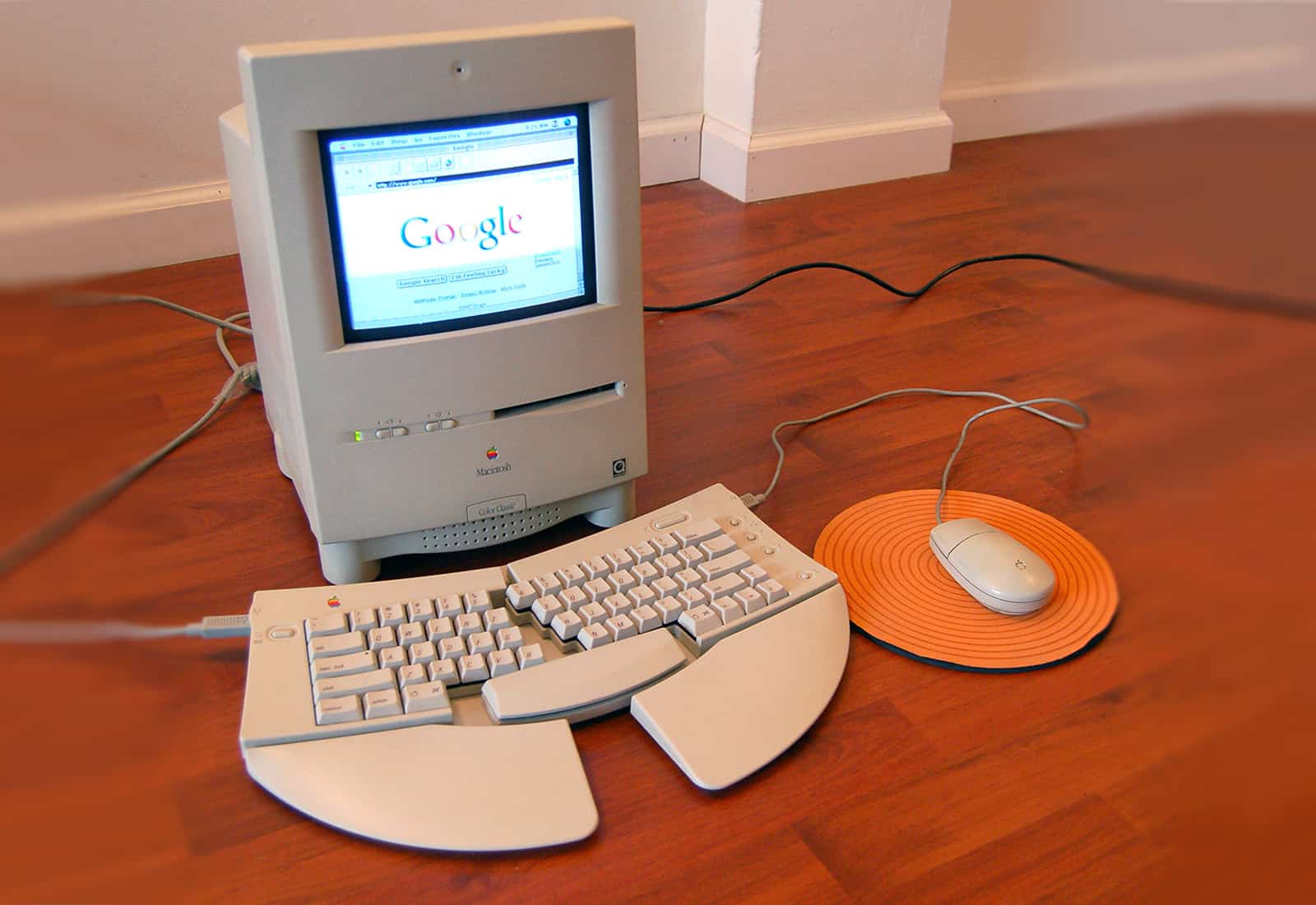
 February 10, 1993: Apple launches the Macintosh Color Classic, the company’s first compact Mac with a color screen.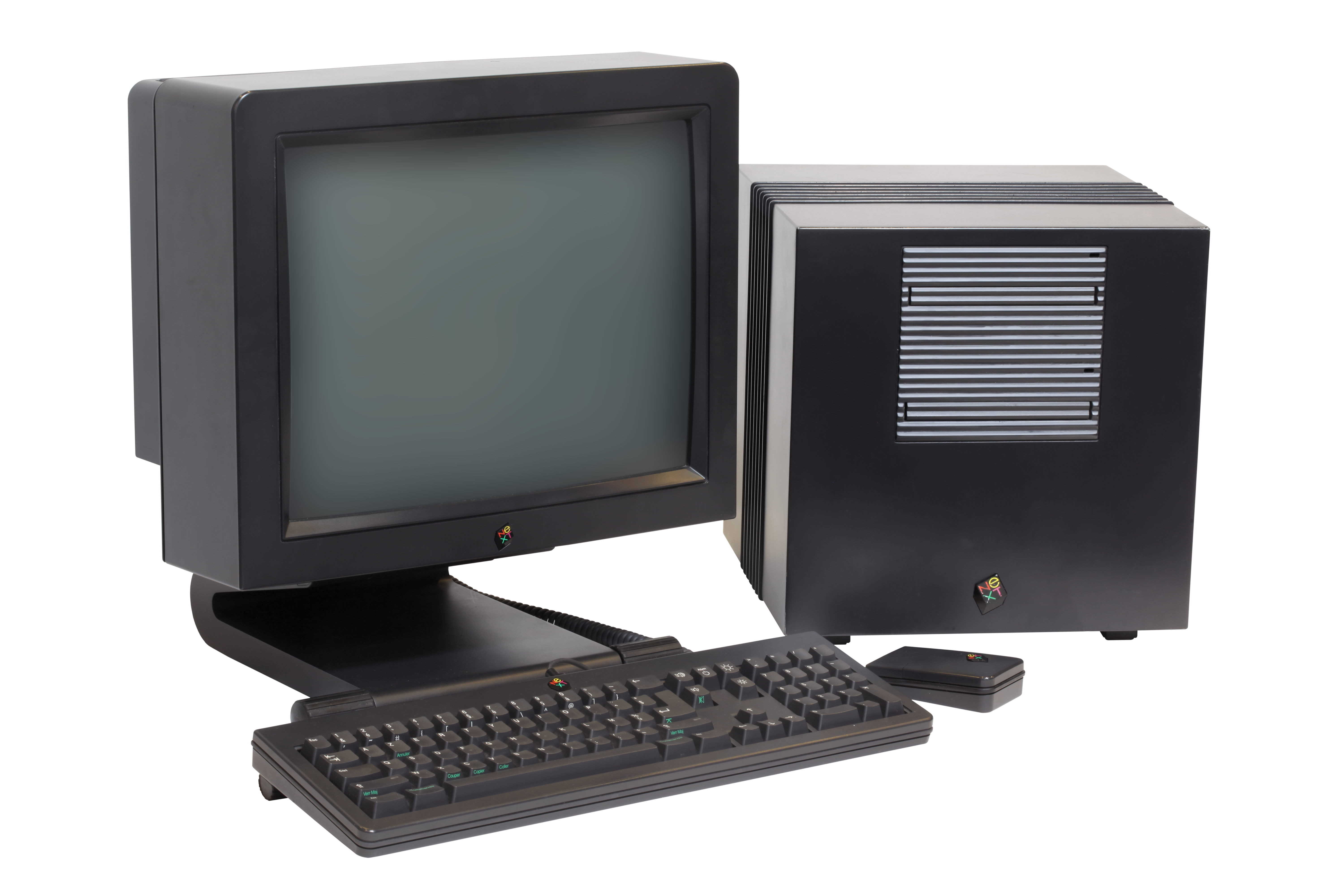
 February 9, 1993: NeXT Inc., the company Steve Jobs founded after being pushed out of Apple, quits making computers. The company changes its name to NeXT Software and focuses its efforts entirely on producing code for other platforms.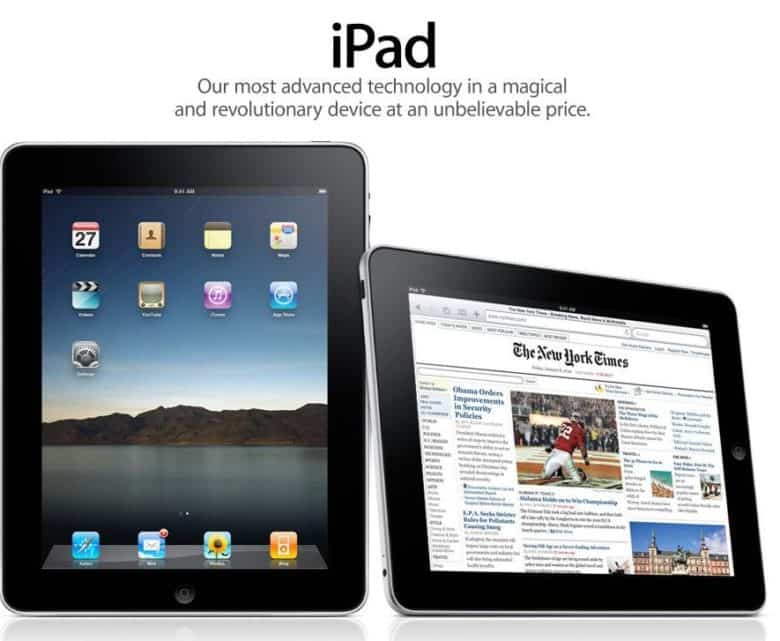
 February 8, 2010: Apple CEO Steve Jobs reportedly flips out over a tweet sent from an iPad by an editor at The Wall Street Journal.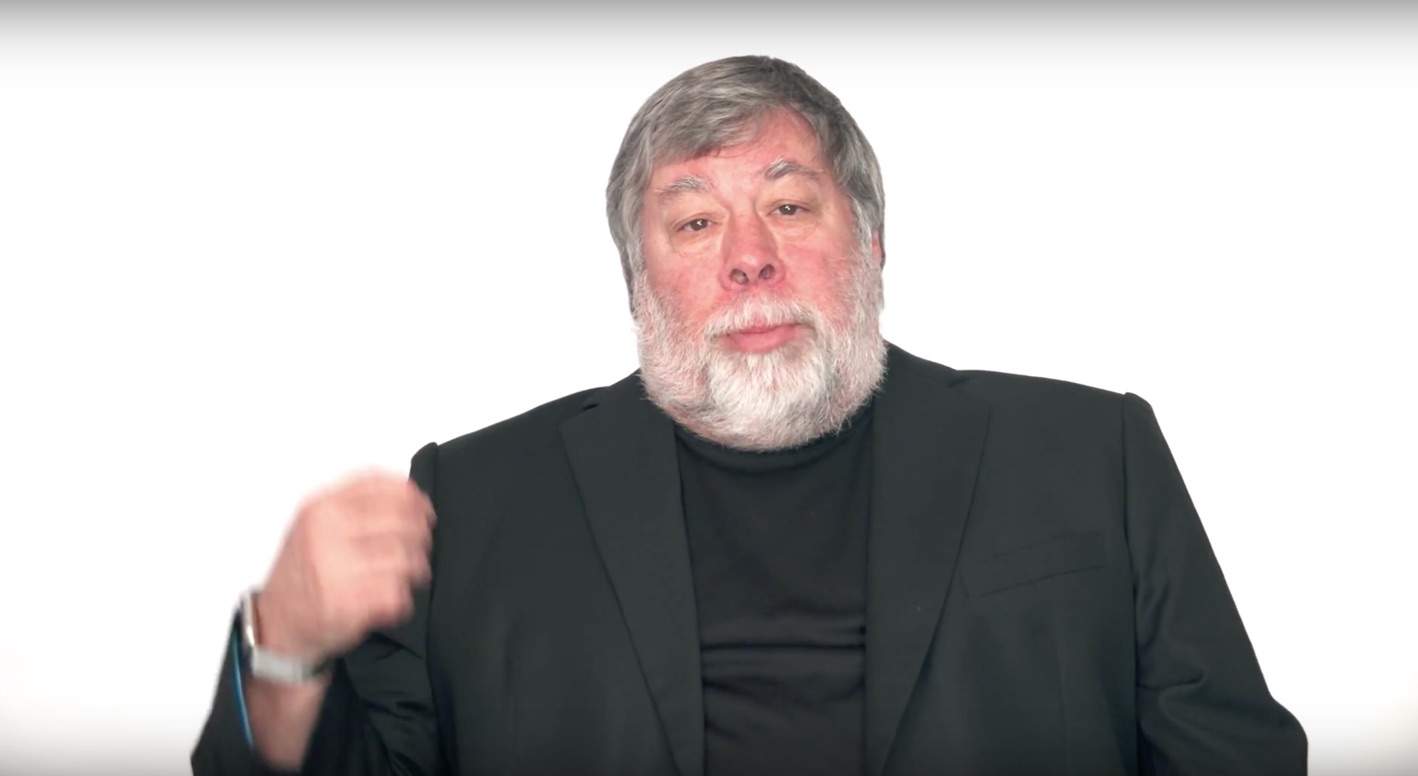
 February 7, 1981: Apple co-founder Steve Wozniak is involved in a serious plane crash in California, resulting in his first lengthy leave of absence from the company.
 February 6, 1985: Frustrated by Apple’s shifting priorities, co-founder Steve Wozniak leaves the company to pursue outside interests.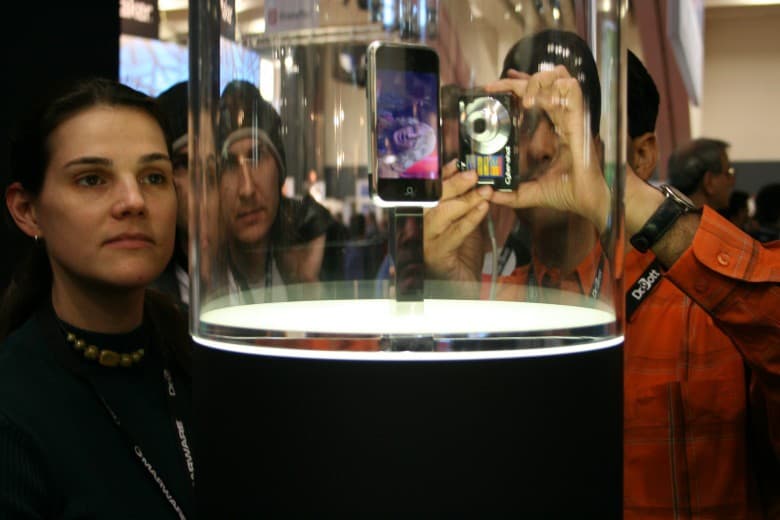
 February 5, 2008: Six months after the first-gen iPhone went on sale, Apple releases a new version with a whopping 16GB of storage.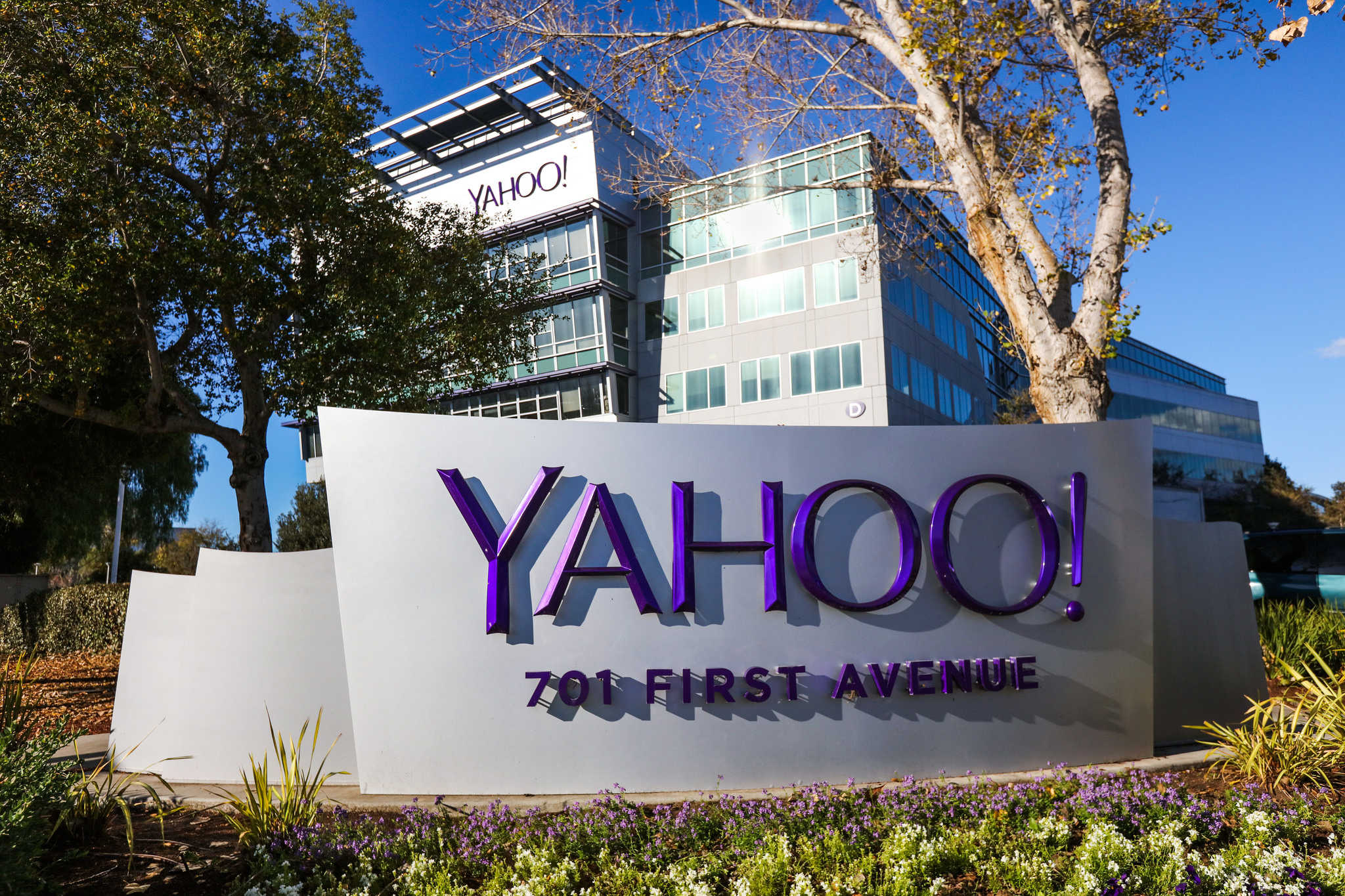
 February 4, 2008: Apple CEO