Leander has been reporting about Apple and technology for nearly 30 years.
Before founding Cult of Mac as an independent publication, Leander was news editor at Wired.com, where he was responsible for the day-to-day running of the Wired.com website. He headed up a team of six section editors, a dozen reporters and a large pool of freelancers. Together the team produced a daily digest of stories about the impact of science and technology, and won several awards, including several Webby Awards, 2X Knight-Batten Awards for Innovation in Journalism and the 2010 MIN (Magazine Industry Newsletter) award for best blog, among others.
Before being promoted to news editor, Leander was Wired.com's senior reporter, primarily covering Apple. During that time, Leander published a ton of scoops, including the first in-depth report about the development of the iPod. Leander attended almost every keynote speech and special product launch presented by Steve Jobs, including the historic launches of the iPhone and iPad. He also reported from almost every Macworld Expo in the late '90s and early '2000s, including, sadly, the last shows in Boston, San Francisco and Tokyo. His reporting for Wired.com formed the basis of the first Cult of Mac book, and subsequently this website.
Before joining Wired, Leander was a senior reporter at the legendary MacWeek, the storied and long-running weekly that documented Apple and its community in the 1980s and '90s.
Leander has written for Wired magazine (including the Issue 16.04 cover story about Steve Jobs' leadership at Apple, entitled Evil/Genius), Scientific American, The Guardian, The Observer, The San Francisco Chronicle and many other publications.
He has a diploma in journalism from the UK's National Council for the Training of Journalists.
Leander lives in San Francisco, California, and is married with four children. He's an avid biker and has ridden in many long-distance bike events, including California's legendary Death Ride.
Apple is planning special edition AR glasses modeled on the specs Steve Jobs wore. Photo: Sebastian Errazuriz
Apple is working on a special pair of AR glasses that resemble the spectacles Steve Jobs famously wore, white-hot Apple leaker Jon Prosser told Cult of Mac.
Called the “Steve Jobs Heritage Edition,” this limited-edition version of Apple Glass would be round like a classic pair of John Lennon-style glasses. Cupertino would position it as a special edition of the core AR glasses, much like the original $10,000 gold Apple Watch.
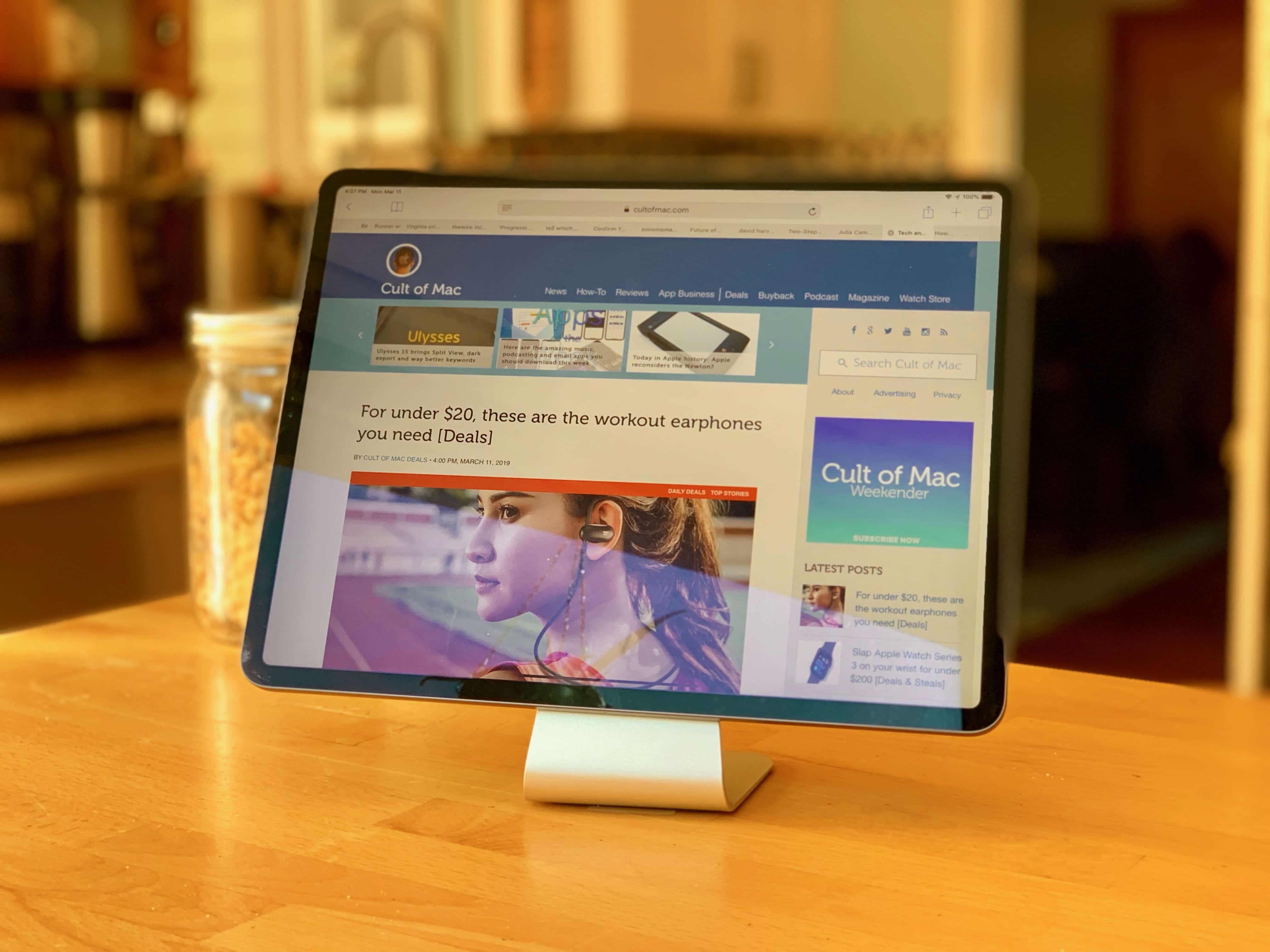
Slope is a stunner! Photo: Leander Kahney/Cult of Mac
Now that iPadOS supports mice and trackpads, it’s a better time than ever to turn your iPad into a mini iMac. To do that, you need the Slope: a nice-looking stand that props up your iPad at the perfect angle for working. Just slide a keyboard and trackpad underneath, and you have something that resembles Apple’s new Magic Keyboard, but at a fraction of the price.
Made from anodized aluminum, the Slope looks good in the kitchen, on your desk or at bedside. It keeps your iPad out of the muck when cooking, or at the perfect angle for watching videos.
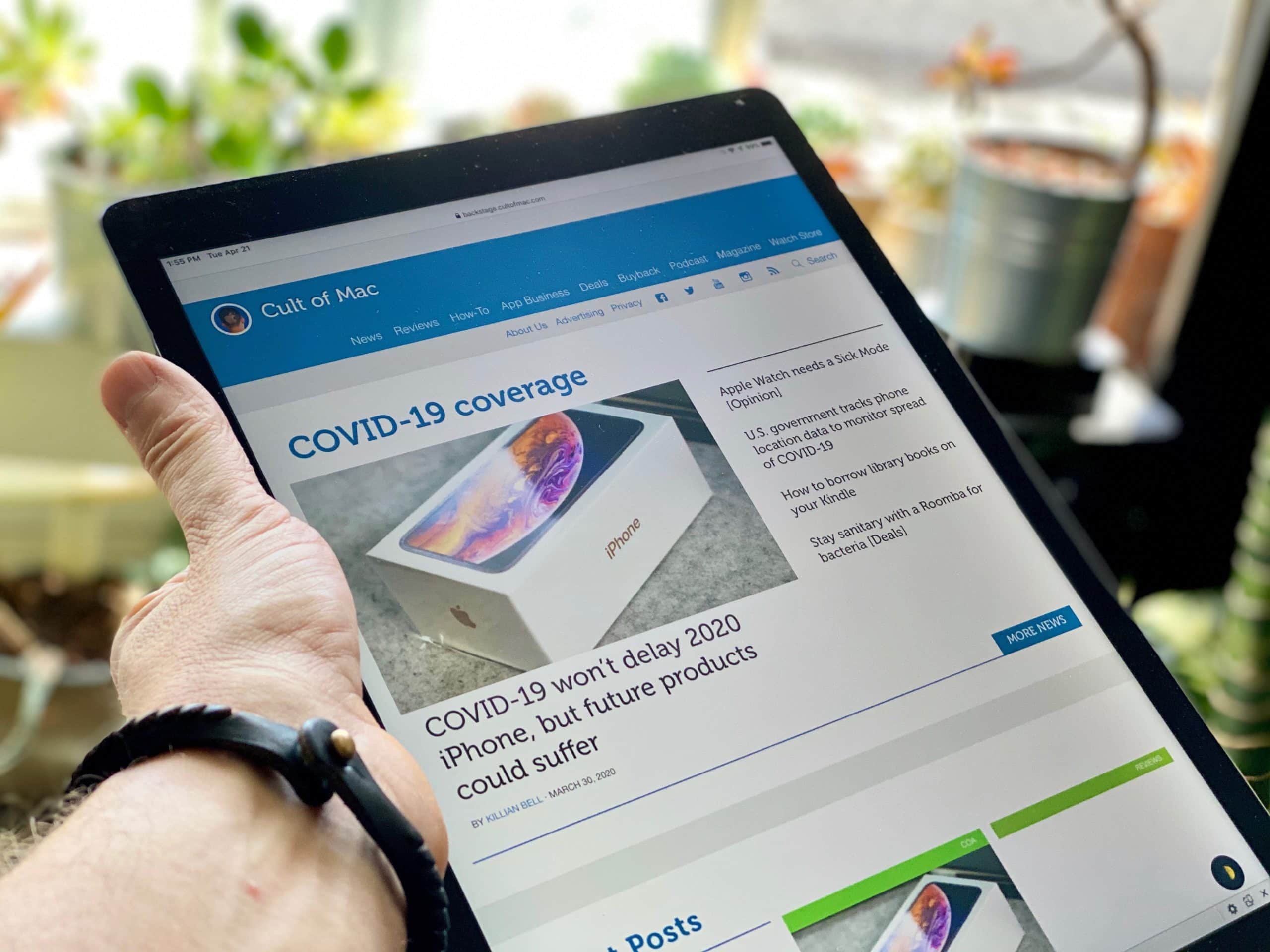
Our redesign is live at last. Photo: Leander Kahney/Cult of Mac
Welcome to Cult of Mac’s new look.
We redesigned the site’s front page to better display the day’s most important stories, make it easier to find content, and to surface parts of the site that are sometimes not easy to find.
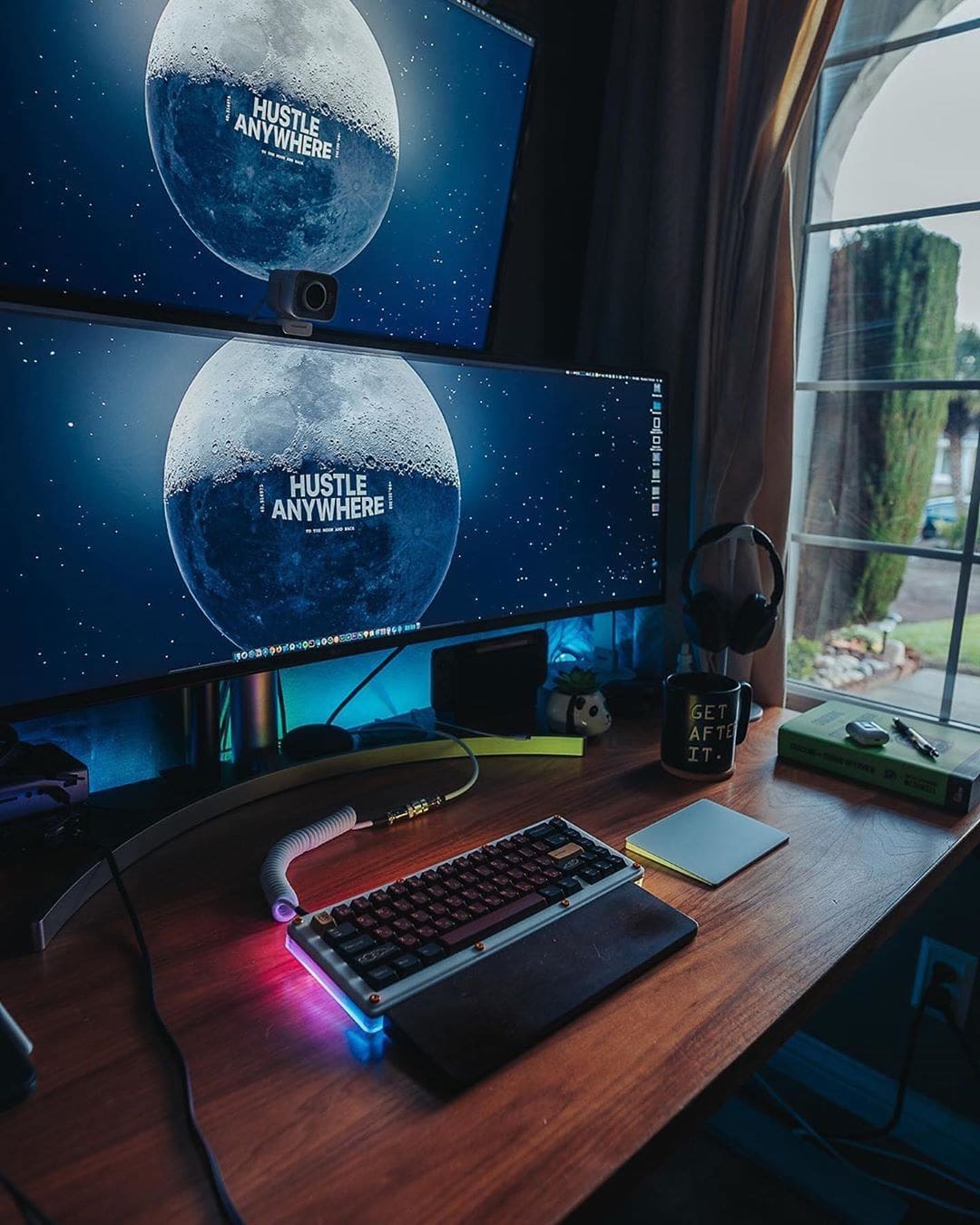
An ultrawide monitor (and a second screen on top) take this battlestation to the next level. Photo: iSetups/Instagram
An amazing 49-inch LG UltraWide monitor dominates the sweet work-from-home setup of front-end developer Justin Chua from San Jose, California. A second 32-inch Dell monitor floats above, adding even more screen real estate to this eye-blasting battlestation.
And check out his sweet, custom-made mechanical keyboard!
The SBA's new online COVID-19 loan form doesn't work properly in Safari. Photo: Leander Kahney/Cult of Mac
Here’s a tip for small-business owners trying to fill out the Small Business Administration’s new online COVID-19 Economic Injury Disaster Loan Program application: Use Google’s Chrome browser, not Safari.
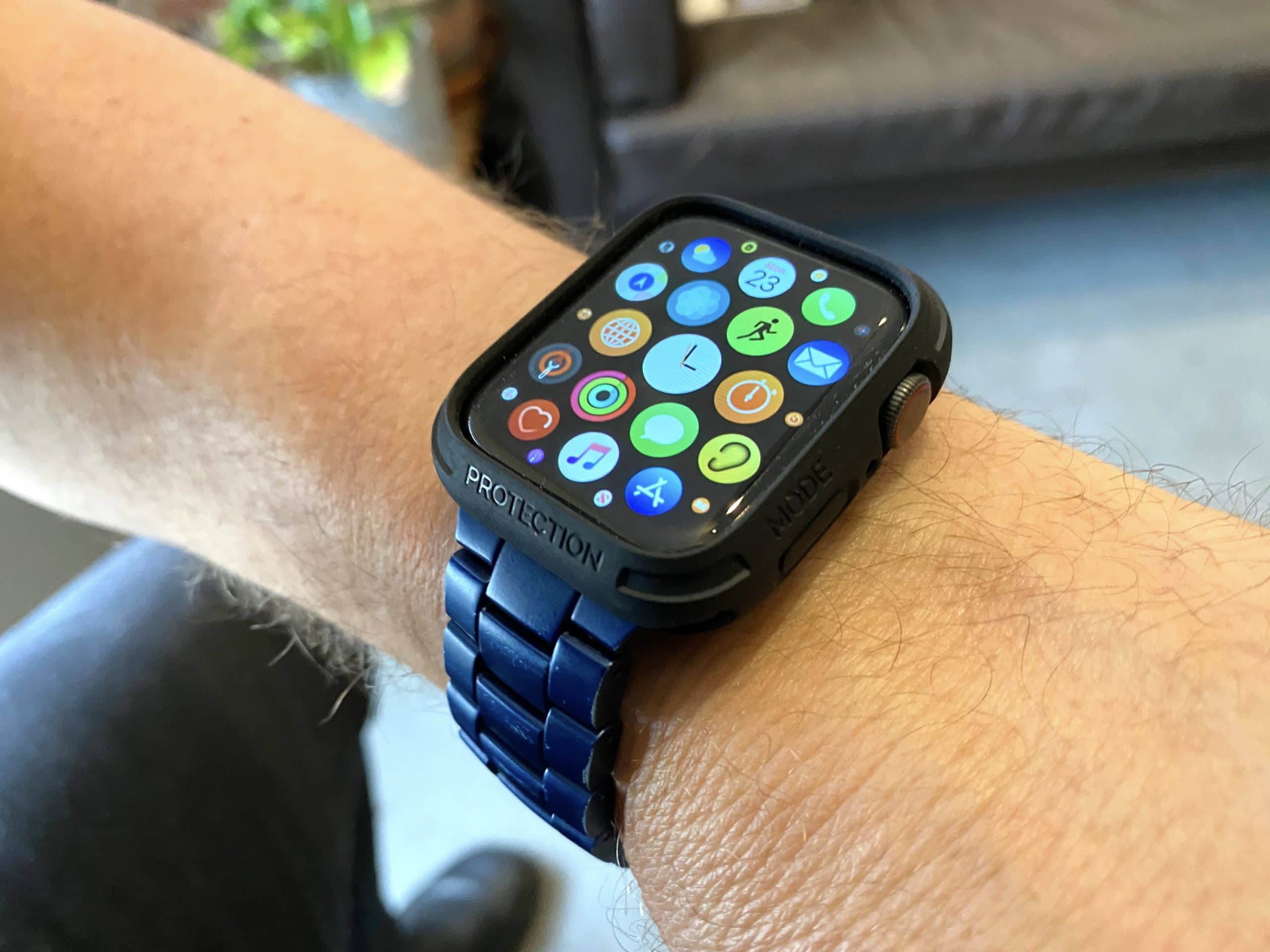
Elkson's Apple Watch Case solves a problem that drove me crazy, and it looks good too! Photo: Leander Kahney/Cult of Mac
For the longest time, I had a particular problem with my Apple Watch. When I rode my bicycle, the watch’s Digital Crown would rub against my wrist, playing havoc with the sound coming through my AirPods. Suddenly it would get very loud, or very low. It drove me crazy.
I tried everything I could think of, including wearing my watch backward so the Digital Crown was reversed, or on the inside of my wrist. Nothing worked, so I disabled Now Playing on my Watch, which I missed because it’s great for controlling music when doing something like riding a bike.
It's fine to wash newer iPhones with soap and water. Photo: Leander Kahney / Cult of Mac
Thanks to abject terror of the COVID-19 virus, I’ve started washing my iPhone along with my hands with ordinary soap and water.
It may prove to be a big mistake, but so far it’s fine. My iPhone 11 Pro Max is highly water-resistant and seems quite happy being soaped down a couple of times a day.
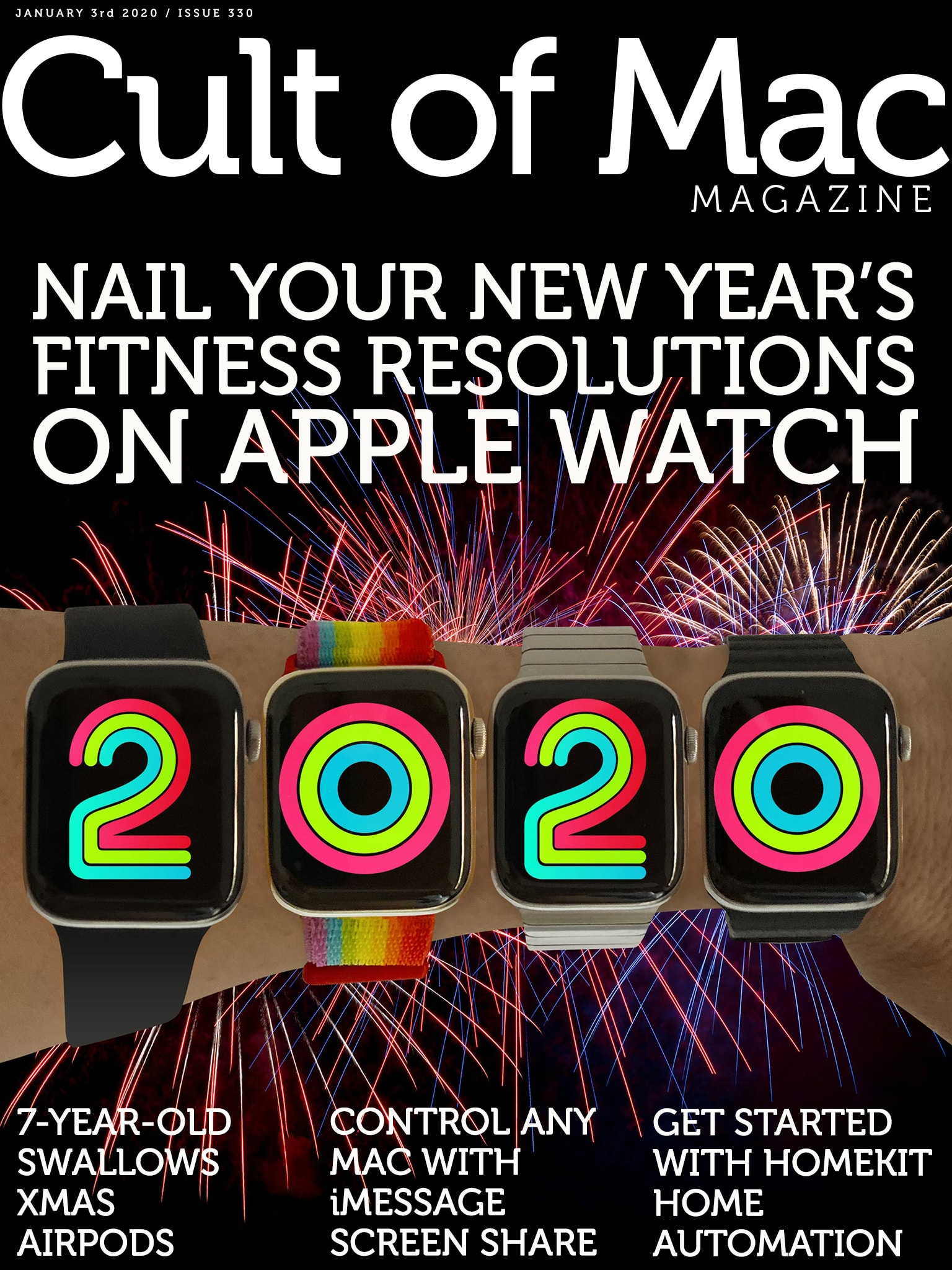
Plus we have a guide to getting started with HomeKit automation, some juicy new iPhone 12 rumors, and advice on how to control a remote Mac using iMessage screen sharing. It’s all in this week’s free Cult of Mac Magazine.
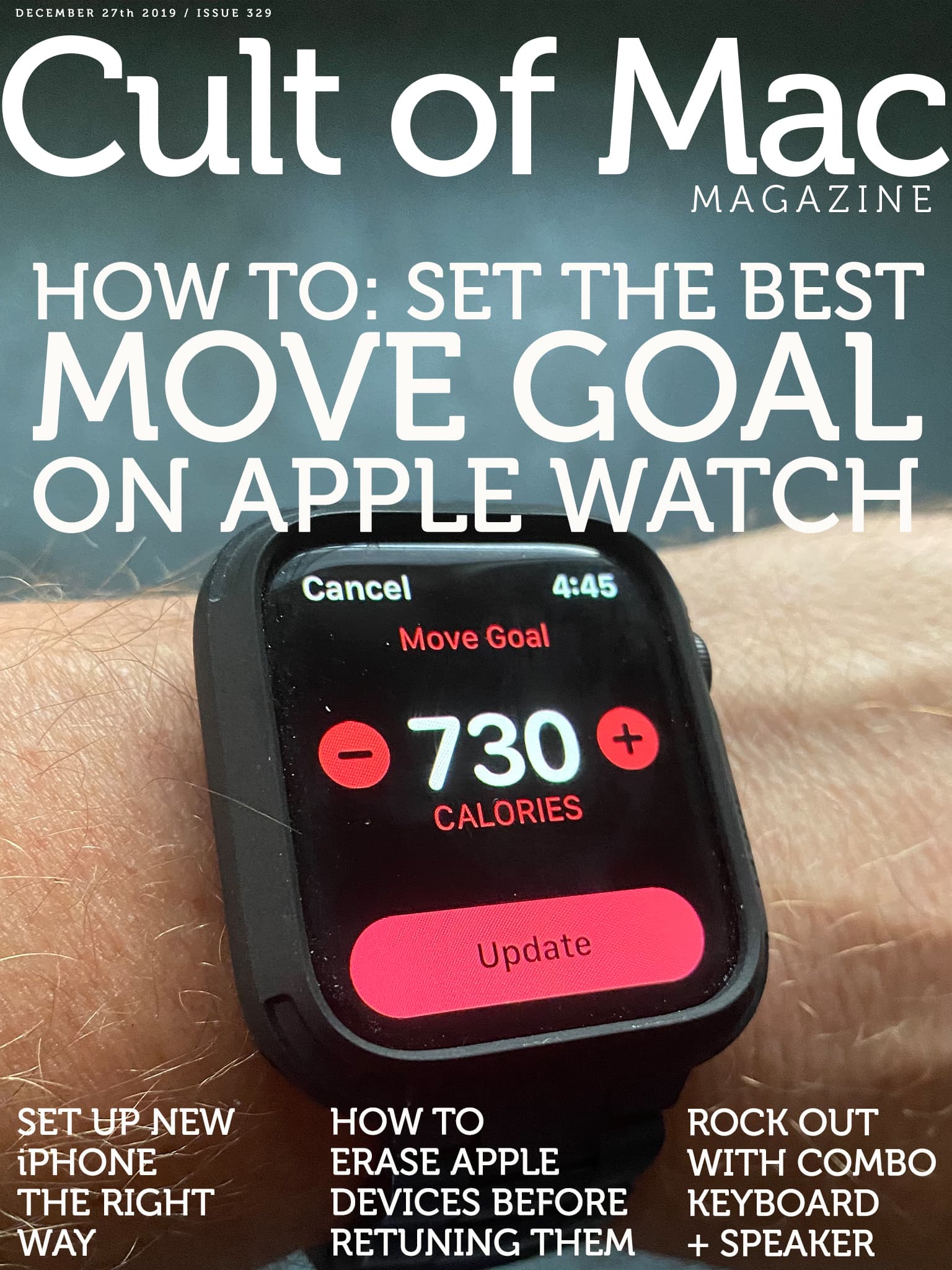
The Move Goal on your Apple Watch is a tricky beast. Set it too low, and it’s just not challenging enough. Set too high and it’ll be demotivating. So how do you pick the perfect Move Goal on Apple Watch?
Add that to a new dummy iPhone 12 that may be a sneak peek at next year’s device, and timely advice on setting up a new iPhone or erasing Apple devices before returning them to a store. It’s all in this week’s free Cult of Mac Magazine, along with reviews of a retro keyboard-speaker-combo and the week’s best new apps.
Download your free issue now to enjoy it on your iPad, or read the stories in any browser below.
If you're in San Francisco, come out tonight for a book signing and sale. Photo: Leander Kahney/Cult of Mac
Our new book about the Apple community, The Cult of Mac, 2nd Edition, is finally available in book stores and on Amazon.
To celebrate, we’re throwing a book-signing party tonight at the publisher’s HQ in San Francisco — and all Cult of Mac readers are invited. Please join me and the book’s award-winning designer, Derek Yee, at the No Starch Press offices. There will be a big sale (and free Chinese food, too)!
Apple's new AirPods Pro earbuds are a super-great update to the original. Photo: Leander Kahney/Cult of Mac
Hot dang, Apple’s still got it. The new AirPods Pro are fantastic.
They’re truly great headphones, and every major new feature improves on the old AirPods in big and significant ways.
The sound is fantastic — a big upgrade.
Their active noise cancellation is as good as Bose and Sony headphones (and maybe even better). Finally, you can use AirPods on airplanes.
Transparency mode is weird magic.
Best of all are the new Force Sensor touch controls, which take a minute to get used to but are way better than tapping. They’re my favorite new feature, and I burst out laughing with delight when I got the hang of it.
How gorgeous is the iPhone 11 Max Pro? Photo: Lyle Kahney/Cult of Mac
This thing is a beauty. The first thing you notice is the glass back. The frosted matte finish makes it semi-translucent, giving it a weirdly illusory depth. It looks great. Not even the controversial, compound-eye camera bump can spoil its good looks. The iPhone 11 Pro Max is the best-looking iPhone to date, and I love it.
But don’t be fooled by the familiar design. This year’s refresh makes almost everything about Apple’s most expensive handset better than ever.
It’s faster, stronger and more water-resistant. It packs the best display you’ll find in a phone, and the best camera you’ve ever used. The battery lasts forever. Is it worth its hefty price tag? Absolutely.
Find out more in our full iPhone 11 Pro Max review.
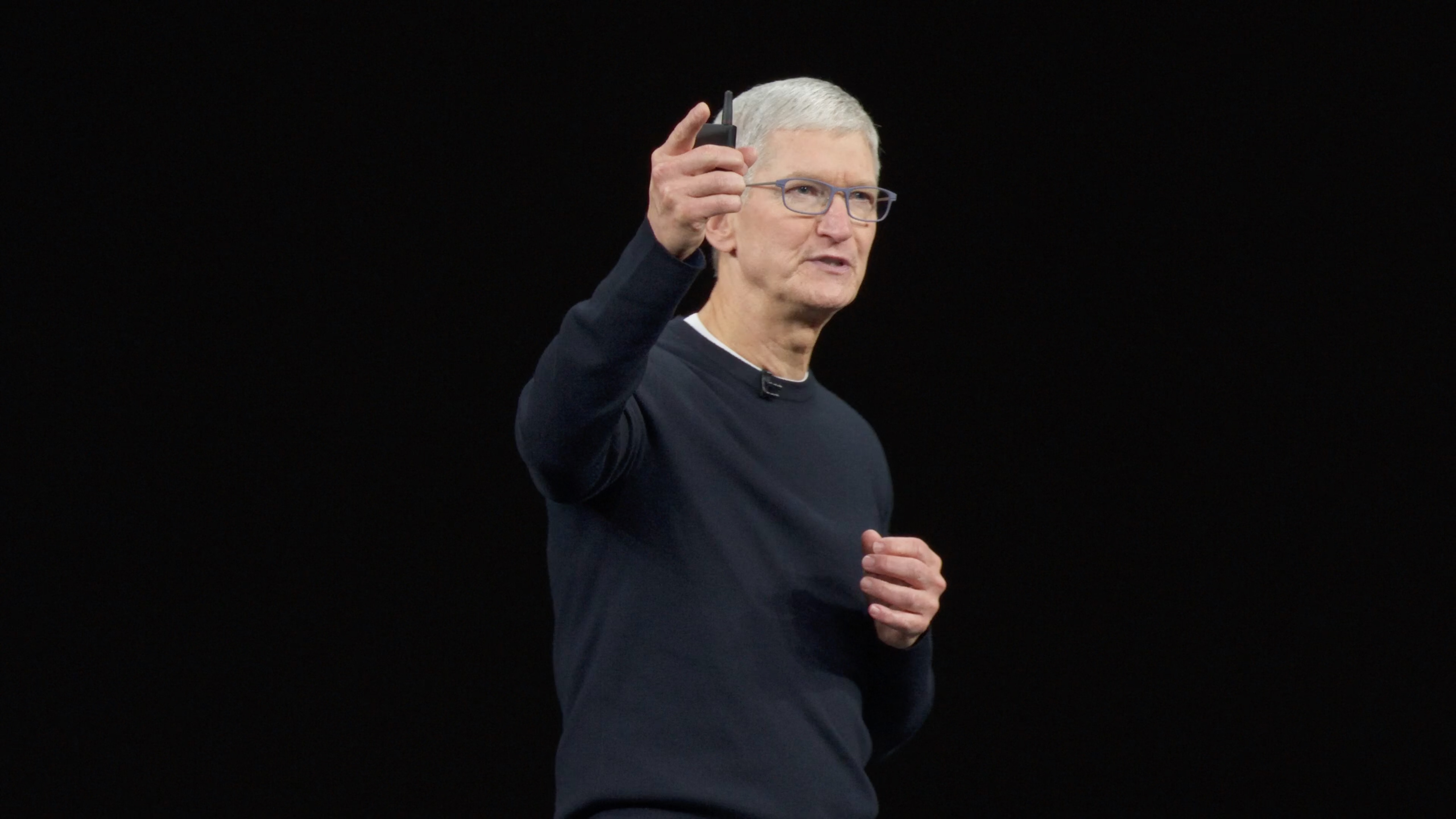
Tim Cook has been outspoken about user privacy. Photo: Apple
In an age when almost every detail of an Apple keynote leaks ahead of time, Tim Cook managed to pull some genuine surprises from the hat Tuesday. Taking the stage at the Steve Jobs Theater at Apple HQ, Cook and Co. announced at least three big things we weren’t expecting at all.
This in itself is a surprise. Even though Cook pledged that Apple is “doubling down” on secrecy, most of the big details about new Apple products typically trickle out ahead of time. Most of the main features of the 2019 iPhones already leaked. Every Apple blog and YouTube channel under the sun has been playing with detailed iPhone mockups and models for weeks.
Still, Cook’s surprise trifecta did not consist of insignificant things. All three were fairly big and meaty announcements — and there wasn’t a peep about them ahead of time. Here’s what took us by surprise during the “By Innovation Only” event.
As a design student back in the 1980s, a teenage Jony Ive spent a semester with a design agency in London, the Roberts Weaver Group. One of his first projects was designing a new pen for Japan’s Zebra Co. Ltd., a pen-maker based in Tokyo.
Ive’s TX2 pen was made of white plastic — the beginning of a life-long obsession with the color — and had a pair of rubbery side panels for a better grip. But what set the pen apart from every other was a nonessential feature — a ball-and-clip mechanism on the top that served no purpose other than to give the owner something to fiddle with.
Ive noticed that people fiddled with their pens all the time. So he decided to give his pen something he called the “fiddle factor.” This crucial insight ultimately became an essential element of Apple design as Ive rose to become Cupertino’s chief design officer.
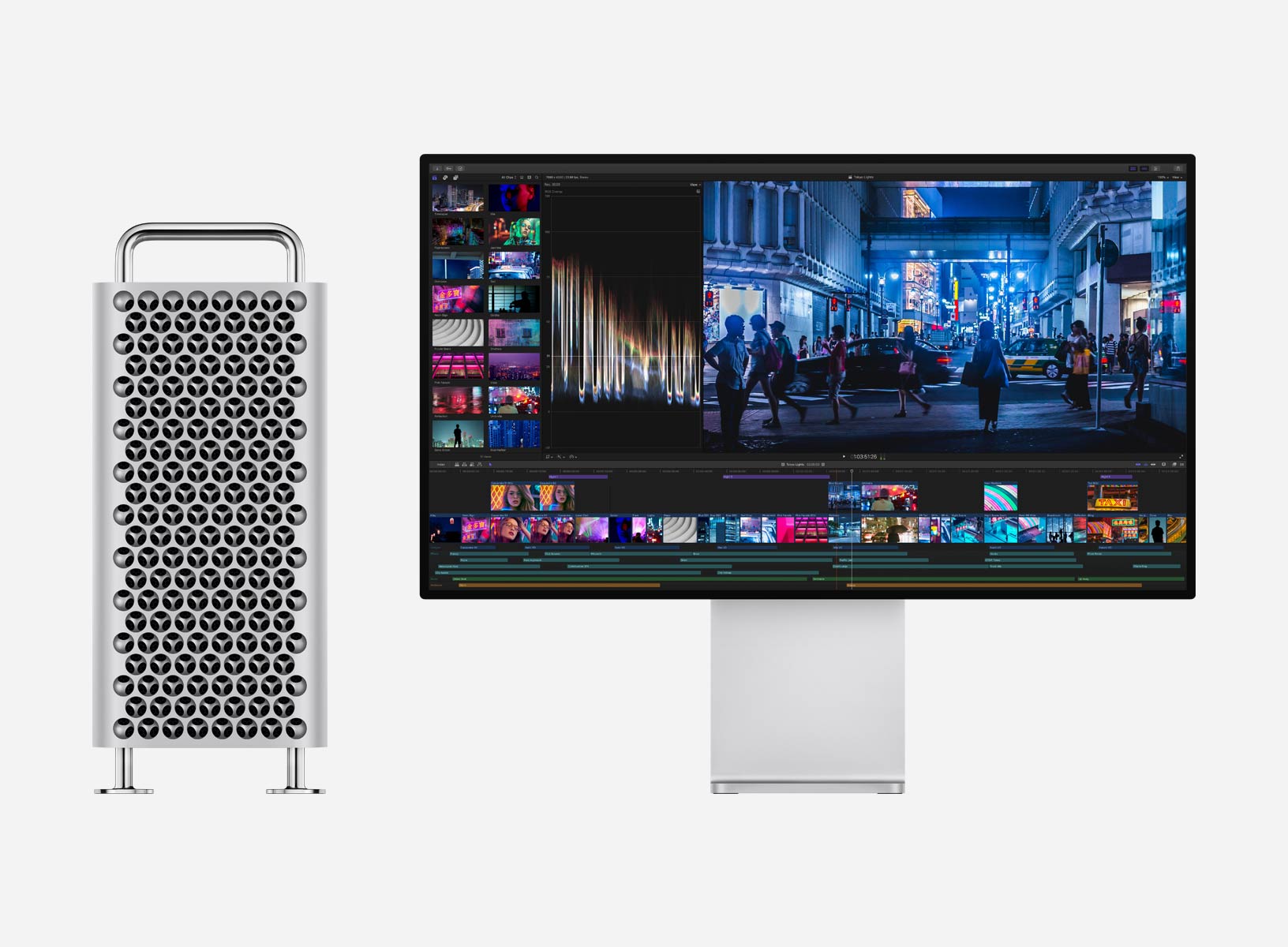
Aside from looks, there are many similarities to the G5, plus a couple of ideas from other older Apple machines. Here are some of the clearest design influences on the new Mac Pro.
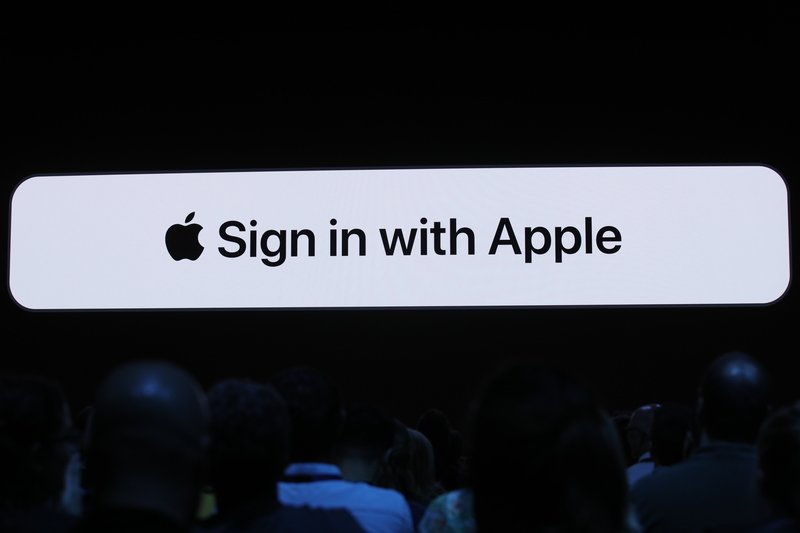
"Sign in with Apple" is a new privacy feature in iOS 13. Photo: Alfred Ng
Update: Apple says “Sign in with Apple” will be mandatory for third-party apps that require sign-ins, according to these new App Store guidelines. That means apps that currently use Facebook or Google to sign in will also have to support “Sign in with Apple.”
“It will be required as an option for users in apps that support third-party sign-in when it is commercially available later this year,” the new guidelines say.
Apple is targeting Facebook with a new privacy feature in iOS 13 that privately logs users into third-party apps and services.
Called “Sign in with Apple,” it aims to replace popular cross-web login services like ones offered by Facebook and Google.
The new privacy feature prevents third-party apps and web services from tracking users via their logins. It creates private, disposable logins for every service or app.
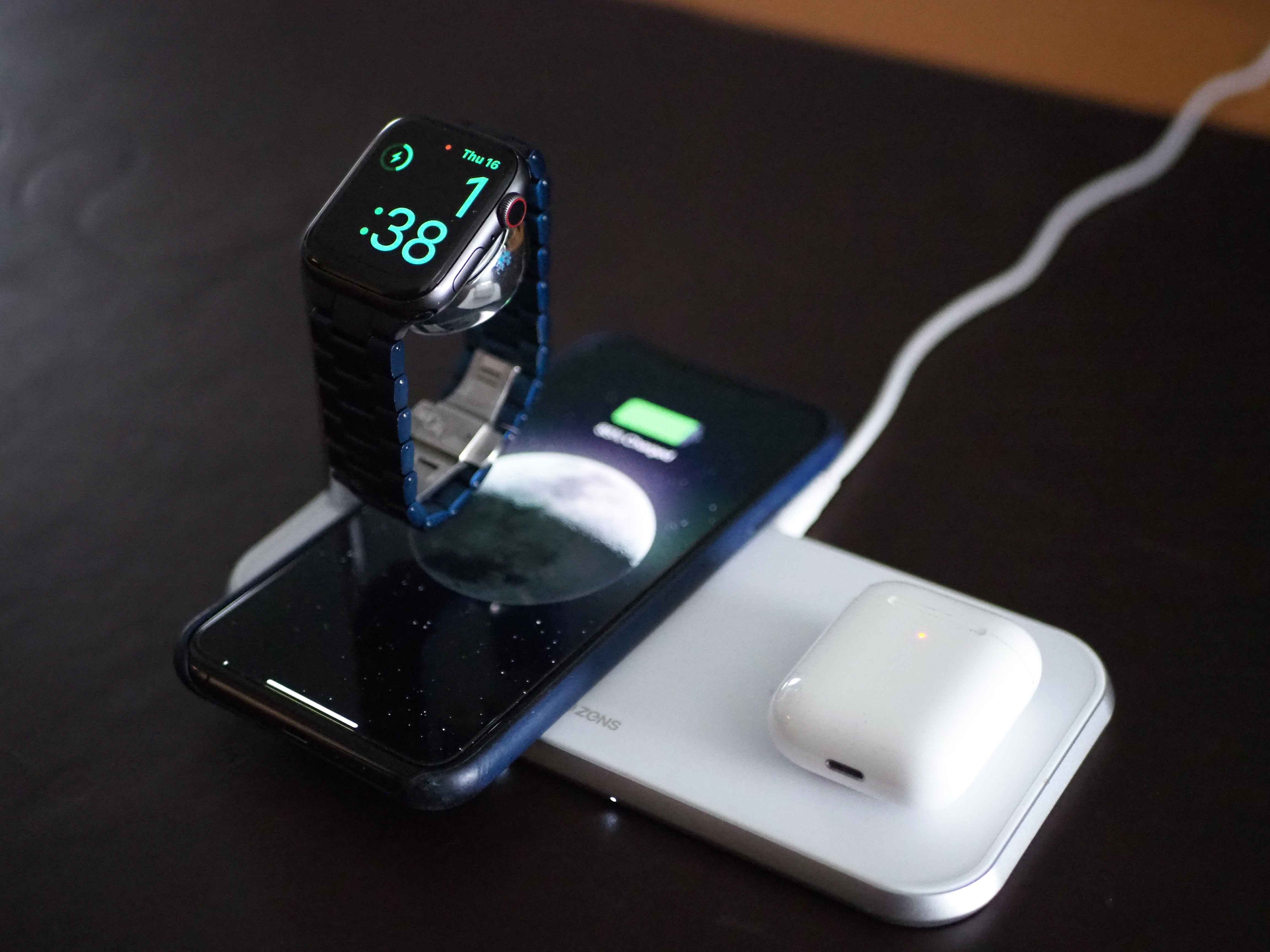
Zens Dual + Watch wireless charging mat in white. Photo: Leander Kahney/Cult of Mac
Zens’ popular Dual+Watch wireless charging pad is the one-stop charging system for all your Apple gadgets. It can charge three devices simultaneously, including your Apple Watch, iPhone and the new wireless AirPods.
The Dual+Watch mat is perfect for the bedside table or desk at work, and it now comes in white to match your AirPods.
Corning's Silicon Valley research center. Photo: Leander Kahney/Cult of Mac
Update: Corning sent an email to clarify some of the claims made in this post, which I’ve included in the body of the post and at the bottom.
SUNNYVALE, Calif. — Even though the latest iPhones are made from glass front and back, they would be “nearly unbreakable” if just a bit thicker.
That was the message from glass manufacturer Corning during an open house at its Silicon Valley research center Tuesday.
“If the glass on the latest smartphones was just a little bit thicker, it would be nearly unbreakable,” said Dave Young, a Corning marketing communications specialist, at the event.
Apple's Apple Watch business grew 50% last quarter. Photo: Graham Bower/Cult of Mac
Apple’s wearables business continues to grow like gangbusters.
Sales of the Apple Watch grew 50% compared to the same quarter last year, Apple CEO Tim Cook said on Apple’s Q2 2019 quarterly analyst call Tuesday.
If Apple’s wearables business — which includes the Apple Watch and the popular AirPods earbuds — were a stand-alone company, it would be in the Fortune 200, Cook said.
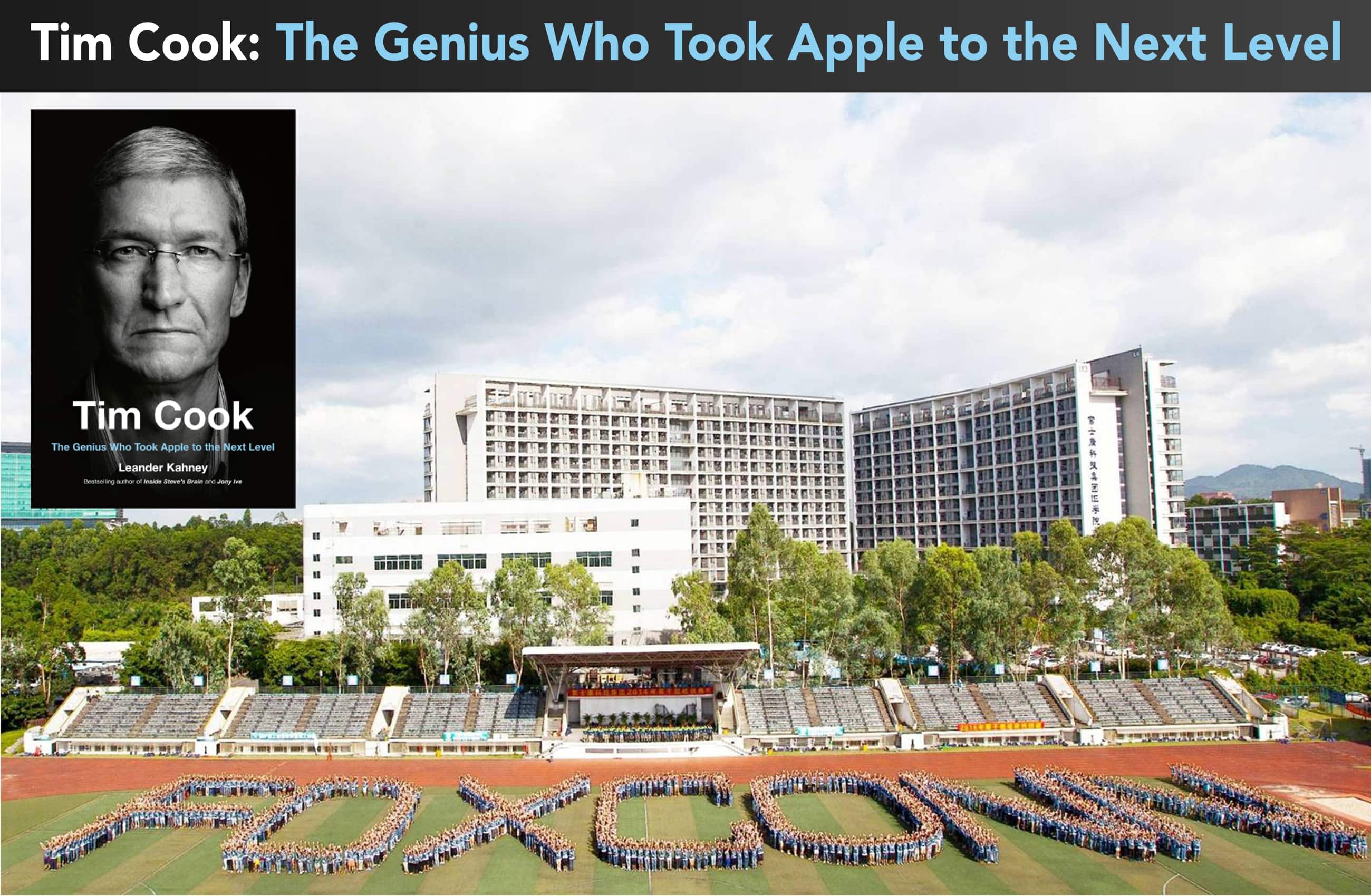
Workers spell out the company's name at one of Foxconn's giant plants. Photo: Foxconn
This post was going to be part of my new book, Tim Cook: The Genius Who Took Apple to the Next Level, but was cut for length or continuity. Over the next week or so, we will be publishing several more sections that were cut, focusing mostly on geeky details of Apple’s manufacturing operations.
Foxconn was founded around the same time as Apple, although 6,000 miles away on the other side of the world. In 1974, when 19-year-old Steve Jobs was working at Atari, 24-year-old Terry Gou borrowed $7,500 ($37,000 in today’s money) from his mother to start up a business.
Apple leases new offices near to Apple Park Photo: Duncan Sinfield
This post was going to be part of my new book, Tim Cook: The Genius Who Took Apple to the Next Level, but was cut for length or continuity. Over the next week or so, we will be publishing several more sections that were cut, focusing mostly on geeky details of Apple’s manufacturing operations.
As iPhone growth exploded, Apple struggled to keep up with demand. Every year, the number of iPhones sold would double, which meant that Apple kept adding new suppliers and assembly operations to keep up. It was a monumental struggle.
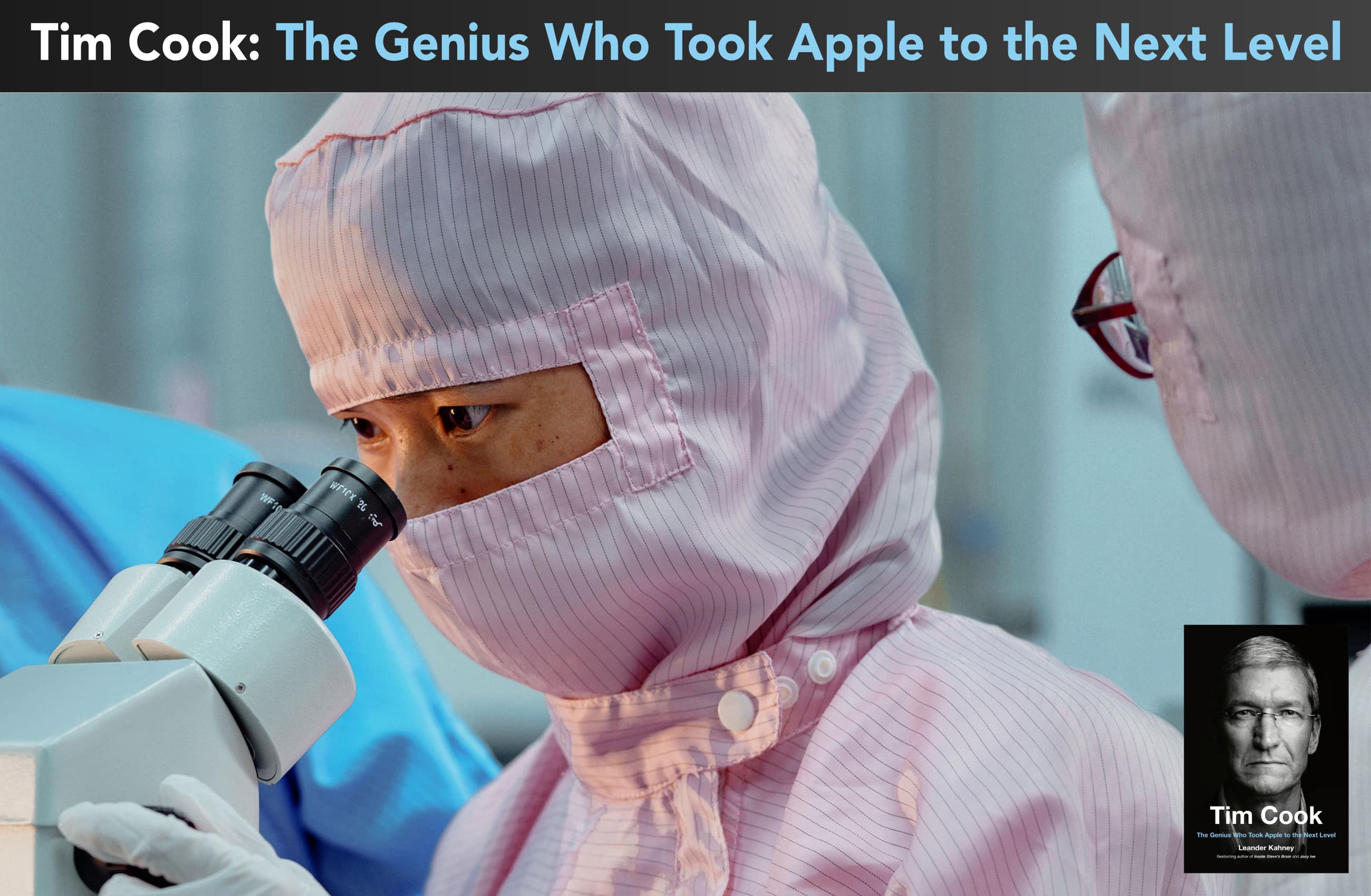
Workers examine a camera module in one of Apple's factories in China. Photo: Apple
This post was going to be part of my new book, Tim Cook: The Genius Who Took Apple to the Next Level, but was cut for length or continuity. Over the next week or so, we will be publishing several more sections that were cut, focusing mostly on geeky details of Apple’s manufacturing operations.
A good measure of the size of Apple’s manufacturing operations is its capital expenditure, the amount of money spends on things like buildings and equipment.
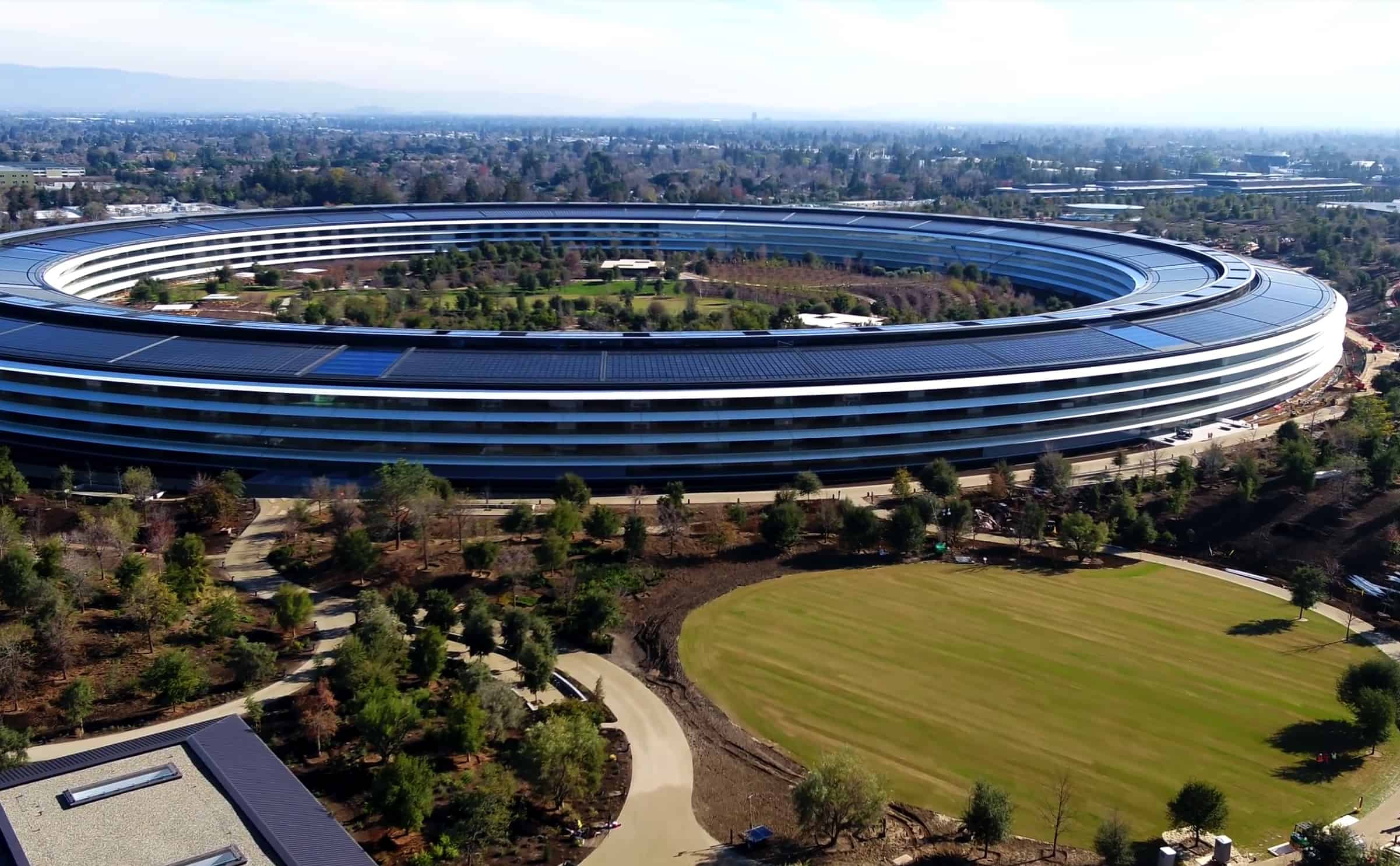
Apple’s capital expenditure, or CapEx, is mindboggling. To get an idea of how big it is, take Apple’s new spaceship campus in Cupertino – which is the fourth most expensive building in the world. It cost the company an estimated $5 billion to construct.
Apple spends a similar amount every six months on manufacturing equipment.
Apple's operations, which Tim Cook headed up, is one of the company's secret weapons. Photo: Apple
This post was going to be part of my new book, Tim Cook: The Genius Who Took Apple to the Next Level, but was cut for length or continuity. Over the next week or so, we will be publishing several more sections that were cut, focusing mostly on geeky details of Apple’s manufacturing operations.
Apple is famous for design and marketing, but a large part of the company’s success is due to the incredibly complex and efficient manufacturing organization Tim Cook masterminded with Steve Jobs.
No matter how beautiful its products are, the company would go nowhere without a world-class manufacturing and distribution operation that can make millions of devices in the utmost secrecy, to the highest possible standards, and deliver them efficiently all over the globe.
It’s an operation unprecedented in the history of industry. When Jobs and Cook started in 1998, Apple was doing $6 billion in business annually. It now does that every 10 days.
Apple is a functional organization, like the army. Photo: Mike McDonald, royalty-free image
This post was going to be part of my new book, Tim Cook: The Genius Who Took Apple to the Next Level, but was cut for length or continuity. Over the next week or so, we will be publishing several more sections that were cut, focusing mostly on geeky details of Apple’s manufacturing operations.
Apple is a functional organization. It’s not organized along business lines, split into divisions like the iPhone division, the Mac division and the Apple TV division, the way, say a company like Ford has the Lincoln division for its luxury cars, a trucks division, a parts division and so on.
Instead, Apple is organized around functions: design, hardware, software, internet services. In this way, Apple operates like the biggest functional organization on the planet: the military.