Leander has been reporting about Apple and technology for nearly 30 years.
Before founding Cult of Mac as an independent publication, Leander was news editor at Wired.com, where he was responsible for the day-to-day running of the Wired.com website. He headed up a team of six section editors, a dozen reporters and a large pool of freelancers. Together the team produced a daily digest of stories about the impact of science and technology, and won several awards, including several Webby Awards, 2X Knight-Batten Awards for Innovation in Journalism and the 2010 MIN (Magazine Industry Newsletter) award for best blog, among others.
Before being promoted to news editor, Leander was Wired.com's senior reporter, primarily covering Apple. During that time, Leander published a ton of scoops, including the first in-depth report about the development of the iPod. Leander attended almost every keynote speech and special product launch presented by Steve Jobs, including the historic launches of the iPhone and iPad. He also reported from almost every Macworld Expo in the late '90s and early '2000s, including, sadly, the last shows in Boston, San Francisco and Tokyo. His reporting for Wired.com formed the basis of the first Cult of Mac book, and subsequently this website.
Before joining Wired, Leander was a senior reporter at the legendary MacWeek, the storied and long-running weekly that documented Apple and its community in the 1980s and '90s.
Leander has written for Wired magazine (including the Issue 16.04 cover story about Steve Jobs' leadership at Apple, entitled Evil/Genius), Scientific American, The Guardian, The Observer, The San Francisco Chronicle and many other publications.
He has a diploma in journalism from the UK's National Council for the Training of Journalists.
Leander lives in San Francisco, California, and is married with four children. He's an avid biker and has ridden in many long-distance bike events, including California's legendary Death Ride.
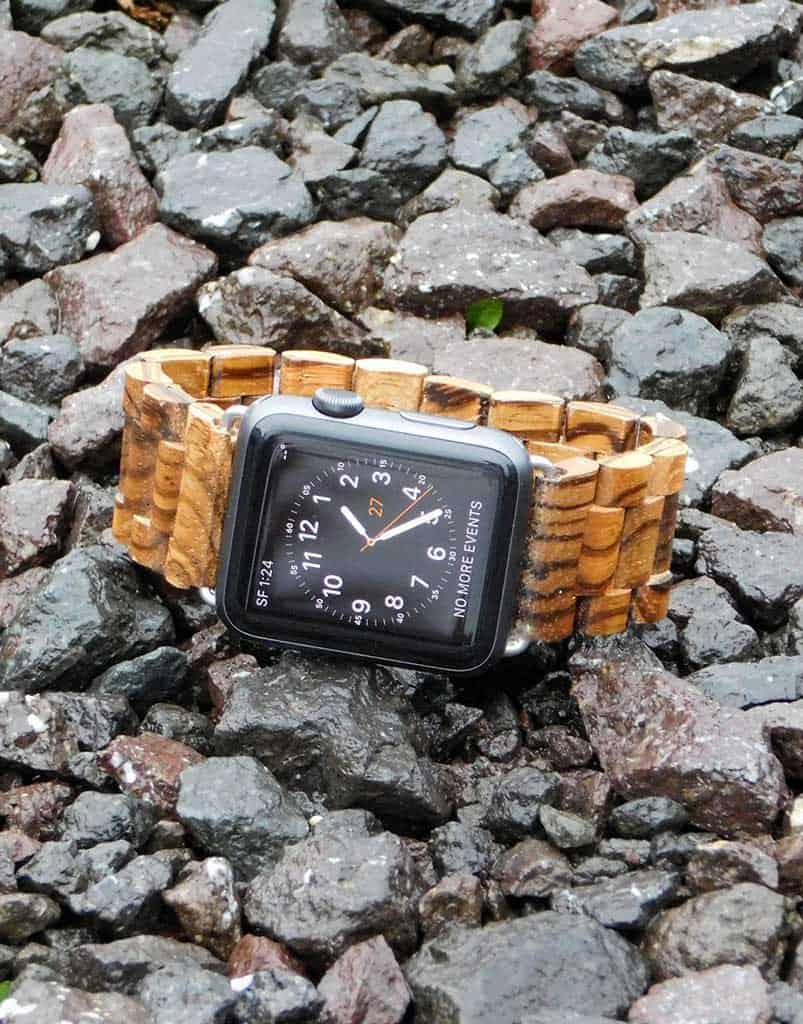
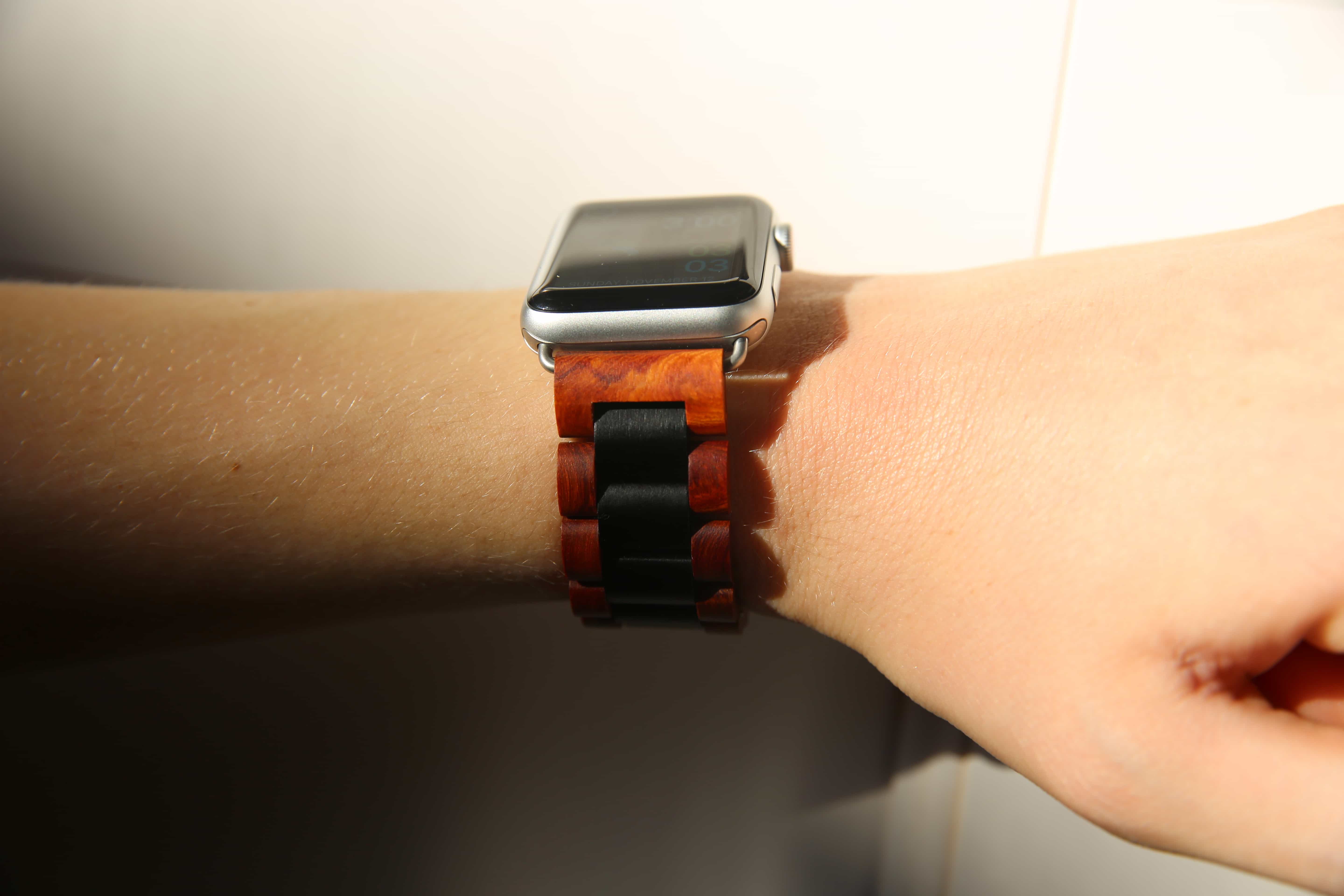
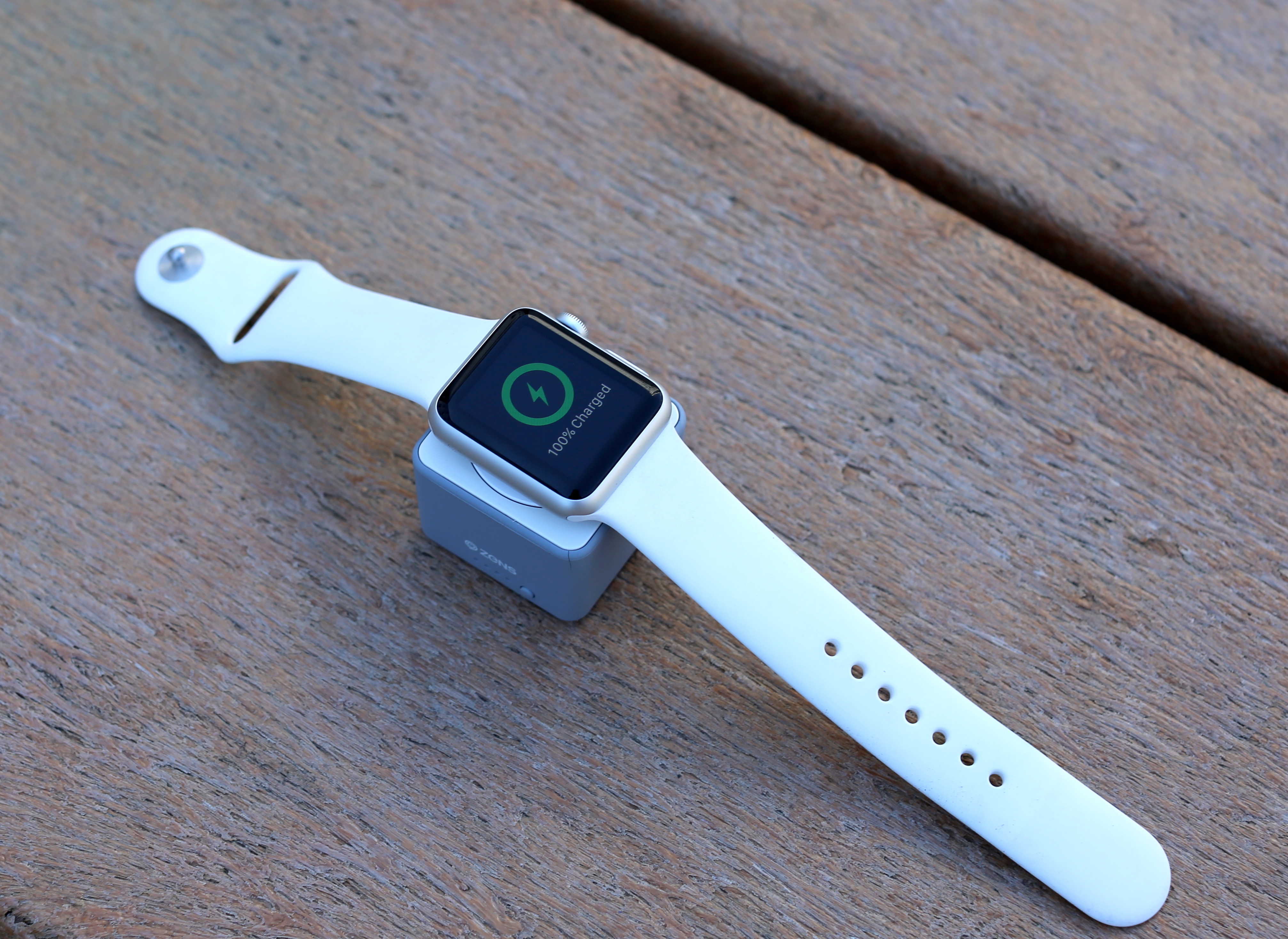
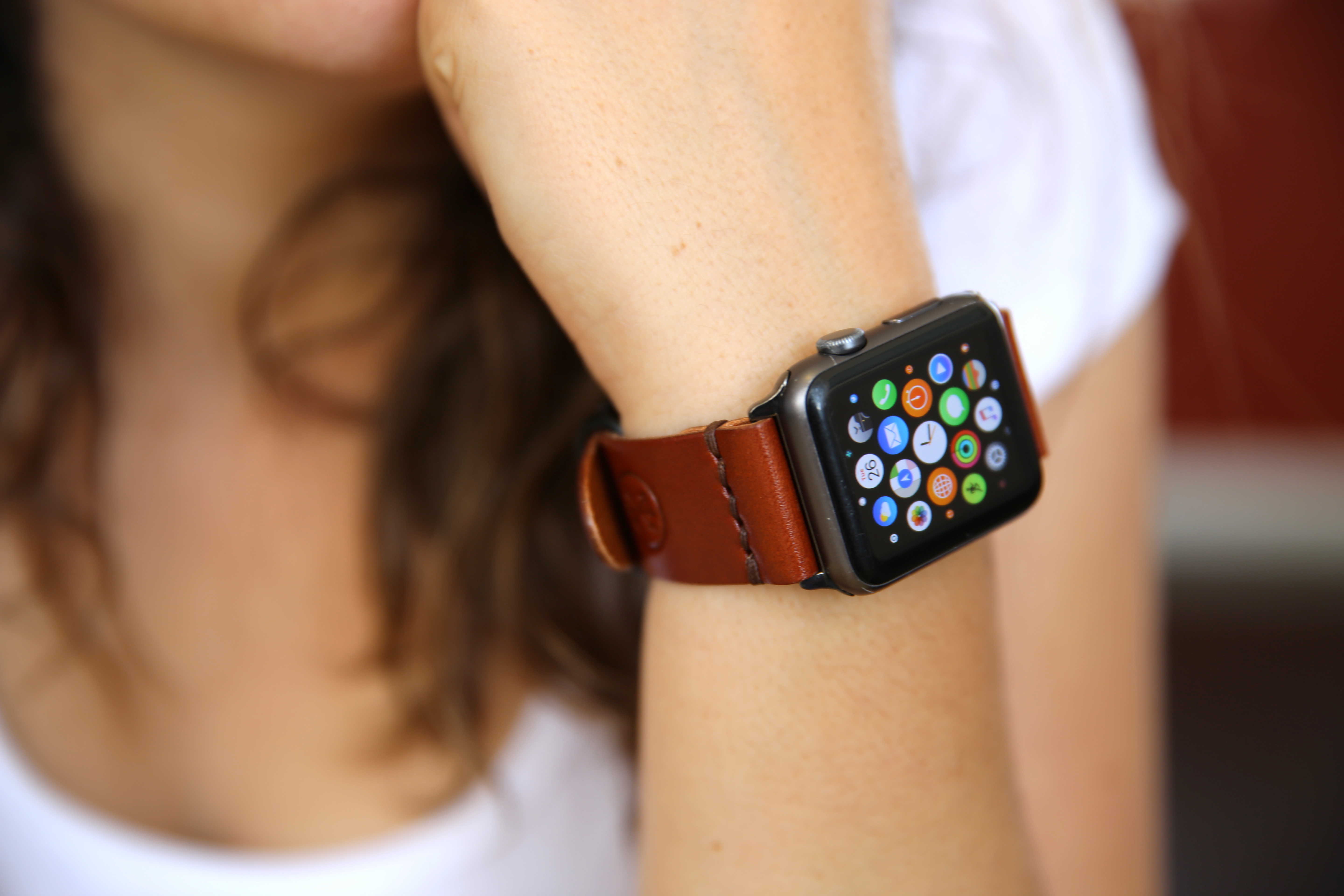
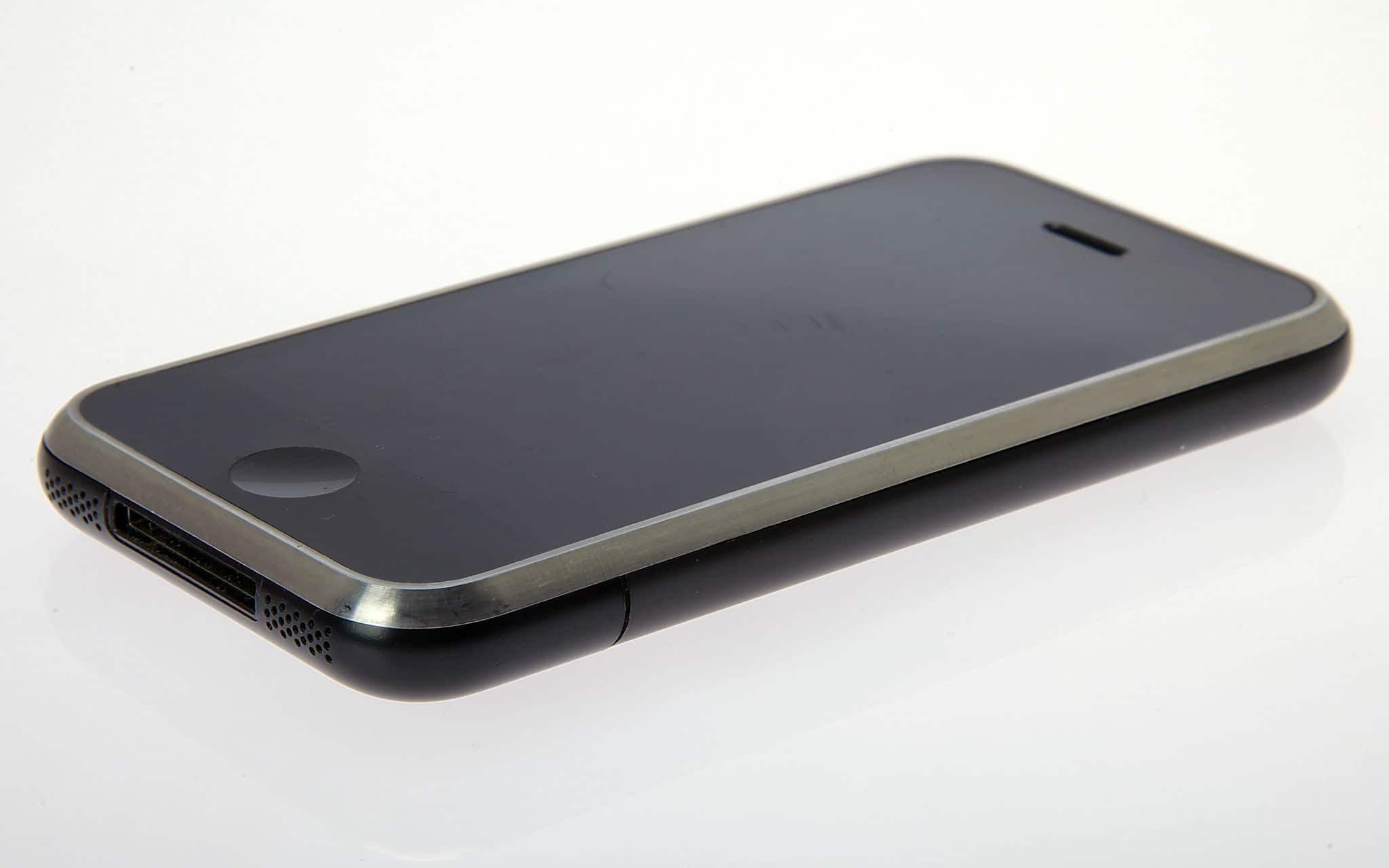
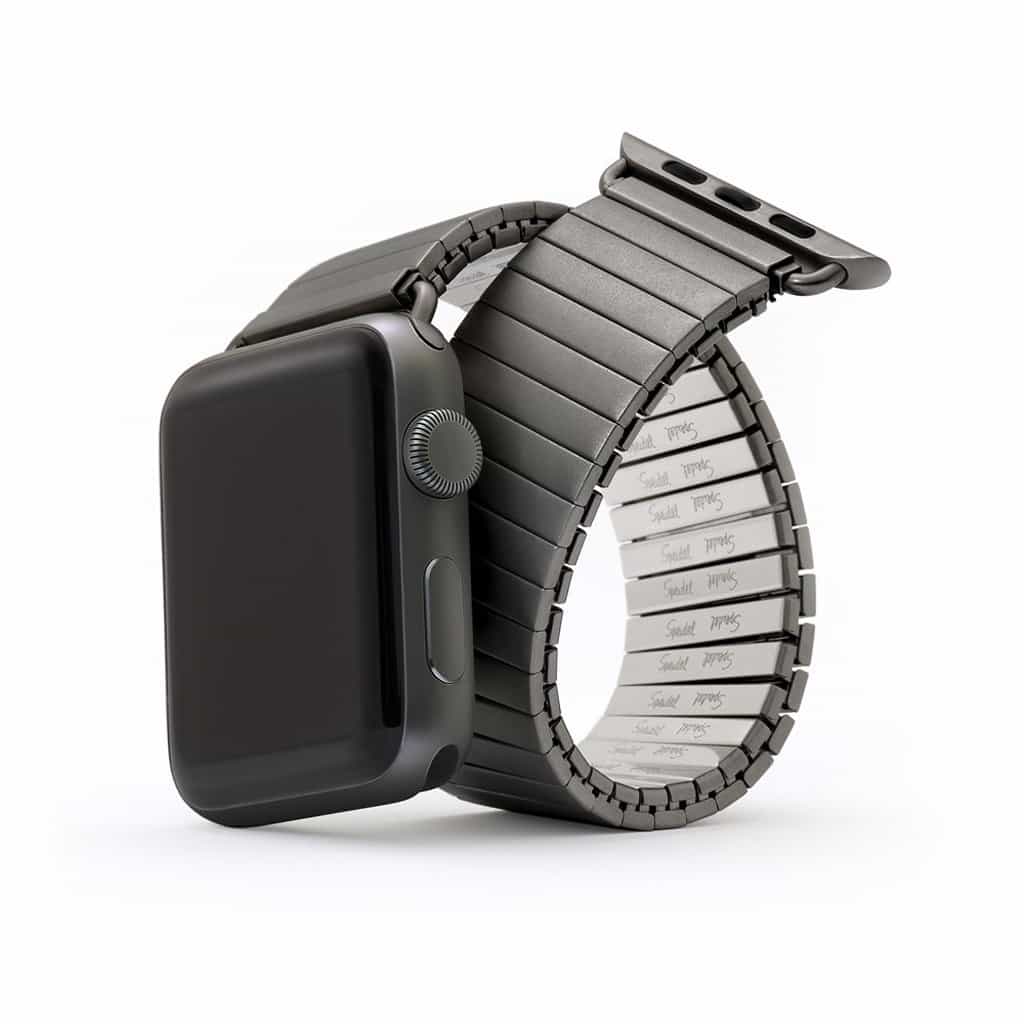
Cult of Mac will buy your old Apple Watch, and we pay top dollar. Photo: Lyle Kahney/Cult of Mac
If you just got a new Apple Watch Series 3 (or are about to), you should think about trading in your old watch.
Cult of Mac has a popular gadget buyback program that pays more for used Apple Watches than competing trade-in services, and it’s a lot easier and safer than Craigslist or eBay.
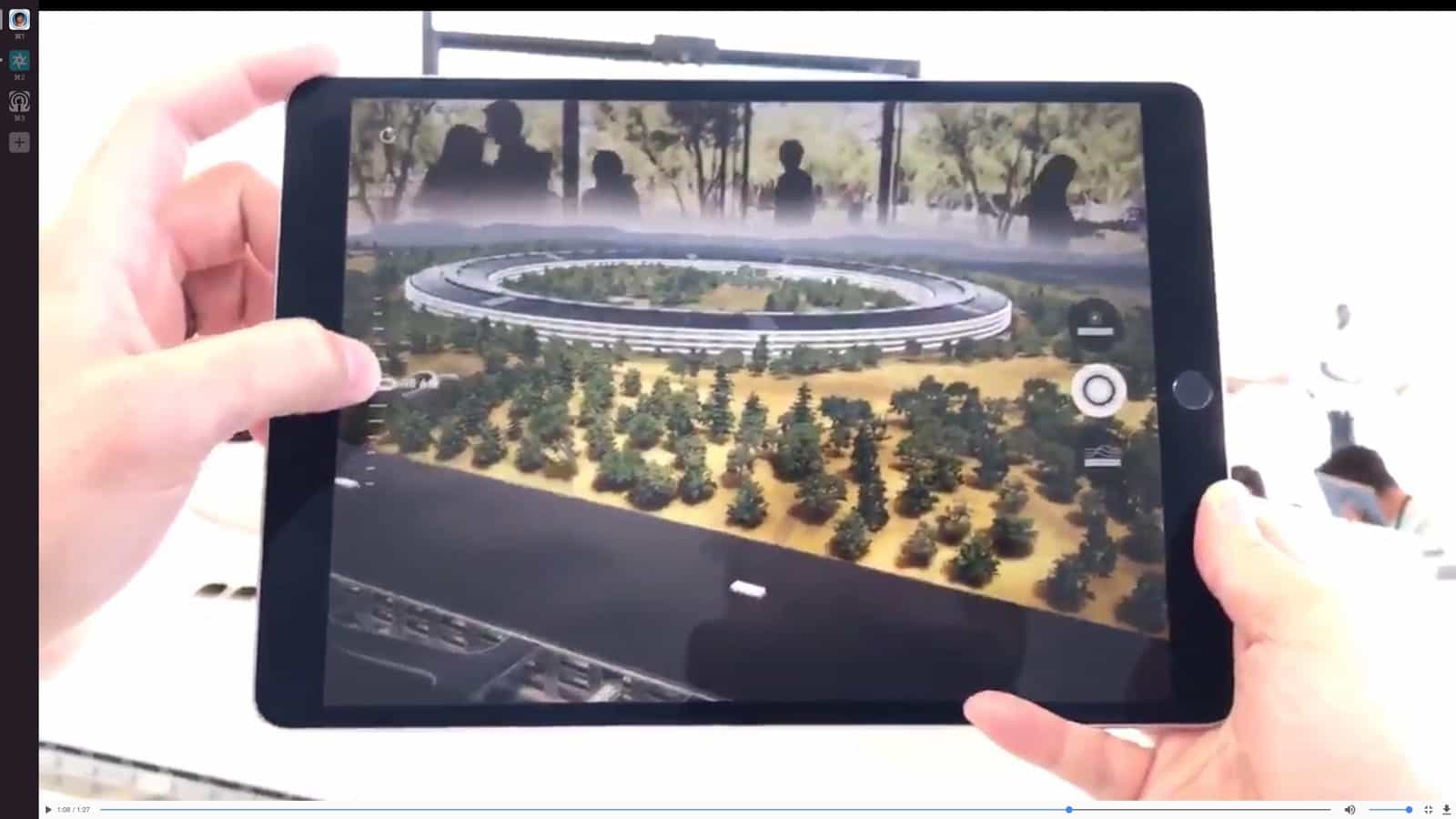
There's a great demo of ARKit at the Apple Park visitor Center. Photo: Nobuyuki Hiyashi
There’s a pretty amazing demo of augmented reality technology at the new Apple Park visitor center.
The visitor center — which opened to the public on Tuesday afternoon — features a large-scale model of the new campus.
The model is large but bare bones. It looks like a classic architectural model with plain mockups of the buildings and the campus’ contours.
But pick up a nearby iPad, point the camera at the model, and it suddenly springs to life with lifelike plants, trees, and details galore. Check out the video below.
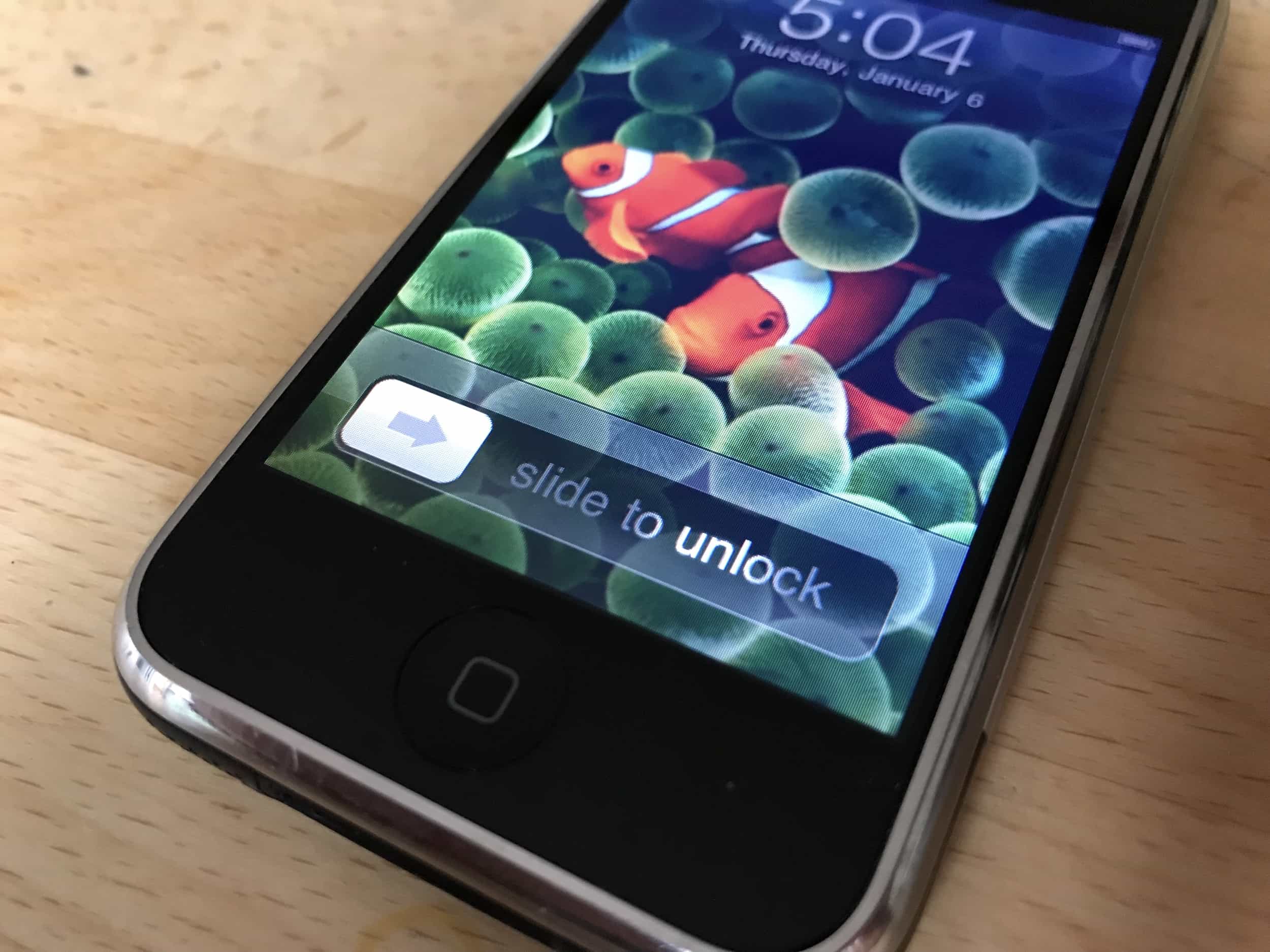
Slide-to-unlock is one of the iconic gestures of the iPhone. It looks simple, but it was tricky to get right. Photo: Leander Kahney/Cult of Mac
This an excerpt from Unsung Apple Hero, an e-book about UI designer Bas Ording’s career at Apple. Ording is responsible for a big chunk of today’s computing interfaces, but is little-known because of Apple’s super-strict privacy policies. Hit the link at the bottom of this post to get a free copy of the e-book.
One of the key design decisions that Apple’s Human Interface Team made early on while developing the iPhone was to go all in on big, simple gestures. They wanted to make a single, simple swipe accomplish as much as possible.
It’s a bit ironic. After investing so much in multitouch technology, which relies on multiple touch inputs, one of Apple’s key edicts was to make as many gestures as possible work with a single finger.
Instrumental founder and CEO Anna Katrina Shedletsky, who is using her experience as an Apple product design engineer to bring AI to manufacturing. Photo: Leander Kahney/Cult of Mac
Almost all electronic products are still assembled by hand, even hundreds of millions of iPhones.
At the forefront of this is an ex-Apple product design engineer, Anna-Katrina Shedletsky, who is using her expertise to help other manufacturers build their products.
On this episode of the Apple Chat podcast, we talk to Shedletsky about her new AI startup, Instrumental; Apple’s giant manufacturing operation; the role of product design; and much more.
If you’re curious how Apple makes its products, listen to the podcast or check out the full transcript below.
Members of the original iPhone development team, Greg Christie, Bas Ording and Brian Huppi talking to journalist Brian Merchant. Photo: Lyle Kahney/Cult of Mac
PALO ALTO, California — The first iPhone “prototype” was strung together using bits of wood, duct tape and some old Polaroid lenses.
Key members of the Apple team reminisced about those early DIY efforts Wednesday night during a discussion led by Brian Merchant, author of The One Device, a new book about the birth of the iPhone.
“This thing was really kludged together,” said Brian Huppi, a former Apple engineer who helped build the first system. “It was built out of wood, duct tape and old lenses from the ’60s.”
Former Apple designer Bas Ording created the rubber band effect, which convinced Steve Jobs to build the iPhone. Photo: Jim Merithew/Cult of Mac
One day in early 2005, interface designer Bas Ording was sitting in a secret, windowless lab at Apple HQ when the phone rang. It was Steve Jobs.
The first thing Jobs says is that the conversation is super-secret, and must not be repeated to anyone. Ording promises not to.
“He’s like, ‘Yeah, Bas, we’re going to do a phone,'” Ording told Cult of Mac, recalling that momentous call from long ago. “‘It’s not going to have any buttons and things on it, it’s just a screen. Can you build a demo that you can scroll through a list of names, so you could choose someone to call?’ That was the assignment I got, like pretty much directly from Steve.”
The world had never seen anything like the iPhone when Apple launched the device on June 29, 2007. But the touchscreen device that blew everyone’s minds immediately didn’t come about so easily.
The iPhone was the result of years of arduous work by Apple’s industrial designers. They labored over a long string of prototypes and CAD designs in their quest to produce the ultimate smartphone.
This excerpt from my book Jony Ive: The Genius Behind Apple’s Greatest Products offers an inside account of the iPhone’s birth.
Anna Katrina Shedletsky is a former Apple product design engineer who is using her experience to build AI that helps companies streamline manufacturing. Photo: Instrumental
On this week’s Apple Chat (the podcast formerly known as Kahney’s Korner): I talk with former Apple product design engineer Anna-Katrina Shedletsky about her take on modern manufacturing and how AI will revolutionize factories. She introduces us to her new company, Instrumental, which is using machine learning to help manufacturers identify and fix problems on their assembly lines.
Using her hard-earned experience at Apple overseeing the production of the first Apple Watch and several generations of the iPod, Shedletsky says machine learning is coming fast to manufacturing. Amazingly, almost all consumer electronics products are still assembled by hand — including hundreds of millions of iPhones.
But that’s changing. Manufacturing is undergoing a huge sea change with the advance of robotics and AI.
The Espin electric bike is a fun and functional electric bike at an entry-level price. Photo: Leander Kahney/Cult of Mac
Best List: Espin Sport electric bike
I love electric bikes, but a lot of them look butt-ugly. Their batteries and motors are strapped to the frame, ruining their lines. Stromer’s bikes, which integrate motor and battery into the frame, are a notable exception. But the latest Stromers cost an eye-watering $7,000 and up.
Enter Espin’s electric bikes, which look like Stromer’s but cost just $1,888, a steal for an eBike this capable and fun.
Students take heed: The winter semester is off and running, and it’s going to be time to turn in term papers before you know it. If you’re stressing out about getting through your reams of writing in a timely fashion, we’ve got a suggestion you might not have considered — writing with PDFs.
PDFs not only produce a great looking final document, they also offer a versatile and flexible format for the writing and research process itself. With the right tool, you can build PDF documents that include time-saving annotations, perfect for highlighting the important parts of your research and adding notes along the way. You can organize your work in super useful ways and create a table of contents for easy navigation.
The Wearhaus Arc headphones are the first 'social' headphones that allow music sharing between headsets. Photo: Leander Kahney/Cult of Mac
Best List: Wearhaus’ Arc ‘social’ headphones
Wearing headphones tends to cut you off from the world, but Wearhaus’ Arc headphones are more sociable.
The wireless Arc headphones allow multiple headsets to stream audio from the same source. Think silent disco, watching a movie together, or sharing tunes with your BFF.
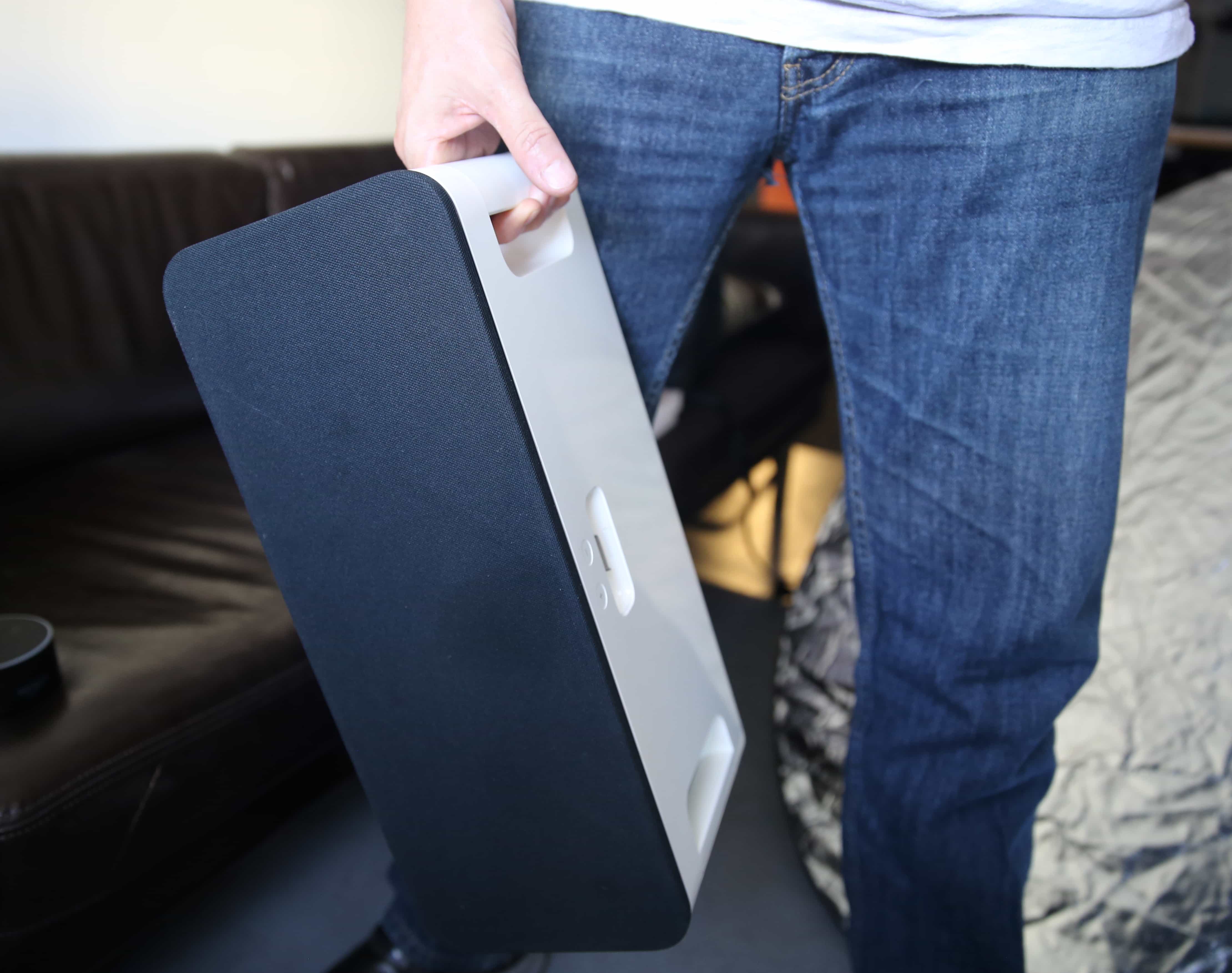
The new Playbase home theater speaker from Sonos is slim but packs a punch. Photo: Lyle Kahney/Cult of Mac
Best List: Playbase home theater speaker by Sonos
As TVs get flatter, their sound gets worse. Enter Sonos’ latest home theater speaker, the $699 Playbase, a thin and flat home theater/streaming music system designed to sit underneath your TV.
Like the TV above it, the Playbase is thin, but it packs a significant punch. Resembling a pizza box with rounded corners, it features 10 speakers, including a muscular built-in subwoofer, and it can make quite a noise. In fact, it sounds fantastic.
The Playbase is louder and punchier than Sonos’ current home-theater speaker, the Playbar, and a lot more unobtrusive. You don’t really notice it’s there, until it starts shaking the room.
The CIA's new headquarters in McLean, Virginia. Photo: Wikimedia Commons
Although Google’s Android dominates the worldwide smartphone market, the CIA concentrated on Apple’s iOS because of its popularity among global elites, WikiLeaks reports.
The huge trove of leaked CIA documents, codenamed “Vault 7” and released Tuesday by WikiLeaks, reveals that the CIA formed a special unit called the Mobile Development Branch (MDB) to infect smartphones. And within that unit, Apple’s iOS was a prime target.
AAPL was up almost 3 percent in after-hours trading to $124.50. Apple stock has been climbing recently but was depressed in anticipation of today’s results.
Moshi's Mythro Air are quality Bluetooth earphones at an affordable price. Photo: Lyle Kahney/Cult of Mac
Best List: Mythro Air wireless earbuds by Moshi
Moshi’s Mythro Air wireless earbuds look good and sound good. They offer all-day battery life, a clever magnetic clip to keep them in place, and a unique feature that allows you to share music from a single source to two sets of Mythro Air earbuds.
Best of all, they cost $69.99, and sound better than premium earbuds costing two or three times more.
If you can't say something nice ... Image: Ste Smith/Cult of Mac
The world of quotes is a poorer place without Steve Jobs, who was a quote machine. Nonetheless, plenty of people talked about Apple this year, whether lauding the company’s successes or damning its strategies.
While watching it, I recognized a lot of details that I mention in my book about Jony Ive but I don’t think are generally well-known. So I screenshot the video and made a few notes. Warning: This one’s for the design nerds.
At $399, the Spatia isn’t cheap by any means, but its sound and features rival systems costing much more.
And does it sound sweet. With five drivers, including a subwoofer, the Spatia serves up a rich, wide soundstage. Lots of speakers claim “room-filling sound,” but the Spatia truly fills the bill.
Belkin's design director Oliver Seil says designers are basically psychologists. Photo: Oliver Seil/Belkin
In the last decade or so, lots of companies have gotten design religion. Design has been brought in-house, where it can shape products from the very get-go. There’s an obvious source for this idea — Apple.
This week on the Kahney’s Korner podcast, I talked to Oliver Seil, senior design director of Belkin International’s Innovation Design Group. We discussed Belkin’s products and design process; the surprising complexity of USB cables (and why they cost so much); and why Apple has had such an enormous influence on design and manufacturing.
You can listen to the podcast or read a full transcript of the interview below. (Or dive into the show notes.)
The hard-hitting Death by Design documentary is a sobering look at the environmental legacy of the tech industry. Photo: Death by Design
The tech industry appears to be nice and clean, but it has a long and toxic history of environmental damage. Silicon Valley is home to the most Superfund cleanup sites in the country.
A new film, Death by Design, takes a sobering look at the electronics industry and its toxic environmental legacy — both in the United States and in China. The film offers a behind-the-scenes look at the cost of the devices we consume in some measure of ignorance.
Apple features heavily in the film, though it’s not the only tech company implicated.
This week on Kahney’s Korner, I talk to the documentary’s director, Sue Wiliams, about Apple, pollution and Silicon Valley.
Belkin's design director Oliver Seil says designers are basically psychologists. Photo: Oliver Seil/Belkin
For many ugly years, manufacturers considered industrial design an afterthought. They would outsource the task to a contractor or neglect it altogether, in an effort to get products out quickly and cheaply.
The result: hideous-looking products that didn’t work well or proved difficult to use.
Nowadays, companies like Apple are changing the game when it comes to incorporating industrial design and user experience into product engineering.
On this episode of Kahney’s Korner, I talk with Oliver Seil, senior design director with Belkin International’s Innovation and Design Group. Seil is Belkin’s Jony Ive, the top designer who overseas the company’s diverse array of products.