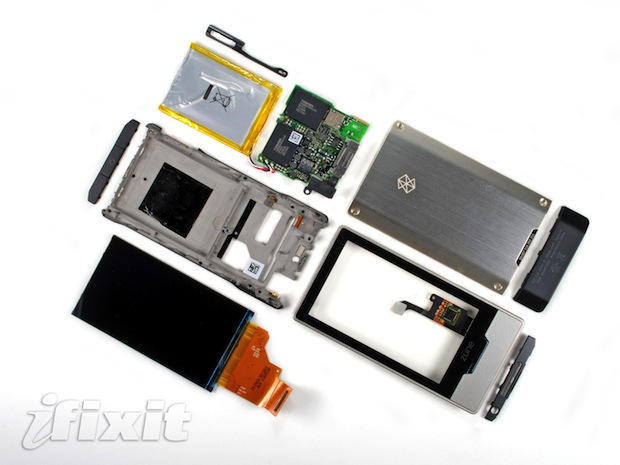
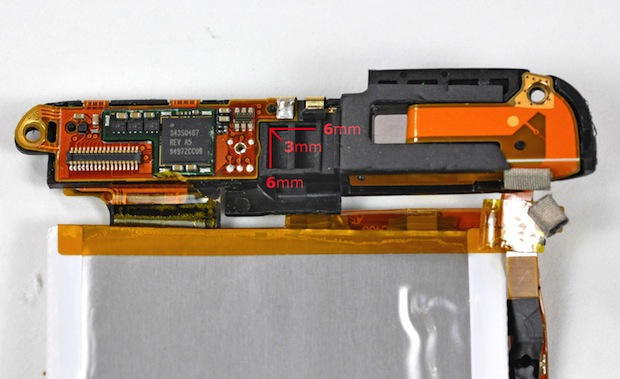
A teardown of Microsoft’s new Zune HD reveals that’s it’s smaller, lighter and better built than the iPod touch — plus it’s got better battery life.
“Microsoft has taken a long time to get to market with this device, and the hardware shows it,” says Kyle Wiens, CEO of iFixit, which has posted details of the teardown online.
The highlight of the Zune HD is its OLED screen. Made by Samsung, the screen is only 1mm thick but seems plenty tough, says Wiens.
The Zune gets better battery life from a smaller battery – likely a lot to do with the low-power OLED screen.
The Zune is not as tall or as wide as the iPod Touch but is 0.4mm thicker.
Unlike the new Touch, the Zune HD does not have 802.11n, only .802.11g.
The Zune is powered by an Nvidia Tegra 2600 processor, which has OpenGL ES 2.0 (sam as the new Touch) and programmable pixel shaders, according to iFixit.
The Zune HD is getting favorable reviews. Wired.com says its the first music player to match the iPod’s wow factor. “It’s a lovely industrial design, has a beautiful OLED screen, packs in HD radio and HD video out, and syncs to software that outshines iTunes in many ways,” Wired.com says. However, there’s almost no Apps in Microsoft’s App Store, no deep catalog of video, oh, and the biggie: no Mac software.
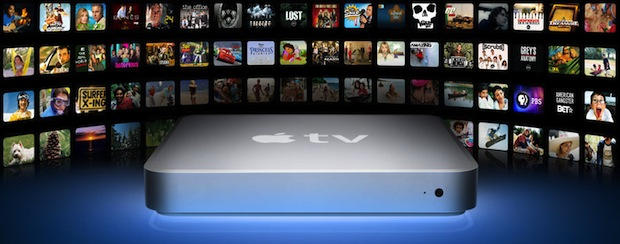
A major update of the Apple TV may be in the works.
Apple has slashed the price of the 160GB Apple TV to $229 (from $329) and discontinued the 40GB model. Meanwhile, it looks like Apple’s new iTunes LP — a new format for multimedia music bundles — is designed for high-resolution output on the AppleTV.
The iTunes LP content is output at 1,280-by-720, the native resolution of an Apple TV when hooked to a high-definition TV. Apple’s new iTunes Extras (bonus movie material usually included on bonus DVDs and now available for download on iTunes) is also designed to be output at the same high resolution. While this is natural for movie content, it’s a curious choice for music content, albeit multimedia music content, which might naturally be formatted for playing on computers and laptops.
Which all points to a major update for the Apple TV in the near future. The AppleTV hardware has remained essentially unchanged since its introduction, although it has received a couple of software upgrades.
The 160GB model is the only configuration of the Apple TV now on offer. The 40GB Apple TV was previously priced at $229.
Steve Jobs usually refers to the AppleTV as a “hobby,” and not a real business. The choice of movies for the device on the iTunes store remains relatively limited.
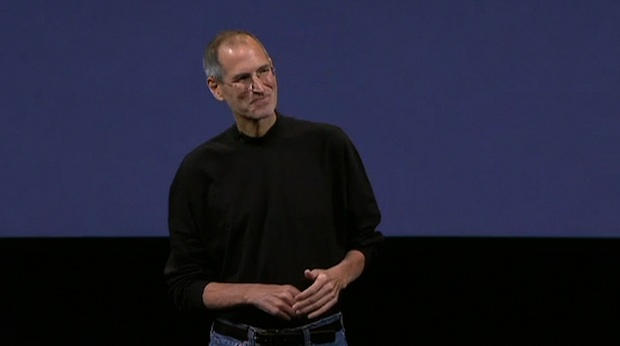
Steve Jobs made a welcome return to the public eye last week at a special music event to introduce Apple’s 2009 holiday iPods.
“The September music event was classic Apple. It marked the return of the world’s greatest corporate storyteller,” says communications coach, Carmine Gallo, author of The Presentation Secrets of Steve Jobs: How to be Insanely Great in Front of Any Audience.
Gallo’s book will be published later this month by McGraw-Hill and can be pre-ordered now from Amazon. Gallo’s written some insightful analyses of Steve’s presentations in the past, so we asked him to take a look at last week’s event. After the jump, Gallo breaks down his top ten presentation tips from Jobs’ latest speech.
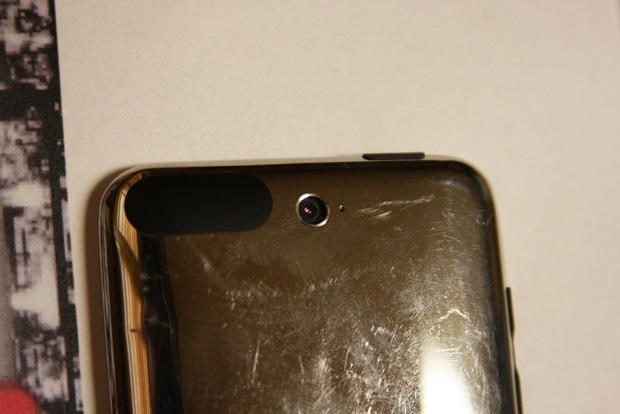
An astute MacRumors reader compared the pictures from iFixit’s teardown of the latest iPod touch with earlier leaked pictures of a prototype equipped with a camera — and the internal details are the same.
Look at the pictures after the jump. The internal circuit boards are indentical — and both are completely different to the second-generation touch.
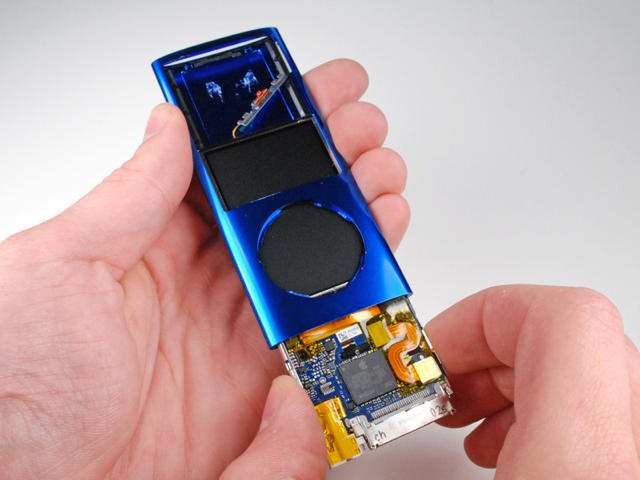
A teardown of the new nano throws some light on the two big questions raised by Apple’s new iPod line: Why doesn’t the iPod touch have a camera, and why can’t the iPod nano take still pictures?
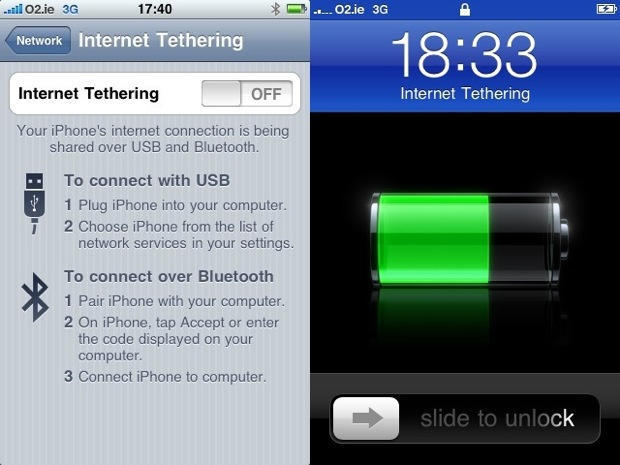
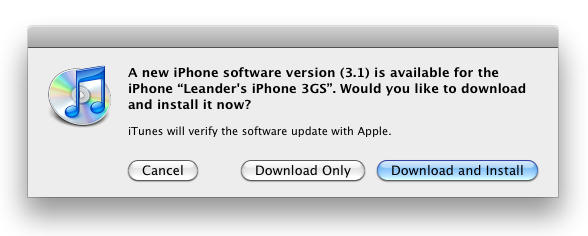
A popular tethering hack that allows your computer to access the internet via your iPhone’s cell connection is broken with the iPhone 3.1 update. The update also disables MMS messaging enabled by the same hack.
The hack is enabled by changing iPhone’s AT&T carrier file. It’s easily enabled by visiting sites like BenM.at using mobile Safari on the iPhone, and appears under the Network settings. The option is removed under 3.1.
AT&T will roll out multimedia messaging for the iPhone on Sept. 25, but hasn’t given a release date for tethering, saying only it will be available “in the future.”
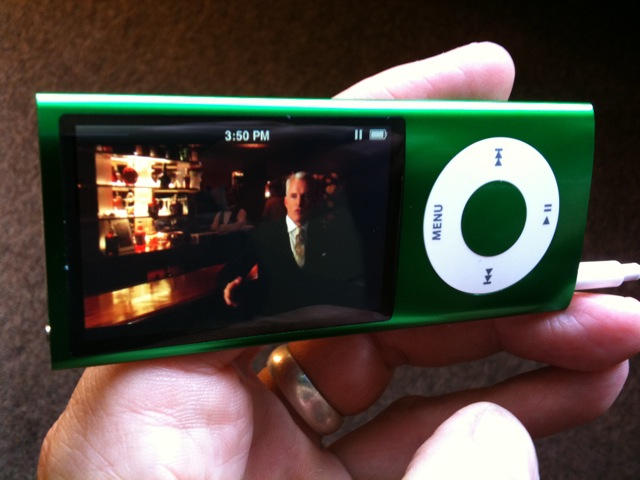
Apple’s new fifth-generation iPod nano, now with a video camera, is a perfect pearl of 21st-century technology. It’s a lovely piece of electronic jewelry that does almost everything except dispense pints of beer.
It can record video, play movies, store weeks’ worth of music, wake you in the morning, remind you of a dental appointment, record how many steps you walked to work, and how long it took you. It remembers all your contacts, records voice memos, stores your shopping lists and plays a bunch of games that are controlled by tipping and tilting the beautiful little device.
It’s easy to get complacent about Apple’s iPods, new ones come out so often. They’ve got to be 3D holographic auto-mastubators to get anyone’s attention. But take a step back, and it’s pretty astonishing how much advanced technology is stuffed into such a tiny device, and how beautifully it’s done.
Alan Kay, the computing visionary who first envisioned the Dynabook computer concept, worked at Xerox PARC and helped make the original Mac amazing, is one of my favorite technology philosophers. Simply put, he had a way of turning a phrase when discussing the progress of technology that could bring clarity to a muddled topic.
Of all his quotes, my favorite is also one of his most casual. He said that the Macintosh was “the first personal computer good enough to criticize.” In his mind, everything else had been so crummy that to begin listing faults would pretty much convince you that PCs shouldn’t exist at all. Ever since, the mark of an emerging technology’s arrival is the point at which it becomes good enough to begin figuring out what’s wrong with it.
And of all of Apple’s announcements this morning, only the digital album format iTunes LP (also known as Cocktail) qualifies as a major improvement to a nascent technology. Simply put, though Apple long ago figured out how to sell music as digital downloads, it’s taken until now for them or anyone else to get in the ballpark of how to make those downloads feel anywhere near as special as a physical CD or LP.
Having played around with it for a bit (and watched several more demos of albums I haven’t picked up), it’s quite clear that Apple’s made a huge leap forward. And in so doing, it has made it abundantly clear how far they have to go.
Here are five steps Apple could take to make iTunes LP a competitor with your vinyl collection:
1. Get It Off My Computer and On My Devices The nice animation, visuals, video, and lyric displays offered for the first round of iTunes LP are nice and all, but I don’t actually spend a lot of time focusing on my music when playing it back off of a computer. iTunes is a background task most of the time, and even this immersive experience won’t change that — and it’s kind of weird to “page” through liner notes with mouse clicks. The entire look and feel is dramatically more suited to the iPhone or, dare I say it, a tablet computer. If Apple brings multitouch into the equation, maybe the format will restore some of the emotional connection to the tangible object of music in some way. For now, this is some nice animation I’ll never look at again.
2. Offer Lossless Audio Files At this point, the only people who are under the impression that limiting the supply of legitimate digital music actual limits the piracy of music work for record companies, yet it’s nearly impossible to buy truly CD-quality (or better) digital audio from major recording artists online. Apple should use the opportunity presented by iTunes LP to significantly up the quality of its audio to make the music itself sound more special.
3. Make it Simple for Artists to Use Do you know how many iTunes LP titles are available today, the first day of launch? Six. A 43-year-old Bob Dylan record you should already own, a greatest-hits collection from the Doors, American Beauty by the Grateful Dead, the new Norah Jones, the new Dave Matthews Band, and actor Tyrese Gibson’s way-autotuned comic book mash-up MAYHEM! Something for everyone, eh? If that somehow isn’t enough music for you, Apple is offering five (5!) additional albums for pre-order.
Yeah.
Clearly, the format is too complex for artists and labels to get behind yet. If you have the budget of Dave Matthews or Bob Dylan, you can have people make it for you, but if you’re pretty much every other artist, taking advantage of the format will take some (or a lot) or doing. If Apple wants this to become a de facto standard for digital albums, it needs to make this a blindingly easy process for artists to participate in — as easy as submitting your record to iTunes for sale. I don’t know exactly what that looks like, but it’s a clear key to success.
—-
Again, iTunes LP is a fascinating effort. But it’s only good enough to criticize. The next year will be Apple’s opportunity to get it right or watch this concept go the way of the enhanced CD.
Apple has posted some nice, high–res video of today’s “Rock & Roll” special press event. The video is available here and has been added to Apple’s Keynote podcast, although it isn’t yet linked from the iTunes front page.
It’s worth watching for four reasons:
* To see Steve’s heartfelt thanks to his liver donor, to Apple’s staff, and the Apple community, whose best wishes seems to have genuinely buoyed and touched him.
* The gaming demos. The iPhone/iPod touch platform is maturing into an important and fun game platform. The demos make this very clear. It isn’t for hard-core gamers, but the rest of us — the millions of casual gamers that only Nintendo seems to know how to engage.
* To see the preview of iTunes LP, and look for clues what the format might be like on a multitouch device (which I think is what project codename Cocktail is really about).
* To see Steve, who’s magnetic and charismatic and utterly watchable even when he’s very unwell. Who knows how many more times we’ll get to see him? These opportunities are getting rarer and rarer. Here’s hoping he makes an appearance at CES in Las Vegas in January to introduce the Apple tablet. And that he puts on 30lbs eating ice cream. I know it worked for me.
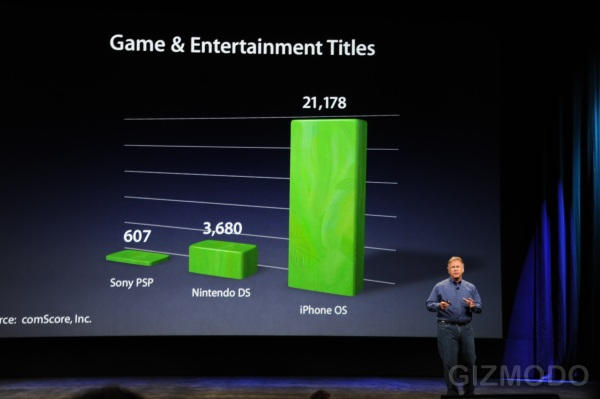
Earlier today Steve Jobs told the New York Times that the iPod touch is first and foremost a gaming device, and that’s why it doesn’t have a camera. We’re not entirely convinced, but look at this chart Apple trotted out this morning’s “Rock & Roll” event.
It shows the number of game and entertainment titles for the iPhone/iPod platform. Apple has almost five times the number of titles as the Sony PSP and Nintendo DS combined.
That’s a huge number. Yes, a lot of those titles are fart apps or simple throwaway games. But that’s still a lot of titles. My kids haven’t touched their GameBoys since we got an iPod touch.
This is why the iPod touch was upgraded with beefier CPU and graphics — to make it a better gaming machine. And no wonder every game company under the sun is rushing out apps — the iPhone/iPod platform is taking over. Add another industry to Steve Jobs’ quiver: PCs, digital music, computer animation, mobile internet and now games.
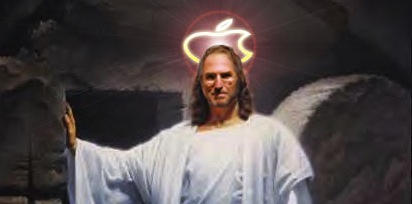
The third coming of Steve Jobs, by Jesus Diaz of Gizmodo: http://gizmodo.com/5355422/steve-jobs-is-back-in-the-game-reappears-in-ipod-event
Remember John Lennon’s famous quip that the Beatles were bigger than Jesus?
Well, now Steve Jobs is bigger than the Beatles, says music-industry pundit Bob Lefsetz.
“Steve Jobs’ appearance today is the biggest story in the world,” he wrote today.
“What kind of crazy, fucked-up world do we live in where the biggest rock star doesn’t even play an instrument? I don’t know if you were online at 10 A.M. (1 P.M. on the east coast), but a roar was heard on the Internet louder than any audience explosion ever noted on a dB meter. Steve Jobs hit the stage!”
Lefsetz has banged on about Jobs being a rock star before, but he is absolutely right.
Who’s heard a peep all day about the Beatles? It’s all been about Steve Jobs. And that’s because Apple has got someting new and fresh and honest, while the music industry is once again repackaging something old, something “that meant something once,” Lefsetz says.
Why doesn’t the new iPod touch have a camera? And why can’t the nano take still pictures? Steve Jobs gave David Pogue of the New York Times some answers…
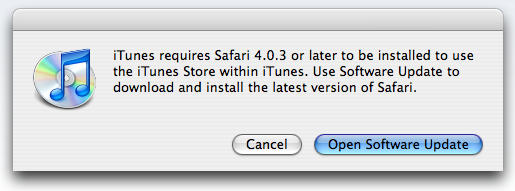
While some may contend the browser wars are over, Apple certainly ensured the 100,000,000 iTunes account holders Steve jobs alluded to at Wednesday’s “Rock and Roll” event in San Francisco will be downloading the latest version of Safari, whether they use Apple’s browser to surf the web or not.
They’ll download it if they want to use iTunes 9, that is.
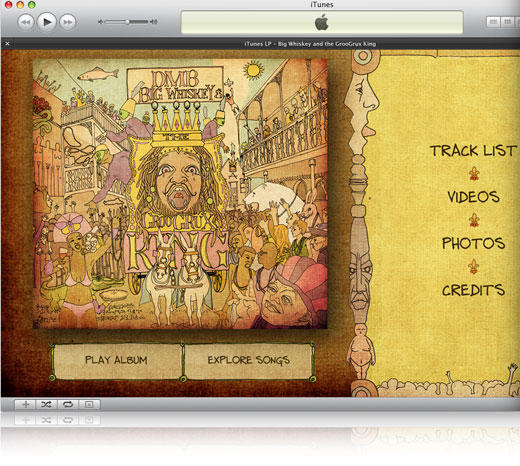
iTunes LP — song lyrics, liner notes, photos, and more. Home Sharing — Transfer music, movies, and more between your computers at home. New iTunes Store — The Redesigned iTunes Store. With a great new look, it’s even easier to explore. iTunes Extras — Get an inside look at your favorite movies with new special features. Genius Mixes — Genius makes up to twelve perfect music mixes, automatically. Improved Syncing — Better ways to sync. And a new way manage apps on your Home screens.
Steve Jobs received a standing ovation at the beginning of today’s “Rock&Roll” special event. Watch the video after the jump and hear him thank the donor whose liver saved his life. It’s humble and touching.
“That pretty much seals the deal for me to go to Zune,” says reader Joan. “Darn, and I thought that Apple would have blown Zune’s top off today.”
Reader Miguel writes that he will not be upgrading his iPod Touch. “Big disappointment from Apple,” he says. “Hopefully they include it next year or before that.”
CoM writer Giles Turnbull suspects it’s only a temporary manufacturing delay. Apple will add cameras as soon as the factories are ready.
Says Giles: “I think it’s coming, possibly sooner than people think. It’s madness to have a camera at the top end and bottom end and not in the middle, so common sense suggests it will be added to the touch as soon as manufacturing facilities can be secured for it.”
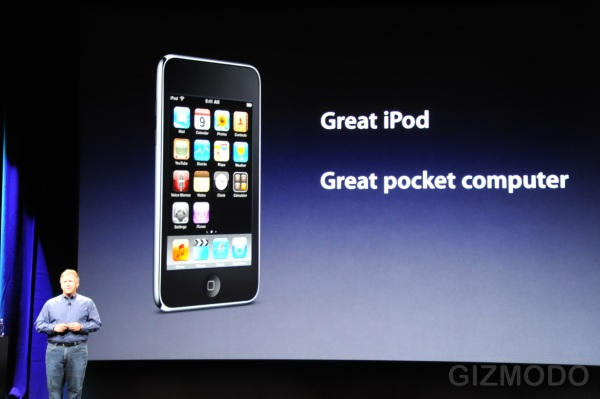
Wow. Big surprise. The iPod Touch isn’t getting a video camera, as was widely rumored. Only the iPod nano got a camera. Bummer.
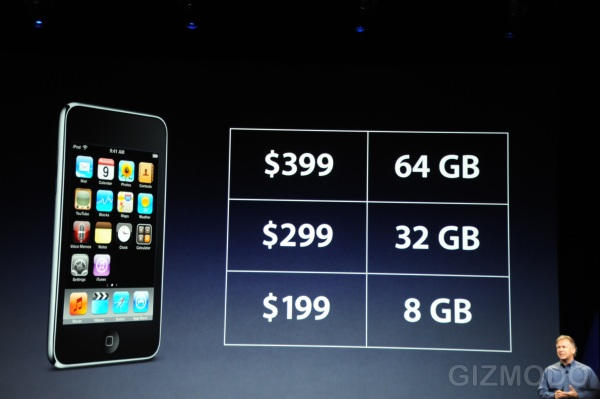
The iPod touch does have a lower price point though: $199 for an 8GB model.
“The iPod mini used to sell for $250, and when we brought it down to $199, sales doubled,” said Phil Schiller. “We learned something: $199 is the magic price point in the iPod world. We’re bringing it down today to $199 for an 8GB iPod touch.”
Plus, the middle- and higher-end models get faster processors and double the storage capacity: 32 and 64GB.
Here’s the new price points and capacities:
8GB at $199
32GB at $299
64GB at $399
The 32GB and 64GB iPod Touch will be 50% faster, Schiller said, and run OpenGL ES 2.0, the same graphics engine used in the iPhone 3GS. Schiller showed the new iPods running several games at the event, which make use of the OpenGL ES 2.0 technology. The entry-level 8GB iPod touch is still running the older processor.
Update: The new iPod’s are available for order from Apple’s website:
Phil Schiller just announced a new iPod Classic, which was widely rumored to be on its deathbed. Many expected the Classic — the last iPod to be based on a spinning hard drive — to be discontinued (not us here at CoM though), as Apple promoted the iPod Touch instead. Looks like that was premature.
The iPod Classic has been bumped up to 160GB $249, the same price as the previous 120 GB model. Available today, Apple says.
Steve just introduced iTunes 9. Available today as a free download, the new version adds:
* iTunes LP — includes videos, lyrics, liner notes, credits, chronologies and other digital content. Tries to recreate the LPs of Steve’s youth. The images are big and colorful, and its interactive. “The photos are amazing.” Thsi doesn;t sound like the rumored “Cocktail” project, which has been tied to the tablet, and is therefore probably a multitouch app. But perhaps iTunes LP is a precursor.
* Home sharing — iTunes lets you copy songs, movies and TV shows among the five authorized computers in your house. Automatically transfers new purchases between computers. This is a nice change. Media management between computers at home is a huge pain, and one of the reasons consumers download pirate content, because there are no DRM headaches. This should make sharing a lot easier.
* Better Syncing — Set up and manage your iPhone/touch Home Screen within iTunes. You manage what Apps go where via drag and drop. Another welcome change. Should make App management a lot easier.
* Redesigned Store — “Cleaner,” says Steve. Bigger images, lots more song previews. You no longer have to drill down to hear a song preview. Store can go full screen, dispensing with the sidebar. “Looking good,” says Gdgt.
* Genius mixes — auto DJ that mixes songs from your iTunes library that it thinks will go well together. iTunes will make 12 by default. Click one, and it’ll play indefinitely.
* Social software — publish items in iTunes to Facebook and Twitter, or send them as gifts.
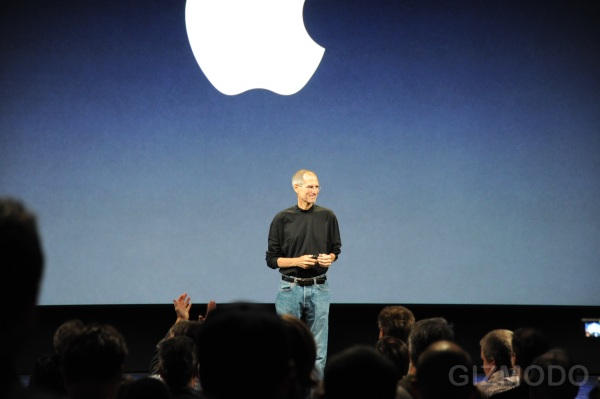
Steve Jobs has just taken the stage and is getting a long standing ovation. “I’m vertical, back at Apple, loving every day of it,” he said.
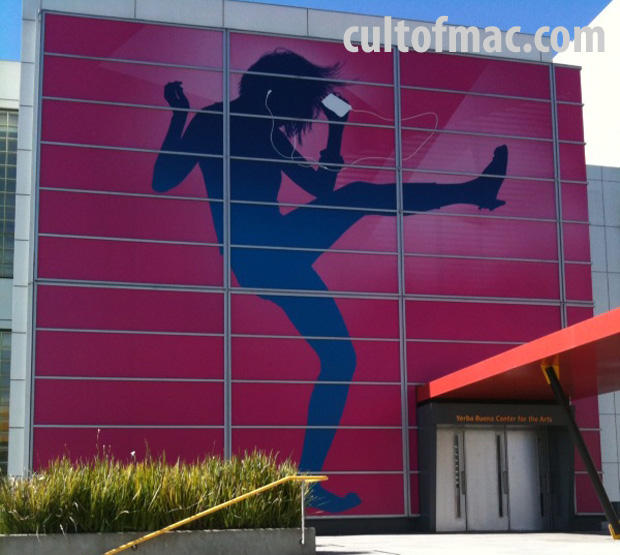
“I’m very happy to be here with you all. As some of you might know, I had a liver transplant,” he told reporters and Apple staffers gather at San Francisco’s Yerba Buena Center for the Arts.
His voice is very soft.
He said he now has the liver of a 20 year old who died in a car crash, and he thanks him for his generosity, says Gizmodo.
“I’d like to thank everyone in the Apple community for the heartfelt support — it meant a lot. I’d also like to thank Tim Cook and the rest of the Apple team, they really rose to the occasion.”
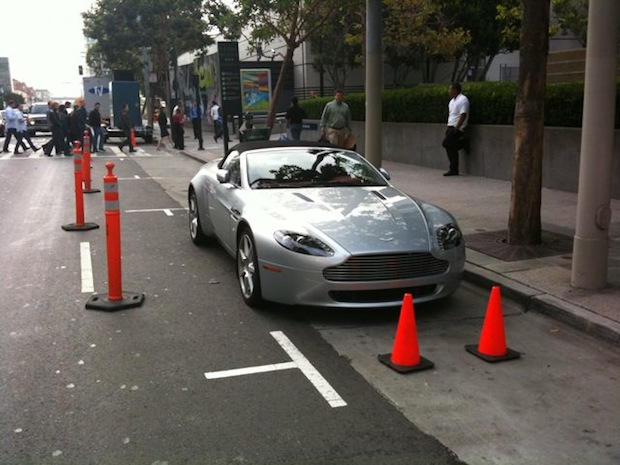
There’s a silver Aston Martin Vantage parked around the corner from Apple’s “It’s only rock and roll, but we like it” event, which is about to kick off.
It’s in a spot where Steve Jobs has parked his Mercedes in the past, just to the side of the Yerba Buena Center for the Arts. There are several spots cordoned off with traffic cones, watched over by a guard with an Apple-logo shirt. I asked if it belonged to Jonatahn Ive, Apple’s head designer. He said, “Who?”
The Aston Martin is a Vantage and has a “V 007” license plate. Jonny Ive is known to drive a DB9, a $250,000 supercar imported from his homeland, Britain.