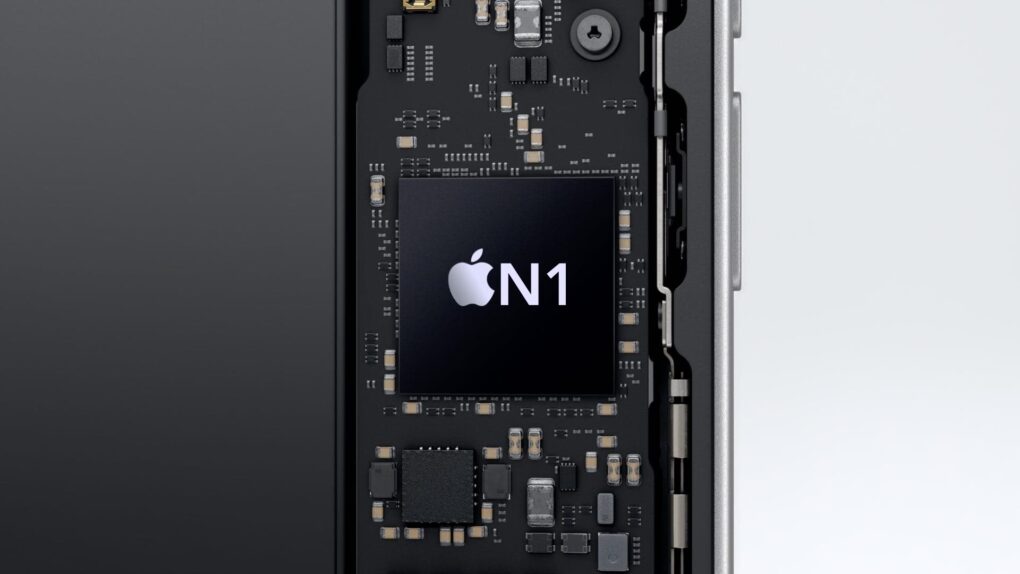
The Apple N1 chip handles Wi-Fi in the new iPhone 17 series. Image: Apple/Cult of Mac
The Apple N1 wireless chip is easy to overlook in the hoopla surrounding the new iPhone 17 series, but it’s an advancement in Apple’s drive to produce all its own silicon.
The new in-house chip handles Wi-Fi, Bluetooth and more, and Apple says it’ll improve the performance of Personal Hotspot and AirDrop.
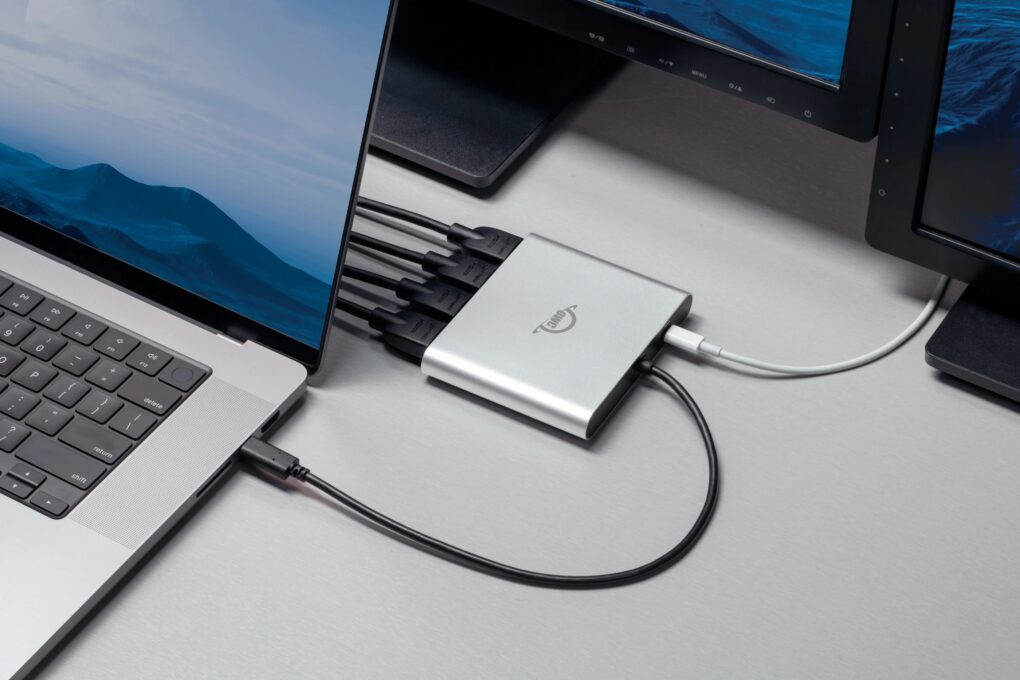
OWC's new Quad HDMI adapter makes running multiple 4K external displays a breeze. Photo: OWC
Two new HDMI adapters from Other World Computing (OWC) solve the external display limitations that have frustrated Apple Silicon Mac users since the M1 chip’s introduction, the company said Monday. The new OWC USB-C Quad HDMI 4K Adapter and redesigned OWC USB-C Dual HDMI 4K Adapter offer Mac owners a way to connect multiple external monitors without juggling multiple dongles.
“Whether you’re working with spreadsheets, streaming data, editing video or just need more screen real estate to stay productive, we believe your gear shouldn’t hold you back,” said Larry O’Connor, OWC’s founder and CEO. “With our new Quad and enhanced Dual HDMI adapters, we’re giving users the power to easily expand their visual workspace, without the complexity or cost of juggling multiple adapters or sacrificing performance.”
This 2019 MacBook Pro with an Intel chip won’t get macOS 27. Photo: Charlie Sorrel/Cult of Mac
The upcoming macOS 26 Tahoe is the last upgrade that will be compatible with Macs running Intel processors, Apple revealed at WWDC on Monday. The company continued to make OS upgrades for computers running those chips many years after the release of the last one, but that’s coming to an end in 2026.
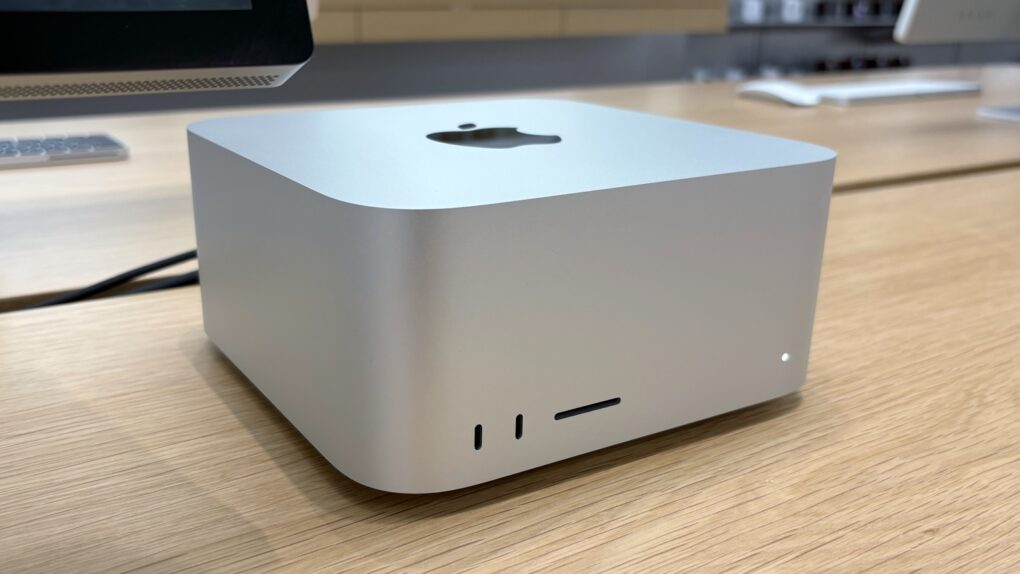
Mac Studio now tops out at 96GB of RAM. Photo: Ed Hardy/Cult of Mac
Apple is perceived as a laggard in the AI race — despite that, Apple has developed the single best computer for AI research. The new Mac Studio with an M3 Ultra chip, which supports up to 512GB of unified memory, is the easiest and cheapest way to run powerful, cutting-edge LLMs on your own hardware.
The latest DeepSeek v3 model, which sent shockwaves through the AI space for its comparable performance to ChatGPT, can run entirely on a single Mac, Apple AI researchers revealed Monday.
It’s a machine that fits comfortably on your desk, rather than a server farm; it costs the same as a used Honda Civic, not a new Lamborghini.
How did this happen? Most remarkably of all — by sheer coincidence. Here’s why the Apple silicon architecture makes for the best AI hardware, a use case Apple didn’t mean to design it for.
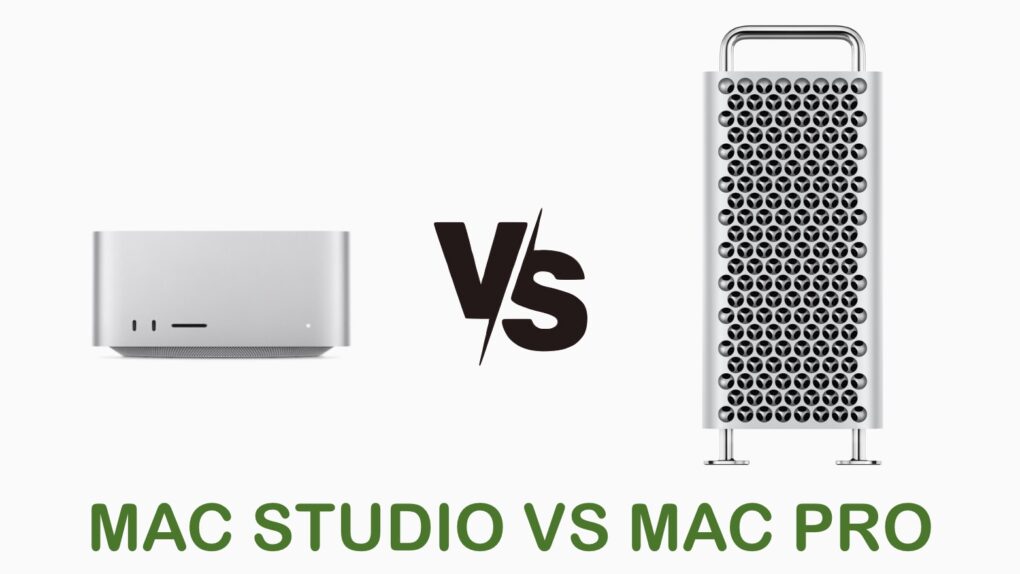
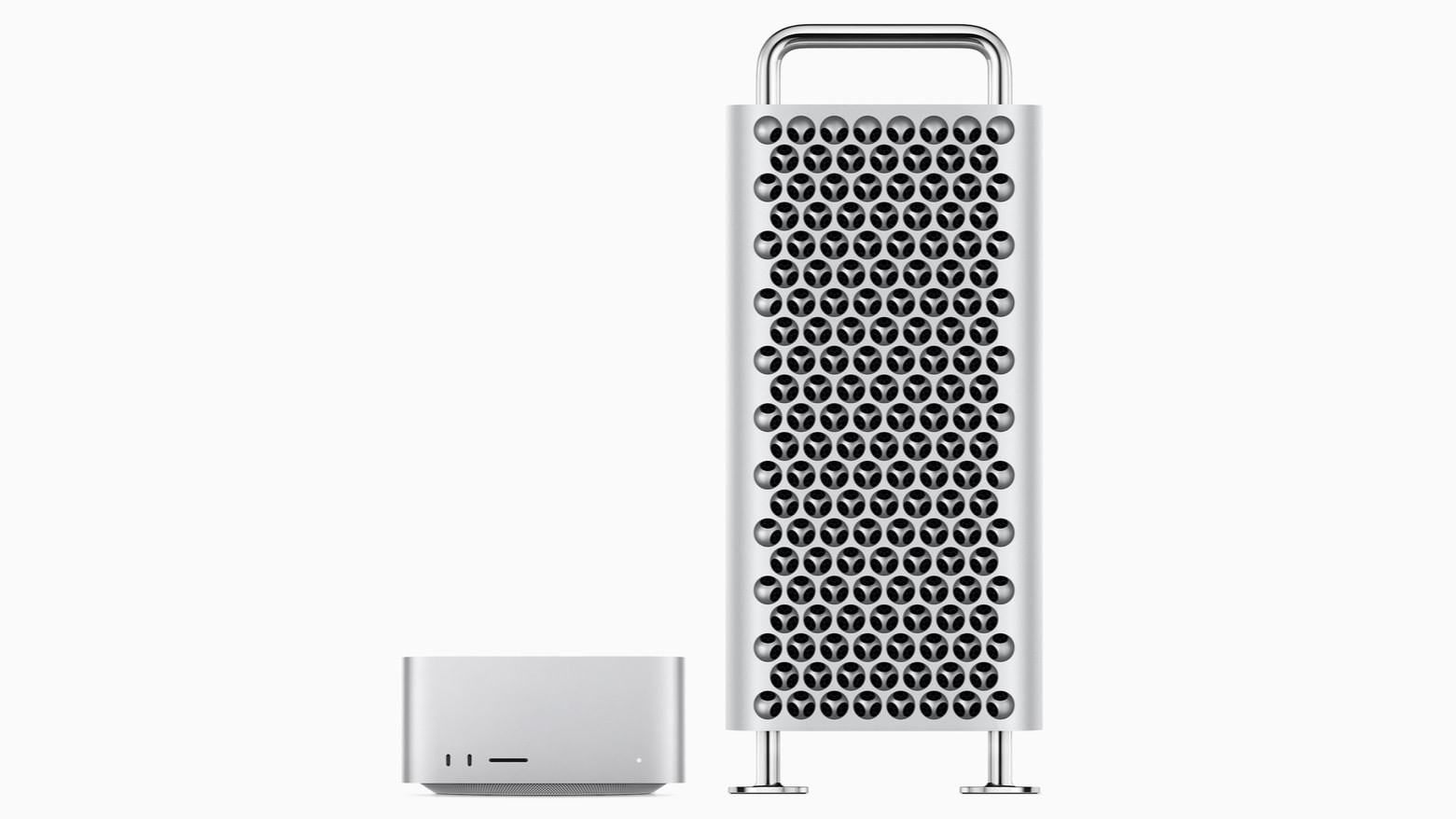
Mac Studio vs Mac Pro: A new champion. Photo: Cult of mac
Comparing Mac Studio vs Mac Pro shows the benefits from Apple’s ever-improving processors. Mac Studio just got a major chip upgrade, and can now be configured with an M3 Ultra. The last new Mac Pro version came in 2023, and it’s therefore stuck with an M2 Ultra.
Read on to see how much of a difference that makes. (Spoiler alert: It a big difference.)
"M3 Ultra features a 32-core CPU, an 80-core GPU, double the Neural Engine cores, Thunderbolt 5, and support for the most unified memory ever in a personal computer," Apple said. Photo: Apple
Apple unveiled the M3 Ultra chip as an option in the newMacStudio desktop Wednesday. As the company’s most powerful silicon chip to date, it brings unprecedented performance to pro users with demanding workflows. The other option in the new desktop machine is the M4 Max chip, which is actually less powerful than the M3 Ultra.
“M3 Ultra is the pinnacle of our scalable system-on-a-chip architecture, aimed specifically at users who run the most heavily threaded and bandwidth-intensive applications,” said Johny Srouji, Apple’s senior vice president of Hardware Technologies.
“Thanks to its 32-core CPU, massive GPU, support for the most unified memory ever in a personal computer, Thunderbolt 5 connectivity, and industry-leading power efficiency, there’s no other chip like M3 Ultra,” he added.
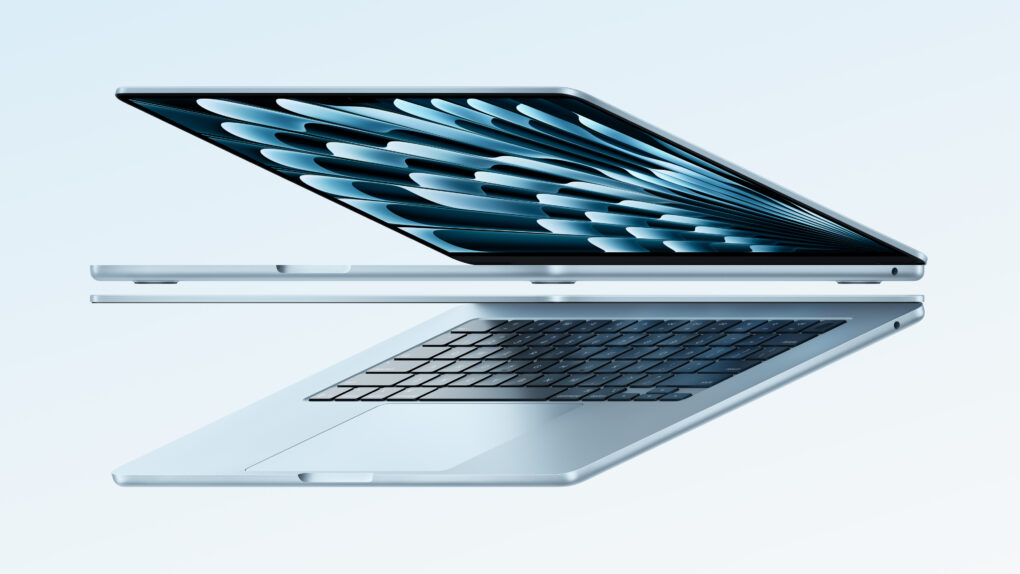
The M4 MacBook Air in the new sky blue color. Image: Apple
Apple unveiled a revised MacBook Air with an M4 chip inside Wednesday. It comes in a beautiful new sky blue color, at an even lower price point — with the same incredible 18 hours of battery life.
“MacBook Air is by far the world’s most popular laptop,” said Greg Joswiak, Apple’s senior vice president of worldwide marketing, said in a press release, “and today we’re giving everyone even more reasons to love it, including a big boost in performance with the M4 chip, a new Center Stage camera, and a beautiful new sky blue color.”
The M4 MacBook Air starts at $999 and will become available on March 12.
The Apple C1 chip is the company’s first in-house cellular modem. Image: Apple
The new Apple C1 modem that powers the cellular connectivity of the iPhone 16e is the company’s first cellular modem designed in-house.
The C1 offers “fast and reliable connectivity, and it’s the most power-efficient modem ever in an iPhone,” said Kaiann Drance, Apple’s vice president of worldwide iPhone product marketing, in a launch video released Wednesday. Thanks to its efficiency — and an optimized internal design that allows for a bigger battery — the iPhone 16e offers an “unprecedented level of battery life in a 6.1 inch iPhone,” she added.
The Apple C1 integrates 4G, 5G, satellite and GPS radios in one chip. The C1 represents a brand-new direction for Apple silicon, alongside the company’s processors and other wireless chips. Recent Ookla speed tests suggest that the C1 modem holds its own against the Qualcomm chip in the iPhone 16, as detailed in this comparison.
Benchark results suggest you don't need to spend a fortune to get blazing-fast speeds. Photo: OpenAI/ChatGPT
Early Geekbench 6 benchmarks show Apple’s new M4 Pro and M4 Max chips deliver major performance improvements for Macs. Most surprisingly, the M4 Pro chip outperforms even the previously top-tier M2 Ultra chip in multi-core performance, despite having fewer CPU cores. And the higher-end M4 Max proves even more impressive, of course.
So if you’re on the fence about upgrading to a Mac with either of these chips, these results should encourage you.
Apple unveiled the radically redesigned Mac mini on Tuesday, with versions powered by the M4 chip and a new M4 Pro chip. The smaller-than-ever desktop computer features a new design with convenient ports on the front and back, faster processing speeds and, for the first time, Thunderbolt 5 connectivity and a carbon neutral guarantee.
“The new Mac mini delivers gigantic performance in an unbelievably small design thanks to the power efficiency of Apple silicon and an innovative new thermal architecture,” said John Ternus, Apple’s senior vice president of hardware engineering, in a press release.
The faster Mac mini is available for preorder now, with a release date of November 8.
Mac Studio and Mac Pro could stick with the Apple M2 series processors for a whole extra year. Photo: Apple
Mac Studio and Mac Pro models updated with an M3 Ultra processor that we expected to arrive soon reportedly have been canceled. Apparently, professional Mac users shouldn’t look out for new hardware with faster processors at WWDC24 in June. And the wait might actually stretch until next year’s WWDC25.
It seems Apple already moved on from its M3 series processors, so there are no new chips ready to go into these high-end desktops. However, if you’re interested in the M3 MacBook Pro, you can explore how it compares to other Macs in this in-depth Mac Studio vs. Mac Pro comparison.
Some Apple AI tasks might be handled at data centers similar to this one. Photo: Manuel Geissinger/Pexels
Some Apple artificial intelligence services reportedly will depend on data centers with servers running on the company’s own processors. Less-demanding AI functions will run locally, on users’ own computers.
This is all apparently part of bringing more AI features to iPhone, Mac, iPad, etc., in the coming months.
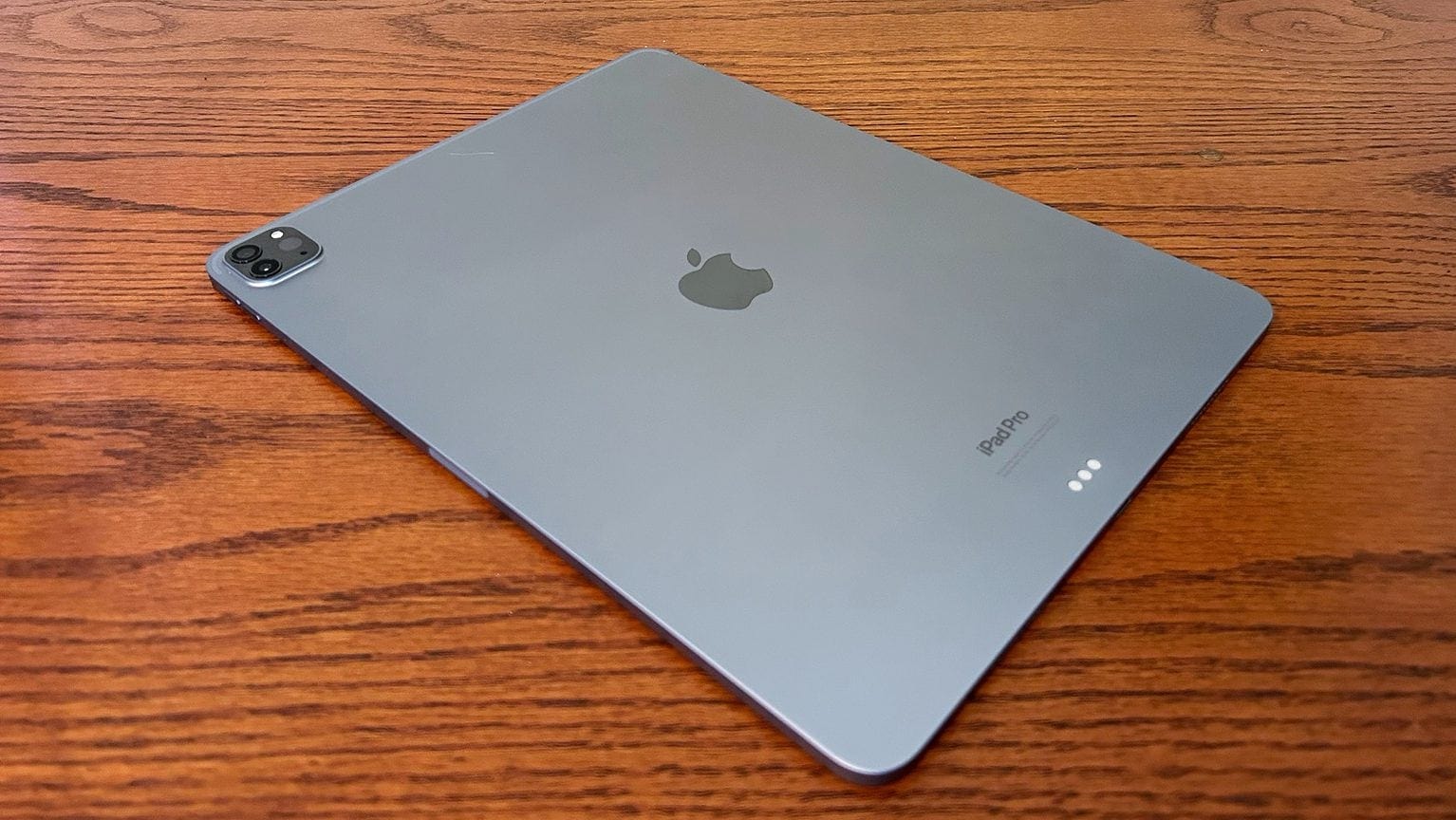
Tim Millet, Apple’s vice president of platform architecture and hardware technologies, says the M4 chip was “essential to deliver incredible performance” in the new iPad Pro, which is now “the most powerful device of its kind.”
The M4 chip was a last-minute rumor broken by Mark Gurman, which was dismissed by some as being unfeasible only half a year after M3 rolled out in last year’s MacBook Pro.
New Apple silicon is incoming, and that means AI-focused Macs. Image: Cult of Mac
This week on Cult of Mac’s podcast: A surprise leak about Apple M4 chips says they’ll come sooner than almost anybody suspected. But nobody’s shocked to hear that they will focus on bringing AI capabilities to Macs.
Plus, there’s news of Ferret-UI, a new Apple project designed to help AI understand how humans use iPhones. Apple’s definitely tin a rush to cash in on tech’s biggest buzzword!
Also on The CultCast:
With Project Titan abandoned and hopes of an Apple car destroyed, Cupertino goes on a desperate search for its “next big thing” to boost revenue.
And we wrap up with an all-new edition of What We’re Into! Spoiler alert: It’s all sci-fi this time around.
Listen to this week’s episode of The CultCast in the Podcasts app or your favorite podcast app. (Be sure to subscribe and leave us a review if you like it!) Or watch the video live stream, embedded below.
The M3 Ultra could be the high-performance chip that so many professionals need. Photo: Apple/Cult of Mac
Apple’s upcoming M3 Ultra chip won’t consist of two M3 Max processors merged together, according to information leaking out of Cupertino. The change from its predecessors would free up designers to make the next-gen Apple silicon even more powerful.
It even raises the possibility of an M3 Extreme, a workstation-level processor that would give the Mac Pro a reason to exist. With Apple continuing to push the boundaries of performance, the Apple M3 lineup is expected to redefine computing power—learn more about it in Apple’s unveiling of the M3 Ultra chip.
A vulnerability in M series processors could lead to unauthorized access of encrypted data. Photo: Apple/Cult of Mac
Security researchers have found a serious exploit in all Apple M-series processors. The hard-wired flaw could potentially could be used by hackers to get user credit card information or read encrypted messages.
The flaw exposes precious encryption keys, and it’s baked into the hardware — so it can’t easily be patched without a performance penalty. Here’s what you need to know.
A technician works in the Apple silicon lab in Cupertino. Photo: CNBC
Apple showed off its Apple silicon lab to media for the first time recently, allowing unusual access along with video interviews with executives about Cupertino’s major chipmaking strides in recent years, culminating in the current M3 series.
“One of the most, if not the most, profound change at Apple, certainly in our products over the last 20 years, is how we now do so many of those technologies in-house,” Apple’s Senior Vice President of Hardware Engineering John Ternus said in one interview.
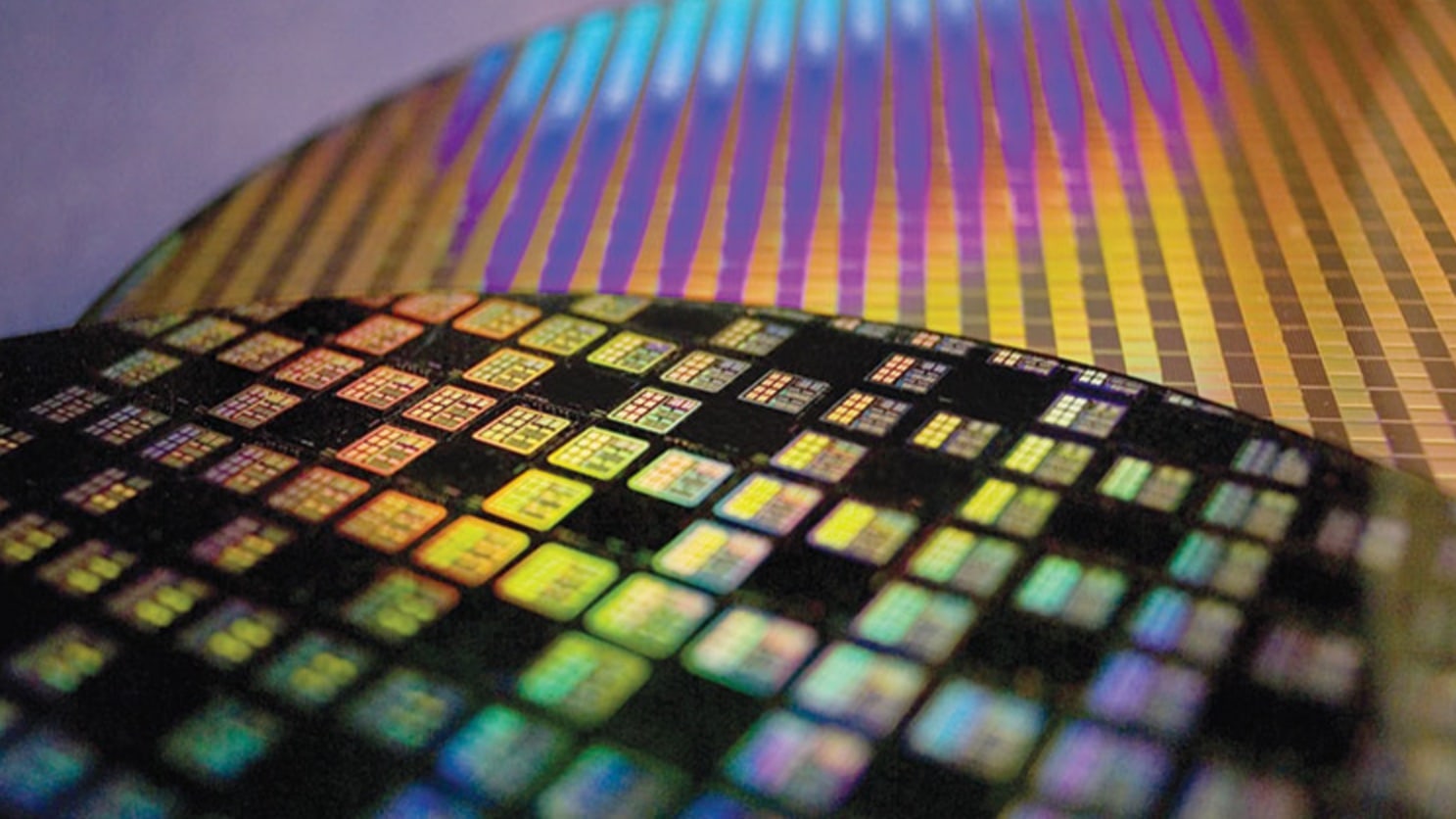
Chip wafers can't simply be plugged into a computer. They must be packaged first. Photo: TSMC
Apple silicon processors that TSMC makes at its Arizona plant will be packaged by Amkor at a nearby facility. This will save them from having to be shipped to Taiwan before going into iPhone, Mac, etc.
“Apple is deeply committed to the future of American manufacturing, and we’ll continue to expand our investment here in the United States,” said Jeff Williams, Apple’s COO. “Apple silicon has unlocked new levels of performance for our users, enabling them to do things they could never do before, and we are thrilled that Apple silicon will soon be produced and packaged in Arizona.”
Whatever you think Apple pays Arm to license its technology, the real number is probably less. Photo: Arm/Cult of Mac
All Apple computers run on chips based on technology licensed from Arm. And it turns out the licensing fee is surprisingly low. Pennies per device.
Apple is one of Arm’s most important customers, and the two have a relationship that goes back to the early 1990s. That’s turned into a sweet deal for the iPhone-maker.
Not every M3 MacBook Pro is created equal. Image: Cult of Mac
This week on Cult of Mac’s podcast: Erfon breaks down the specs/performance of Apple’s recently released MacBook Pro lineup, and he’s convinced there are only two models any sane person would buy. Listen to found out which models make the grade!
Also on The CultCast:
Apple reportedly slammed the breaks on the development of next year’s iPhone and Mac operating systems to concentrate on busting bugs. But was the pause really that big of a deal?
Elgato made a simple, smart change to its USB-C cables — and every manufacturer should follow suit.
An intriguing rumor indicates Apple might have a battery breakthrough in the works.
Listen to this week’s episode of The CultCast in the Podcasts app or your favorite podcast app. (Be sure to subscribe and leave us a review if you like it!) Or watch the video live stream, embedded below.
Apple unveiled the M3 and didn't make Mac users wait for the M3 Pro and M3 Max. Image: Apple
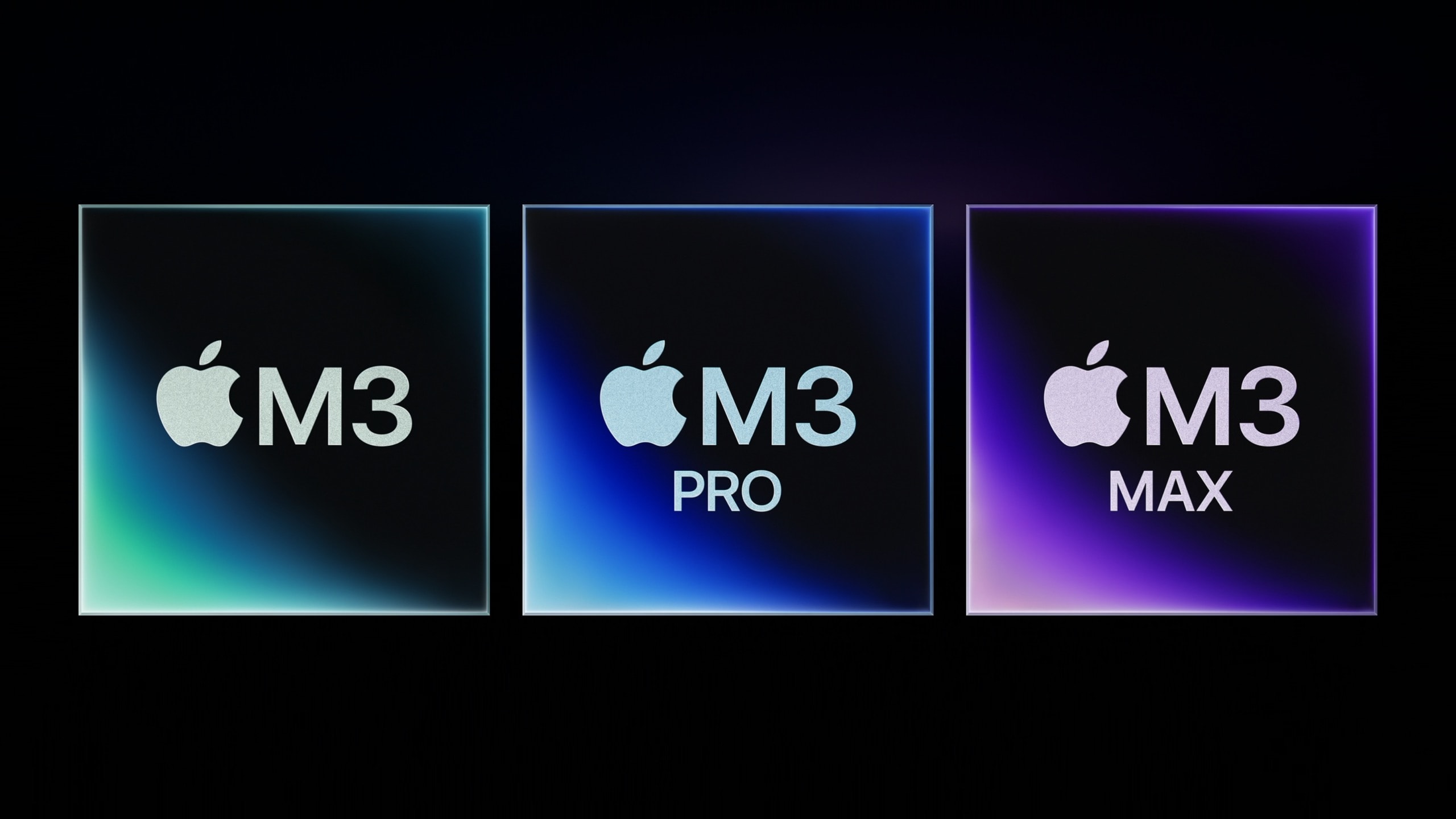
Apple broke with tradition and unveiled the M3, M3 Pro and M3 Max processors all at once on Monday, rather than stringing the releases out. The performance cores in the new chips are up to 30% faster than M1, and the efficiency cores are up to 50% faster.
“Apple silicon has completely redefined the Mac experience. Every aspect of its architecture is designed for performance and power efficiency,” said Johny Srouji, Apple’s SVP of Hardware Technologies. “With 3-nanometer technology, a next-generation GPU architecture, a higher-performance CPU, faster Neural Engine, and support for even more unified memory, M3, M3 Pro, and M3 Max are the most advanced chips ever built for a personal computer.”
The next generation of iPads and MacBooks might see lower demand. Photo: Ed Hardy/Cult of Mac
Conditions over the past few years that led to robust sales of early Apple silicon Macs may not be there for 2024 MacBooks and iPads despite their advanced new 3nm chips, an analyst said Wednesday.
An anonymous tipster has bad news for the Mac Pro: Apple apparently has no plans to keep working on the scrapped chip that would have doubled the machine’s power. Development on Apple silicon is reportedly set all the way through the M5 generation.
There’s a beacon of hope, though. Multi-die packaging — technology being developed that could see the light of day around the M8 chip — eventually might give the Mac Pro the power it deserves. However, at Apple’s current pace, that’s at least six years away.
The wait for the Apple M3 processor could be shorter than expected. Image: Ed Hardy/Cult of Mac
Apple reportedly began internal testing of Macs powered by next-generation M3 chips. At least one of the variants could feature a 12-core CPU, an 18-core GPU and 36GB of system memory.
The next-generation Apple silicon remains a few months away from release, however. Rumors suggest it could debut at the end of this year or early 2024.
How far can you get without Rosetta 2? Image: Apple
Is it possible to get work done on an Apple silicon Mac without ever installing Rosetta 2, the compatibility layer for running old Intel apps? In short, yes.
After buying my first Apple silicon Mac earlier this year, I was curious if I could get settled into my new computer without Rosetta. And I was successful. I’ve been writing articles, making videos and recording podcasts for more than a month, and I haven’t yet come across a mission-critical app that’s Intel-exclusive.