Ad impressions reached a record high during the fourth quarter of 2012, according to data from Opera’s latest State of Mobile Advertising report, with revenue to publishers more than twice that of any previous quarter throughout the year. The figures show that Android continues to increase its share of the market, but it’s got a long way to go before it topples iOS, which boasts a whopping 41.91% share.
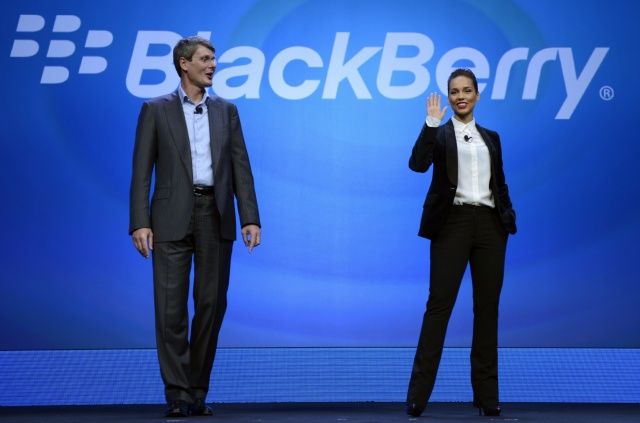
Despite the fact that she uses an iPhone, Alicia Keys joined BlackBerry’s CEO onstage today to announce her new position at the company as “Global Creative Director.” After giving a creepy analogy about her and BlackBerry “exclusively dating,” Keys skirted a question about what phone she used before her BlackBerry. That’s probably because she was a self-proclaimed “iPhone junky.”
The idea of a famous artist/non-technology expert like Alicia Keys getting in bed with BlackBerry may seem weird, but this isn’t something new. For years struggling tech companies have been using faux-celebrity partnerships and endorsements as a desperate plea for attention.
I’d say the single most annoying part of my mobile experience is when I accidentally click on a strategically placed ad. Most of the time, ads are placed in close proximity to where a user needs to touch in order to scroll or advance — not to mention there’s little screen real estate to begin with. Thankfully, and surprisingly, Google has been working on making accidental clicks a thing of the past.
Apple has a solid track record of great print ads, but their latest ad for the iPad mini on the back cover of Time magazine is perfect. It’s clean, minimal, clever and intuitive. Rather than saying anything about the iPad mini and why it’s an incredible device, the ad simply shows readers the actual size of the iPad mini containing the content they love. Well done Apple.
Advertisements are a vital part of what makes the Internet tick. Even though a lot of them are annoying and intrusive and ugly as hell, they provide websites (like us) with the cash flow needed to give you all the infotainment you can eat for free.
Sometimes those ads are just freaking horrific, and solutions like AdBlock make the web a better, more visually appealing place. Now you can get the hardware equivalent of ad-blocking software in a super portable box called AdTrap.
Okay, obviously, we’re big fans of the iPad here, and by all accounts, the Surface is a piece of hardware that isn’t quite ready for prime time. Still, this incredible fake advertisement for the Surface would — if officially sanctioned by Microsoft and aired during prime time — probably be enough to get us to buy one, if we ever were going to. Just awesome, and turns out that at least one of these guys has done a video we really liked before.
Some Mac users felt Apple's 'Genius' ads made them look stupid.
Scott Trattner, the executive creative director behind the “Genius” advertising campaign — which was quickly killed by Apple shortly after its debut — has left his role at TBWA/Media Arts Lab in favor of a new role with advertising agency 72andSunny.
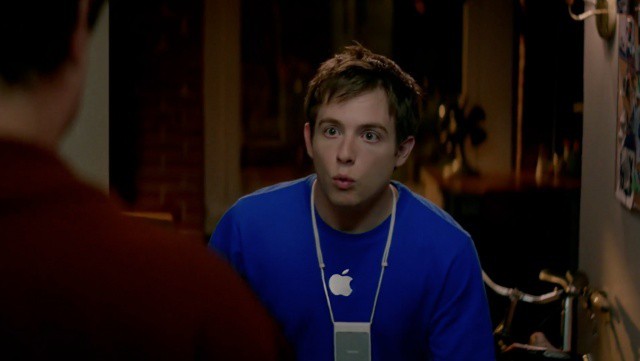
Apple’s controversial “Genius” TV ads have been unofficially killed. While Cupertino hasn’t said anything about the ads, they’ve removed the TV spots from their YouTube channel and the Apple.com marketing page. Apple stopped airing the ads on television days after they were introduced because of criticism that the ads made Mac users look clueless.
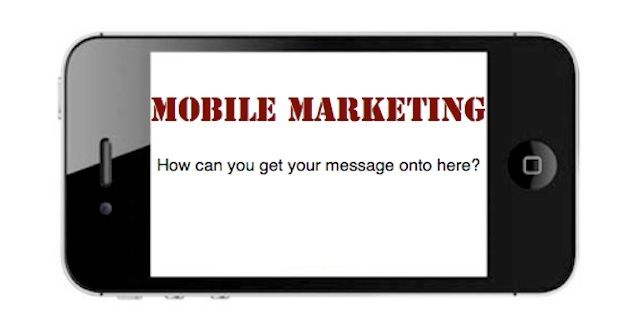
The iPhone and iPad present unique marketing opportunities and challenges.
Over the past several months, we’ve seen studies on the reactions that iPad and iPhone users have to mobile marketing initiatives. Often these studies suggest that the iPad is a golden opportunity for marketing professionals. We’ve also seen the ways that companies are shooting themselves in the foot by not taking advantage of the unique capabilities of mobile devices, particularly when it comes to the iPad and other tablets.
So what does it take to develop a successful mobile marketing campaign? It takes a real understanding of the advantages and disadvantages that mobile devices offer, understanding their place in a consumer’s daily life, and recognition that mobile marketing needs to treated as part of a brand strategy.
Apple’s newest Mac ads have caused quite a stir with people loving and hating them. Whatever your feelings are on the “Mac Guy” we think he has some glorious Meme potential, but we need your help to turn it into an Internet success.
This week we want you to create your own Mac Guy meme. Share the link to it in the comments of this article and you’ll be entered to win one of ten free copies of FieldRunners 2 we’ll be giving out to our readers. Plus, you might see your Mac Guy Meme make onto the Cult of Mac homepage.
Don’t know how to create a meme? It’s easy, and we’ve already set everything up with QuickMeme.com so you can just add the captions. Here’s how to do it:
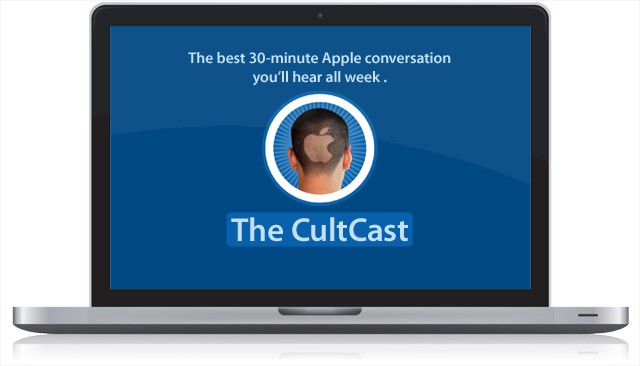
By now you’ve probably heard: a shiny new iPhone is right around the corner. But some in the tech world have been asking if Apple’s new trinket will only be playing catchup to more advanced, and more feature-rich, Android phones. We think that’s crap, and on our latest CultCast, we’ll tell you why.
Then — Apple’s embarrassing new Olympic Mac ads have just been pulled; we’ll tell you why we thought the ads needed to go, and so will our special guest, former Apple ad guy and longtime Steve Jobs’ collaborator, Ken Segall.
A day after we started our campaign to turn him into an Internet meme, it seems like Apple is starting to be embarassed about their new Mac Guy ads. They’ve stopped airing the series of ads during Olympic television broadcasts.
Quite a bit of chatter has arisen over Apple’s newest “Genius” television ads. Some have called them “embarrassing.” Others? “Ehhh?” Even Ken Segall, one of Apple’s former advertising creative directors has given the ads a big thumbs down.
But are they really so terrible? If you take a look back, you’ll see rather quickly that Apple has produced much worse. In fact, I’d go as far to say that some of Apple’s previous ads make the new ones seem not just good, but absolutely amazing.
Don’t believe me? Check out this gallery I compiled of what I believe to be the top 10 worst Apple ads of all time. Watch out- some of them are pretty shocking.
You might know who Ken Segall is from his appearance on The CultCast. Ken was a Creative Director at TBWA/Chiat/Day for many years, and worked closely with Steve Jobs, even helping to develop the iconic “Think Different” ad campaign. Now Ken is speaking out about Apple’s new “Genius” ads, and he has some harsh words towards the TV spots.
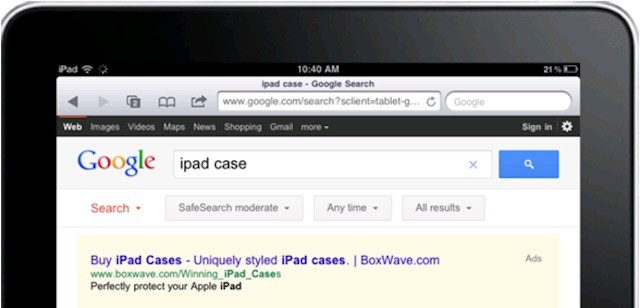
iPad user responses to search ads is changing how companies spend ad dollars.
Studies released earlier this year strongly indicated that the iPad is one of the most effective online advertising vehicles out there. iPad users are more likely to respond to ads than users of most other devices and more likely to purchase or research a product after seeing an ad on their device.
A new study confirms this trend and raises the possibility that the iPad may be subtly reshaping the online advertising industry.
6 months later, and Google is about to pay the “largest penalty ever levied on a single company” by the U.S. Federal Trade Commission (FTC). Google will pay $22.5 million to settle the charges issued by the FTC, and the code in question has already been disabled by Google in Safari on iOS.
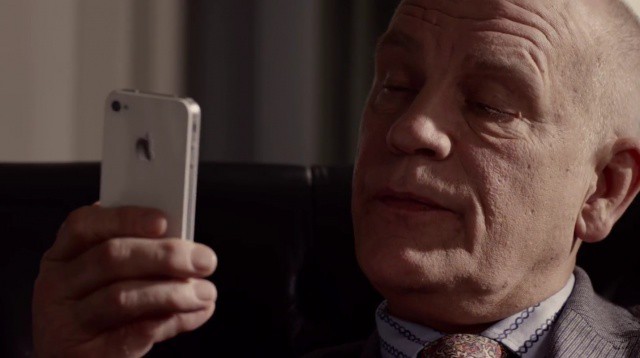
Apple has begun airing two new ads for Siri and the iPhone 4S titled “Joke” and “Life.” Both spots feature actor John Malkovich. The new ads are similar to other recent Siri commercials starring celebrities like Zooey Deschanel and Samuel L. Jackson.
These two new commercials show Malkovich using Siri for a variety of tasks, such as checking the weather and his calendar. Malkovich also asks his iPhone for a joke, and Siri classically replies with “Two iPhones walk into a bar, I forget the rest.”
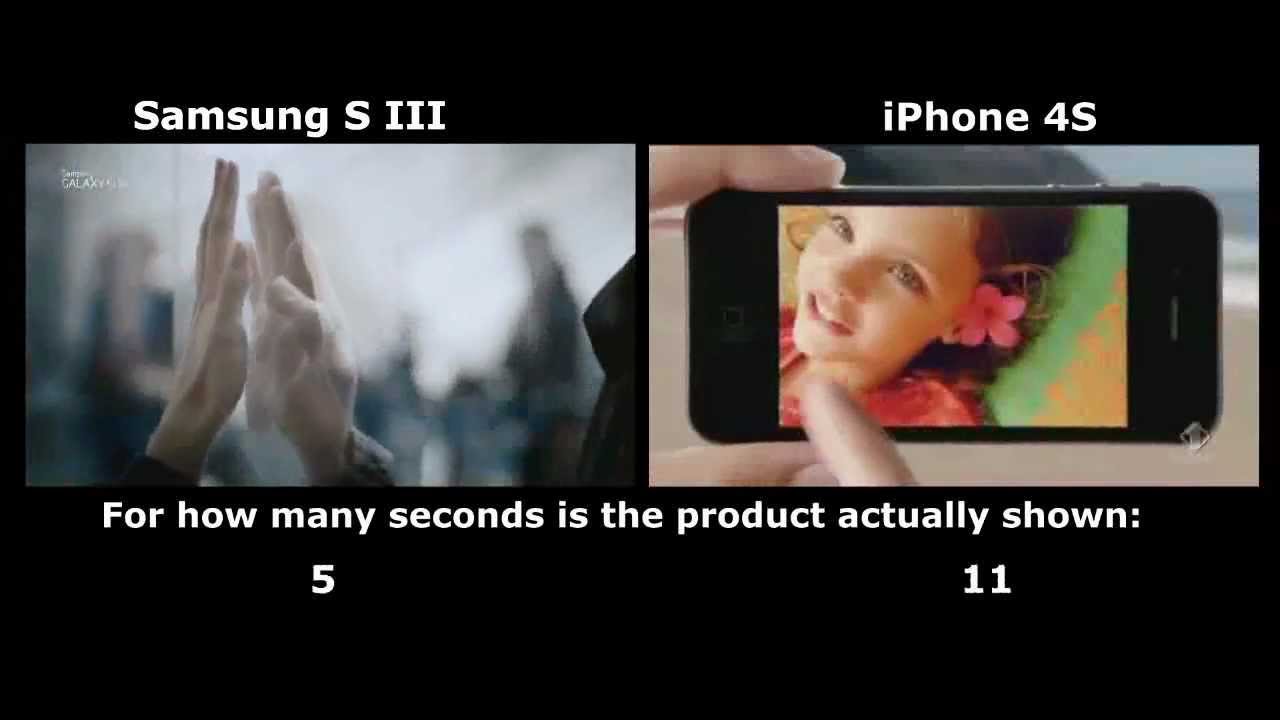
But let’s not pay attention to that. Instead, let’s ask ourselves what we can glean from the first Samsung Galaxy S III ad, especially when comparing it to a thirty-second iPhone 4S commercial.
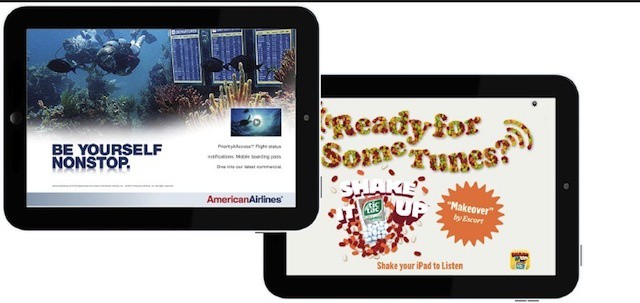
Few iPad publications include interactive or immersive ads (source: Kantar Media)
It’s pretty clear that digital distribution is going to play a large role in the future of magazines and newspapers. That doesn’t mean, however, that print editions are going away any time soon. For the foreseeable future, we’re likely to see print/digital hybrids while consumers and publishers test the waters of both digital products and distribution channels.
The road to digital hasn’t been a smooth ride for many publications. Part of the reason is the lack of resources being devoted to creating engaging and immersive digital content that doesn’t feel as if you’re simply reading a PDF of the print edition.
One big area where publisher are still failing is advertising – despite excellent interactive ad systems like Apple iAd, publishers are still stuck in a print mentality when it comes to ads. In fact, according to a new study, publications often simply toss the exact same print-formatted ads into digital editions that run in their print counterparts.
Free apps that display in-app advertising are sucking the life out of your cellphone’s battery. A team led by Abhinav Pathak, a computer boffin at Purdue University, Indiana, found that around “65%-75% of energy in free apps is spent in third-party advertising modules.”
Translation: Free apps like Angry Birds and Facebook may actually cost you more than paid apps in the end.
Samsung has shamelesslyripped-offApple‘s products every step of the way, but this has got to be a new — well, not low, but something. Not content to just rip-off Apple’s product designs, Samsung is now stealing the very actresses from Apple’s own commercials!
Late last week, Apple uploaded this fantastic new ad to their official YouTube account, and it really is a beautiful piece of work: a magical mystery tour through a collection of living, breathing Beatles covers.
It’s really charming how proud Apple is of getting the Beatles on iTunes, to the extent that over a year later, Apple is still advertising the Beatles as if they are one of their own in-house products, like an iPhone or iPad.
Looking for last minute gift ideas for the proud rebel or misfit in your life? What about this beautiful letterpressed poster by Brightwurks replicates the full text of Steve Jobs’s iconic 1997 “Crazy Ones” ad, with all proceeds going to Acumen Fund, a charity that helps relieve poverty.
The poster is printed on 140# paper and measures 10 inches wide by 26 inches tall. It’s stunningly beautiful, but letterpress isn’t cheap: expect to pay $95 for it unframed, or $195 framed. Full poster can be seen below.
Pugs are the adorable little walleyed goblins of dogs, but through years of selective breeding in the shallower end of the canine gene pool, they aren’t exactly the brightest pups out there.
I guess we shouldn’t feel too betrayed by this cute pug’s lack of taste then. Check out how upset Coco the Pug gets when the latest iPhone 4S commercial pops up during his channel surfing. Check out the video below.
Do you love creepy dolls, their heads spinning around on crackling neck cartilage like Linda Blair, surrounded by crawling disembodied limbs, covered in Satanic tattoos and riding some sort of monstrous pony with stilted nightmare legs? Then you’ll love Nokia’s new ad for the N8 Pink!
No ad could better exemplify why Nokia is on the decline. An Apple ad for the iPhone focuses on the features and the apps, the experience of actually using the phone. Meanwhile, Nokia’s paying stop-motion animators to bring to life their LSD fever dreams.